Compost bins: DIY vs. store-bought & 30:1 C:N
Compare DIY vs. store-bought compost bins for your garden. Learn about optimal 30:1 C:N ratios, moisture, and aeration for efficient composting. Find the best compost bin for your needs.
Tag
554 articles in this tag on agripure. — page 19 of 24
Compare DIY vs. store-bought compost bins for your garden. Learn about optimal 30:1 C:N ratios, moisture, and aeration for efficient composting. Find the best compost bin for your needs.
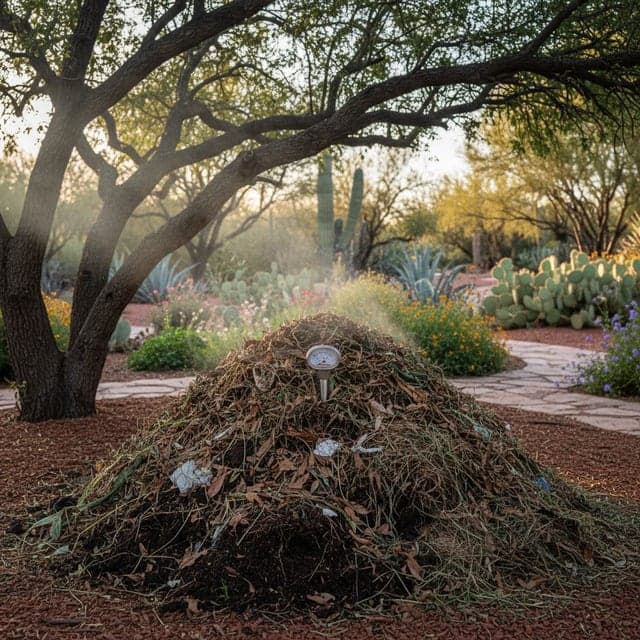
Master desert composting in USDA zones 8-10. Learn essential strategies for moisture retention, shade, and temperature regulation to create nutrient-rich humus in arid climates.
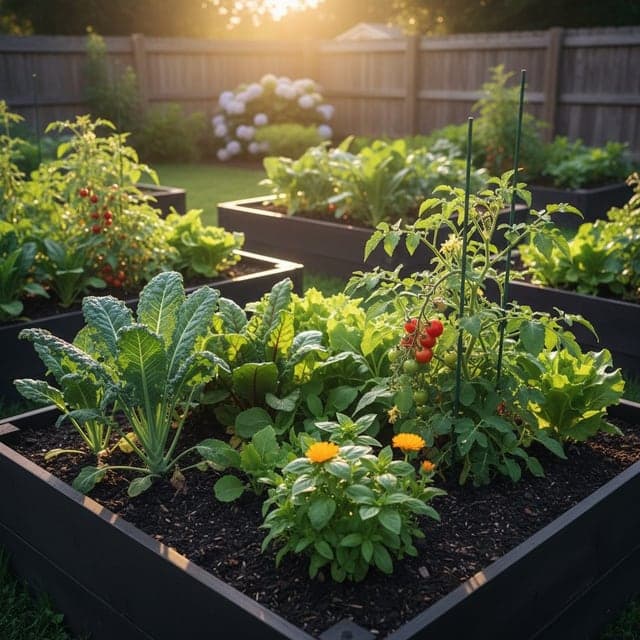
Master Midwest winter composting in USDA zones 4-6. Learn to insulate piles, maintain 30:1 C:N ratios, and use vermicomposting for nutrient-rich soil year-round.
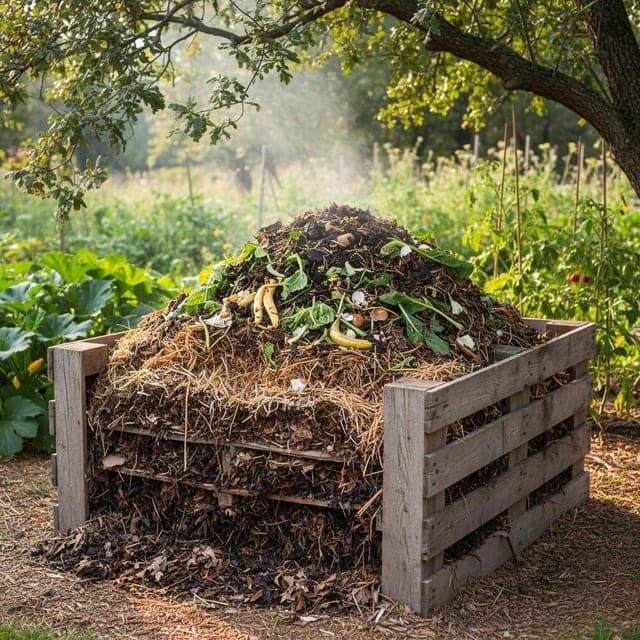
Discover cold composting, a low-effort method to create nutrient-rich soil. Learn how passive composting works, its benefits, and how to set up your pile for success in USDA zones 4-10.
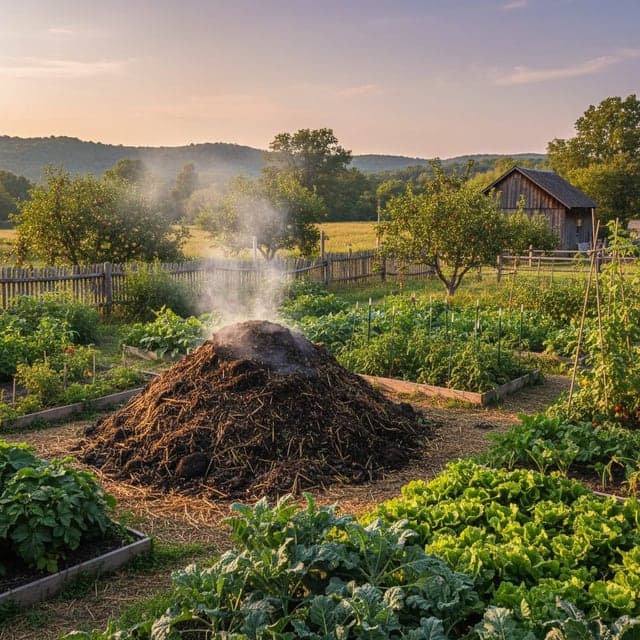
Master hot composting with the Berkeley method. Achieve 130-160°F temperatures to create nutrient-rich compost in 18 days, improving soil structure & fertility.
Learn how to manage apartment composting in Phoenix, AZ, even in a small 500 sq ft space. Discover vermicomposting, bokashi, and biochar to reduce organic waste by up to 35% and create compost for…
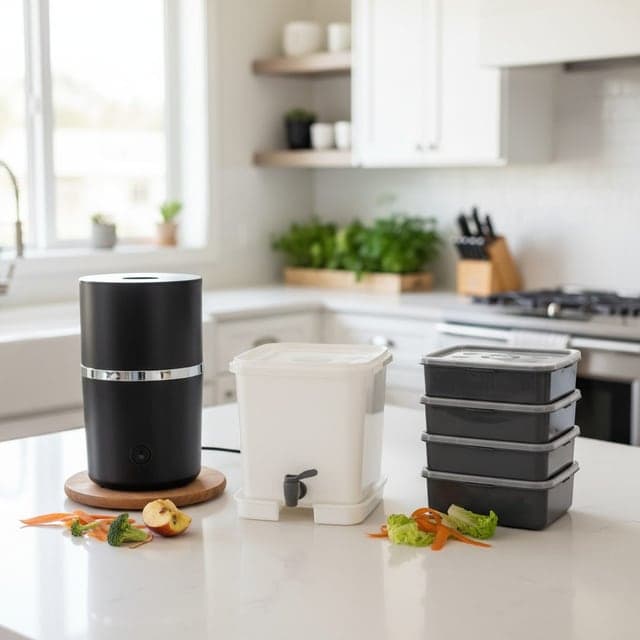
Indoor composting systems like bokashi, vermicomposting, and electric composters reduce household waste. Compare methods to choose the best option for your home.

Learn how renters can compost food scraps on balconies or countertops in US cities. Discover vermicomposting, biochar, and tips for fertile container gardens.
How to make homemade bokashi bran and save up to 75% on soil amendments, enriching garden soil and fermenting kitchen scraps anaerobically.
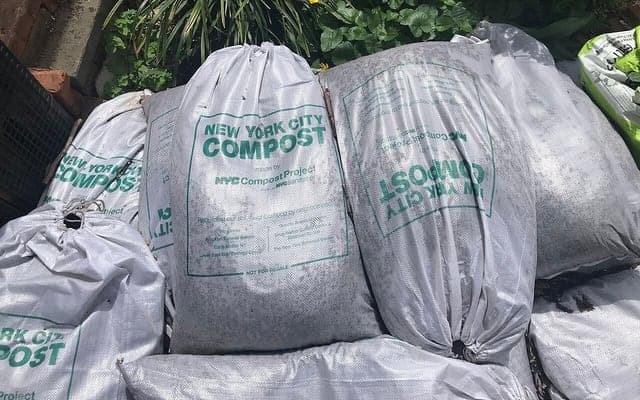
Learn Bokashi composting for US growers. Ferment all kitchen scraps, including meat & dairy, indoors. Reduce waste, create nutrient-rich soil, and avoid odors & pests.
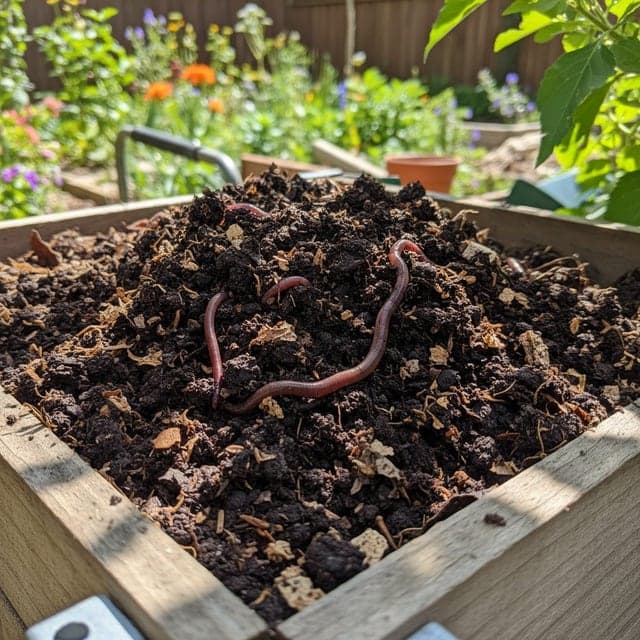
Learn four effective methods for harvesting worm castings from your backyard bin. Boost soil health, nutrient availability, and garden yields by up to 20% with nutrient-rich vermicompost.
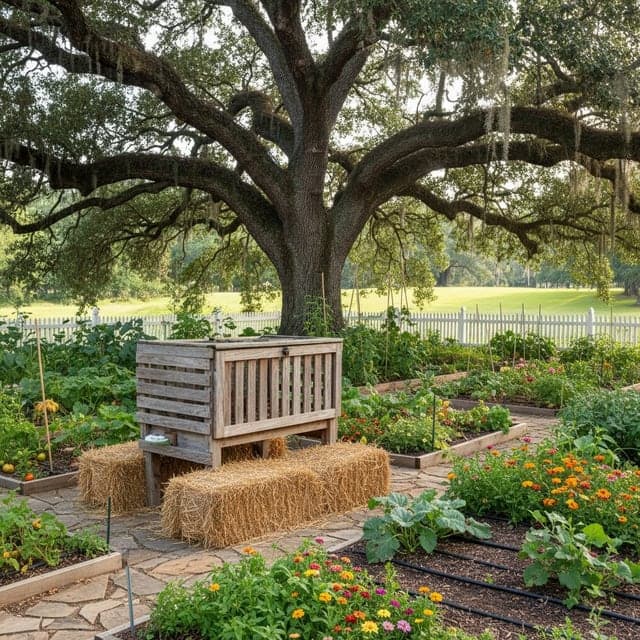
Learn essential strategies for worm bin cooling in Southern US zones 8-10 during summer. Protect red wigglers from extreme heat with placement, moisture, insulation, and biochar tips.
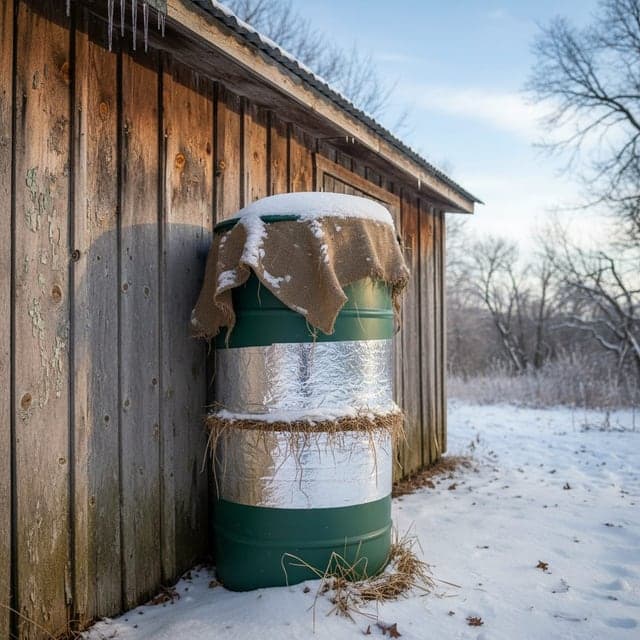
Learn how to keep your outdoor worm bin thriving through a USDA Zone 3 winter. Discover insulation techniques, feeding adjustments, and location tips for successful cold-weather vermicomposting.
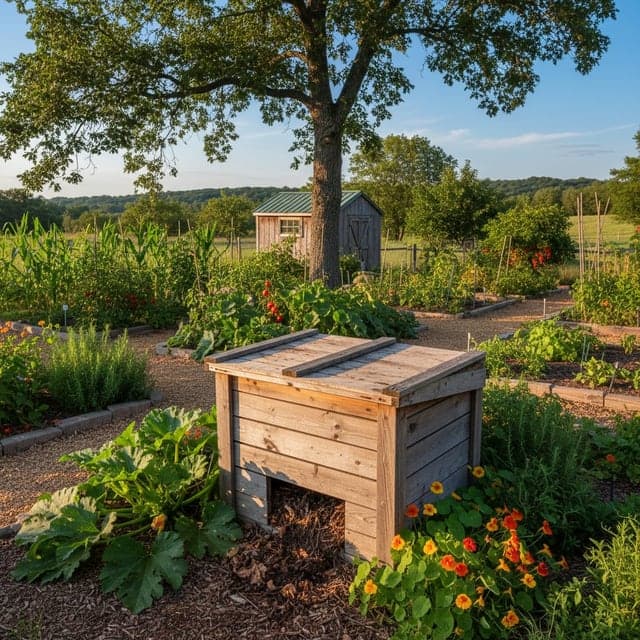
Science-backed feeding chart for red wigglers (Eisenia fetida): 0.25–0.5 lb daily scrap ramps, 60–75% wrung-sponge moisture, pH 6.0–7.5 eggshell buffering, d-limonene and protein poisoning mechanis…
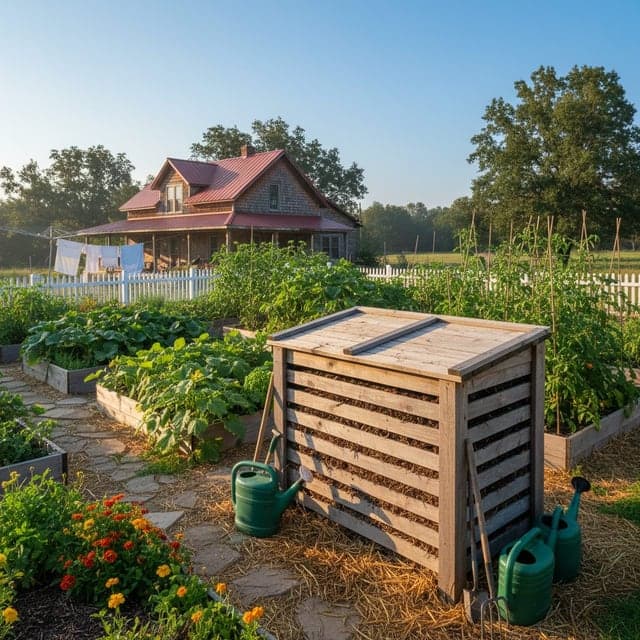
Tackle common worm bin problems like fruit flies, odors, and mold in USDA Zone 6. Learn practical solutions for moisture, feeding, and aeration to keep your vermicompost thriving.
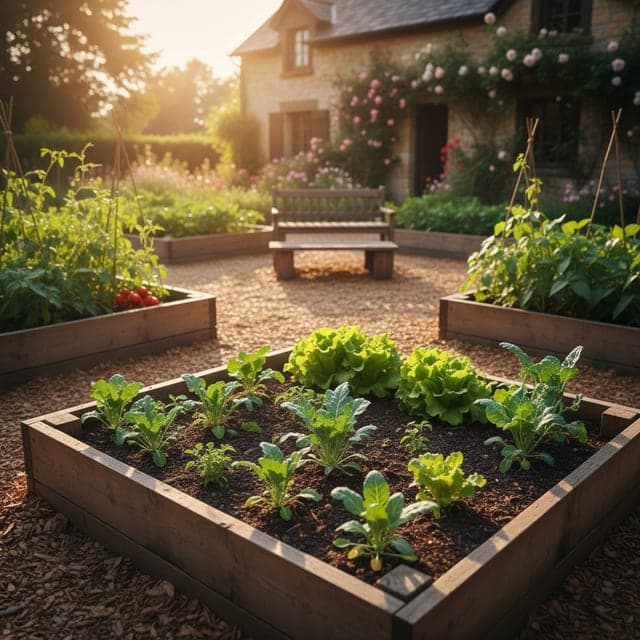
How to choose composting worms for your climate, comparing red wigglers, European nightcrawlers, and African nightcrawlers across temperature ranges from 45°F to 85°F.
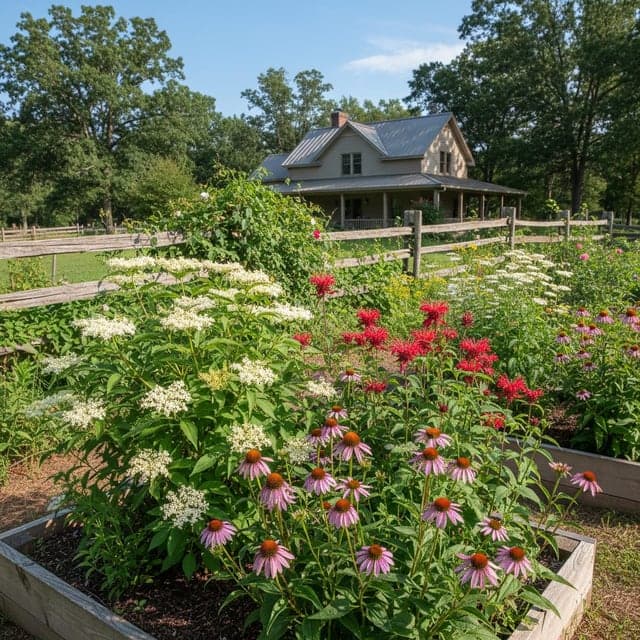
US-native medicinal plants like Echinacea and Elderberry support local biodiversity and provide herbal remedies for a home apothecary. These species are resilient and straightforward to cultivate.
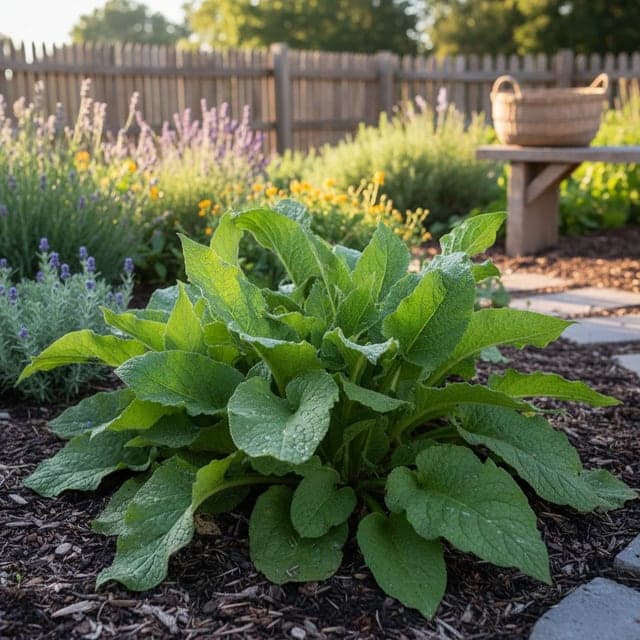
Grow sterile Bocking 14 comfrey in USDA Zones 3–9 for topical salves, chop-and-drop mulch, and high-potash liquid fertilizer—with FDA/NIH pyrrolizidine alkaloid limits, Foxglove ID checks, and botu…
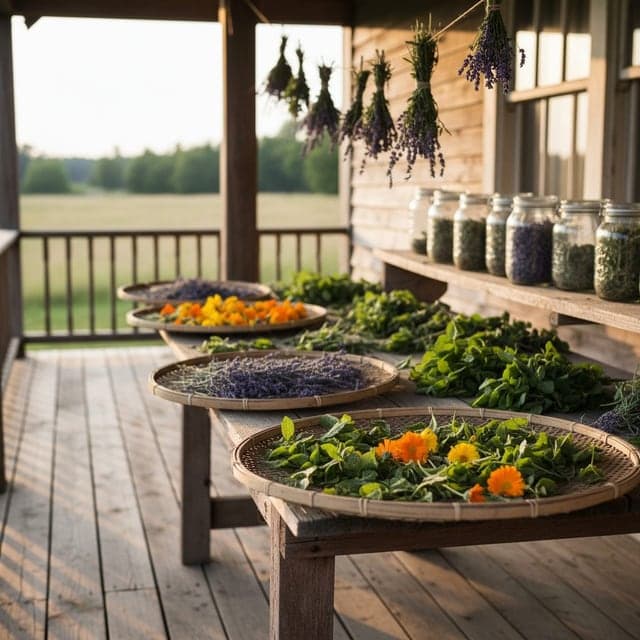
Learn essential techniques for harvesting, drying, and storing medicinal herbs to maximize potency. Our guide covers optimal timing, methods, and storage tips for effective medicinal herb preservat…
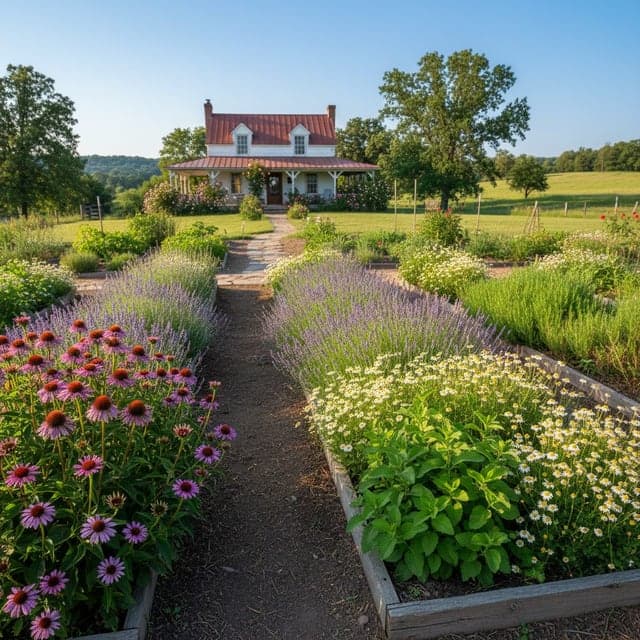
Design a productive US herbal tea garden across USDA Zones 3–10 with hydro-zoned beds for echinacea, elderberry, chamomile, lavender, lemon balm, and valerian, NCHFP 95–115°F drying curves, blendin…
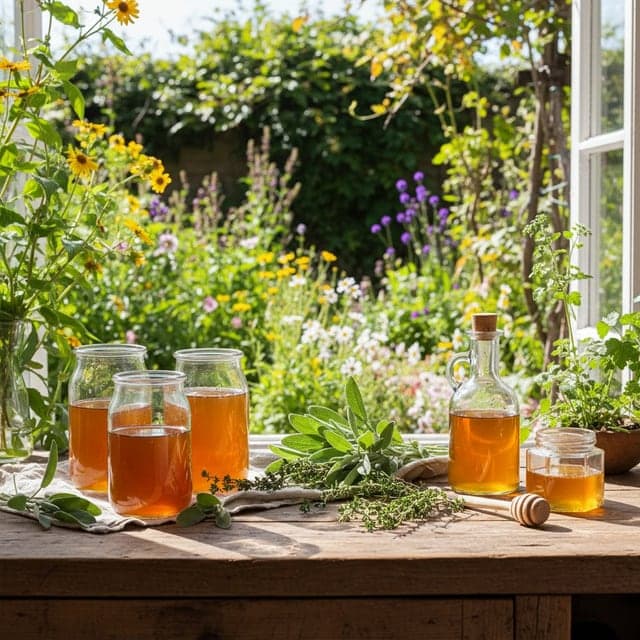
Learn to craft potent vinegar-and-honey herbal remedies like oxymels and fire cider at home. Discover recipes, storage tips, and how to save 25%+ on wellness products from your garden.
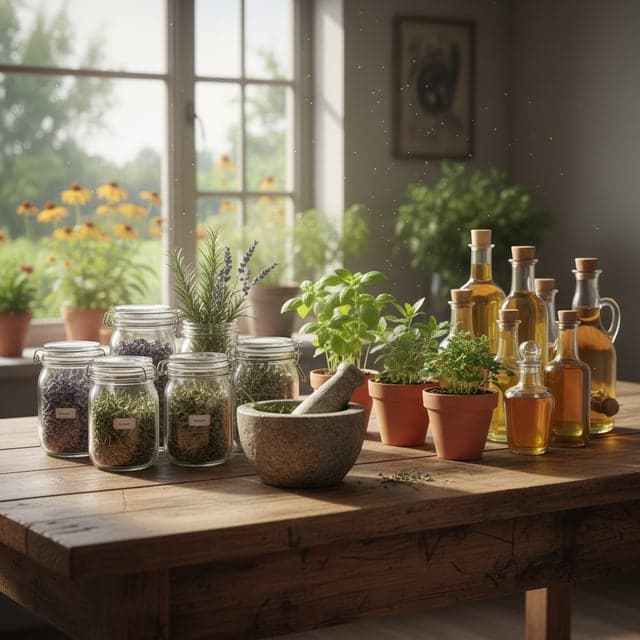
Discover how to cultivate a medicinal herb garden in USDA Zone 6 for effective home remedies. Learn to make infused honeys, oils, and syrups for wellness.
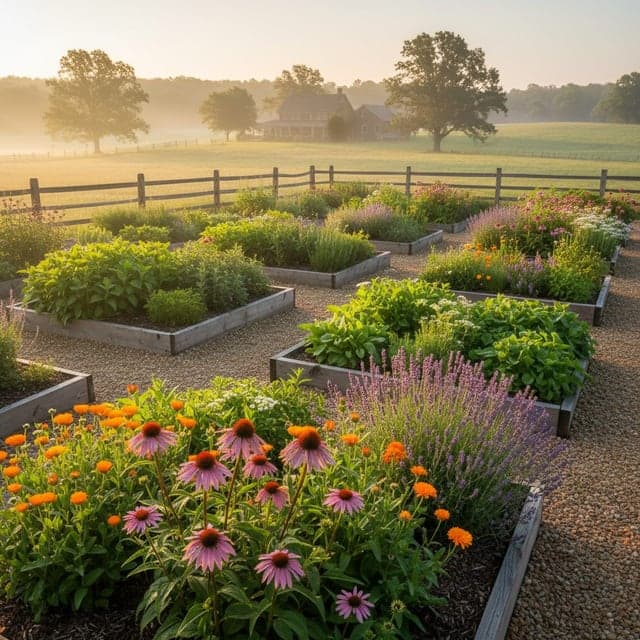
Formulate shelf-stable herbal tinctures using exact 1:2 fresh and 1:5 dried w:v ratios, fresh-herb moisture-dilution math above the 25% final ABV floor, solvent polarity matching, and 3-to-5-year a…
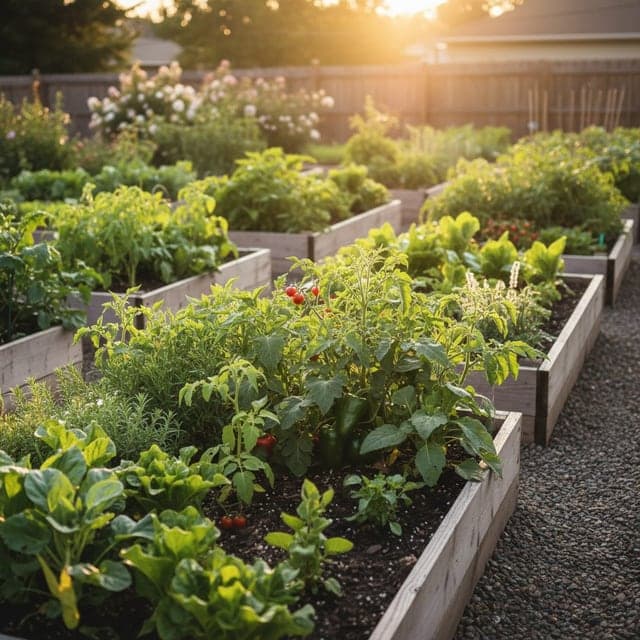
Making herbal salves and balms from a USDA Zone 6 garden turns medicinal plants like calendula into additive-free skin remedies, reducing reliance on commercial products.