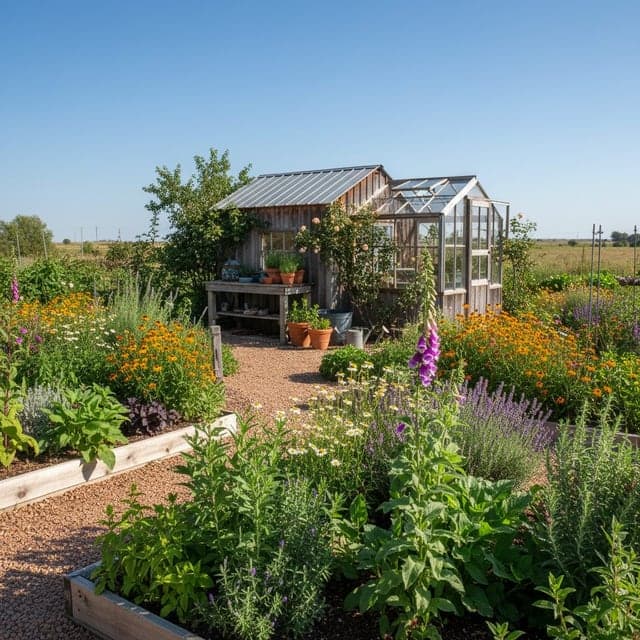
Grow a Medicinal Herb Garden: USDA Zones 4-9 Guide
Cultivate a thriving medicinal herb garden in your backyard. Learn how to select, plant, and preserve 15+ useful species across USDA zones 4-9 for a home apothecary.
Tag
554 articles in this tag on agripure. — page 20 of 24
Cultivate a thriving medicinal herb garden in your backyard. Learn how to select, plant, and preserve 15+ useful species across USDA zones 4-9 for a home apothecary.
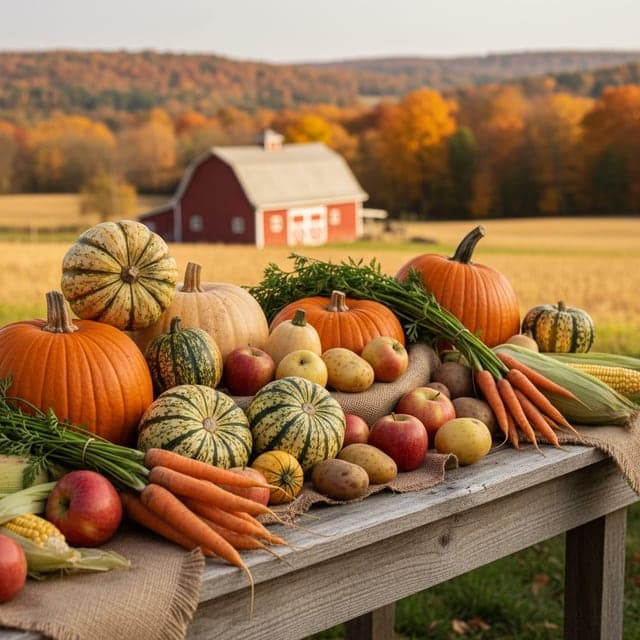
Techniques for handling garden gluts in USDA Zone 6, including fermenting, dehydrating, curing, and root cellar storage to extend the harvest and prevent waste.
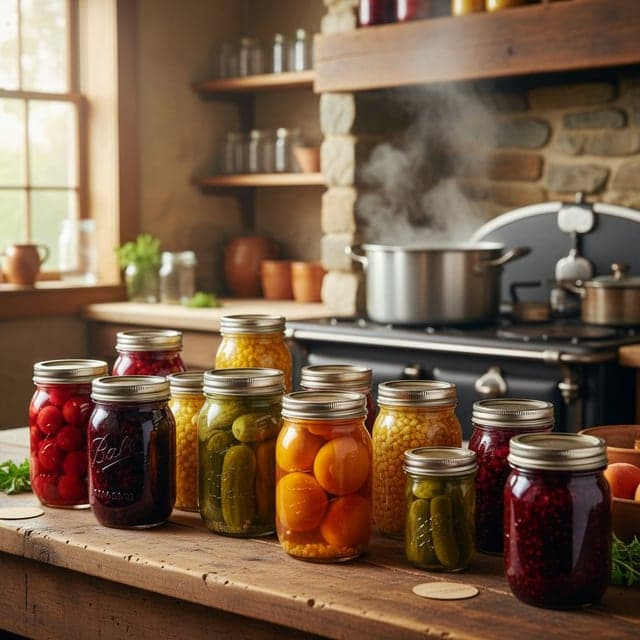
Master safe canning practices for water-bath and pressure canning. Learn essential tips to preserve fruits, vegetables, and meats, avoiding botulism and common mistakes.
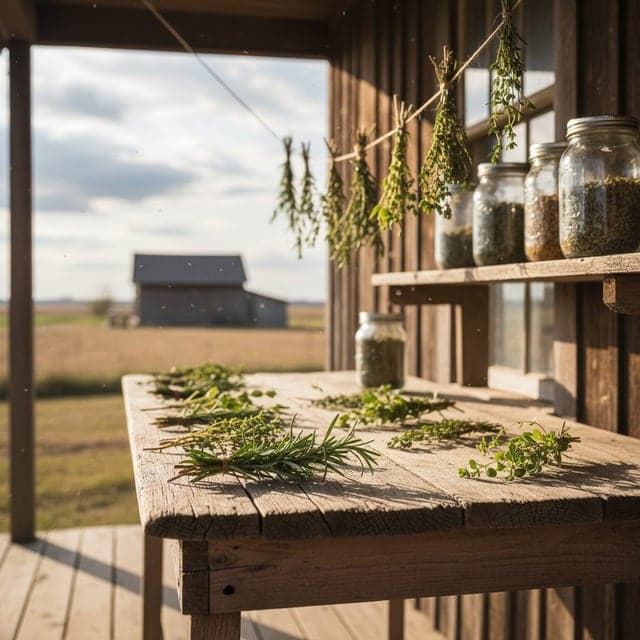
Learn how to dry garden herbs and aromatics for peak flavor & potency. Discover optimal harvesting, air drying, and dehydrator techniques to preserve your harvest and save money.
Make homemade vinegar, kombucha, and pickles to preserve food at home and save money on groceries. Methods and recipes for reliable fermentation.
Learn to dehydrate your garden harvest for long-term storage and concentrated flavor. This guide covers temps, prep, and drying tomatoes, peppers, and herbs in USDA Zone 6.
Maximize your harvest in small spaces! Learn to grow vining crops like cucumbers & grapes in containers & vertically. Get tips for high yields, disease resistance & optimal growth.
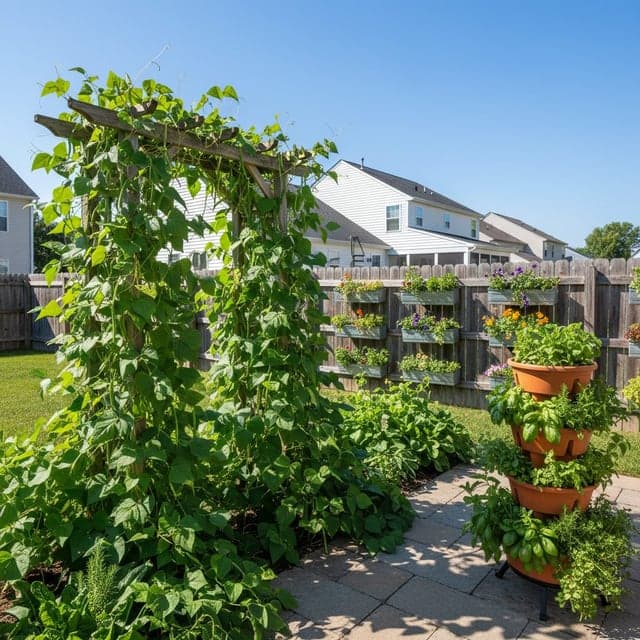
Maximize your backyard harvest with vertical vegetable gardening! Learn how to increase yields by 30% in USDA Zone 6, save space, and deter pests using trellises, towers, and wall planters.
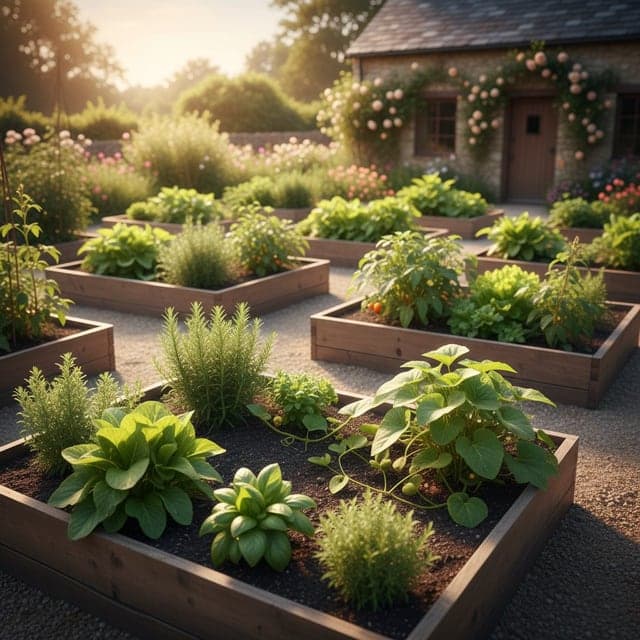
Learn how DIY drip systems and self-watering containers can save 30-50% water in your container garden. Perfect for USDA Zone 7 and busy gardeners.
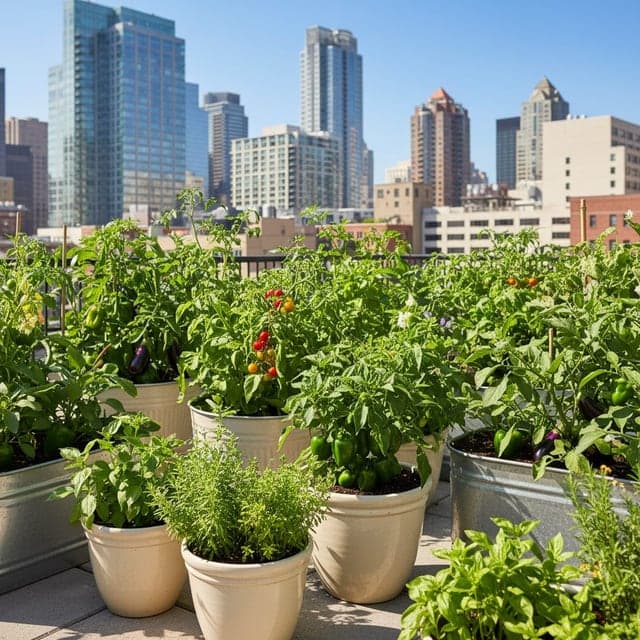
Engineer a safe, high-yield US rooftop or patio container garden: ASCE 7 and IBC/IRC 40 vs. 60 psf live loads, saturated dead-weight math, perimeter beam placement, stainless wind cabling, 36-inch…

Transform urban spaces with container vegetable gardening! Learn to assess sunlight, choose pots & soil, and select plants for balconies & patios. Grow fresh produce efficiently.
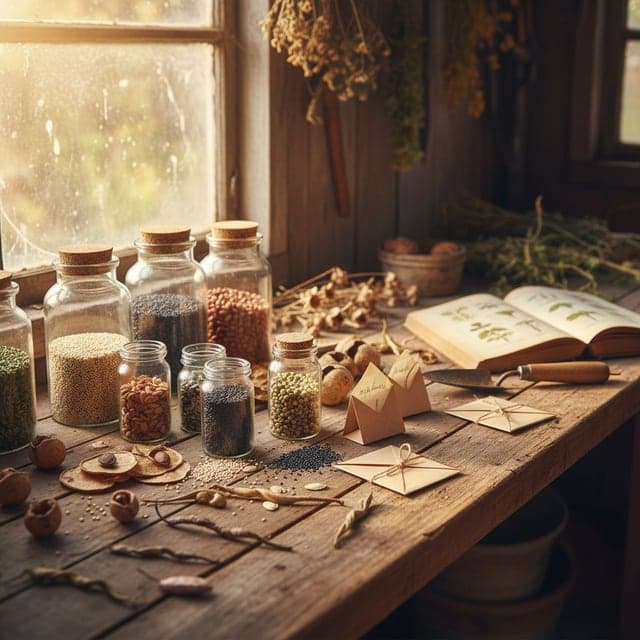
Learn essential seed saving techniques for high viability. Discover drying, storage, and germination testing methods for brassicas & other crops in USDA Zone 5.
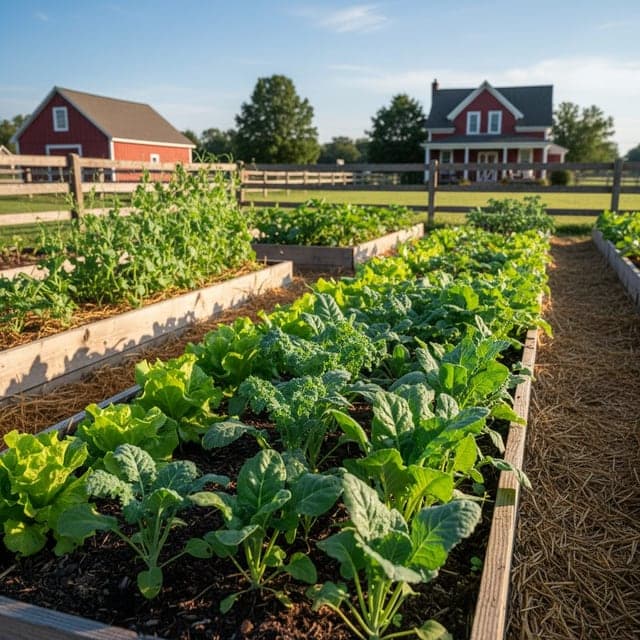
Plan seedling spacing, crop rotation, and succession planting for higher yields. Learn optimal techniques for corn, carrots, and tomatoes across USDA zones.
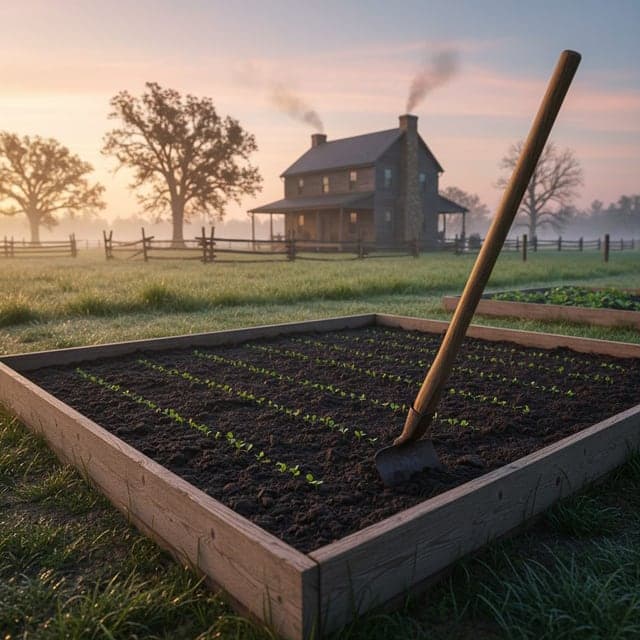
Cut early garden weeds 70–85% before sowing with stale seedbed engineering: <=0.5–1" zero-inversion hoeing, 1-sec flame cell-rupture, 2–4 wk silage tarps, carrot glass-pane test, and poison ivy fir…
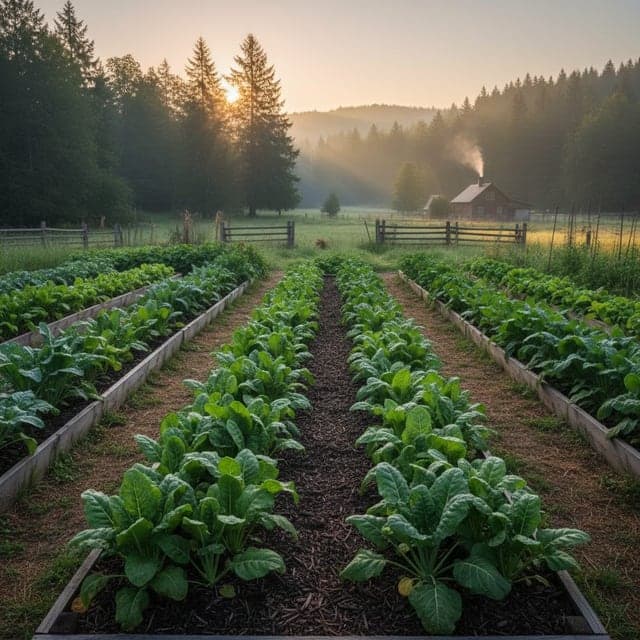
Stop premature flowering in leafy greens and herbs. Learn strategic planting, variety selection, and soil health tips to prevent bolting and extend your harvest in all USDA zones.
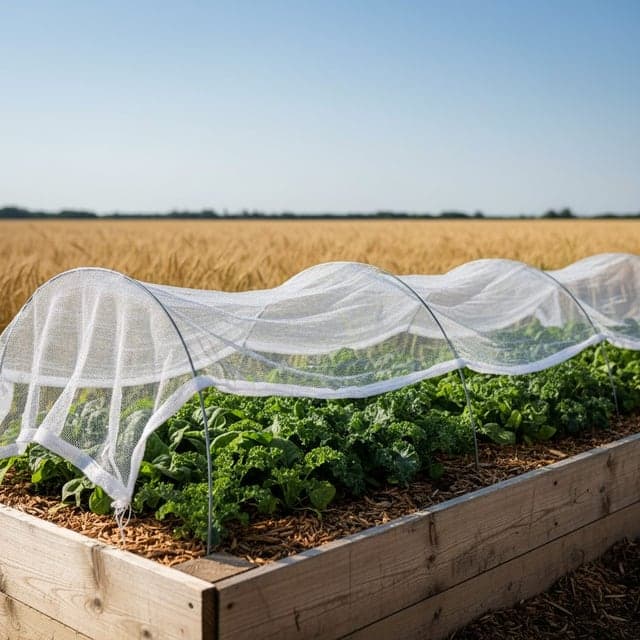
Extend your garden’s harvest by midsummer sowing cool-season crops like spinach & kale in USDA Zones 5-9. Master crop rotation & succession planting for fall & winter yields.
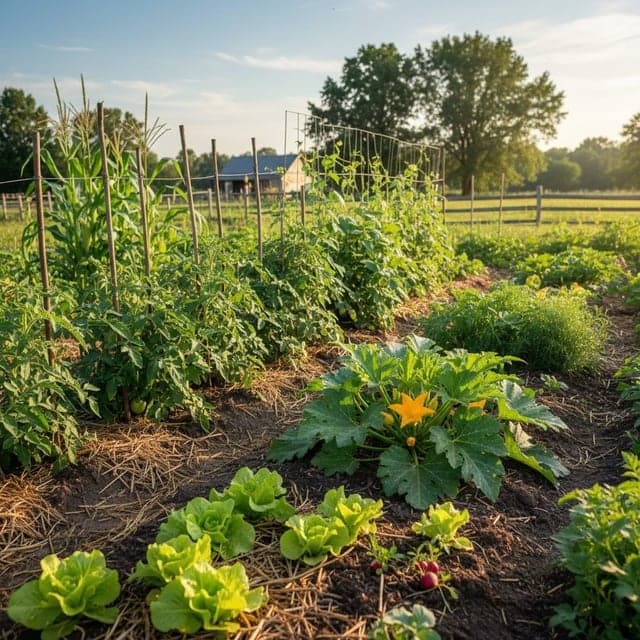
Master Succession Planting to maximize your garden space and enjoy continuous harvests in USDA Zone 6. Learn strategies for staggering crops, improving soil health, and extending your growing season.
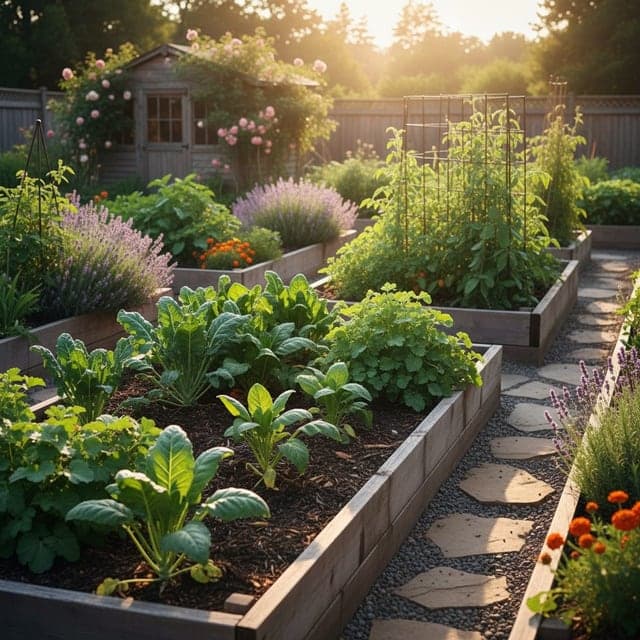
Boost your USDA Zone 6 home garden yield with 3- and 4-bed crop rotation plans. Learn how to improve soil, reduce pests, and extend harvests for a productive garden.
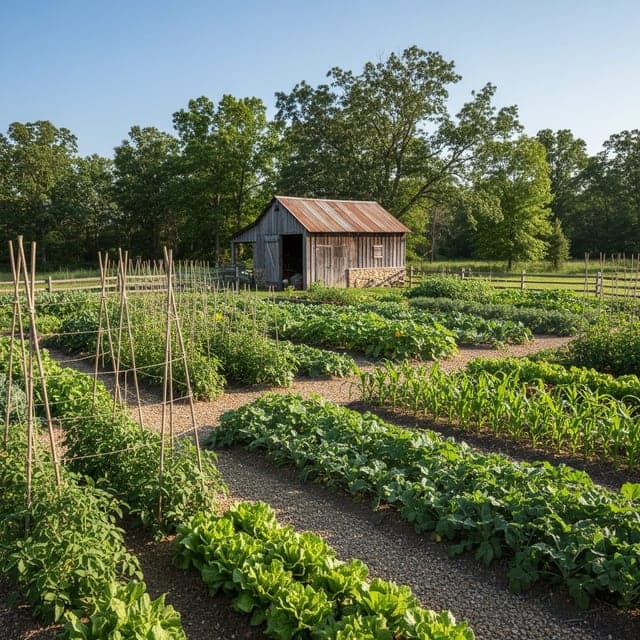
How to use USDA zones, frost dates, crop rotation, and succession planting to maintain consistent vegetable harvests across the growing season.

Learn how to start a profitable backyard plant nursery. This guide covers planning, propagation, and sales strategies to achieve 30%+ profit margins, especially in USDA Zone 6.
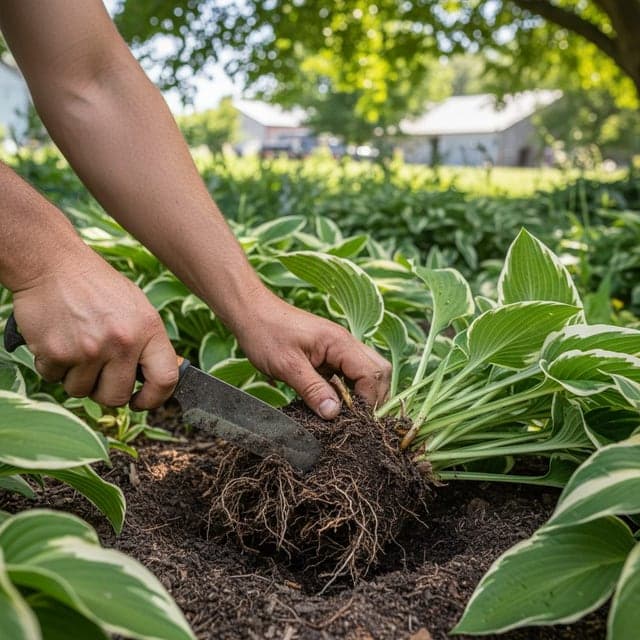
Learn how to multiply your garden stock for free by dividing perennials. Boost vigor, blooms, and save money. Essential tips for USDA Zone 6 gardeners on timing and techniques.
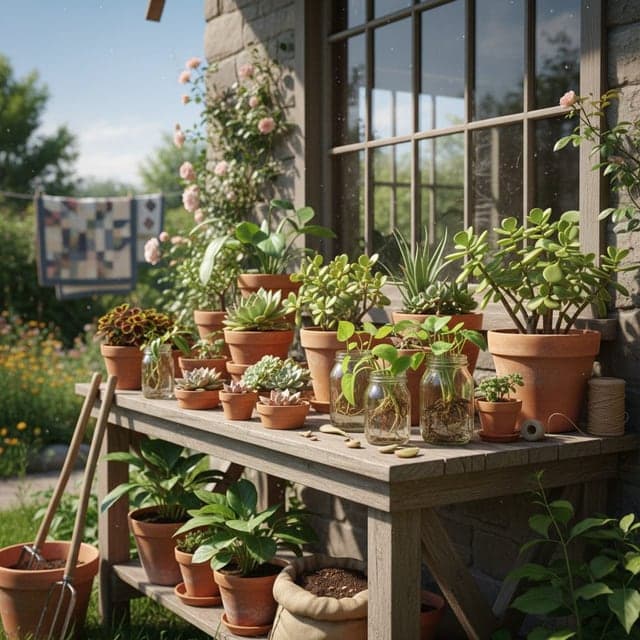
Houseplant and succulent propagation methods including stem cuttings, leaf propagation, division, and seed starting to expand an indoor plant collection.
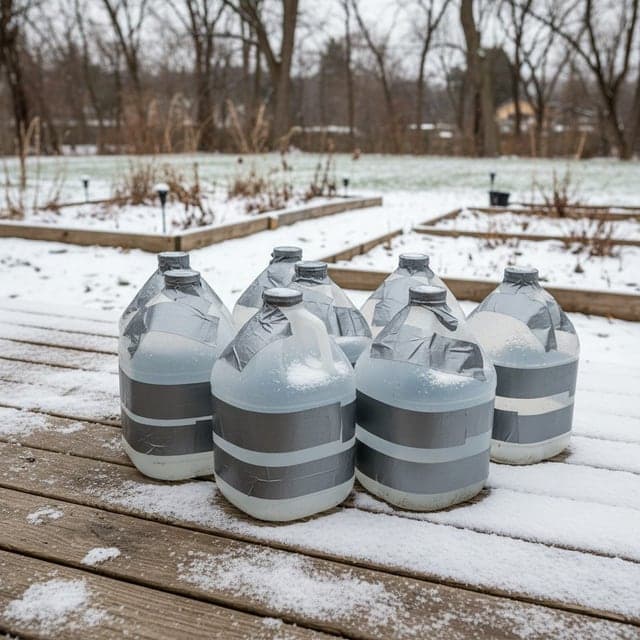
Master winter sowing to start seeds up to 8 weeks earlier in USDA Zone 6. Create mini-greenhouses from milk jugs for hardy seedlings, saving money on grow lights.
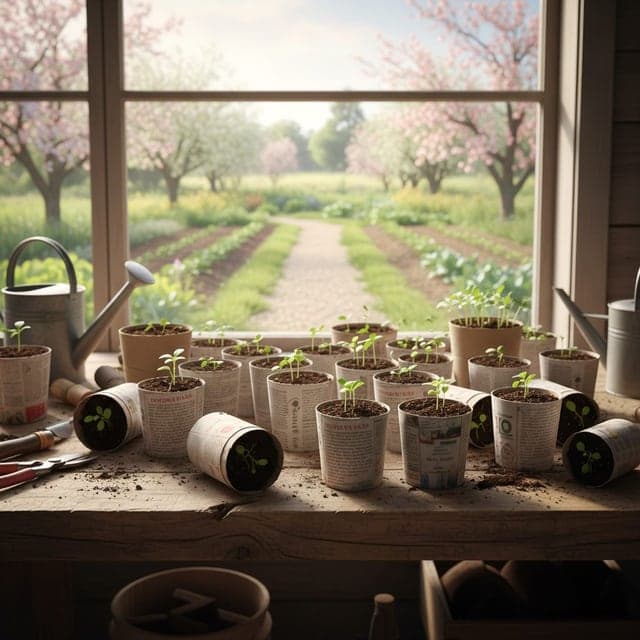
Making your own seed starting mix and pots costs under $10. DIY methods reduce costs, cut waste, and support seedling health in any USDA zone.