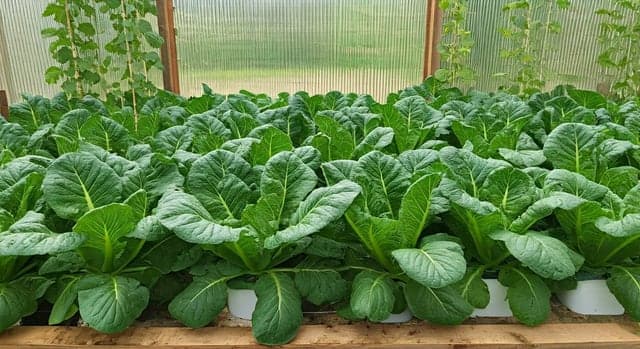
Identifying & Correcting Hydroponic Nutrient Deficiencies
Learn to identify and correct common nutrient deficiencies like N, P, K, Ca, and Fe in hydroponic plants. Optimize pH, EC, and temperature for healthier crops.
Tag
186 articles in this tag on agripure. — page 2 of 8
Learn to identify and correct common nutrient deficiencies like N, P, K, Ca, and Fe in hydroponic plants. Optimize pH, EC, and temperature for healthier crops.
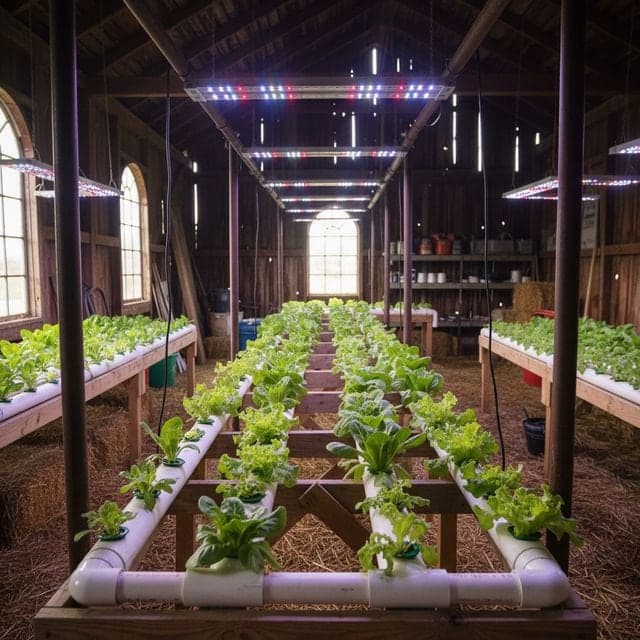
Master hydroponic pH for optimal plant growth. Learn to maintain the ideal 5.5-6.5 range, prevent nutrient lockout, and ensure safety with pH adjusters for thriving crops.
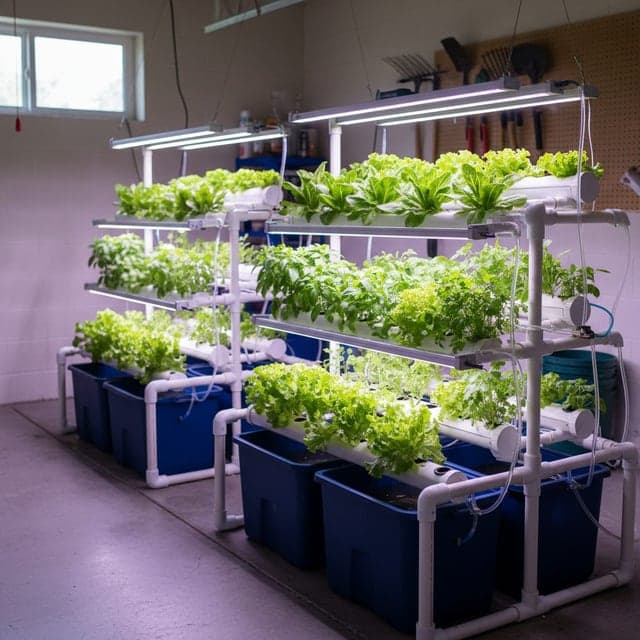
Learn how precise hydroponic nutrients, pH, and EC management can boost plant growth by 20-30%, save water, and optimize growing operations.

Master outdoor Dutch bucket hydroponics for tomatoes & cucumbers in hot climates. Achieve up to 30% higher yields & save 70-90% water with this efficient system.

Master hydroponic nutrient solution cooling for optimal plant growth. Learn budget-friendly methods like frozen bottles or invest in chillers to maintain 65-72°F for healthy roots.
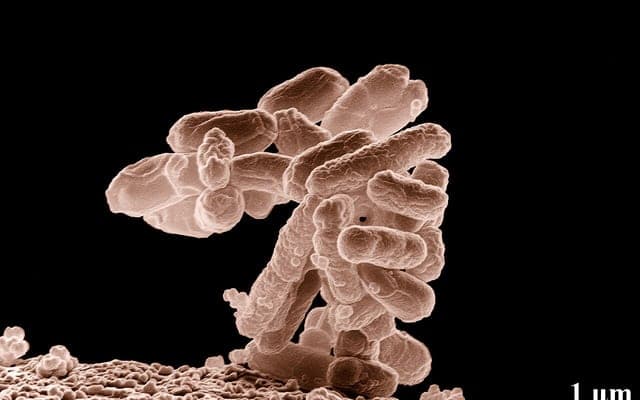
Combat pythium root rot in US hydroponic systems with beneficial Bacillus microbes. Learn how these organisms protect plants from heat stress and disease so healthier crops.
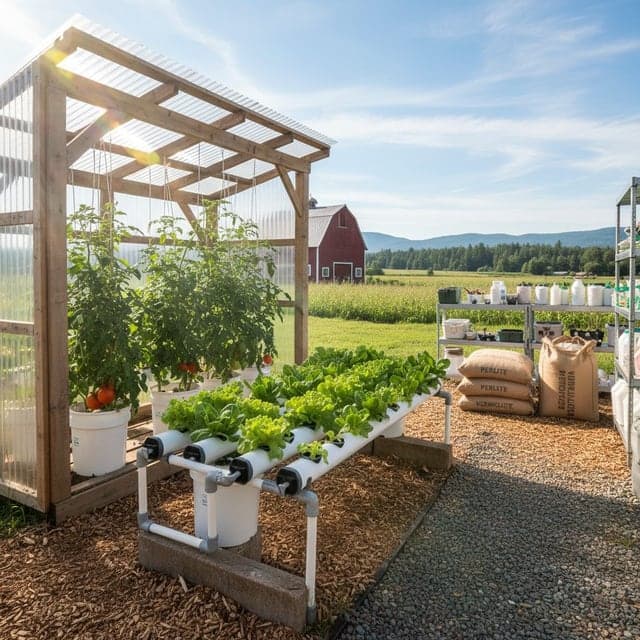
Engineer reliable perlite and vermiculite hydroponic substrates across US systems: air-filled porosity, CEC meq/100g chemistry, Bato bucket and net-pot ratios, NIOSH N95 pre-wetting safety, EPA Lib…
Start vigorous hydroponic seedlings in rockwool cubes without overwatering: pH 5.3–5.5 conditioning, no-squeeze drainage, 50% weight-loss watering, dry-fiber PPE, and safe transplanting.
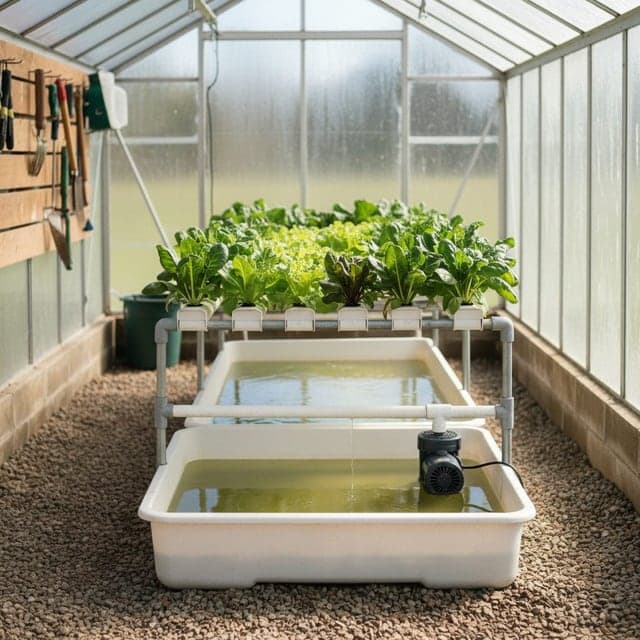
Master NFT pump maintenance to prevent failures, dry-out, and crop loss. Learn proactive strategies, monitoring, and design tips for reliable hydroponic systems and higher yields.
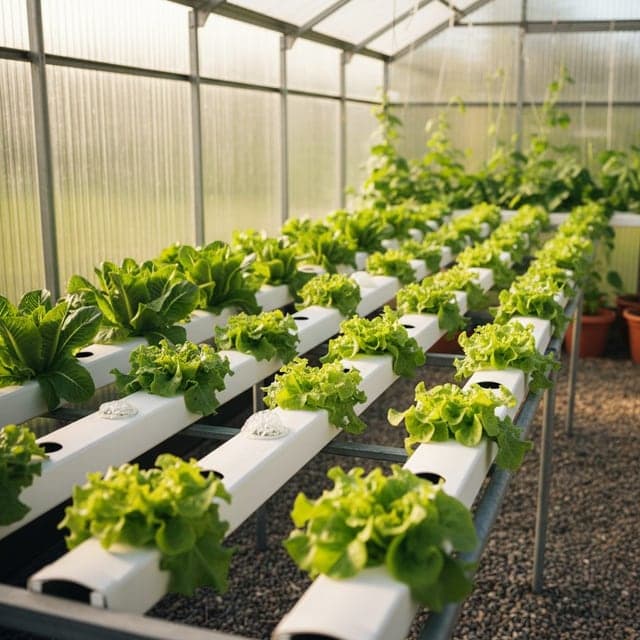
A DIY PVC NFT system for lettuce and leafy greens reduces water use by 70-90% compared to soil, offers faster growth, and suits USDA Zone 6 homesteads.
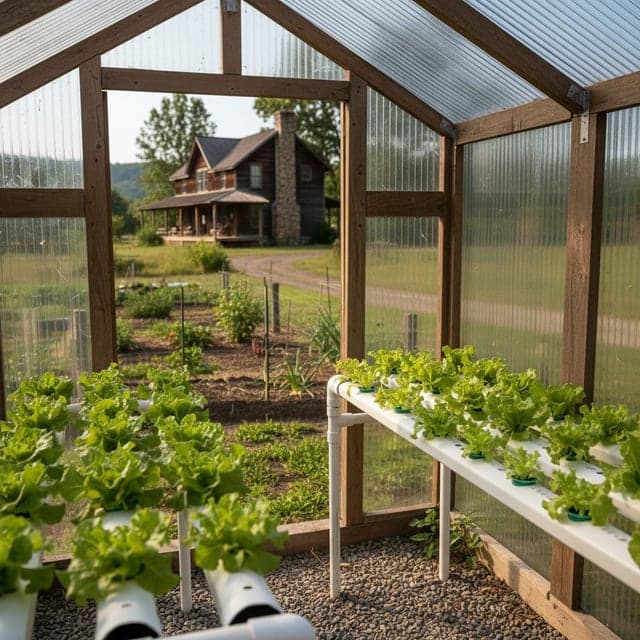
Learn how NFT hydroponics works to maximize plant growth and conserve water in US climates. Discover optimal nutrient film depth, flow rates, channel slope, and pH for healthy plants.

Understand blossom-end rot in tomatoes and why inconsistent watering causes calcium deficiency in fruit. Prevent the issue with proper moisture management and soil care.
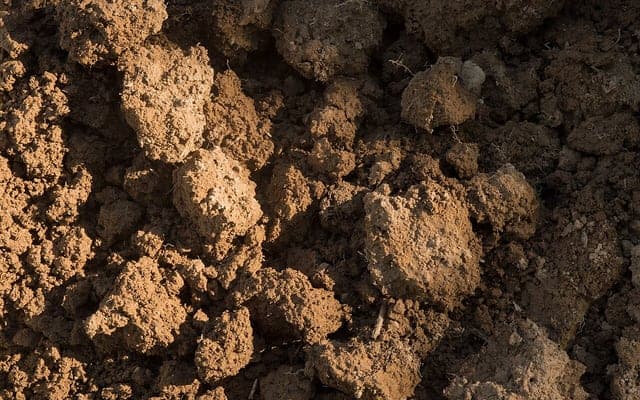
Distinguish fixed soil texture from buildable crumb structure, separate fast POM from durable MAOM carbon, verify stability with the NRCS jar slake test, calculate honest +1% SOM math, and prevent…
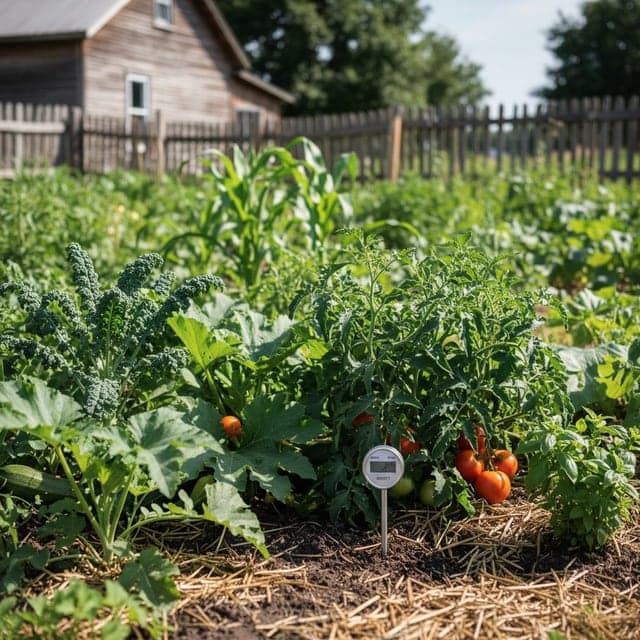
Separate true sodic clay dispersion (ESP >= 15% or SAR >= 13), where gypsum plus drainage and leaching rebuilds soil structure, from non-sodic compacted Midwest and Eastern clays where university t…
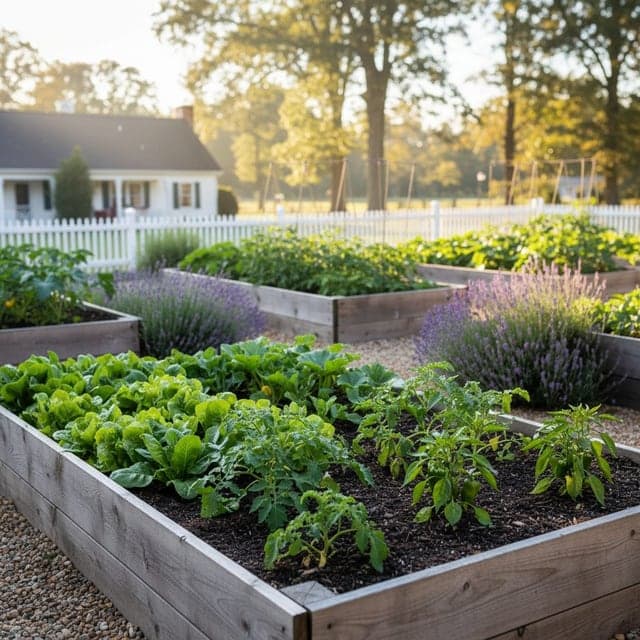
Master the USDA soil texture triangle using the 3-axis angle rule, 3 worked plotting examples, all 12 soil textural classes, the 40-second mason jar settling test, and the NRCS texture-by-feel ribb…

Transform your 1/10 acre city lot in USDA Zone 6 into a thriving permaculture system. Learn to design food forests, build soil, and harvest water for self-sufficiency.
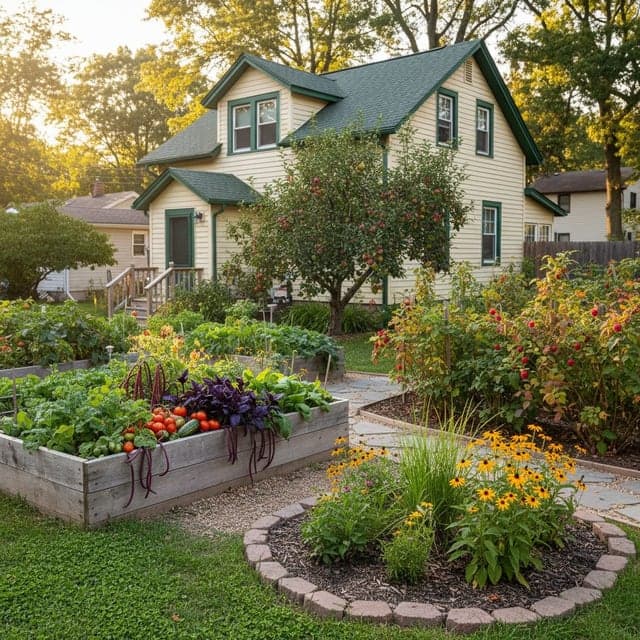
How to plan permaculture zones on a 0.25-acre suburban lot in USDA Zone 6. Design food forests, manage water, and boost food production efficiently.
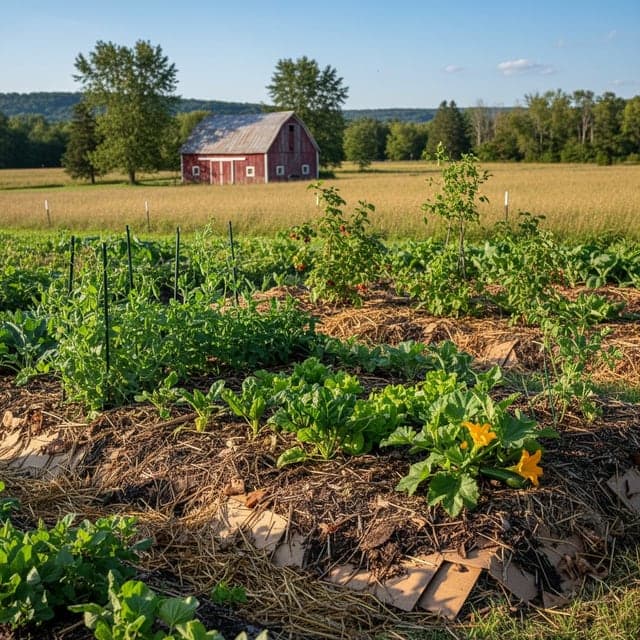
Convert turf into productive garden beds without digging: exact cardboard prep and contamination bans, vegetable vs. perennial tracks, WSU soil-science cautions around trees and clay, and silage ta…

Build a freeze-thaw-safe 5–6 ft permaculture herb spiral (2.5–3 ft apex) with 1:6 inward wall batter, 2–4 inch gravel footings, 3-zone herb aspect placement, buried Mentha pots, Call 811 clearance,…
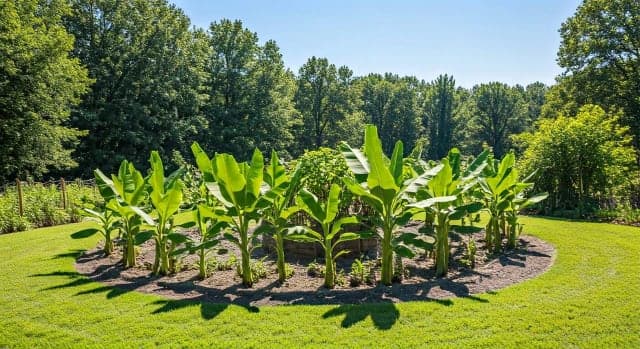
Build a mosquito-safe greywater banana circle in US Zones 8–11: 6 ft × 3 ft pit geometry, <24-hour drainage, CPC/ADEQ laundry-to-landscape setbacks, zero-boron soaps, Zone 8 Musa basjoo vs. fruitin…
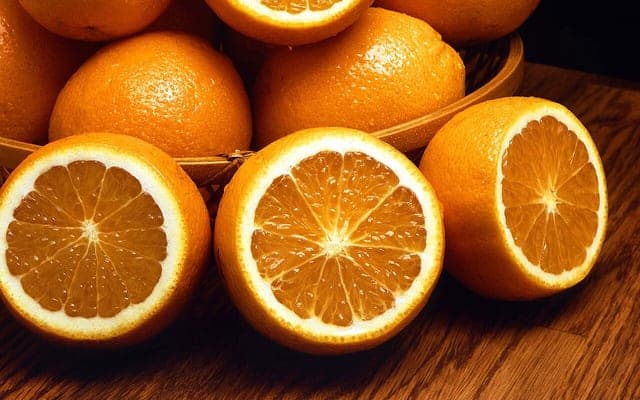
Build a compliant USDA Zones 9–10 citrus guild: protect 0–18 in shallow feeder roots from turf competition, keep graft collars dry against Phytophthora root rot, match Flying Dragon/Carrizo/US-942…
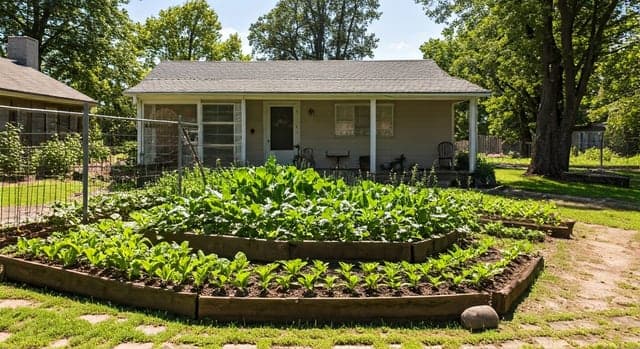
How to convert a USDA Zone 6 front lawn into an edible food forest, covering permaculture design, HOA rules, and ornamental edible plant selection.
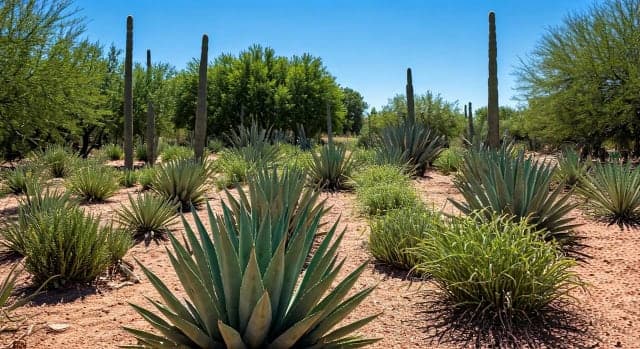
Engineer a productive arid Southwest food forest across Sonoran, Chihuahuan, and Mojave soils: Brad Lancaster rainwater earthworks, caliche drainage chimneys, Fe-EDDHA chelate, nitrogen-fixing nurs…
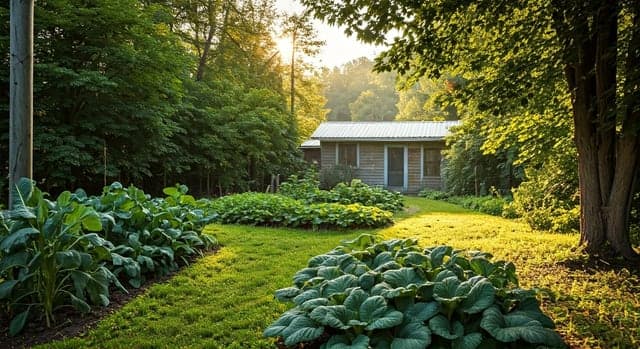
Key food forest species for the humid Southeast & Gulf Coast (USDA Zones 8-9), including permaculture design, plant guilds, and water management for a productive ecosystem.