Laundry-to-Landscape Greywater: Simple, Legal US Garden Setups
Learn how simple, legal laundry-to-landscape greywater systems can save US gardens up to 15,000 gallons annually, reduce water bills, and nourish plants.
Tag
186 articles in this tag on agripure. — page 7 of 8
Learn how simple, legal laundry-to-landscape greywater systems can save US gardens up to 15,000 gallons annually, reduce water bills, and nourish plants.

Learn essential steps for cold-climate rainwater storage. Prevent freeze damage to barrels & systems in USDA Zone 5 by draining and protecting components before winter.
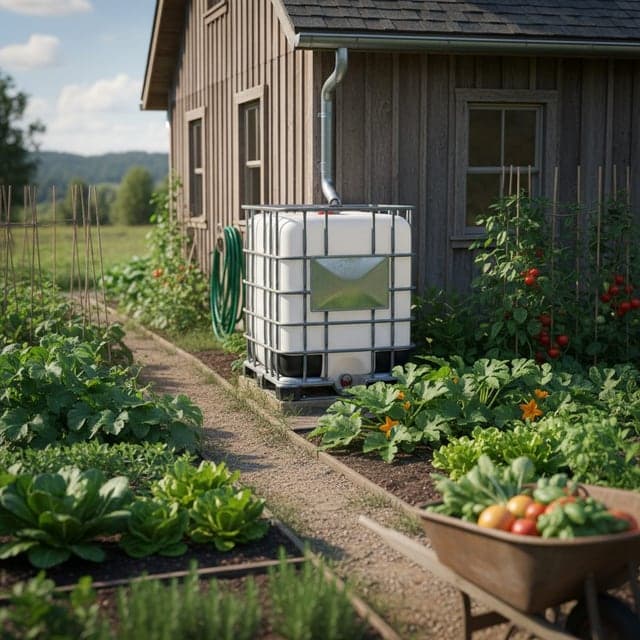
Engineer a safe 275 or 330 gallon IBC tote rainwater harvesting system: verify virgin 21 CFR 177.1520 #2 HDPE, build a 2,430–2,900 lb gravel-CMU pad, size 16–18 mesh screens and first-flush diverte…
Understand US rainwater harvesting laws, including specific rules for Colorado, Utah, and Nevada. Learn about volume limits, permits, and efficient passive irrigation techniques like ollas to conse…
Achieve consistent water pressure for your 1,500 sq ft garden using linked rainwater tanks. Discover elevation, pipe sizing, and placement tips for effective gravity-fed irrigation.
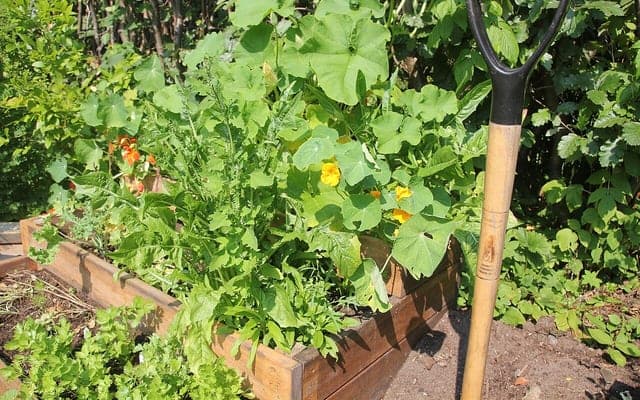
Learn to build a first-flush diverter to keep your harvested rainwater clean. Prevent debris, pollutants, and algae from entering storage tanks to ensure healthier plants and efficient irrigation.
Learn how to size rain barrels for your garden. Calculate potential water harvest from your roof, account for efficiency, and integrate passive irrigation methods like ollas and wicking beds.
Build leak-free mason jar and cut wine bottle wicking planters for houseplants: 3–4 mm synthetic paracord (not rotting cotton), >=40–50% aeration substrates or LECA to stop Pythium root rot, plant…
Learn to size self-watering pot reservoirs for a week away. Explore passive irrigation methods like ollas, wicking beds, and earthworks to keep plants hydrated for extended periods, even in hot cli…
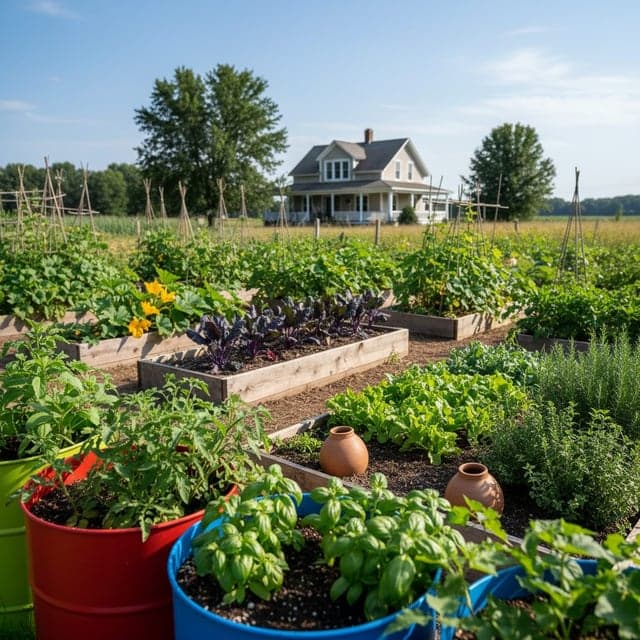
Discover the best vegetables and herbs for self-watering containers in USDA zone 7. Learn how wicking beds and ollas save water (30-70%) and ensure consistent moisture for thriving plants.
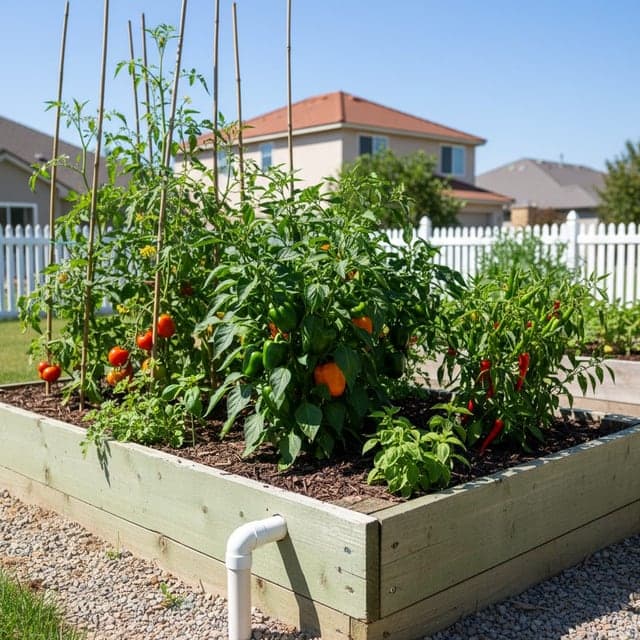
Master wicking bed troubleshooting for healthy growth in USDA Zone 7. Learn to identify and fix anaerobic soil, salt buildup, and waterlogging to ensure productive self-watering gardens.
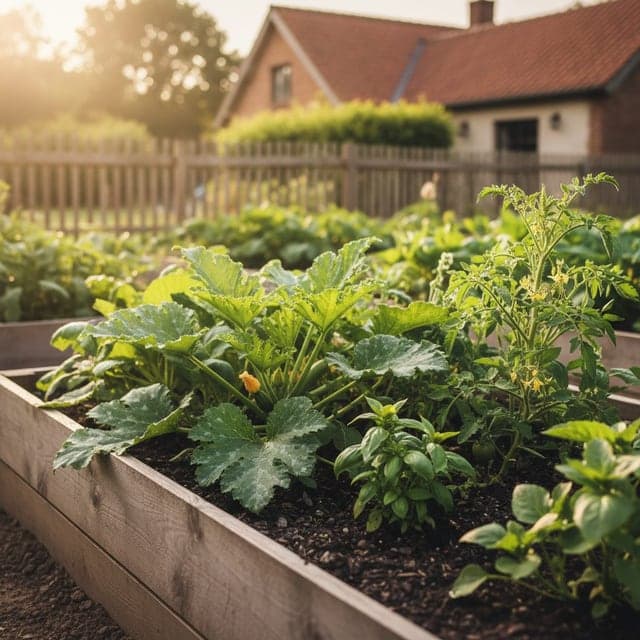
Learn how to build efficient wicking beds using stock tanks or IBC totes. Reduce garden water consumption by 50% or more, especially in USDA Zone 7, and promote healthier plant growth.
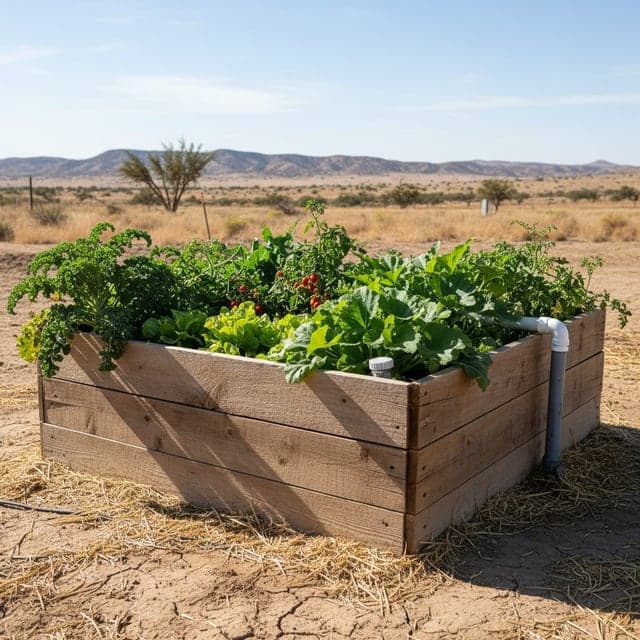
Engineer a productive wicking bed with calibrated 12 to 16 inch capillary rise, perched water zone balance, overflow port placement, <=12 inch gravel or cell reservoirs with wicking columns, and pe…
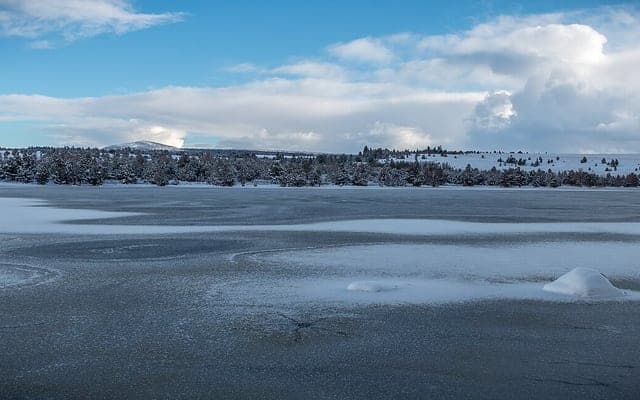
How to select gravel for wicking beds, including aggregate sizing, reservoir depth, and materials that prevent clogging while saving irrigation water.
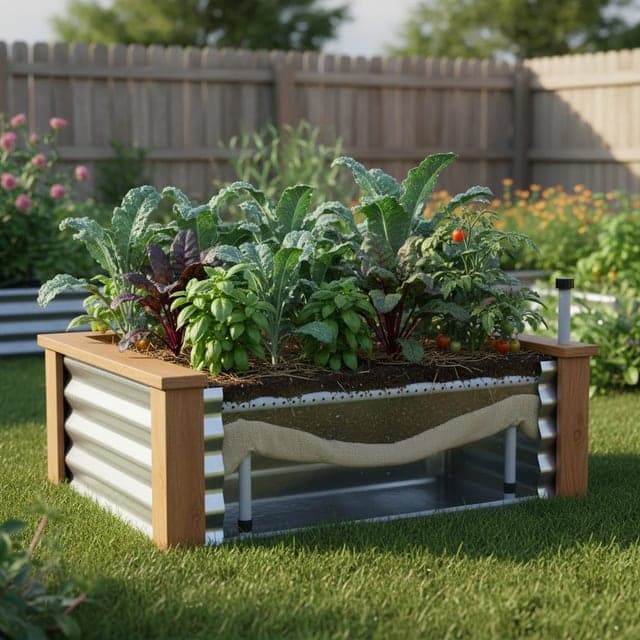
How wicking beds reduce water consumption by 50% or more in arid USDA zones 8-10, covering system components, reservoir construction, and soil layering.
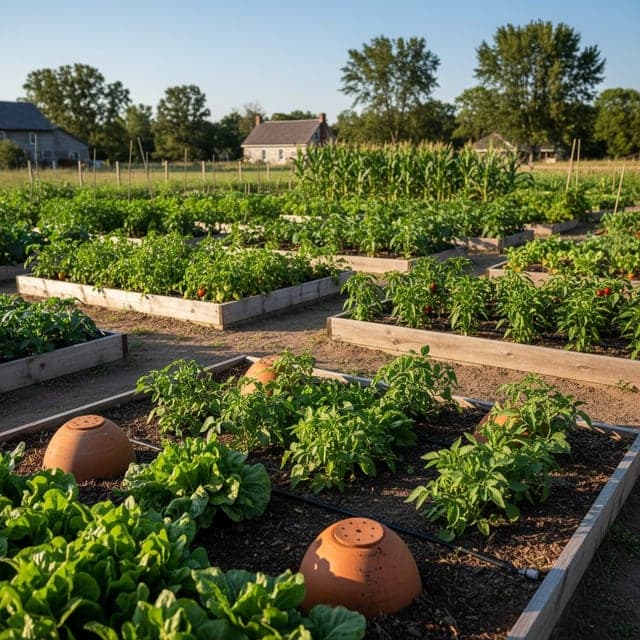
Compare ollas vs drip irrigation for water savings, cost, and efficiency in USDA Zone 7. Learn when each method wins for your garden, from small beds to larger plots, and conserve water effectively.
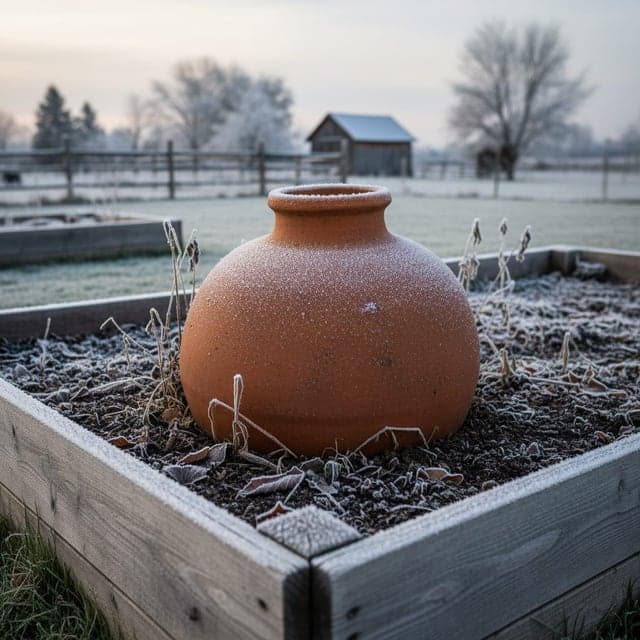
Protect unglazed terracotta ollas from 9% pore-ice expansion (~30,000+ psi) across USDA Zones 3–11: exact zone lift cutoffs, root-safe removal next to perennials, 24-hour vinegar descaling, 48–72 h…
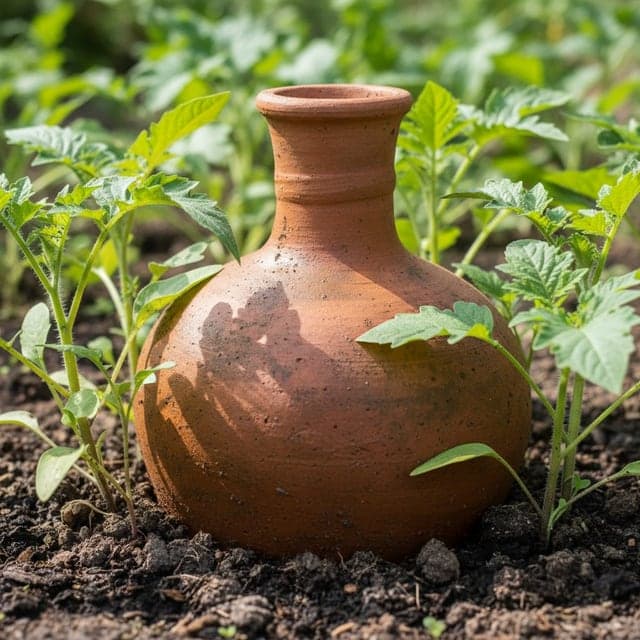
Master olla irrigation to save water in USDA Zone 7. Learn how to choose the right olla, optimize soil contact, and troubleshoot common seepage and drainage issues for efficient plant watering.
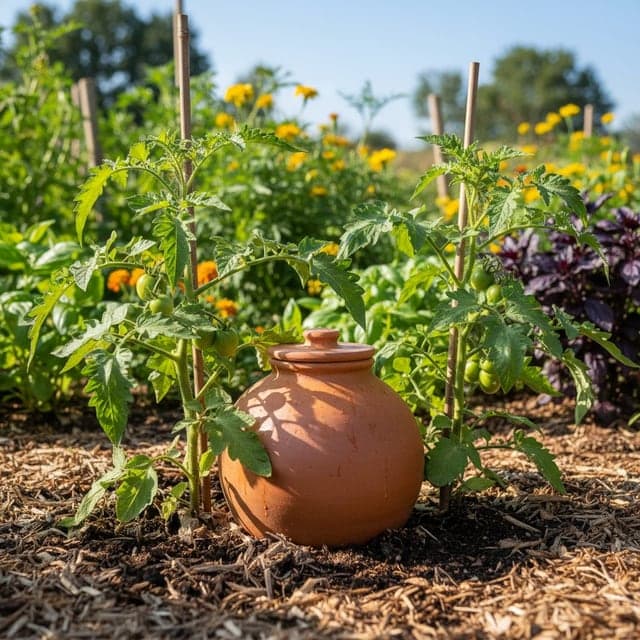
Optimize olla irrigation for gardens to achieve high yields of tomatoes, peppers, and squash. Learn proper sizing and placement for significant water savings in US gardens.
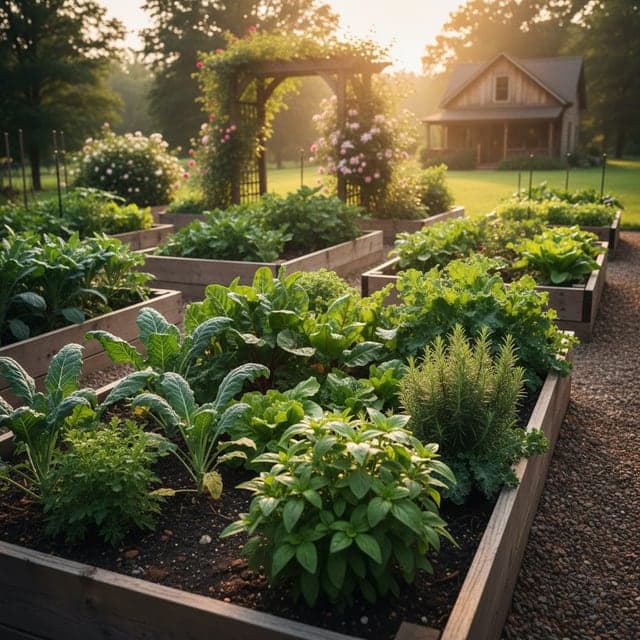
Learn to build DIY ollas for passive irrigation. Save up to 70% water in your garden, especially in arid regions like Arizona. Easy, affordable, and promotes healthier plants.
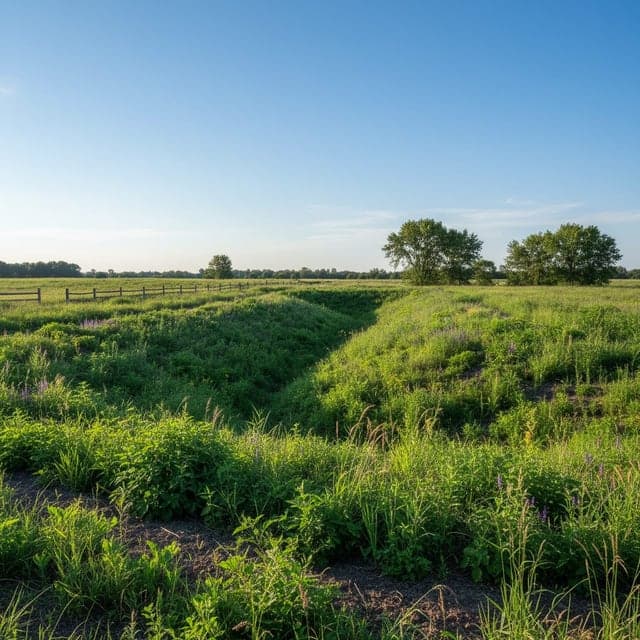
Design and maintain swales to prevent mosquito breeding with proper slopes, spillways, soil amendments, and plant selections.
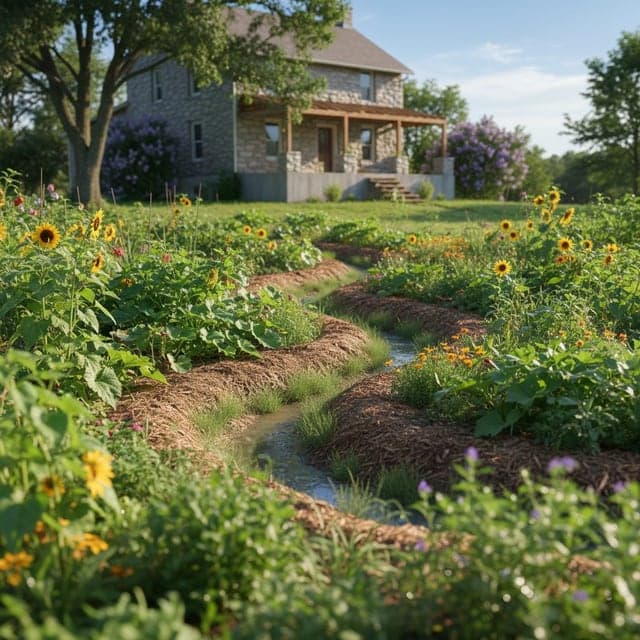
Plan a backyard swale without flooding your basement, hitting buried utilities, or triggering fines: Call 811 locates, 10–25+ ft foundation clearances, 25–50 ft septic and well buffers, >15–20% lan…

Master homestead water management with swales, berms, and French drains. Learn how these passive earthworks improve soil moisture, reduce runoff, and improve drainage for your USDA Zone 7 property.
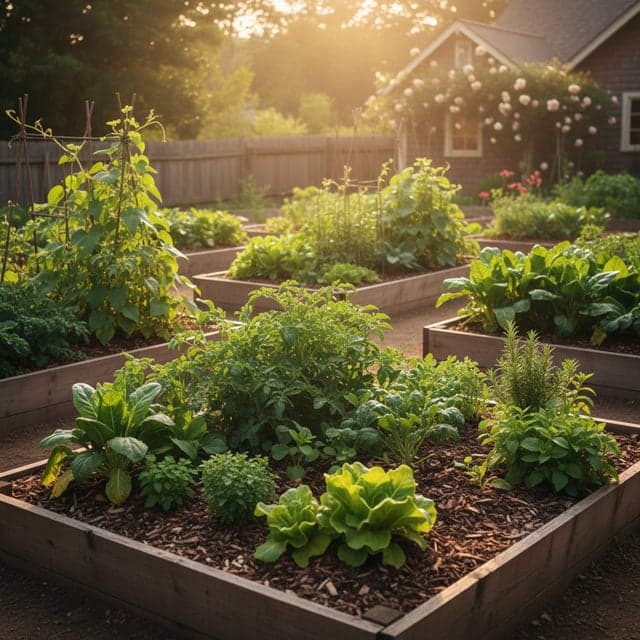
Planting on swale berms boosts water retention, enriches soil with nitrogen-fixers, and supports fruit trees in arid zones.