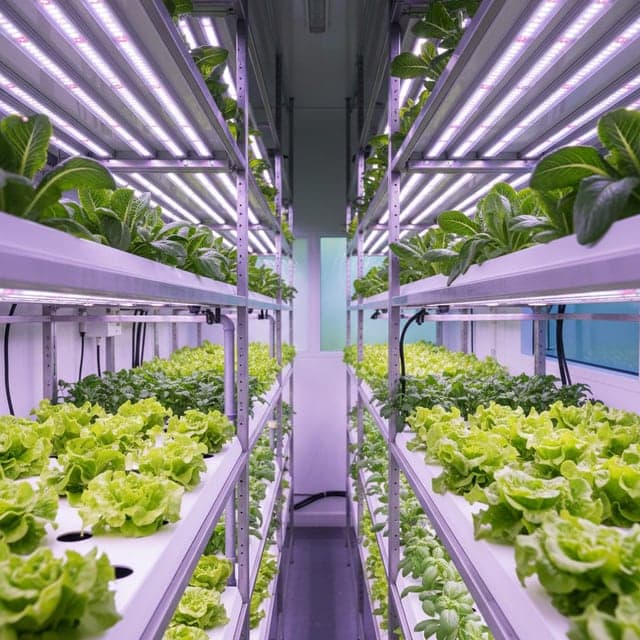
Optimize grow lights for leafy greens: boost hydroponic yields
Optimize grow lights for leafy greens by managing PPFD, light spectrum, and daily light integral (DLI) to support steady yields in hydroponic setups.
Topic
Grow earlier, later, and through the cold. Our greenhouse guides compare styles and build options, four-season designs, kits and realistic costs, and climate-control basics like heating, ventilation, and humidity. Learn how to choose, size, and run a structure that extends your harvest and protects tender crops from frost.
65 articles in this topic on agripure. — page 2 of 3
Optimize grow lights for leafy greens by managing PPFD, light spectrum, and daily light integral (DLI) to support steady yields in hydroponic setups.
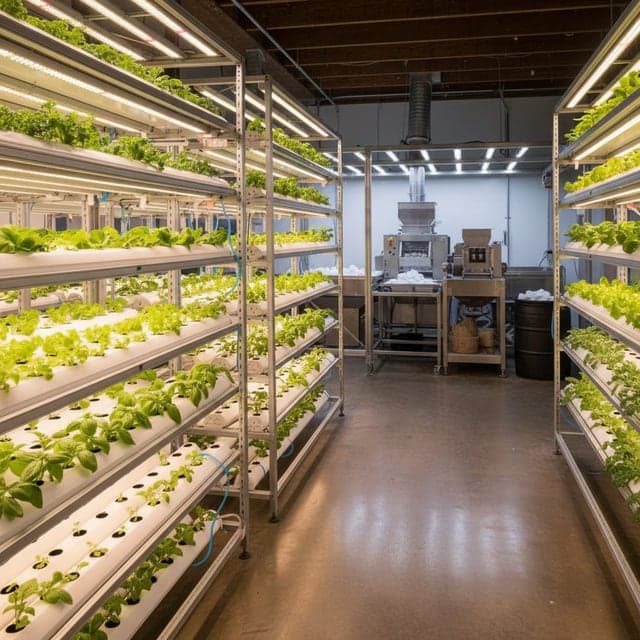
Learn how reusing growing media like coco coir and rockwool can cut greenhouse costs by 20-50%, reduce waste, and improve efficiency for hydroponic growers. Essential sterilization tips included.
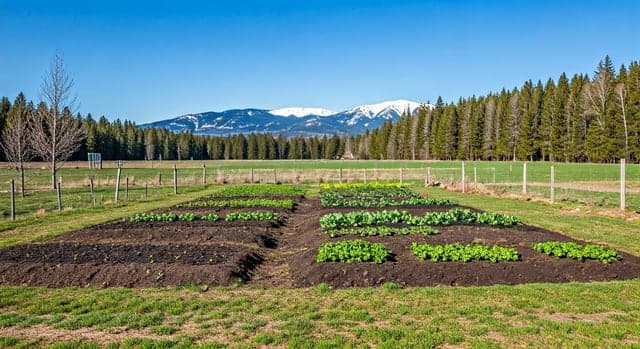
Build cold-climate hugelkultur beds in USDA Zones 2–6 without winter heating myths, April north-slope thaw delays, clay snowmelt sump flooding, C:N nitrogen lockup, meadow voles, or banned walnut,…
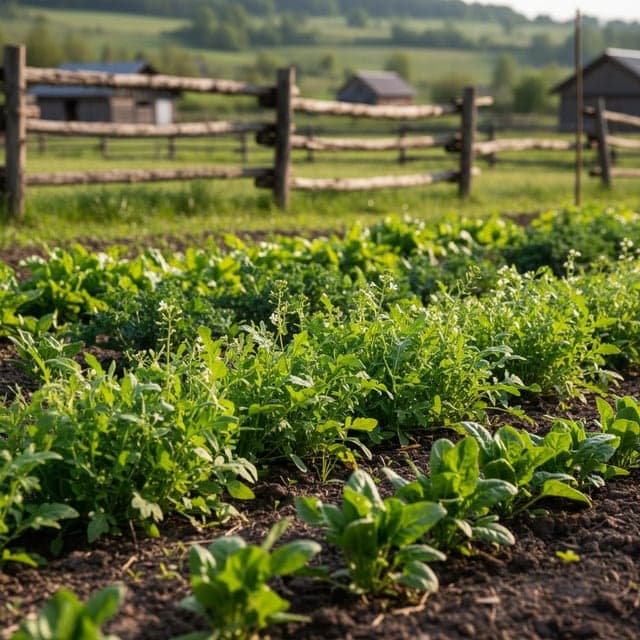
Harvest tender arugula, leaf lettuce, mustard greens, and spinach without summer gaps. Follow our 14-day 3-section bed rotation, soil temperature thresholds, shade cloth rules, and sealed row cover…
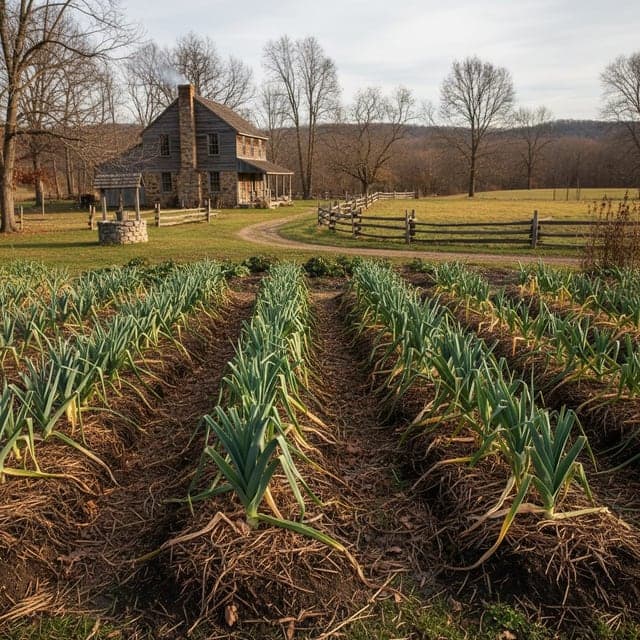
Hold cold-hardy leeks outdoors through winter across USDA Zones 4–9 using 6-inch dibble planting, staged blanching, zone-specific mulch or low tunnels, and pre-bolt spring harvest timing.
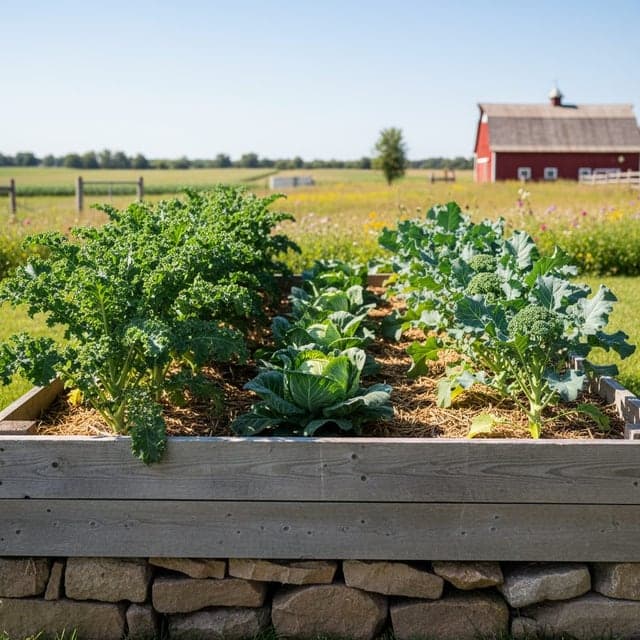
Schedule spring and fall brassicas across US USDA Zones 3–10 using NOAA freeze probabilities, Fall Factor and Persephone daylight math, 4-inch soil temperature cutoffs, and clubroot rotation rules.
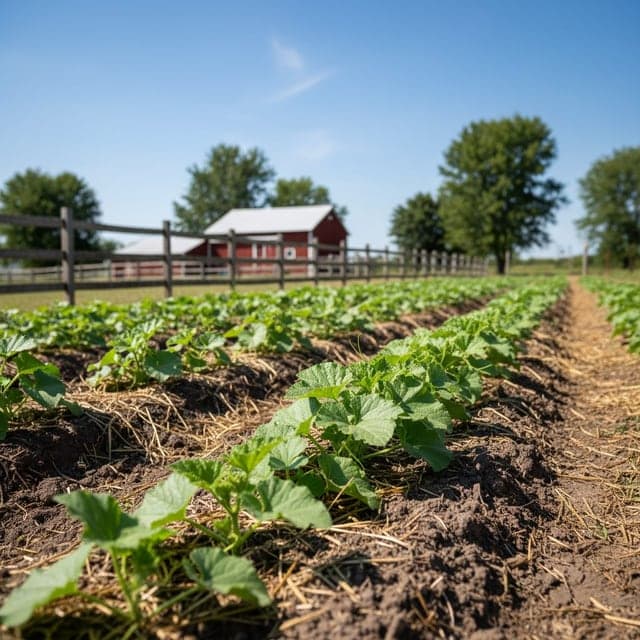
Choose between starting melons indoors or direct sowing by USDA zone: cucurbit taproot suberization math, 2–3 true-leaf cutoff (18–25d max), 70°F soil floors, IRT mulch, row-cover bee timing, tripl…
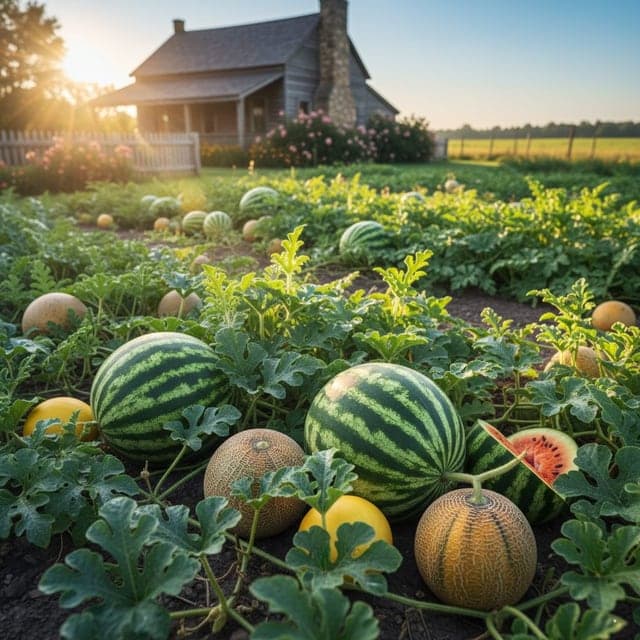
Harvest sweet melons across short Northeast and Midwest summers using 65–80 DTM muskmelons and icebox watermelons, 75–85°F heat-mat starts, black or IRT warming mulch, timely row-cover removal, and…
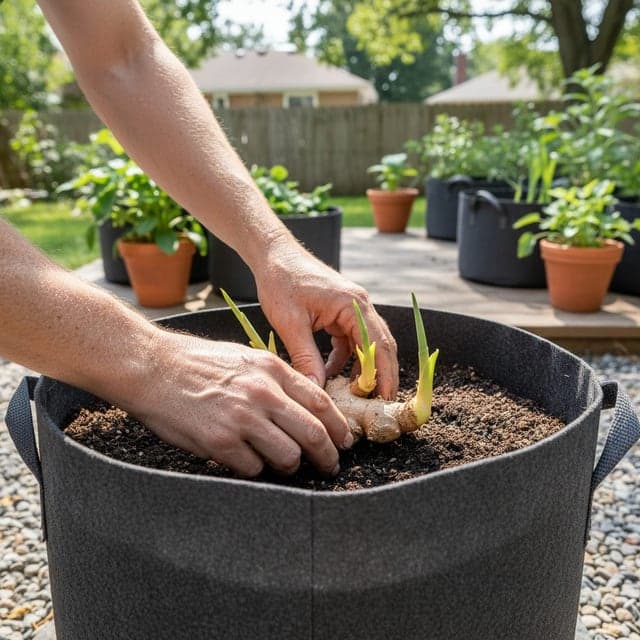
Start grocery-store ginger safely in isolated 10–15 gallon fabric pots: spot sprout inhibitors and irradiation, soak and pre-sprout in damp coco coir at 75–85°F, quarantine Ralstonia wilt and nemat…
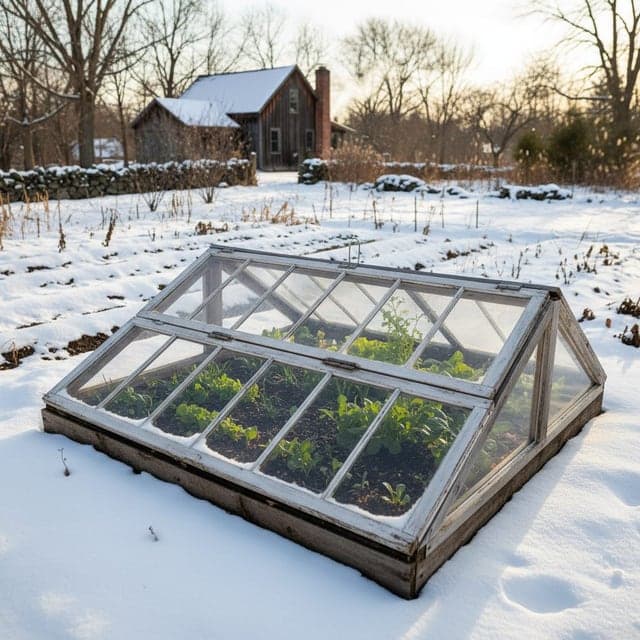
Engineer a cold-climate DIY cold frame that survives US winter sun and snow: ~latitude + 10–15° solar lid pitch, R-1.6 twinwall polycarbonate vs. salvaged glass safety, 60–75°F wax-piston venting,…
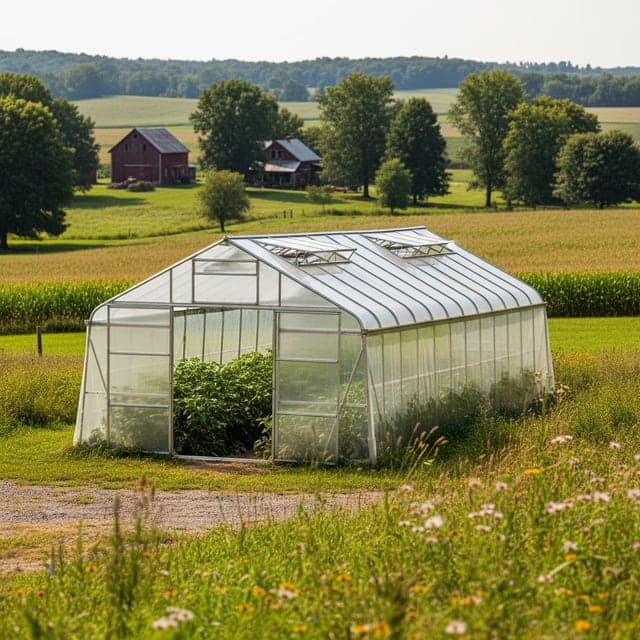
Master off-grid greenhouse cooling with passive ventilation, strategic shading, and evaporative methods. Keep your plants thriving in USDA Zone 7+ without electricity.
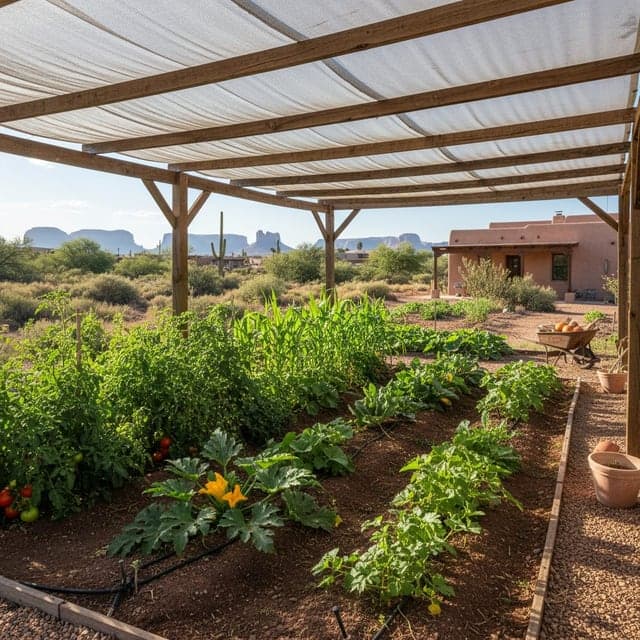
How to protect vegetables from intense summer heat in Arizona gardens with DIY shade structures that reduce temperatures, prevent bolting, and boost garden yields by 15% or more.
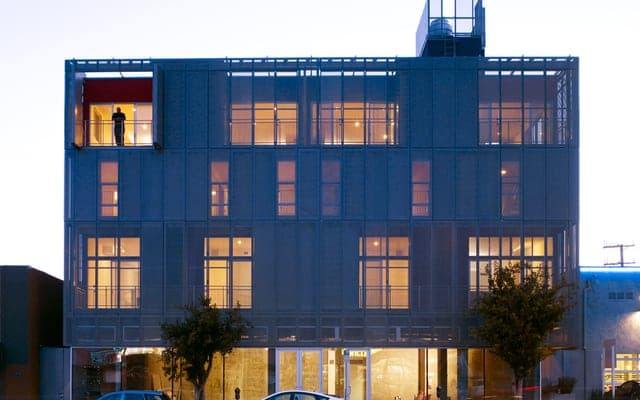
Build a budget passive solar greenhouse that protects crops in winter and prevents >105–110°F summer spikes: Latitude + 15° south glazing, R-15–R-20 walls, XPS frost skirts, 458 BTU/°F drum math, v…
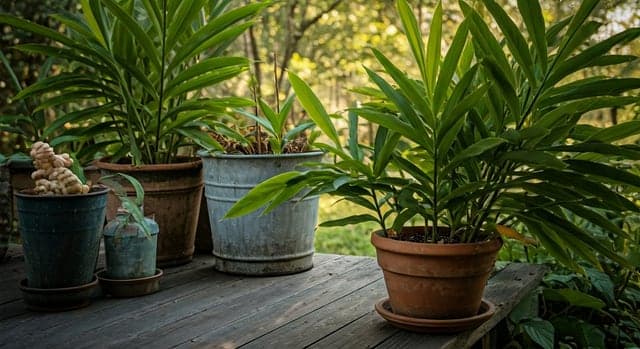
Learn how to successfully grow ginger in US gardens and containers, even in cooler climates. Get tips on planting, soil, and harvesting for high yields of fresh ginger root.
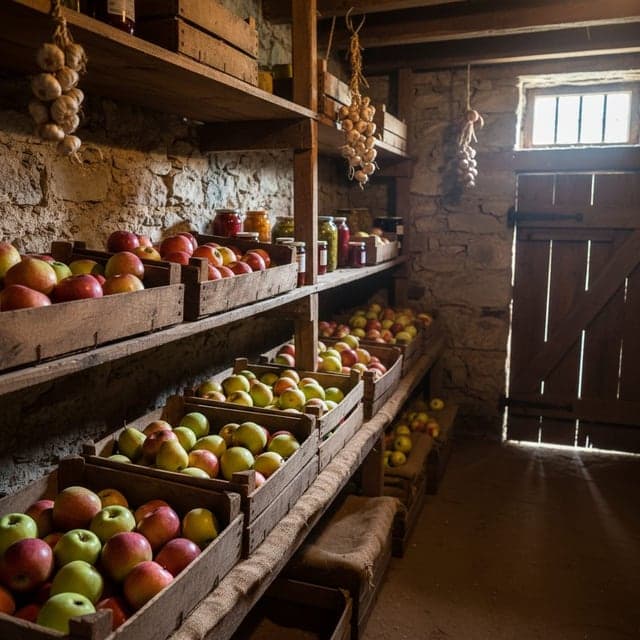
Master long-term fruit storage for apples & pears in USDA zones 5-7. Learn optimal temperatures, humidity, and variety selection to keep your harvest fresh for months, reducing waste.
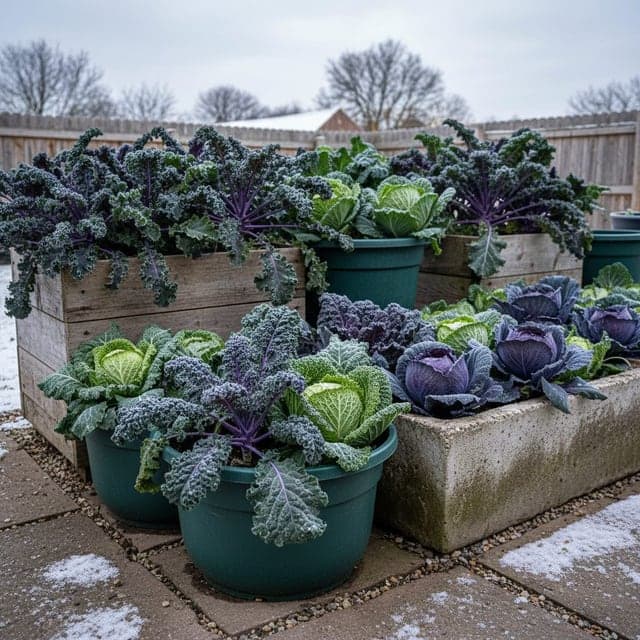
Select genuinely frost-proof outdoor planters for USDA Zones 3–8 using 9% water-to-ice expansion physics, an 8-material durability and US pricing matrix, rim geometry rules, 2-zone root hardiness m…
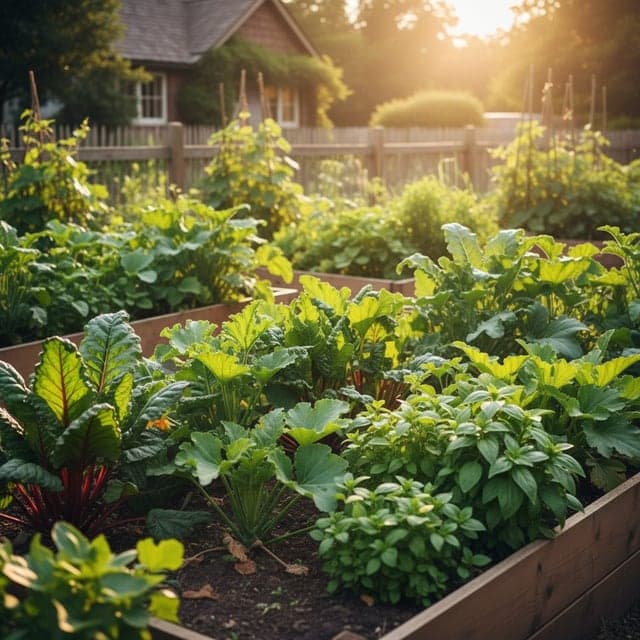
Keep potted perennial herbs alive through winter across USDA Zones 3–9 using the subtract-2-zones root-freeze rule, frost-proof containers, plunge-potting, thaw-day watering, and clean indoor grow-…
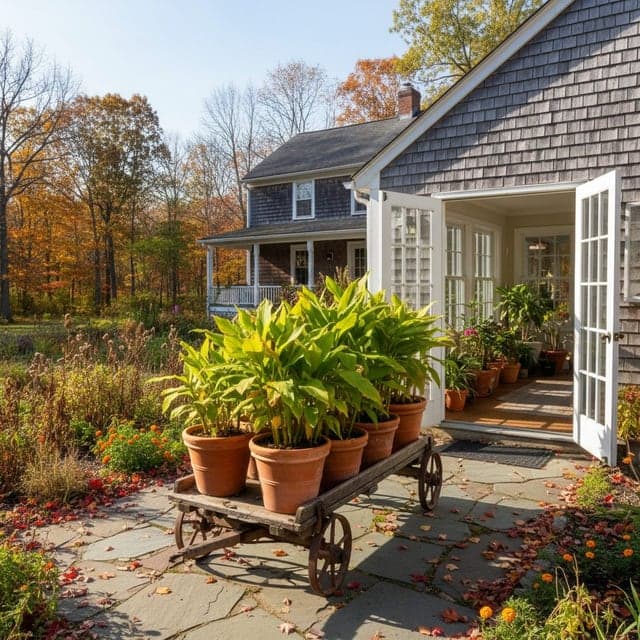
Move potted ginger, turmeric, galangal, banana, canna, Colocasia, Alocasia, and Caladium indoors before 45–50°F chilling injury—plus dry-pot, crate, LED tracks, Bti quarantine, and ASPCA pet alerts.
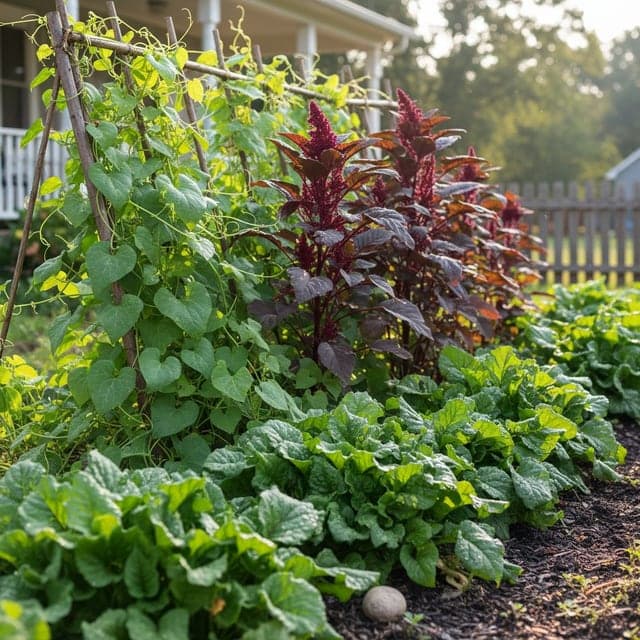
Extend your summer harvest in USDA zones 7-10 with resilient heat-tolerant greens like Malabar spinach, amaranth, and New Zealand spinach. Learn to grow them for continuous yields.
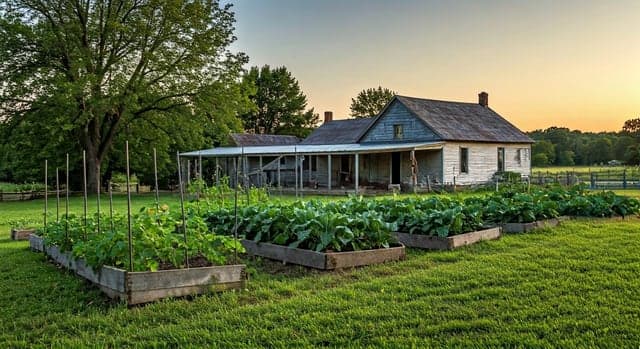
Prevent premature bolting in lettuce & spinach across USDA zones 3-9. Learn strategic shade, watering, and planting techniques to extend your harvest and keep greens fresh.

Extend your harvest in USDA zones 7-10 with bolt-resistant crops. Learn succession planting, crop rotation, and cultural practices to prevent bolting and enjoy fresh greens longer.
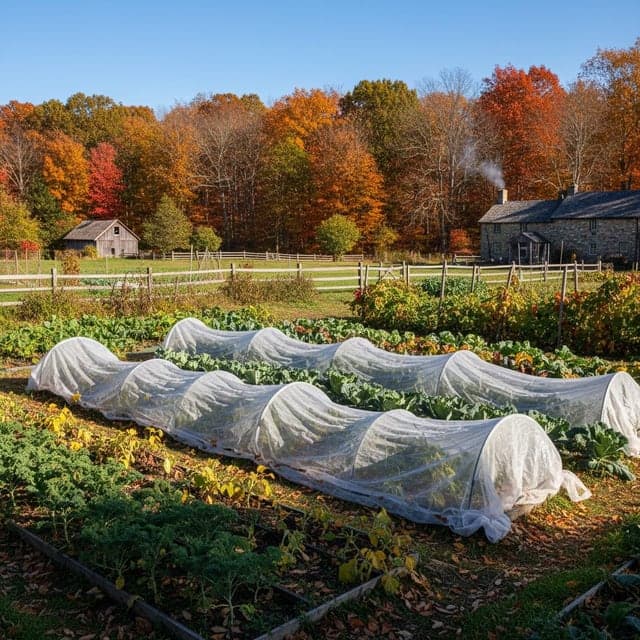
Learn how to extend your fall harvest by 45 days in USDA zone 6 using row covers, low tunnels, and cold frames. Maximize yields with strategic crop rotation and succession planting.
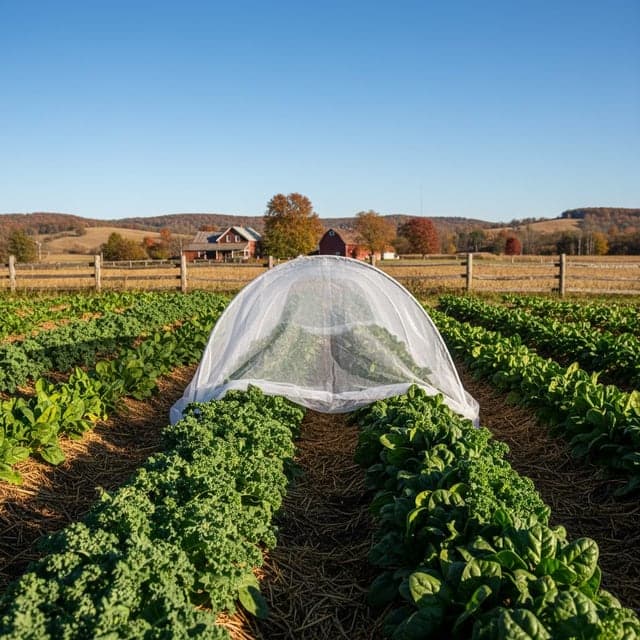
Harvest sweet, frost-hardy greens and roots deep into winter across USDA Zones 3–8 by grouping 22+ crops into exact freeze tiers (32°F down to 0°F), adding the +14-day Fall Factor before sub-10-hou…
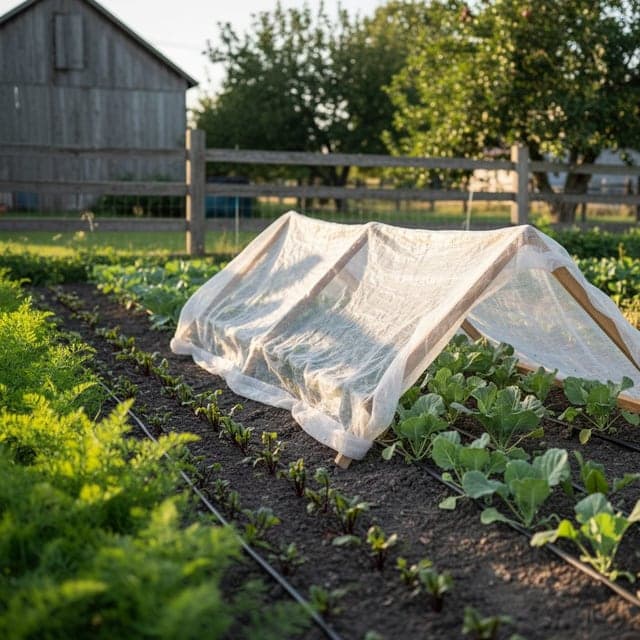
Extend your harvest with midsummer sowing. Learn to plant fall brassicas, carrots, and beets in USDA zones 4-9 for a bountiful autumn and winter yield. Get expert tips.