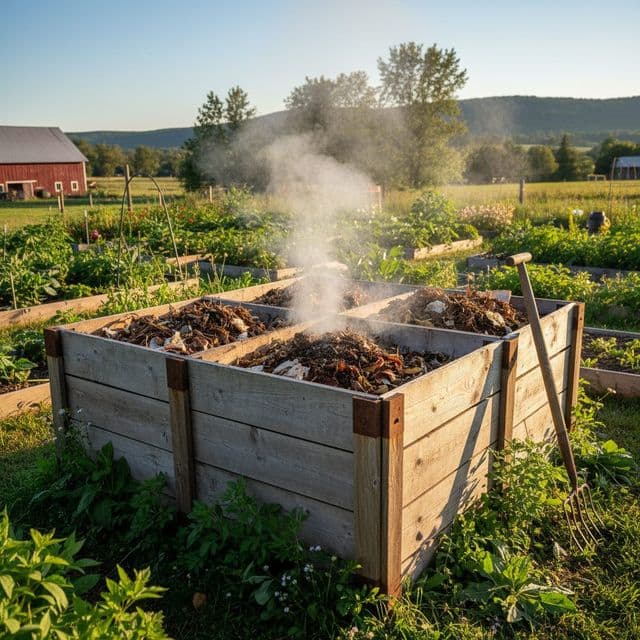
Fixing Compost Problems: Maintain 30:1 C:N Ratio for Soil
Learn to fix common compost problems like wet, dry, or slimy piles. Master the ideal 30:1 carbon-to-nitrogen ratio and moisture for efficient decomposition & soil fertility.
Topic
Soil building covers the materials and methods that develop biologically active soil: organic fertilizers, compost application rates, mulch types and depths, and the microbial communities that process them. Articles treat soil as a living system — explaining what feeds it, what harms it, and how to measure improvement over successive seasons.
201 articles in this topic on agripure. — page 7 of 9
Learn to fix common compost problems like wet, dry, or slimy piles. Master the ideal 30:1 carbon-to-nitrogen ratio and moisture for efficient decomposition & soil fertility.
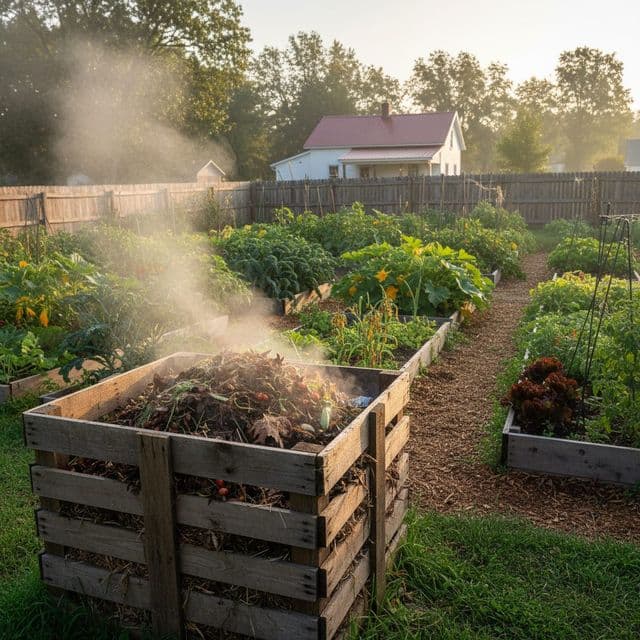
Accelerate composting by 30-50% using natural compost accelerators. Learn about ideal C:N ratios, microbial activators (EM-4), biochar, and nutrient-rich materials for faster, healthier compost.
Troubleshoot why your compost pile isn’t heating up or breaking down in USDA Zone 6. Learn to balance C:N, moisture, and aeration to restart decomposition and create rich soil.
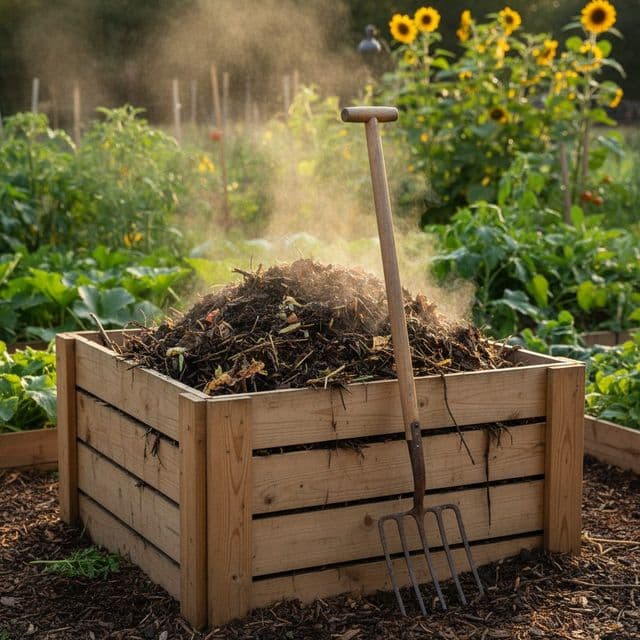
Why compost smells like ammonia or rotten eggs, and how to balance C:N ratios, improve aeration, and manage moisture for odor-free decomposition.
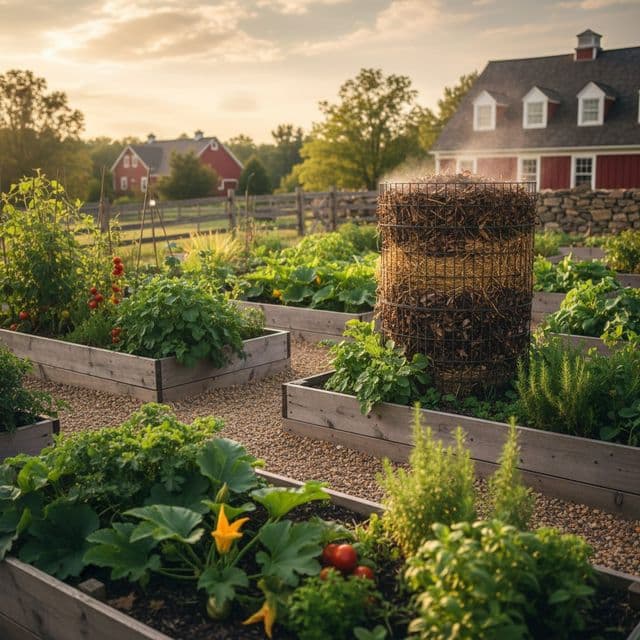
Discover how sourcing free manure from local US farms can boost your garden’s soil fertility and crop yields. Learn safe composting, sourcing tips, and benefits for homesteaders.
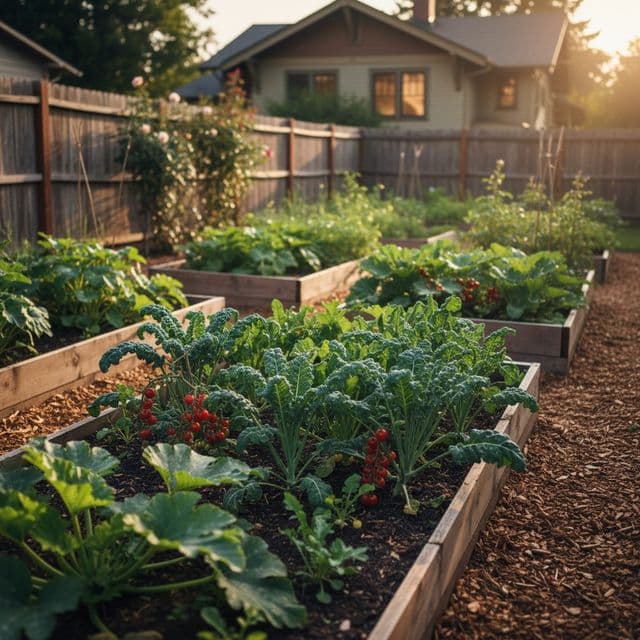
Learn to recognize and avoid persistent herbicides like aminopyralid and clopyralid in compost and manure. Protect your garden from contamination that can last for years.
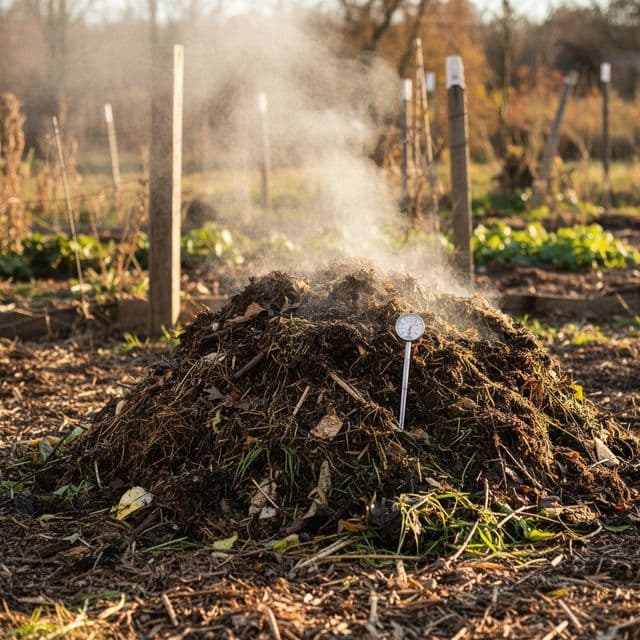
Learn hot composting techniques for cow and horse manure. Maintain 140°F to kill pathogens, improve soil, and boost garden health in USDA Zone 6. Avoid fresh manure risks.
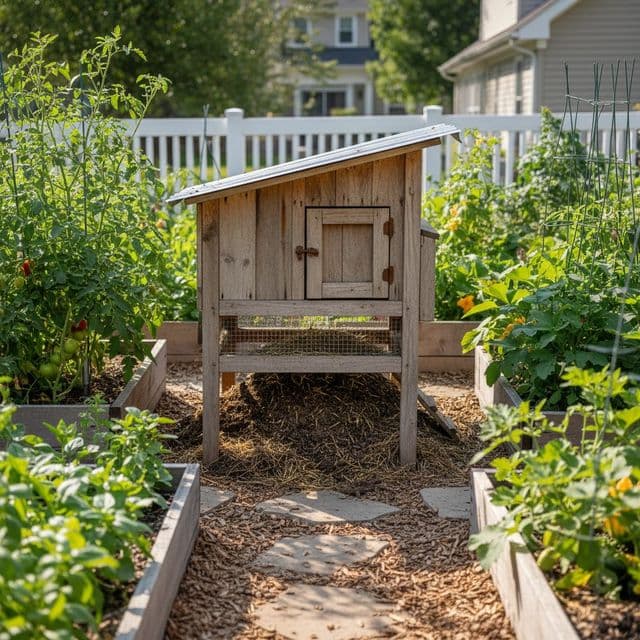
Rabbit manure works as a cold fertilizer for gardens in USDA zones 3-9. Apply directly for balanced nutrients, improved soil, and less labor.
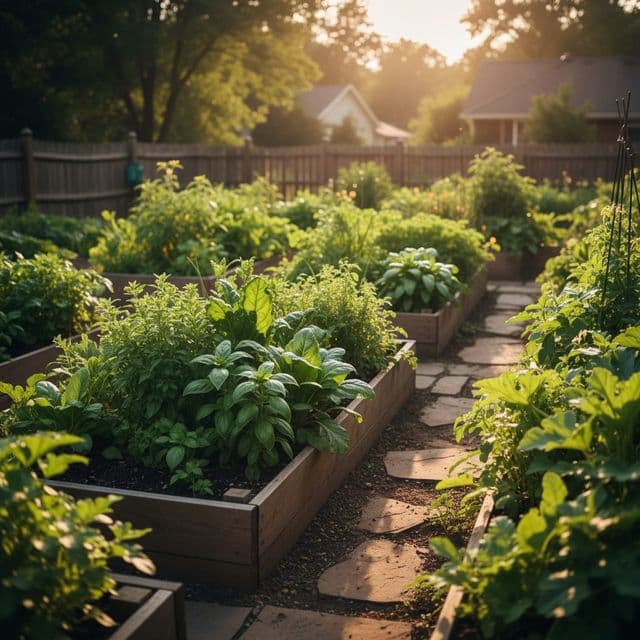
Learn how to sheet mulch a garden bed with leaves & cardboard. This no-dig method builds rich soil, suppresses weeds, and conserves water, perfect for homesteaders.
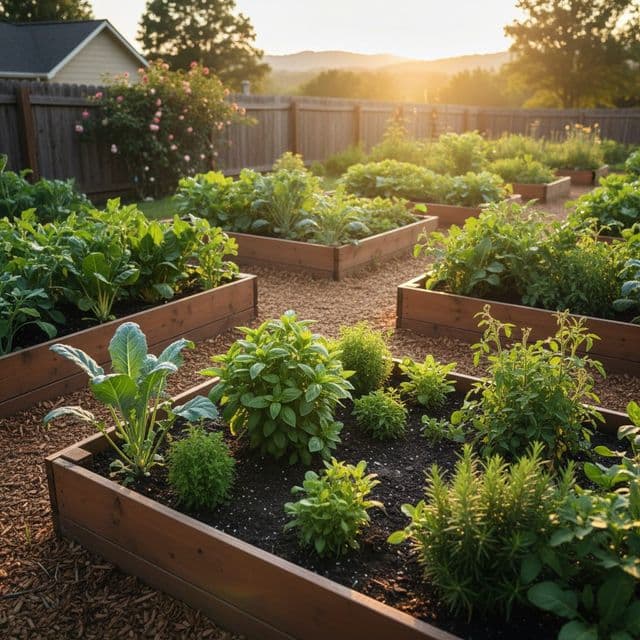
How shredding autumn leaves with a mower or shredder turns yard waste into nutrient-rich soil, reducing volume, improving soil structure, and boosting fertility in USDA Zone 6 gardens.
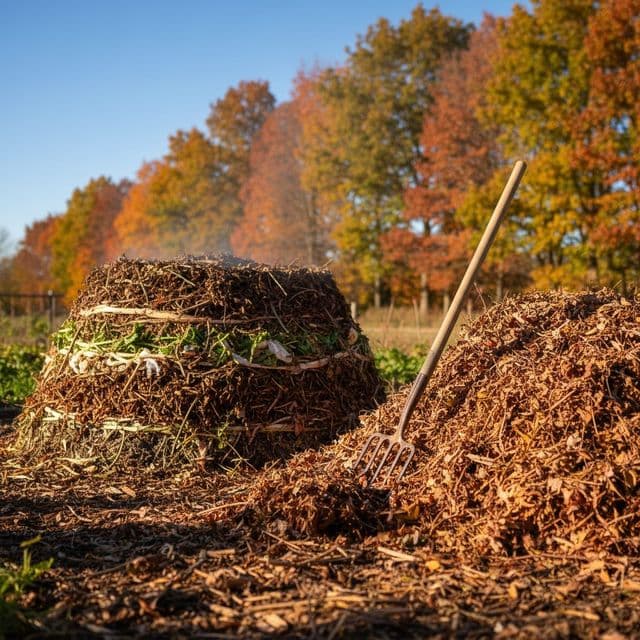
Learn how to speed up leaf mold production for your garden. Discover techniques like shredding, maintaining moisture, and the bag method to create rich soil amendment in USDA Zone 6.
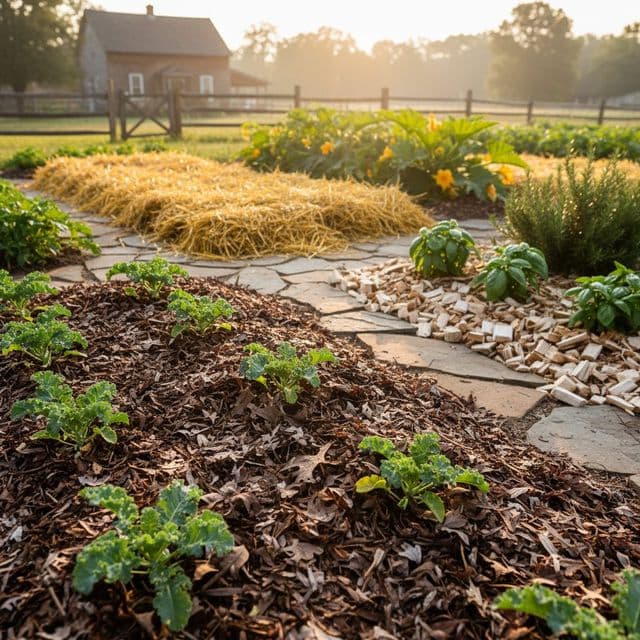
How shredded leaves, wood chips, and straw improve soil moisture, suppress weeds, and boost fertility in a homestead garden.
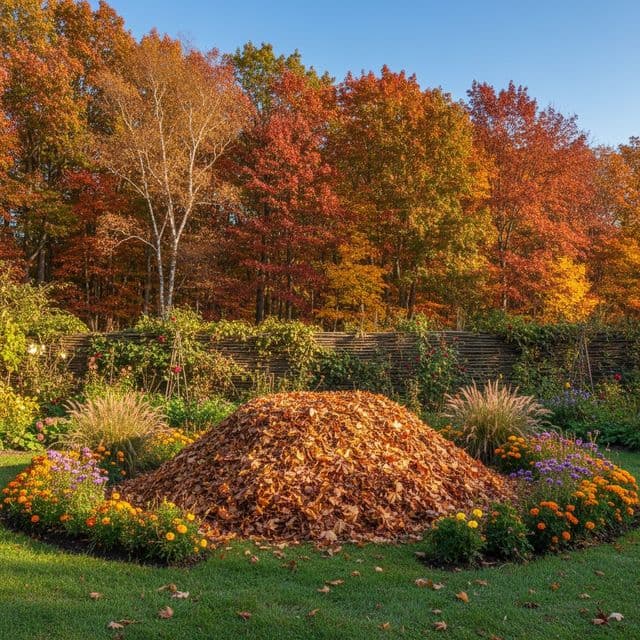
Make rich leaf mold for your garden. Learn best US tree leaves (oak, maple) and avoid black walnut/eucalyptus to boost soil health, water retention & microbes.
Learn to make leaf mold from fallen leaves. This free, fungal-dominated soil conditioner improves soil structure & water retention, reducing irrigation needs for your garden.
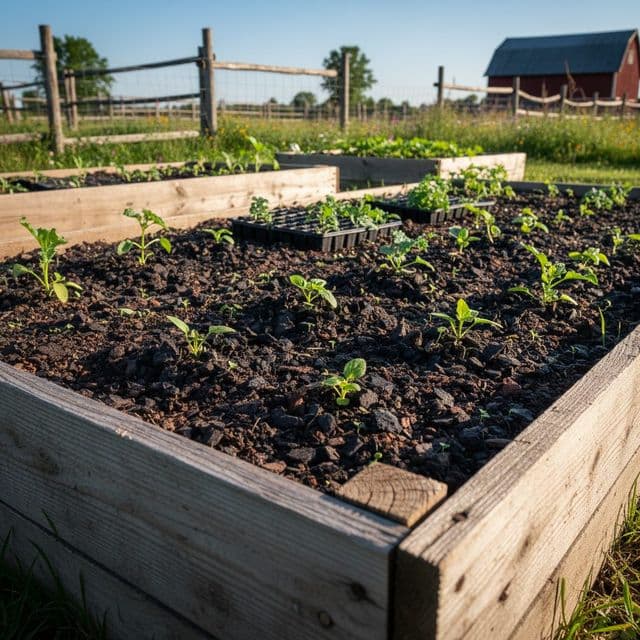
How to use biochar in raised beds, containers, and compost to improve water retention, nutrient cycling, and plant health in your garden.
How to make biochar at home using top-lit updraft (TLUD) and cone-kiln methods, including quenching, charging with nutrients, and soil application in USDA Zone 6 gardens.
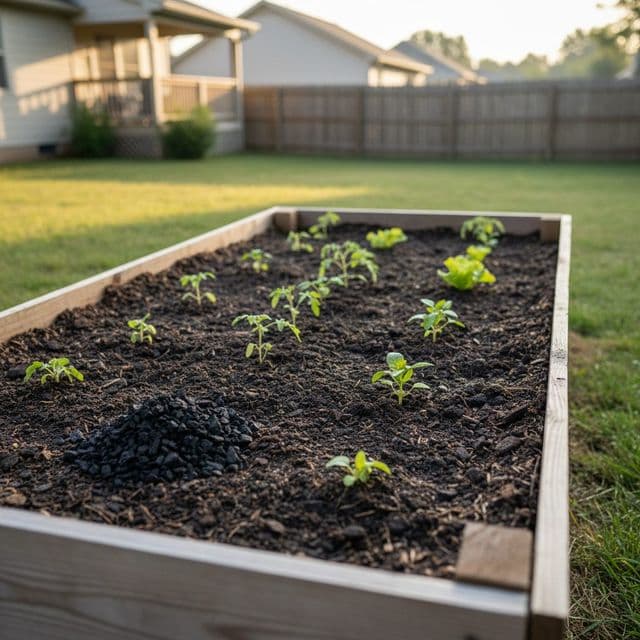
Unlock healthier soil with biochar! Learn how to apply biochar to garden beds to increase water retention by up to 18%, improve soil structure, and boost plant growth for long-term benefits.
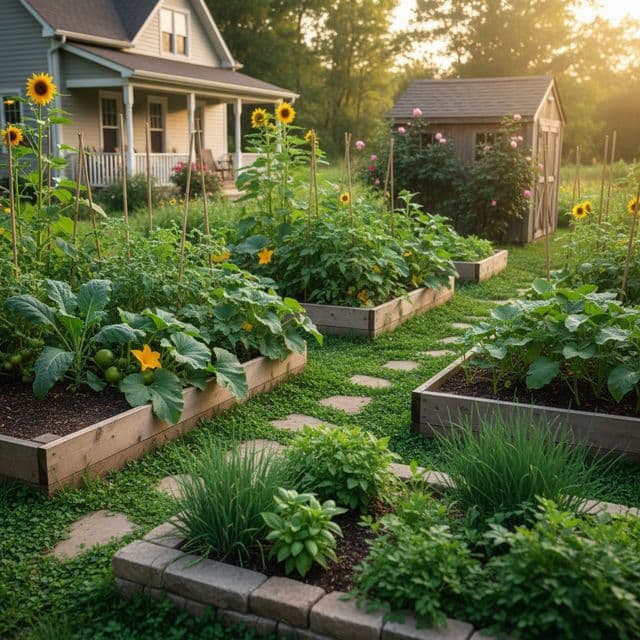
The differences between biochar and grilling charcoal for garden soil, including how biochar improves soil water retention and plant health in USDA Zone 6 while avoiding additives.
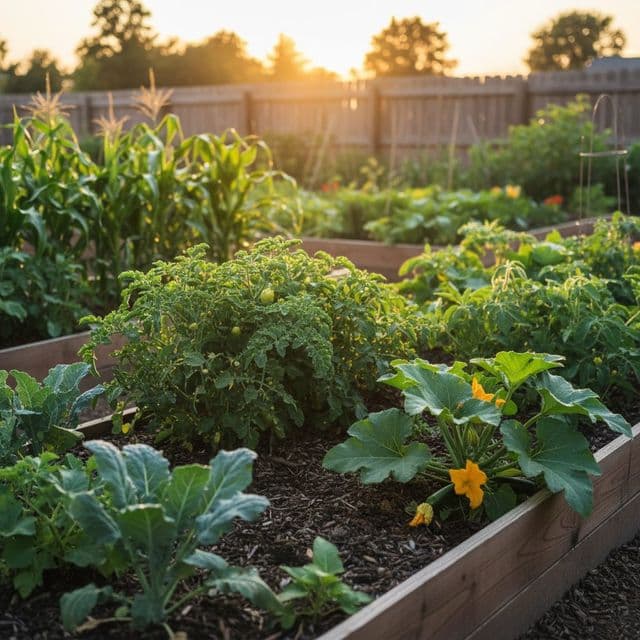
Learn how to charge biochar with compost tea or vermicompost leachate to boost soil health, water retention, and potentially increase crop yields by 10-20% in your garden.
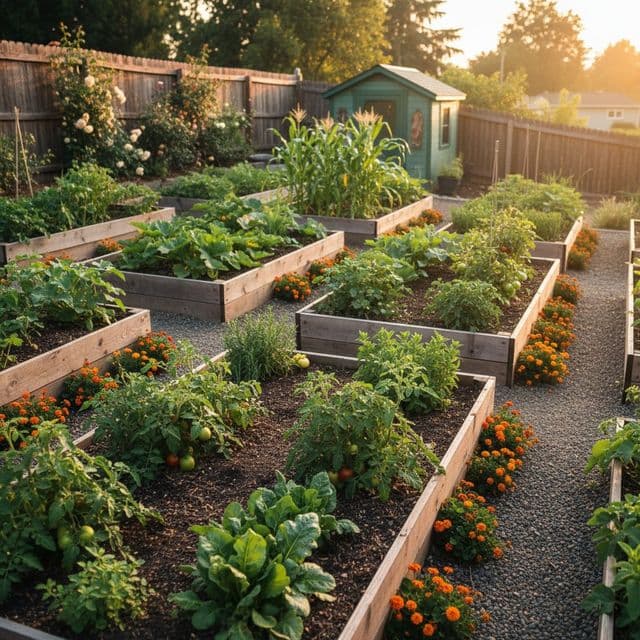
Learn to make DIY biochar from yard and wood waste. Enhance soil water retention, boost fertility, and reduce waste with this sustainable homesteading practice.
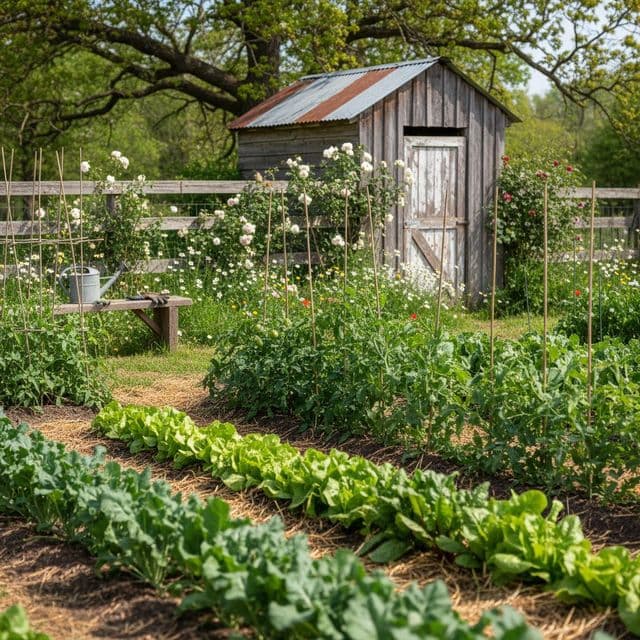
Make DIY fish emulsion and seaweed feeds for garden soil fertility, providing nitrogen, micronutrients, and growth hormones using homemade organic fertilizers.
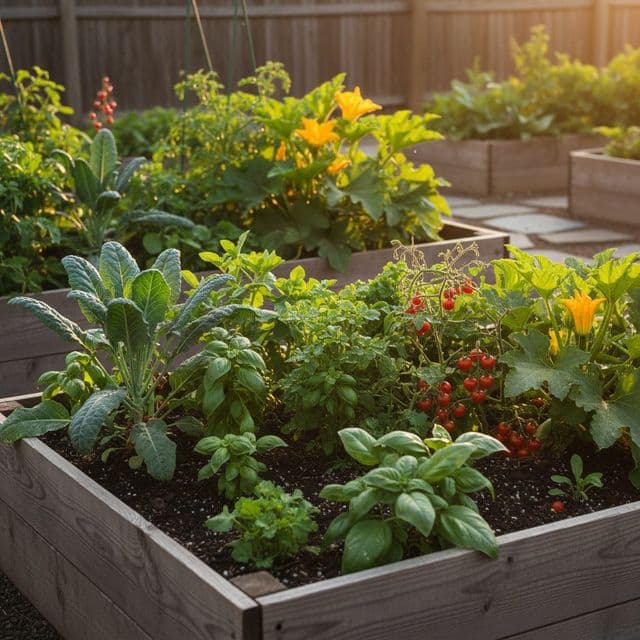
Learn to grow Bocking 14 comfrey and make potent ‘comfrey tea’ liquid fertilizer. This sterile hybrid boosts soil fertility in USDA zones 4-9, providing essential nutrients for your garden.
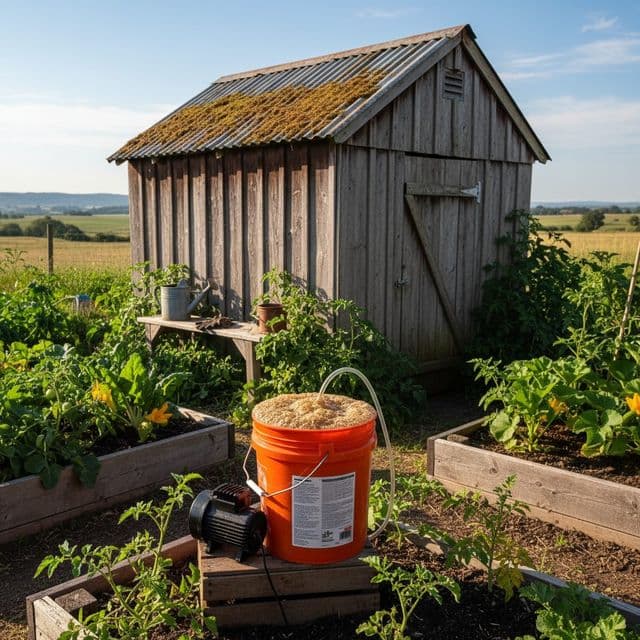
Learn to brew aerated compost tea for healthier plants and increased yields. This guide covers equipment, ingredients, and application for disease suppression and nutrient uptake in your garden.
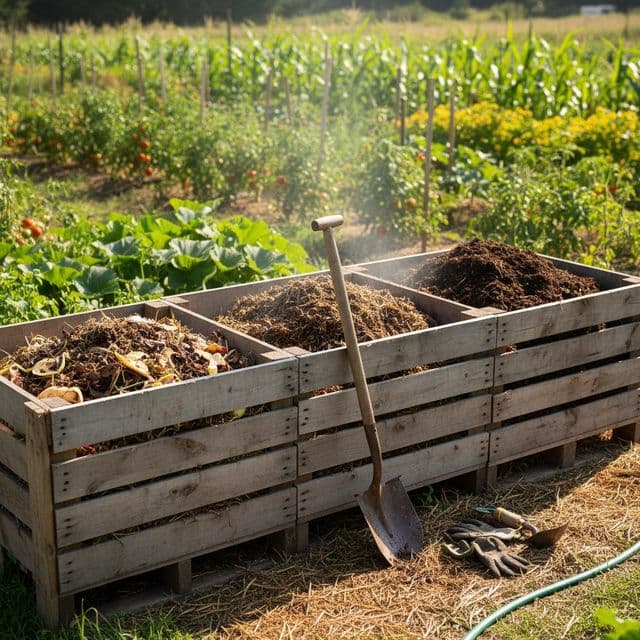
A 3-bin pallet composting system converts organic waste into finished compost, sourcing heat-treated pallets to boost garden yields by 10-20%.