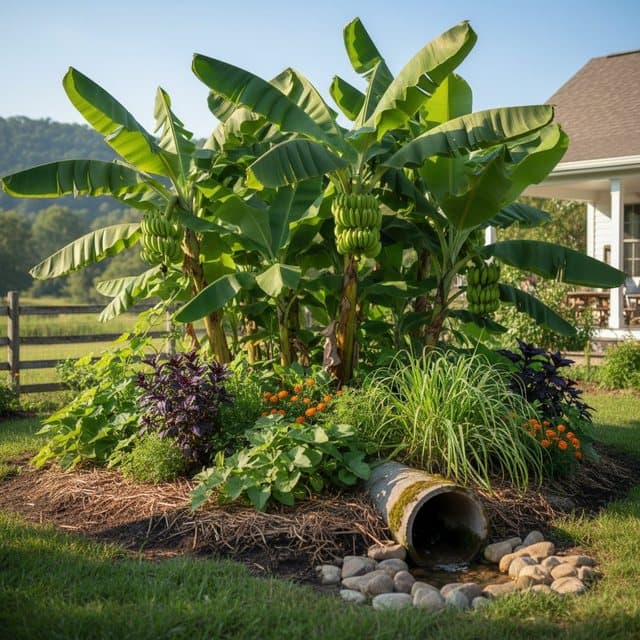
Banana Circle: Greywater Recycling for USDA Zones 8-10
Learn to build a banana circle for greywater recycling and growing heat-loving crops in USDA Zones 8-10. Enhance soil fertility and reduce water use.
Topic
Food forest design addresses how to plan, layer, and establish a multi-story growing system on a smallholding — from mapping the seven functional layers to selecting species that fit each tier. Articles work through site assessment, spatial layout, plant guilds, and the phased establishment sequence.
30 articles in this topic on agripure. — page 1 of 2
Learn to build a banana circle for greywater recycling and growing heat-loving crops in USDA Zones 8-10. Enhance soil fertility and reduce water use.
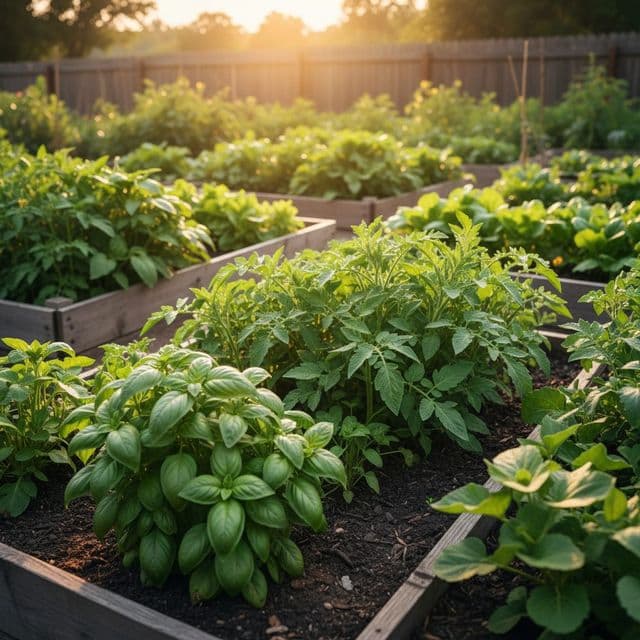
Discover how permaculture plant guilds create self-supporting ecosystems, reducing inputs and boosting productivity. Learn to design resilient guilds for your USDA Zone 6 homestead.
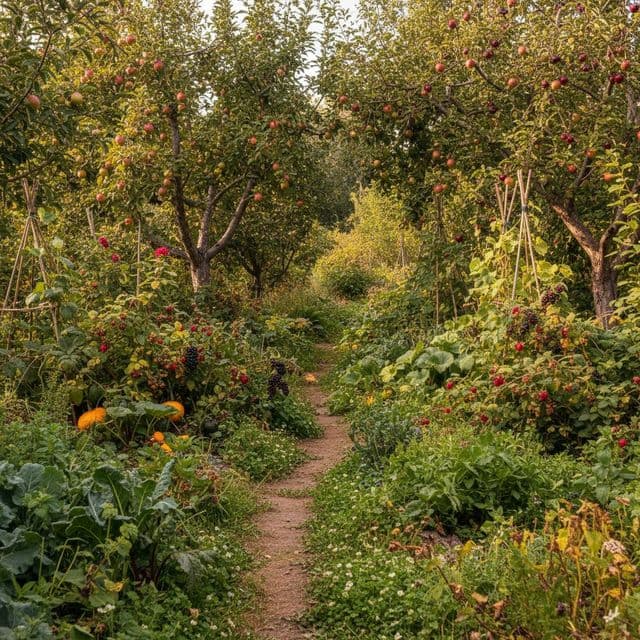
Learn how to start a food forest in your US backyard. This guide covers 7-layer permaculture design, site assessment, and plant selection for USDA zones 3-9 to create a resilient, bountiful ecosystem.
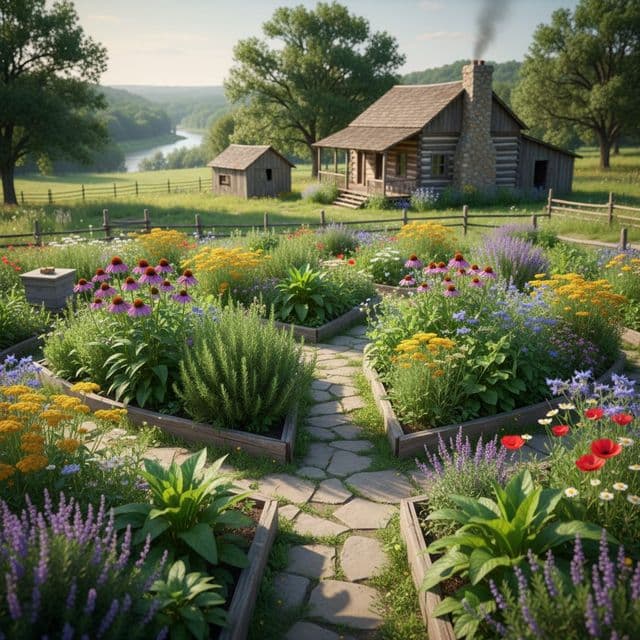
Decide between perennial and annual medicinal herbs for your home apothecary. Learn about their life cycles, cultivation needs, and best choices for USDA zones 3-10 to create a thriving herb garden.
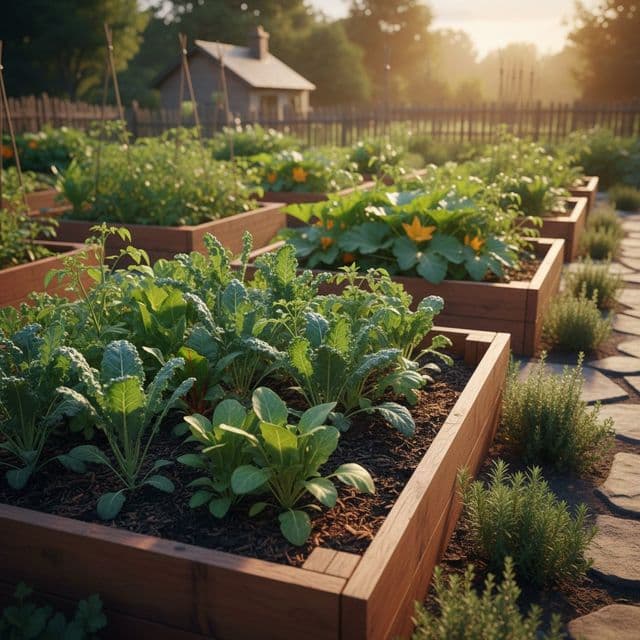
Optimize your homestead’s productivity with strategic crop rotation. Learn how to integrate perennials, cover crops, and heavy feeders for soil health, pest control, and higher yields in USDA zones…
Master Backyard Orchard Culture to grow diverse, productive fruit trees in small spaces. Learn summer pruning techniques to keep trees 6-8 ft tall for continuous harvest in USDA Zone 7.
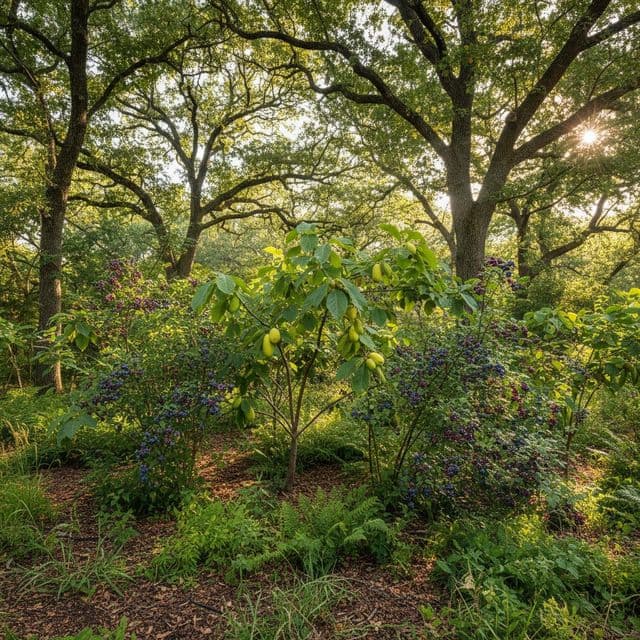
Understory fruit trees and berry shrubs yield reliable harvests in partial shade beneath canopy trees when matched to filtered sunlight and rich soil.
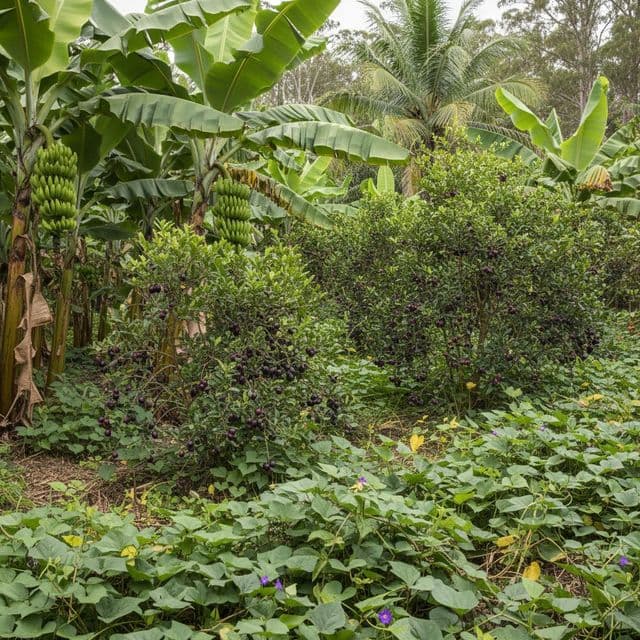
Design a high-yield subtropical food forest in Australia with multi-layered canopies, nitrogen-fixing pioneer species, and hardy perennial food crops.
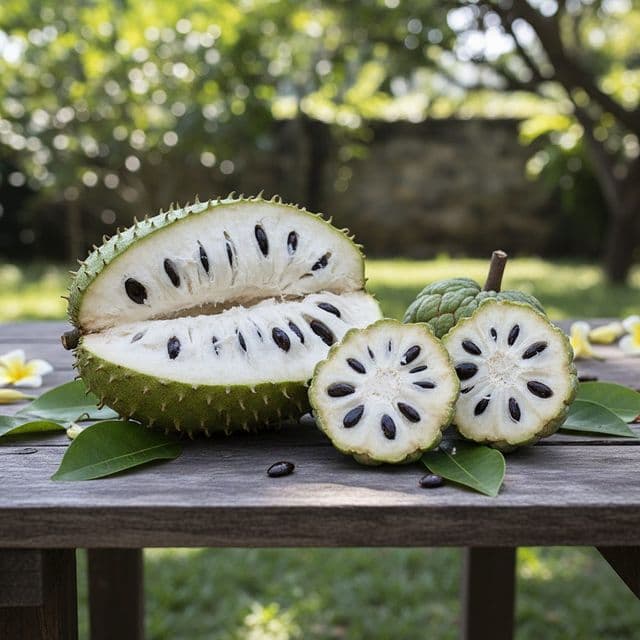
Compare soursop and sugar apple across botanical traits, fruit size, rind textures, flavor profiles, and tropical and subtropical growing conditions.
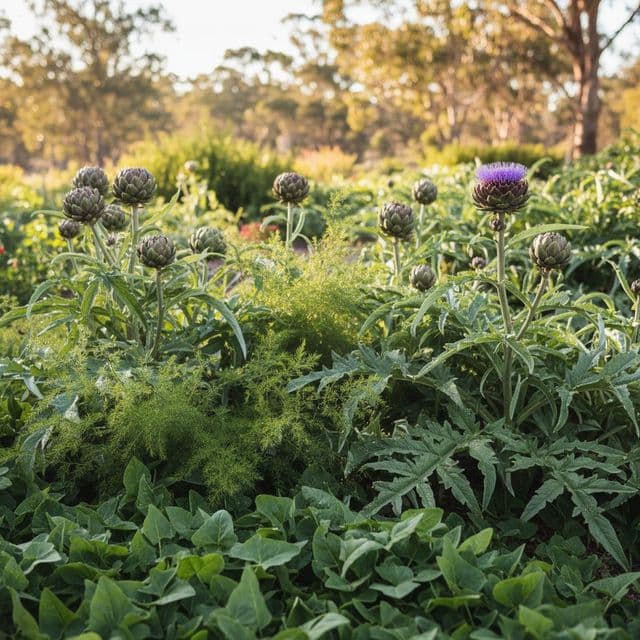
The best perennial vegetables for Australian gardens, from asparagus and globe artichoke to native warrigal greens, choko, and Queensland arrowroot.
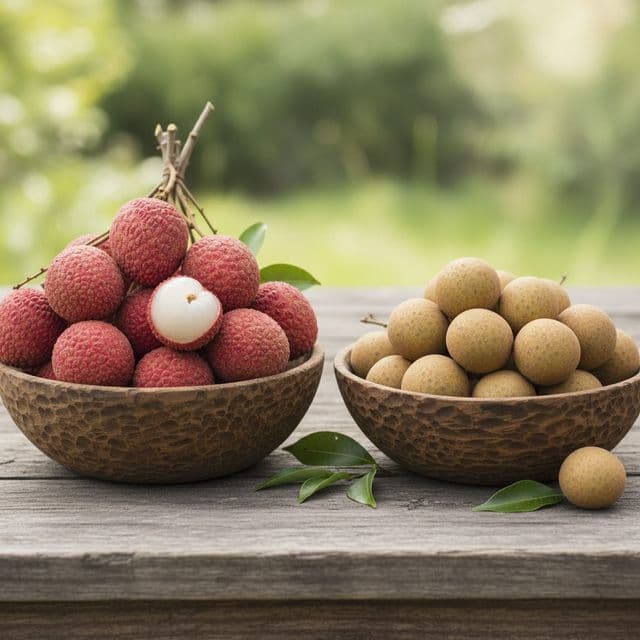
Compare longan vs lychee: botanical traits, fruit rind textures, sweet musky vs floral flavours, cold hardiness, and growing requirements for both trees.
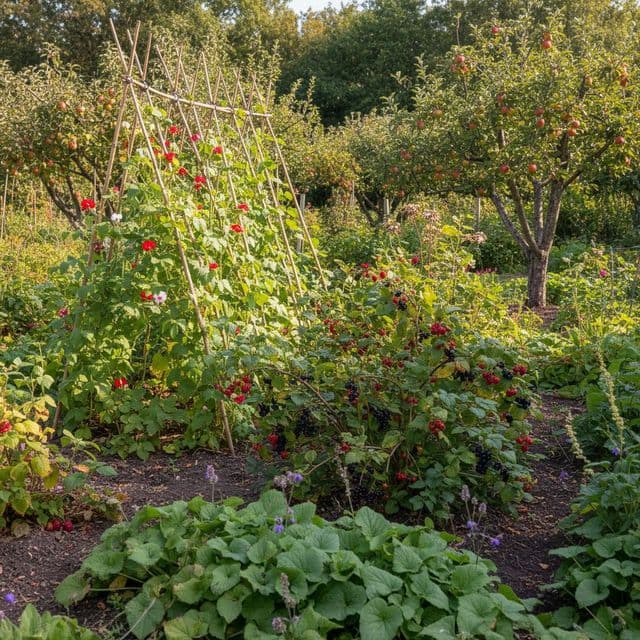
Learn how to create a productive temperate forest garden in the UK: site assessment, soil preparation, seven-layer planting, and perennial maintenance.
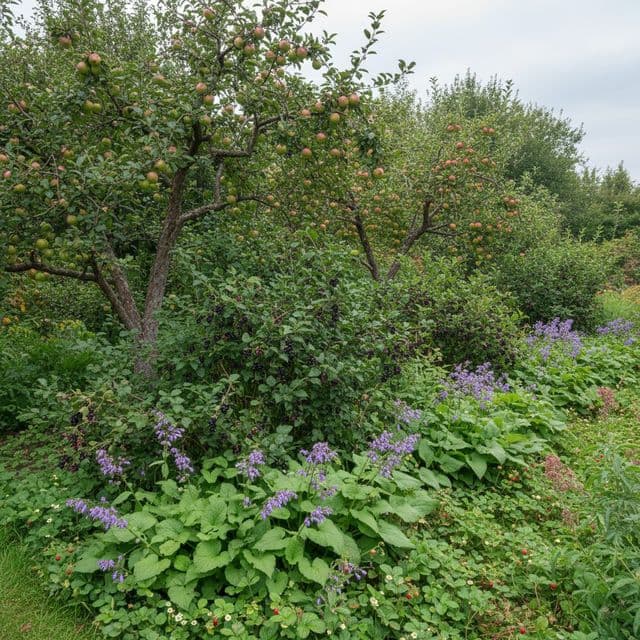
Select the best edible forest garden plants for UK climates across seven canopy layers, from fruit trees to perennial vegetables and dynamic accumulators.
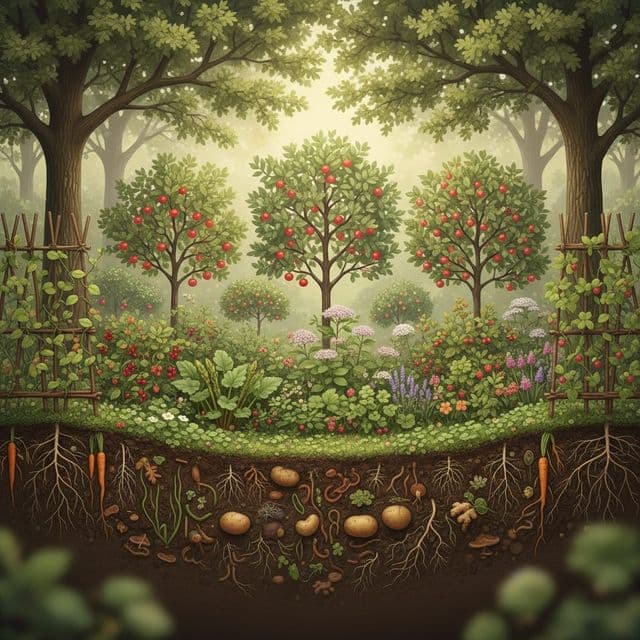
Learn how to design the seven forest garden layers, stacking perennial fruit, nuts, berries, and herbs into a self-sustaining temperate ecosystem.
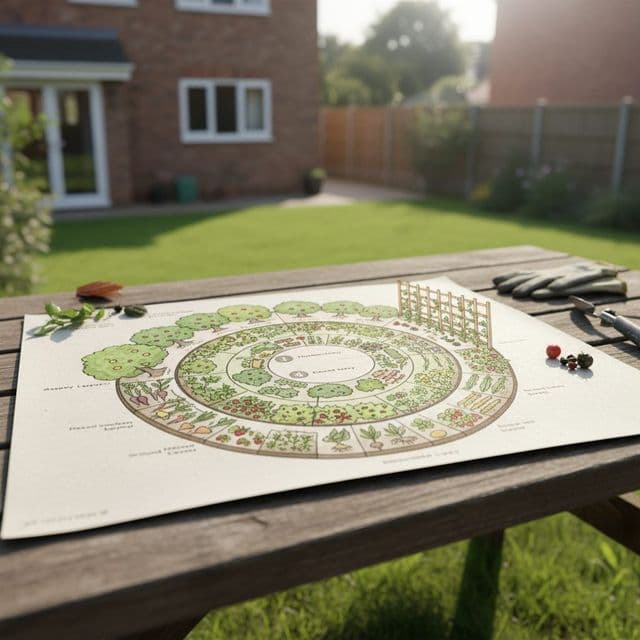
Design a productive seven-layer forest garden for small UK back gardens: spatial layout, plant guild pairings, dwarfing rootstocks, and light management.
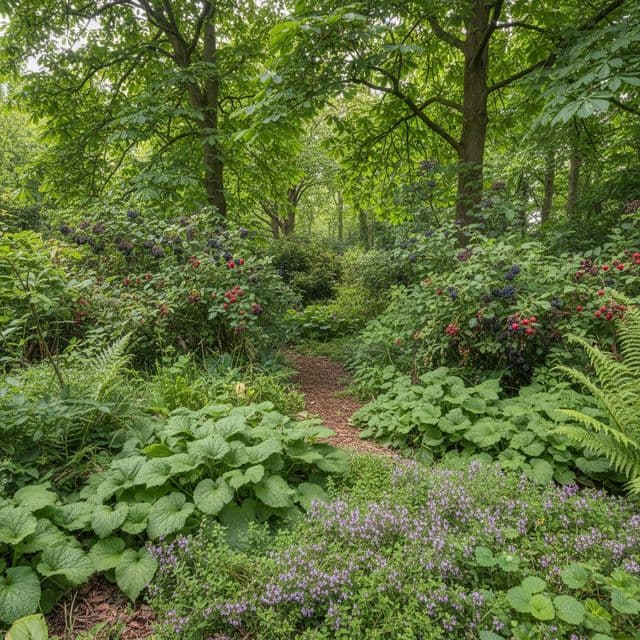
Discover the best food forest plants organized across all seven vertical canopy layers, from overstory nut trees to edible shrubs, ground covers, and roots.
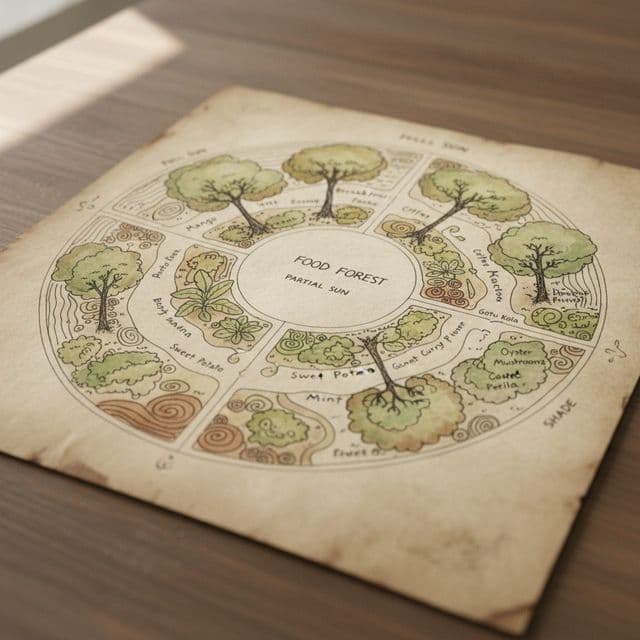
Learn practical food forest design principles, from mature tree spacing and seven-layer layout planning to succession stages and mapping software tools.
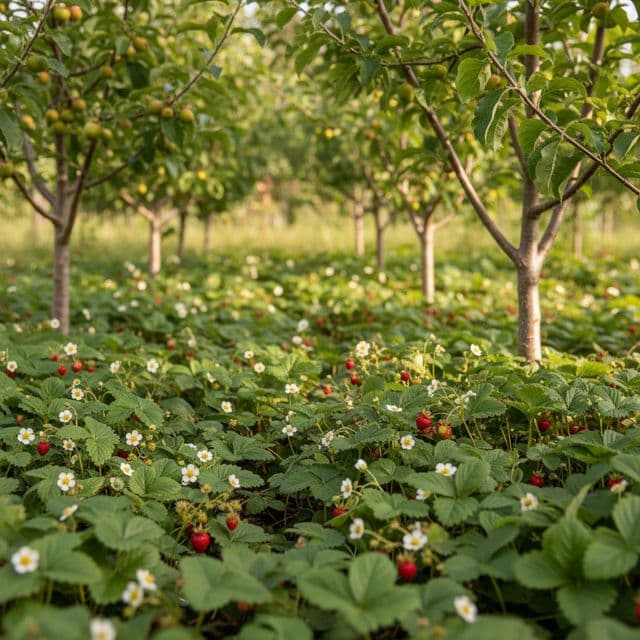
Discover the best edible ground cover plants to suppress weeds, conserve soil moisture, and build a productive living mulch layer beneath fruit trees.
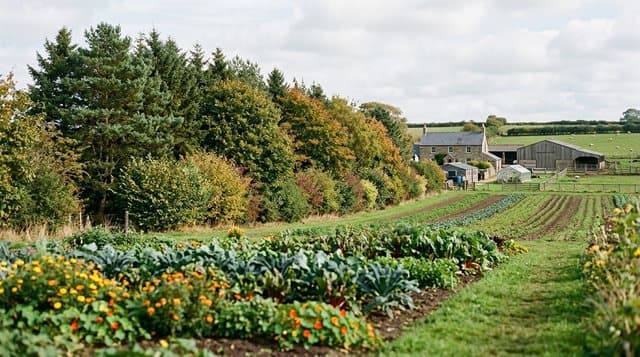
Design effective shelterbelts and windbreaks with aerodynamic 40-50% porosity guidelines, multi-row layered architecture, spacing rules, and top tree species.
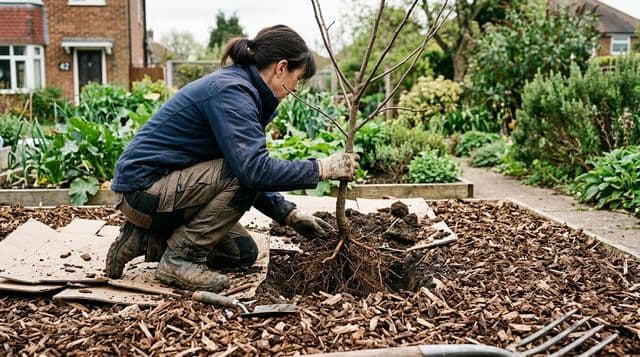
How to start a food forest from scratch, convert turf grass, design planting guilds, manage first-year growth, and budget setup costs.
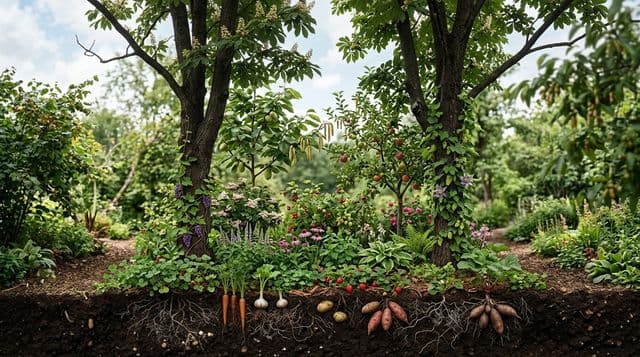
A guide to the 7 food forest layers to design resilient, multi-tiered perennial systems that maximize sunlight, soil health, and edible food yields.
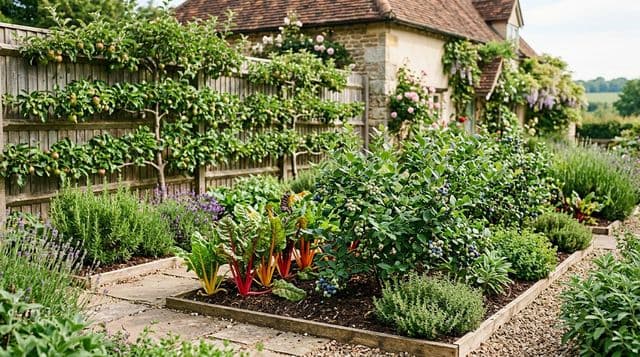
Learn how to design an edible landscape that blends fruit trees, berry hedges, culinary herbs, and vegetables into ornamental home gardens.
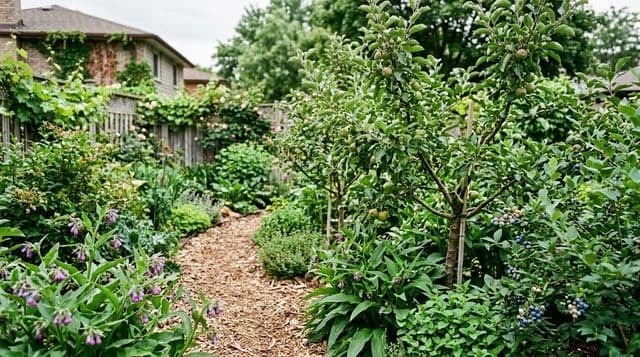
How to design a multi-layered backyard food forest on a suburban lot using dwarf fruit trees, berry shrubs, and perennial herbs.
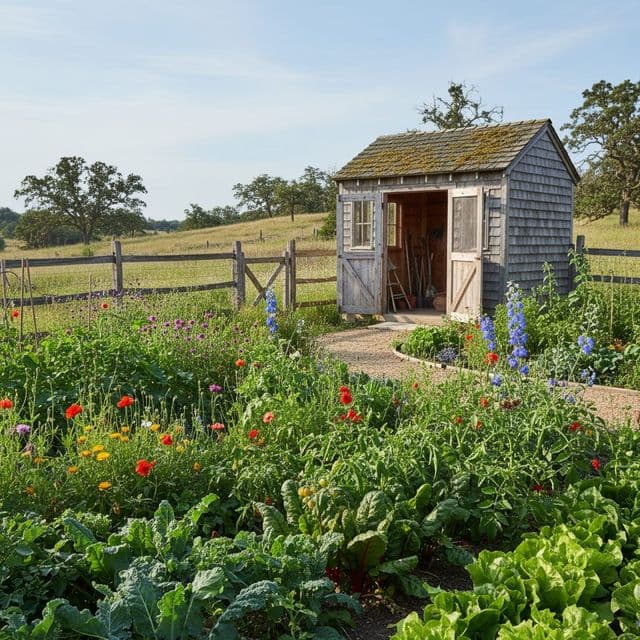
Learn how to effectively use beneficial insects for pest control in USDA Zone 6. Discover why habitat is essential for retaining ladybugs, lacewings, and mites long-term.