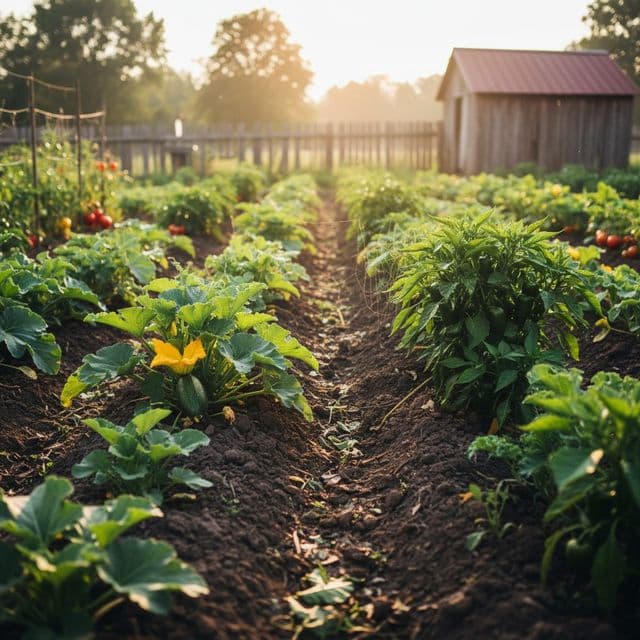
Managing root diseases with biofungicides in USDA Zone 7 gardens
How biofungicides like Trichoderma and mycorrhizal fungi protect plants from root diseases in USDA Zone 7, reducing chemical use and supporting soil health.
Tag
643 articles in this tag on agripure. — page 16 of 27
How biofungicides like Trichoderma and mycorrhizal fungi protect plants from root diseases in USDA Zone 7, reducing chemical use and supporting soil health.
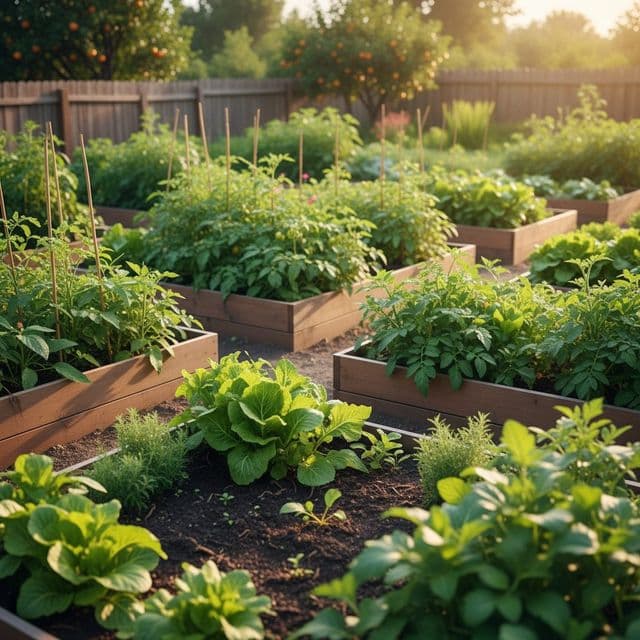
Discover how milky spore (Bacillus popilliae) offers a long-term, organic solution for Japanese beetle grubs. Learn application timing and effectiveness in USDA Zone 6 gardens.
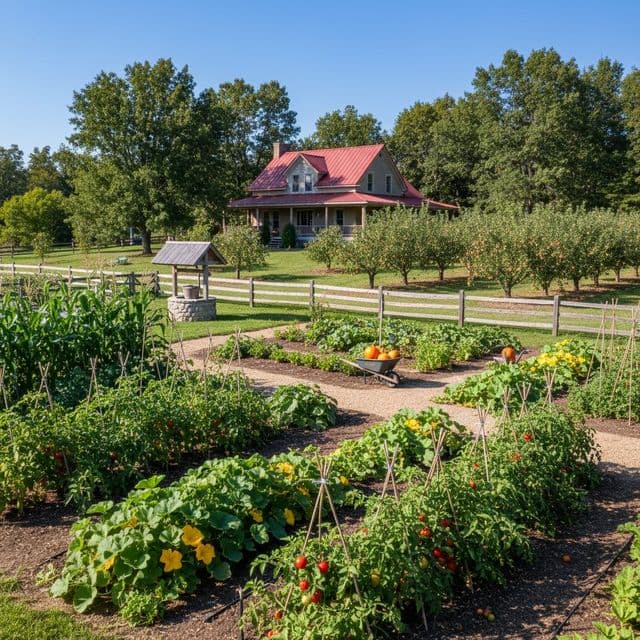
Learn how Spinosad, an organic biological insecticide, effectively controls thrips and other pests in greenhouses. Discover safe application methods for pollinator protection.
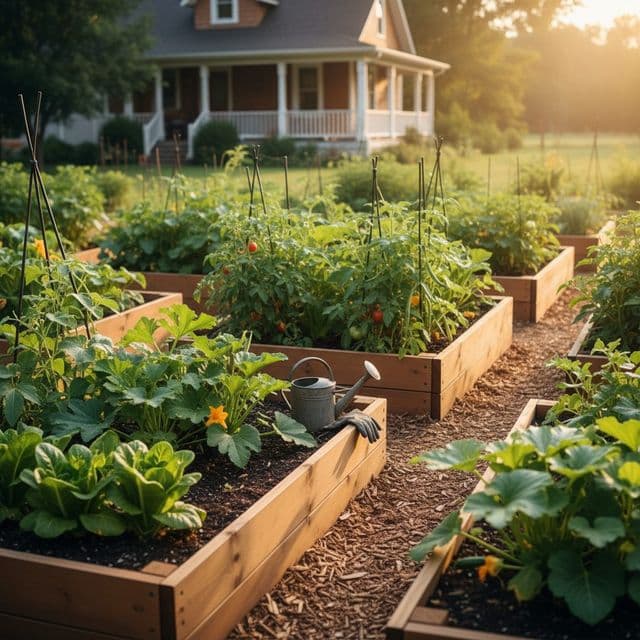
Discover how beneficial nematodes offer organic pest control for grubs, fungus gnats, and other soil pests in USDA Zone 6 gardens. Learn application tips for a healthier ecosystem.
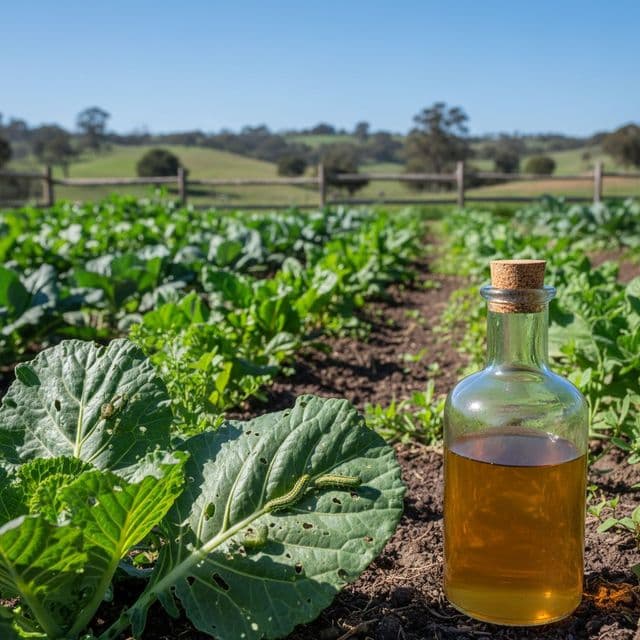
Unlock effective organic pest control! Learn to choose the right Bacillus thuringiensis (Bt) varieties for your USDA Zone 6 garden, targeting caterpillars, mosquitoes, and beetles safely.
Practical strategies like netting, scare devices, and harvest timing to reduce bird damage to berry crops in USDA zones 4-9.
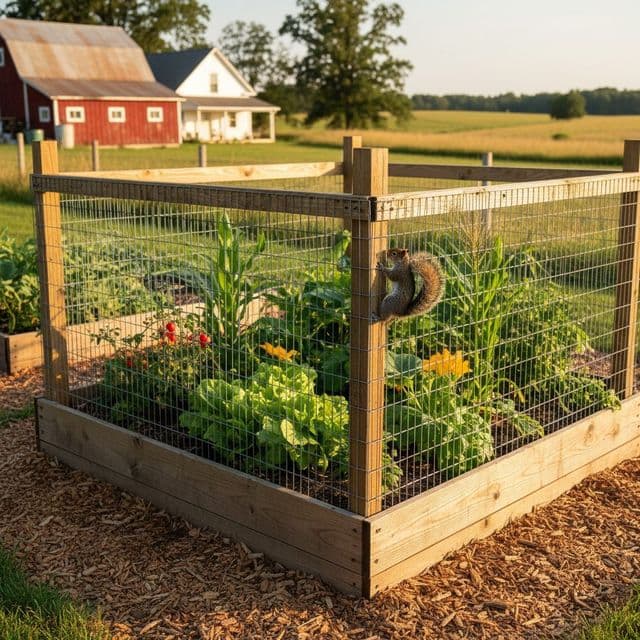
Learn effective, organic methods for deterring squirrels and chipmunks from your raised beds and bird feeders in USDA Zone 6. Protect your garden with physical barriers, repellents, and smart place…
Learn effective, humane rodent control strategies for your garden and homestead. Implement exclusion, habitat modification, and trapping to protect your harvest from mice and rats.
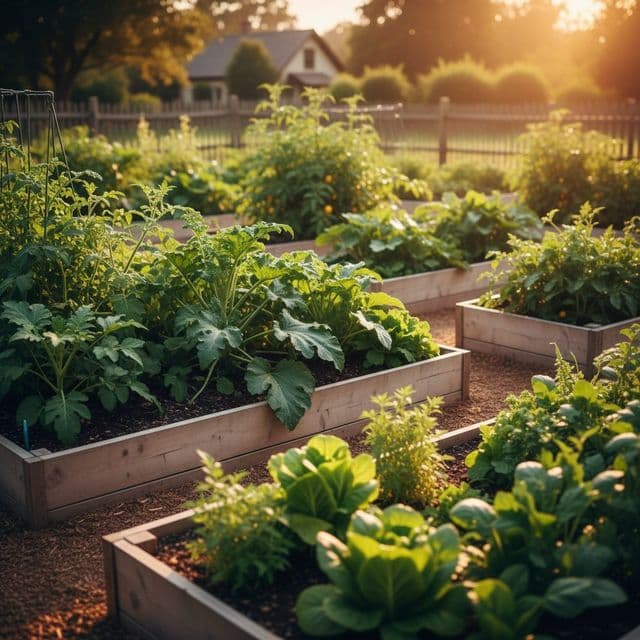
Protect your vegetable garden from rabbits with effective, buried fencing. Learn about materials, installation, and techniques for rabbit proof fencing to secure your harvest.
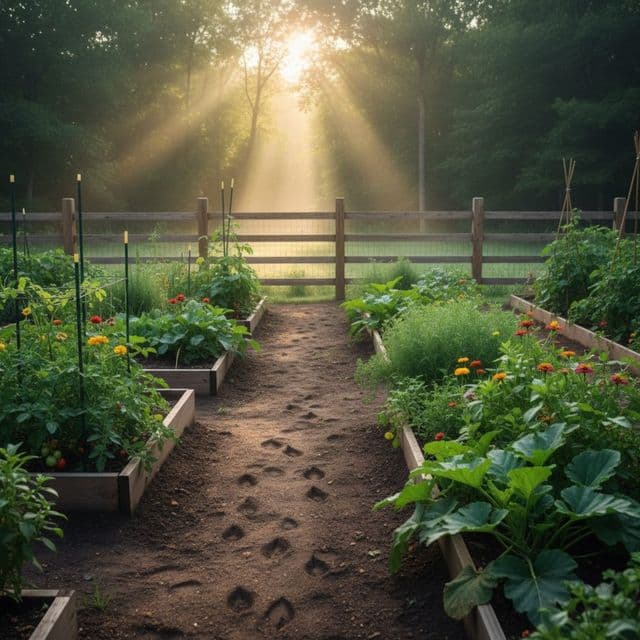
Learn effective strategies for protecting gardens from deer in the US. Discover how 8-foot fences, rotating repellents, and deer-resistant plants can save your crops.
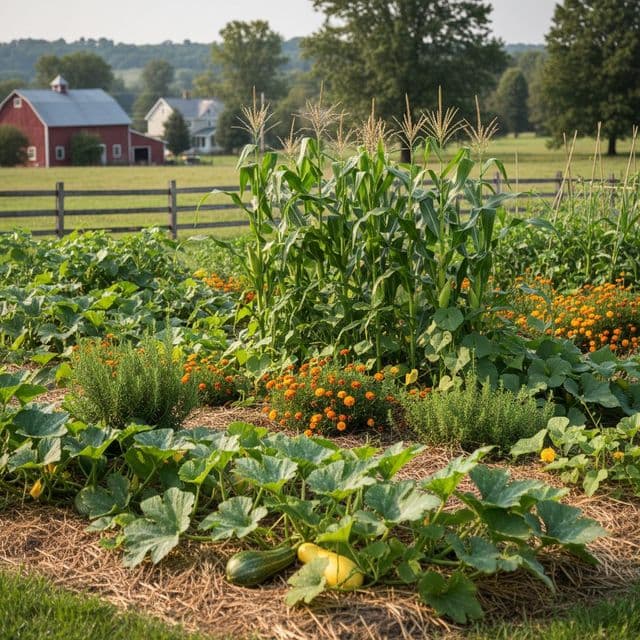
Unlock the power of companion planting. Learn how strategic plant pairings can deter pests, attract beneficial insects, and improve soil health, potentially reducing pest pressure by 15-50%.

Discover trap cropping, an organic pest control method. Learn how specific plants like nasturtiums and Blue Hubbard squash can protect your main crops, reduce damage by 50%, and cut pesticide use b…
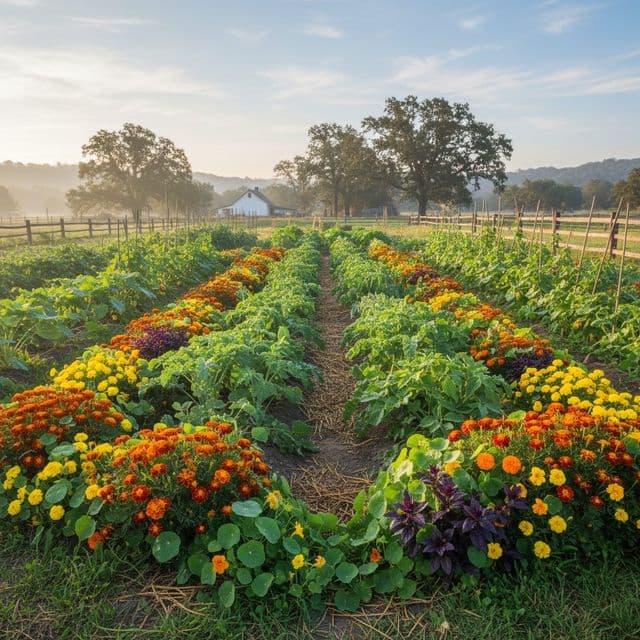
Discover how pest repellent border plants like marigold, basil, and alliums naturally reduce garden pests by 20-50%. Integrate these plants into your IPM strategy for sustainable pest control in US…
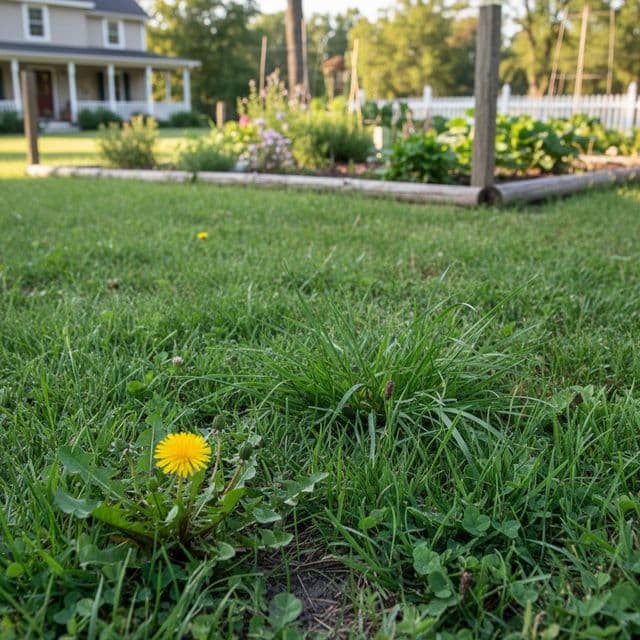
Organic Integrated Pest Management (IPM) strategies identify and control common US lawn and garden weeds like crabgrass, dandelion, bindweed, and purslane. Prevention and cultural methods can reduc…
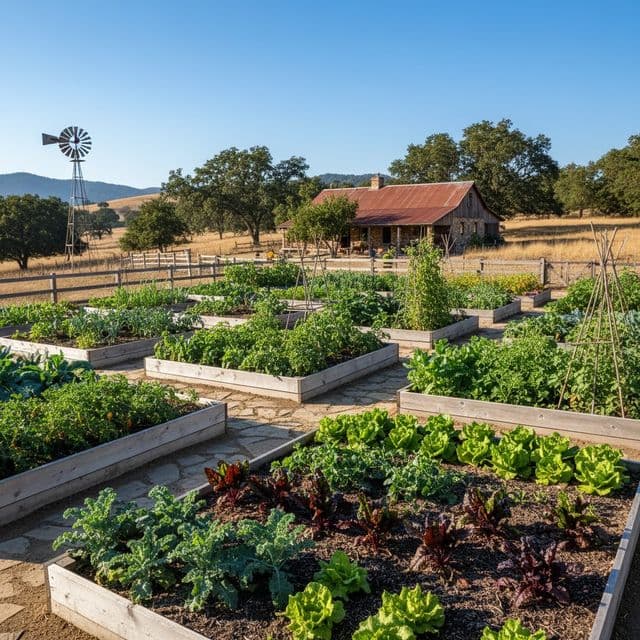
Explore vinegar weed killers: how 5% vs. 20% acetic acid works on young annuals. Learn its limitations, safety, and sustainable organic weed control alternatives.
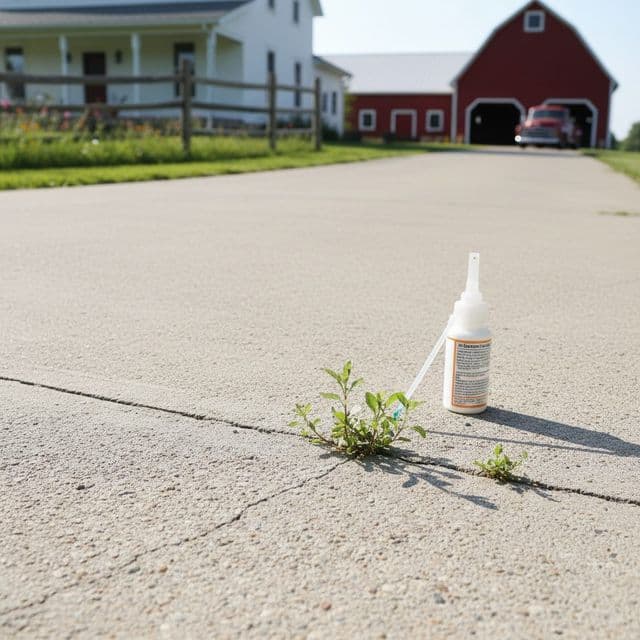
Explore safe, chemical-free thermal weed control for driveways & patios in USDA Zone 6. Learn flame weeding & boiling water techniques to manage dandelions, crabgrass, and spurge.
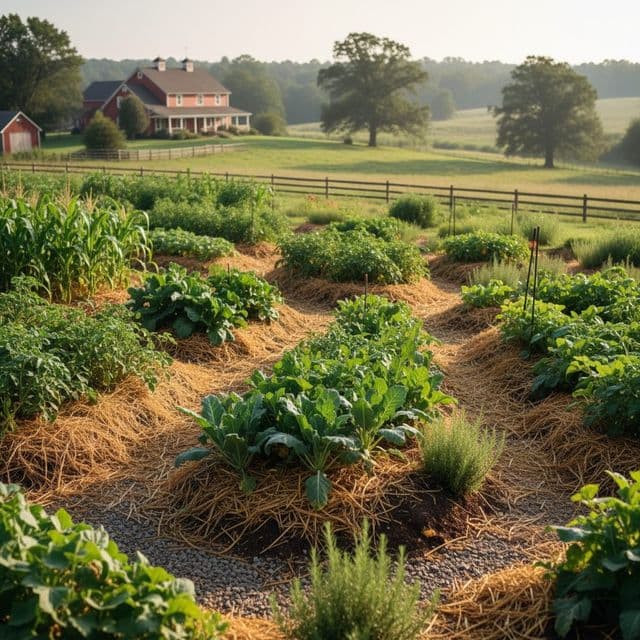
Compare organic mulches like straw, wood chips, and leaves for effective pest control, weed suppression, and moisture retention in USDA Zone 6 gardens. Learn their benefits.
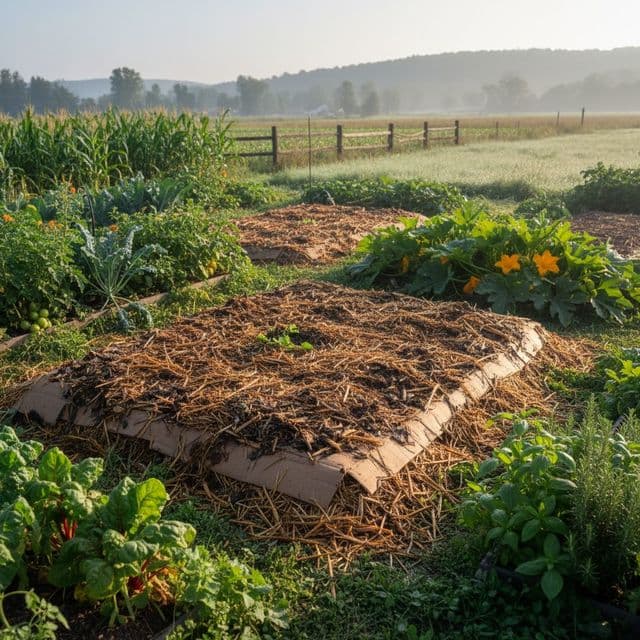
How sheet mulching with cardboard improves garden beds: suppress weeds, build organic matter, and improve soil structure for healthier plants.
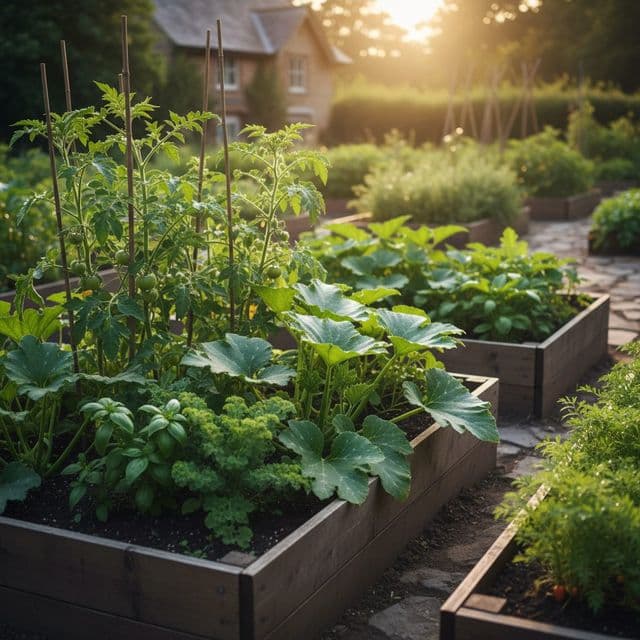
Learn how the stale seedbed technique reduces early-season weed pressure by 50-70% in vegetable fields. This organic method minimizes herbicide use and improves crop yields.
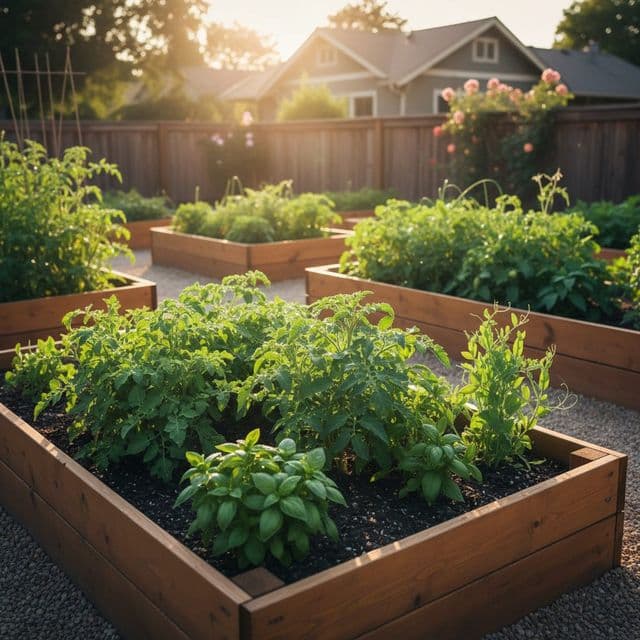
Protect new transplants from cutworms in USDA Zone 6. Learn effective cutworm control methods: identification, scouting, physical collars, and organic soil management for a thriving garden.
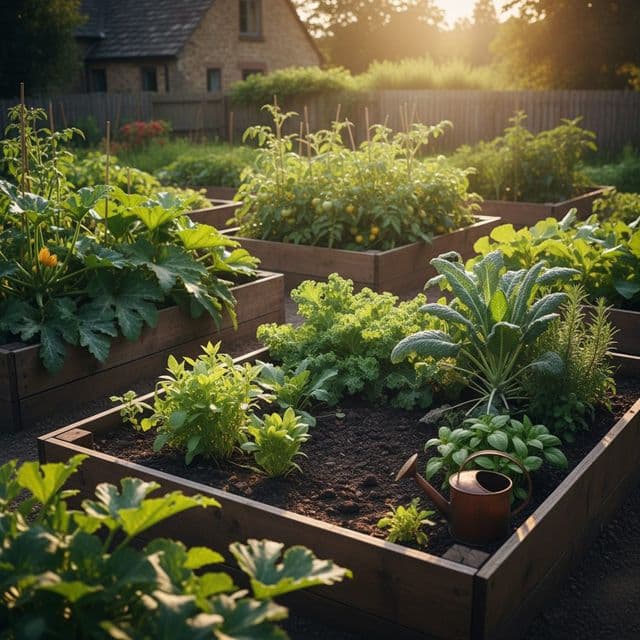
Discover effective low-tech solutions for a healthier garden. Learn how a nighttime pest patrol can control slugs, snails, and cutworms in USDA Zone 6 with simple methods like hand-picking and beer…
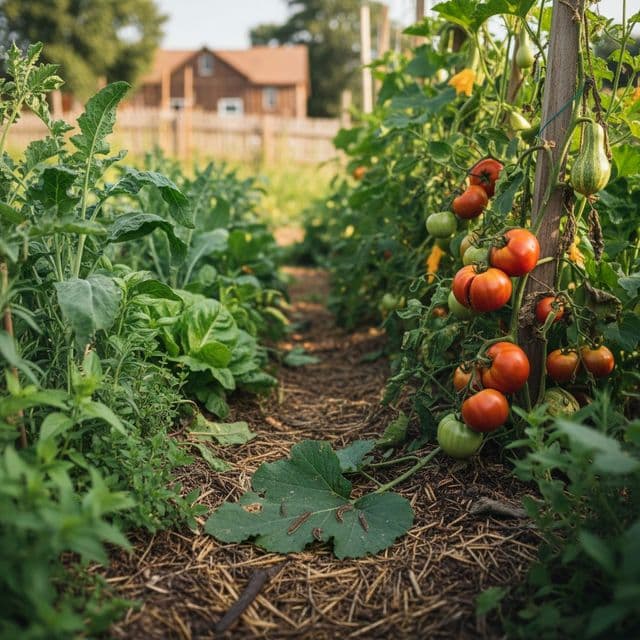
Earwigs, pill bugs, and sowbugs are often beneficial decomposers, but can damage young plants. Learn to identify them, understand their roles, and manage populations organically.
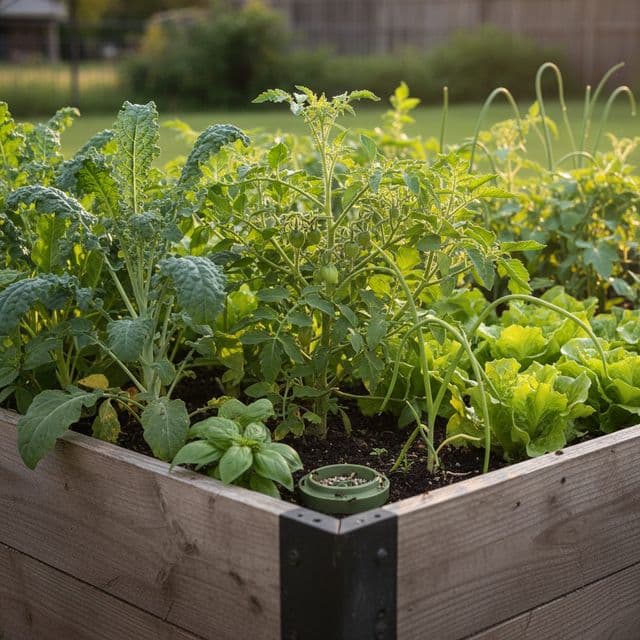
Master organic ant control in raised beds & containers. Learn non-toxic methods for USDA Zone 7, including prevention, physical barriers, and soil health to protect your garden.
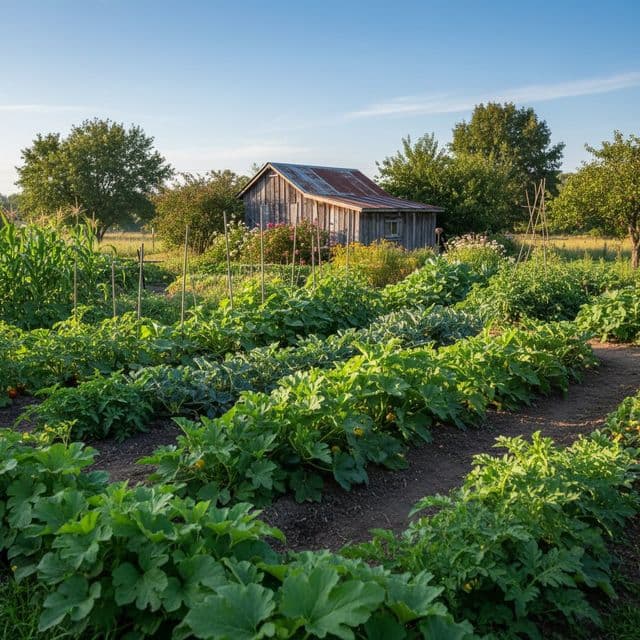
Learn how to effectively use food-grade diatomaceous earth for organic pest control in your USDA zone 6 garden. Target slugs, aphids, and ants safely with proper application.