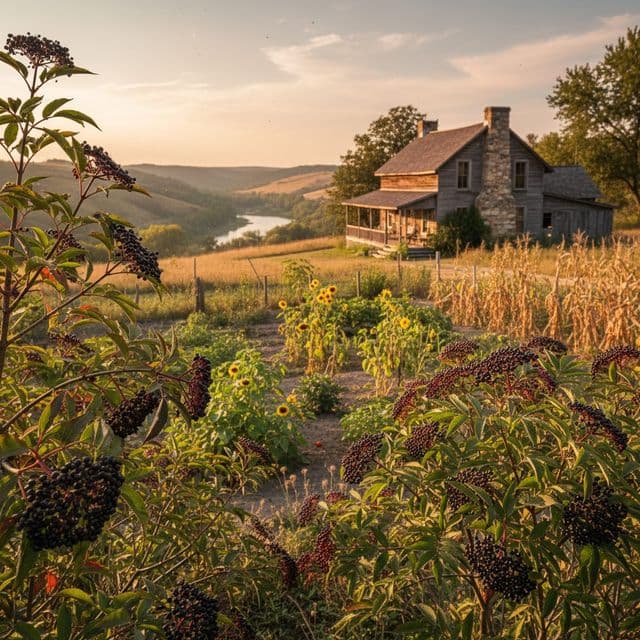
Make Elderberry Tincture: US Berries, Potency, & Recipe
Learn how to make elderberry tincture from US-grown berries. This guide covers harvesting, identification, and a potent elderberry tincture recipe for your home apothecary.
Tag
119 articles in this tag on agripure. — page 5 of 5
Learn how to make elderberry tincture from US-grown berries. This guide covers harvesting, identification, and a potent elderberry tincture recipe for your home apothecary.
Learn to choose the best menstruum for your herbal tinctures. Compare alcohol, glycerin, and vinegar for optimal extraction, potency, and shelf life of medicinal herbs.
A comparison of folk methods and weight-to-volume measurements for making herbal tinctures from fresh and dried garden herbs.
Learn practical tips to extend salve shelf life and prevent mold, especially in humid US climates. Master herb drying, storage, and natural preservatives for your homemade apothecary.
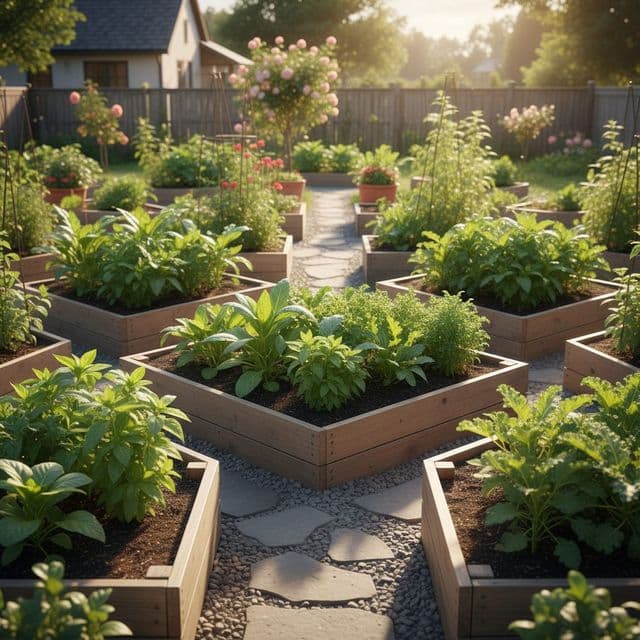
Learn to craft soothing homemade herbal balms with calendula and lavender from your garden. This guide covers infusing oils, ratios, and growing tips for natural, cost-effective skincare in just 30…
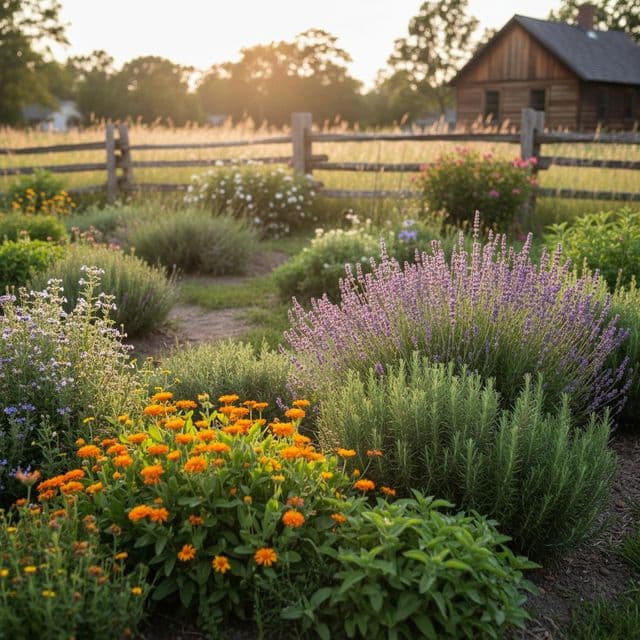
Three methods for infusing herbs into oil for a home apothecary: slow-cooker, solar, and double-boiler techniques for dried herbs in USDA zones 4-9.
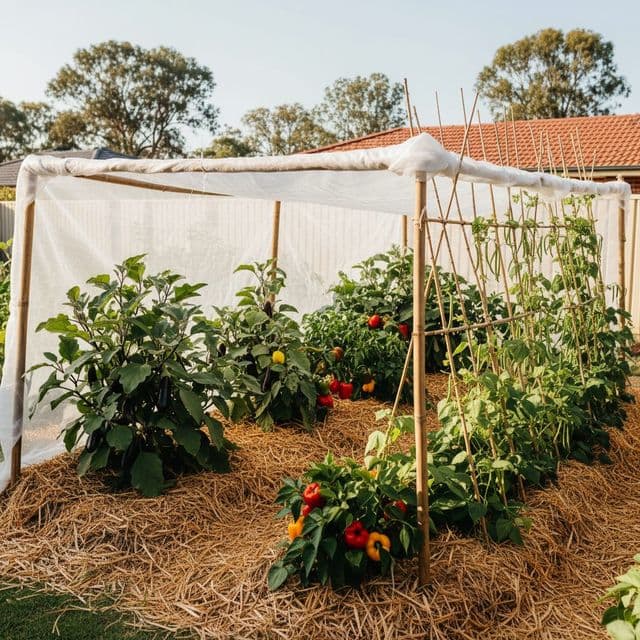
How to formulate herbal balms and salves using specific beeswax-to-oil ratios, selecting carrier oils for the desired consistency.
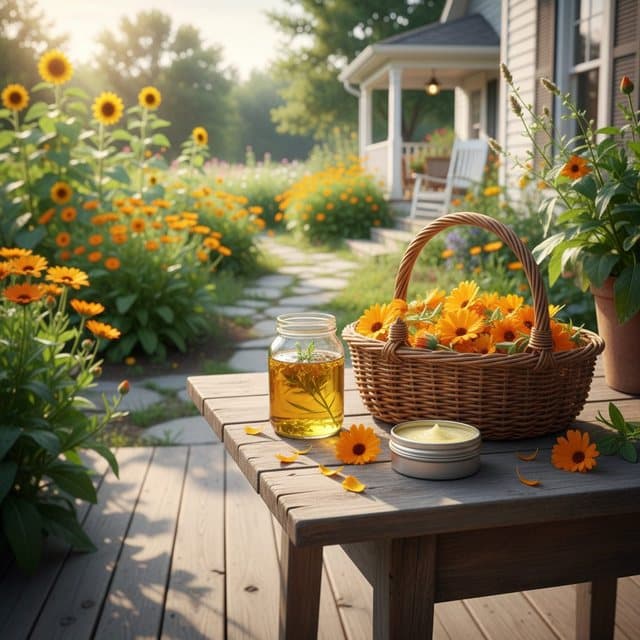
Master growing calendula (USDA zones 3-9) for medicinal use. Learn to harvest, dry, and infuse flowers to craft your own potent calendula salve for a natural home apothecary.
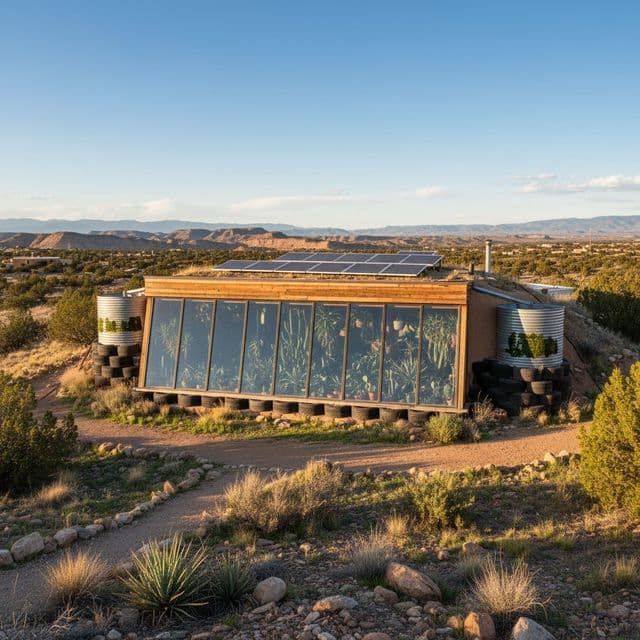
Learn to design a thriving apothecary garden for your USDA Zone 6 homestead. Maximize medicinal herb yield with sun mapping, soil prep, and companion planting strategies.
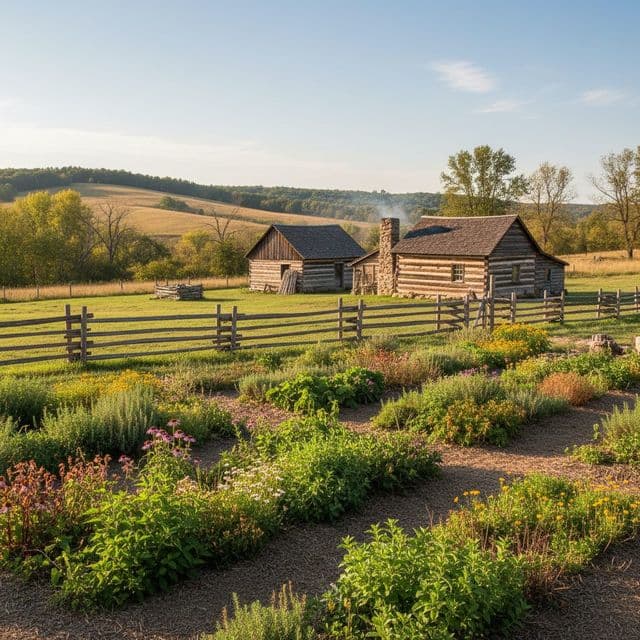
Cultivate a thriving medicinal herb garden in USDA Zones 3-5. Learn plant selection, soil management, and preservation for a home apothecary in cold climates.
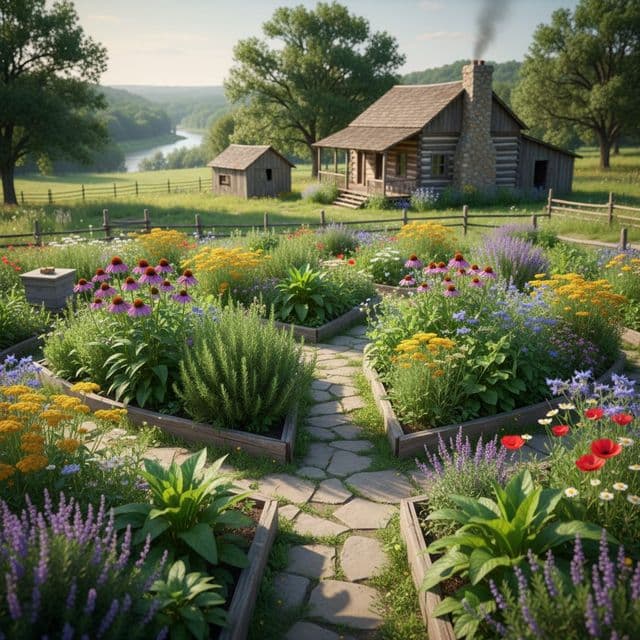
Decide between perennial and annual medicinal herbs for your home apothecary. Learn about their life cycles, cultivation needs, and best choices for USDA zones 3-10 to create a thriving herb garden.
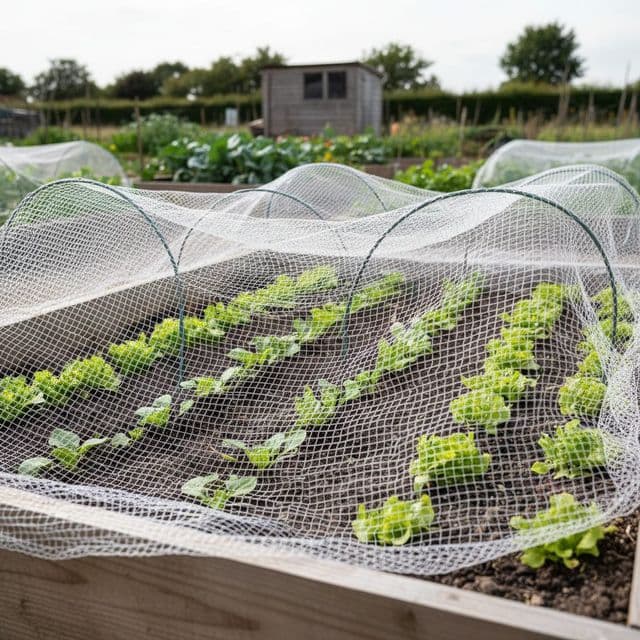
Discover 12 beginner medicinal herbs that thrive in USDA Zone 6. Learn essential growing tips for your home apothecary, from calendula to echinacea, for natural remedies.
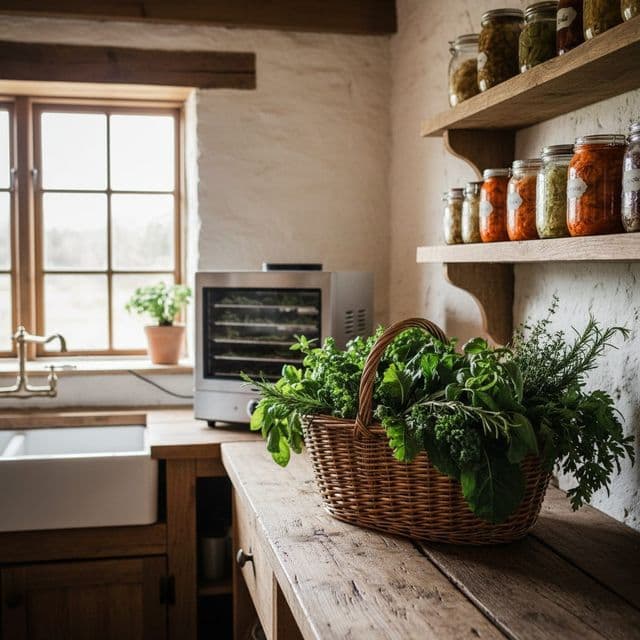
How dehydration, fermentation, and freezing preserve leafy greens and herbs, reducing the 30% food waste typical in home kitchens.
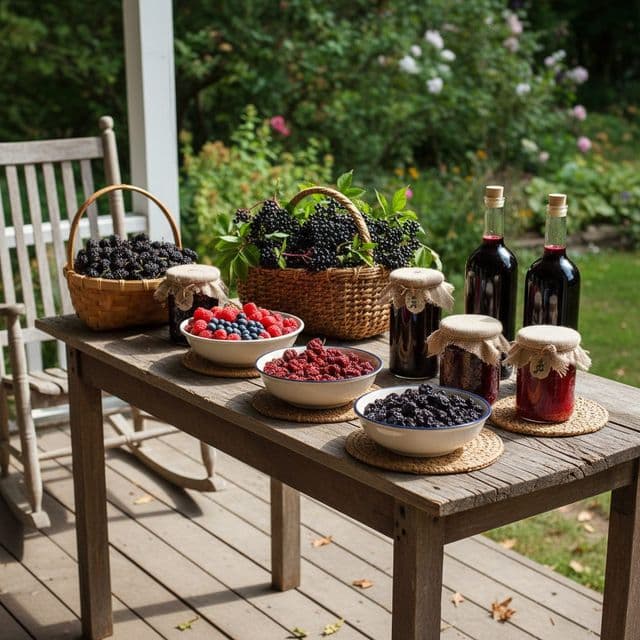
Learn time-tested no-freezer berry preservation methods for USDA Zone 6 homesteaders. Dehydrate, ferment, or make sugar preserves to enjoy your harvest year-round.
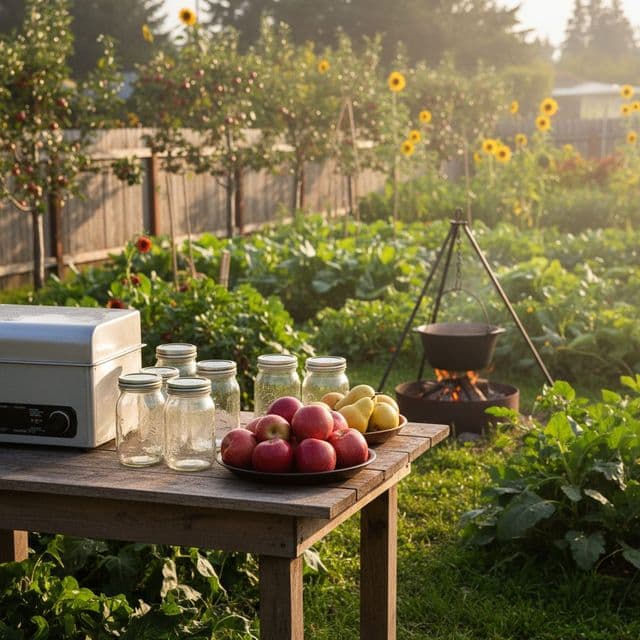
Learn practical methods for preserving apples and pears from abundant harvests in the Pacific Northwest. Extend your fruit’s usability for 6-12 months with dehydrating, canning, and root cellaring.
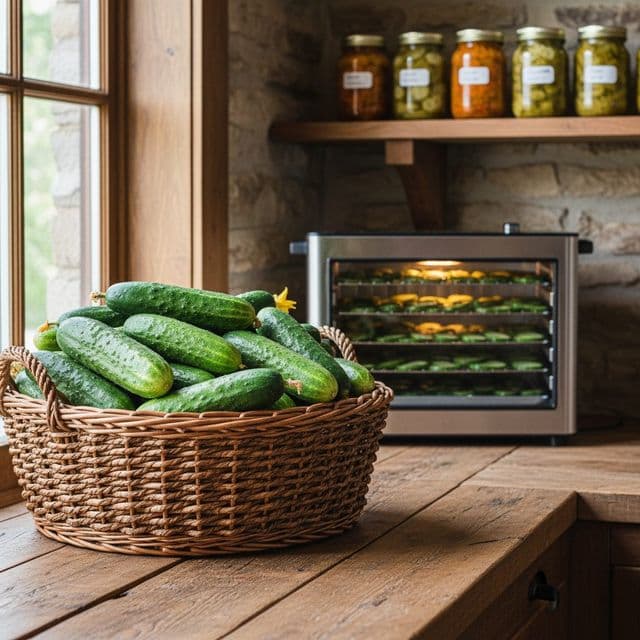
How to preserve a cucumber harvest, from dehydrating chips and powder to fermenting relishes and krauts to prevent waste.
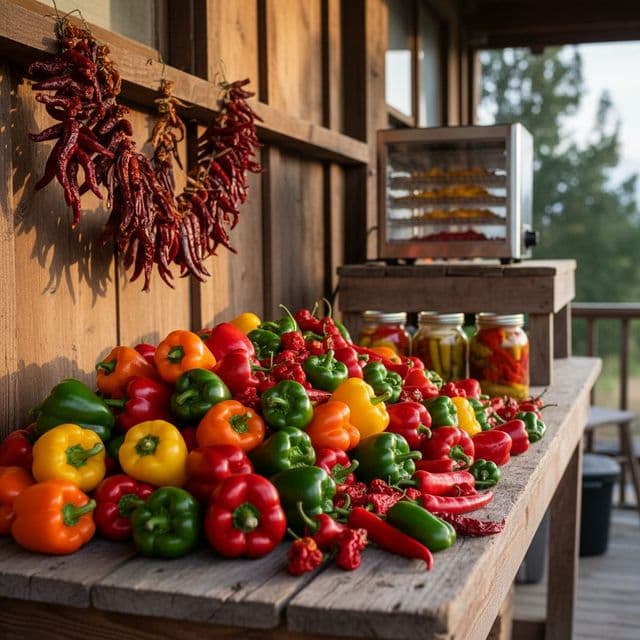
How to preserve your USDA Zone 7 pepper harvest with drying, freezing, fermenting, and pickling techniques to use peppers year-round.
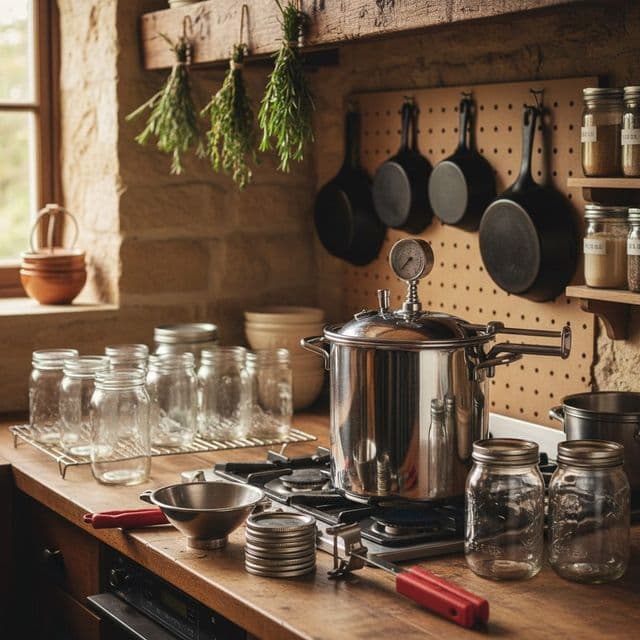
How to preserve low-acid vegetables, beans, and soups using pressure canning, covering equipment, preparation, and USDA guidelines for shelf-stable food.
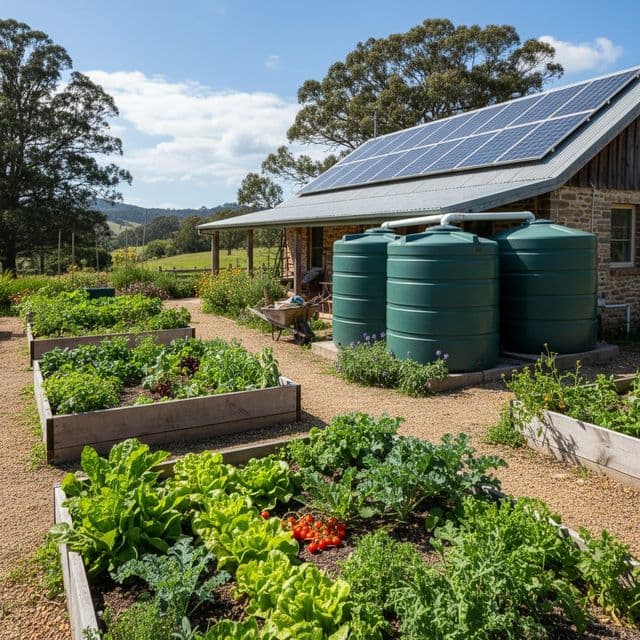
Learn how to build self-sufficient living systems: kitchen food production, rainwater catchment, passive energy, waste cycling, and practical domestic skills.
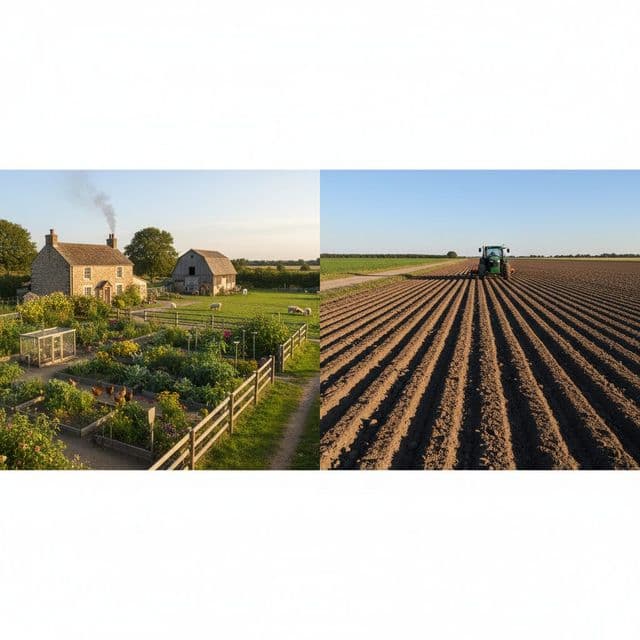
Explore the key differences between homesteading and farming, comparing goals of household self-reliance against commercial agricultural revenue models.
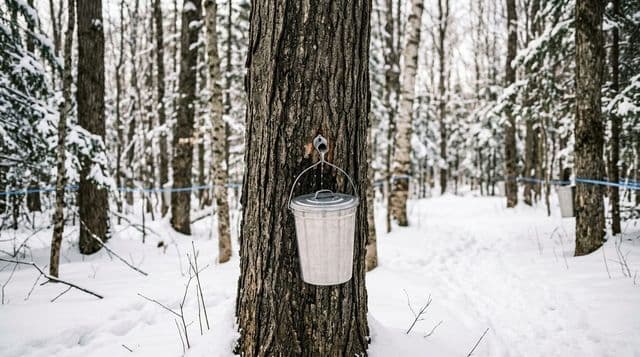
Learn how to tap a maple tree and make homemade syrup with tree sizing rules, freeze-thaw weather timing, tapping steps, and outdoor evaporation ratios.
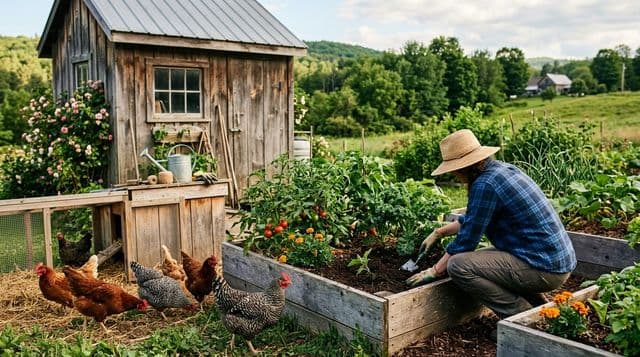
Learn how to start homesteading from scratch with practical skill-building steps, first-year planning, beginner checklists, and low-cost food production.
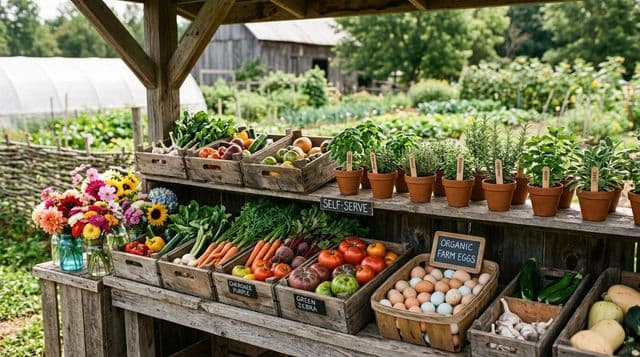
Learn how to make money homesteading through high-margin side hustles, plant nurseries, egg sales, market gardening, and cottage food enterprises.