
Bolt-Resistant Crops: Extended Harvests in USDA Zones 7-10
Extend your harvest in USDA zones 7-10 with bolt-resistant crops. Learn succession planting, crop rotation, and cultural practices to prevent bolting and enjoy fresh greens longer.
Tag
290 articles in this tag on agripure. — page 9 of 13
Extend your harvest in USDA zones 7-10 with bolt-resistant crops. Learn succession planting, crop rotation, and cultural practices to prevent bolting and enjoy fresh greens longer.
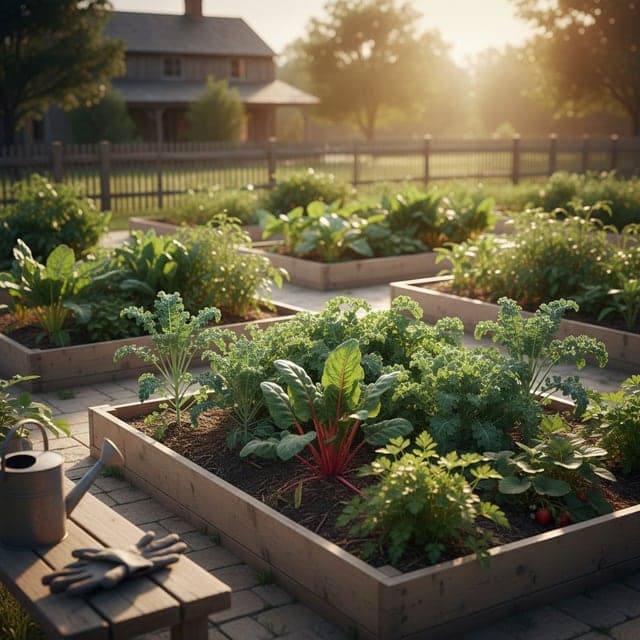
Learn how to prevent bolting in lettuce, spinach, and other cool-season crops. Understand triggers like heat and day length, and apply strategies to maximize your garden’s harvest.
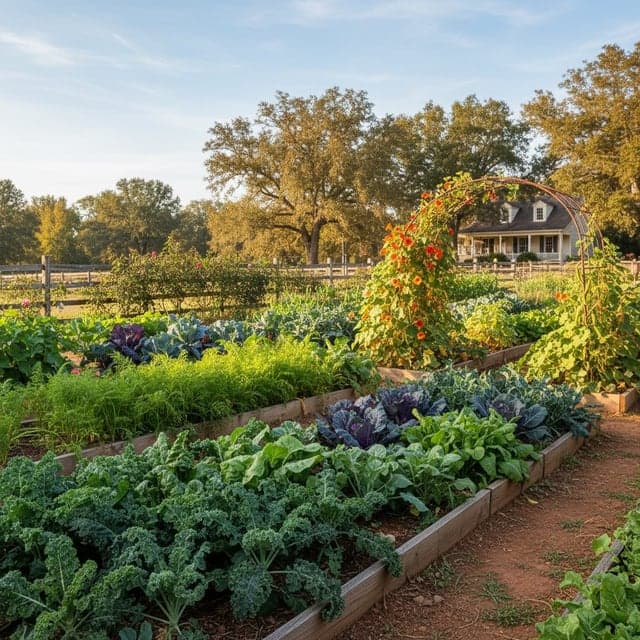
Plan a second growing season in the Deep South and Gulf Coast with crop rotation, succession planting, and a planting calendar for USDA Zones 8-10 fall gardening.
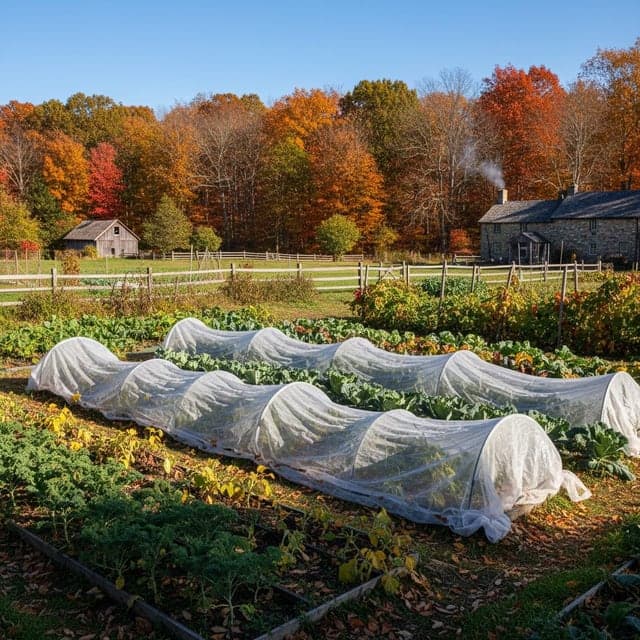
Learn how to extend your fall harvest by 45 days in USDA zone 6 using row covers, low tunnels, and cold frames. Maximize yields with strategic crop rotation and succession planting.
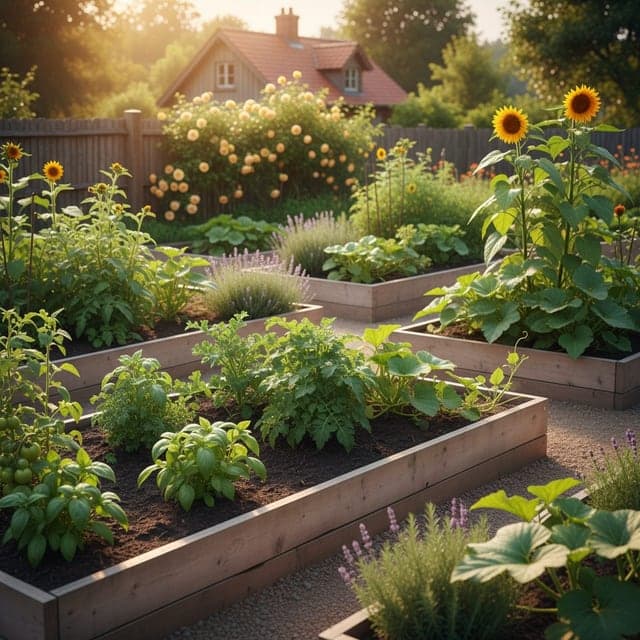
Learn to overwinter crops like garlic, spinach, kale, and mache. Extend your harvest by weeks, improve soil health, and keep garden beds productive in USDA zones 4-8.
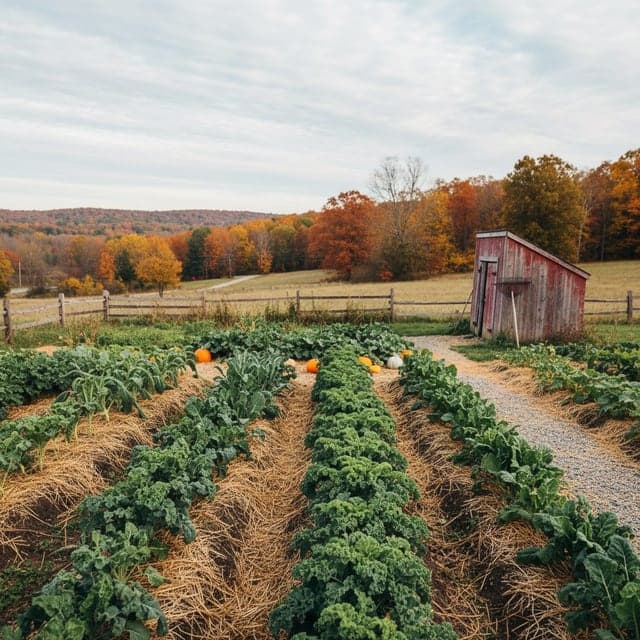
Master fall planting by calculating dates backward from your first frost. Learn to select cold-hardy crops, improve soil health, and extend your harvest in USDA Zone 6 and beyond.
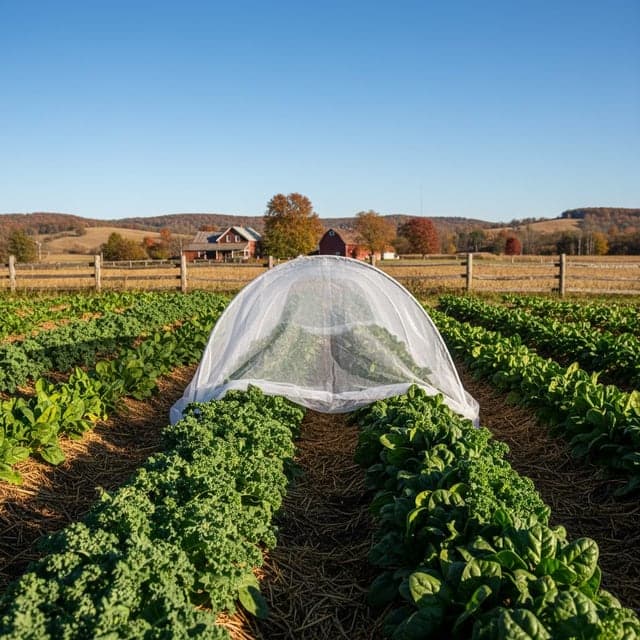
Harvest sweet, frost-hardy greens and roots deep into winter across USDA Zones 3–8 by grouping 22+ crops into exact freeze tiers (32°F down to 0°F), adding the +14-day Fall Factor before sub-10-hou…
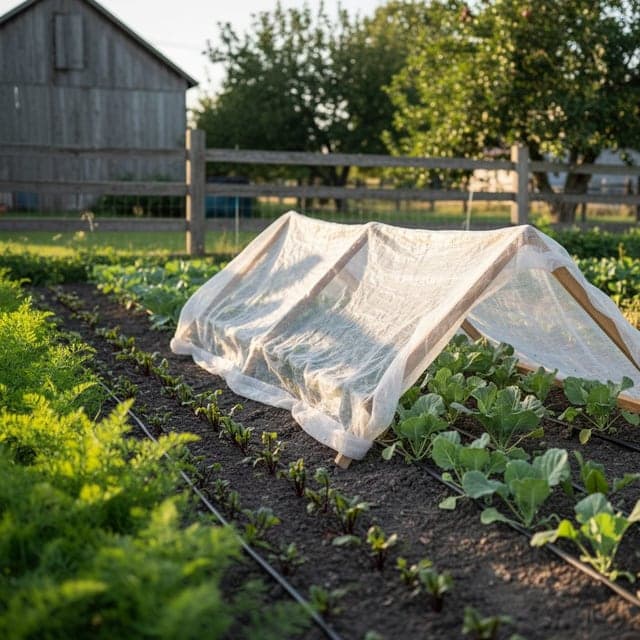
Extend your harvest with midsummer sowing. Learn to plant fall brassicas, carrots, and beets in USDA zones 4-9 for a bountiful autumn and winter yield. Get expert tips.
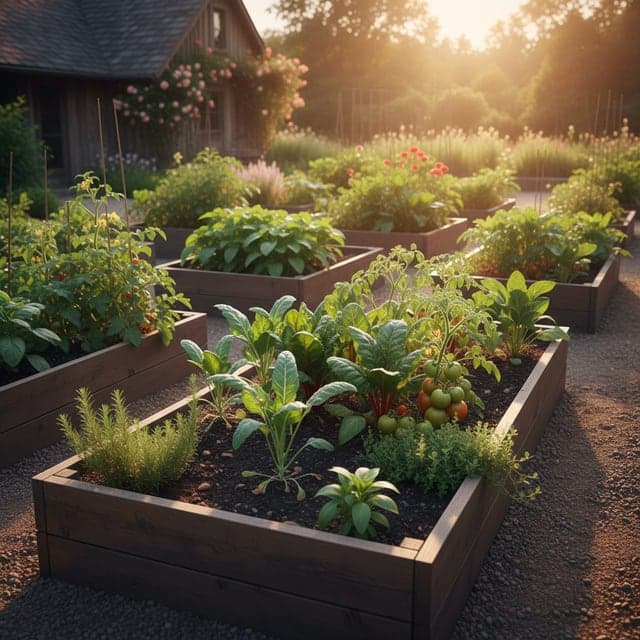
Learn how common crop rotation mistakes spread tomato and squash diseases, reducing yields. Discover effective strategies to break disease cycles and boost your garden’s productivity.
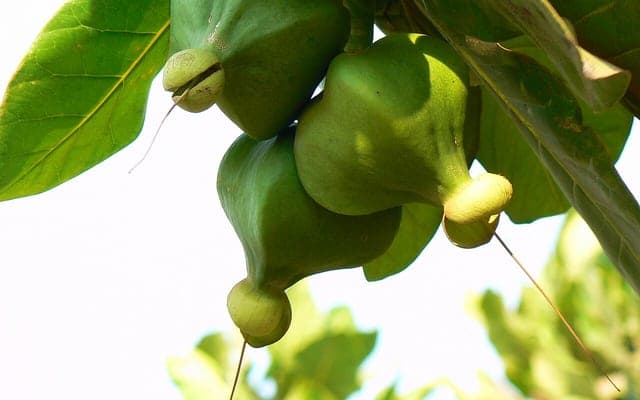
Clone true-to-type figs, pomegranates, mulberries, citrus, and subtropical fruit trees on the parent branch with clean cambium scraping, wrung-out sphagnum moss, aluminum-foil solar shielding, and…
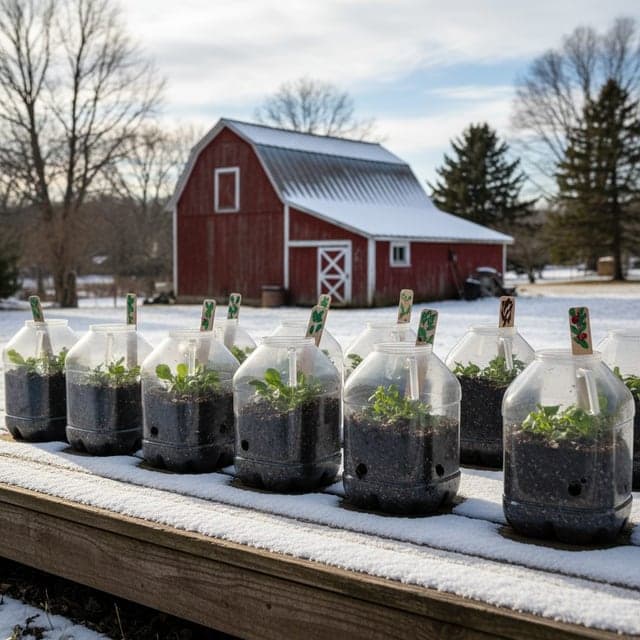
Learn how winter sowing extends your growing season by up to 30 days, reduces costs by eliminating grow lights, and produces stronger, naturally hardened-off plants for your garden.

Compare coco coir, peat moss, and compost as growing mediums. Learn their pH, water retention, and sustainability to choose the best base for your garden, especially in USDA Zone 6.
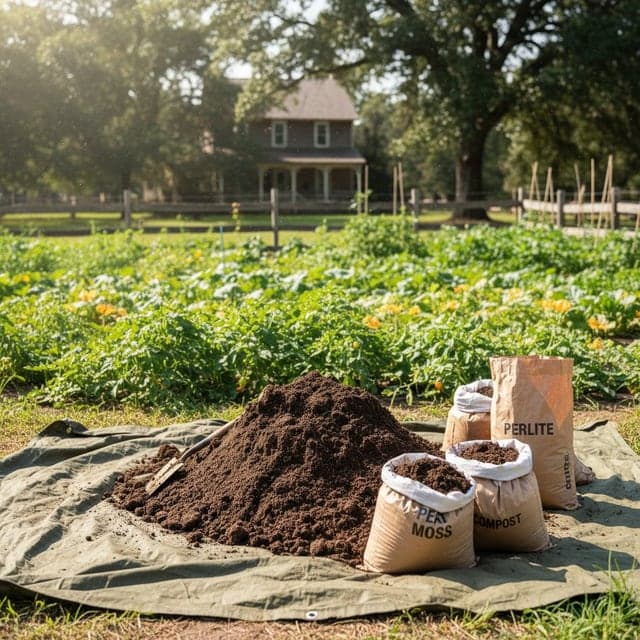
How to mix custom seed-starting and potting mixes with peat or coco coir, perlite, and compost for controlled drainage and seedling nutrition.
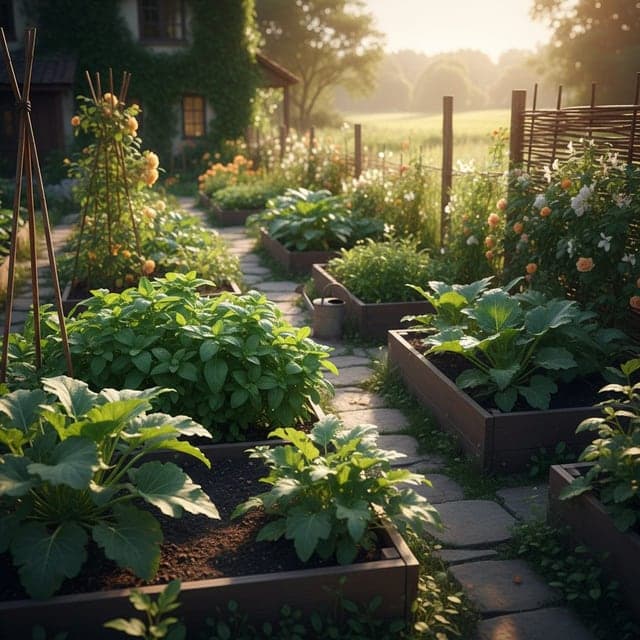
Compare DIY natural rooting hormones with commercial options. Learn how to boost plant propagation success rates for various species in your garden or nursery.
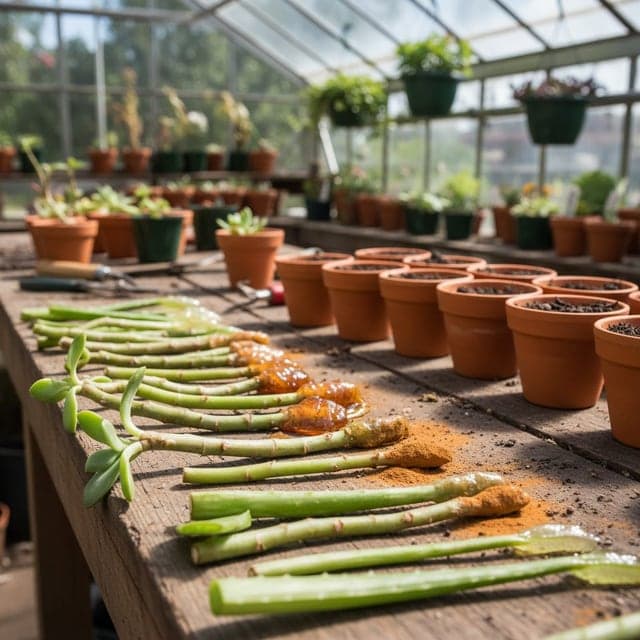
Scientific evidence behind honey, aloe vera, and cinnamon as DIY rooting aids for plant propagation, and how these natural alternatives perform for US growers.
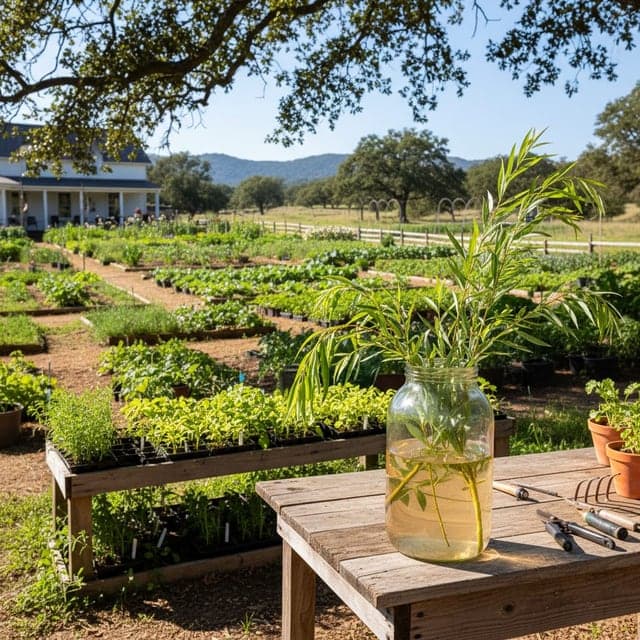
Brew willow water from pencil-thick green Salix shoots to extract natural IBA auxin and salicylic acid, compare results against 1,000–3,000 ppm commercial IBA gels, prevent 4–7 day bacterial slime,…
Explore honest tests of cinnamon, chamomile tea, and hydrogen peroxide for seed starting in US gardens. Learn what works, what doesn’t, and how to safely boost germination and prevent disease.
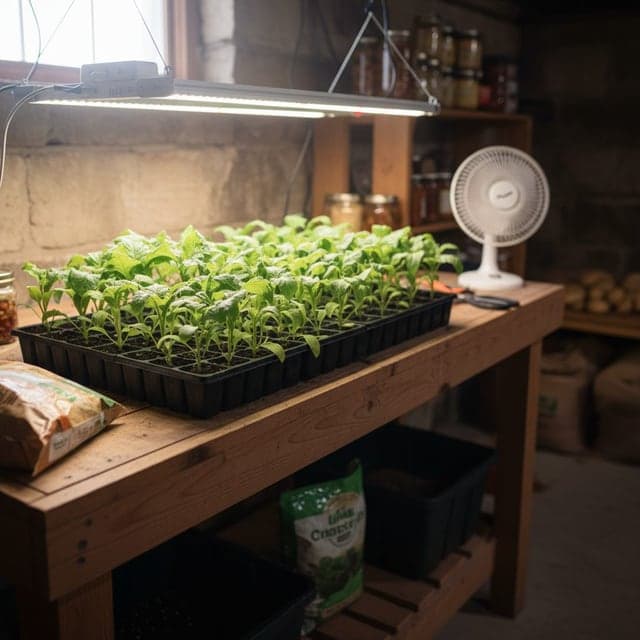
How to manage airflow, light, and bottom watering for indoor seedlings, preventing damping-off and maintaining dry crowns before transplanting.
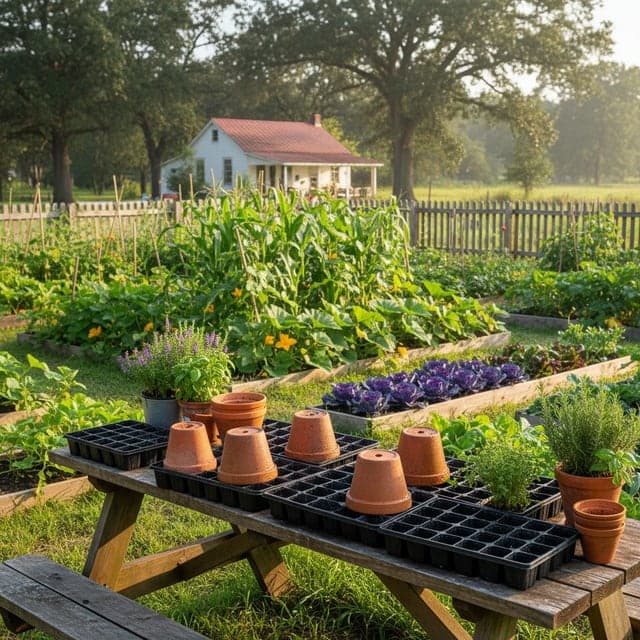
Learn how sterilizing seed trays and pots can prevent up to 75% of seedling diseases like damping-off. Improve germination rates by 20-30% with simple methods.
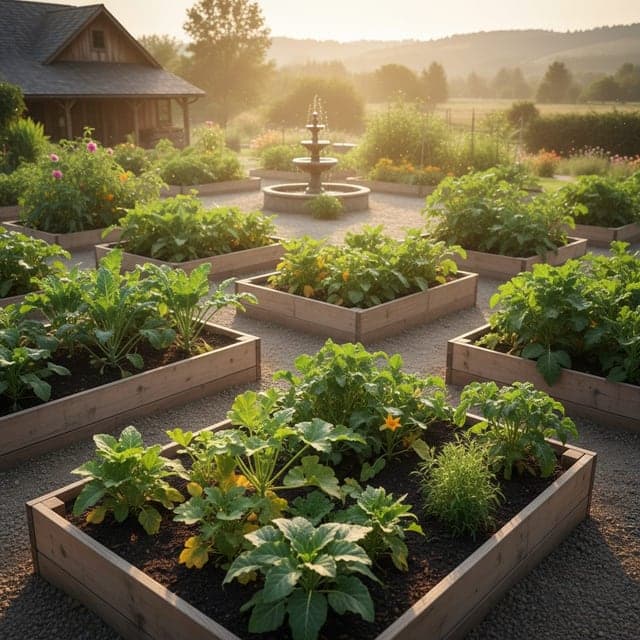
How to regrow ginger and turmeric rhizomes from store-bought roots, with indoor container methods for cold climates and outdoor planting guides for USDA zones 4-10.
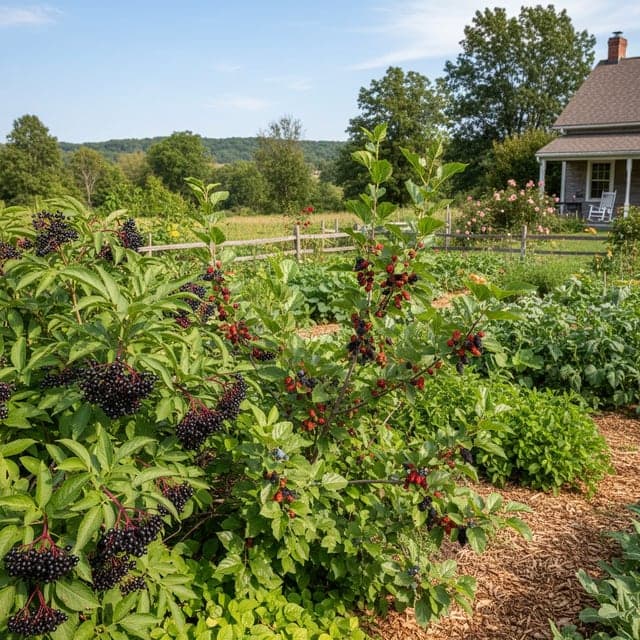
Plant a low-input US native berry guild across Zones 2–9: reconcile American elderberry cyanogenic safety and home-canning rules, separate native Red Mulberry (Morus rubra) from invasive White Mulb…
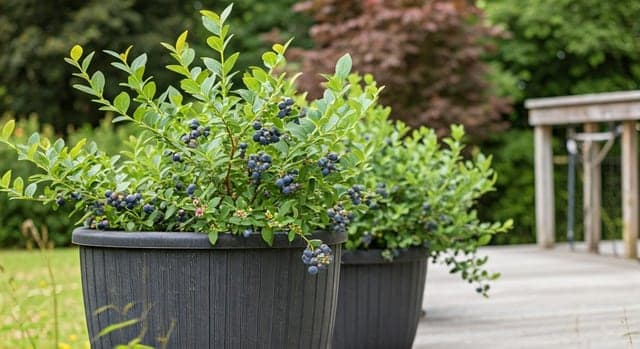
Alkaline soil? Grow blueberries in containers. Learn how to select pots, create acidic soil mixes, and care for thriving blueberry plants, even in challenging USDA zones.
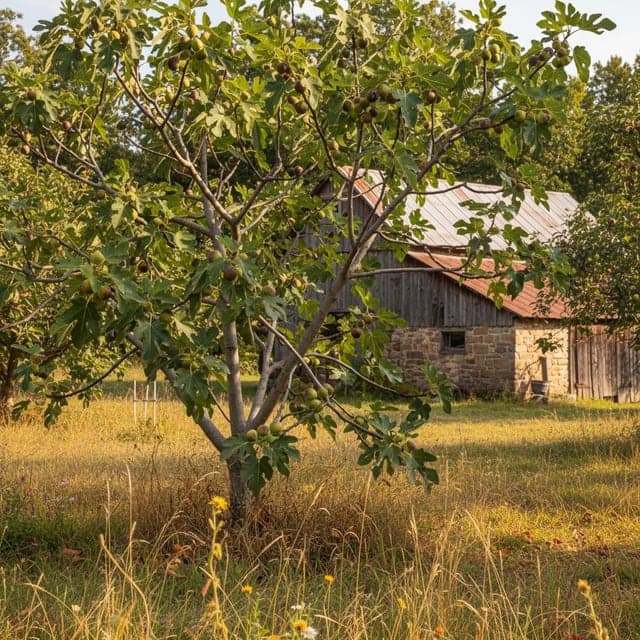
Prevent fig fruit drop in USDA Zone 7. Learn common causes like inconsistent watering, nutrient imbalances, and pests. Discover solutions for a bountiful fig harvest.
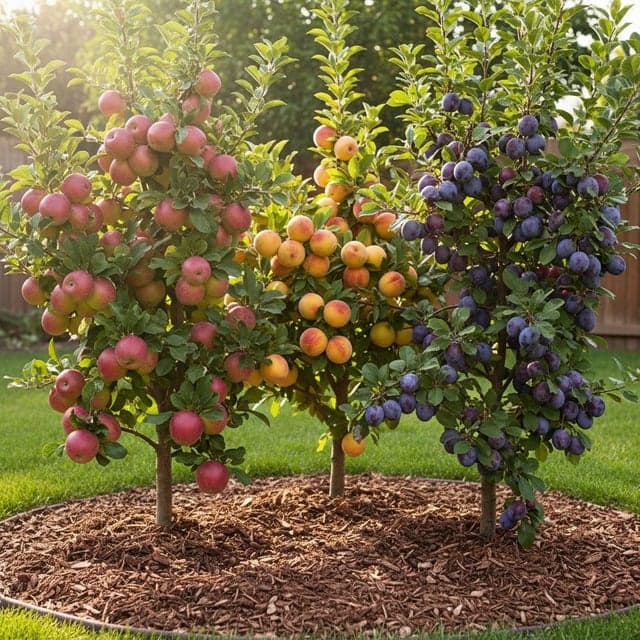
Planting 2-4 fruit trees in one hole extends the harvest by weeks and saves space in small backyards.