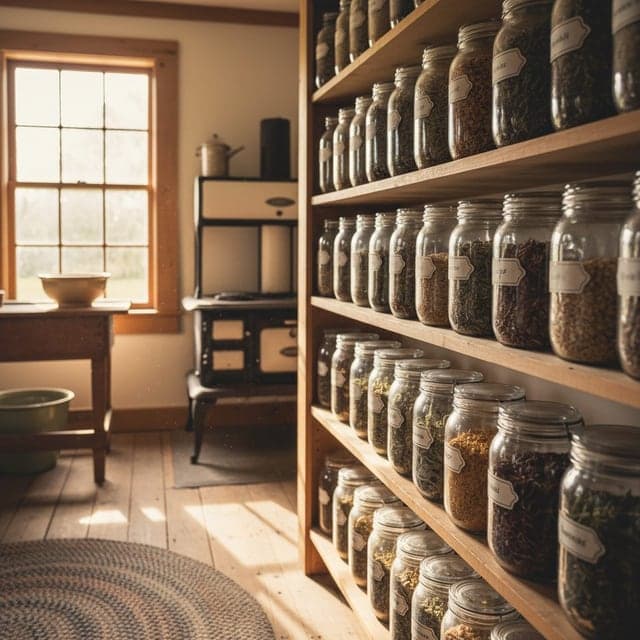
Pantry Storage: Preserve Spices & Dried Goods for Homesteads
Master pantry food storage for spices & dried goods. Learn dehydration, organization, and optimal conditions to reduce waste and ensure year-round access on your homestead.
Tag
290 articles in this tag on agripure. — page 8 of 13
Master pantry food storage for spices & dried goods. Learn dehydration, organization, and optimal conditions to reduce waste and ensure year-round access on your homestead.
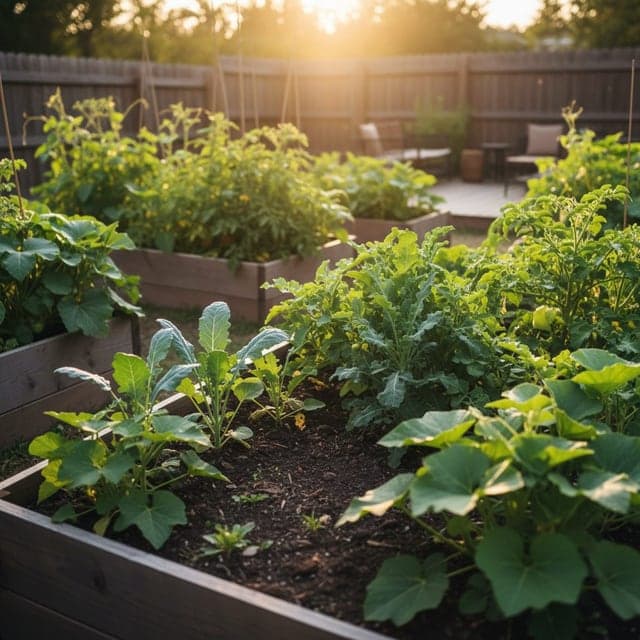
Learn to make potent fire cider and oxymels from your garden. Utilize homegrown ginger, turmeric, and other herbs for natural, cost-effective remedies. Perfect for homesteaders.
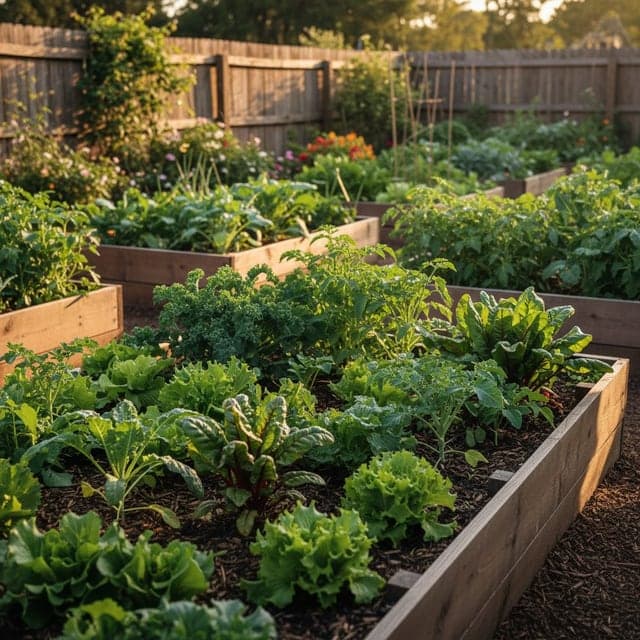
Learn how to make safe herbal infusions at home. Understand botulism risks in oils, vinegars, and honeys, and discover essential preservation techniques for your pantry.
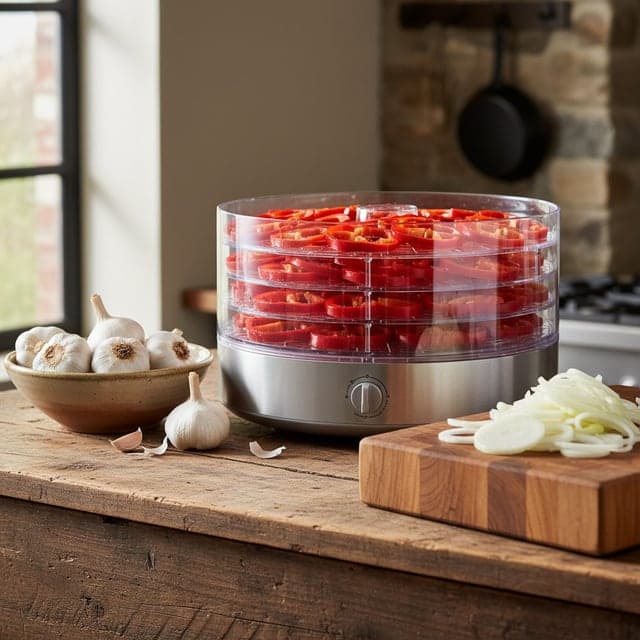
Learn to dry, store, and grind homemade spices like paprika, garlic, and onion powder from your garden. This guide helps US growers achieve high-quality, shelf-stable ingredients.
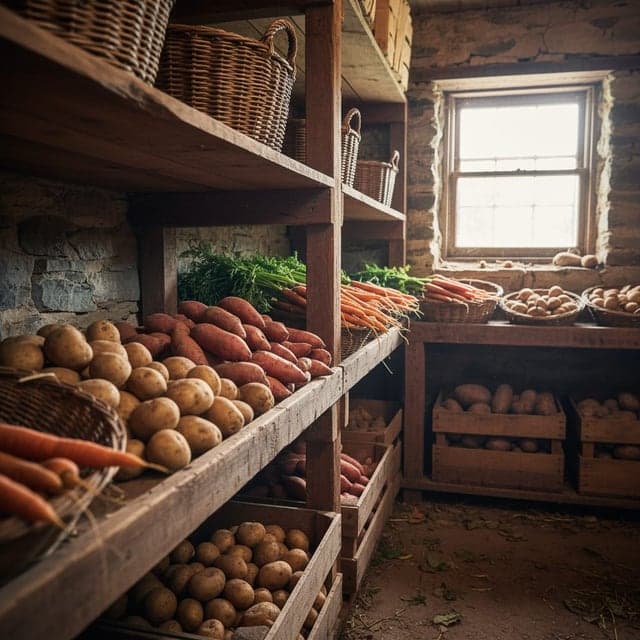
Master root crop storage techniques to extend your harvest up to 8 months. Learn ideal conditions for potatoes, sweet potatoes, and carrots, plus root cellar and sand storage methods.
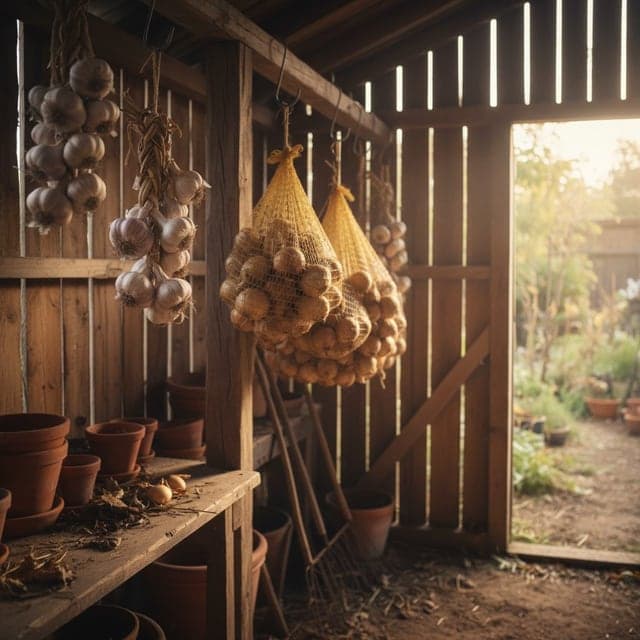
Learn how proper curing alliums, like onions and garlic, can drastically reduce spoilage and extend their shelf life for months. Master ideal conditions for long-term storage.
Learn to brew kombucha at home for a fraction of the store-bought price. This guide covers SCOBY care, first and second fermentation, and how to keep the brew safe.
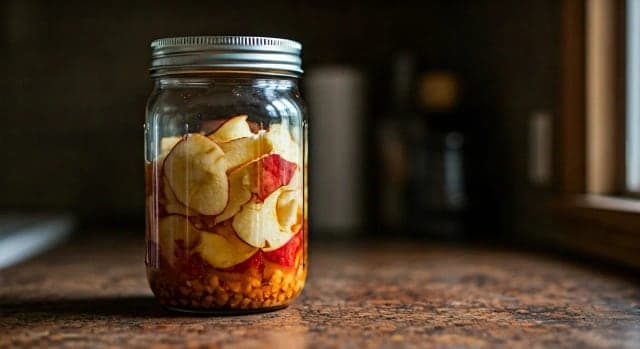
Learn to make homemade apple cider vinegar from apple scraps in the Pacific Northwest. Reduce waste, save money, and create a versatile staple for cooking, cleaning, and dressings.
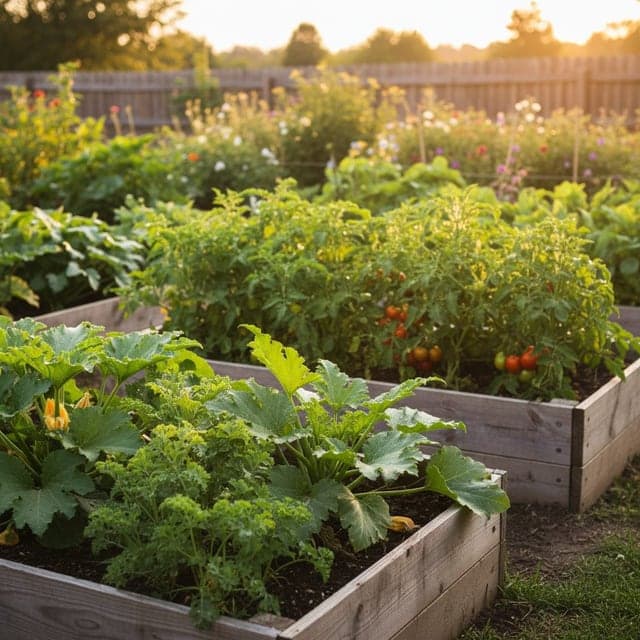
How to ferment carrots, beets, green beans, and radishes with a crisp texture, including salt ratios, temperatures, and storage for USDA Zone 6.
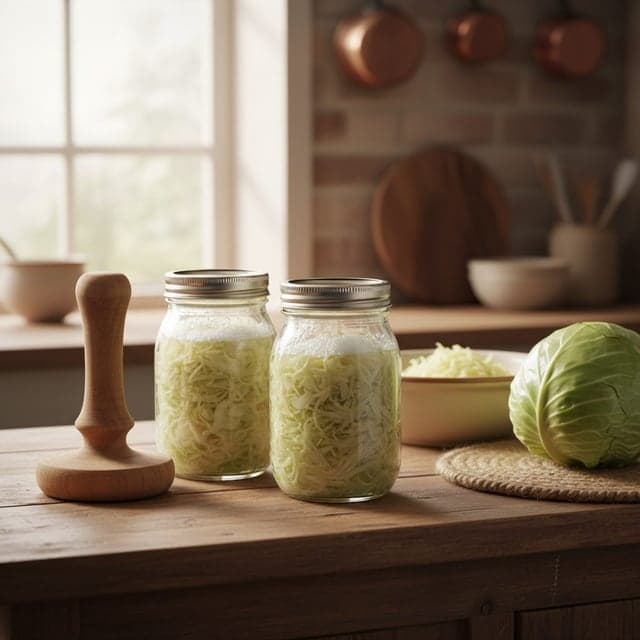
Make crisp, safe Mason jar sauerkraut using NCHFP and USDA extension food science: exact 2.0–2.25% gram-scale salt math, Leuconostoc to L. plantarum pH drop below 4.0, 65–72°F control, airlock head…
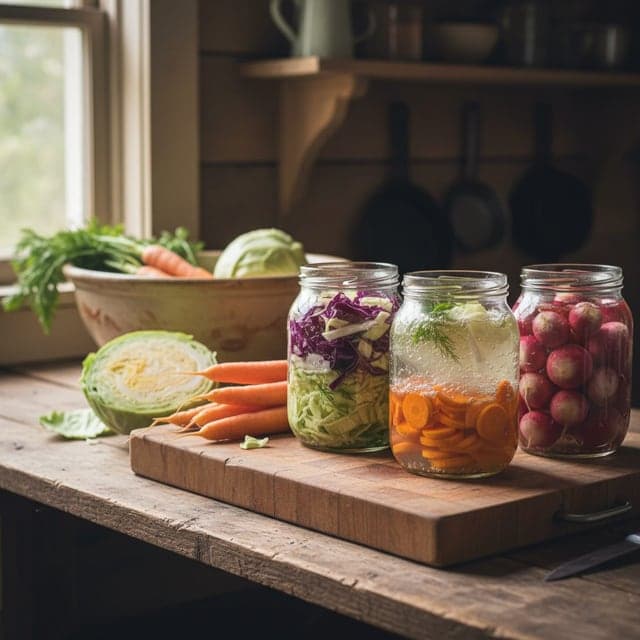
Master lacto-fermentation with a 2-3% brine for safe, delicious preserves. Learn precise salt ratios, ideal temperatures, and essential tips for successful food preservation.
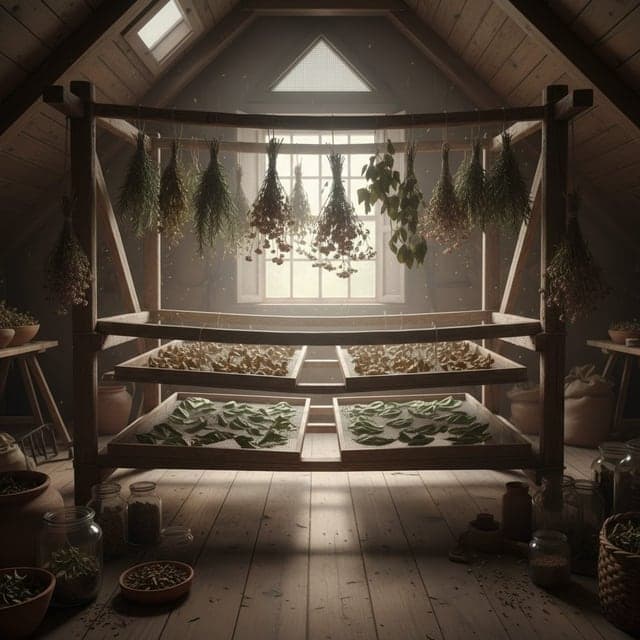
Preserve the vibrant green color and volatile essential oils of garden herbs using 95–115°F dehydrator targets, dark air drying, 7-day jar conditioning, and botulism-safe oil-cube freezing.
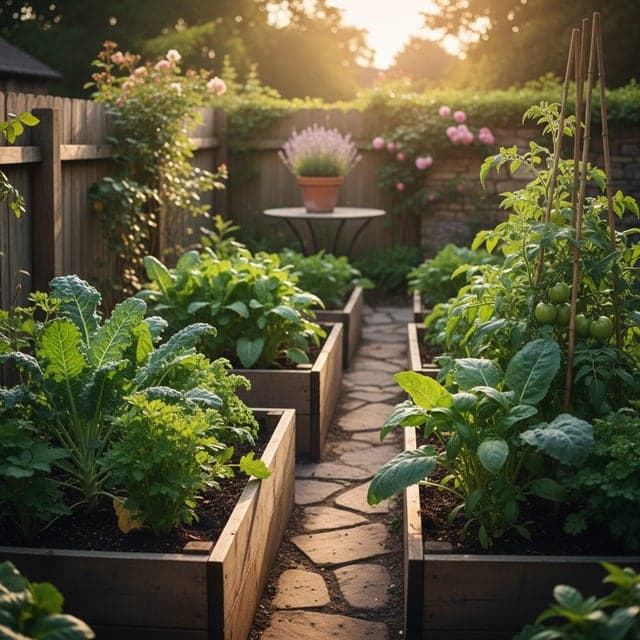
Revitalize container soil after winter’s harsh effects by assessing compaction, replenishing nutrients, and restoring microbial health for increased spring yields.
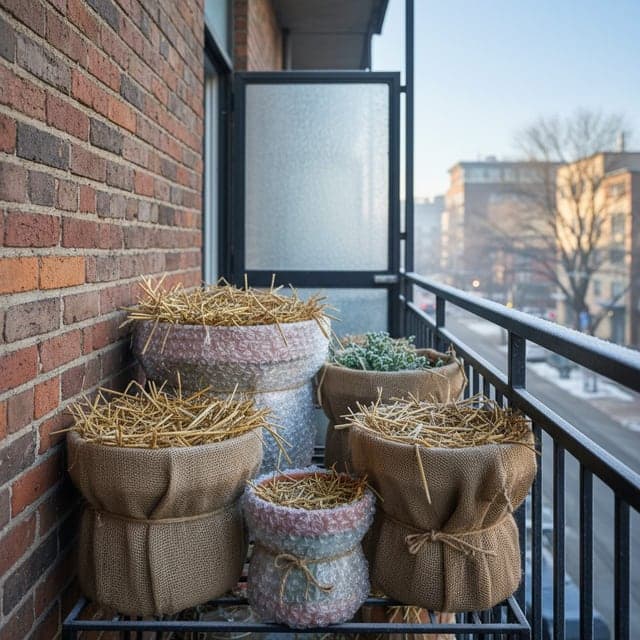
Overwinter potted perennials, herbs, shrubs, and tender plants across USDA Zones 3–9: apply the 2-zone hardiness rule, choose between in-ground plunging, 25–40°F garage storage, and pot-wall wrappi…
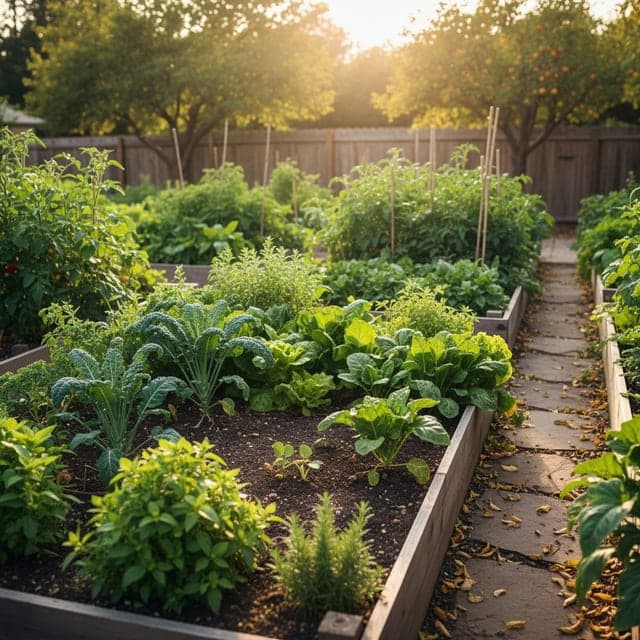
Learn how to revive sun-scorched container plants in USDA Zone 7 and beyond. This guide covers assessment, controlled rehydration, and preventing root rot.
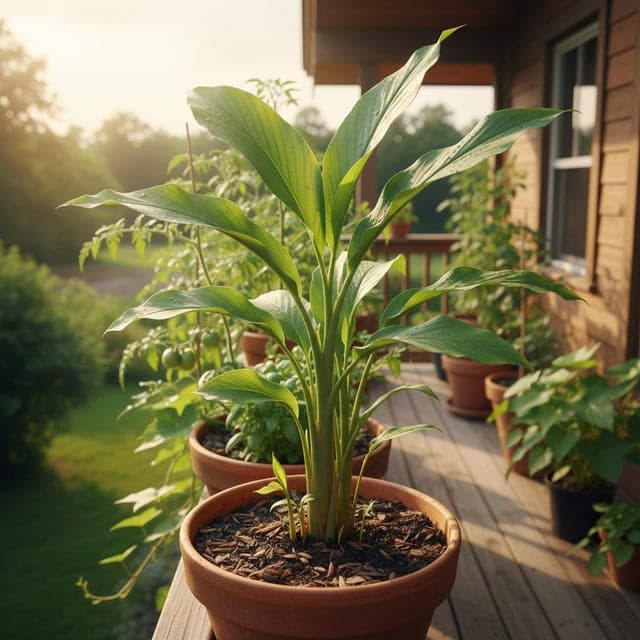
Grow plump turmeric rhizomes in pots across USDA Zones 3–9 with phase-by-phase watering schedules, indoor light and humidity care, Zone 8b–9a clay advice, and safe winter storage.
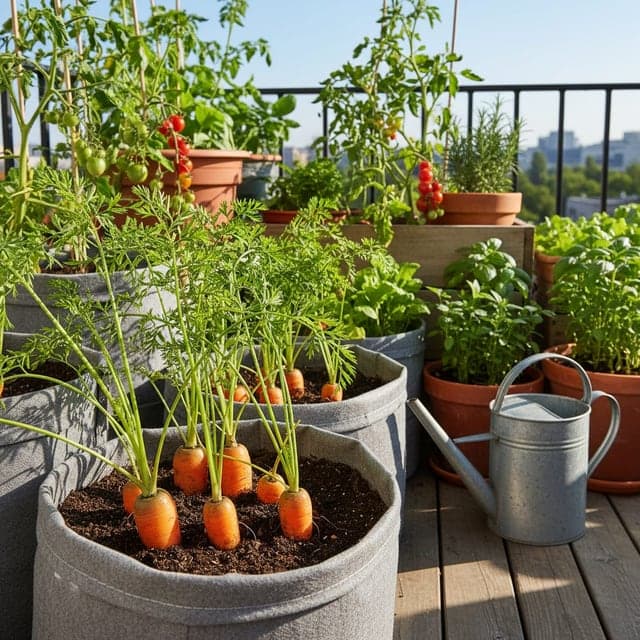
Master container carrot soil for straight, healthy roots in USDA Zone 6. Learn ideal soil mix ratios, watering, and thinning tips to prevent forking and stunted growth.
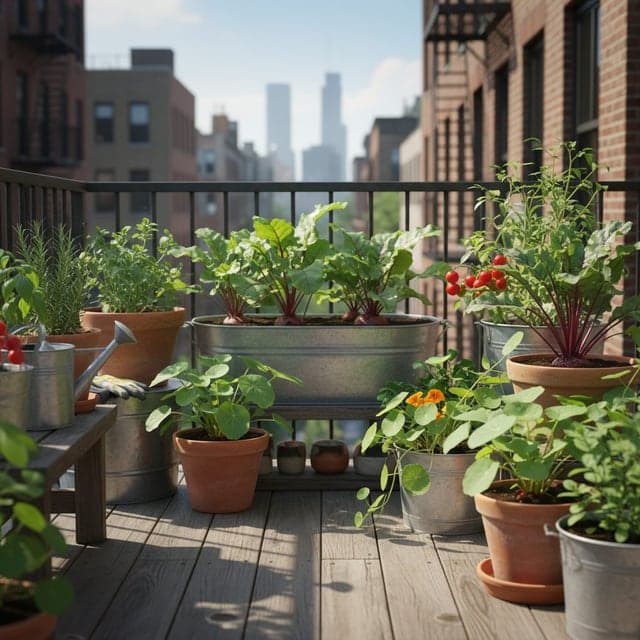
Grow container radishes and beets on your balcony. Learn how these fast-maturing root crops thrive in small spaces, offering quick harvests for impatient gardeners in USDA Zone 7.
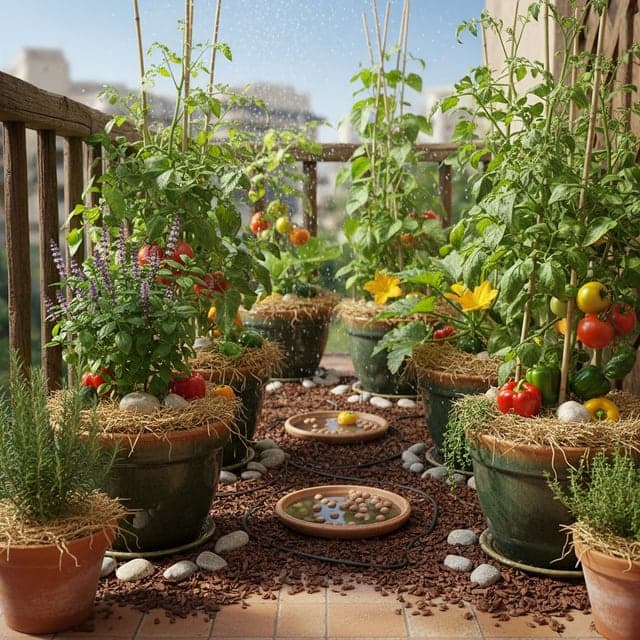
How double-potting and surface mulching reduce container root temperatures in USDA Zones 8-10, protecting plants from heat stress and stabilizing soil moisture.
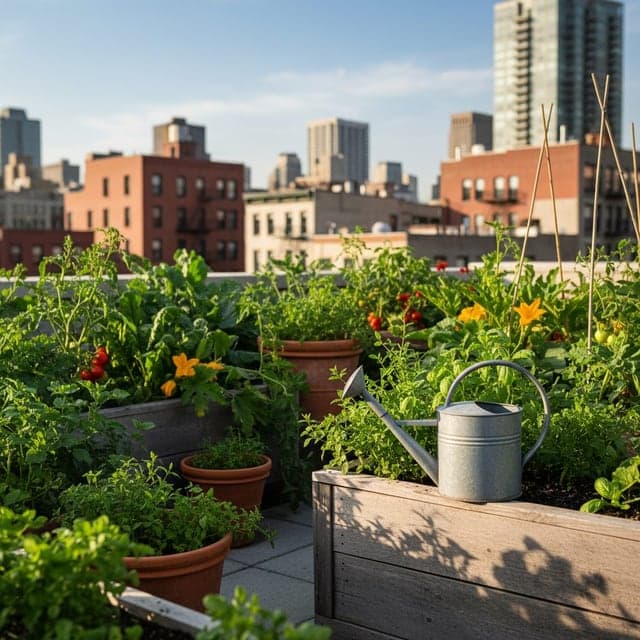
Learn to craft custom potting mixes for your container garden. Save money, improve plant health, and tailor drainage/nutrients for thriving plants in USDA Zone 7 and beyond.
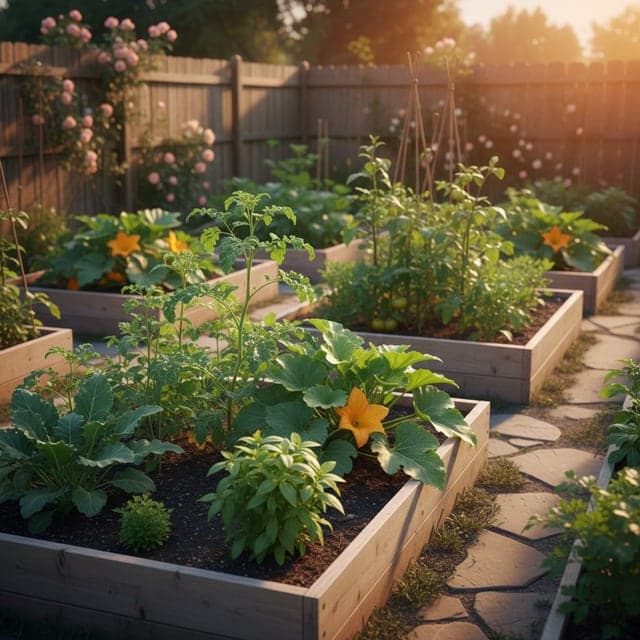
Maximize your small urban space. Learn to grow 10 easy vegetables in containers on your balcony, potentially yielding 50+ lbs of fresh produce. Master successful balcony container gardening.
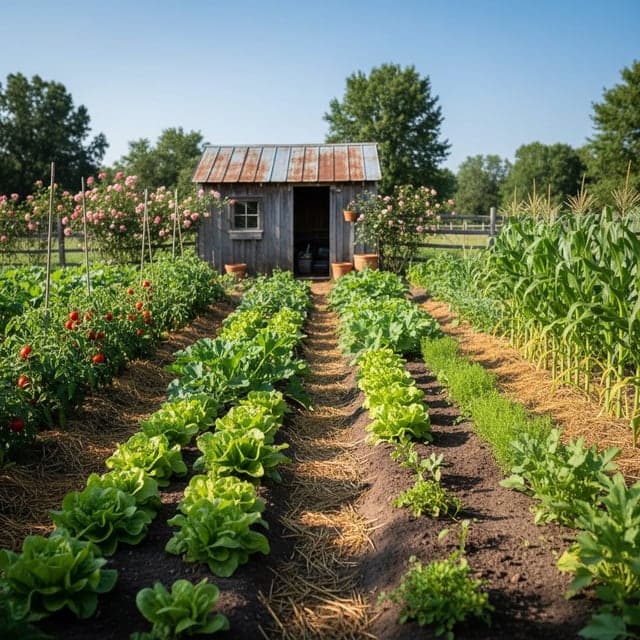
Separate open-pollinated, heirloom (40-50+ year), and F1 hybrid seeds by real plant-breeding genetics: VFFNTA resistance codes, F2 segregation, crop isolation distances, minimum corn populations, t…
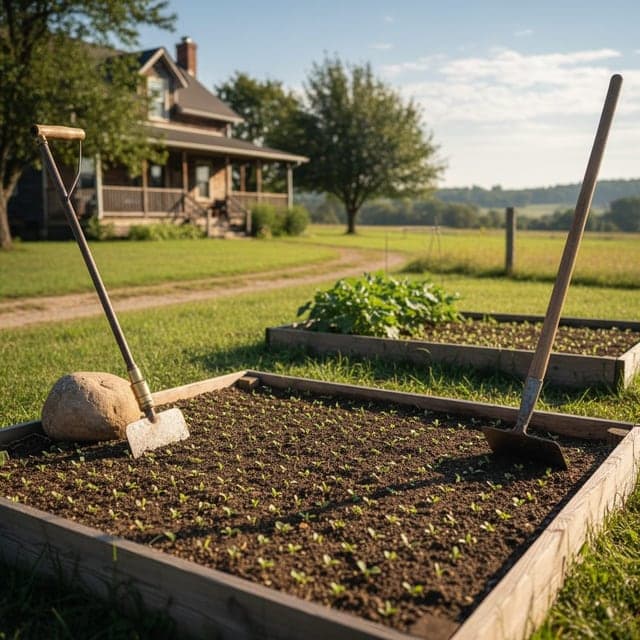
Master stale seedbed weed control in USDA Zone 6. Compare flame weeding vs. shallow hoeing for effective, chemical-free weed management, reducing weed pressure by up to 90%.
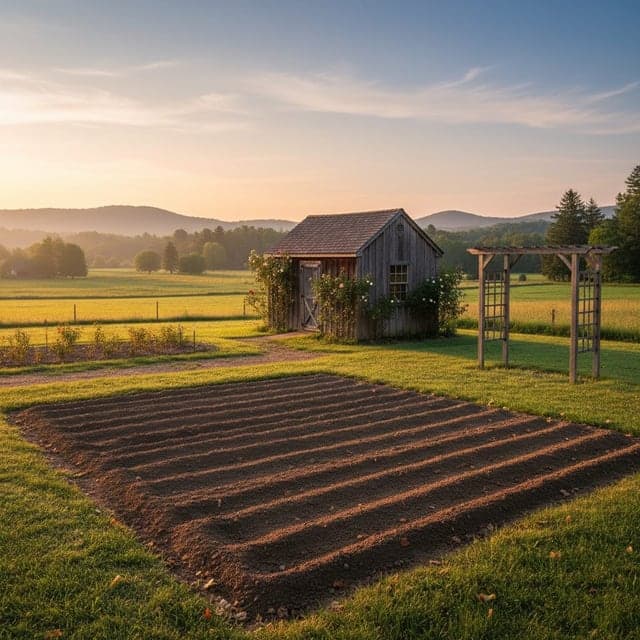
How stale seedbed preparation reduces early-season weed pressure by 40-60% for direct-sown crops, improving yields and saving labor while building soil health.