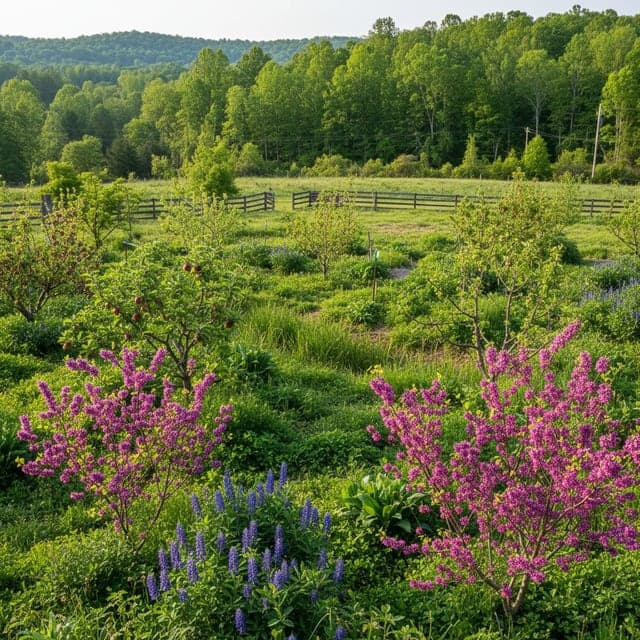
Nitrogen-fixing trees & shrubs for Southeast US permaculture
Nitrogen-fixing trees and shrubs for Southeast US permaculture, improving soil fertility, reducing synthetic fertilizers, and providing native alternatives to invasive mimosa.
Tag
491 articles in this tag on agripure. — page 6 of 21
Nitrogen-fixing trees and shrubs for Southeast US permaculture, improving soil fertility, reducing synthetic fertilizers, and providing native alternatives to invasive mimosa.
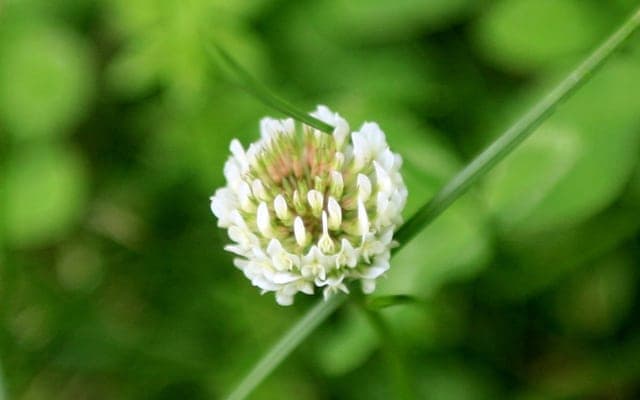
Select and manage cold-hardy nitrogen-fixing trees and shrubs for USDA Zones 2–6: black locust, native alders, Siberian peashrub, sea buckthorn, guild spacing, chop-and-drop timing, equine toxicity…
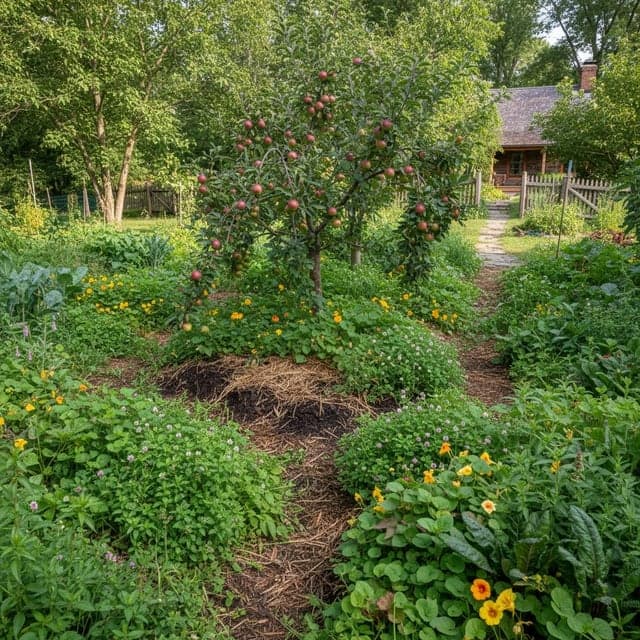
Science-backed US guide to chop-and-drop nitrogen fixers across USDA Zones 3–9: Rhizobia vs. Frankia nodulation, the 25:1–30:1 C:N curve, tree-safe pruning limits, two classic guild myths, and stat…
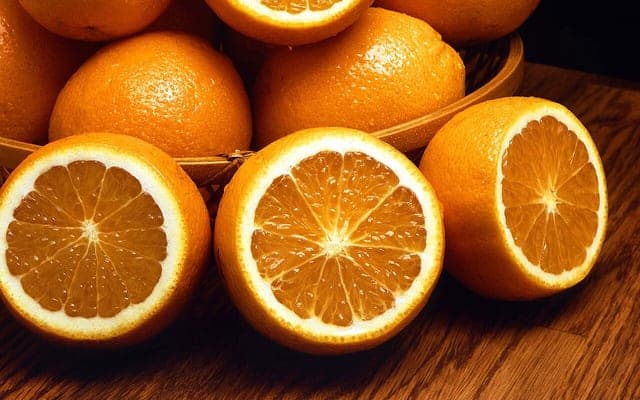
Build a compliant USDA Zones 9–10 citrus guild: protect 0–18 in shallow feeder roots from turf competition, keep graft collars dry against Phytophthora root rot, match Flying Dragon/Carrizo/US-942…
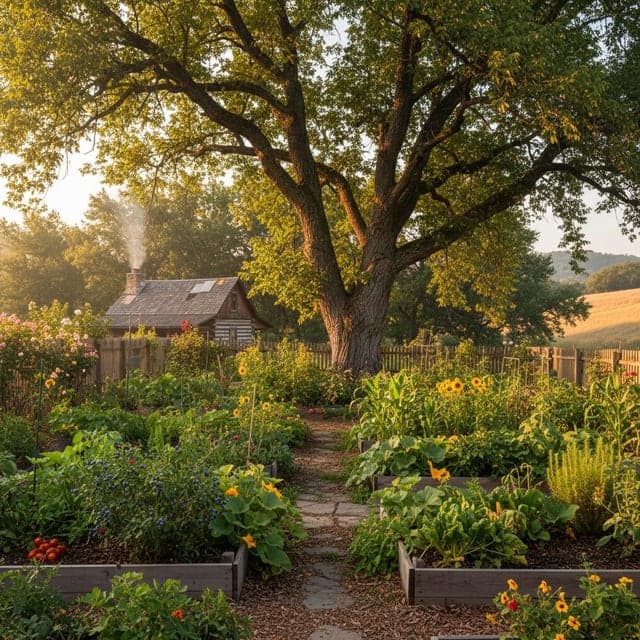
Build a 7-layer edible guild around black walnut trees using modern juglone soil science, verified tolerant species, root-barrier raised beds, safe hot composting, and equine woodchip precautions.
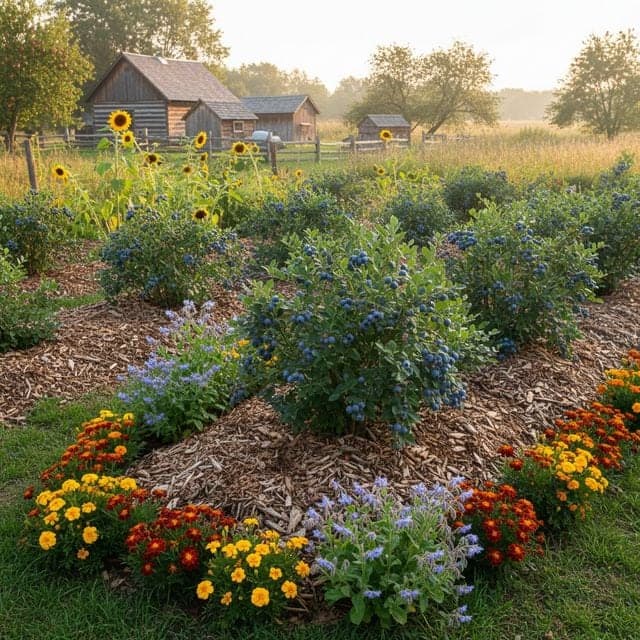
Build a science-backed US blueberry guild across Zones 3–10: pH 4.2–5.2 soil and pine-bark raised beds, sand-loam-clay sulfur tables, ammonium feeding, banned amendments, and cross-pollination pairs.
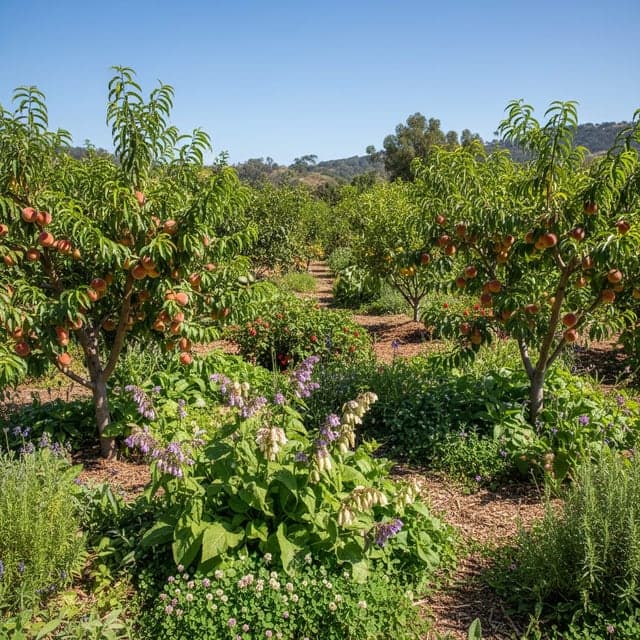
Learn to design a resilient peach and stone-fruit guild for USDA zones 8-10. Select low-chill varieties, incorporate nitrogen-fixers, and use swales to boost yields.
Engineer a productive USDA Zones 3–9 apple tree guild scaled to M.9, G.11, MM.111, and Antonovka rootstocks with dry Phytophthora collars, 1/4-inch vole guards, cedar-apple rust setbacks, and cross…
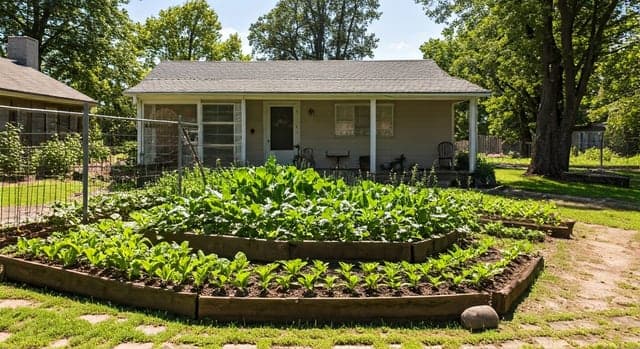
How to convert a USDA Zone 6 front lawn into an edible food forest, covering permaculture design, HOA rules, and ornamental edible plant selection.
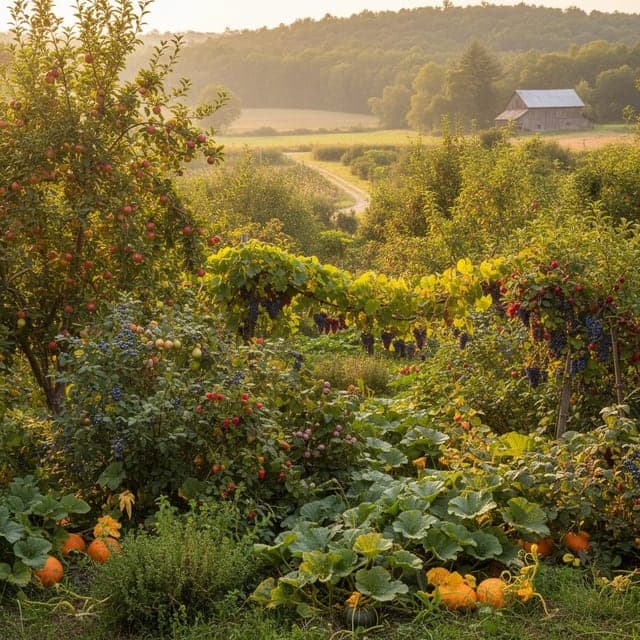
Establish a thriving food forest in USDA Zone 6 with this realistic 5-year timeline. Learn site prep, planting, and maintenance for self-reliance and a productive ecosystem.
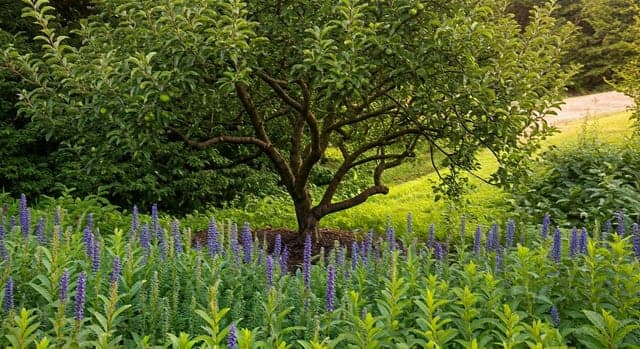
Design a resilient PNW food forest guild for USDA Zone 7. Learn about apple, currant, and comfrey guilds, water management with swales, and permaculture principles for high yields.
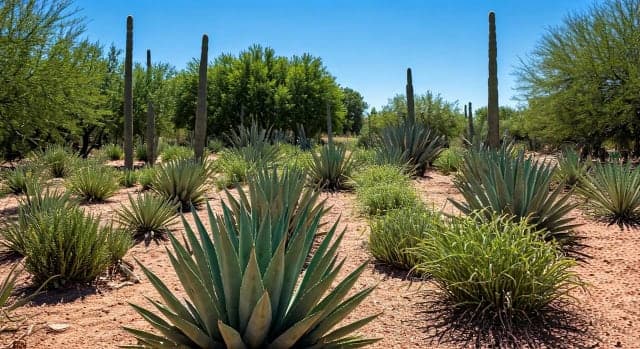
Engineer a productive arid Southwest food forest across Sonoran, Chihuahuan, and Mojave soils: Brad Lancaster rainwater earthworks, caliche drainage chimneys, Fe-EDDHA chelate, nitrogen-fixing nurs…
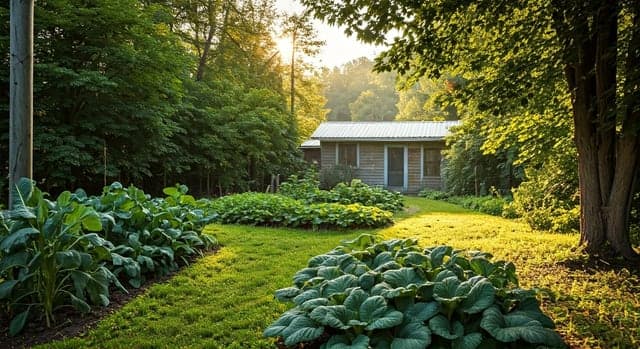
Key food forest species for the humid Southeast & Gulf Coast (USDA Zones 8-9), including permaculture design, plant guilds, and water management for a productive ecosystem.
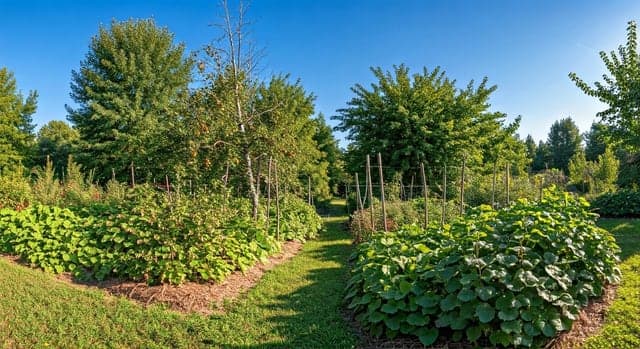
Design thriving cold climate food forests in USDA Zones 3-5 (Northeast & Upper Midwest). Learn species selection, water management with swales, and layering for resilient, productive systems.
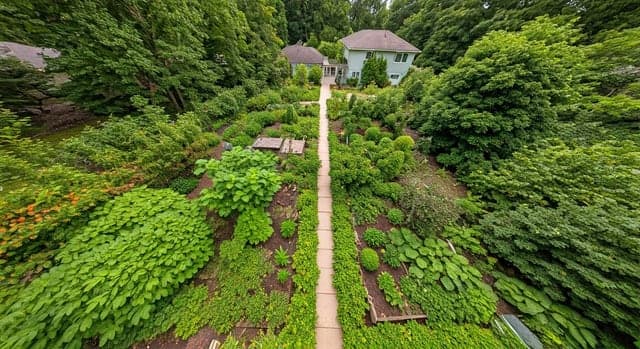
How to design a 1/4-acre suburban food forest in USDA Zone 6, covering site assessment, water harvesting, plant guilds, and layout.
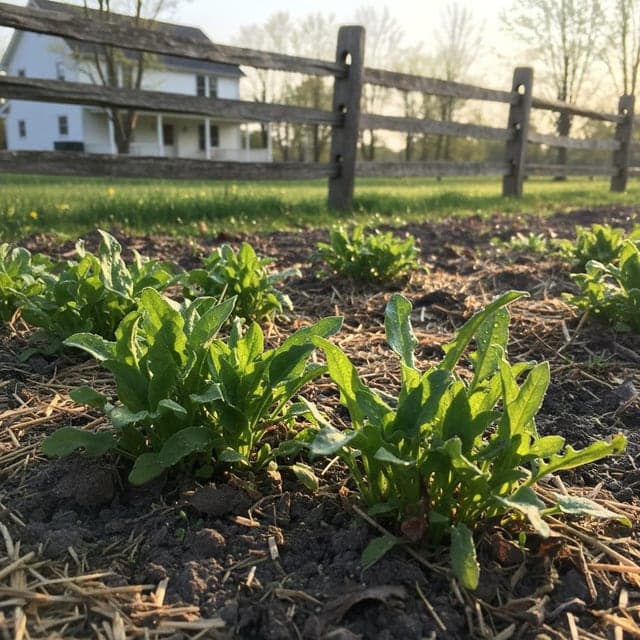
Harvest fresh leafy greens 4 to 8 weeks ahead of annual lettuce and spinach with 10 true perennial crops—from sorrel, Good King Henry, and sea kale to nettles, Hablitzia, Welsh onions, and tree col…
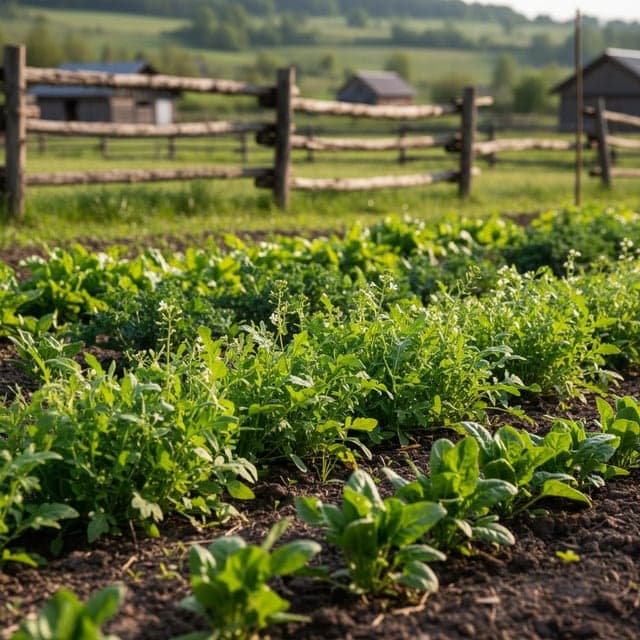
Harvest tender arugula, leaf lettuce, mustard greens, and spinach without summer gaps. Follow our 14-day 3-section bed rotation, soil temperature thresholds, shade cloth rules, and sealed row cover…
Match short-, intermediate-, and long-day onions to exact US latitudes (11–16 hr bulbing triggers across 36°N) and prevent vernalization bolting across four Allium crops.
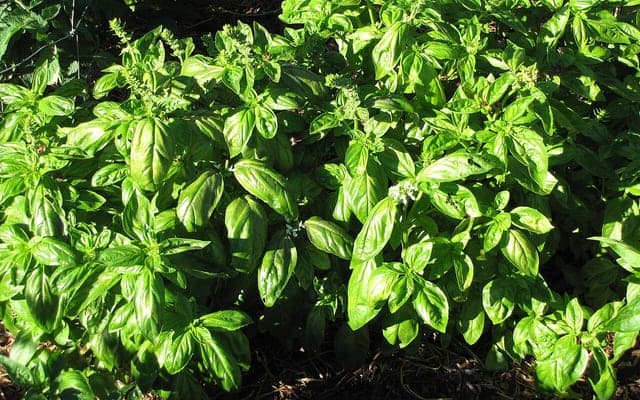
Grow healthy basil in the humid US South. Learn to identify and manage common basil diseases like downy mildew & Fusarium wilt with resistant varieties, proper spacing, and watering for a thriving…

Master pinching and harvesting basil for a bushy, continuous yield. Learn techniques for optimal growth, delaying bolting, and extending your harvest in USDA Zone 6 and warmer.
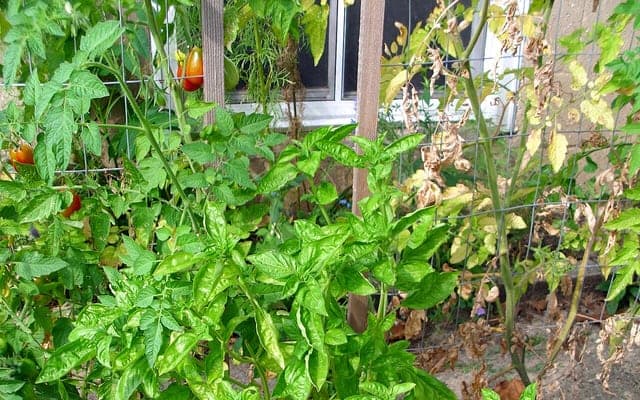
Grow disease-resistant basil across US gardens: Rutgers DMR and Prospera sweet cultivars vs. Genovese, Thai, Tulsi, Lemon, Dark Opal, and African Blue chemotypes, plus node-pinching math and <50°F…
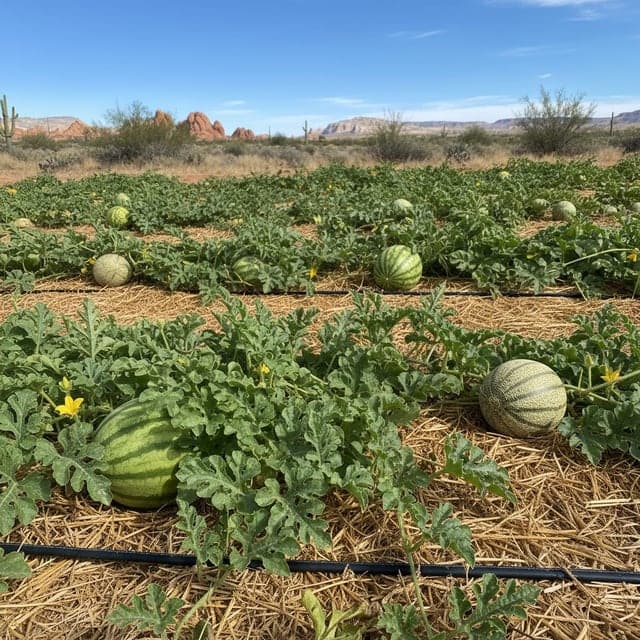
Master growing melons in the hot US Southeast & Southwest. Learn optimal spacing, mulching, and irrigation techniques for high yields in challenging climates. Get practical, data-driven advice.
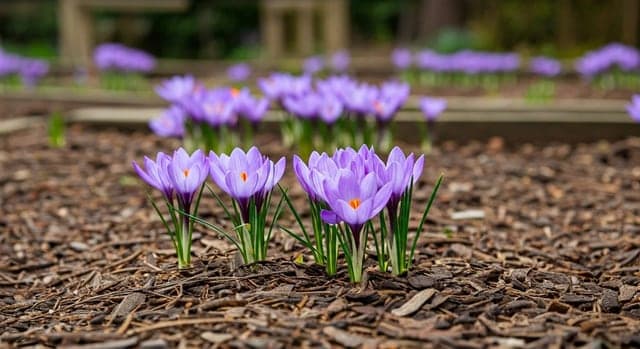
Plant sterile triploid Crocus sativus corms across US climates: >=8–10 g Year-1 grading, 4–6 inch depth, <=0.25–0.5 inch dry summer dormancy bake, 1/2 inch vole hardware cloth, and ISO 3632 drying.
A regional guide to foraging North American wild edibles, covering edible flowers and tree foods across US zones with identification tips and sustainable harvesting practices.