
Best Lettuce for Indoor Hydroponics: Buttercrunch, Romaine, Arugula
Discover the best lettuce and green varieties for indoor hydroponics. Learn how buttercrunch, romaine, and arugula thrive in controlled environments for year-round harvests.
Tag
554 articles in this tag on agripure. — page 4 of 24
Discover the best lettuce and green varieties for indoor hydroponics. Learn how buttercrunch, romaine, and arugula thrive in controlled environments for year-round harvests.
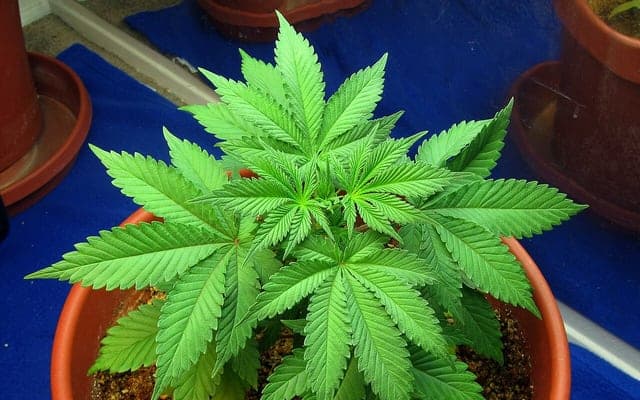
Prepare, buffer, and reuse coco coir in US hydroponic systems without calcium lockout: rinse-first EC targets, Cal-Mag CEC soak math, 10–20% runoff fertigation, and safe 3-cycle sanitation.

Transform your small balcony into a productive garden with NFT hydroponics. Learn how to grow strawberries and herbs, increasing yields by 20-50% with efficient, soil-free systems.
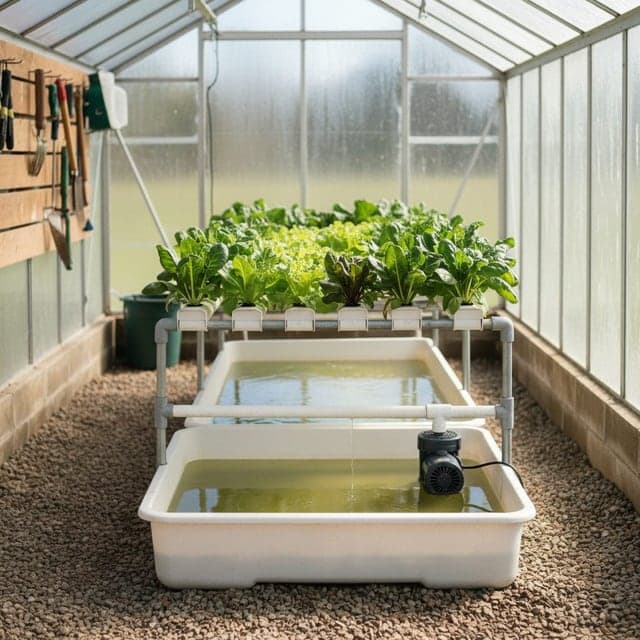
Master NFT pump maintenance to prevent failures, dry-out, and crop loss. Learn proactive strategies, monitoring, and design tips for reliable hydroponic systems and higher yields.
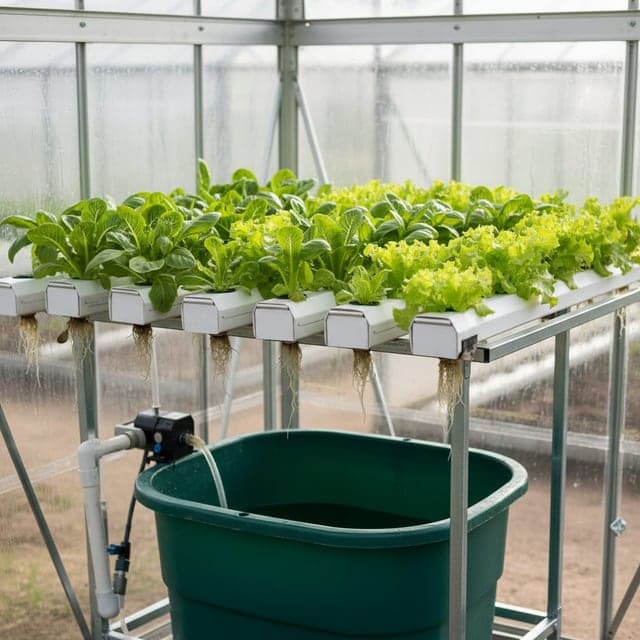
Optimize your NFT hydroponics system in USDA Zone 7. Learn to select the right pump, reservoir size, and channel slope for efficient, faster lettuce growth and higher yields.
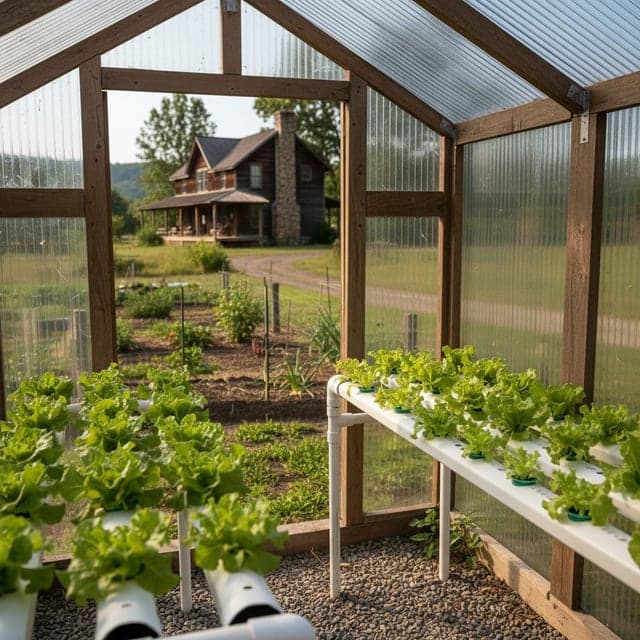
Learn how NFT hydroponics works to maximize plant growth and conserve water in US climates. Discover optimal nutrient film depth, flow rates, channel slope, and pH for healthy plants.
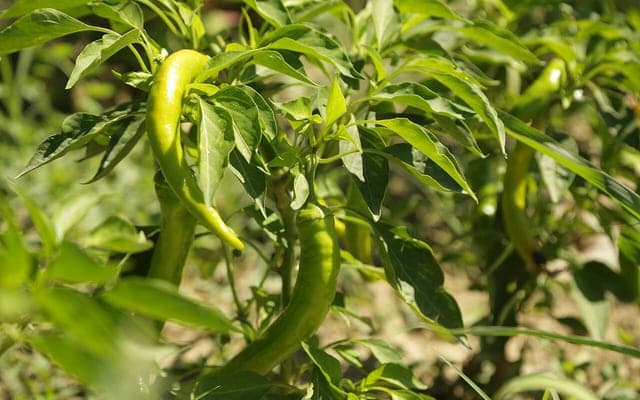
Compare DIY opaque Kratky jars and #2 HDPE totes against countertop AeroGarden Harvest and Bounty units: 12-month $USD TCO, $/oz harvest math at $0.16/kWh, EC/pH balance, 3–5 gal tomato limits, GFC…
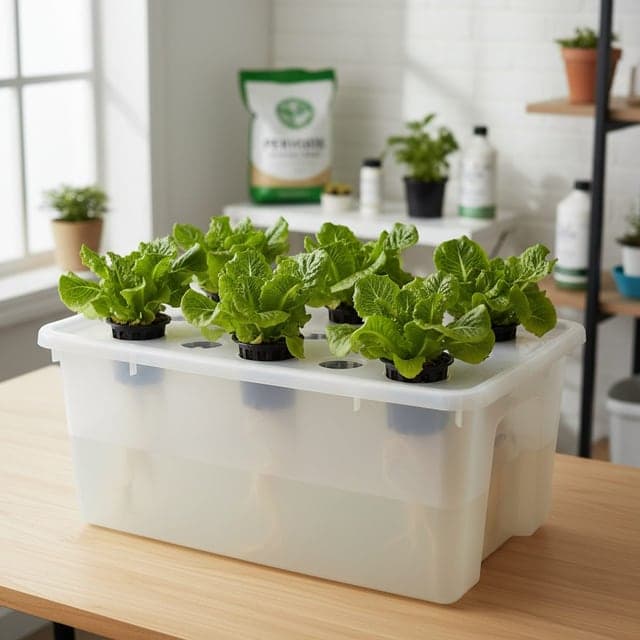
Scale passive Kratky hydroponics past buckets into 17-gal, 27-gal, and 55-gal food-grade #2 HDPE/#5 PP totes and 275-gal IBC reservoirs: 8.34 lb/gal deck load math, thermal sleeves against >75°F bl…

Grow crisp lettuce in wide-mouth Kratky mason jars without pumps: compare 32 oz vs. 64 oz refill math, keep EC at 0.8–1.4 mS/cm and pH 5.5–6.2, protect O₂ air roots during lower-1/3 top-offs, block…
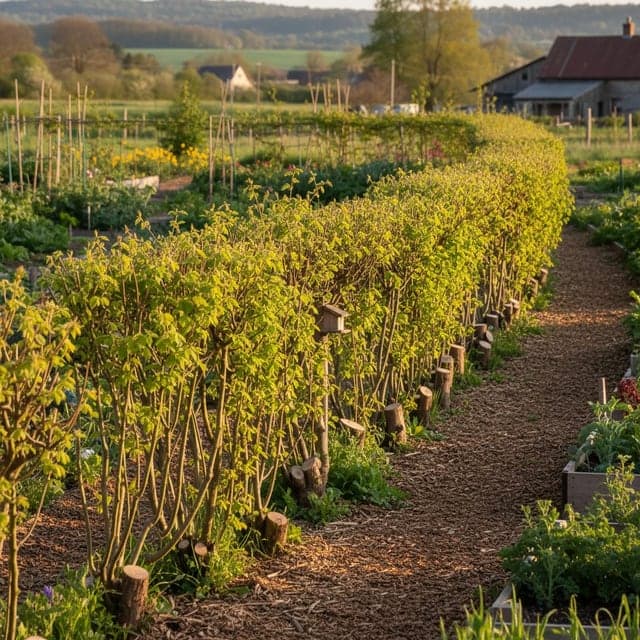
Establish productive US coppice craft hedges adapted from British hedgelaying and coppice guilds: EFB-resistant American hazel vs. basketry and native willows, Nov–Feb 1–2" stool cuts, living fedge…
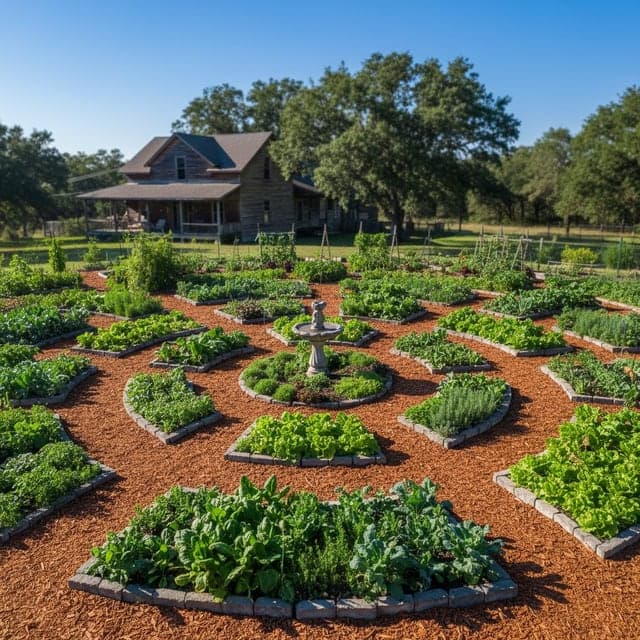
Lay out a 16–24 ft mandala garden with exact stake-and-string compass radii, 4 keyhole notches, north-arc tall trellises, honest rectangular trade-off math, curved poly drip rings, and no-dig sheet…
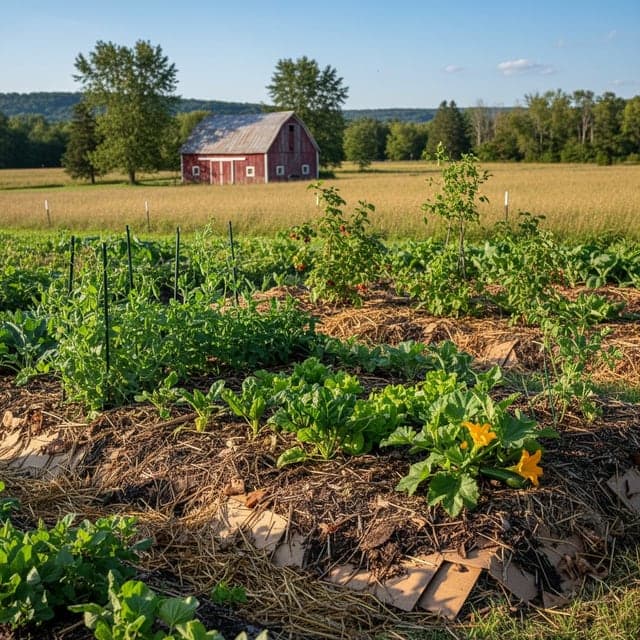
Convert turf into productive garden beds without digging: exact cardboard prep and contamination bans, vegetable vs. perennial tracks, WSU soil-science cautions around trees and clay, and silage ta…
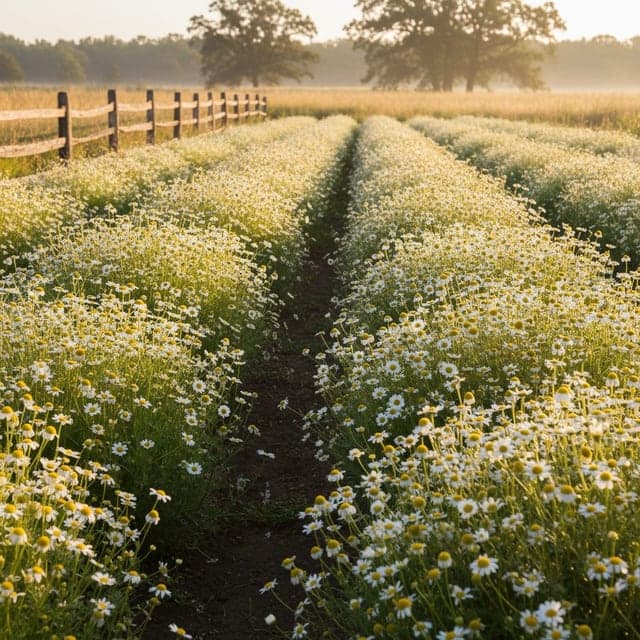
Grow German chamomile (Matricaria chamomilla) for sweet apple-scented herbal tea across US zones: surface sowing, diploid vs. tetraploid yields, hollow-cone ID against toxic stinking mayweed, harve…

Cultivate Egyptian walking onions (Allium × proliferum) across USDA Zones 3–10: sterile hybrid genetics, fall topset planting, 3–4 year basal division, Allium leafminer netting, and ASPCA pet safety.
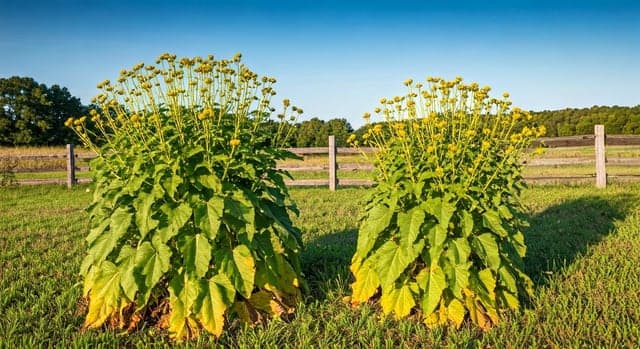
Grow sunchokes (Helianthus tuberosus) across USDA Zones 3–9: 24–30 inch HDPE or steel containment barriers, US cultivars, frost-activated 1-FEH inulin-to-fructose sweetening, 32–35°F storage, and d…

Scale a US microgreens market garden on standard 1020 trays: seed densities, 3–5d blackout stacking, 18–24W LED racks, $3.50–$6.50 COGS vs. 10–15% spoilage, <=41°F cold chain, and FDA FSMA Subpart…
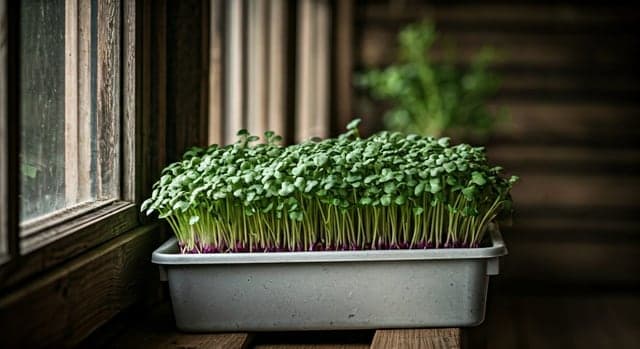
How to grow radish, pea, sunflower, and broccoli microgreens at home in 7-14 days for fresh food year-round.

Master pinching and harvesting basil for a bushy, continuous yield. Learn techniques for optimal growth, delaying bolting, and extending your harvest in USDA Zone 6 and warmer.
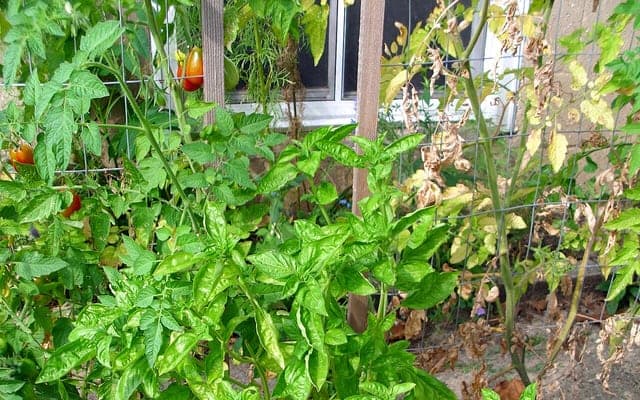
Grow disease-resistant basil across US gardens: Rutgers DMR and Prospera sweet cultivars vs. Genovese, Thai, Tulsi, Lemon, Dark Opal, and African Blue chemotypes, plus node-pinching math and <50°F…

Grow saffron in the Pacific Northwest using raised beds and containers, with soil mixes, planting depths, and rodent protection for wet climates.
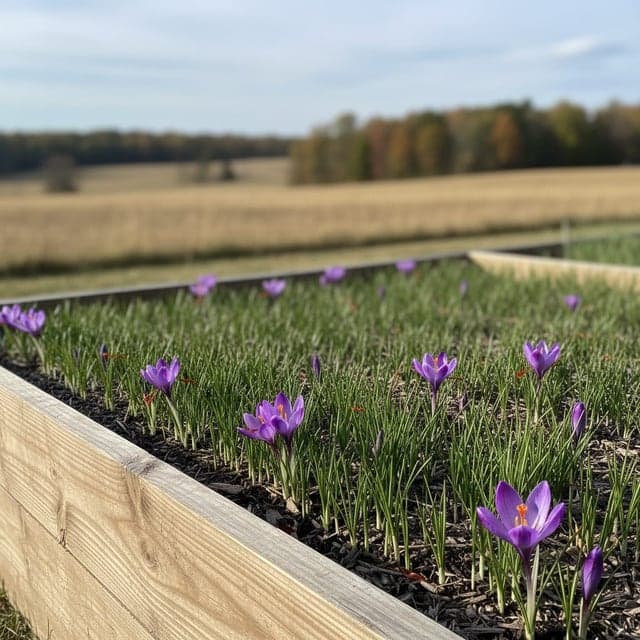
Learn to grow saffron in US Zone 6. Discover how to overwinter corms, multiply your planting material, and ensure consistent yields for this useful spice, even in colder climates.
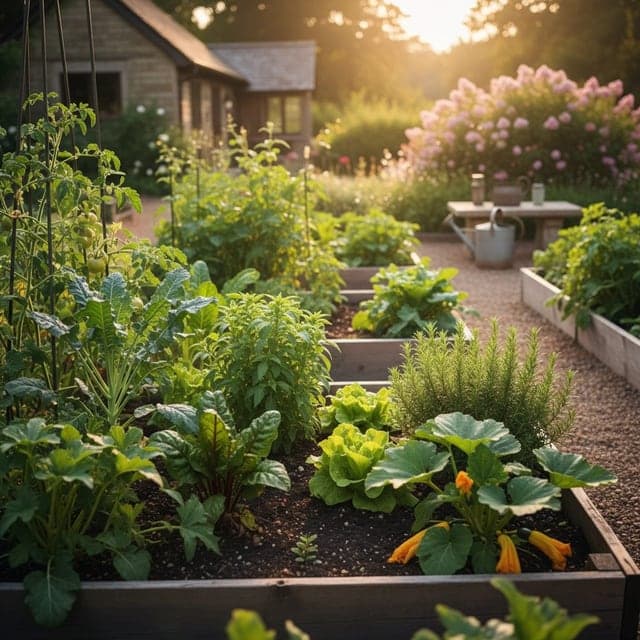
Master drying, curing, and storing saffron threads for maximum potency. Learn optimal temperatures, curing times, and storage tips for US climates like USDA zone 7.
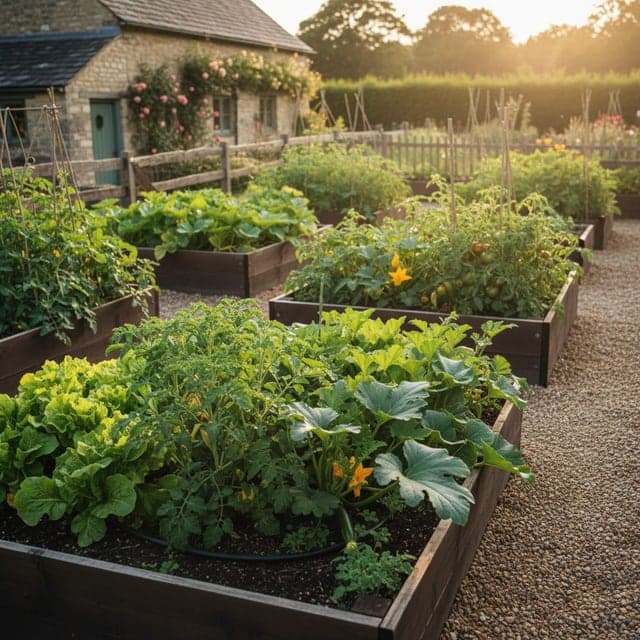
Harvest, separate, dry, cure, and grade Crocus sativus saffron threads: lethal Colchicum lookalike checks, dawn picking windows, 110–130°F dehydration curves, 30+ day dark-glass curing, yield math,…
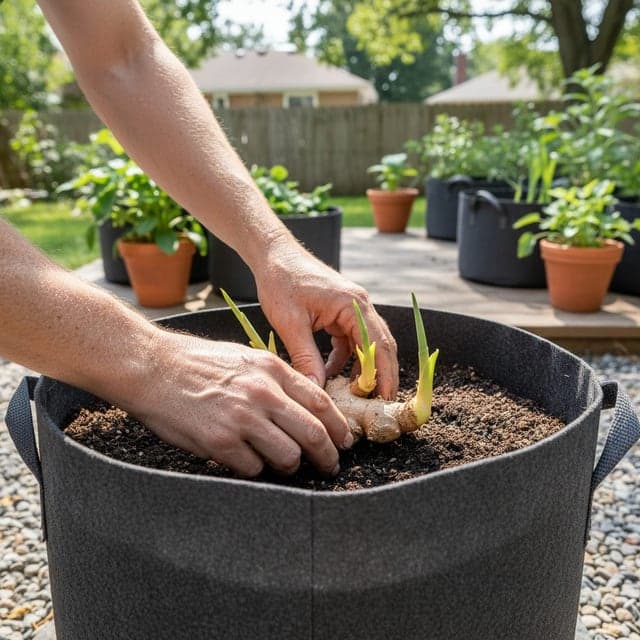
Start grocery-store ginger safely in isolated 10–15 gallon fabric pots: spot sprout inhibitors and irradiation, soak and pre-sprout in damp coco coir at 75–85°F, quarantine Ralstonia wilt and nemat…