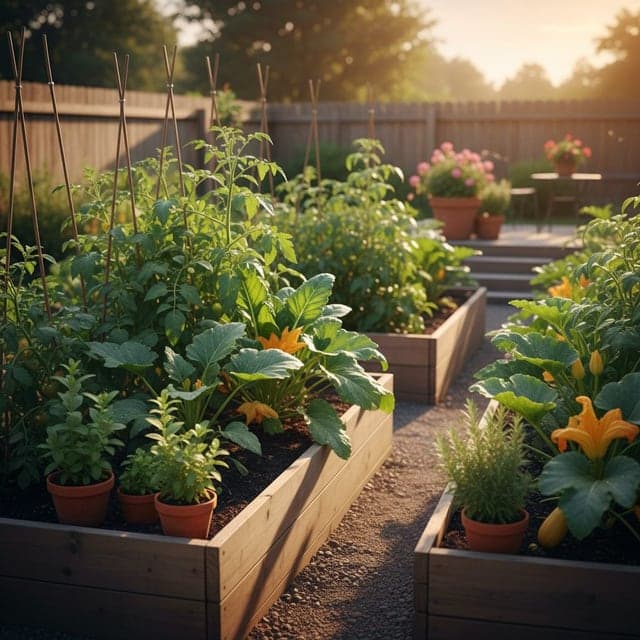
Vegetable Seed Viability Chart: Storage & Lifespan Guide
Maximize garden yields by understanding vegetable seed viability. Learn optimal storage conditions (cool, dry, dark), how to test germination, and integrate with crop rotation for success.
Tag
300 articles in this tag on agripure. — page 6 of 13
Maximize garden yields by understanding vegetable seed viability. Learn optimal storage conditions (cool, dry, dark), how to test germination, and integrate with crop rotation for success.
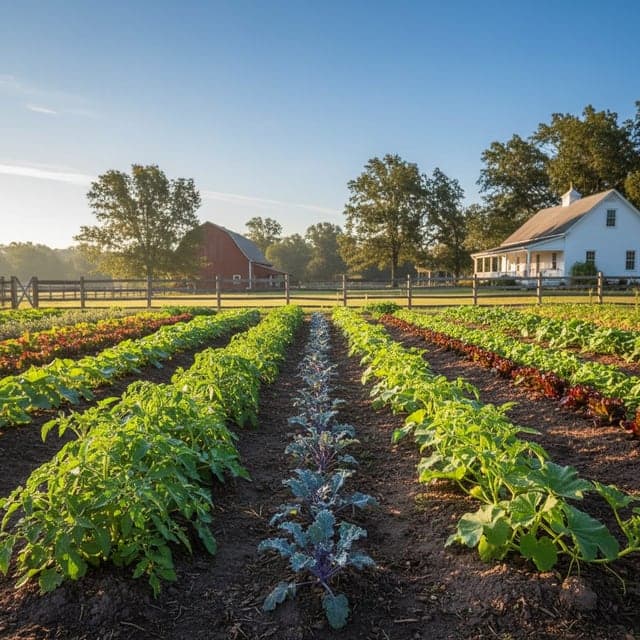
Thin carrot seedlings to 3-inch spacing in USDA Zone 6 to improve root size, reduce disease, and support succession planting.
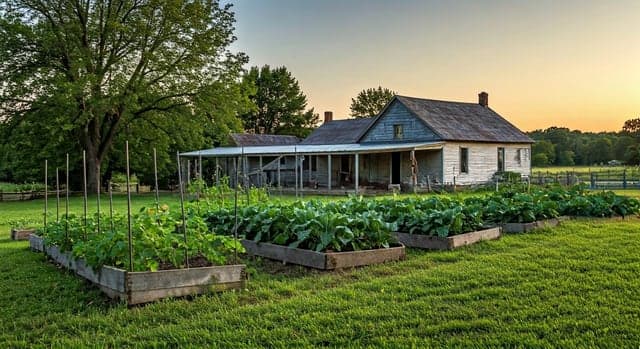
Prevent premature bolting in lettuce & spinach across USDA zones 3-9. Learn strategic shade, watering, and planting techniques to extend your harvest and keep greens fresh.
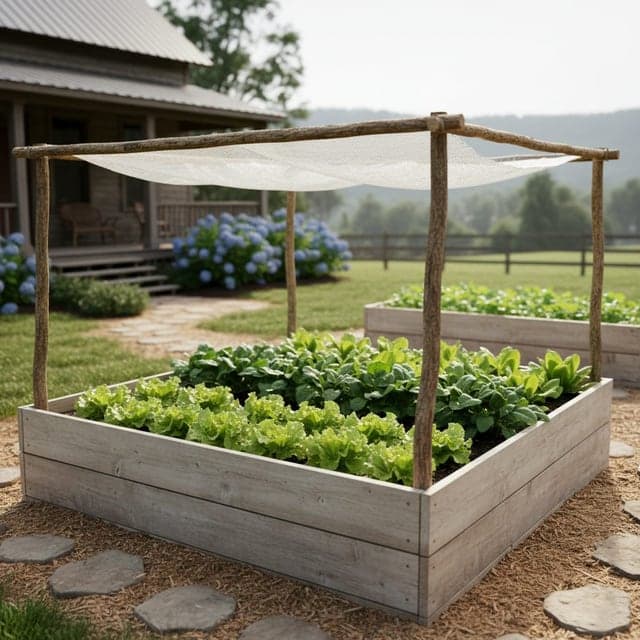
Master strategies to prevent lettuce and spinach bolting in USDA Zones 3-9. Learn succession planting, shade, and variety selection for continuous, tender greens all season.
Learn how to prevent bolting in lettuce, spinach, and other cool-season crops. Understand triggers like heat and day length, and apply strategies to maximize your garden’s harvest.
Learn to overwinter crops like garlic, spinach, kale, and mache. Extend your harvest by weeks, improve soil health, and keep garden beds productive in USDA zones 4-8.
Harvest sweet, frost-hardy greens and roots deep into winter across USDA Zones 3–8 by grouping 22+ crops into exact freeze tiers (32°F down to 0°F), adding the +14-day Fall Factor before sub-10-hou…
Maximize your garden’s yield with succession planting. Learn how to continuously harvest fresh lettuce and spinach every 2-3 weeks in USDA Zone 7, extending your season.
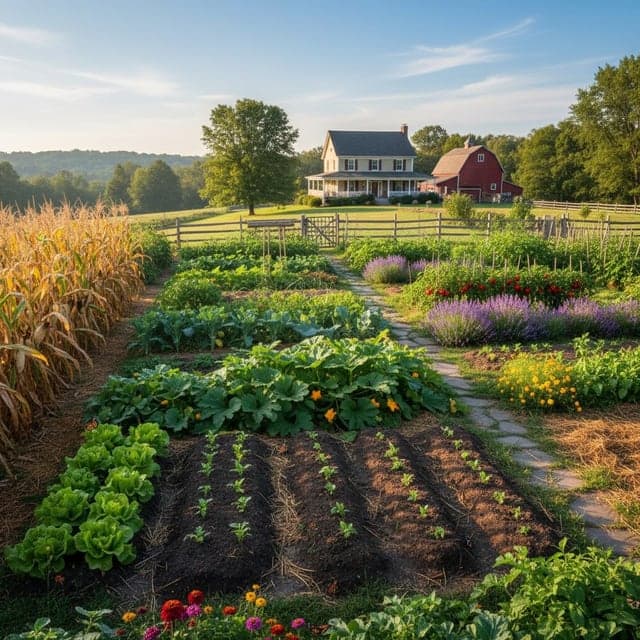
Learn four succession planting methods—same-crop, interplanting, relay, and follow-on—to maximize garden output. Get continuous harvests & boost yields in your USDA zone.
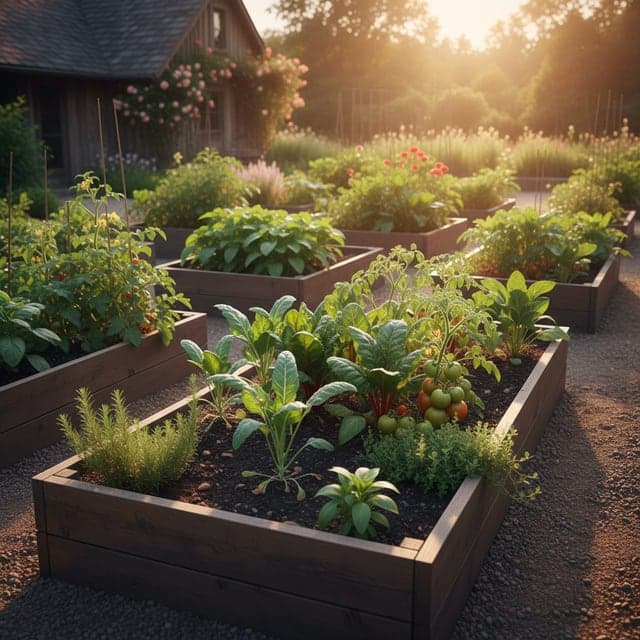
Learn how common crop rotation mistakes spread tomato and squash diseases, reducing yields. Discover effective strategies to break disease cycles and boost your garden’s productivity.
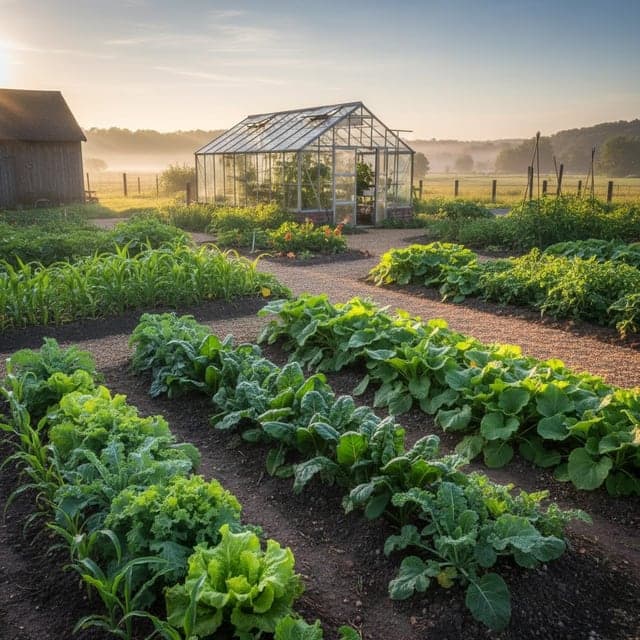
Time US cool-season and warm-season vegetables using local 50% frost dates and 4-inch morning soil temperature instead of USDA Hardiness Zones alone, with germination charts, regional windows, and…
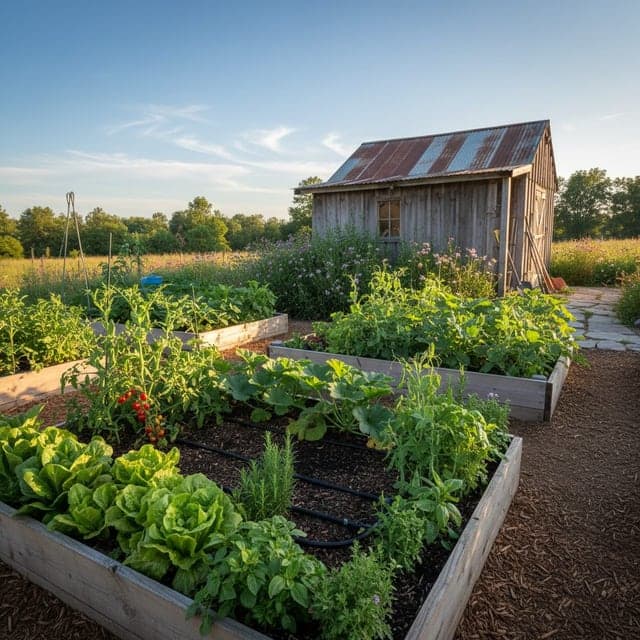
Maximize your garden’s potential with this Zone 7-8 planting calendar. Learn succession planting & crop rotation for Mid-South, PNW, & Mid-Atlantic regions.
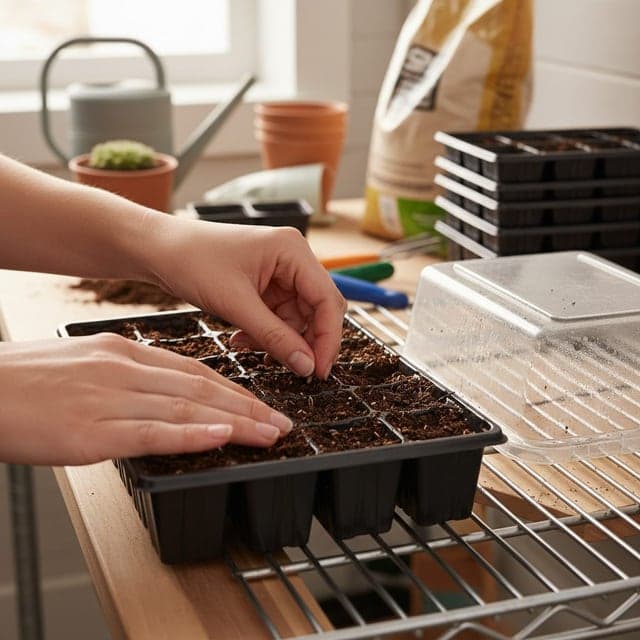
Unlock successful seed germination by understanding light requirements. Learn which garden seeds need light or darkness to sprout, improving rates by up to 100%.
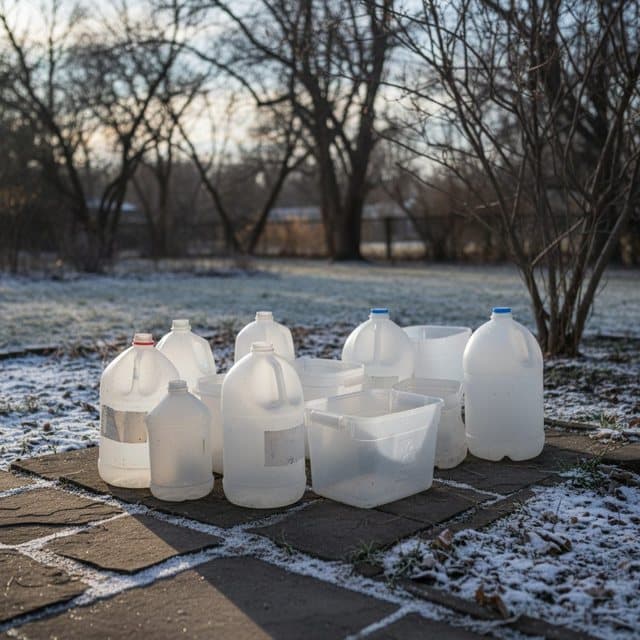
Month-by-month winter sowing schedule across USDA zones, covering seed timing, container preparation, and seedling care without indoor grow lights.
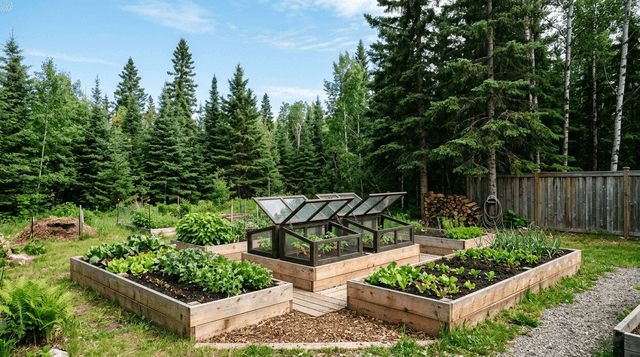
Gardening successfully in Canadian USDA zones 2 to 4 requires selecting cold-hardy varieties, optimizing microclimates, and protecting crops during narrow frost-free growing windows.
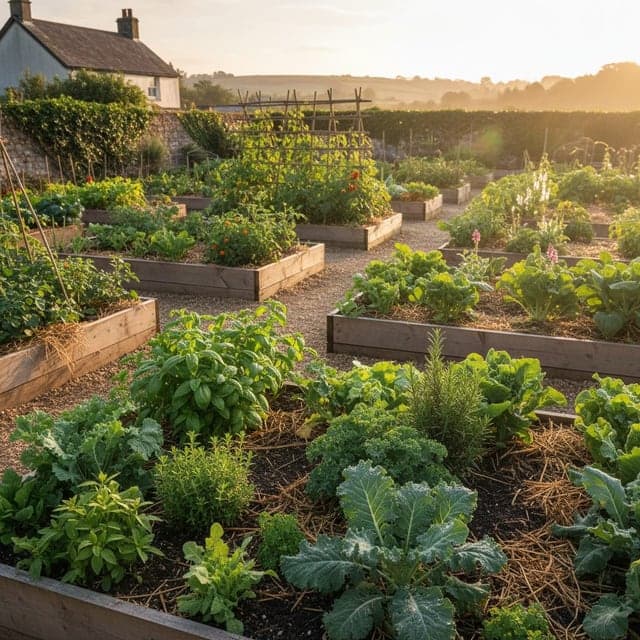
Achieve 90%+ success rooting herbaceous cuttings like basil, tomato, and mint. Learn optimal techniques, media, and hormones for fast root development in USDA zones 4-10.
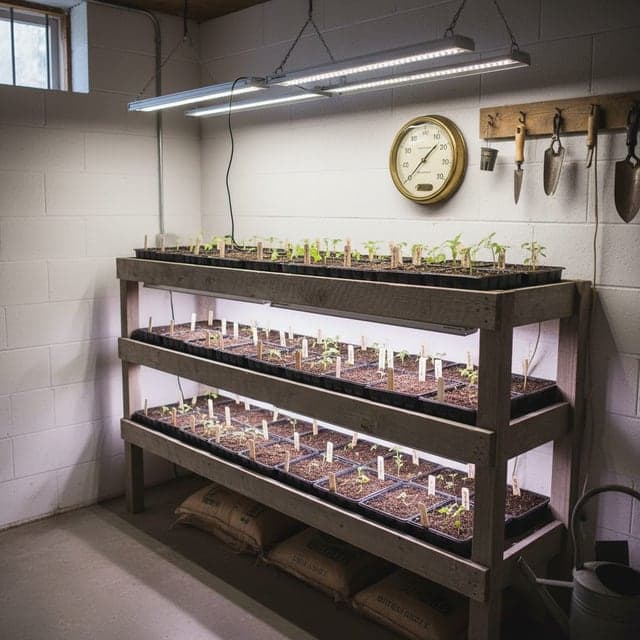
Master seed starting timing across US regions. Learn how cold basements in Maine differ from warm patios in Florida for successful germination and plant growth.
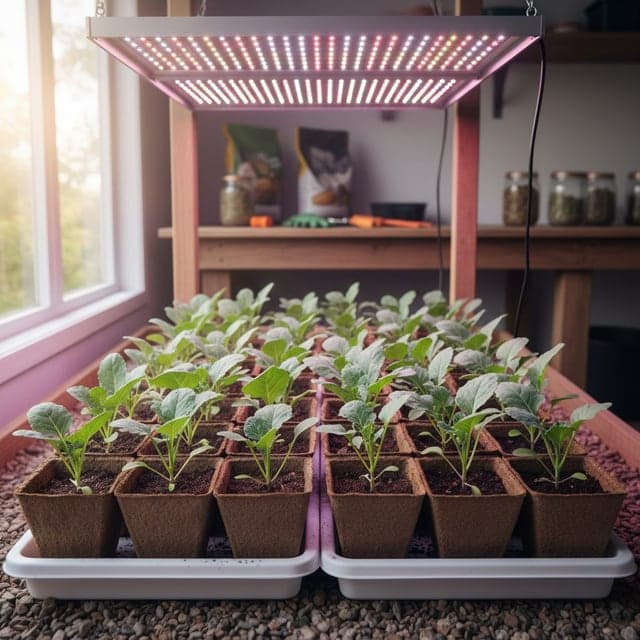
Master the art of potting up tomato seedlings in USDA Zone 6. Learn key techniques for healthy root development, preventing shock, and ensuring sturdy summer growth.
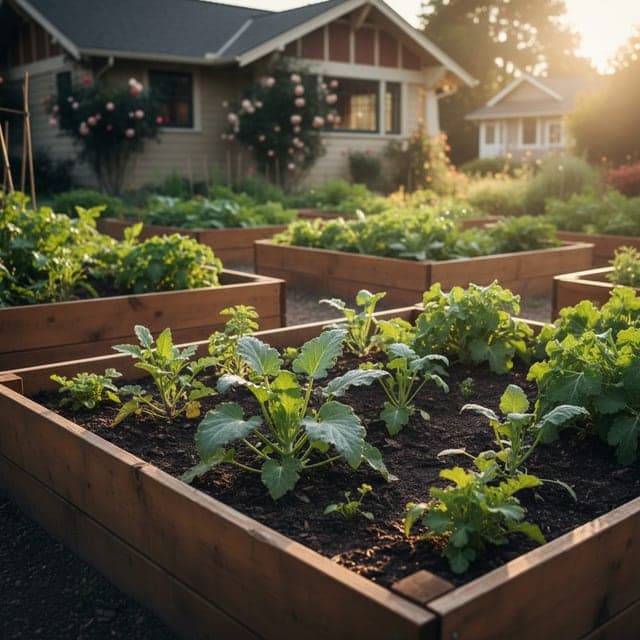
Master seed starting for your US garden. Learn the ‘count-back’ method using your last frost date to time warm & cool-season crops. Includes a seed starting chart for optimal growth.
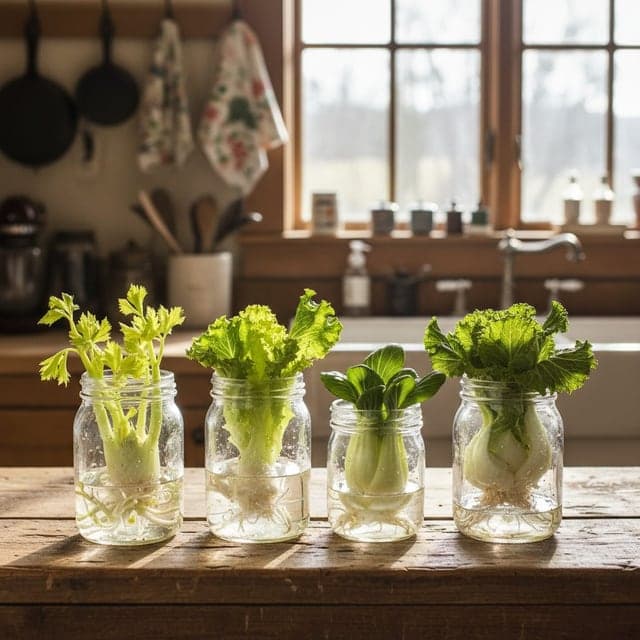
How to regrow kitchen scraps like celery, romaine, and bok choy to extend garden harvests, with methods for propagation, transplanting, and ongoing care.
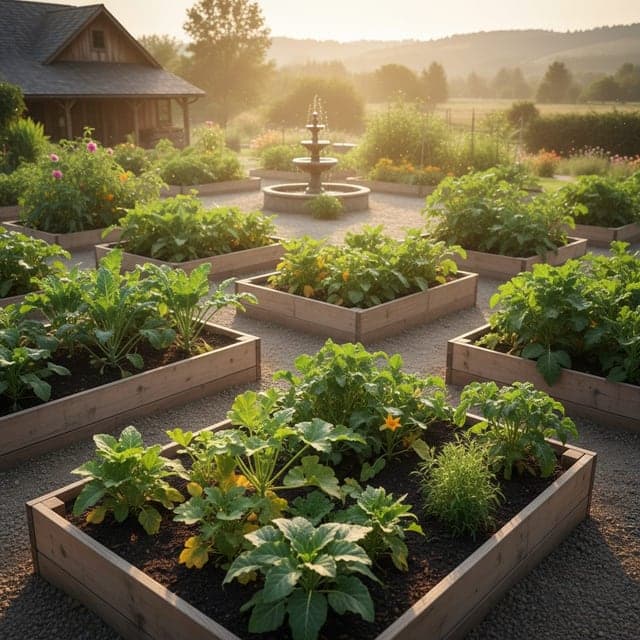
How to regrow ginger and turmeric rhizomes from store-bought roots, with indoor container methods for cold climates and outdoor planting guides for USDA zones 4-10.
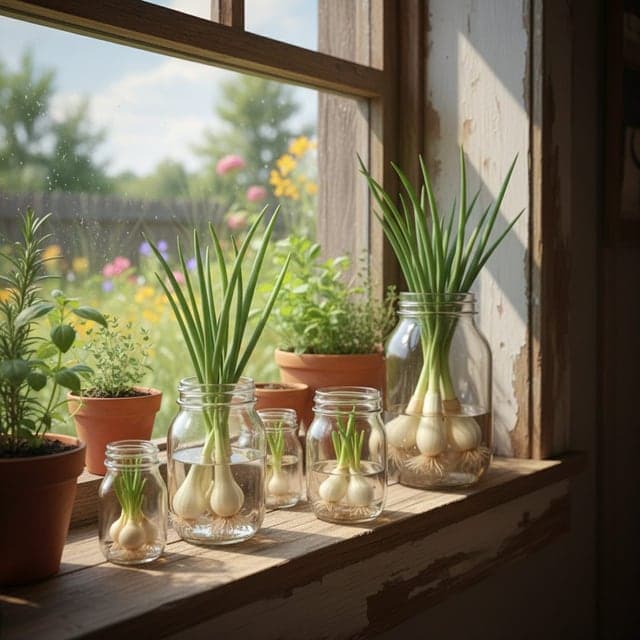
Compare 5–7 day water-jar scallion regrowth (tapers after 2–3 cuts) against 6–8" potting-mix transfers lasting 6–12+ months, plus basal plate anatomy, FDA washing, and ASPCA pet alerts.
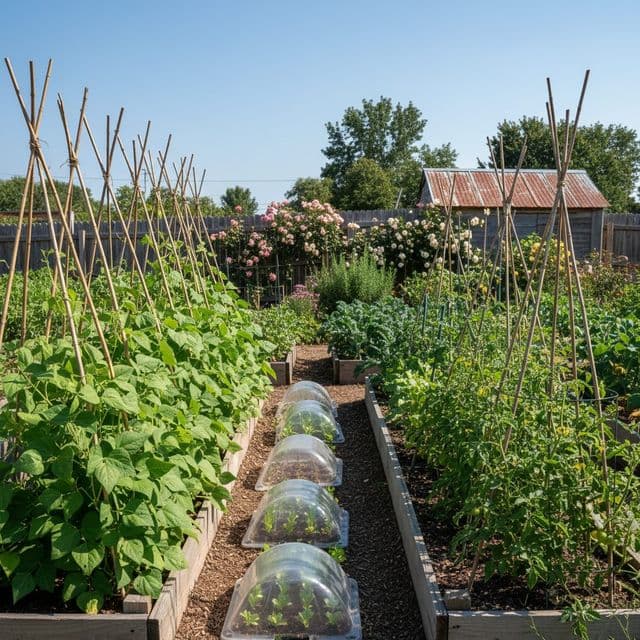
A USDA Zone 5 planting schedule: indoor seed starting dates, last/first frost timelines (May to October), and cool vs warm season vegetables.
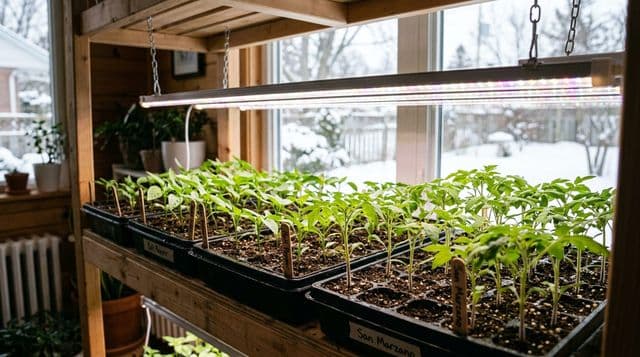
When to start seeds indoors across Canada, with a crop-by-crop calendar, frost calculations, lighting requirements, and hardening off schedule.