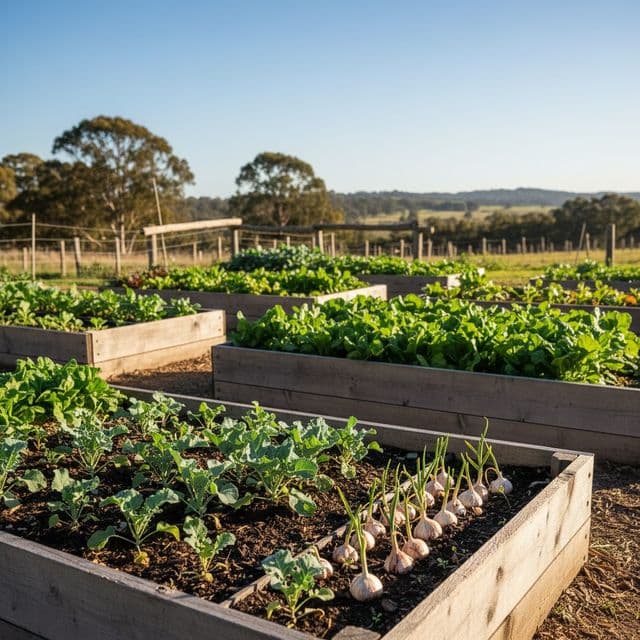
What to plant in March in Australia: autumn veggie patch
A comprehensive March planting guide for Australian gardeners, covering autumn vegetables, leafy greens, root crops, and garlic across all climate zones.
Tag
300 articles in this tag on agripure. — page 7 of 13
A comprehensive March planting guide for Australian gardeners, covering autumn vegetables, leafy greens, root crops, and garlic across all climate zones.
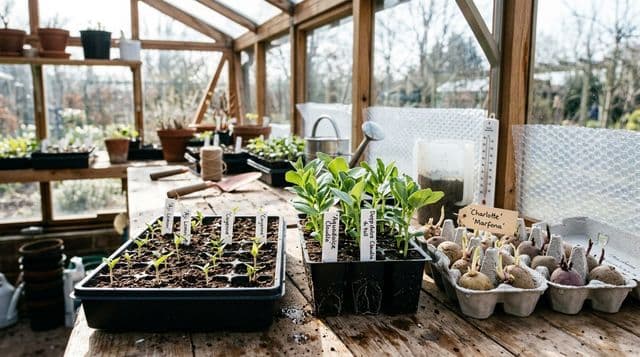
Discover what to plant in February across UK gardens and allotments. Learn which seeds to sow indoors, what to direct sow, and essential early spring jobs.
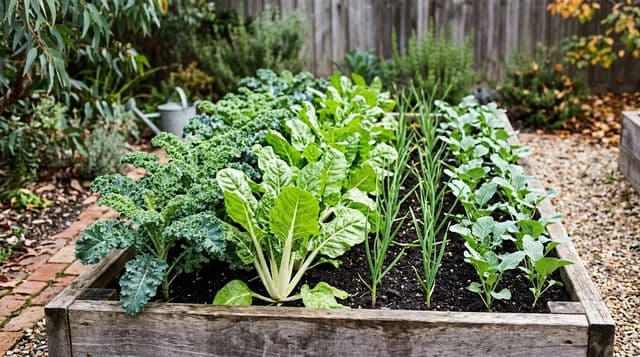
Discover what to plant in autumn across Australia. Explore our complete climate-by-climate sowing calendar covering brassicas, leafy greens, garlic, and peas.
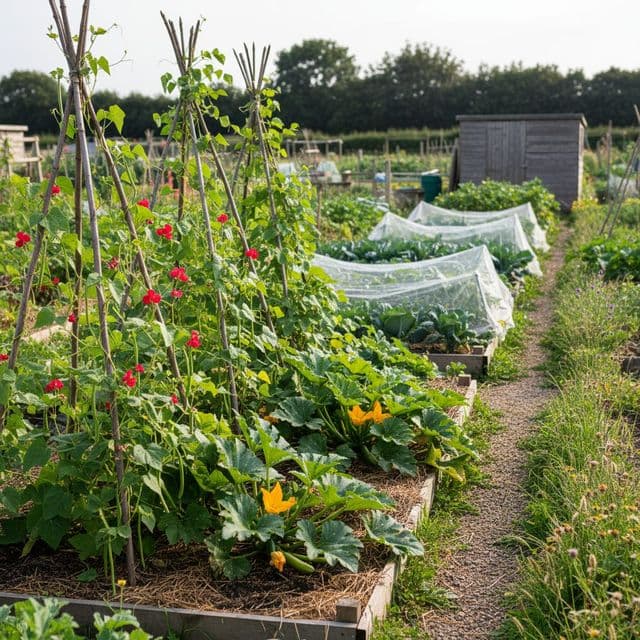
Plan a productive UK allotment without Year-1 burnout: 10-pole (250 m²) vs. half-plot (125 m²) zoning, 1.5–2 hr/wk starter beds, RHS 4-course rotation, Hungry Gap crops, Allotments Act 1950 and car…
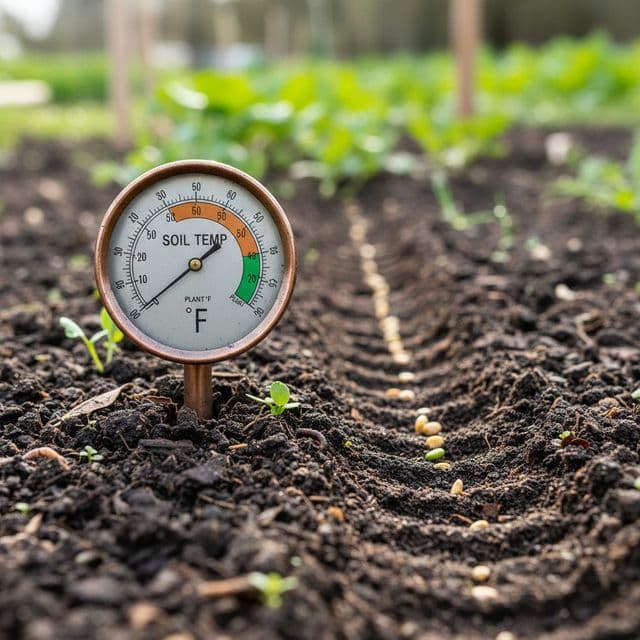
A guide to soil temperature for planting vegetables, with germination temperature charts, thermometer use, and warming techniques.
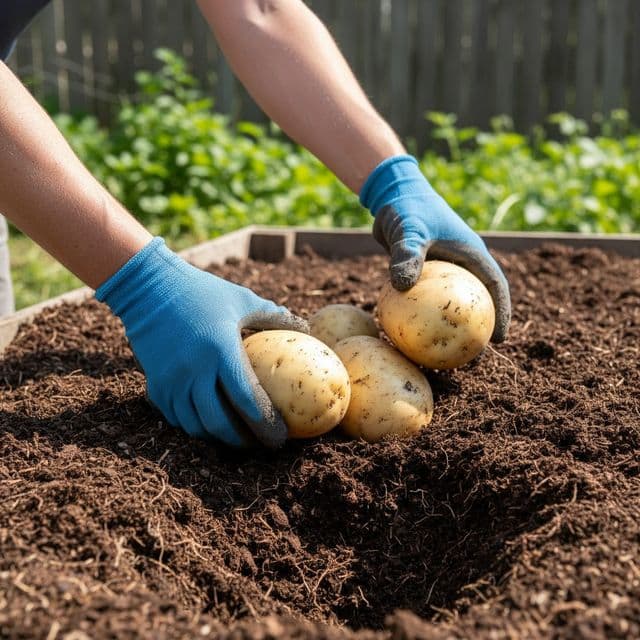
Learn how to grow no dig potatoes under cardboard and compost, eliminating trench digging, preventing tuber damage, and yielding clean, abundant tubers.
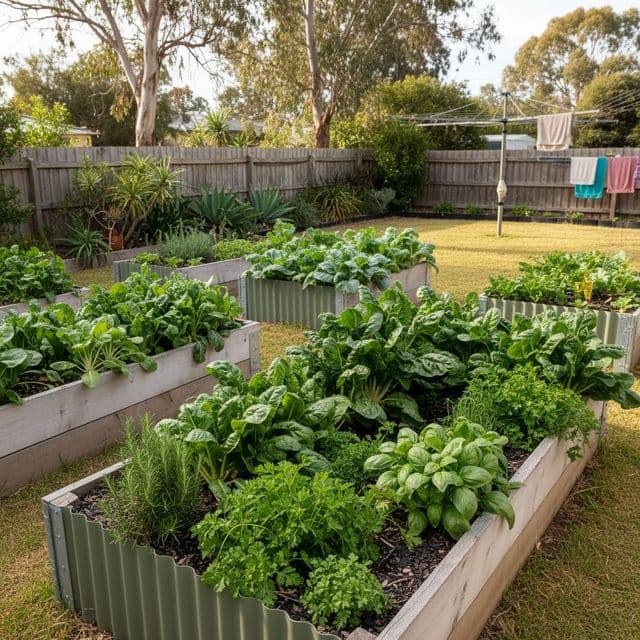
Learn how to build a veggie patch in Australia from scratch, choosing non-toxic timber or corrugated beds, layering rich no-dig soil, and planting by climate.
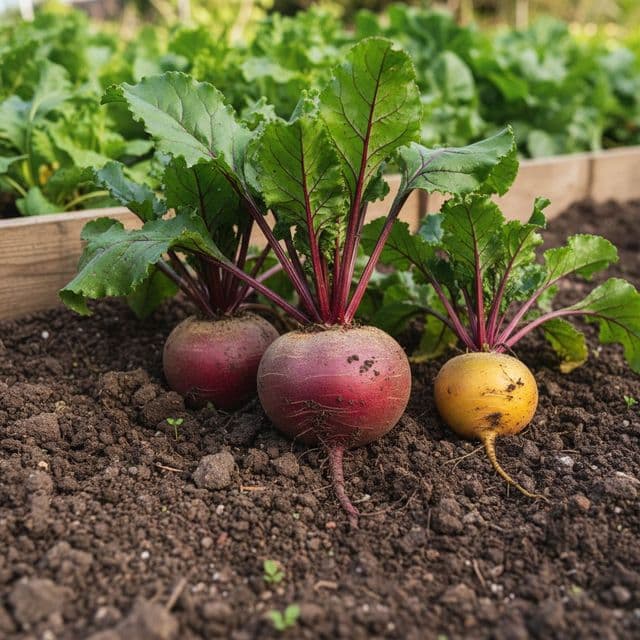
Learn how to grow tender beetroot in the UK: module sowing, soil preparation, bolt-resistant cultivars, spacing, multi-sowing, and winter sand storage.
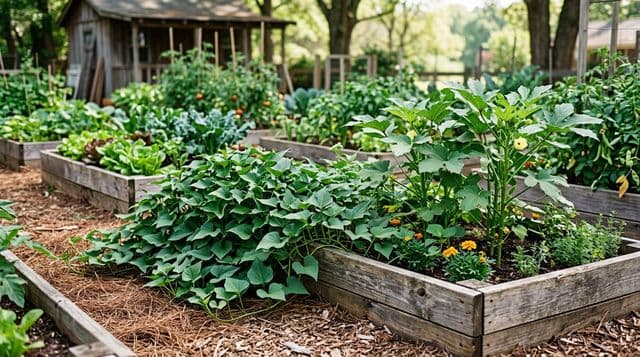
Master the Zone 8 planting schedule with frost dates, early spring seed starts, heat-tolerant summer crops, and year-round winter vegetable production.
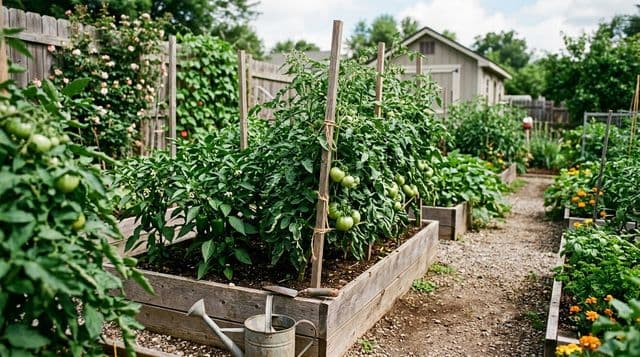
Complete Zone 7 planting schedule with frost dates, indoor seed starting, summer heat management, and fall vegetable gardening succession calendars.
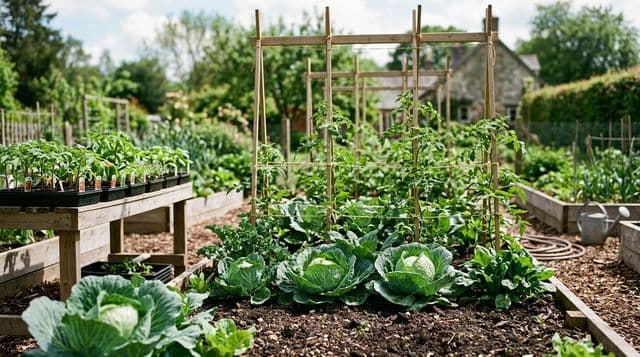
Month-by-month Zone 6 planting schedule covering indoor seed starting dates, spring direct sowing, summer maintenance, and fall vegetable succession crops.
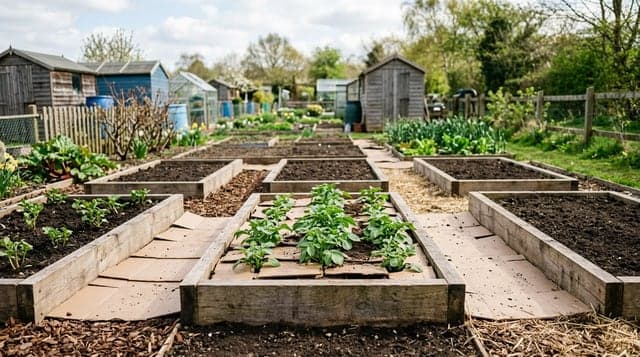
Learn how to start an allotment from scratch, tackle overgrown weeds, clear soil without rototilling, and plant high-yield first-year vegetable crops.
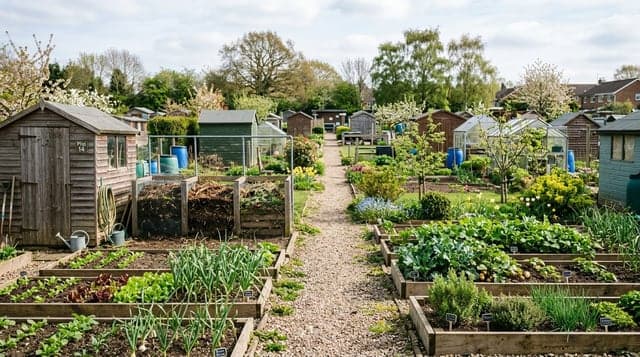
Secure a UK allotment plot faster: England & Wales 1908 Act Section 23 (6-elector duty), Scotland 2015 Act Part 9 (1:2 waitlist cap), GOV.UK & NAS site finders, overgrown hard-to-let queue jumps, £…
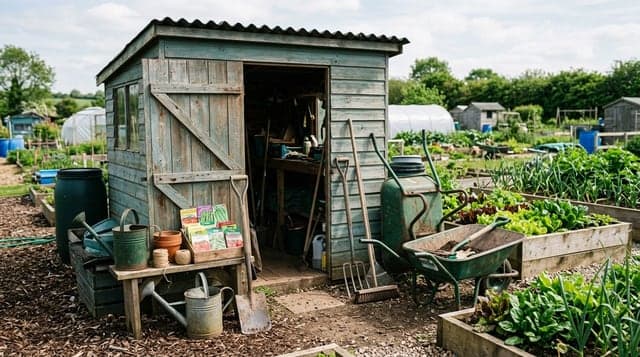
Real 2025/26 UK council allotment rents (£15–£200+/yr), concessions, hidden clearance fees, 3 Year-1 budget tiers, Year 2+ running costs, and honest crop ROI.
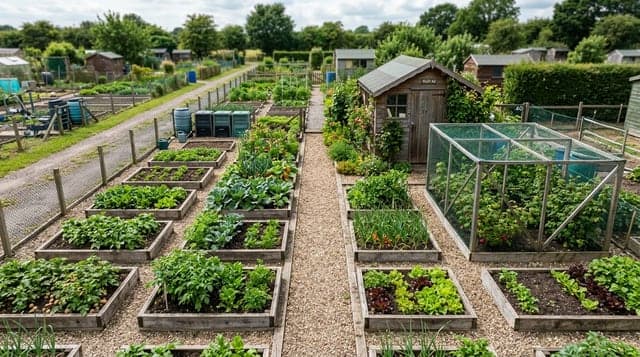
Plan your allotment layout with practical 10-rod plot designs, crop rotation zones, path dimensions, and perennial fruit cage placement ideas.
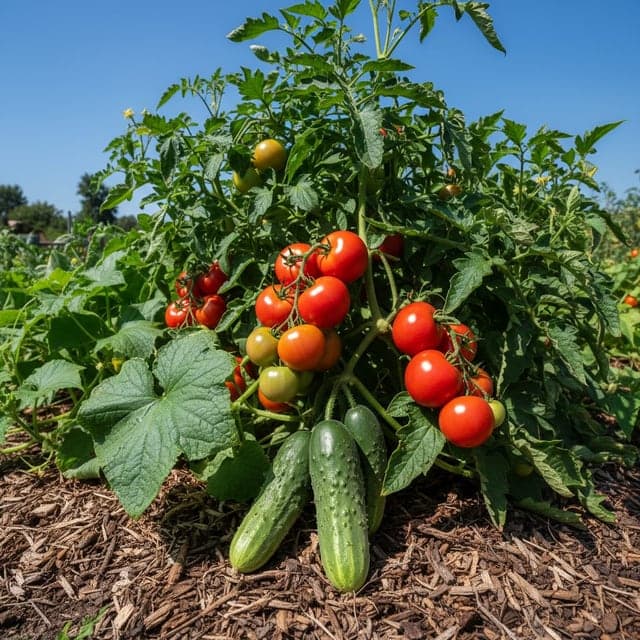
Improve tomato and cucurbit flavor in USDA Zone 7. Learn how soil health, calcium, and balanced watering affect fruit quality, Brix levels, and blossom end rot.
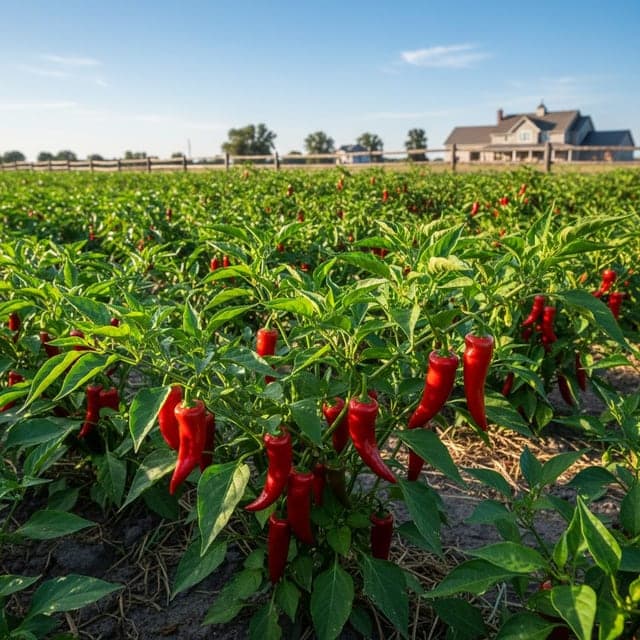
Control chili pepper heat in US gardens using NMSU Chile Pepper Institute physiology: placental pith vs. super-hot vesicles, pod-fill deficit watering, >90°F pollination failure, blossom-end rot, a…
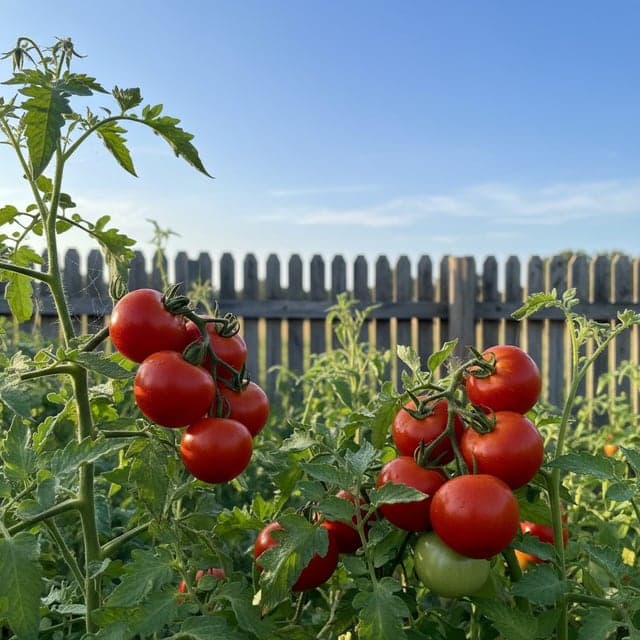
Concentrate tomato flavor in your USDA Zone 6 garden. Learn watering schedules, pruning methods, and variety selection for better taste.
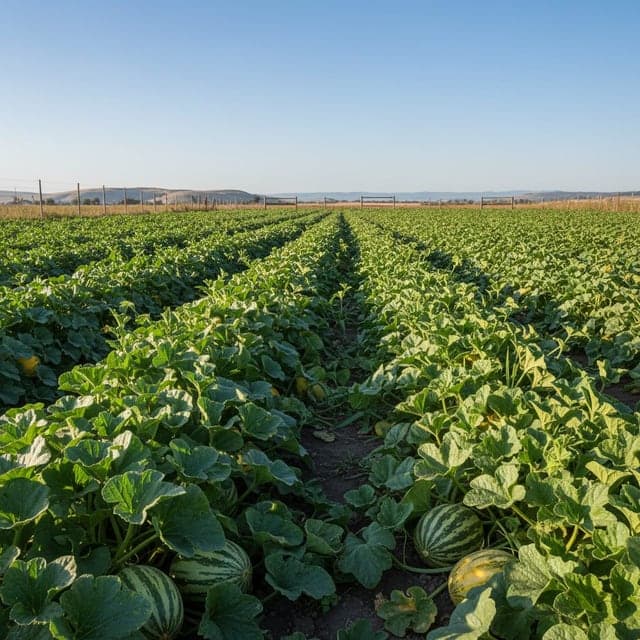
Master melon ripeness for watermelons, cantaloupes, and honeydews. Learn visual, tactile, and olfactory cues to harvest perfectly ripe fruit every time.
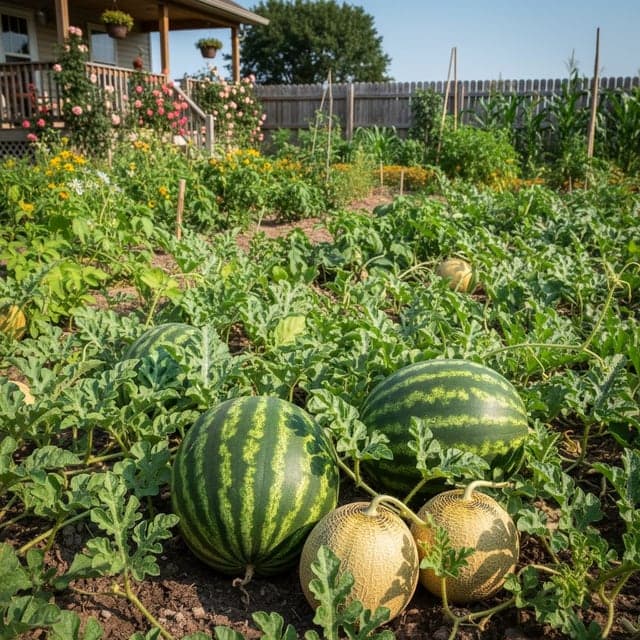
Unlock peak sweetness in watermelon and cantaloupe. Learn critical water timing, nutrient management, and ripeness cues for US growers to achieve high Brix levels.
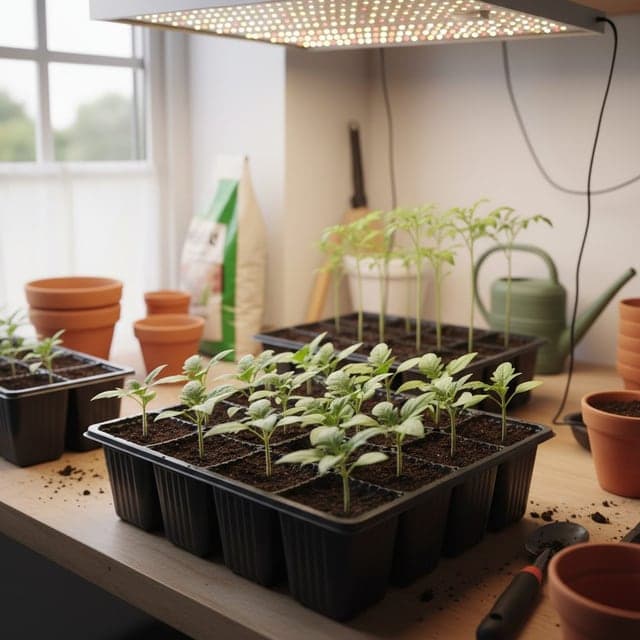
Learn to prevent leggy tomato seedlings in USDA Zone 6. Discover optimal light, temperature, and care to grow strong, healthy starts for a bountiful harvest.
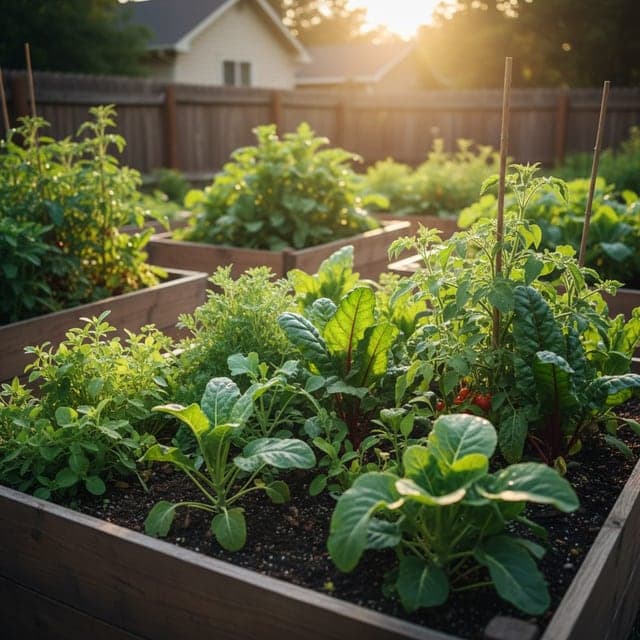
Master organic seedling pest control. Prevent & treat white mold & fungus gnats on tomato seedlings with proven strategies: proper watering, air circulation, and sterile media. Boost survival.
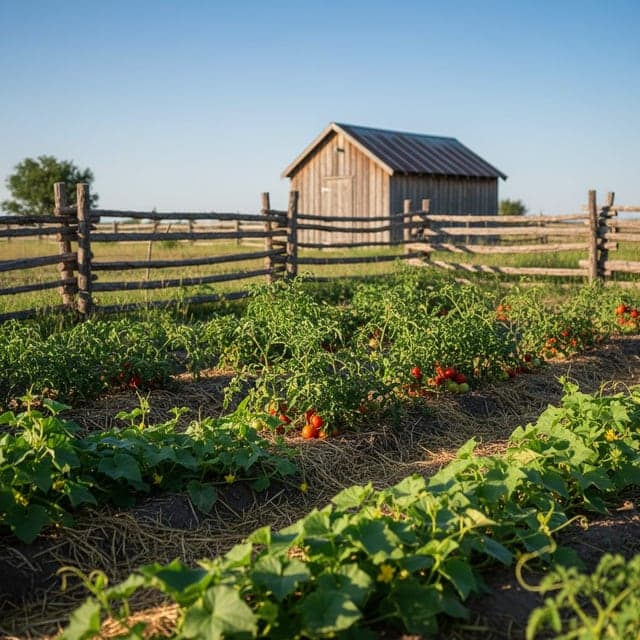
Learn essential techniques to prevent blossom end rot and common plant diseases in tomatoes and cucurbits. Master sterile mixes, airflow, and bottom-watering for healthier plants.
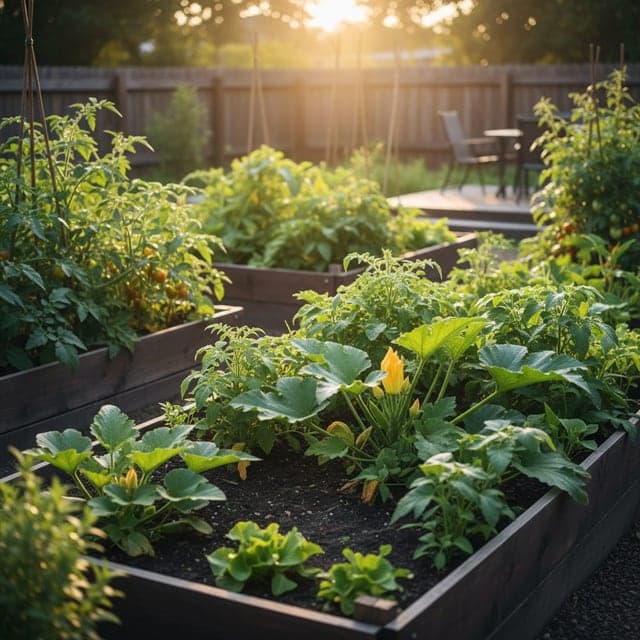
Identify and prevent damping-off in seedlings. Learn symptoms, environmental causes (moisture, temp, pathogens), and strategies to prevent damping-off in your USDA zone 6 garden.