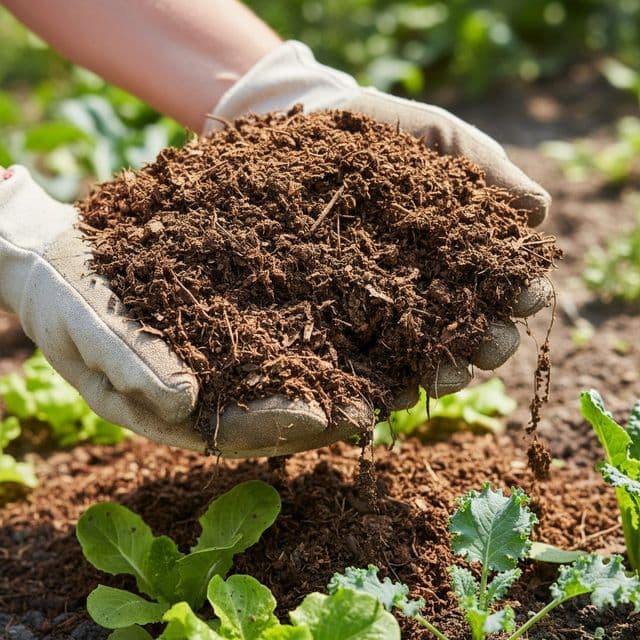
Leaf Mold & Mulch: Turn Fallen Leaves into Black Gold
Learn how to make leaf mold, a premium soil conditioner, from fallen leaves. Discover its benefits for water retention, soil structure, and fertility. Easy DIY guide.
Topic
Grow more of your own food with practical, beginner-friendly gardening guides. From starting seeds and planning beds to companion planting, square-foot layouts, herbs, mushrooms, greenhouses, and soilless systems, these articles walk you through every step—what to plant, when to plant it, and how to keep crops healthy from sowing to harvest.
763 articles in this topic on agripure. — page 31 of 32
Learn how to make leaf mold, a premium soil conditioner, from fallen leaves. Discover its benefits for water retention, soil structure, and fertility. Easy DIY guide.
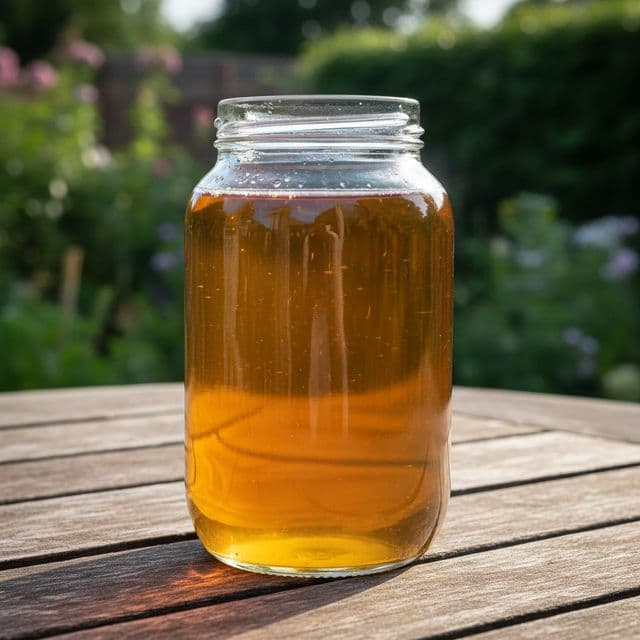
Learn to make homemade compost tea and liquid fertilizers for free. Boost plant growth with microbial inoculants, understand brewing methods, and ensure food safety.
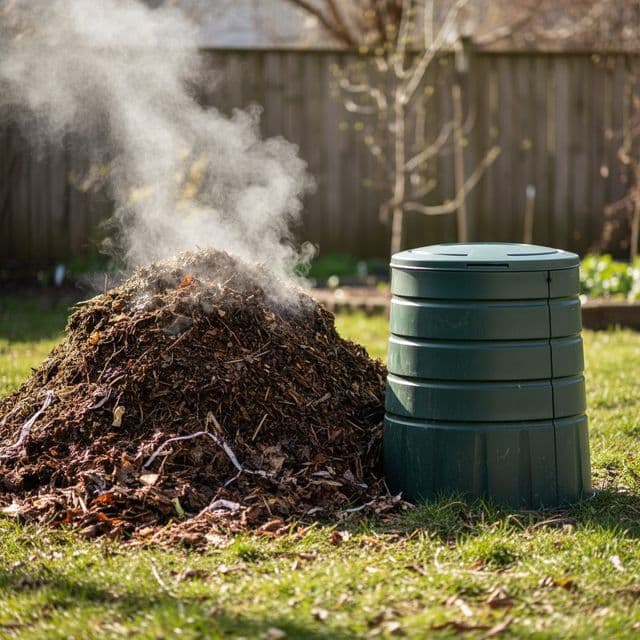
Learn the differences between hot and cold composting to build the right backyard pile for your US climate. Optimize C:N ratio, pile size, and turning for efficient decomposition.
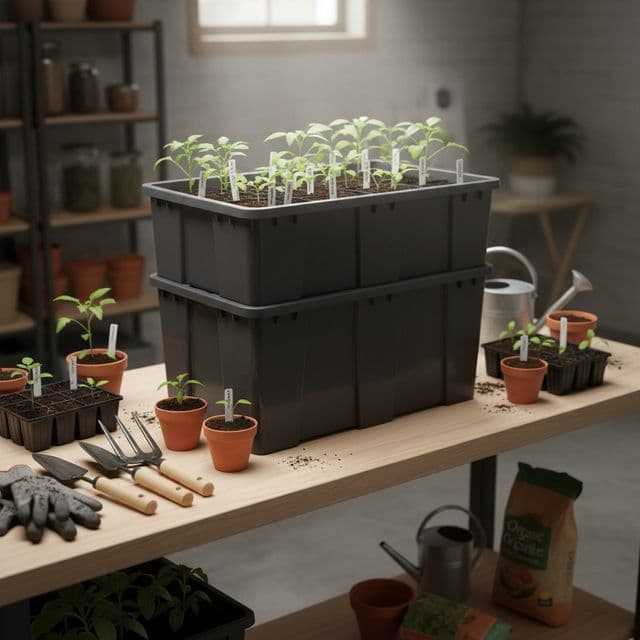
Learn to set up and maintain a worm bin for vermicomposting at home. This guide covers worm species, bin sizing, feeding, and harvesting nutrient-rich castings for your garden.
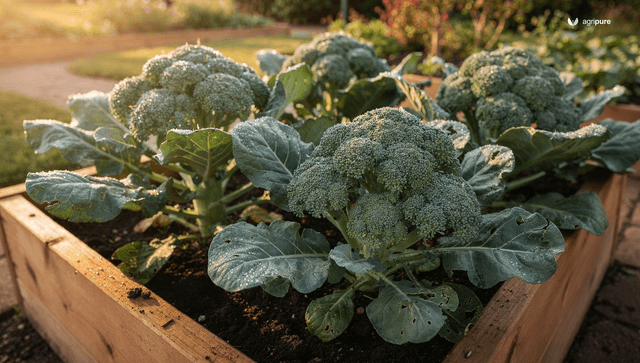
How to grow broccoli from transplant to harvest — cool-season timing, spacing, side-shoot management, cabbage worm control, and container growing tips.
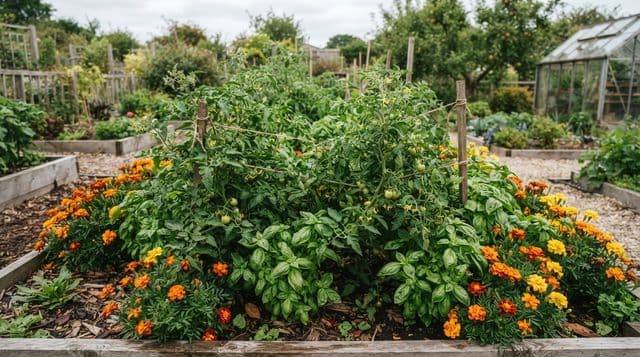
An evidence-based companion planting guide: which pairings work, a good- and bad-neighbor chart for tomatoes, peppers, cucumbers, strawberries, herbs, and more.
Start a herb garden the easy way: where to plant, the 10 easiest herbs with sun, water, and hardiness zones, plus indoor growing and harvesting tips.
A beginner’s seed starting guide: the right soilless mix, when to start each crop by counting back from your last frost, grow lights, bottom heat, and transplanting.
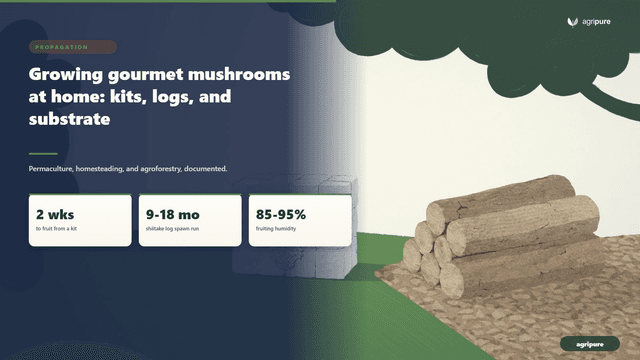
Growing mushrooms at home, ranked by difficulty: oyster kits, shiitake logs, wine-cap beds, and sterile grain spawn — with fruiting temps, yields, and substrate.
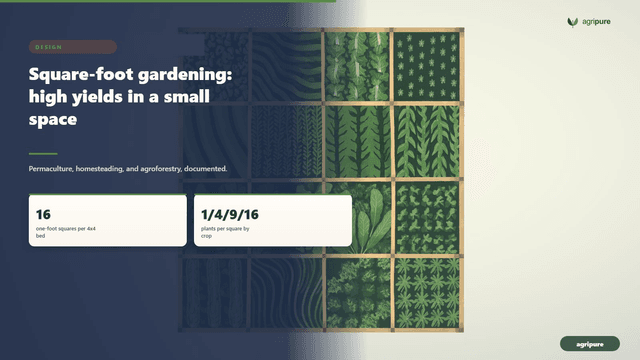
Square-foot gardening explained: build a 4×4 bed, mix Mel’s Mix, and use the plants-per-square chart (1 tomato, 4 lettuce, 9 beets, 16 carrots) for high small-space yields.
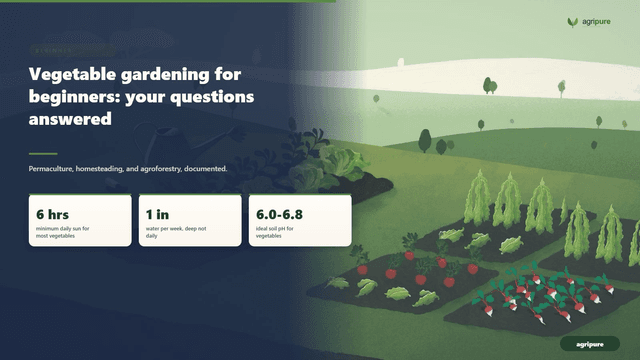
A beginner’s vegetable gardening FAQ: how much sun, easiest crops, when to plant by frost date, how often to water, spacing, troubleshooting, and regrowing from scraps.
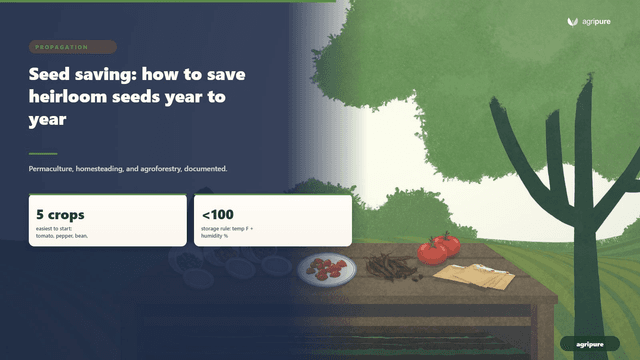
A practitioner’s seed saving guide: why open-pollinated seed comes true and F1 hybrids do not, the easiest crops to start with, managing cross-pollination, harvesting, drying, storage, and a germin…
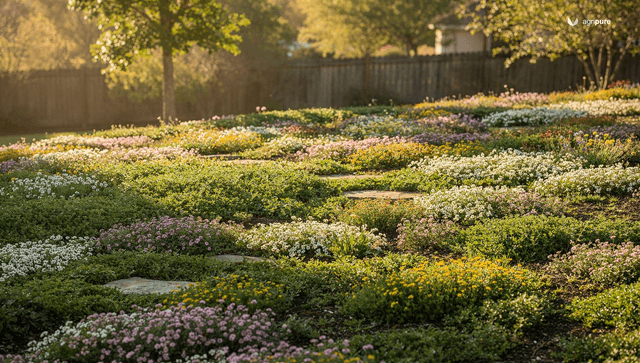
Best ground cover plants by use — sunny slopes, dry shade, between pavers, and lawn alternatives — with USDA zones, spacing, and which spreaders to avoid.
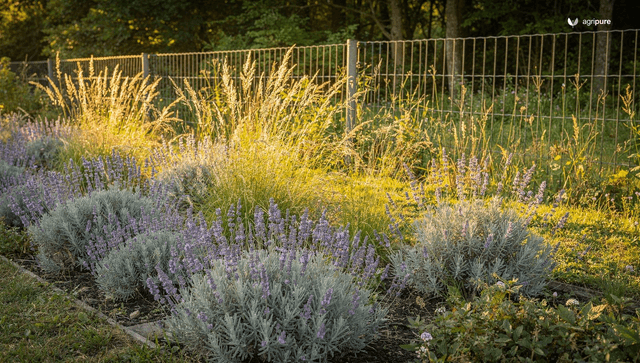
A deer resistant plants guide by perennials, shrubs, herbs, and bulbs — the aromatic, fuzzy, and toxic traits deer avoid, plus the fence they can’t beat.
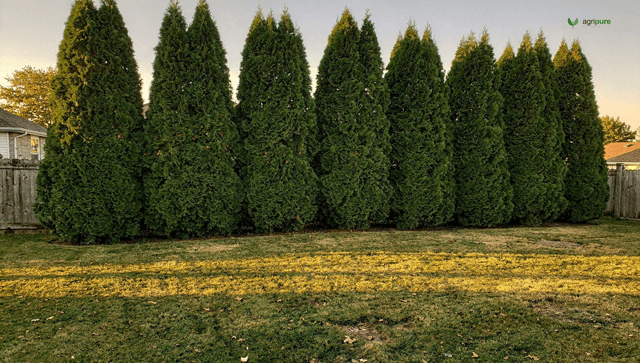
Fast growing privacy trees buy a screen in 3 years, but the quickest growers are often weak-wooded and short-lived. Growth rates, spacing math, and what to avoid.
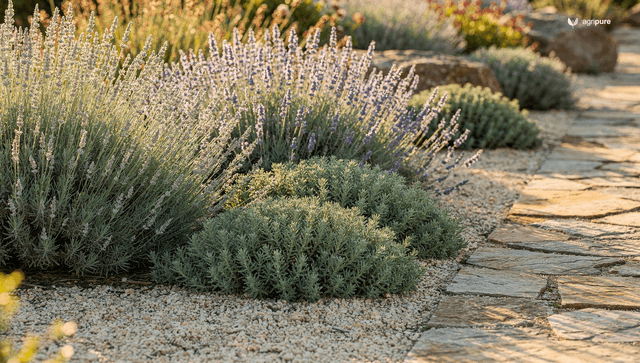
Drought tolerant plants still need water their first year. How to pick by USDA zone, water deeply, mulch 3 inches, and group plants by water need.
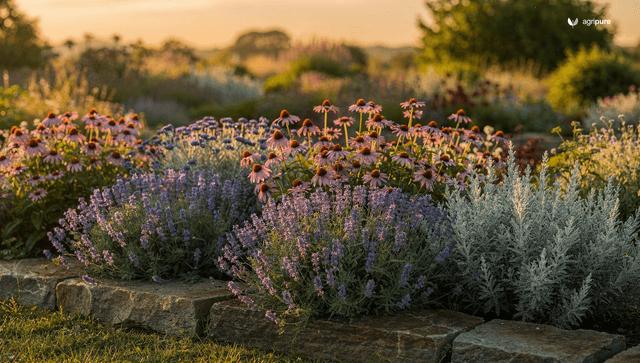
The truly carefree perennials grouped by sun and USDA zone — what low maintenance really means, plus coneflower, sedum, Russian sage, and a succession-of-bloom plan.
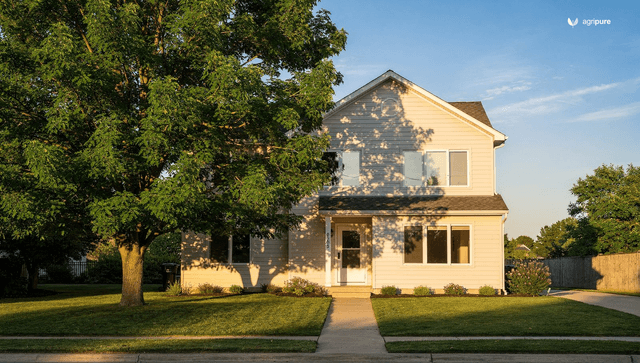
The fastest shade trees grow 5 to 8 feet a year but split and clog pipes. How to pick speed that lasts, place canopy for cooling, and skip weak, invasive picks.
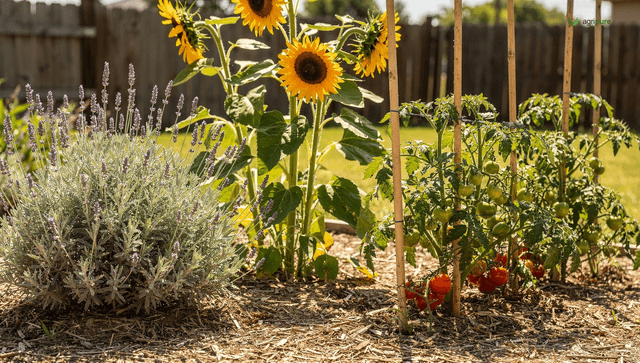
The best plants for full sun by type and USDA zone — perennials, annuals, shrubs, edibles — plus the watering, mulch, and hardening-off habits that prevent scorch.
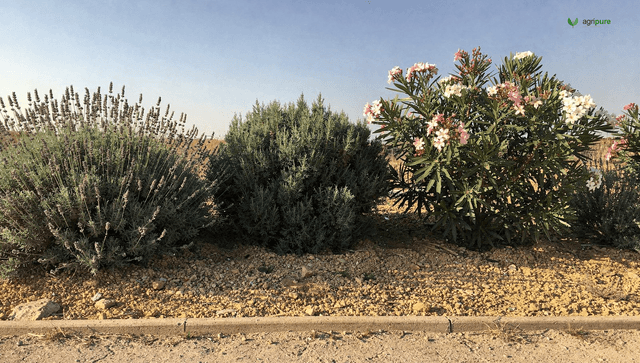
Flowering and evergreen drought tolerant shrubs by USDA zone, plus the establishment-year watering that decides whether they live and screen.
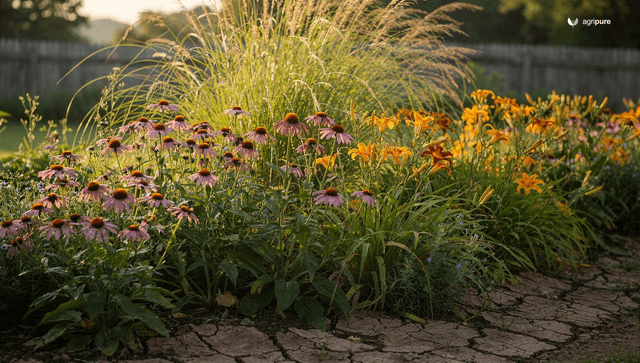
Heavy clay holds more nutrients than any other soil. The right perennials, shrubs, and trees thrive in it once you amend with organic matter, never sand.
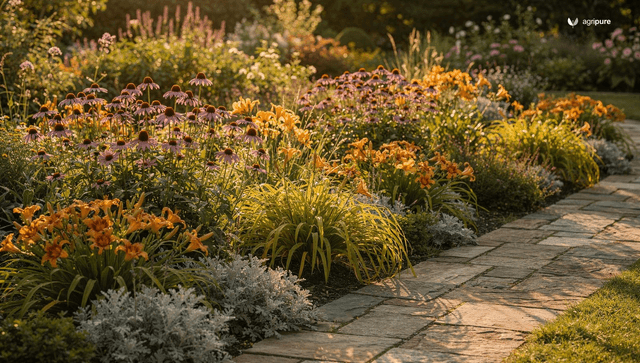
The best perennials by purpose: coneflower for pollinators (zones 3-8), daylily for long color, hosta for shade, plus how to divide every 3-5 years for free plants.
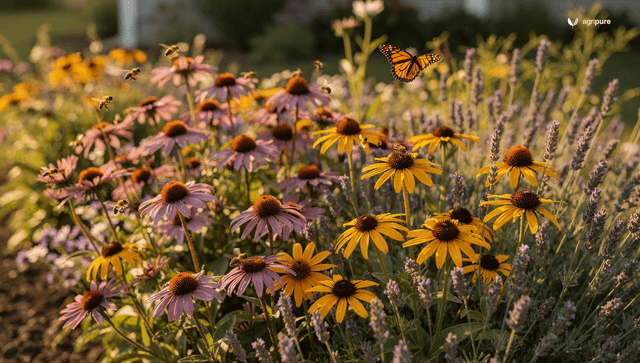
Choose plants for pollinators by bloom season for continuous forage. Native-first picks, host vs nectar plants, and how to use neem at dusk without harming bees.
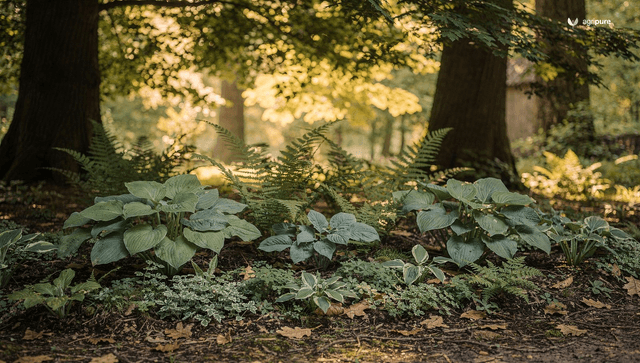
Full shade is under 2 hours of sun a day. The foliage perennials, ferns, groundcovers, and shrubs that survive it, and why dry shade needs a different list.