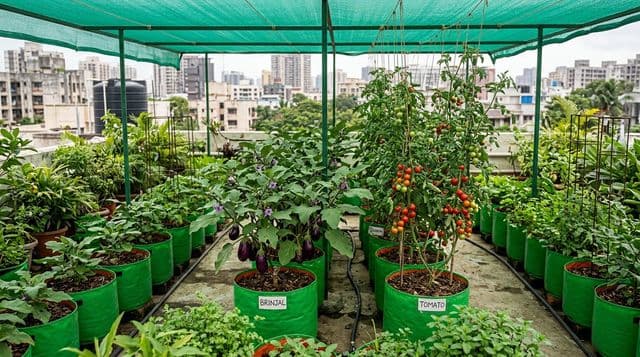
Terrace garden design in India: layout and setup ideas
Plan a high-yielding terrace garden in India with practical ideas for waterproofing, weight distribution, shade nets, windbreaks, and vegetable grow bag layouts.
Topic
Permaculture design focuses on reading a site before a single plant goes in — mapping sun angles, water flow, wind corridors, and soil variation. Articles walk through sector analysis, zone mapping, and the design process that turns observations into a planting plan grounded in how the land actually behaves.
105 articles in this topic on agripure. — page 4 of 5
Plan a high-yielding terrace garden in India with practical ideas for waterproofing, weight distribution, shade nets, windbreaks, and vegetable grow bag layouts.
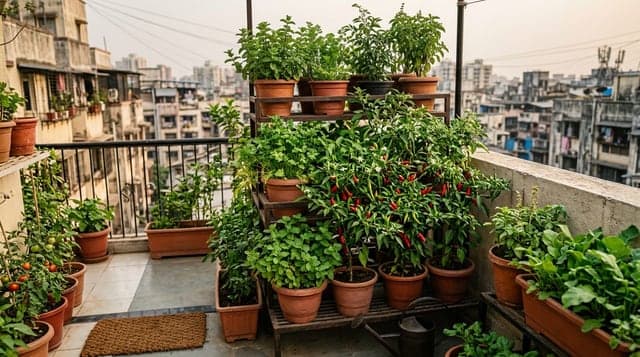
Create a productive small home terrace garden in India with space-saving vertical trellises, tiered stands, lightweight coco peat mixes, and high-yield crops.
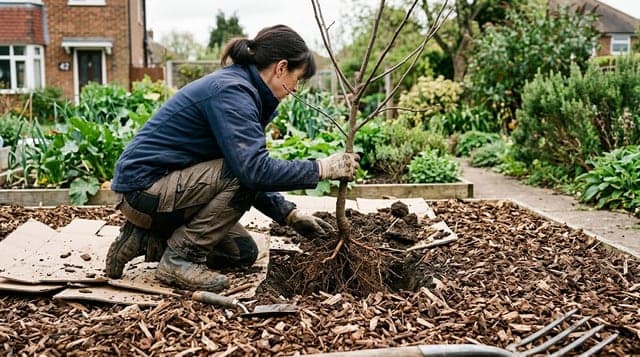
How to start a food forest from scratch, convert turf grass, design planting guilds, manage first-year growth, and budget setup costs.
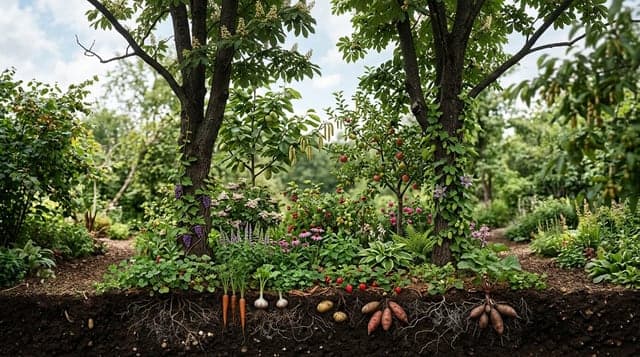
Engineer a multi-strata food forest across temperate, subtropical, and tropical climates: Robert Hart's 7 tiers plus mycelial and wetland extensions, Years 1–12 PAR light progression, rootstock spa…
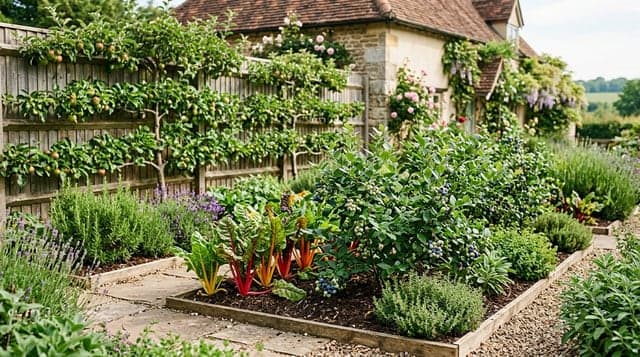
Learn how to design an edible landscape that blends fruit trees, berry hedges, culinary herbs, and vegetables into ornamental home gardens.
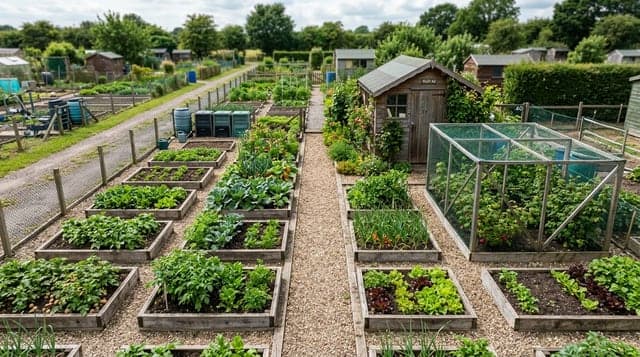
Plan your allotment layout with practical 10-rod plot designs, crop rotation zones, path dimensions, and perennial fruit cage placement ideas.
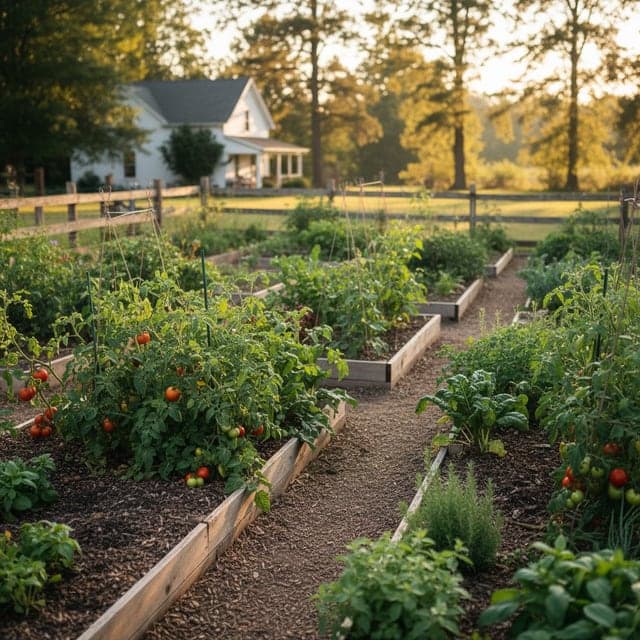
Build flowering insectary strips using USDA NRCS CPS 422 and Xerces spacing (<=100–150 ft), Apr–Oct shallow umbels and discs for hoverflies, Orius, lacewings, and Braconid wasps, neonicotinoid nurs…
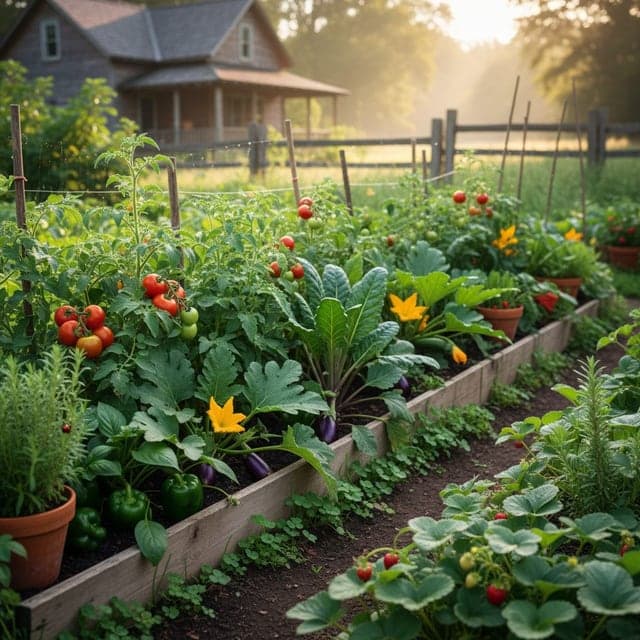
Learn to identify beneficial insect larvae like ladybugs, lacewings, and hoverflies. Protect these natural predators to reduce garden pests, save crops, and minimize pesticide use in your homestead.
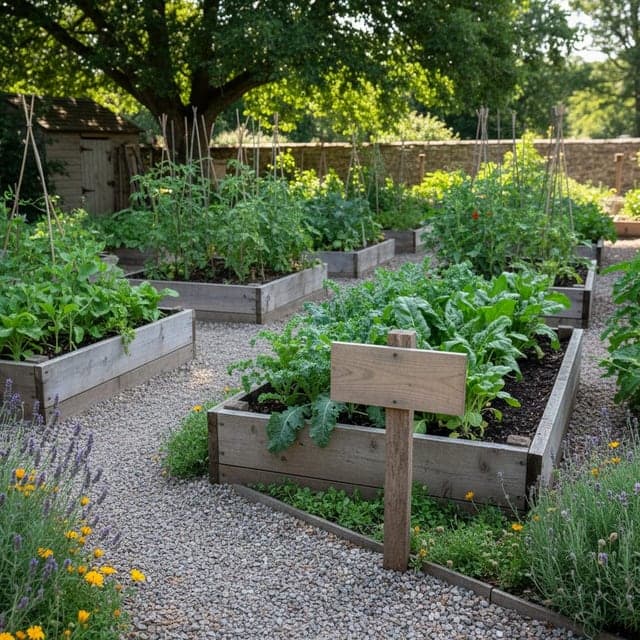
Master organic pest control with effective IPM record-keeping. Learn how tracking garden data improves decision-making, reduces pest damage by 15-25%, and ensures a healthier, more productive garde…
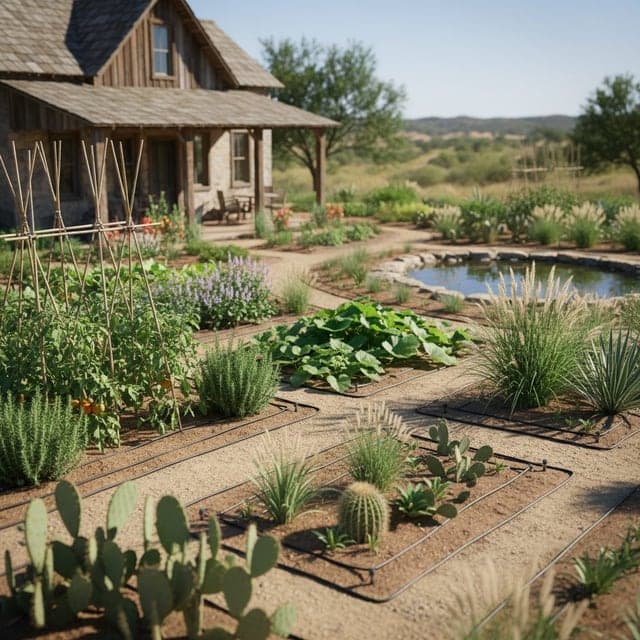
Discover how hydrozoning water savings can reduce landscape water use by 30-50% in US gardens. Group plants by water needs to boost resilience against heat & drought.
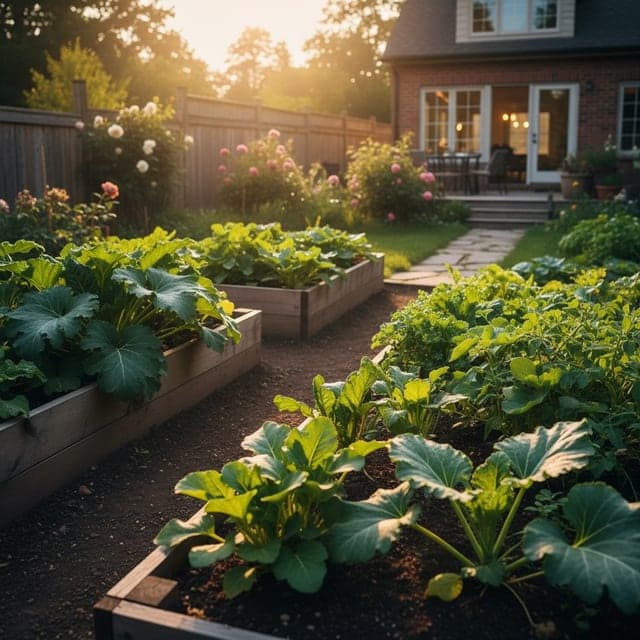
Learn how to implement effective rain garden design, ollas, and passive irrigation earthworks to reduce stormwater runoff, conserve water, and create beautiful, water-wise landscapes in your USDA z…
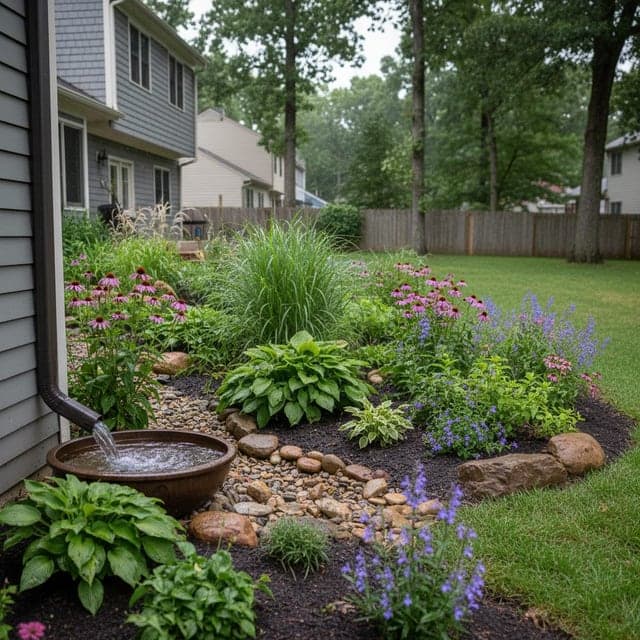
Engineer US residential and acreage stormwater runoff systems with an exact decision matrix separating rain gardens, dry creek beds, and vegetated bioswales, complete 0.623 sizing math, Call 811 an…
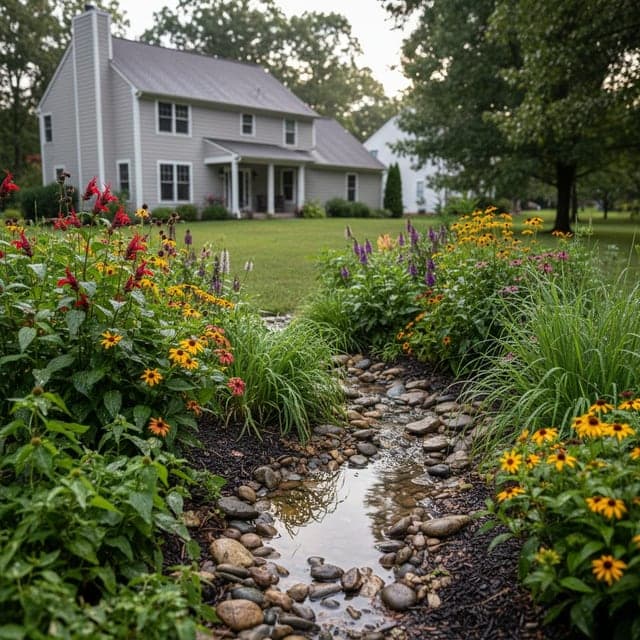
Learn effective rain garden design principles to reduce stormwater runoff by up to 30%. Learn basin depth, soil composition, and sizing guidelines for your property.
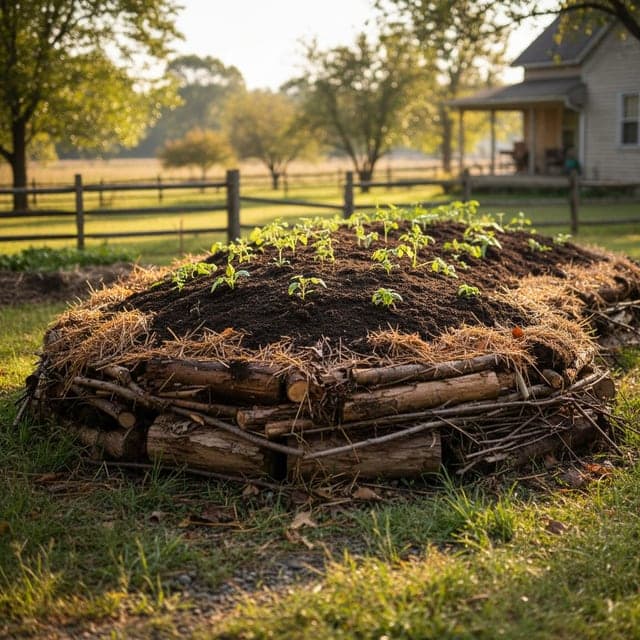
Combat first-year hugel bed nitrogen tie-up for thriving crops. Learn strategies like wood pre-treatment, high-nitrogen amendments, and cover crops to ensure robust plant growth.
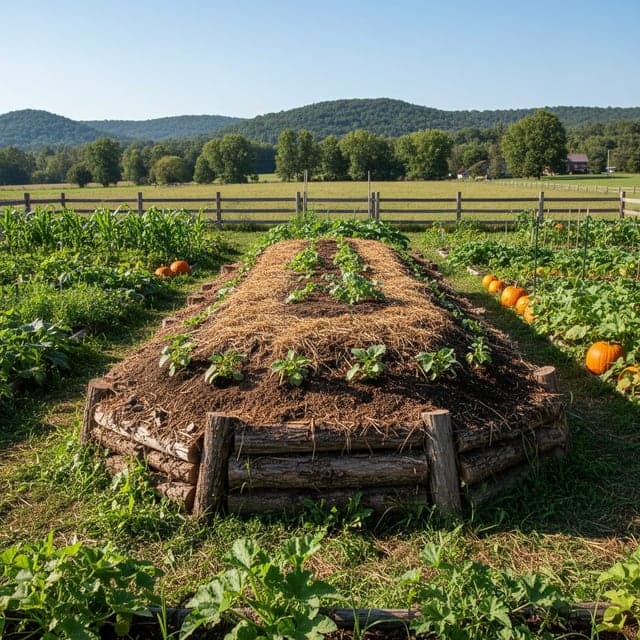
Optimize your hugelkultur beds for maximum water retention in USDA zones 5-8. Learn which woods to use and avoid for long-term success and reduced irrigation needs.
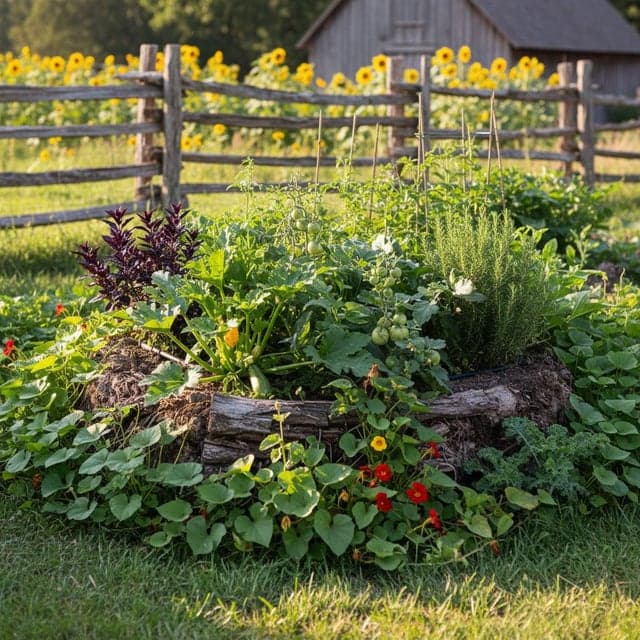
Discover how hugelkultur mounds reduce garden irrigation by up to 50%, build soil fertility for decades, and extend growing seasons. Learn to build water-efficient, self-sustaining garden beds.
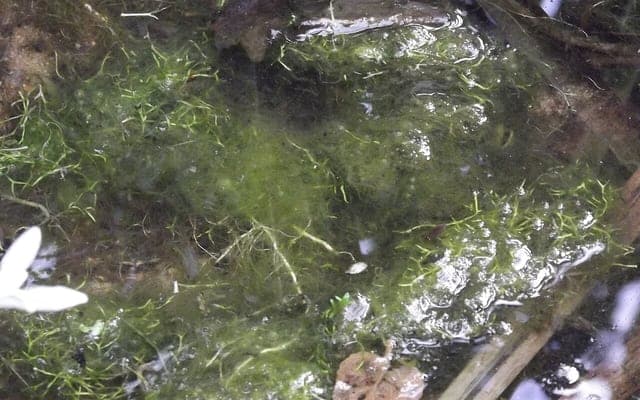
Discover natural algae control methods for ponds and water features in US climates. Learn how barley straw, shade plants, and beneficial bacteria reduce algae without chemicals.
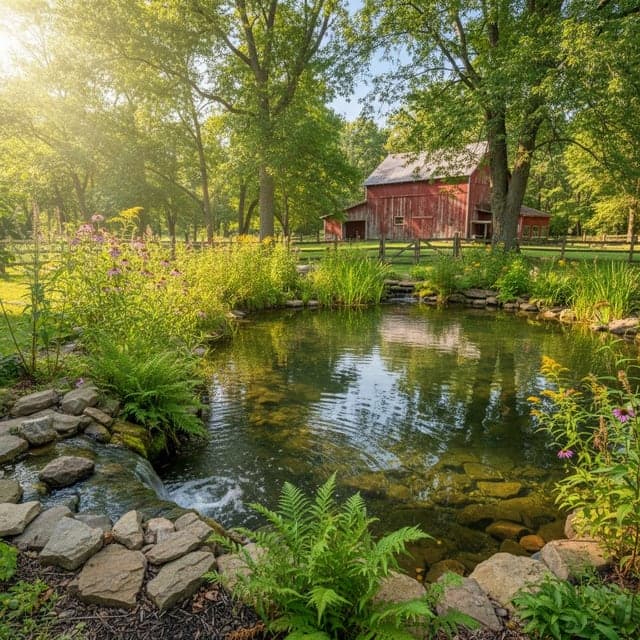
Learn how to manage green pond algae in US backyard ponds. Balance nutrients, sunlight, and use smart design & water harvesting for clear water in USDA Zone 6. Prevent blooms naturally.
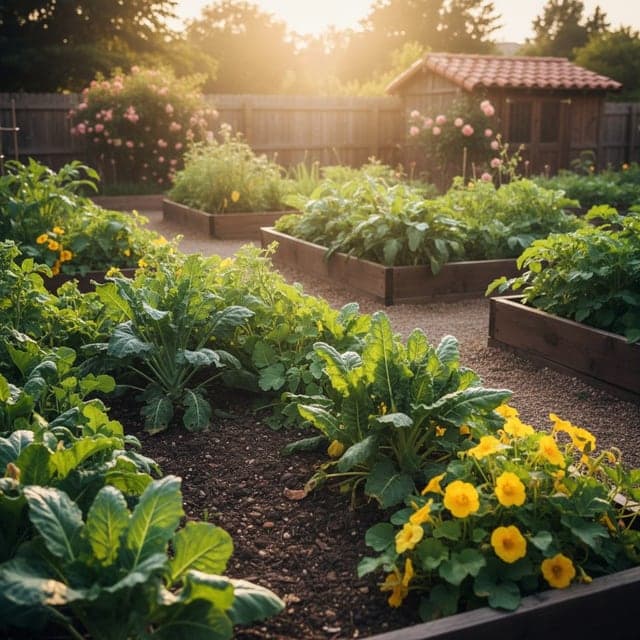
How native pond plants, combined with water harvesting, increase wildlife biodiversity by 25-50% in US ponds, with plant selection and water management tips across regions.
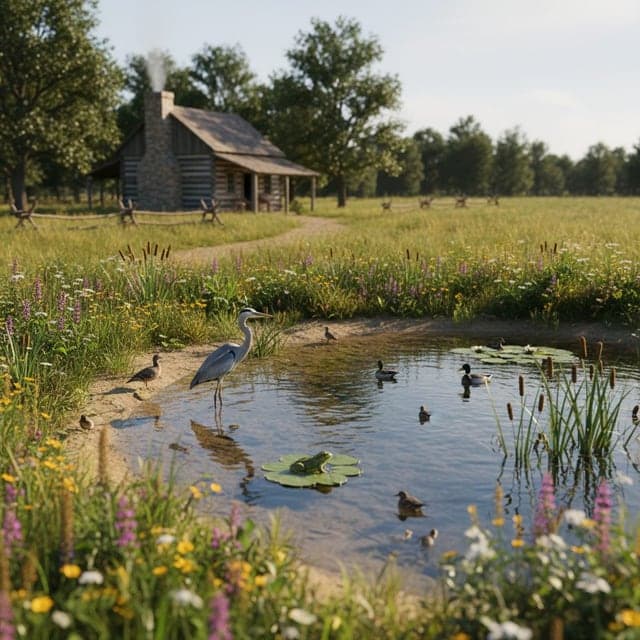
Design wildlife water features with shelves & beach edges to attract diverse species. Learn how rainwater harvesting, ollas, and swales create sustainable, water-wise habitats for your homestead.
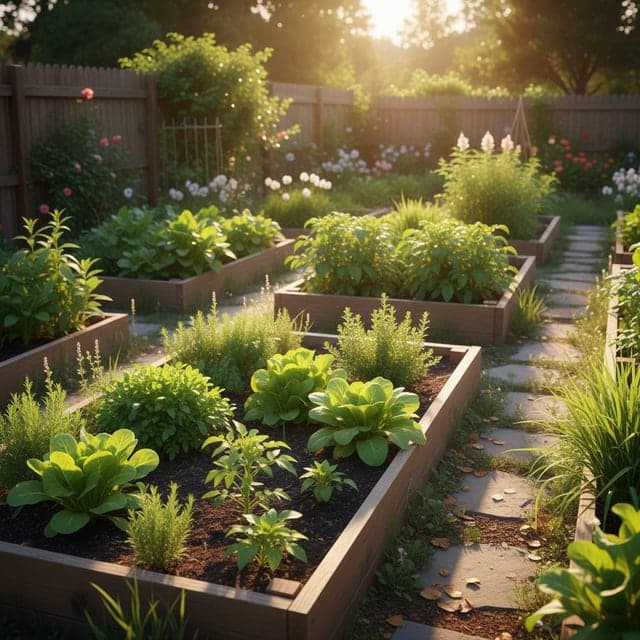
Learn how simple, legal laundry-to-landscape greywater systems can save US gardens up to 15,000 gallons annually, reduce water bills, and nourish plants.
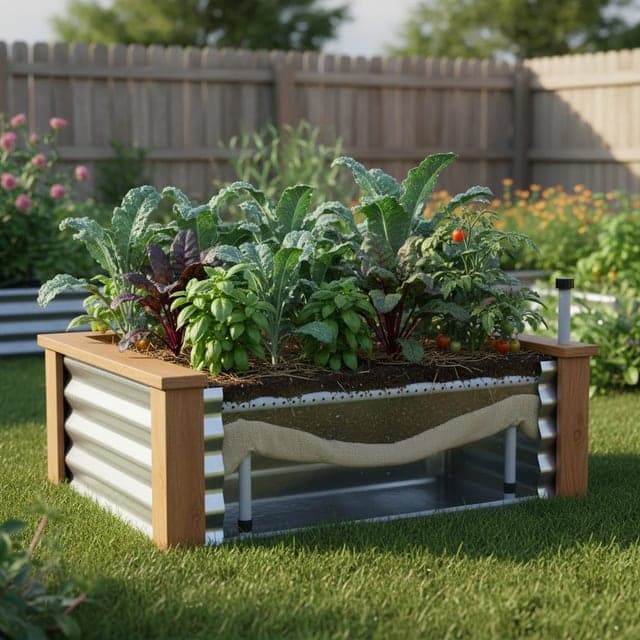
How wicking beds reduce water consumption by 50% or more in arid USDA zones 8-10, covering system components, reservoir construction, and soil layering.
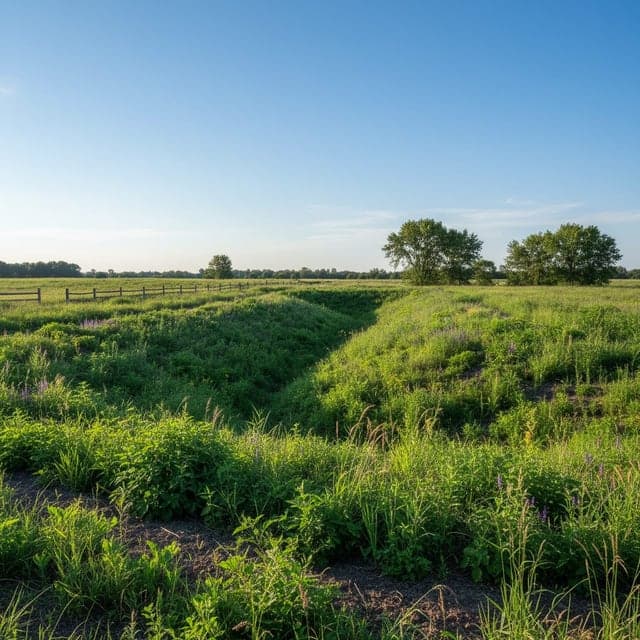
Design and maintain swales to prevent mosquito breeding with proper slopes, spillways, soil amendments, and plant selections.
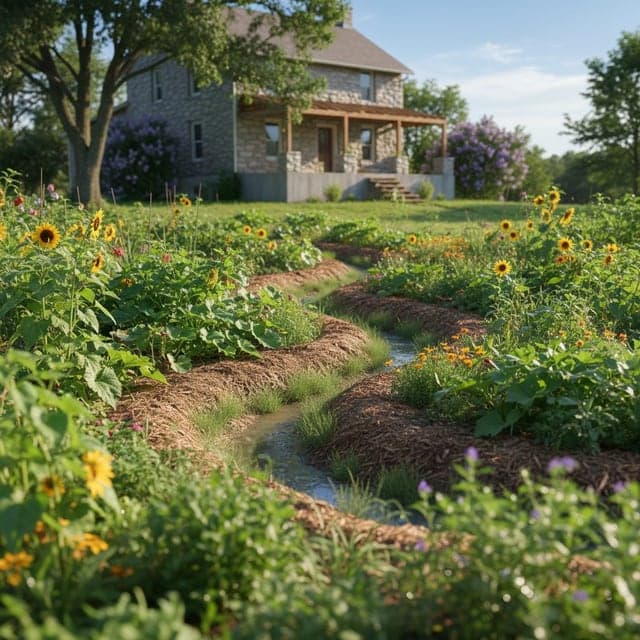
Plan a backyard swale without flooding your basement, hitting buried utilities, or triggering fines: Call 811 locates, 10–25+ ft foundation clearances, 25–50 ft septic and well buffers, >15–20% lan…