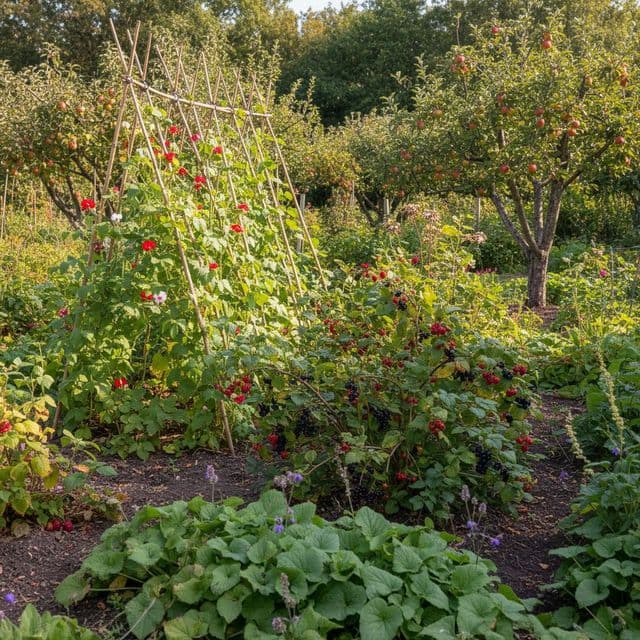
How to Create a Forest Garden: Step-by-Step UK Design Guide
Learn how to create a productive temperate forest garden in the UK: site assessment, soil preparation, seven-layer planting, and perennial maintenance.
Topic
Permaculture design focuses on reading a site before a single plant goes in — mapping sun angles, water flow, wind corridors, and soil variation. Articles walk through sector analysis, zone mapping, and the design process that turns observations into a planting plan grounded in how the land actually behaves.
75 articles in this topic on agripure. — page 2 of 4
Learn how to create a productive temperate forest garden in the UK: site assessment, soil preparation, seven-layer planting, and perennial maintenance.
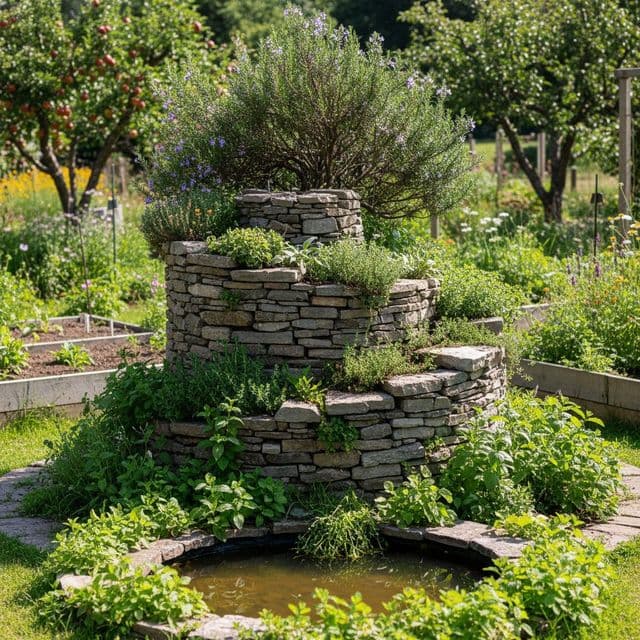
Learn how to design and build a permaculture herb spiral: dimensions, stone wall construction, vertical drainage gradients, and planting by microclimate.
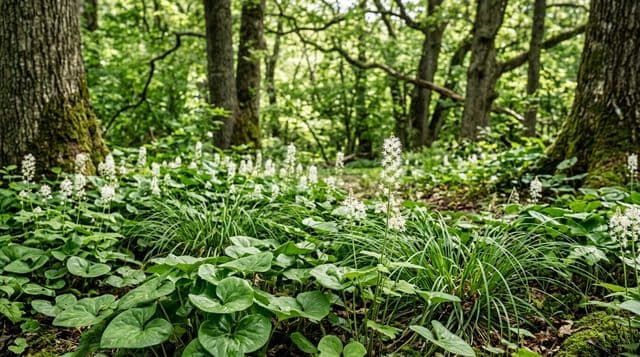
Discover the best ground cover for shade. Learn which resilient plants thrive under mature trees, in dry shade, and beneath acidic pines with minimal care.
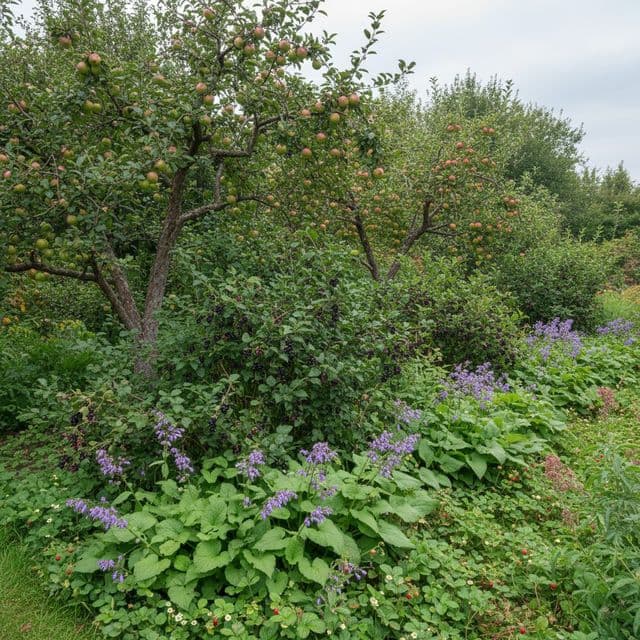
Select the best edible forest garden plants for UK climates across seven canopy layers, from fruit trees to perennial vegetables and dynamic accumulators.
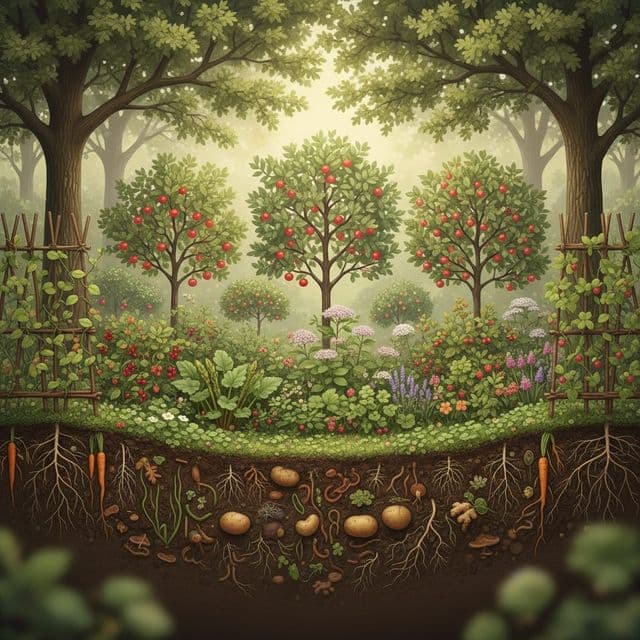
Learn how to design the seven forest garden layers, stacking perennial fruit, nuts, berries, and herbs into a self-sustaining temperate ecosystem.
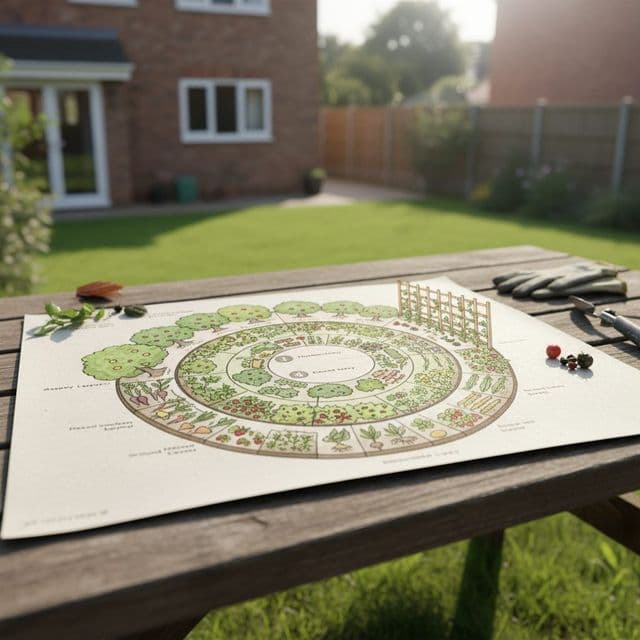
Design a productive seven-layer forest garden for small UK back gardens: spatial layout, plant guild pairings, dwarfing rootstocks, and light management.
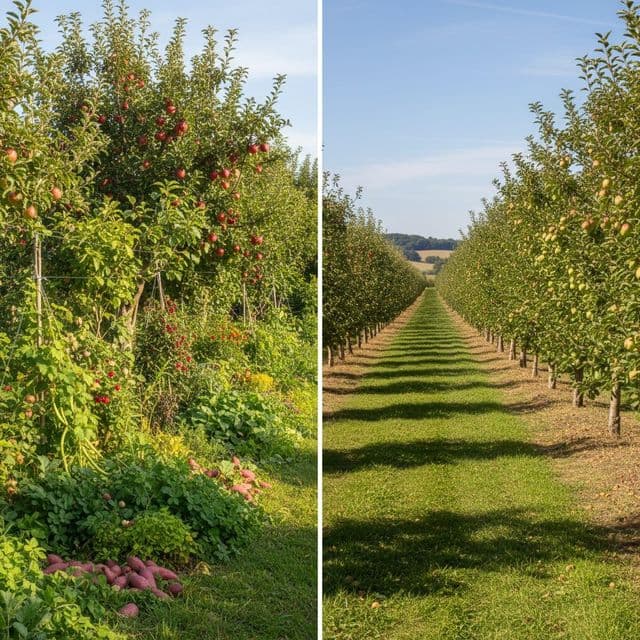
A comprehensive comparison of a food forest vs orchard, evaluating 7-layer polycultures against monoculture rows, maintenance, yields, and harvest methods.
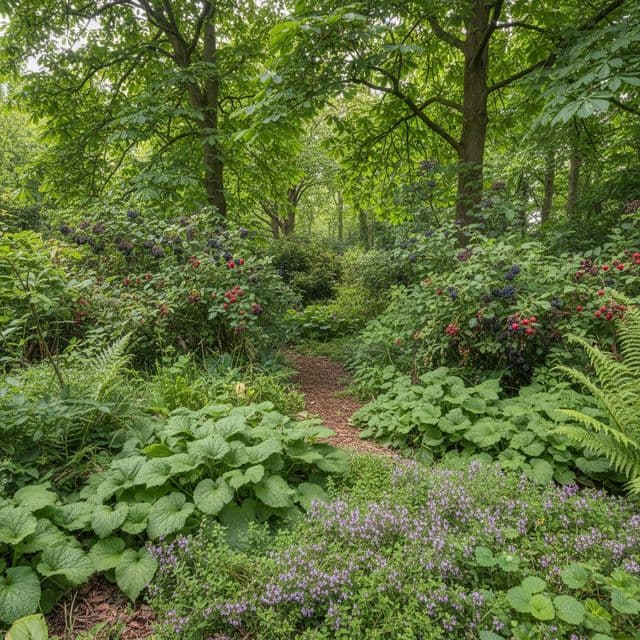
Discover the best food forest plants organized across all seven vertical canopy layers, from overstory nut trees to edible shrubs, ground covers, and roots.
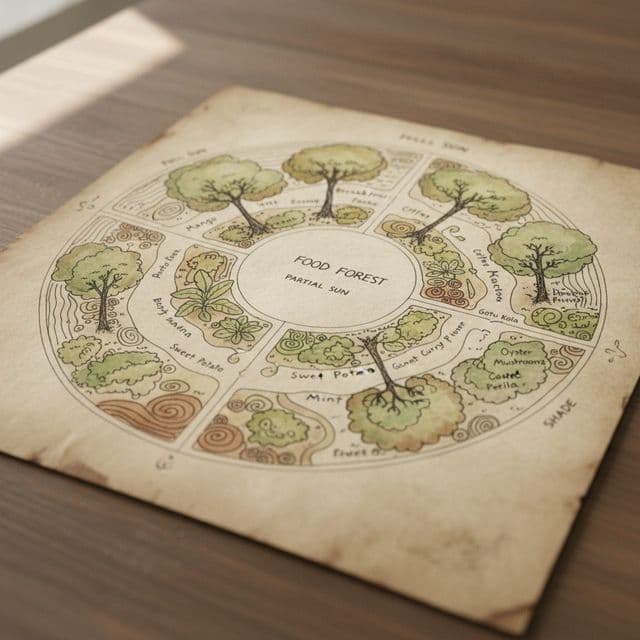
Learn practical food forest design principles, from mature tree spacing and seven-layer layout planning to succession stages and mapping software tools.
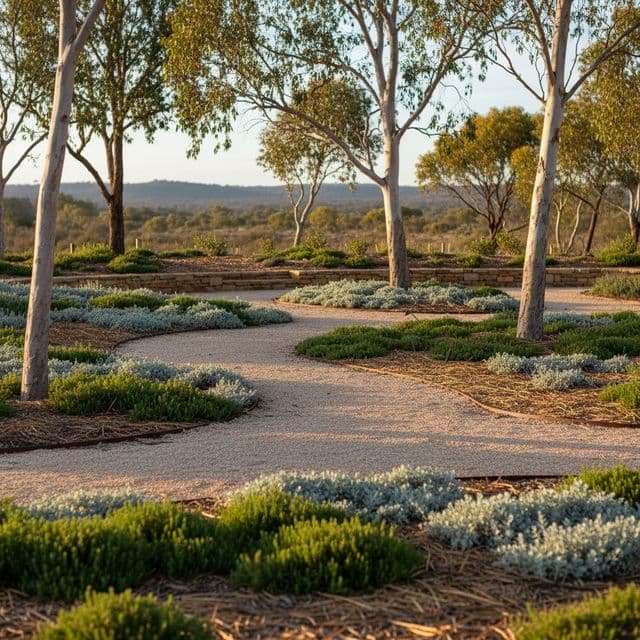
Design a bushfire-wise garden in Australia using slower-to-ignite plants, defendable space principles, and state fire authority landscape guidance.

Discover the best evergreen ground cover plants for year-round color. Explore cold-hardy, drought-tolerant, sun and shade species for low-maintenance beauty.
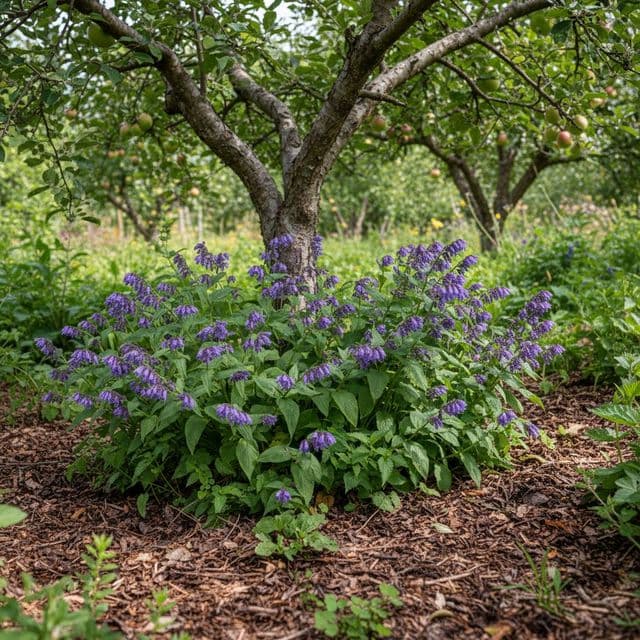
Explore the science of dynamic accumulator plants in permaculture: mineral uptake evidence, deep-taproot mining, comfrey facts, and mulch management.
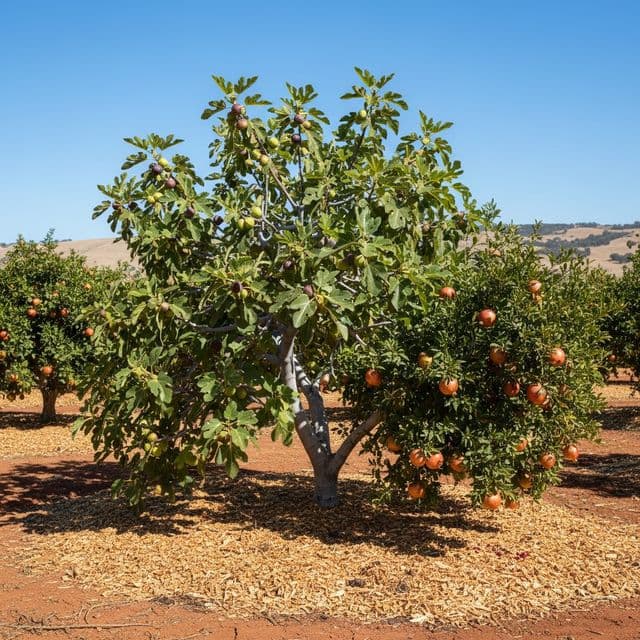
Discover the most resilient drought tolerant fruit trees for Australian climates, including figs, pomegranates, olives, loquats, and native bush foods.
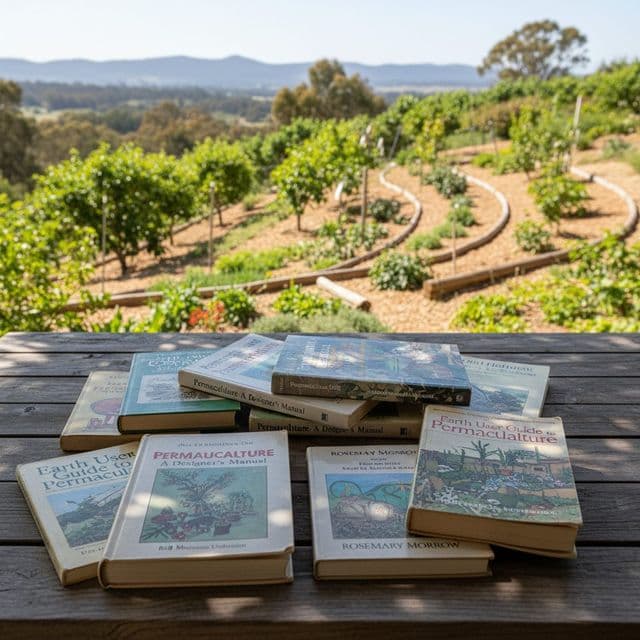
Discover the best permaculture books for Australian climates, from Bill Mollison's design manual to modern regenerative food forest and water guides.
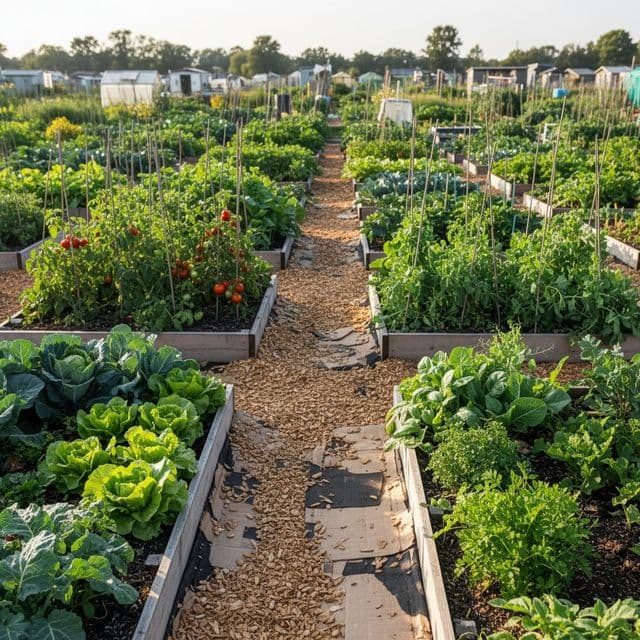
Discover the best low-maintenance allotment path ideas, from arborist wood chips over cardboard to grass tracks and permeable gravel surfaces.
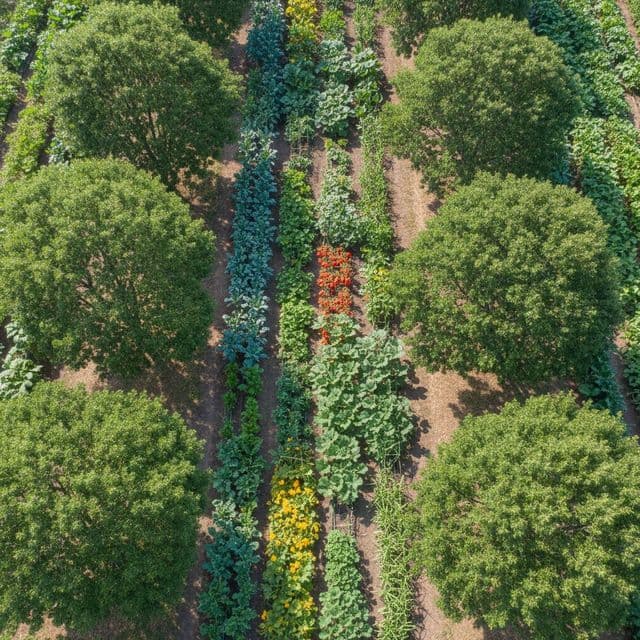
Discover alley cropping agroforestry systems. Learn tree row spacing, root competition management, species selection, and microclimate benefits.
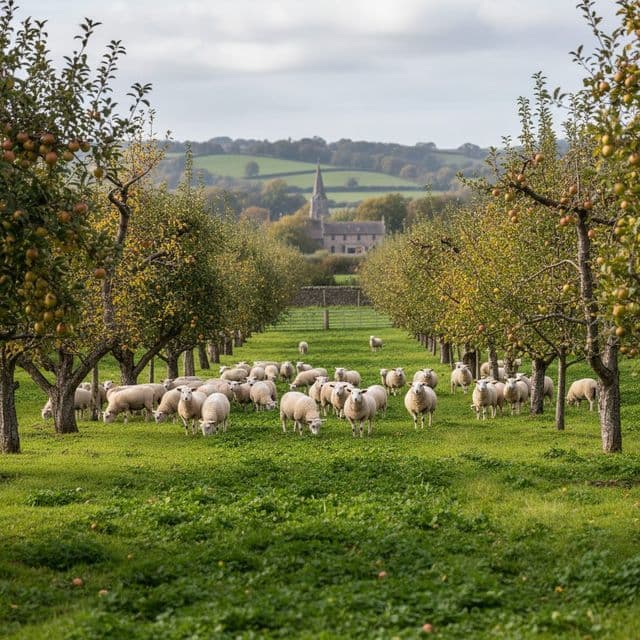
How UK smallholders and farmers use silvopasture and silvoarable agroforestry systems to improve soil health, livestock welfare, and farm income.
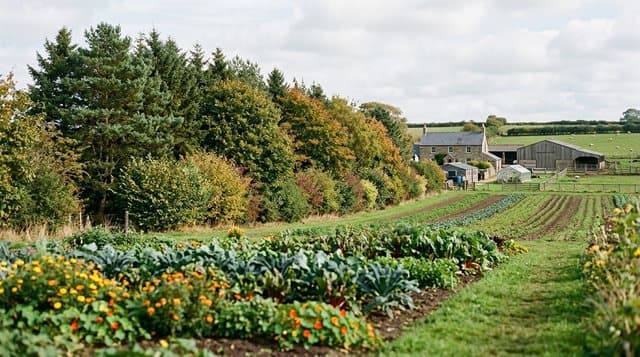
Design effective shelterbelts and windbreaks with aerodynamic 40-50% porosity guidelines, multi-row layered architecture, spacing rules, and top tree species.
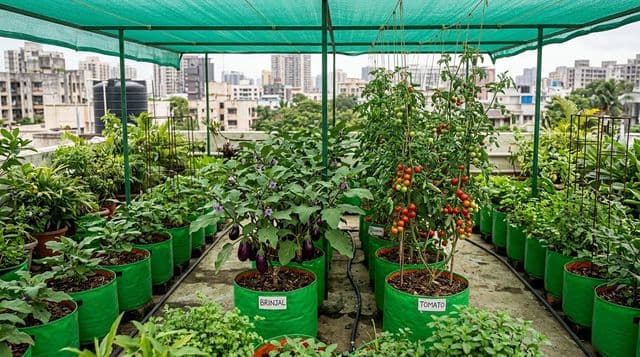
Plan a high-yielding terrace garden in India with practical ideas for waterproofing, weight distribution, shade nets, windbreaks, and vegetable grow bag layouts.
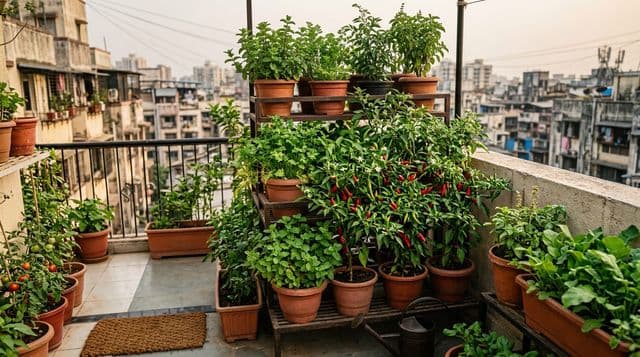
Create a productive small home terrace garden in India with space-saving vertical trellises, tiered stands, lightweight coco peat mixes, and high-yield crops.
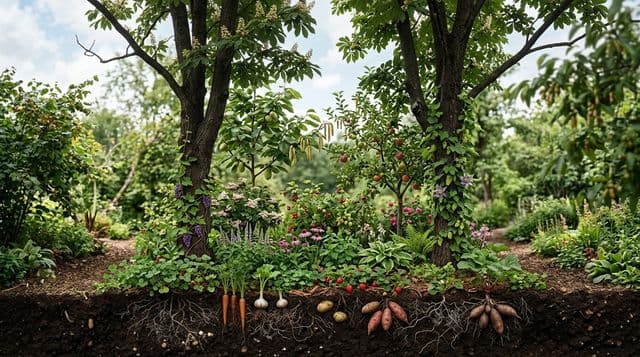
A guide to the 7 food forest layers to design resilient, multi-tiered perennial systems that maximize sunlight, soil health, and edible food yields.
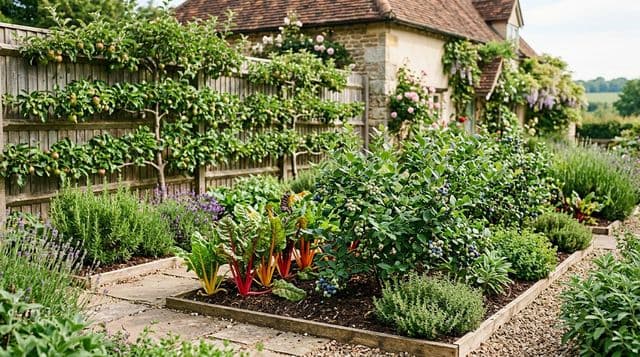
Learn how to design an edible landscape that blends fruit trees, berry hedges, culinary herbs, and vegetables into ornamental home gardens.
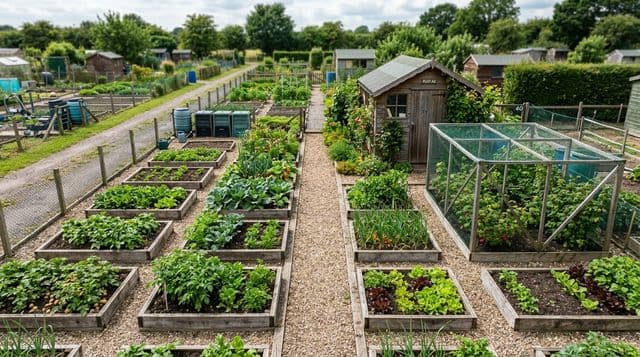
Plan your allotment layout with practical 10-rod plot designs, crop rotation zones, path dimensions, and perennial fruit cage placement ideas.
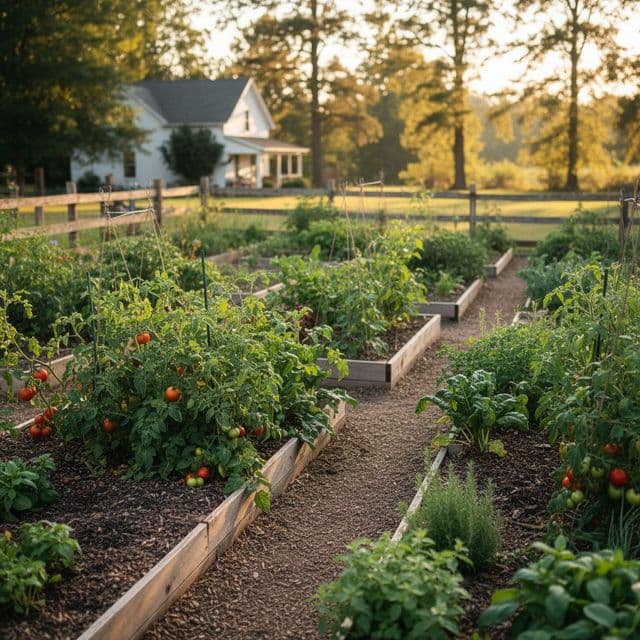
Learn how flowering insectary strips attract pollinators and beneficial insects, improving yields and providing organic pest control in your vegetable garden. An IPM strategy.