High-Margin Plant Propagation for US Small Growers
Discover how to propagate high-margin plants in the US for significant profit. Learn cost-effective methods, market research, and sales strategies for small growers.
Tag
643 articles in this tag on agripure. — page 10 of 27
Discover how to propagate high-margin plants in the US for significant profit. Learn cost-effective methods, market research, and sales strategies for small growers.
Master successful plant division in USDA Zone 6 with this guide. Learn optimal timing, tools, and aftercare for robust establishment and healthy garden growth.
Master optimizing planting times for spring and fall across USDA zones. Learn how precise timing, soil prep, and microclimates boost yields for homesteaders.
Dividing perennial edibles like rhubarb and asparagus rejuvenates plants, prevents overcrowding, and boosts garden productivity by 25% across USDA zones 4-8.
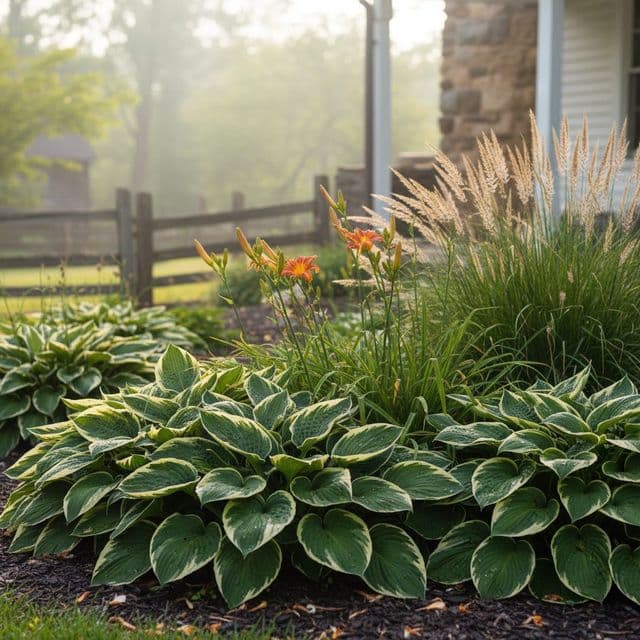
How to divide hostas, daylilies, irises, and ornamental grasses to multiply plant stock by 300%, covering timing, division methods, and replanting in USDA Zone 6.
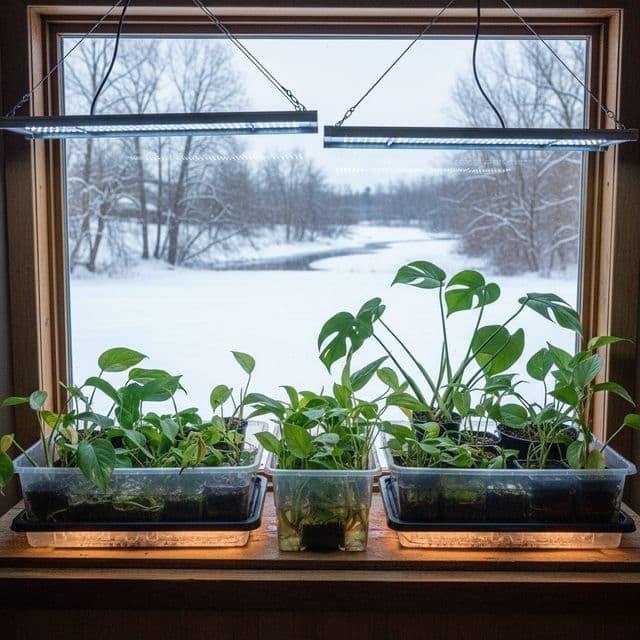
Master winter plant propagation. Learn how to prevent rot in cuttings by managing temperature, moisture, and light. Achieve 80%+ success rates even in cold weather with these expert tips.
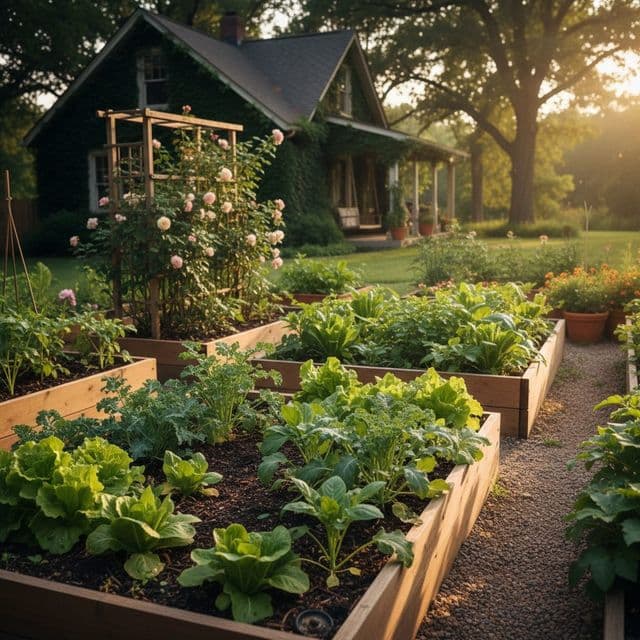
Master Ficus carica propagation! Learn key indicators for water root maturity, prevent transplant shock, and achieve high success rates when potting up fig cuttings in USDA Zone 7.
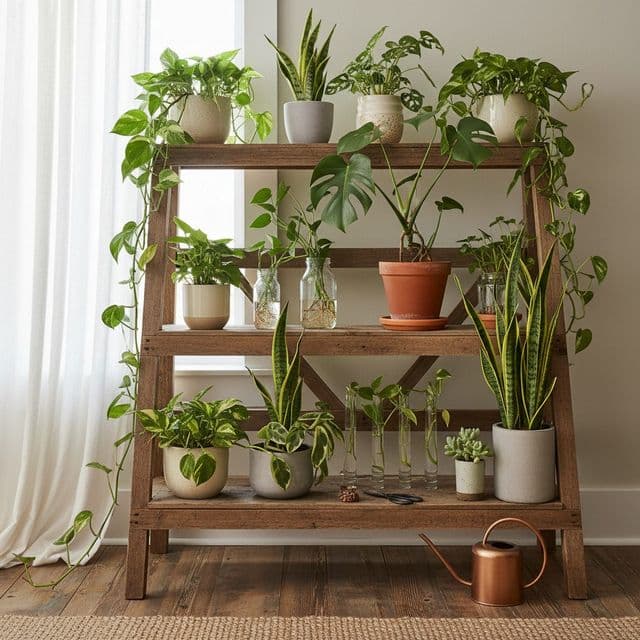
Learn how to successfully propagate popular houseplants in water vs. soil. This guide covers techniques, tools, and tips for high success rates in USDA Zone 7, focusing on houseplant propagation.
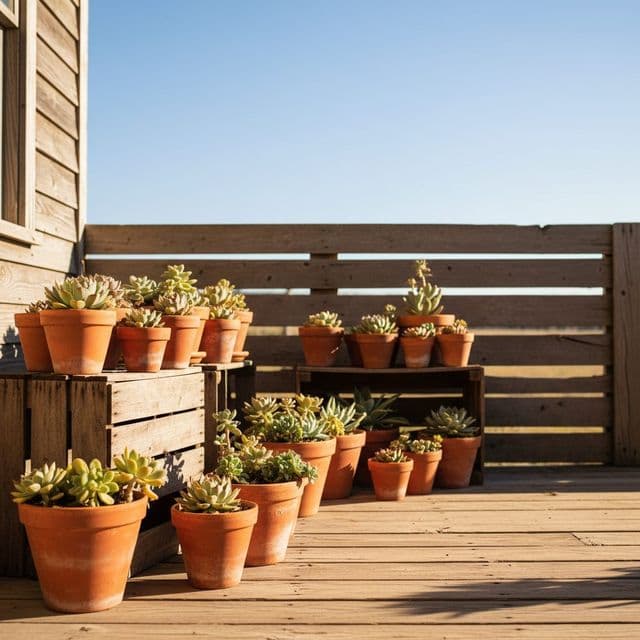
Learn to propagate succulents in USDA Zone 8 with three proven methods. Achieve a 90% success rate by selecting healthy material, proper callusing, and optimal care.
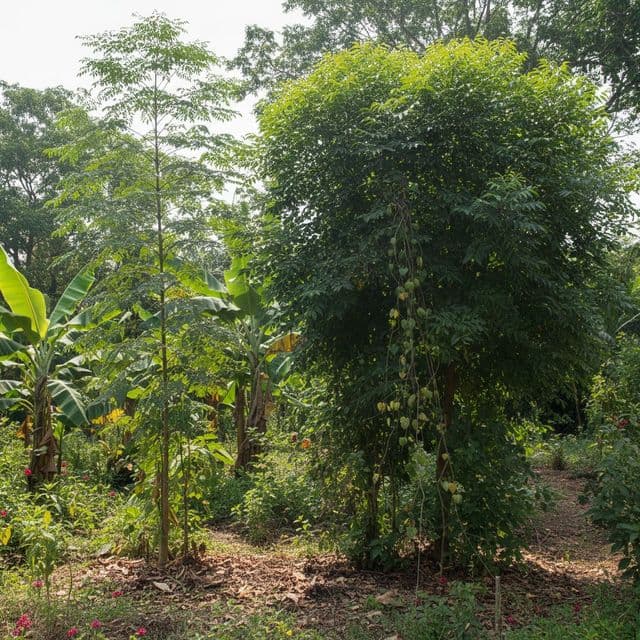
Learn how to air layer woody plants like fruit trees and shrubs using sphagnum moss. This reliable propagation method works well in USDA zones 6-10, yielding mature plants faster.
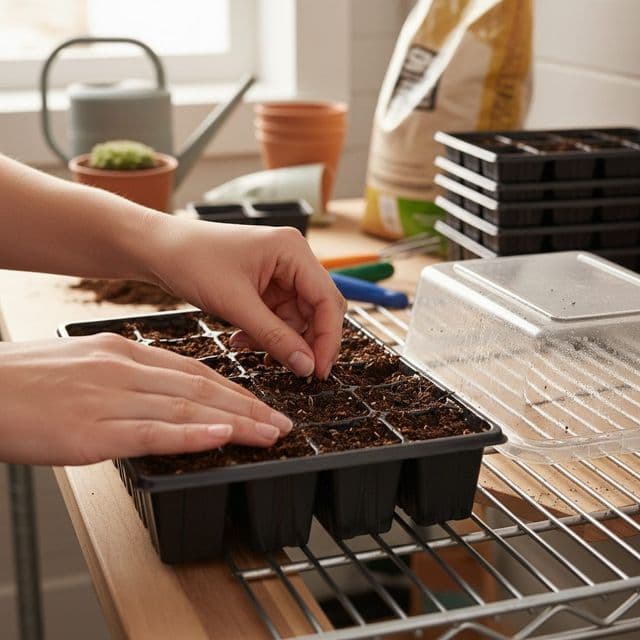
Unlock successful seed germination by understanding light requirements. Learn which garden seeds need light or darkness to sprout, improving rates by up to 100%.

Learn how scarifying seeds like lupine, morning glory, and baptisia can dramatically boost germination rates from 20% to 90%. Discover mechanical and hot water methods for success.
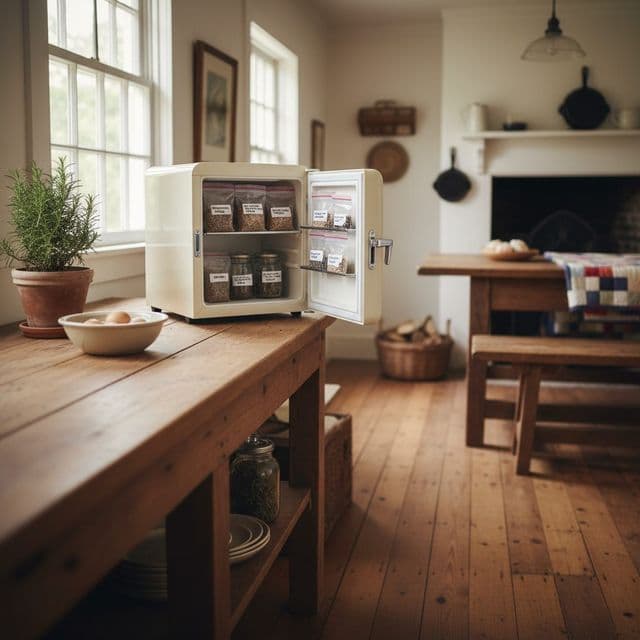
Learn how cold-moist stratification mimics winter to significantly boost germination rates for native perennials like milkweed & coneflower. Get practical steps for success in USDA zones 3-9.
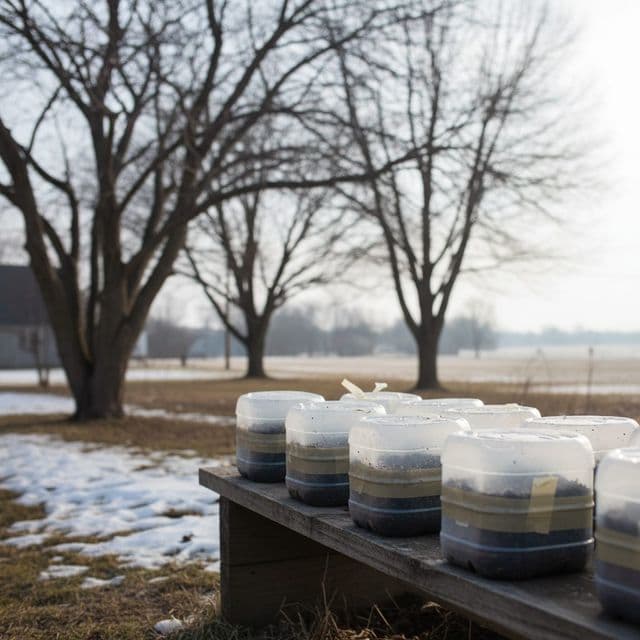
Master winter sowing with essential tips for optimal moisture and temperature. Prevent ‘cooking’ or ‘drowning’ seeds to boost germination rates by 20-30% for a successful spring garden.
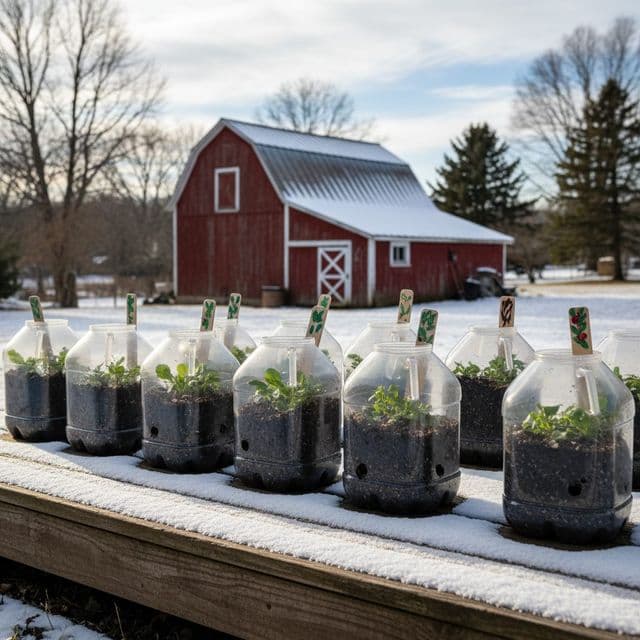
Learn how winter sowing extends your growing season by up to 30 days, reduces costs by eliminating grow lights, and produces stronger, naturally hardened-off plants for your garden.
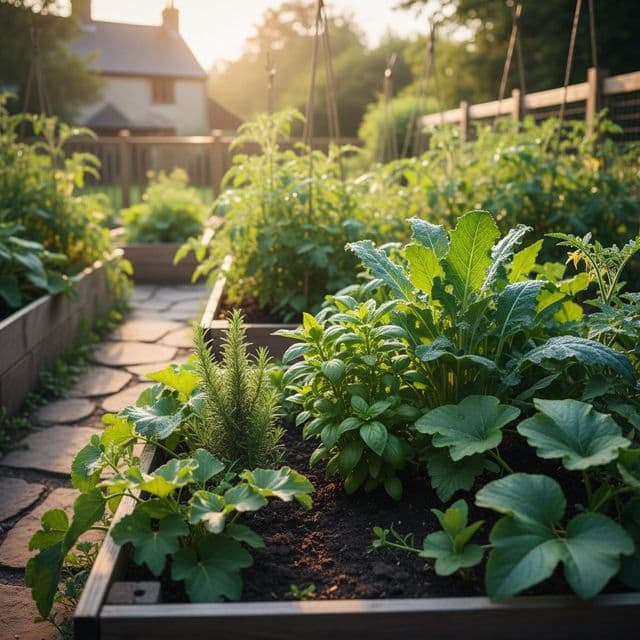
Learn how to use milk jugs for winter sowing, protecting seedlings in cold climates (USDA zones 3-7) down to 0°F. Get stronger plants & save indoor space.
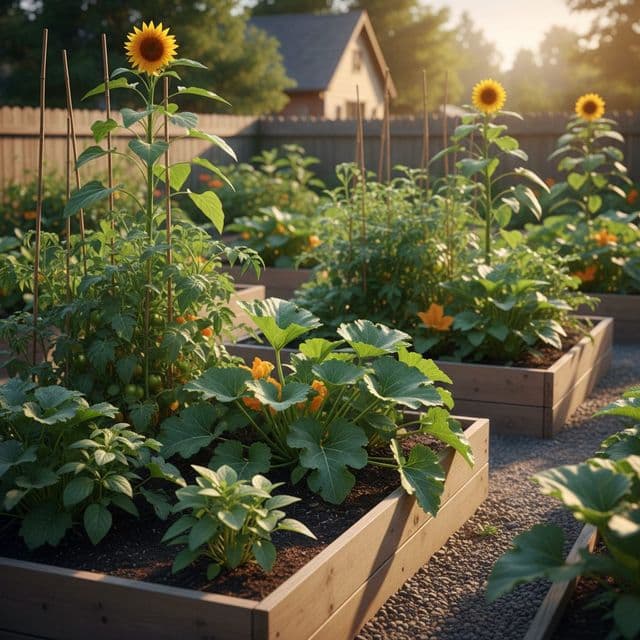
Learn how to upcycle common plastic containers for winter sowing. Achieve 80-90% germination rates, save money, and grow hardier seedlings in USDA Zone 4 and beyond.
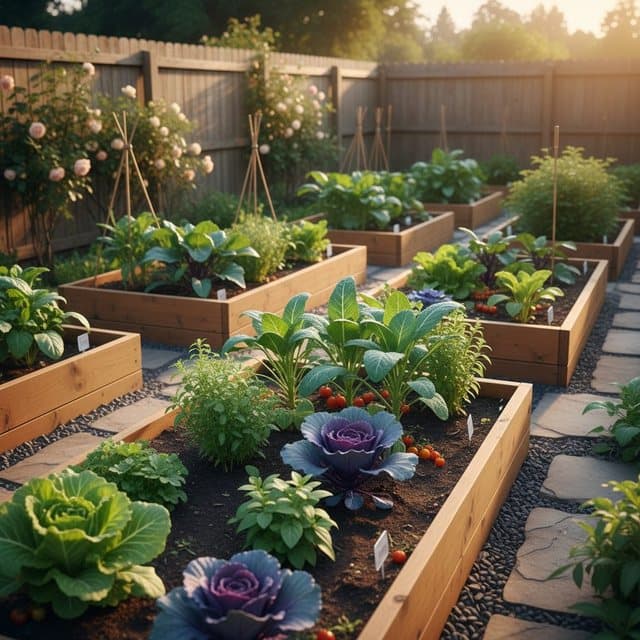
Compare coco coir, peat moss, and compost as growing mediums. Learn their pH, water retention, and sustainability to choose the best base for your garden, especially in USDA Zone 6.
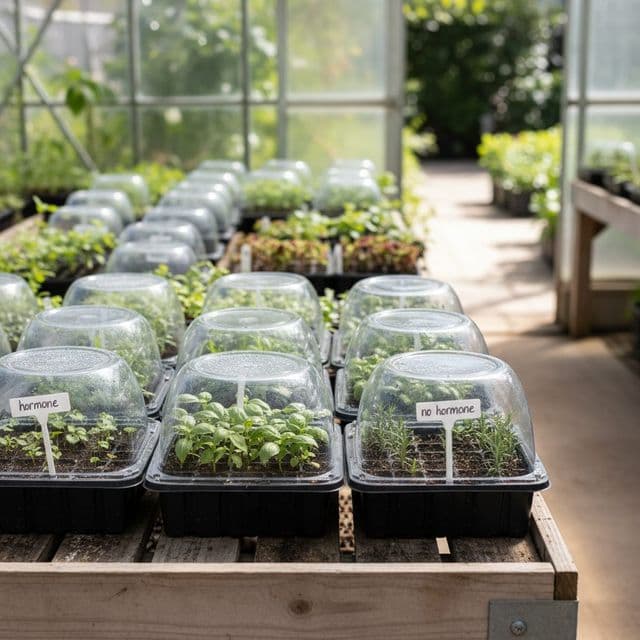
Learn when rooting hormone earns its place. Learn when to use rooting hormone for cuttings to boost root development in hard-to-root species and when to skip it for easy-rooters. Maximize your plan…

Compare DIY natural rooting hormones with commercial options. Learn how to boost plant propagation success rates for various species in your garden or nursery.
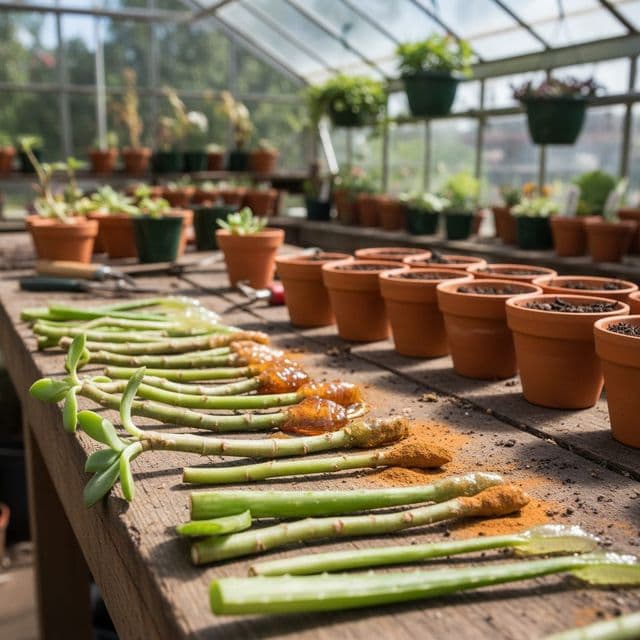
Scientific evidence behind honey, aloe vera, and cinnamon as DIY rooting aids for plant propagation, and how these natural alternatives perform for US growers.
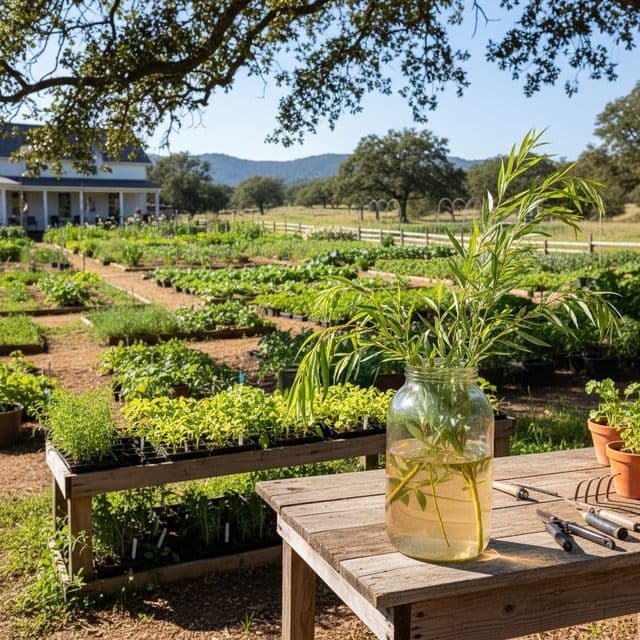
How to brew willow water as a homemade rooting aid, covering native willow species, sustainable harvesting, and steeping methods to support plant cuttings.
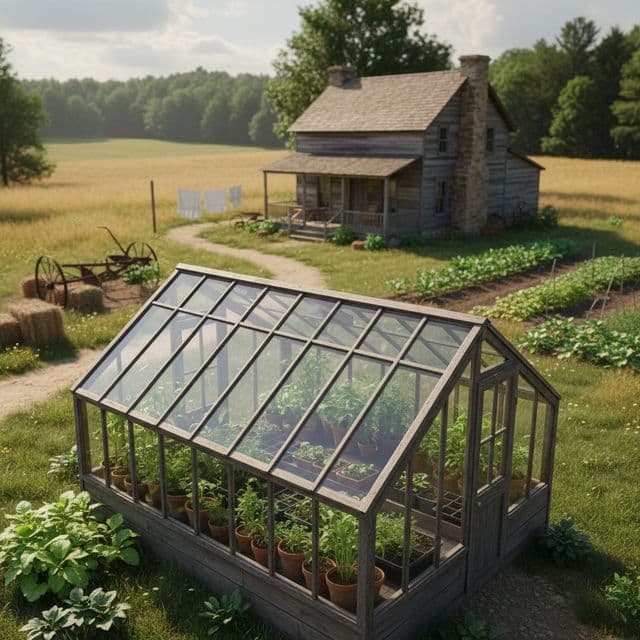
Increase plant cutting success by 30-50% with a simple DIY humidity dome. Learn essential components, setup tips, and why high humidity is crucial for successful rooting and propagation.
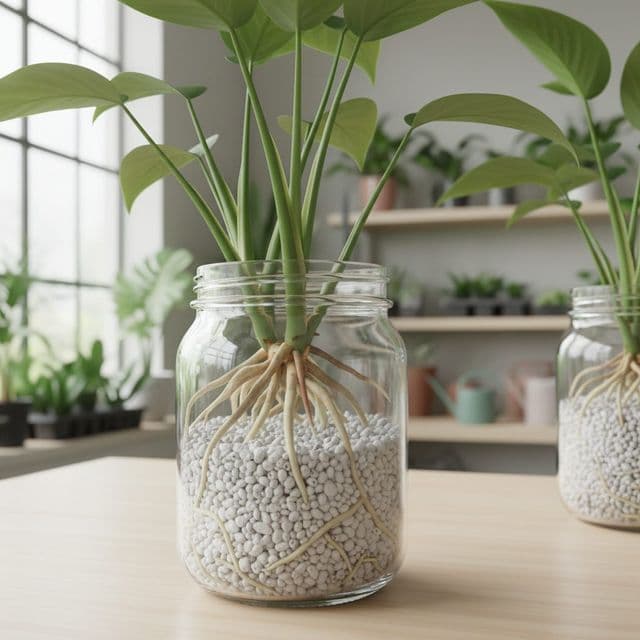
Discover why perlite for cuttings consistently produces stronger, more vigorous roots than water or soil. Learn optimal methods for successful plant propagation and transplant.