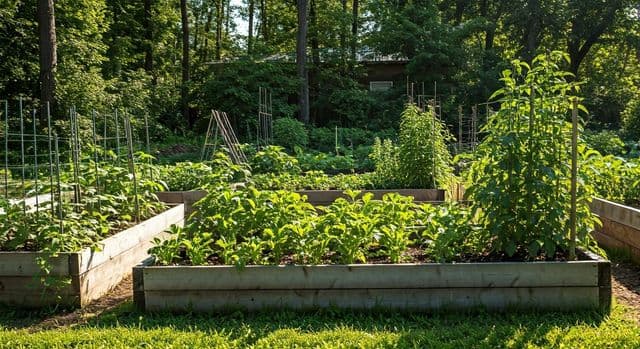
Boost beneficial fungi: mulch & no-till for US garden soil
How mulch and no-till gardening support beneficial soil fungi, improve soil structure, and aid nutrient cycling in US home gardens.
Tag
28 articles in this tag on agripure. — page 1 of 2
How mulch and no-till gardening support beneficial soil fungi, improve soil structure, and aid nutrient cycling in US home gardens.
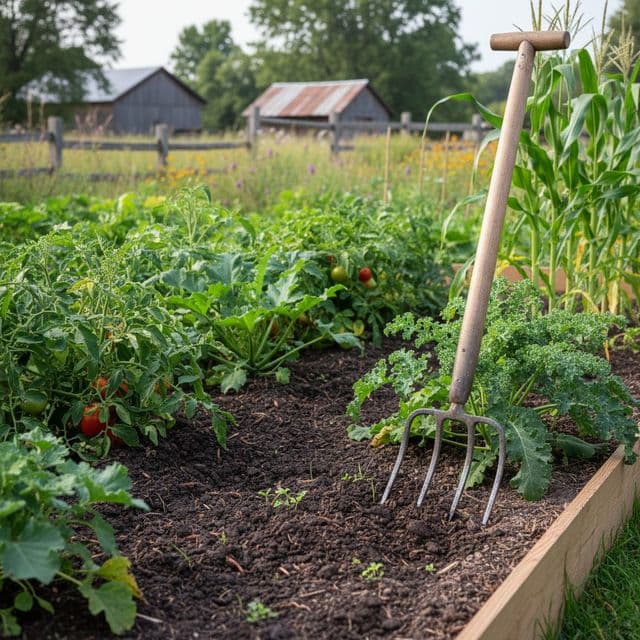
Cover crops and broadforking break up compacted soil without tilling, improving organic matter by up to 30% and supporting deeper root growth.
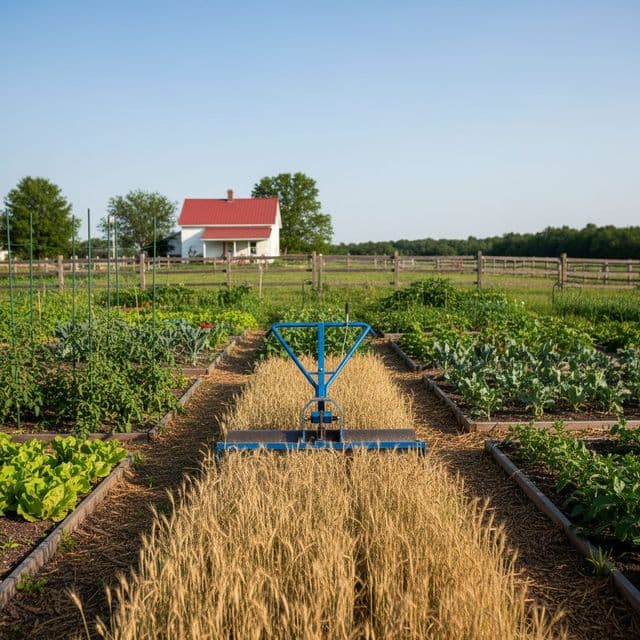
No-till cover crop termination methods including roller-crimping, tarping, and chop-and-drop to increase soil organic matter and improve soil health for US growers.
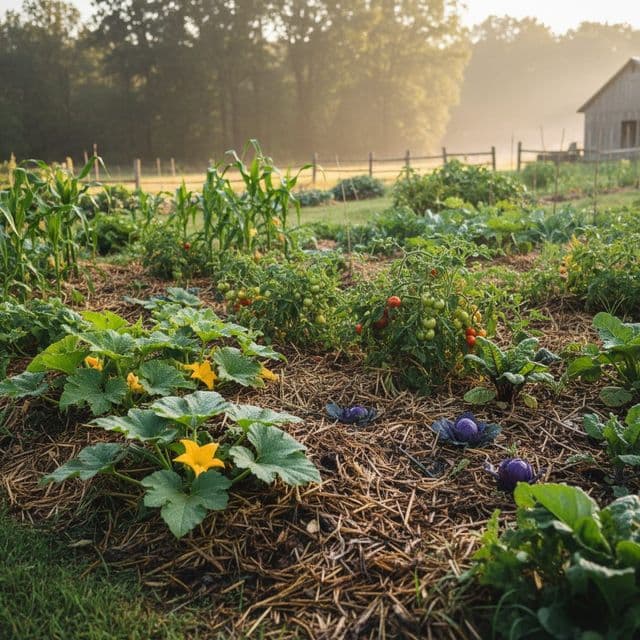
Learn how to transition your tilled garden to a no-till system, building soil organic matter in USDA Zone 6. Discover permaculture principles for a thriving, resilient garden.
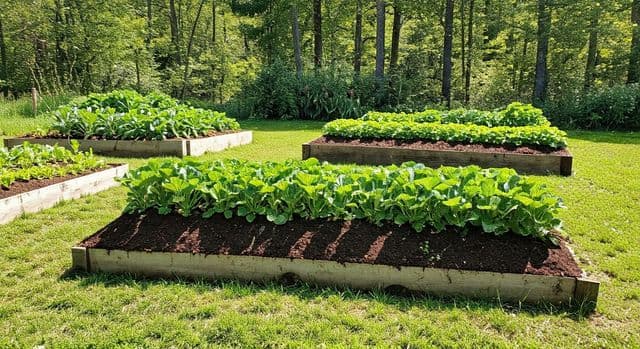
Master no-dig gardening for clay and sandy soils across the US. Learn tailored strategies for 6-inch beds, improving drainage, water retention, and soil health with permaculture principles.
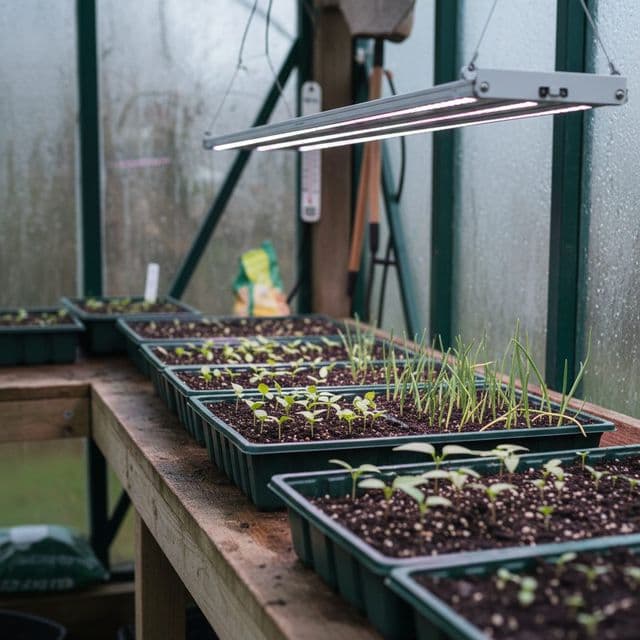
The best mulch materials for no-dig gardens across US USDA zones, comparing how straw, wood chips, leaves, and cardboard suppress weeds and retain soil moisture.
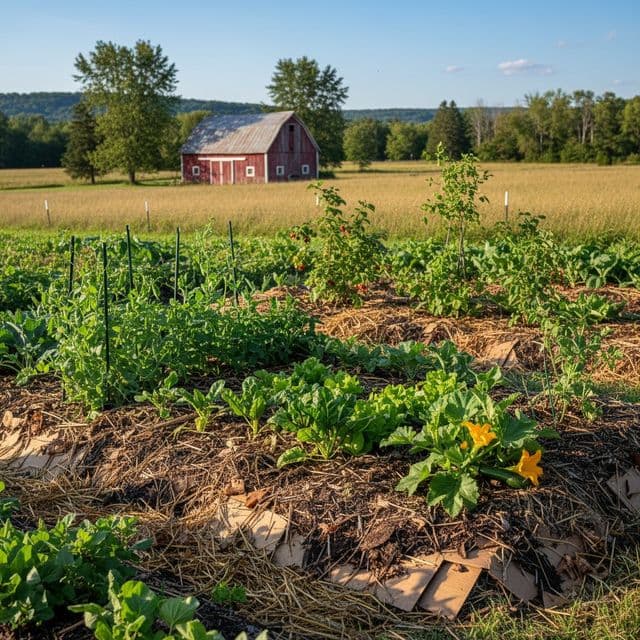
How sheet mulching (lasagna gardening) converts lawns into productive garden beds by building soil, suppressing weeds, and conserving water without digging.
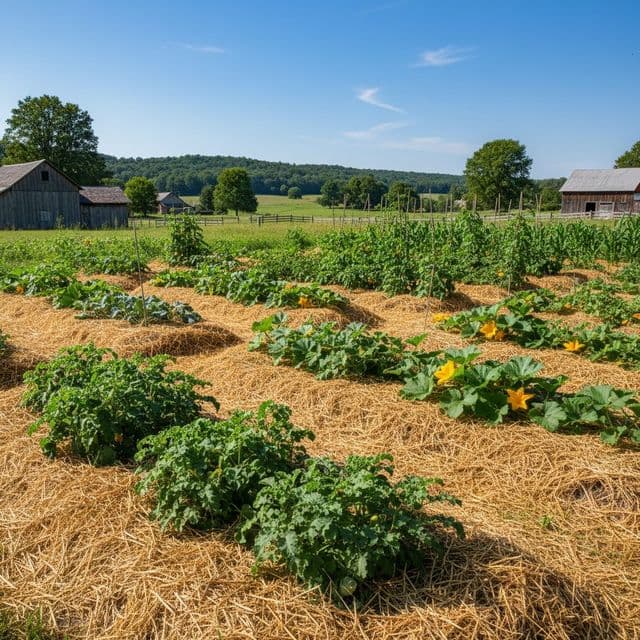
The Ruth Stout deep mulch method uses 6-12 inches of hay year-round to reduce weeding by 75%, save water, and build soil fertility.
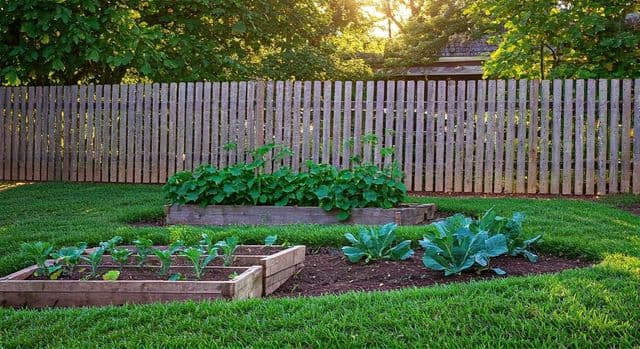
How no-dig gardening builds soil health, boosts yields by 20%, and reduces labor for US homesteaders, integrating permaculture principles for resilient beds.
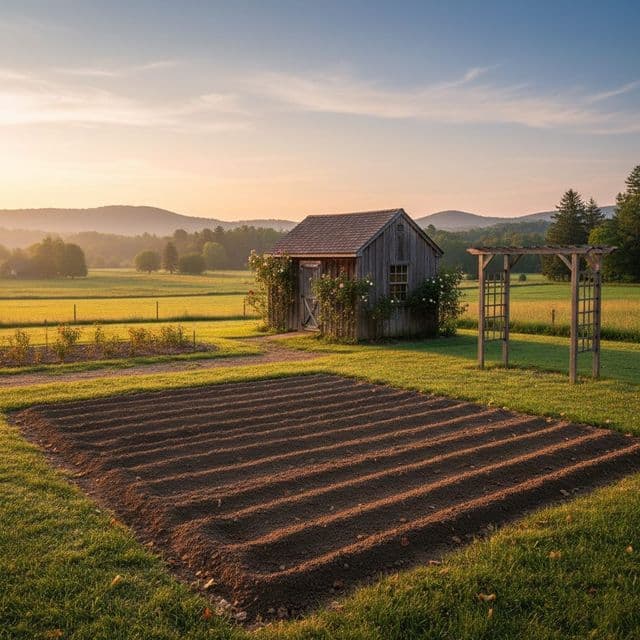
How stale seedbed preparation reduces early-season weed pressure by 40-60% for direct-sown crops, improving yields and saving labor while building soil health.
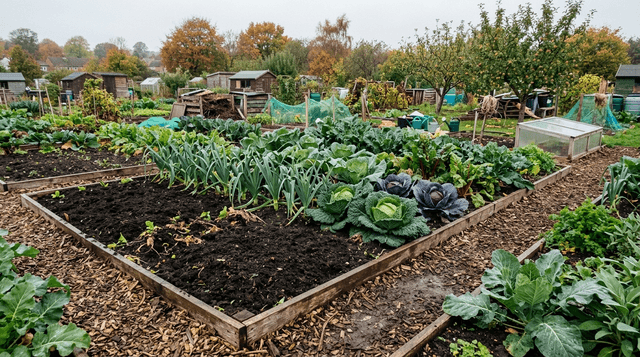
No-dig gardening protects UK soils by layering organic compost over undisturbed ground, improving heavy clay drainage and reducing seasonal weed emergence.
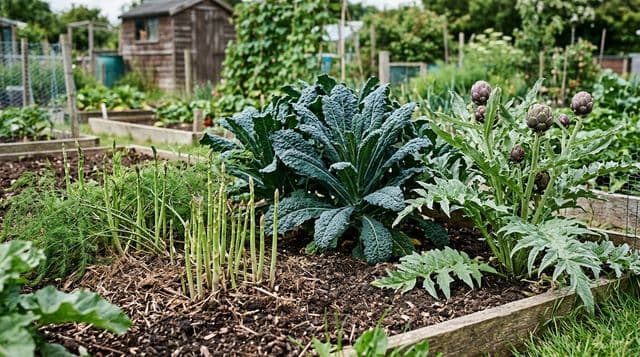
Nine perennial vegetables suited to UK gardens and allotments, from sea kale to perennial kale, with guidance on soil preparation and care.
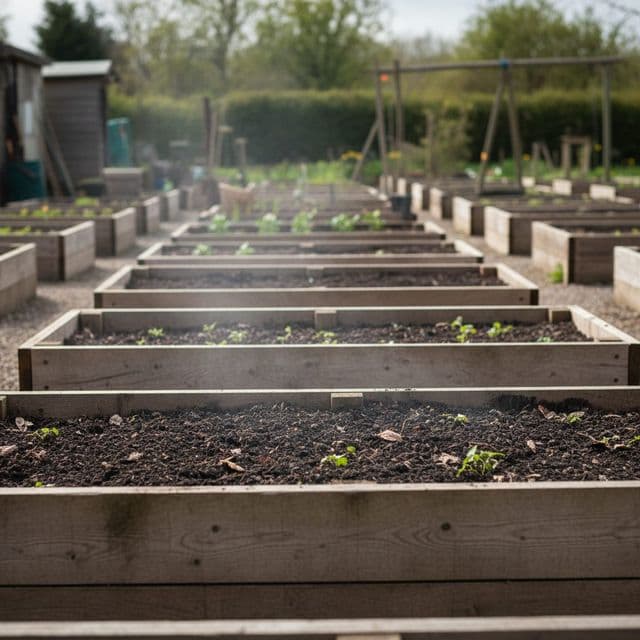
Learn how to construct, layer, and fill no dig raised beds for UK gardens and allotments to suppress perennial weeds and build productive soil naturally.
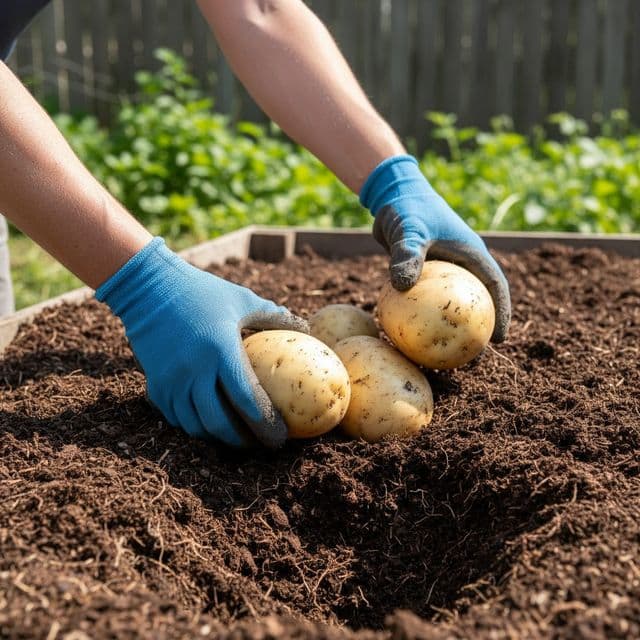
Learn how to grow no dig potatoes under cardboard and compost, eliminating trench digging, preventing tuber damage, and yielding clean, abundant tubers.
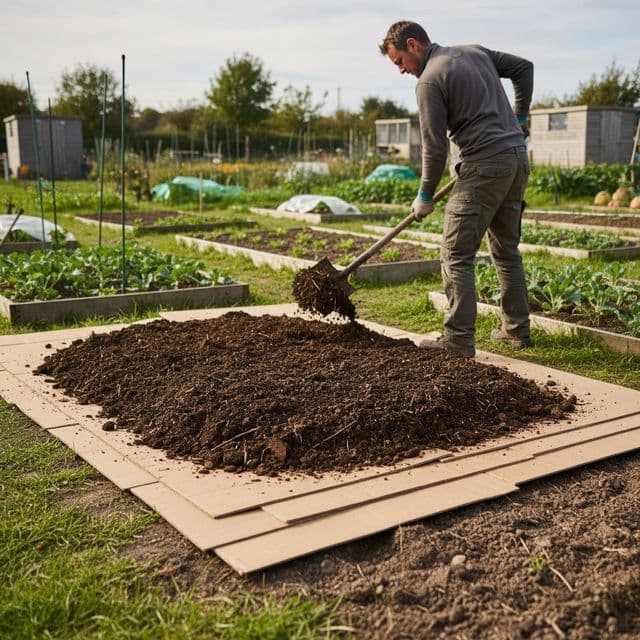
Start a productive no-dig garden in the UK using cardboard and compost to smother weeds, protect soil biology, and grow bumper vegetables with less effort.
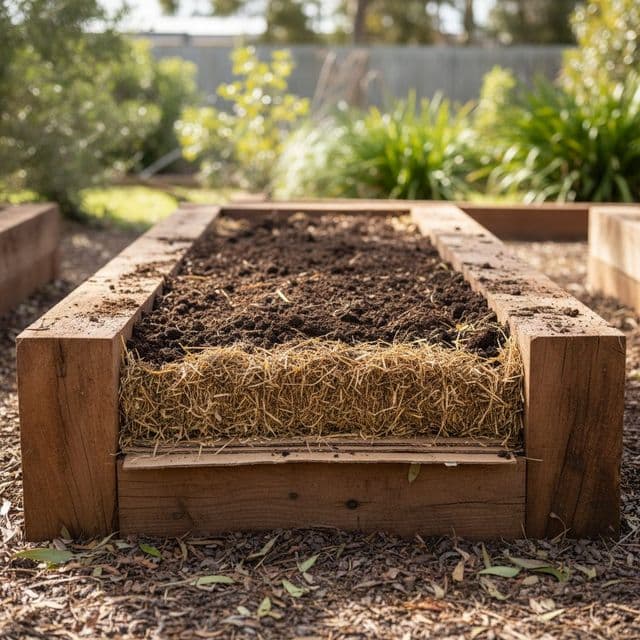
Learn how to build an Esther Deans style no dig garden in Australia, layering newspaper, lucerne hay, compost, and straw for high-yield soil building.
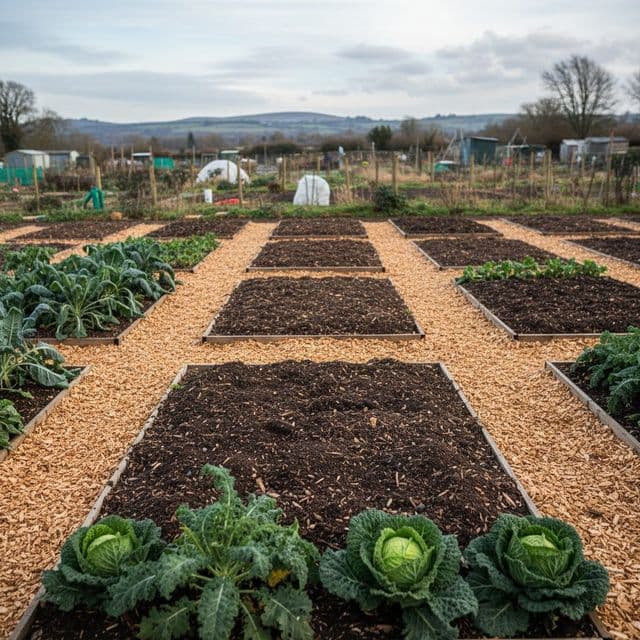
Convert an overgrown UK allotment plot to productive no-dig beds using cardboard, compost layers, and weed suppression without backbreaking rotavating.
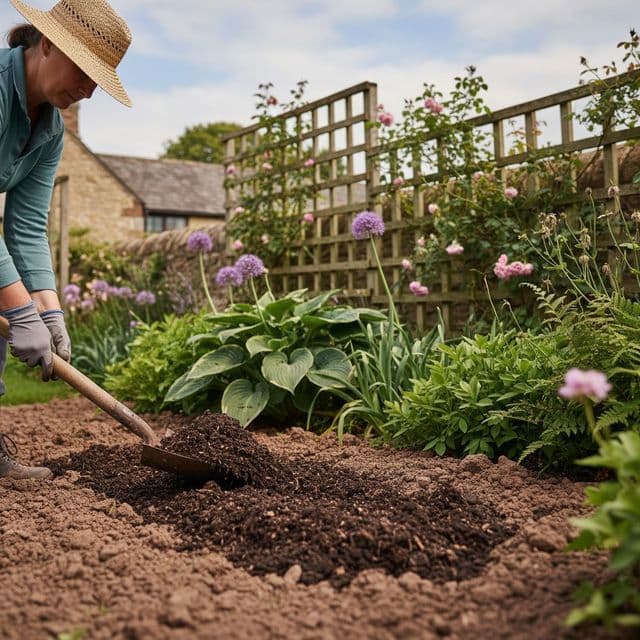
Learn effective methods for improving clay soil in UK gardens using organic matter, surface mulching, no-dig beds, gypsum facts, and drainage tactics.
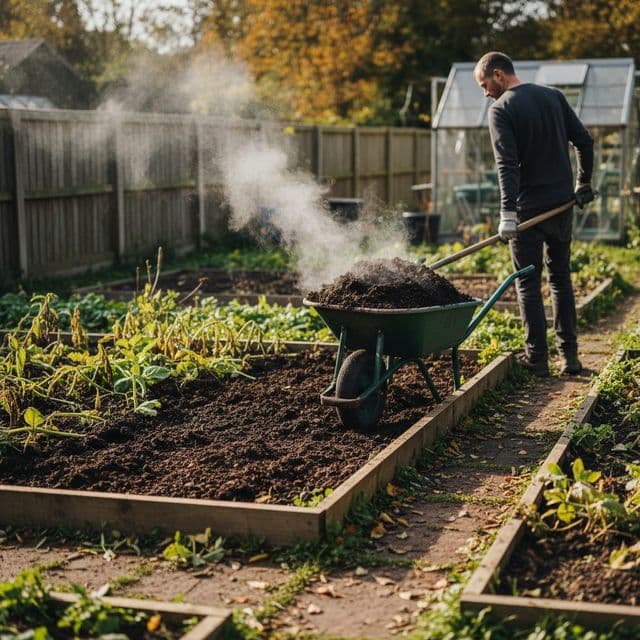
Calculate compost volumes for UK no-dig beds, source clean bulk organic matter, test for aminopyralid weedkillers, and apply annual weed-suppressing mulches.
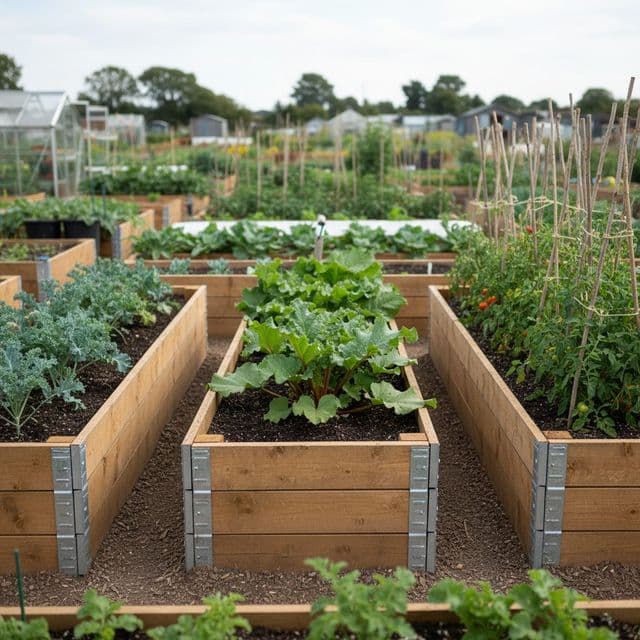
A practical UK guide to allotment raised beds covering timber choice, rod plot layout, council rules, filling methods, and weed barrier construction.
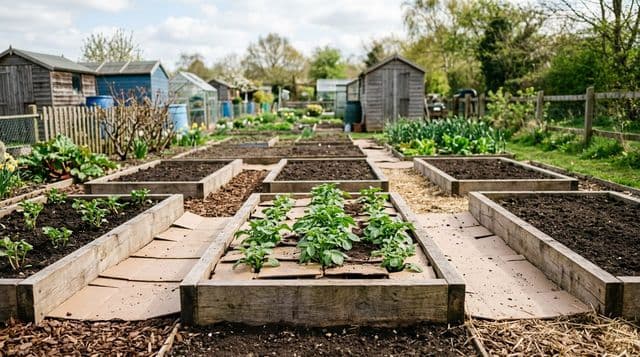
Learn how to start an allotment from scratch, tackle overgrown weeds, clear soil without rototilling, and plant high-yield first-year vegetable crops.
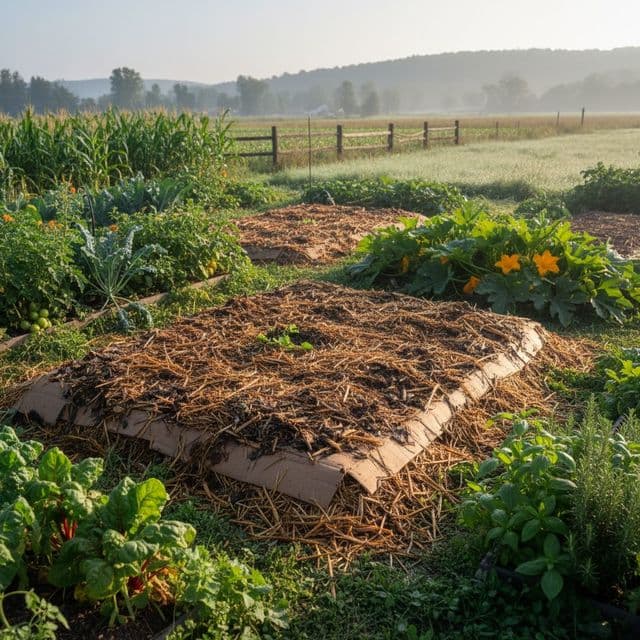
How sheet mulching with cardboard improves garden beds: suppress weeds, build organic matter, and improve soil structure for healthier plants.
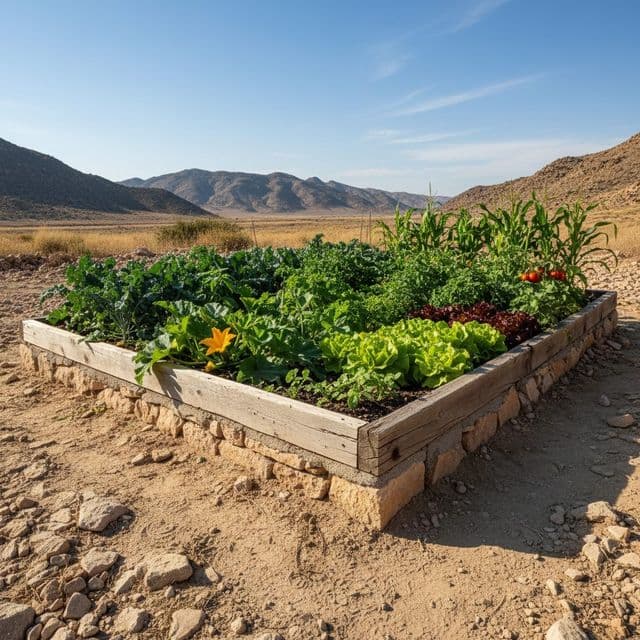
Transform challenging rocky, gravelly soils into productive gardens. Learn strategies like raised beds, lasagna gardening, and smart crop selection for resilient rocky soil gardening, even in droug…
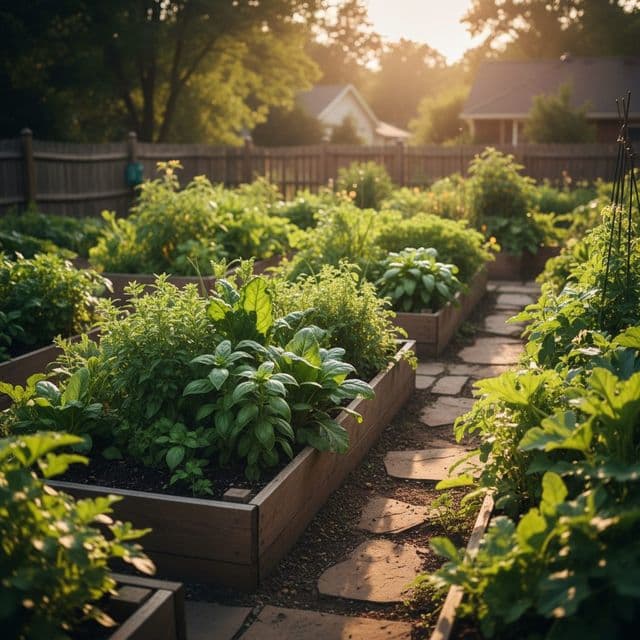
Learn how to sheet mulch a garden bed with leaves & cardboard. This no-dig method builds rich soil, suppresses weeds, and conserves water, perfect for homesteaders.