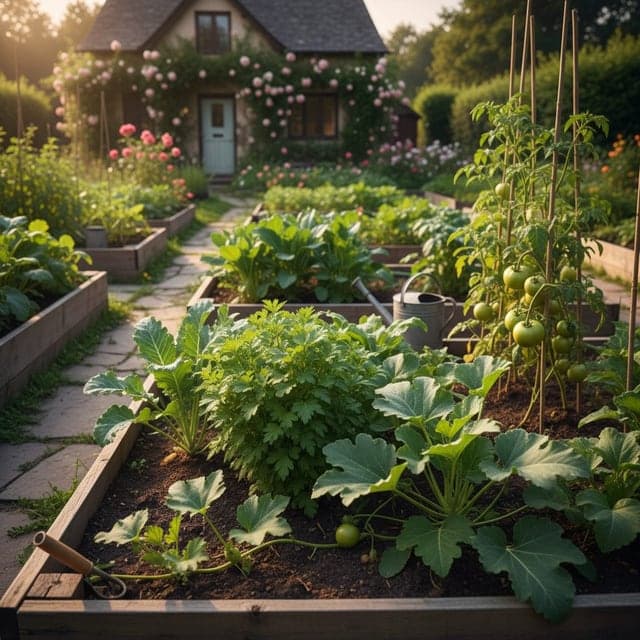
Selecting Native Plants for Chronically Wet Areas Across US
Discover native trees & shrubs for chronically wet spots across US regions. Improve drainage, reduce runoff, and support wildlife with water-tolerant species.
Topic
Agroforestry covers the science and practice of integrating trees into farming systems — from silvopasture and syntropic food forests to nurse-tree establishment and tree–crop economics. Articles examine how farmers design, plant, and manage woody perennials alongside crops and livestock to build productive, resilient land over decades.
147 articles in this topic on agripure. — page 5 of 7
Discover native trees & shrubs for chronically wet spots across US regions. Improve drainage, reduce runoff, and support wildlife with water-tolerant species.

Discover how to grow wet-tolerant crops like elderberry, blueberry, and mint in USDA Zone 6. Learn passive irrigation techniques such as ollas, wicking beds, and swales to thrive in moist conditions.
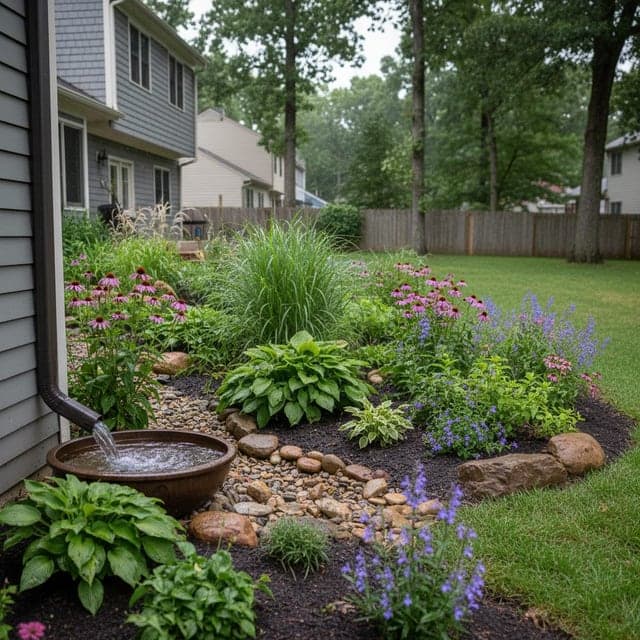
Engineer US residential and acreage stormwater runoff systems with an exact decision matrix separating rain gardens, dry creek beds, and vegetated bioswales, complete 0.623 sizing math, Call 811 an…
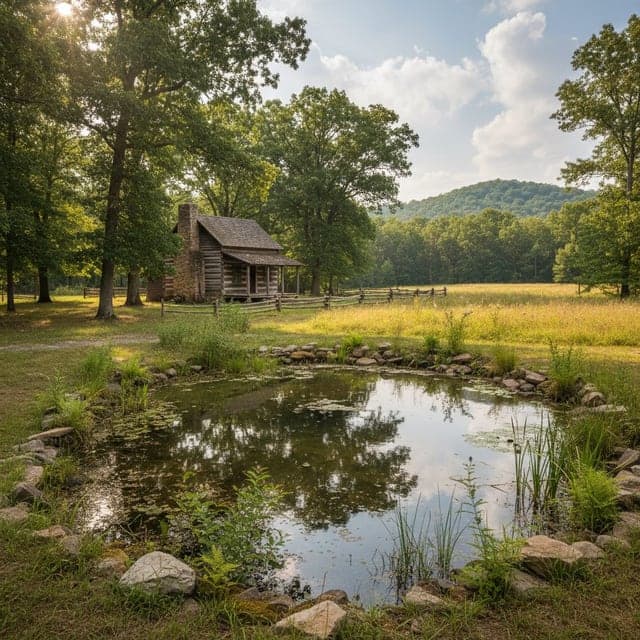
Build and maintain a self-sustaining, off-grid pond in USDA Zone 6 using passive aeration, native plants, and rainwater harvesting for an electricity-free ecosystem.
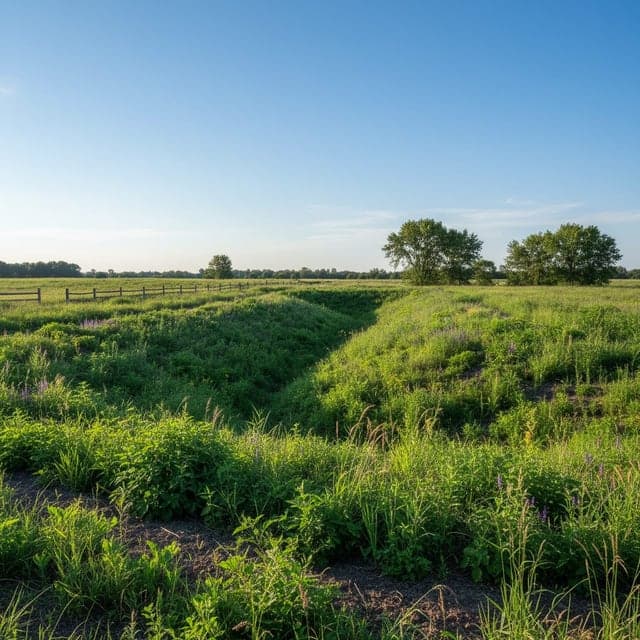
Design and maintain swales to prevent mosquito breeding with proper slopes, spillways, soil amendments, and plant selections.
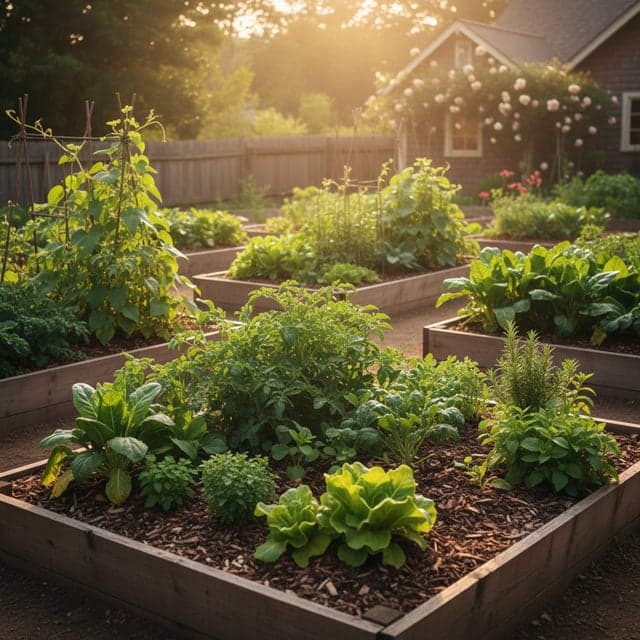
Planting on swale berms boosts water retention, enriches soil with nitrogen-fixers, and supports fruit trees in arid zones.
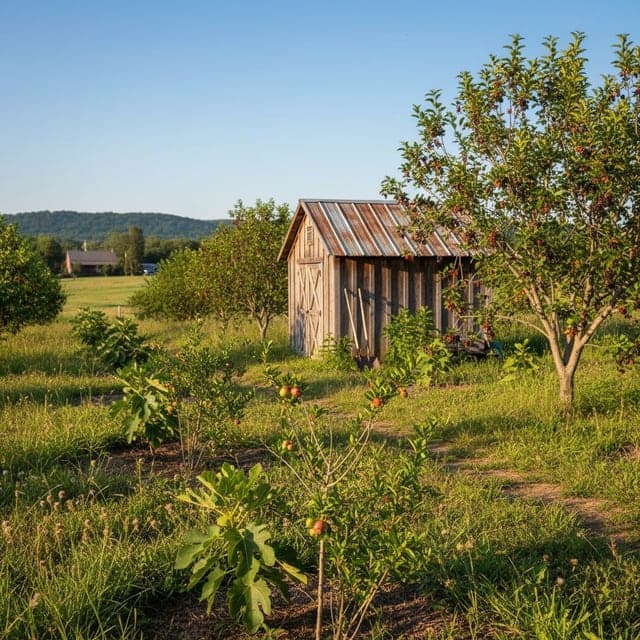
Learn to propagate fig, pomegranate, and mulberry trees from cuttings or air layering. Save up to 75% on orchard expansion costs and grow your own fruit trees in USDA zones 6-9.
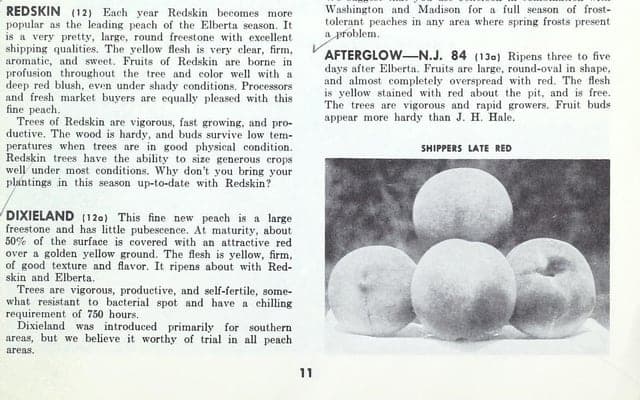
Master chill hours for fruit trees! Learn why cold temperatures are vital for stone and pome fruit in USDA zones 4-9. Select varieties for a thriving home orchard.
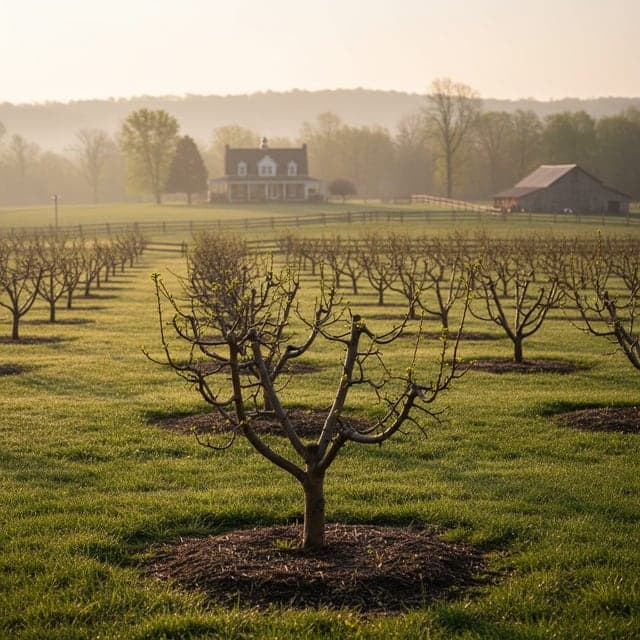
Learn formative pruning techniques for young fruit trees (years 1-3). Compare open-center vs. central-leader systems to build a strong, productive orchard in USDA zone 6.
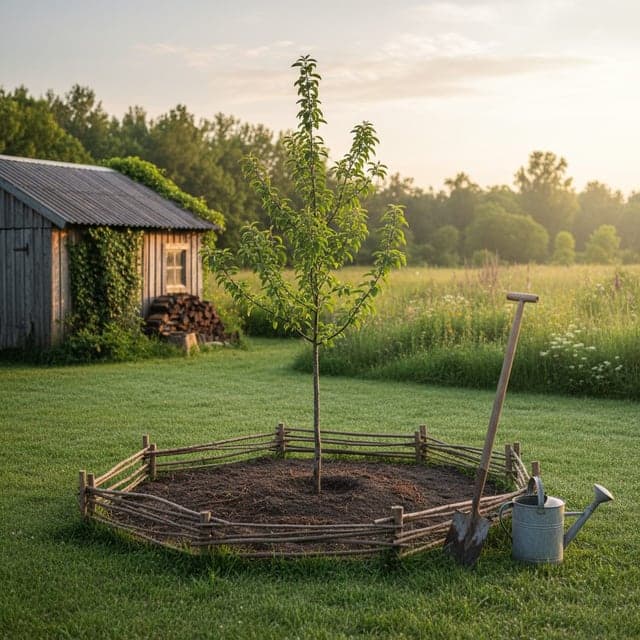
Master planting fruit trees in USDA Zone 6. Learn essential site selection, soil preparation, correct planting depth, and first-year care for healthy, productive orchards that thrive for decades.
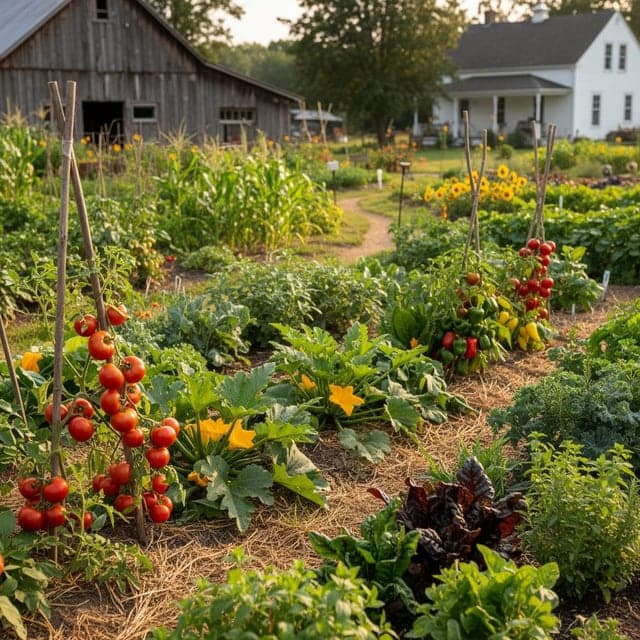
Extension-grade comparison of Bacillus thuringiensis (Btk/Bta/Bti/Btt), Beauveria bassiana, Bacillus amyloliquefaciens, Trichoderma harzianum, and entomopathogenic nematodes—plus butterfly, bee, an…
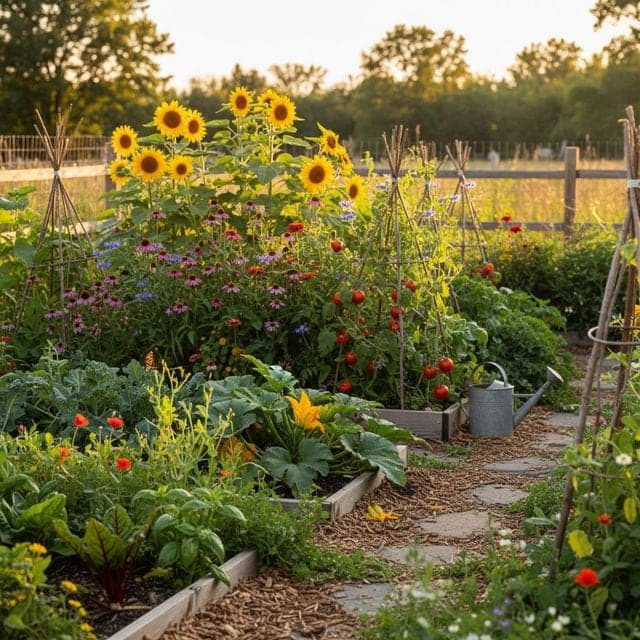
How beneficial insects provide natural pest control, reducing garden pests by up to 75%. Learn to attract and identify predatory and parasitoid species for an organic garden.
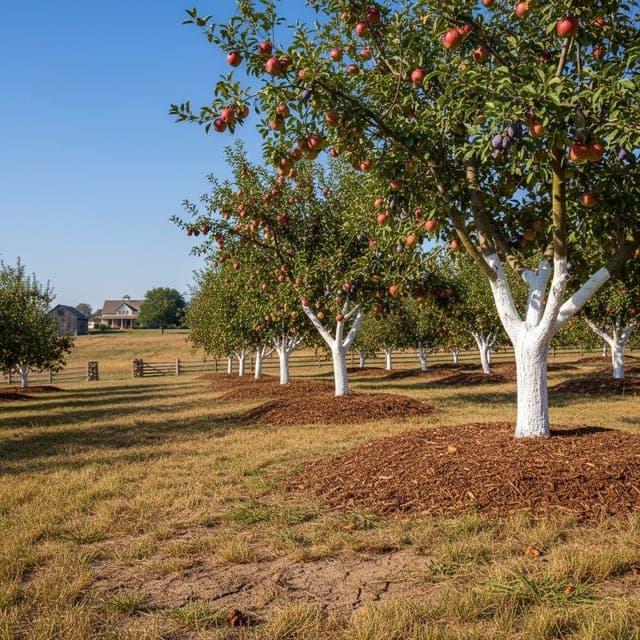
Protect US backyard and orchard fruit trees during heat domes: stop 125–140°F southwest bark necrosis and fruit sunburn with 30–40% Aluminet shade cloth, 1:1 flat white latex paint, Surround WP kao…
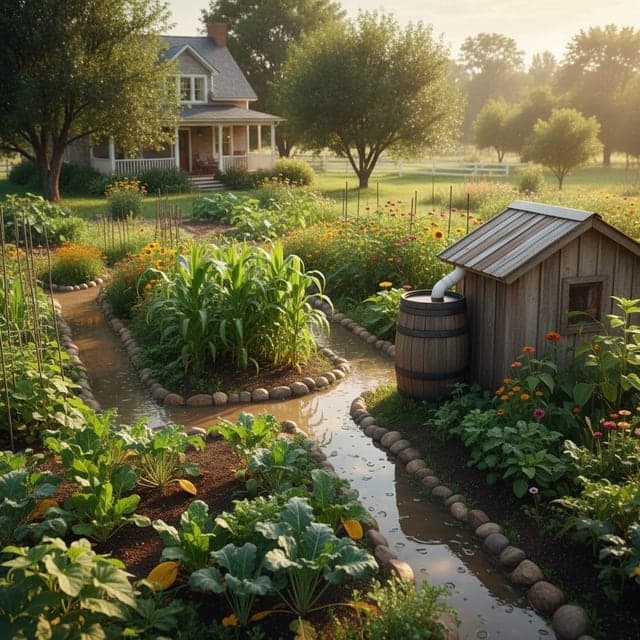
Learn effective strategies for waterlogged soil management in the Ohio River Valley and beyond. Improve drainage, boost crop resilience, and transform challenging sites with earthworks, wicking bed…
Learn to build a backyard wildlife pond to improve biodiversity, manage water, and create a resilient homestead ecosystem. Get tips on siting, sizing, and liners.
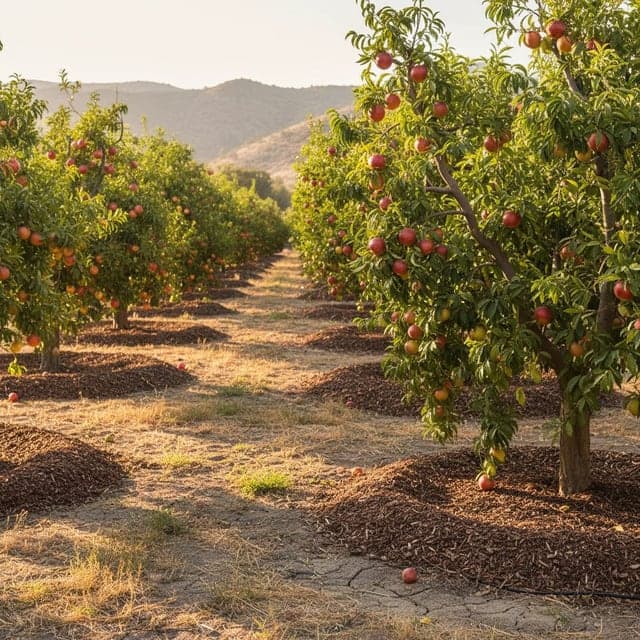
Safely irrigate fruit trees with greywater from showers and laundry to save thousands of gallons. System design, soap choices, and passive irrigation methods for USDA Zone 8 homesteads.

Learn how to build swales on contour to effectively catch and store rainwater in your yard. This guide covers site assessment, slope limits, soil tests, and sizing for a self-watering landscape.
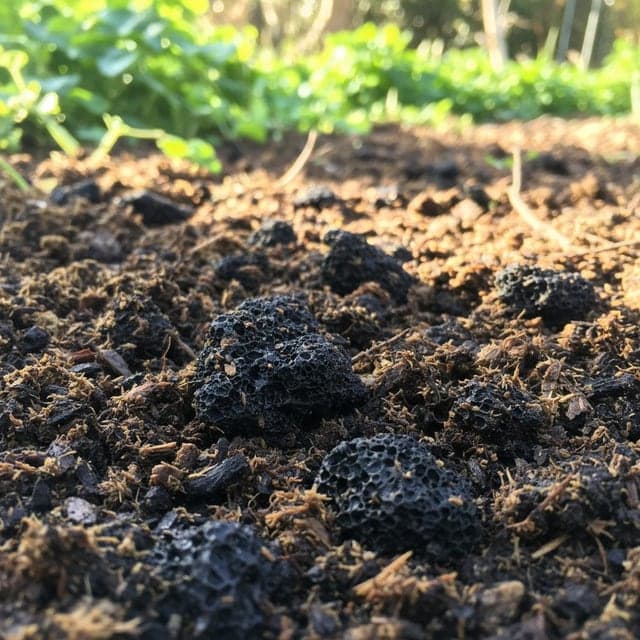
Learn to make DIY biochar from yard and wood waste using simple kilns. Discover how to charge and apply biochar to improve soil fertility, sequester carbon, and boost plant growth for hundreds of y…
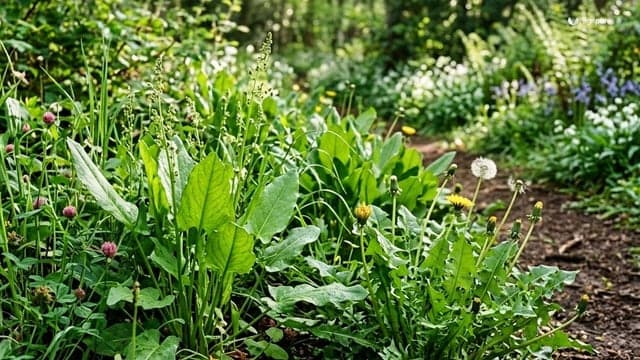
Match perennial leafy greens across USDA Zones 3–12, RHS H7–H1c, and tropical climates: Good King Henry, sea kale, French sorrel, nettle, Turkish rocket, tree collards, Okinawan spinach, waterleaf,…

A reclamation and agroforestry guide to matching salt-tolerant trees and shrubs to both your soil salinity and your frost limit, keyed to USDA, UK RHS, and Australian hardiness zones for growers wo…
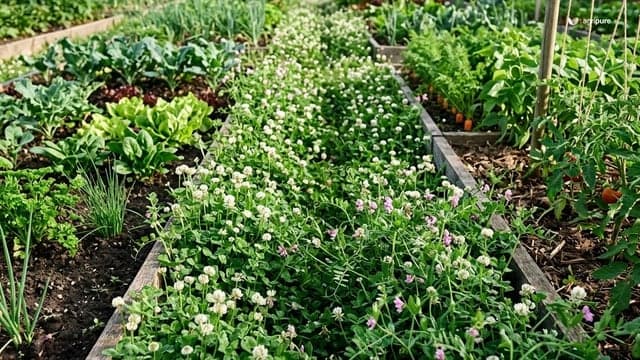
A zone-by-zone guide to nitrogen-fixing groundcovers and climbers for no-dig beds, sorted by verified USDA, RHS and Australian hardiness, with termination timing tied to each legume’s frost behaviour.
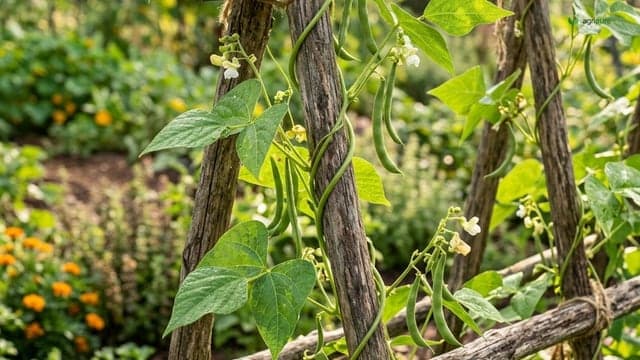
A zone-by-zone guide to growing common beans (Phaseolus vulgaris) as a summer annual, with frost timing, soil-temperature triggers, and how this pioneer legume helps build living soil.
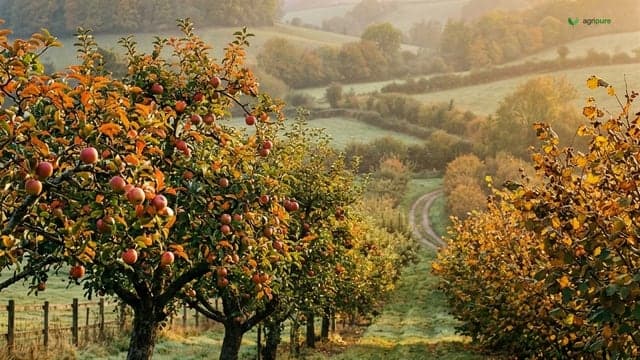
A buyer’s shortlist of fruit and nut trees verified for USDA zones 4-6 (Morello cherry, Granny Smith and Fuji apples, Bartlett and Babugosha pears, Chandler walnut, and more), keyed to exact zones,…
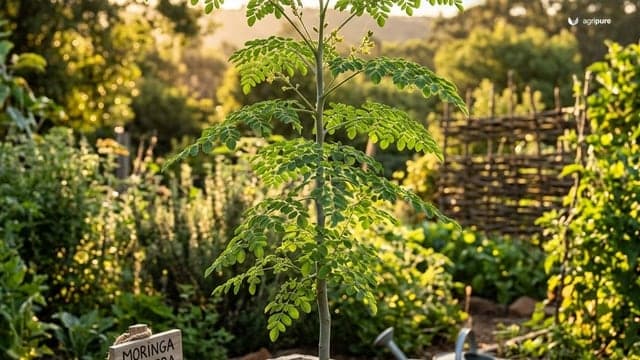
Grow Moringa oleifera across USDA Zones 3–11: 9b–11 perennial coppice trees, 9a root-hardy dieback mulching, 3–8 120–150 day annual harvest vs. 50–60°F garage tubers, taproot pots, and MSKCC root-b…