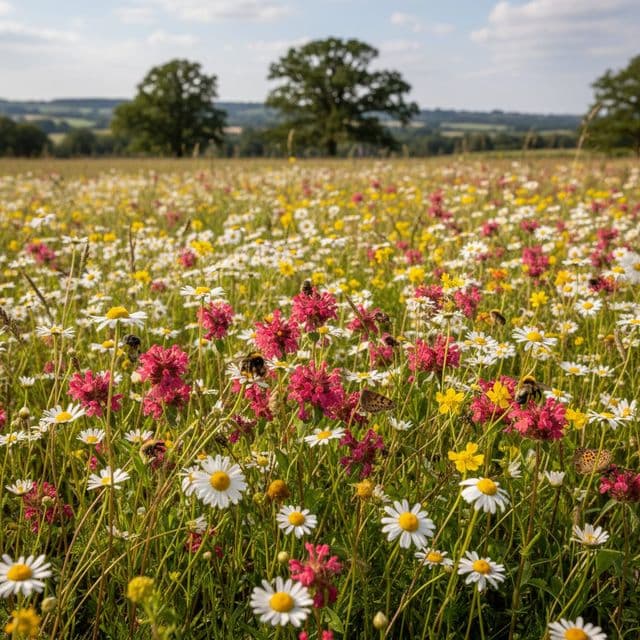
How to Create a Wildflower Meadow: UK Sowing and Care
Learn how to create a UK wildflower meadow from seed: soil fertility reduction, yellow rattle parasite sowing, autumn timing, and annual cut-and-collect mowing.
Topic
Agroforestry covers the science and practice of integrating trees into farming systems — from silvopasture and syntropic food forests to nurse-tree establishment and tree–crop economics. Articles examine how farmers design, plant, and manage woody perennials alongside crops and livestock to build productive, resilient land over decades.
147 articles in this topic on agripure. — page 4 of 7
Learn how to create a UK wildflower meadow from seed: soil fertility reduction, yellow rattle parasite sowing, autumn timing, and annual cut-and-collect mowing.
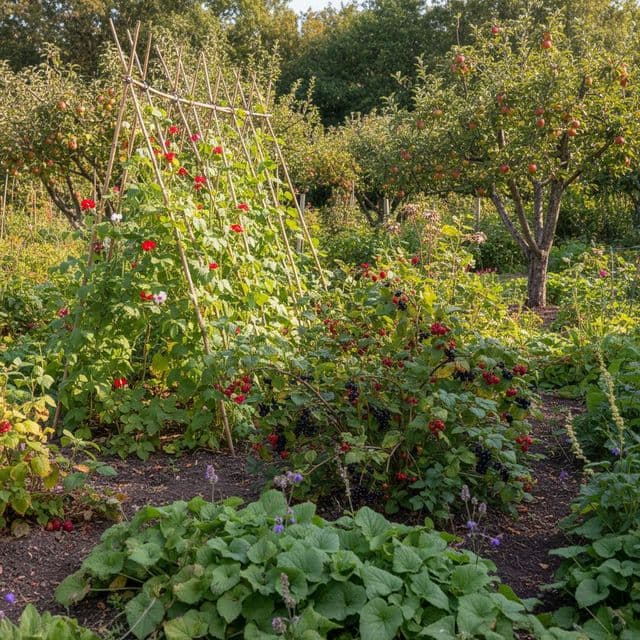
Learn how to create a productive temperate forest garden in the UK: site assessment, soil preparation, seven-layer planting, and perennial maintenance.
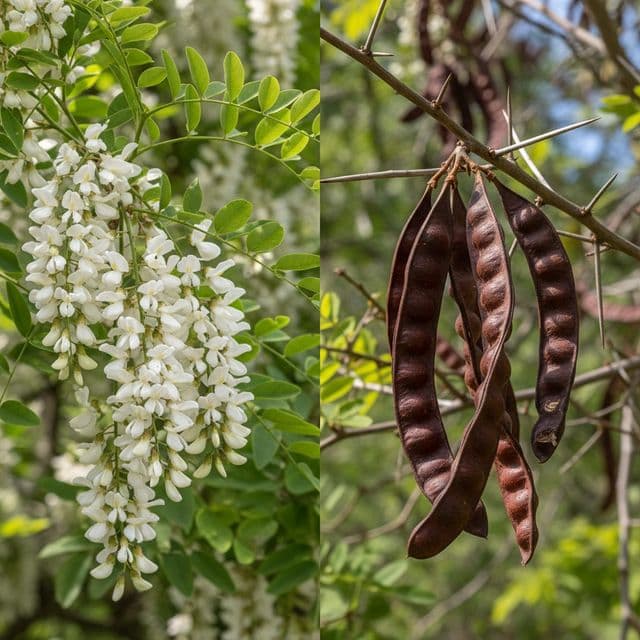
Compare honey locust vs black locust trees. Discover key botanical differences in thorns, leaf structures, nitrogen fixation capabilities, and wood uses.
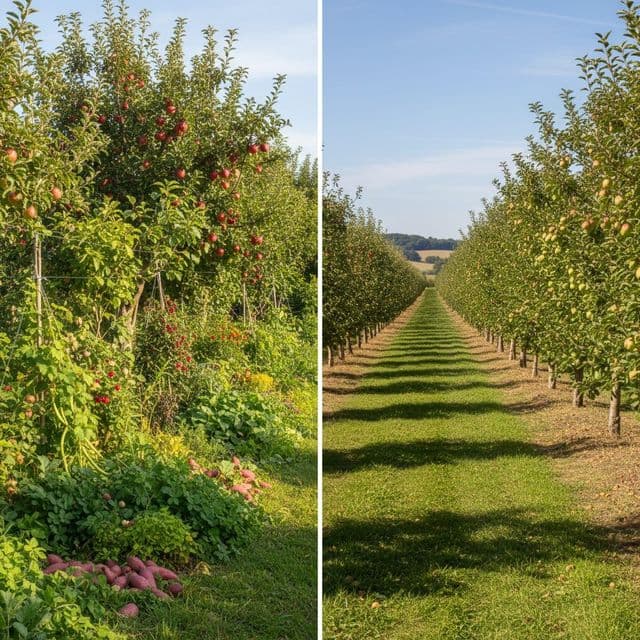
An agronomic comparison of 7-layer food forests, dwarf-rootstock orchards (M.9, M.26, G.41), and hybrid guilded orchard alleys across single-crop yield per hectare, Year 7–10 canopy shade drop-off,…
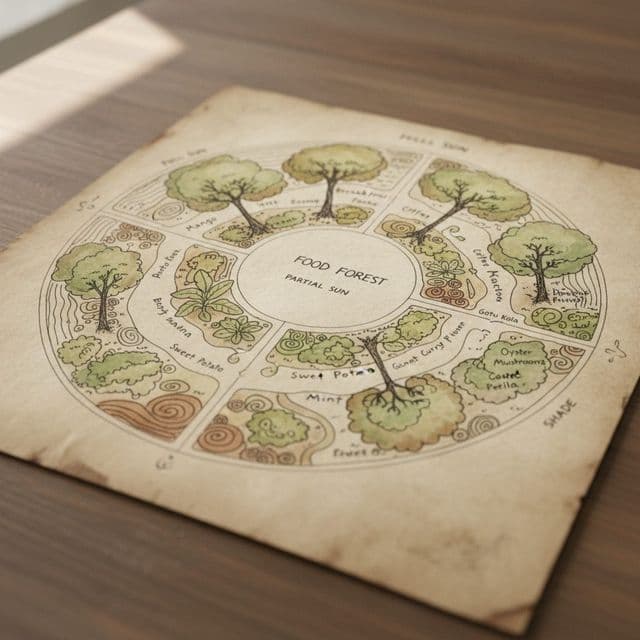
Learn practical food forest design principles, from mature tree spacing and seven-layer layout planning to succession stages and mapping software tools.
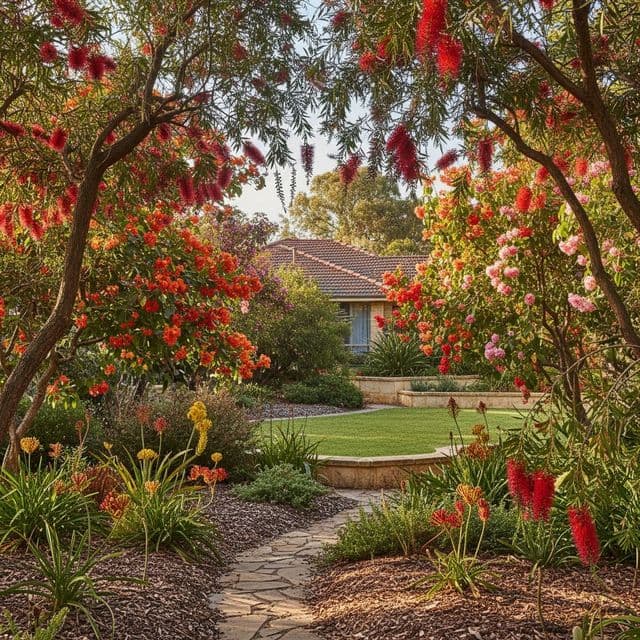
Choose fast-growing Australian native and shade trees by climate zone with growth rates, 3–10 m sewer pipe setbacks, CFA bushfire spacing, and low-phosphorus feeding rules.
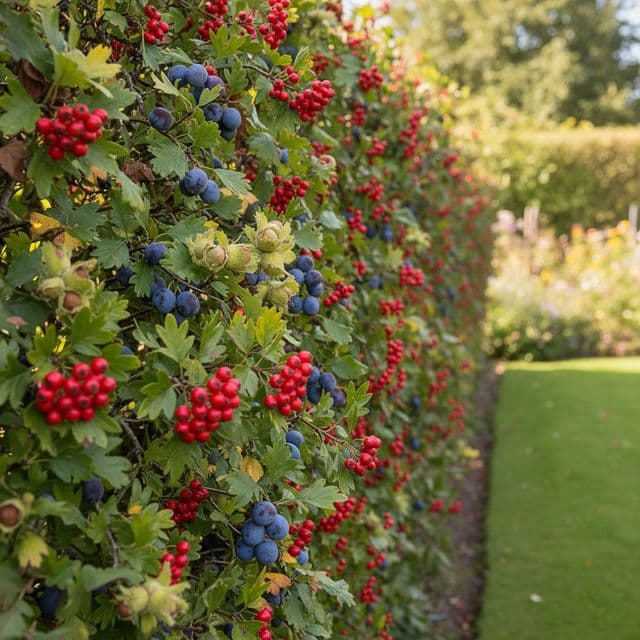
How to design and plant an edible hedge in the UK using native fruiting shrubs like hazel, sloe, elderberry, and hawthorn for food and wildlife.
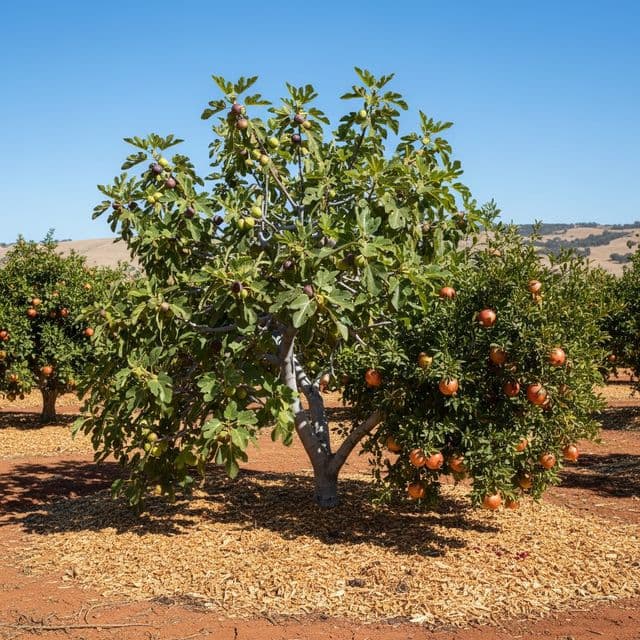
Establish resilient drought-tolerant fruit trees across sub-humid and arid Australia: olive, fig, pomegranate, quandong, carob, and mulberry rootstocks, Dynamic Chill Portions, hydrophobic-sand wet…
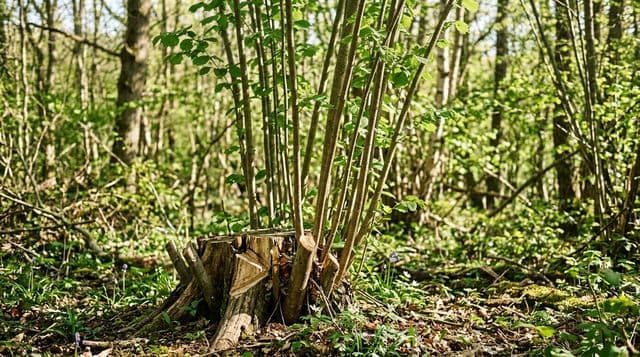
Discover the art of coppicing. Learn how cutting dormant broadleaf trees produces sustainable firewood, garden poles, living mulch, and endless timber.
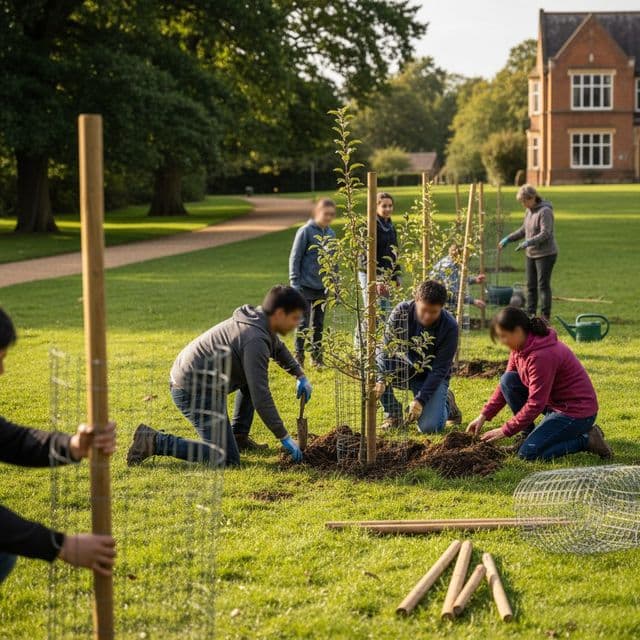
Establish a thriving UK community orchard on public or parish land. Secure a 15 to 25+ year lease, CIO governance, £5M to £10M public liability insurance, LSBUD utility checks, BS 3882 soil screeni…
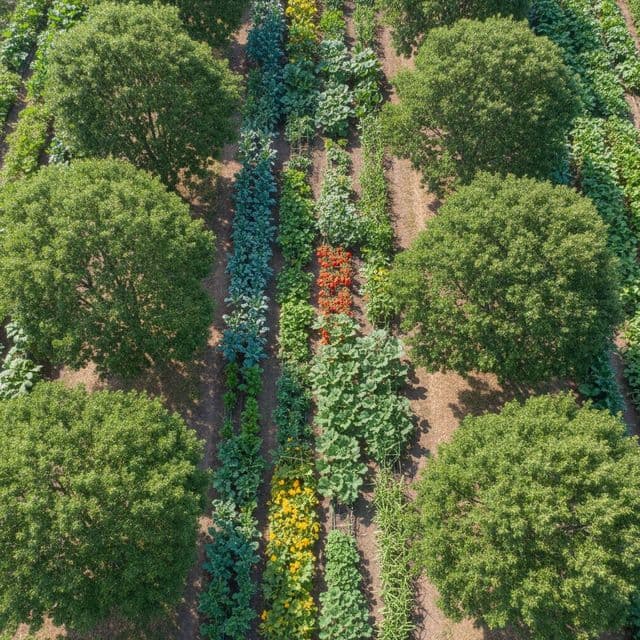
Design productive alley cropping systems across temperate and tropical climates: 12-30 m vs. 4-8 m row spacing, N-S vs. contour slope orientation, annual subsoiler root pruning, PAR cutoffs, and wa…
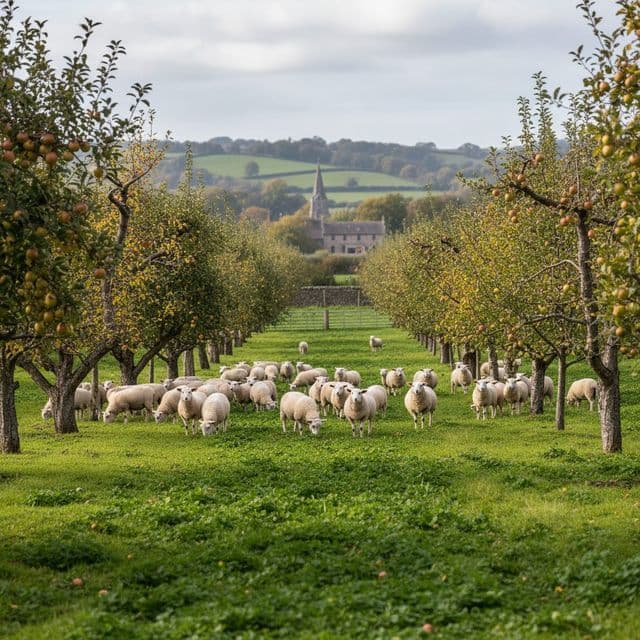
How UK smallholders and farmers use silvopasture and silvoarable agroforestry systems to improve soil health, livestock welfare, and farm income.
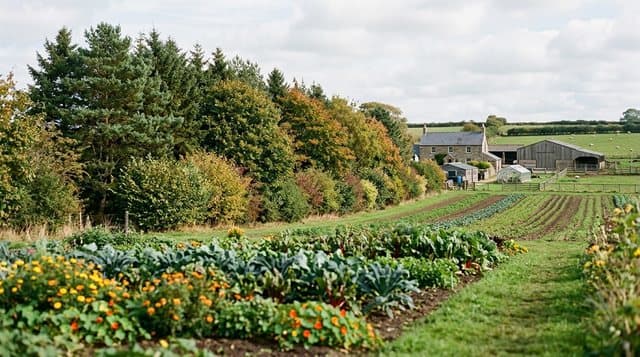
Design effective shelterbelts and windbreaks with aerodynamic 40-50% porosity guidelines, multi-row layered architecture, spacing rules, and top tree species.
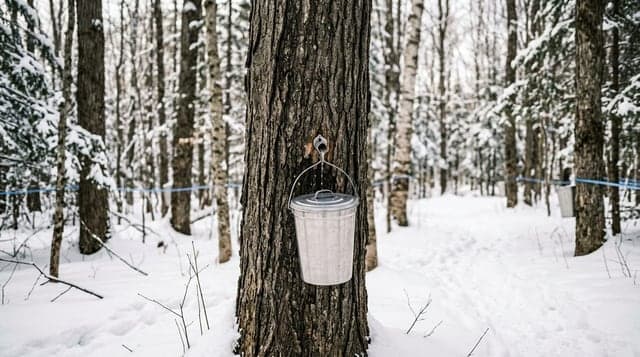
Tap maple trees across Canada with metric DBH sizing rules, freeze-thaw pressure timing, 5/16-inch health spouts, food-grade sap handling under 4°C, outdoor 40:1 boiling, and 66.0–68.9° Brix CFIA G…
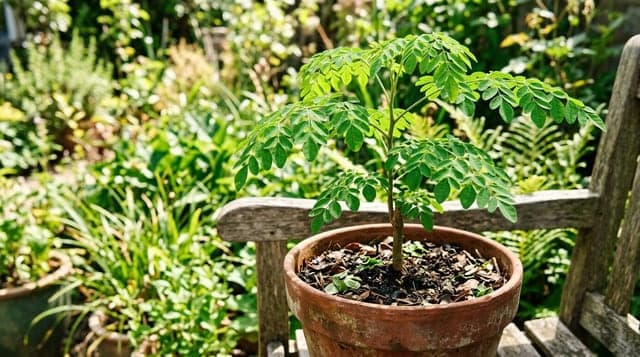
Global seed-to-sapling nursery guide for Moringa oleifera (PKM-1, PKM-2 & landraces): <6 mo seed viability, wing/husk peeling, 12–24h soak, 20–30 cm root trainers, sterile 50:50 mix at 25–32°C, 60–…
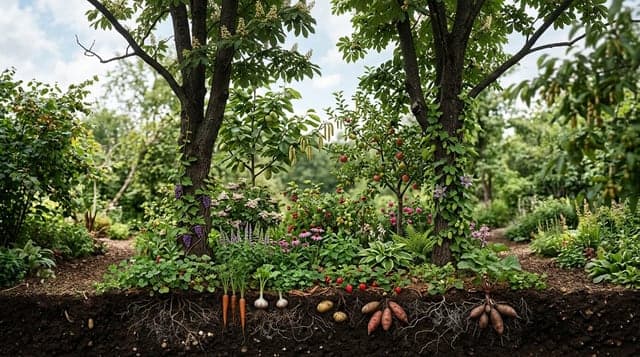
Engineer a multi-strata food forest across temperate, subtropical, and tropical climates: Robert Hart's 7 tiers plus mycelial and wetland extensions, Years 1–12 PAR light progression, rootstock spa…
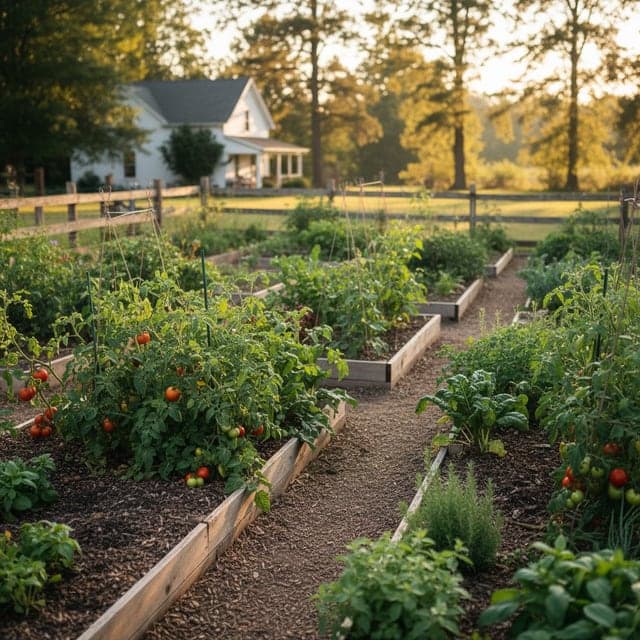
Build flowering insectary strips using USDA NRCS CPS 422 and Xerces spacing (<=100–150 ft), Apr–Oct shallow umbels and discs for hoverflies, Orius, lacewings, and Braconid wasps, neonicotinoid nurs…
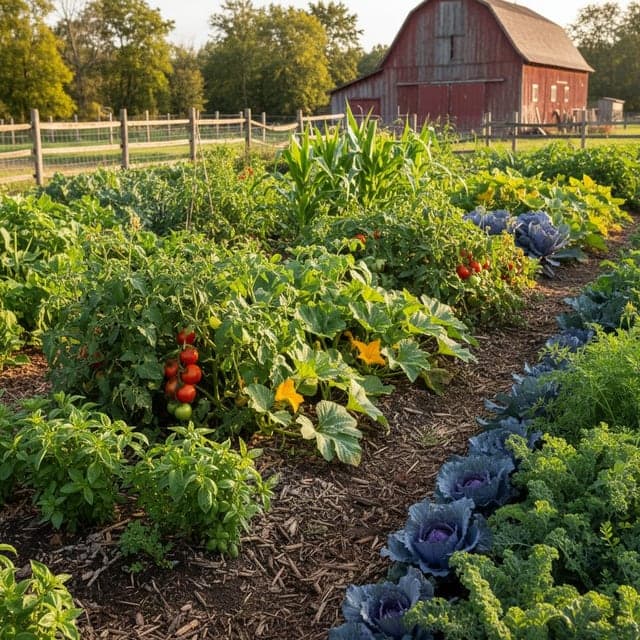
Build resilient polyculture and interplanting beds grounded in conservation biological control, managed trap crops, buried mint root barriers, marigold nematode realities, and bee-safe spray timing.
Learn how to attract beneficial insects to your USDA Zone 6 homestead using beetle banks & bug hotels. Reduce pest pressure by 30% & cut pesticide use by 50%.
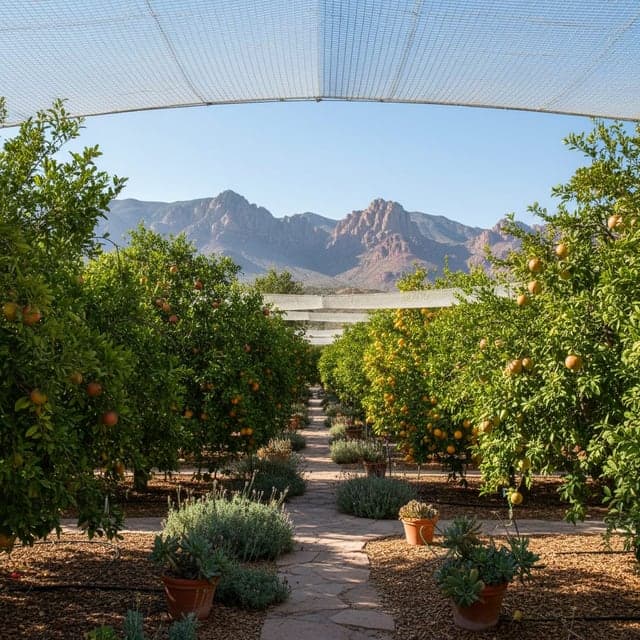
Protect US low-desert fruit trees (Zones 8b–10b) from 110°F+ sunburn and water stress using crop-specific 15–40% white knitted HDPE shade cloth, EMT conduit frames anchored with 18-inch rebar, 1:1…
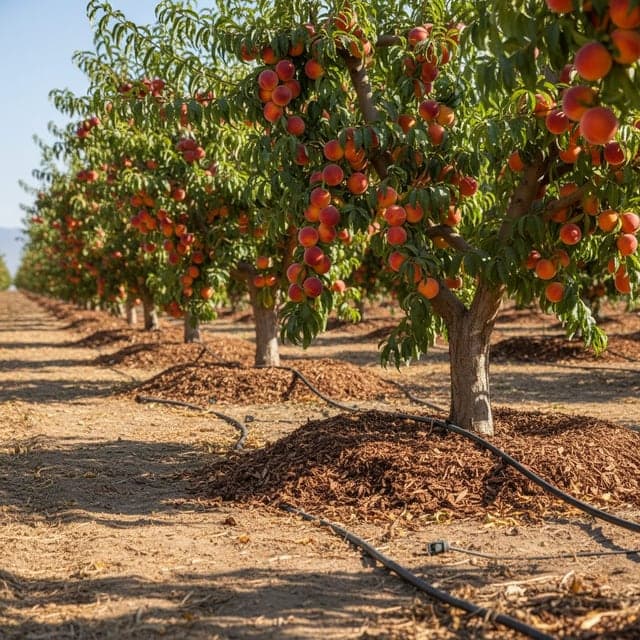
Master deep watering fruit trees like apples & peaches in USDA zones 6-9. Learn techniques for drought & heat resilience, including soil moisture assessment, drip irrigation, and mulching.
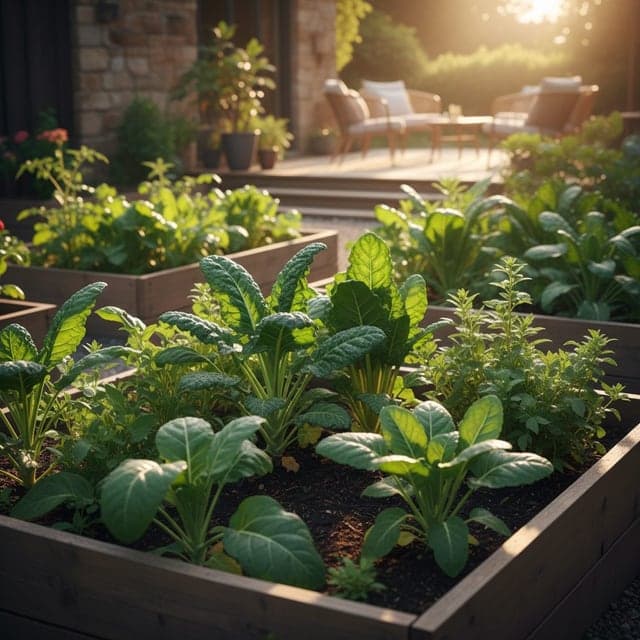
Learn effective strategies for sunscald protection in arid US zones. Discover how white paint, shade, and proper irrigation save fruit trees and boost yields by preventing heat damage.
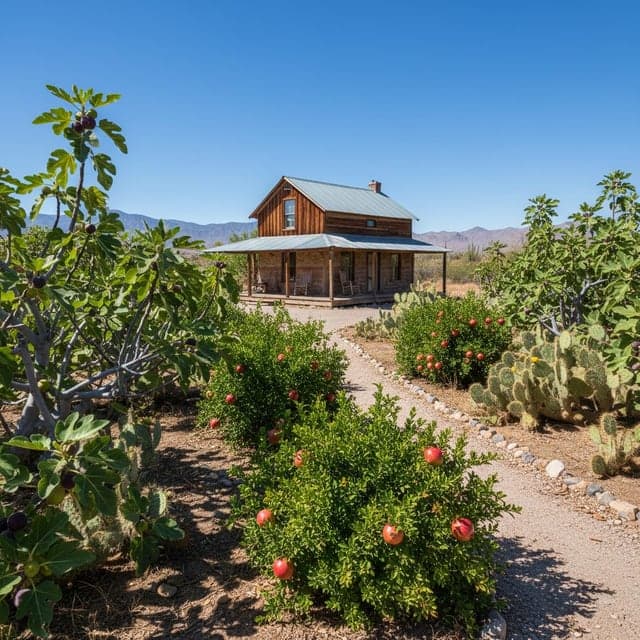
Drought-tolerant perennials like figs, pomegranates, and prickly pear reduce water use in USDA zones 7-10 for resilient gardens.
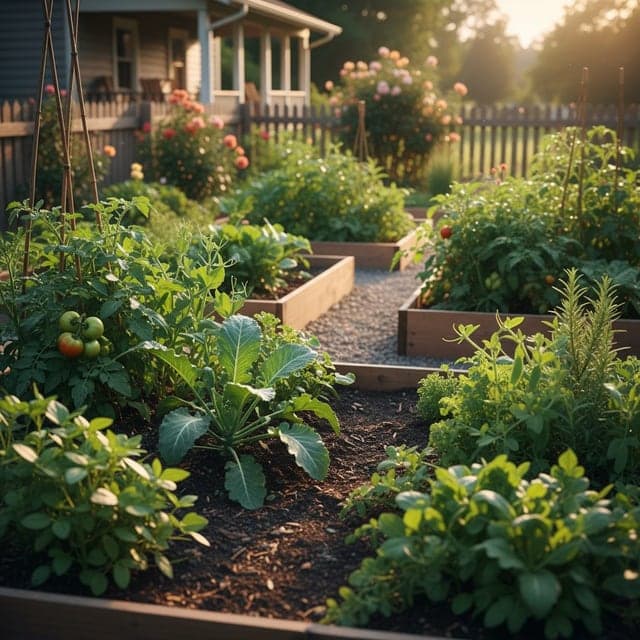
Discover nopal, tepary beans, chiltepin, and mesquite – resilient desert plants thriving in arid US climates. Reduce water use by 50-70% and build sustainable food systems.