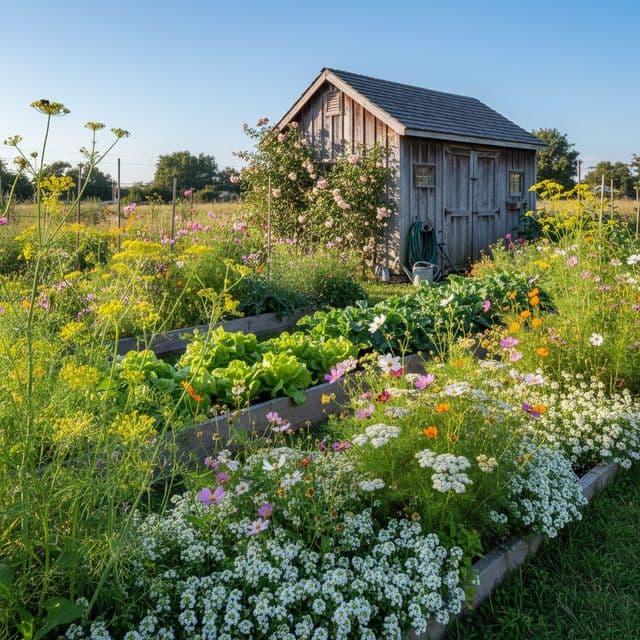
Insectary plants: reduce garden pests by 30% in North America
Insectary plants like alyssum, dill, and fennel attract beneficial insects and can reduce garden pests by up to 30%. Strategic placement provides natural pest control.
Topic
Food forest design addresses how to plan, layer, and establish a multi-story growing system on a smallholding — from mapping the seven functional layers to selecting species that fit each tier. Articles work through site assessment, spatial layout, plant guilds, and the phased establishment sequence.
30 articles in this topic on agripure. — page 2 of 2
Insectary plants like alyssum, dill, and fennel attract beneficial insects and can reduce garden pests by up to 30%. Strategic placement provides natural pest control.
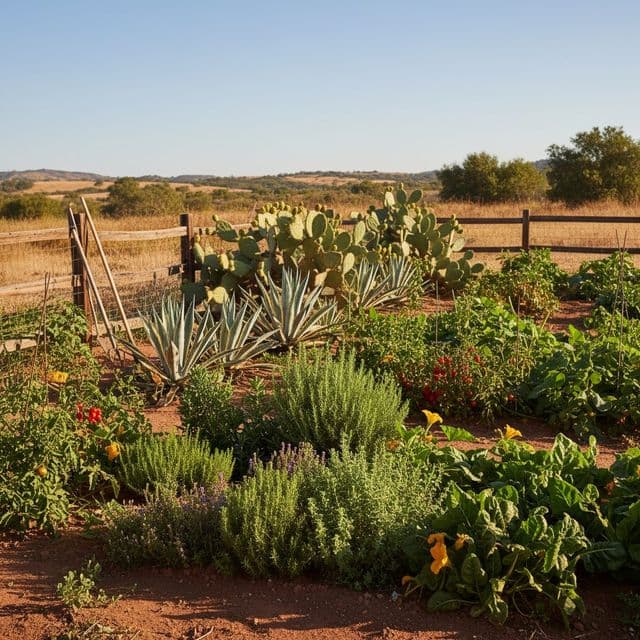
How to convert lawns to drought-tolerant edible plants, save water, and qualify for municipal turf-replacement rebates.
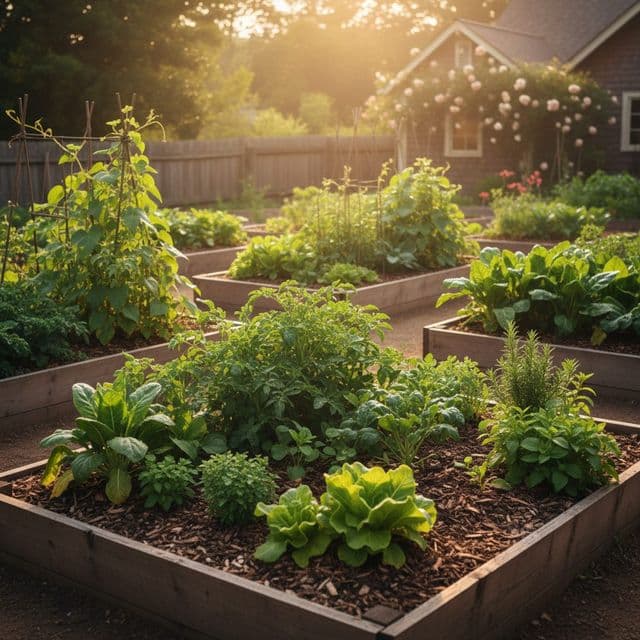
Planting on swale berms boosts water retention, enriches soil with nitrogen-fixers, and supports fruit trees in arid zones.
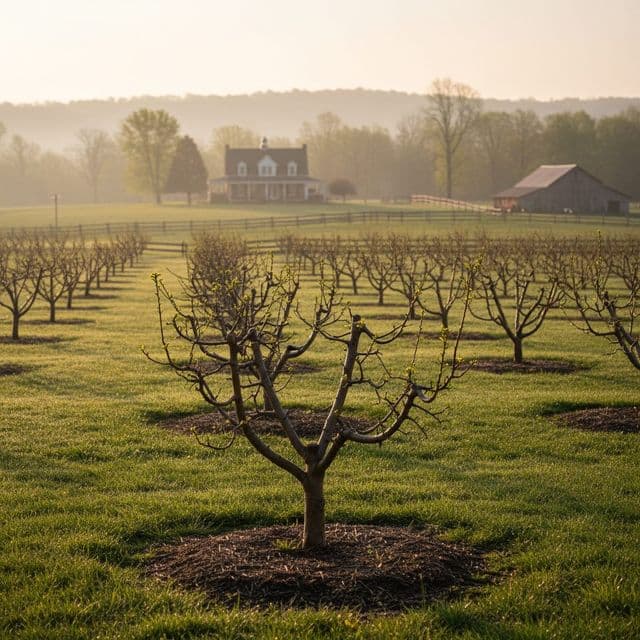
Learn formative pruning techniques for young fruit trees (years 1-3). Compare open-center vs. central-leader systems to build a strong, productive orchard in USDA zone 6.
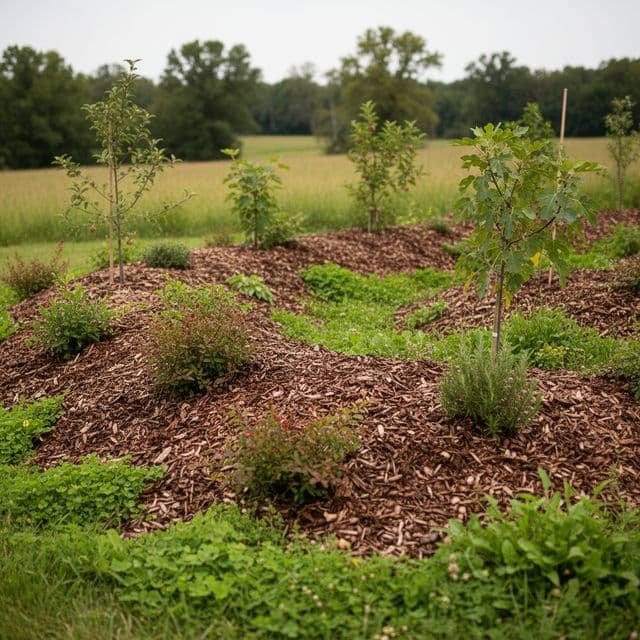
Learn how to build swales on contour to effectively catch and store rainwater in your yard. This guide covers site assessment, slope limits, soil tests, and sizing for a self-watering landscape.
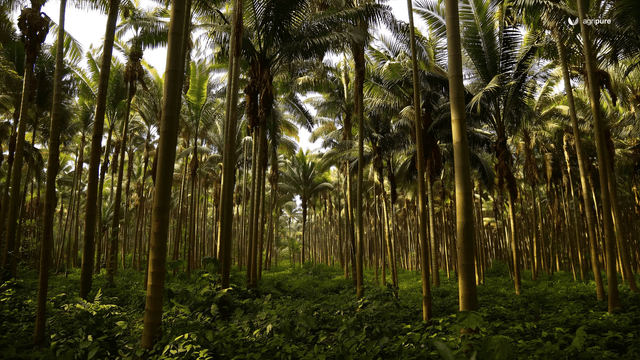
The seven-layer food forest is the most quoted idea in permaculture and the most misapplied on a small plot. Robert Hart’s original framework — seven vertical strata, from the tall canopy down to t…