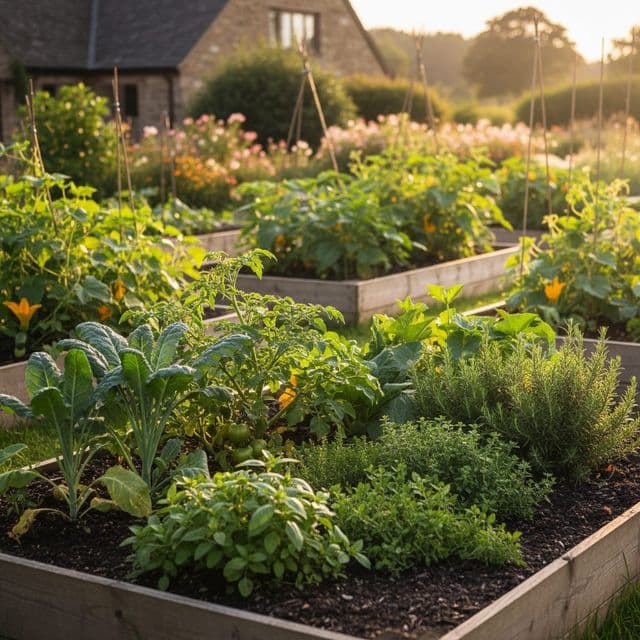
Hardening Off Transplants: Increase Survival Rates in USDA Zone 6
Learn how to properly harden off transplants to prevent shock and boost survival rates by 25-40%. Master this critical step for successful gardening in USDA Zone 6 and beyond.
Topic
Grow more of your own food with practical, beginner-friendly gardening guides. From starting seeds and planning beds to companion planting, square-foot layouts, herbs, mushrooms, greenhouses, and soilless systems, these articles walk you through every step—what to plant, when to plant it, and how to keep crops healthy from sowing to harvest.
763 articles in this topic on agripure. — page 6 of 32
Learn how to properly harden off transplants to prevent shock and boost survival rates by 25-40%. Master this critical step for successful gardening in USDA Zone 6 and beyond.
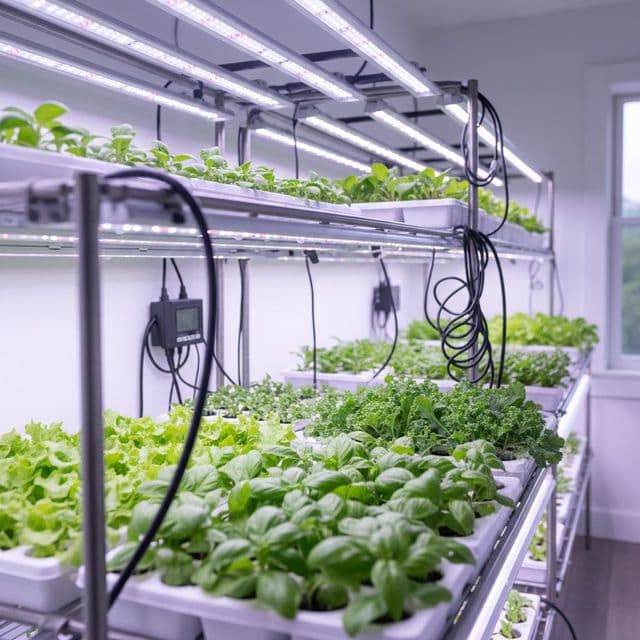
Prevent and fix leggy, crowded, or damped-off seedlings. This guide offers practical strategies for USDA Zone 6 growers to ensure strong, healthy plants from seed.
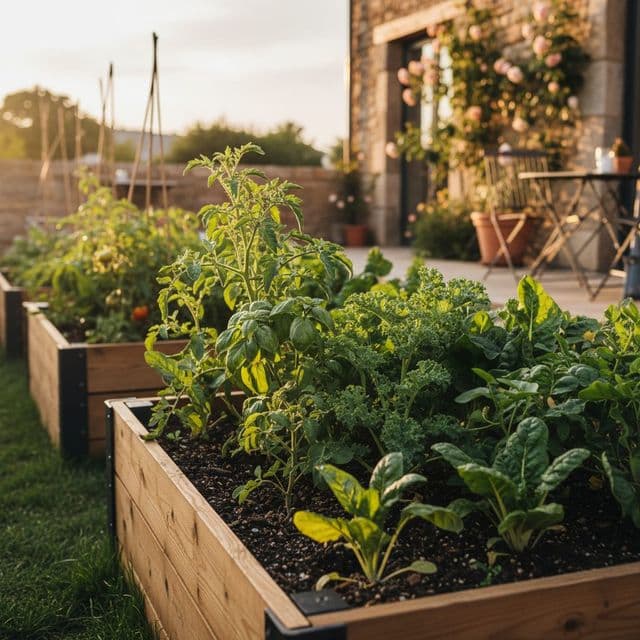
Maximize garden yields by choosing direct sow vs transplant. Learn which method suits root vegetables, warm-season crops, and your USDA Zone for a more bountiful harvest.
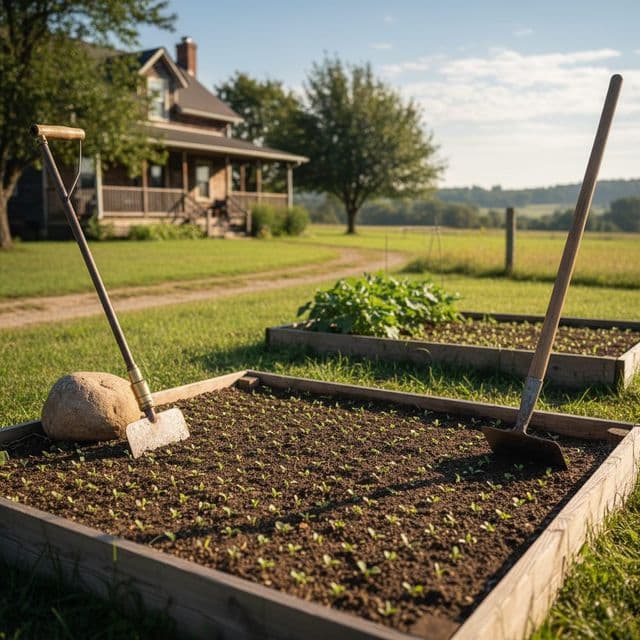
Master stale seedbed weed control in USDA Zone 6. Compare flame weeding vs. shallow hoeing for effective, chemical-free weed management, reducing weed pressure by up to 90%.
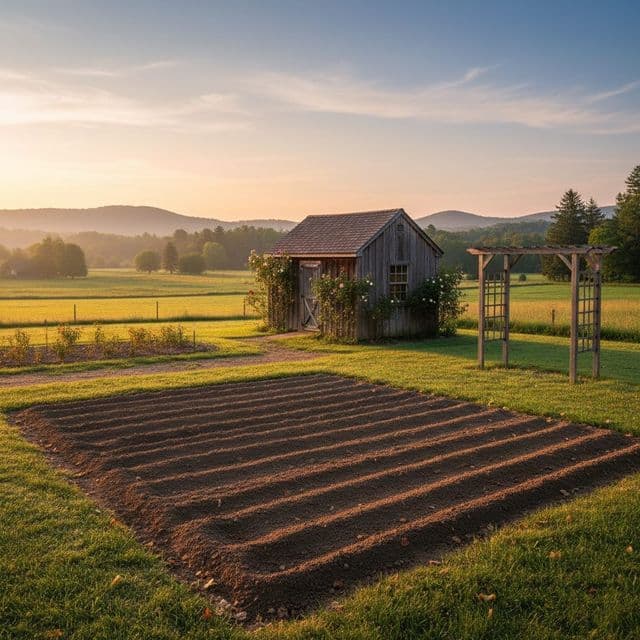
How stale seedbed preparation reduces early-season weed pressure by 40-60% for direct-sown crops, improving yields and saving labor while building soil health.
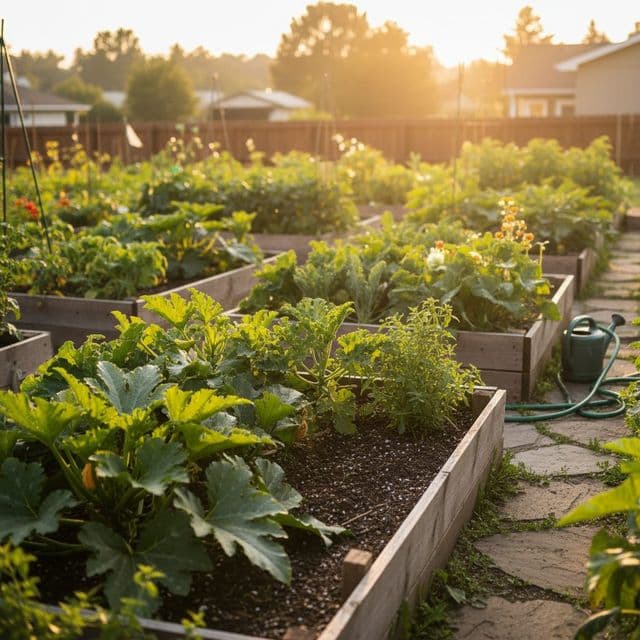
Bridge the summer gap in USDA Zone 6 with heat-tolerant crops, succession planting, and crop rotation. Maximize harvests even in 90°F heat.
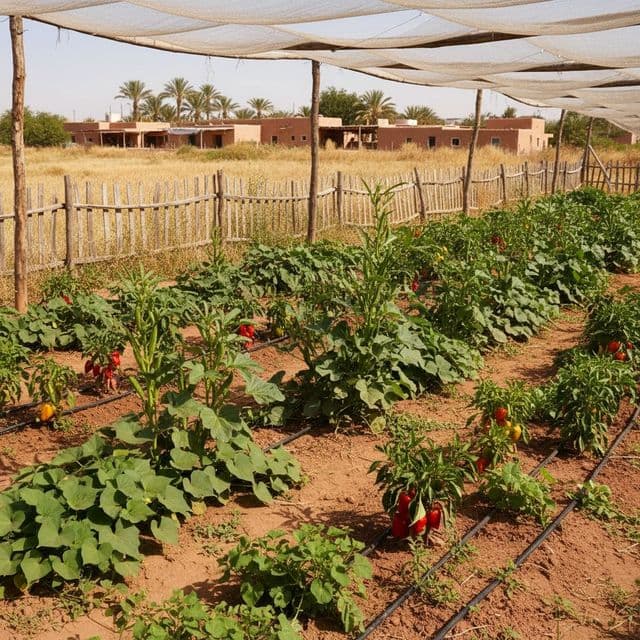
How to use a hot-season planting calendar in USDA Zones 8-10, covering crop rotation, succession planting, and heat management for continuous harvests in Florida & California.
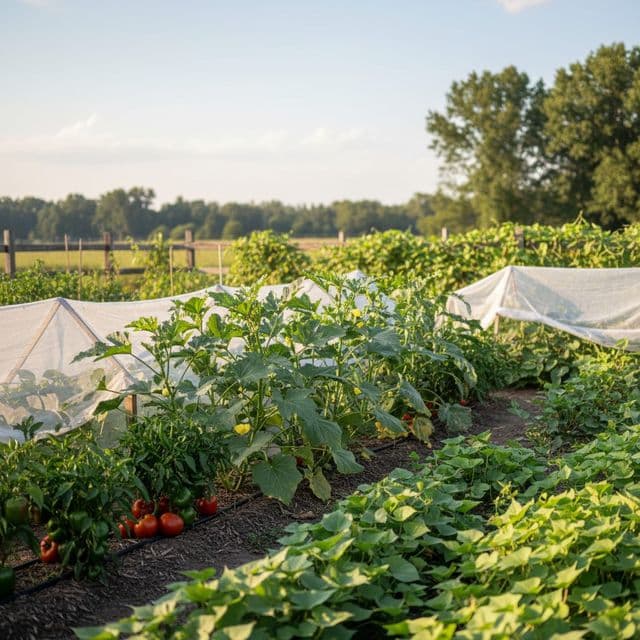
Master succession planting in USDA Zone 8 during 100°F heatwaves. Learn strategies for heat-tolerant crops, soil health, water management, and timing to ensure continuous harvests.
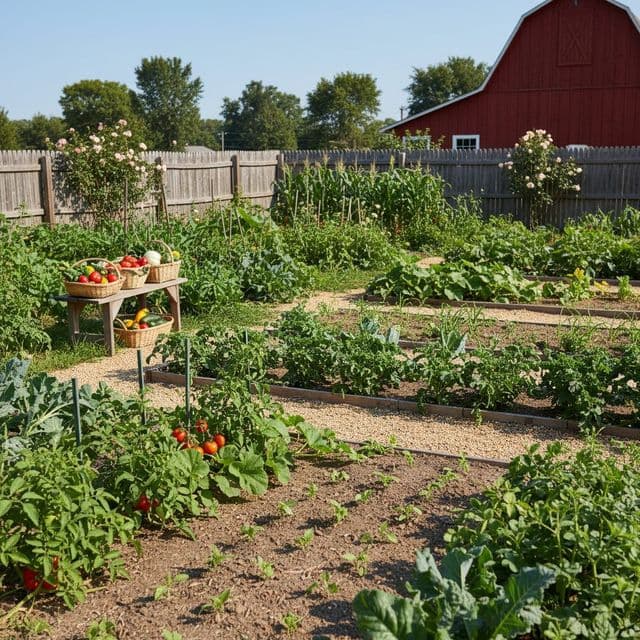
Succession planting produces continuous summer harvests in USDA Zones 5-9. Stagger fast-maturing crops to maintain yields, improve soil health, and reduce pests.
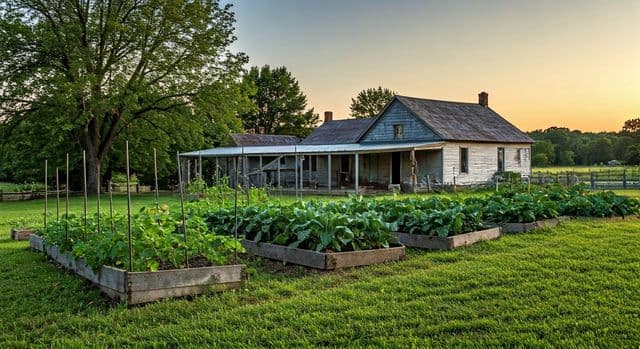
Prevent premature bolting in lettuce & spinach across USDA zones 3-9. Learn strategic shade, watering, and planting techniques to extend your harvest and keep greens fresh.
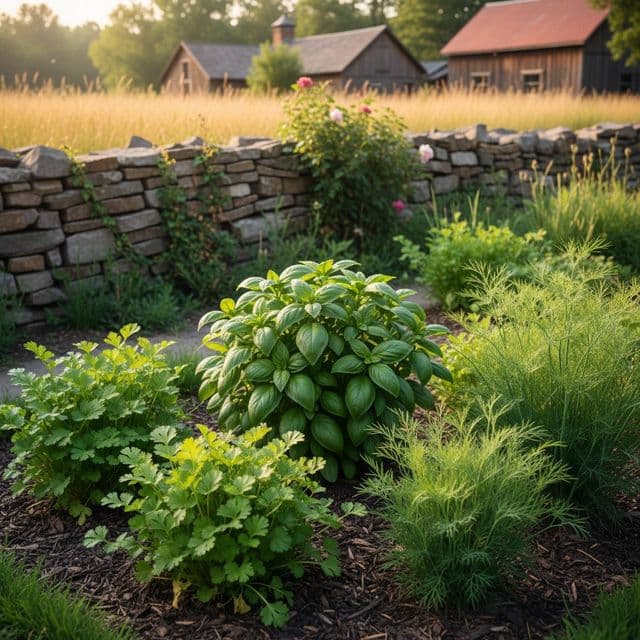
Learn how to prevent herb bolting in cilantro, basil, and dill. Use succession planting, crop rotation, and shade to extend your fresh herb harvests by weeks, especially in USDA Zone 7.
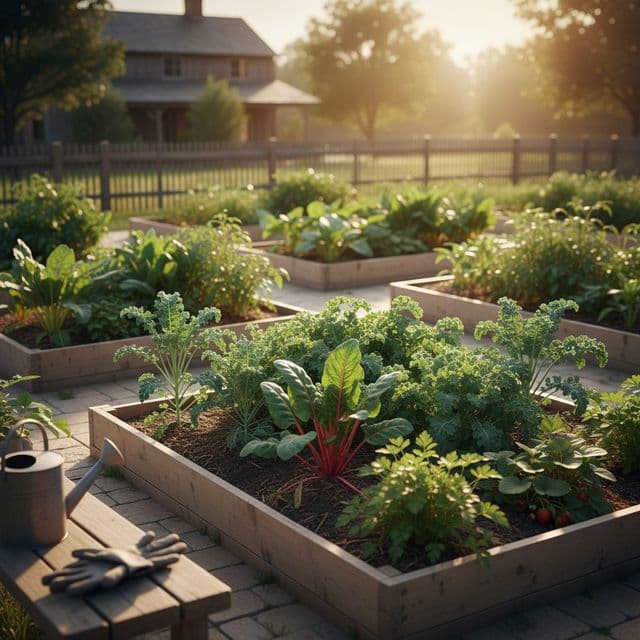
Learn how to prevent bolting in lettuce, spinach, and other cool-season crops. Understand triggers like heat and day length, and apply strategies to maximize your garden’s harvest.
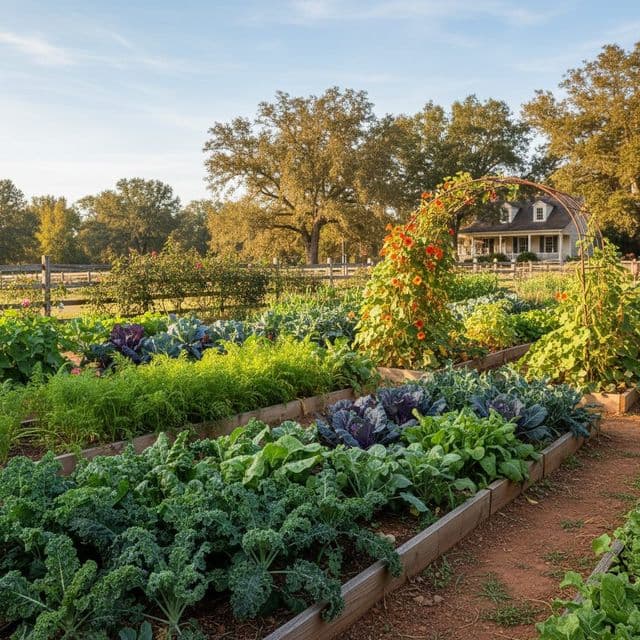
Plan a second growing season in the Deep South and Gulf Coast with crop rotation, succession planting, and a planting calendar for USDA Zones 8-10 fall gardening.
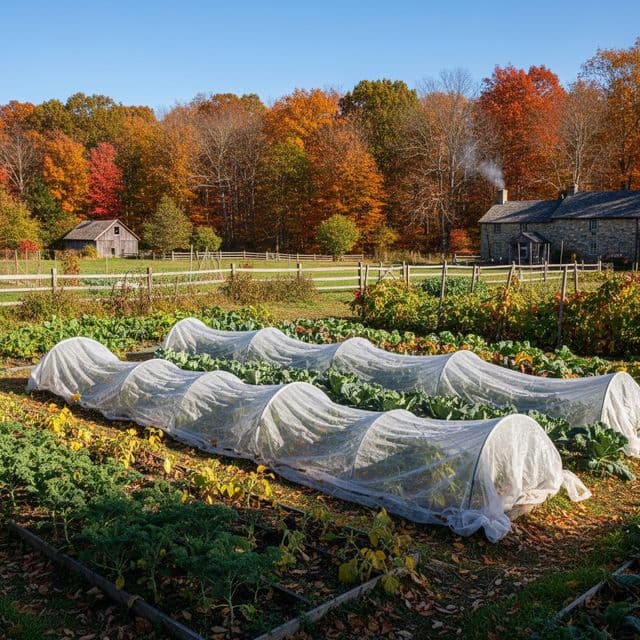
Learn how to extend your fall harvest by 45 days in USDA zone 6 using row covers, low tunnels, and cold frames. Maximize yields with strategic crop rotation and succession planting.
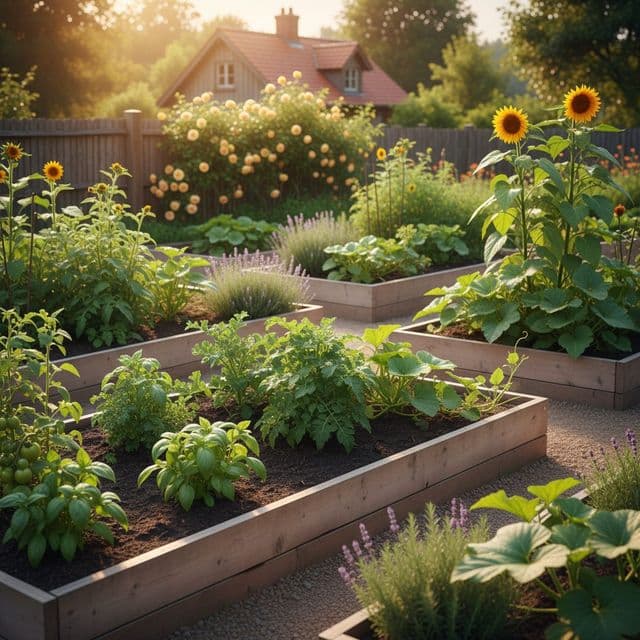
Learn to overwinter crops like garlic, spinach, kale, and mache. Extend your harvest by weeks, improve soil health, and keep garden beds productive in USDA zones 4-8.
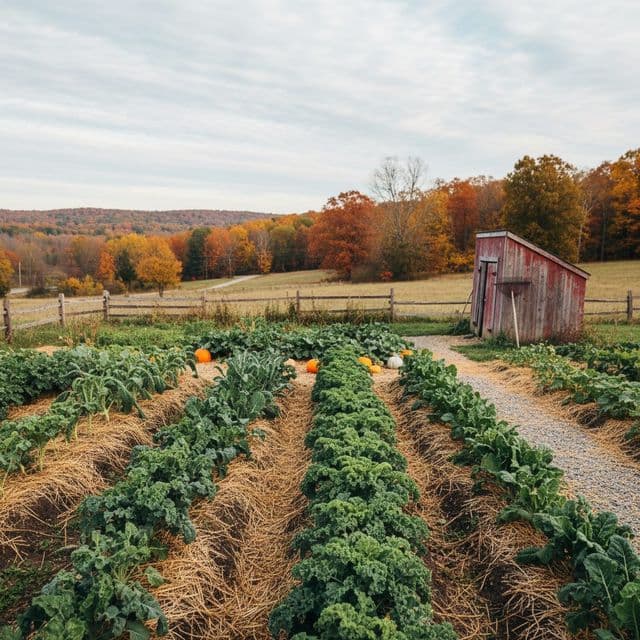
Master fall planting by calculating dates backward from your first frost. Learn to select cold-hardy crops, improve soil health, and extend your harvest in USDA Zone 6 and beyond.
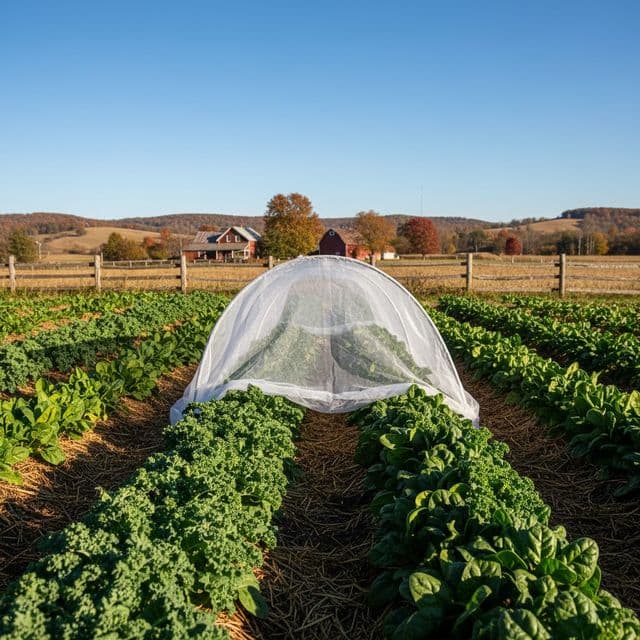
Discover 20 cold-hardy vegetables to extend your harvest into fall and winter. Learn succession planting, crop rotation, and season extension for USDA Zones 3-8.
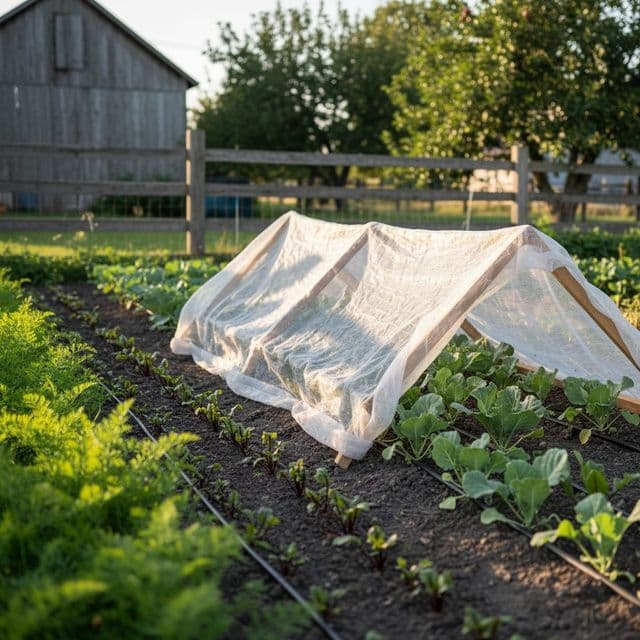
Extend your harvest with midsummer sowing. Learn to plant fall brassicas, carrots, and beets in USDA zones 4-9 for a bountiful autumn and winter yield. Get expert tips.
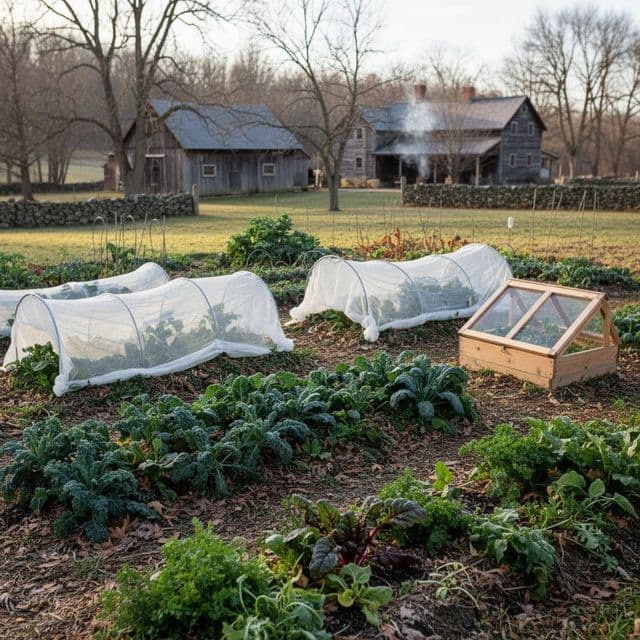
Maximize your garden’s yield in USDA Zone 6. Learn crop rotation, succession planting, and frost date planning to extend your harvest and get 30+ lbs per 100 sq ft.
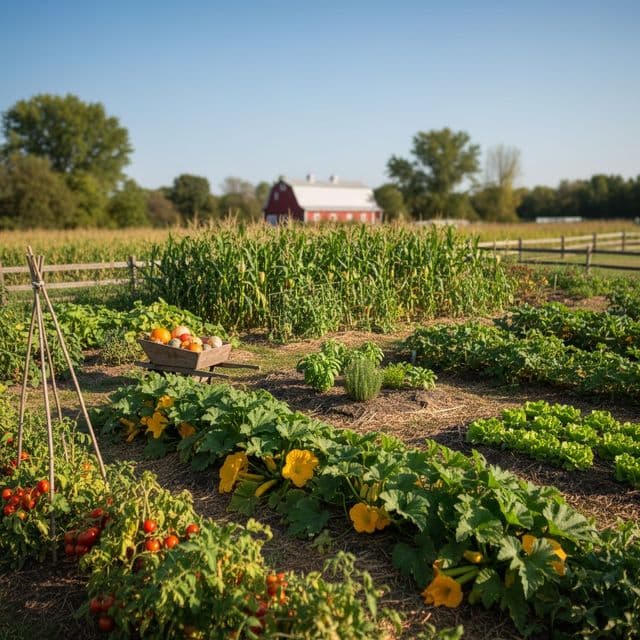
Maximize your garden’s yield with a succession planting schedule tailored to your USDA zone. Learn techniques for continuous harvest, improved soil health, and pest management.
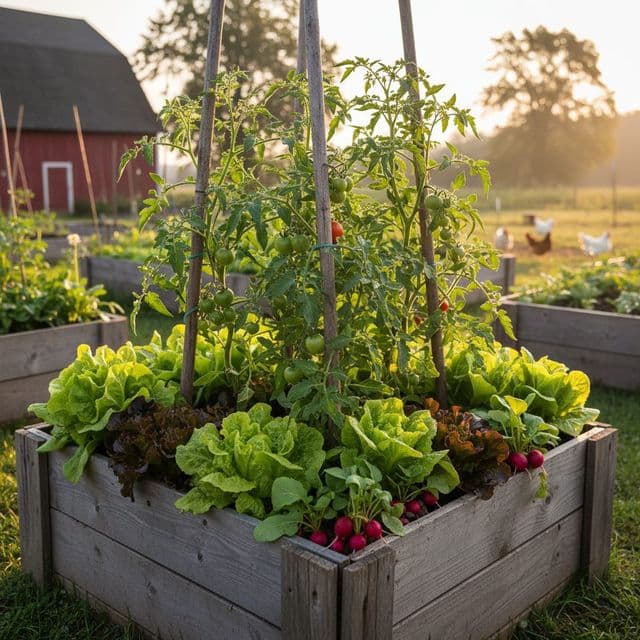
Learn how interplanting fast and slow crops can double your garden’s output. Discover strategic crop pairings, USDA zone planting calendars, and succession planting tips for maximum yield.
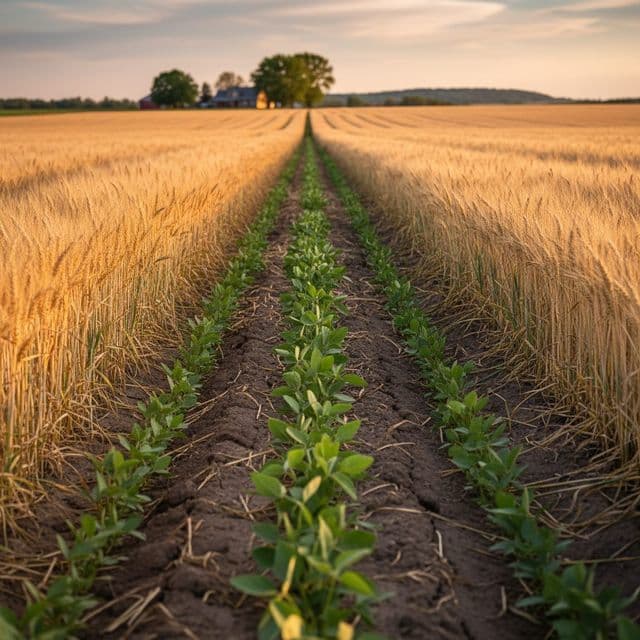
Discover how relay planting maximizes land use and boosts crop yields by 15-30% in US homesteads. Learn techniques, crop pairings, and zone-specific strategies for efficient growing.
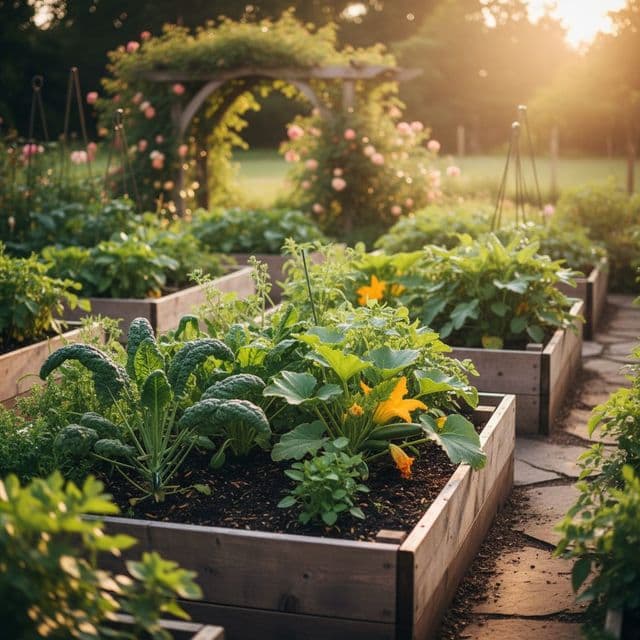
Master succession planting for continuous harvests of bush beans, radishes, and carrots. Learn to boost yields, improve soil health, and extend your growing season across USDA zones.
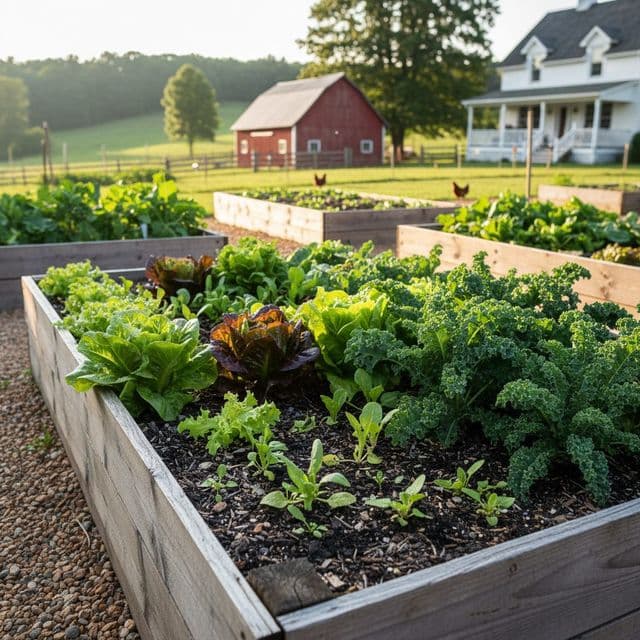
Maximize your garden’s yield with succession planting. Learn how to continuously harvest fresh lettuce and spinach every 2-3 weeks in USDA Zone 7, extending your season.