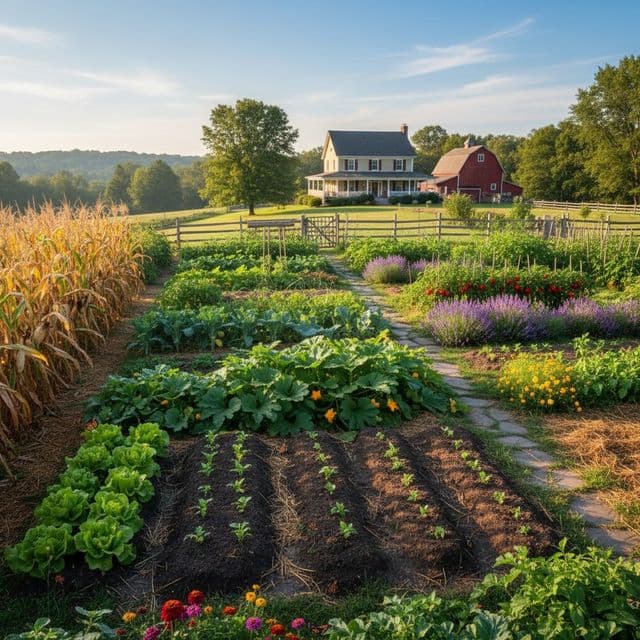
Maximize Garden Output: 4 Succession Planting Methods by Zone
Learn four succession planting methods—same-crop, interplanting, relay, and follow-on—to maximize garden output. Get continuous harvests & boost yields in your USDA zone.
Topic
Grow more of your own food with practical, beginner-friendly gardening guides. From starting seeds and planning beds to companion planting, square-foot layouts, herbs, mushrooms, greenhouses, and soilless systems, these articles walk you through every step—what to plant, when to plant it, and how to keep crops healthy from sowing to harvest.
763 articles in this topic on agripure. — page 7 of 32
Learn four succession planting methods—same-crop, interplanting, relay, and follow-on—to maximize garden output. Get continuous harvests & boost yields in your USDA zone.
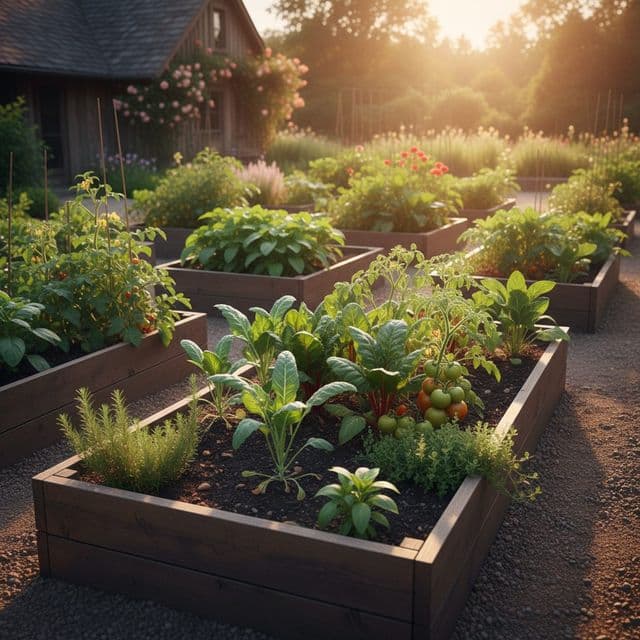
Learn how common crop rotation mistakes spread tomato and squash diseases, reducing yields. Discover effective strategies to break disease cycles and boost your garden’s productivity.
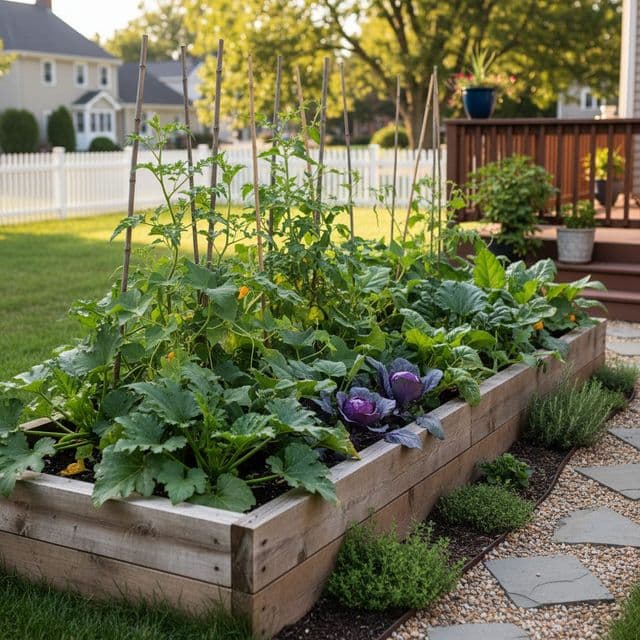
Master crop rotation and succession planting in your 4×8 ft raised beds. Learn strategies to boost yields, prevent disease, and maintain soil health in small spaces across USDA zones.
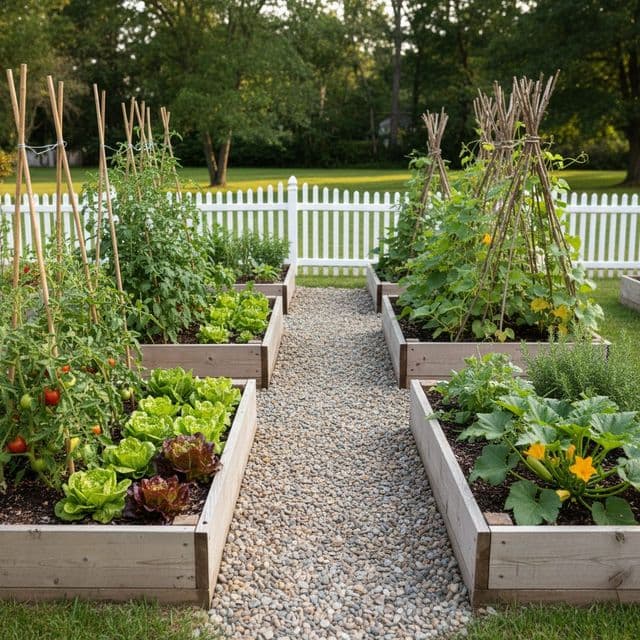
Maximize your small backyard or raised-bed garden’s output with a simple 3-bed crop rotation system. Learn to boost yields, improve soil health, and manage pests in USDA Zone 6.
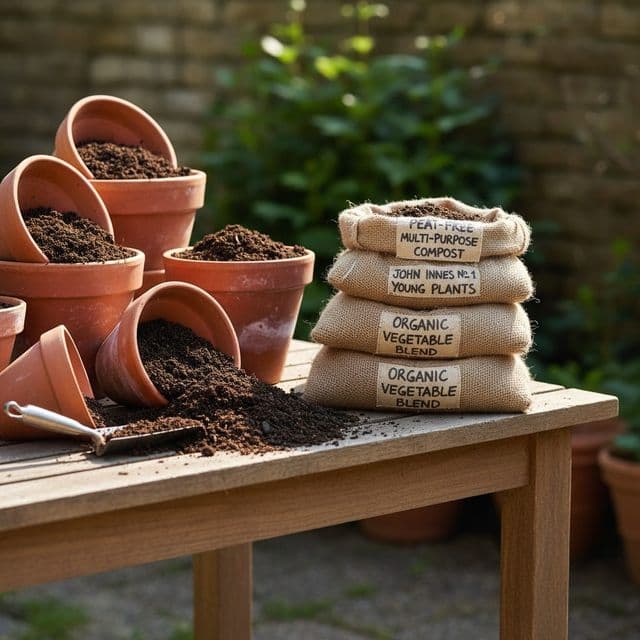
A guide to four-group crop rotation for USDA Zone 6 gardens, explaining how legumes, brassicas, alliums, and nightshades manage soil nutrients and reduce pests.
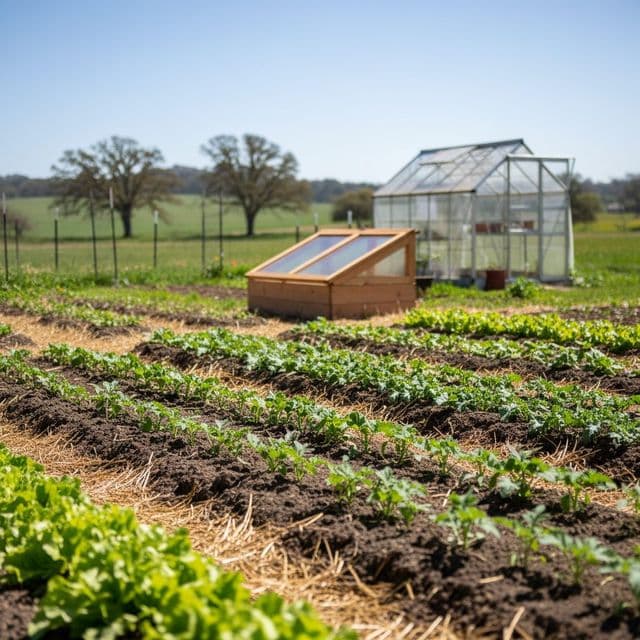
Master continuous harvest with a USDA zone planting calendar. Learn succession planting, crop rotation, and season extension for year-round garden productivity in any US region.
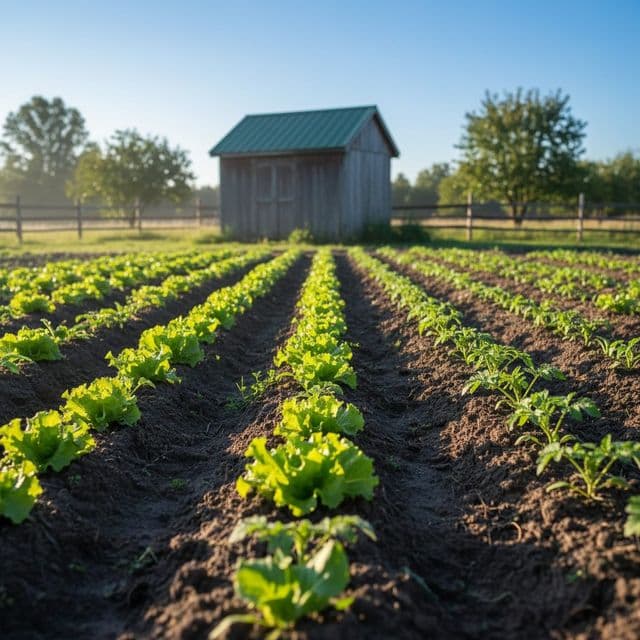
Master your USDA zone planting calendar by understanding frost dates & days to maturity. Learn to calculate optimal planting times for succession planting & crop rotation.
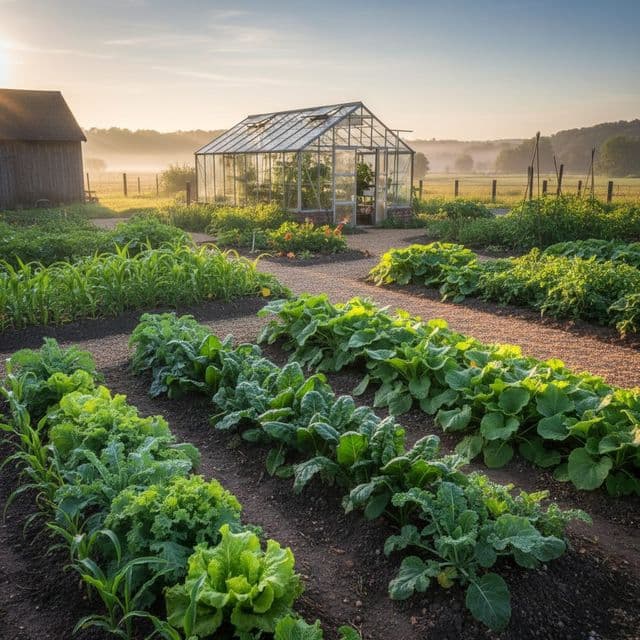
Master planting by USDA zone! Learn to time cool-season and warm-season crops for optimal growth, extended harvests, and healthier soil using succession planting & crop rotation.
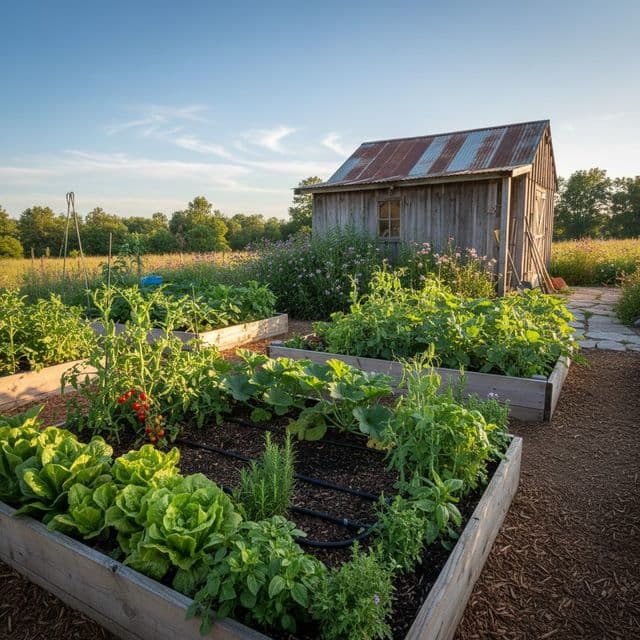
Maximize your garden’s potential with this Zone 7-8 planting calendar. Learn succession planting & crop rotation for Mid-South, PNW, & Mid-Atlantic regions.
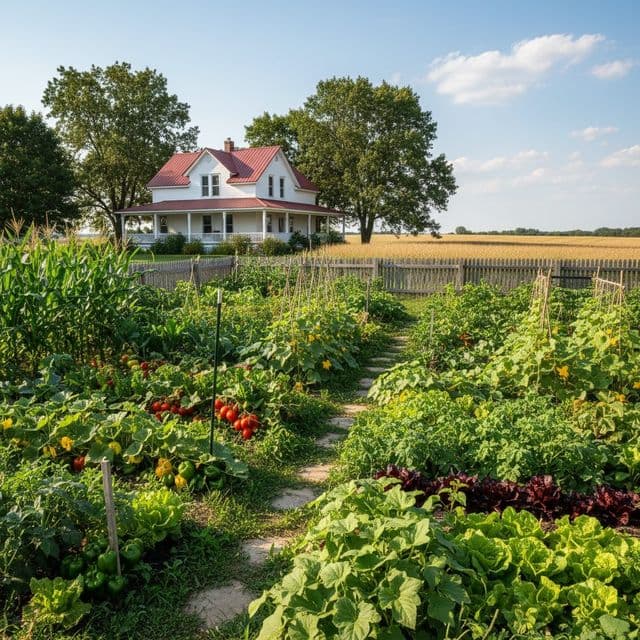
Master year-round planting in USDA Zones 5-6. This guide covers sowing, crop rotation, and succession planting for Midwest, Mid-Atlantic, and Mountain West gardens. Maximize yields.
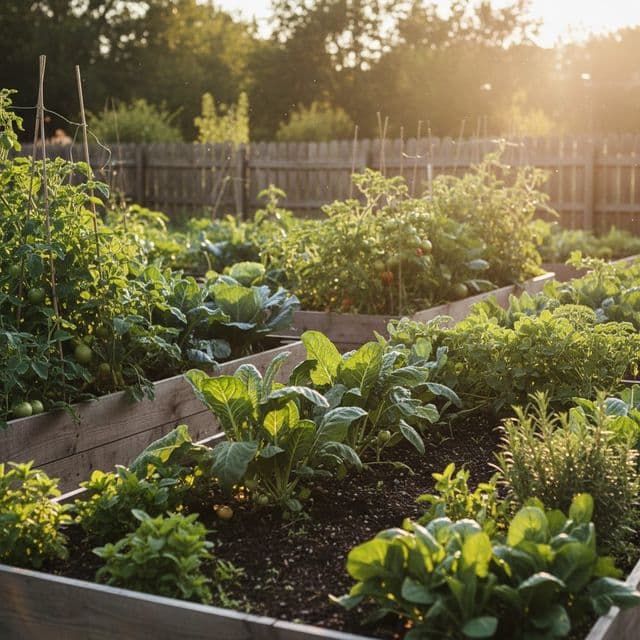
Master Zone 3-4 gardening with strategies for short seasons. Learn crop rotation, succession planting, indoor seed starting, and season extension to maximize your harvest.
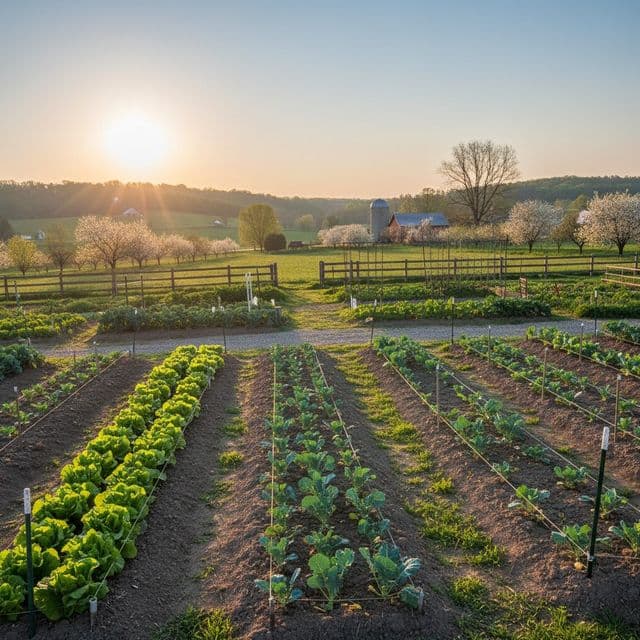
Find your average last and first frost dates to calculate growing season length in USDA Zone 6. Plan crop rotation and succession planting around your frost-free window.
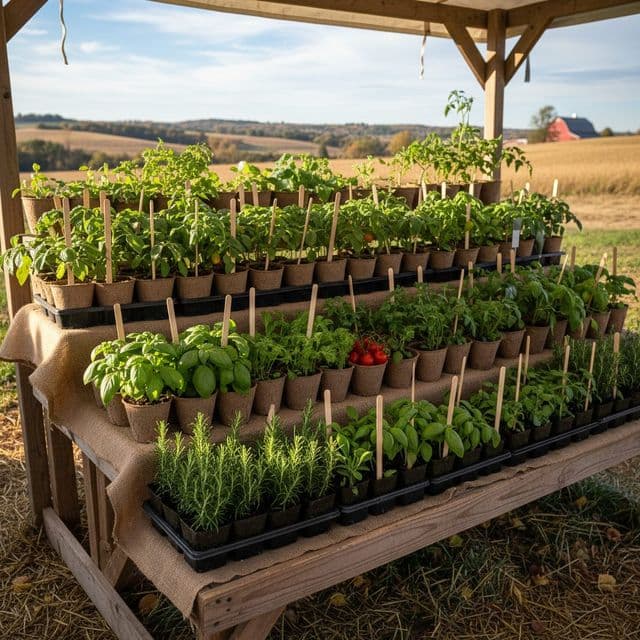
How to organize spring plant sales in USDA Zone 6, including pricing methods, container sizes, and seed starting schedules.
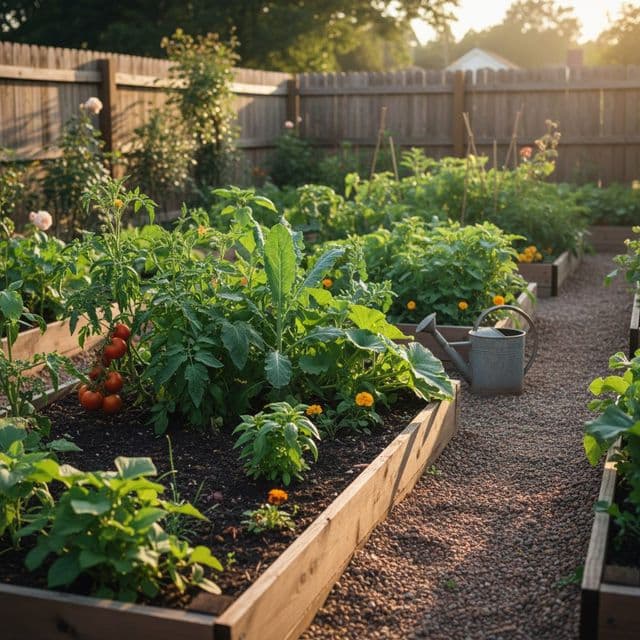
Dividing perennial edibles like rhubarb and asparagus rejuvenates plants, prevents overcrowding, and boosts garden productivity by 25% across USDA zones 4-8.
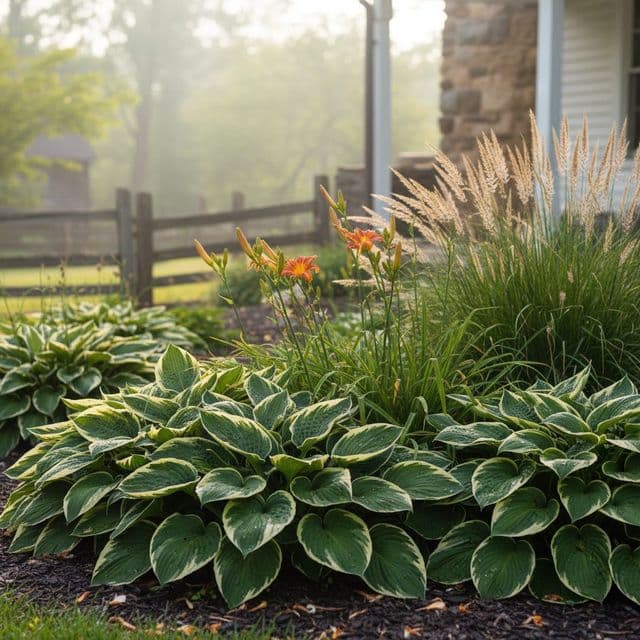
How to divide hostas, daylilies, irises, and ornamental grasses to multiply plant stock by 300%, covering timing, division methods, and replanting in USDA Zone 6.
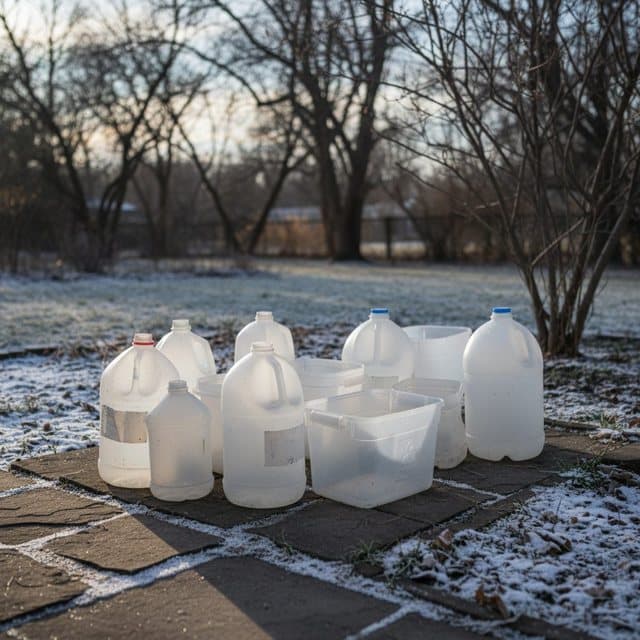
Month-by-month winter sowing schedule across USDA zones, covering seed timing, container preparation, and seedling care without indoor grow lights.
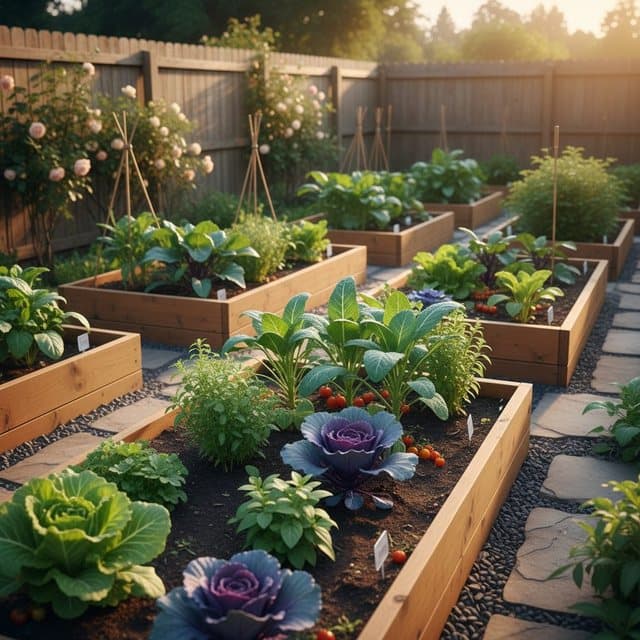
Compare coco coir, peat moss, and compost as growing mediums. Learn their pH, water retention, and sustainability to choose the best base for your garden, especially in USDA Zone 6.
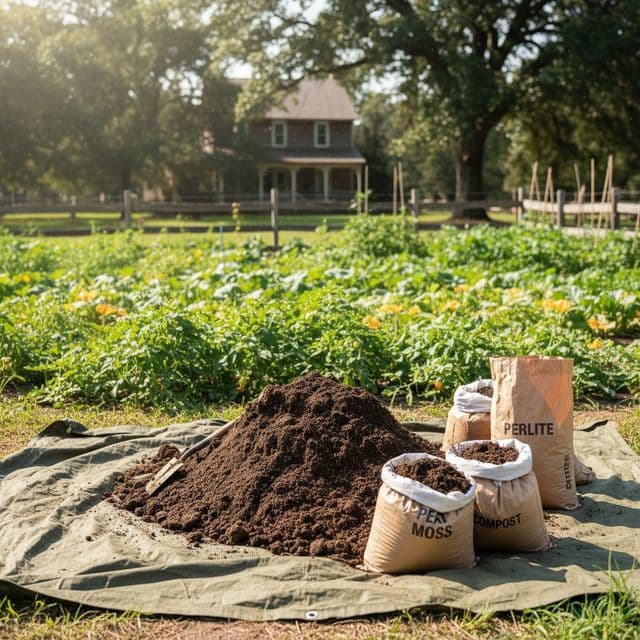
How to mix custom seed-starting and potting mixes with peat or coco coir, perlite, and compost for controlled drainage and seedling nutrition.
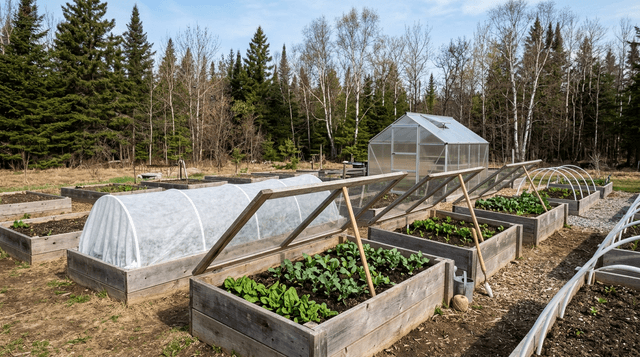
Season extension techniques in Canada lengthen the brief northern growing window by several weeks through unheated cold frames, floating row covers, and polyethylene high tunnels.
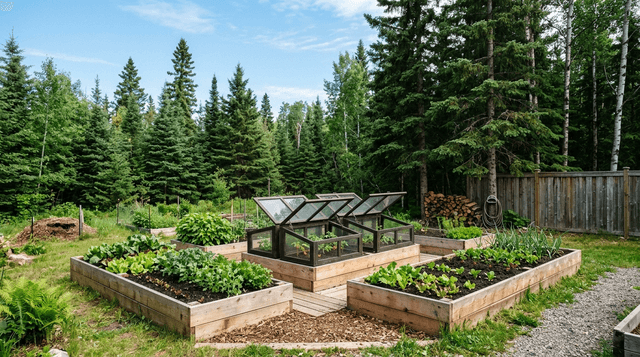
Gardening successfully in Canadian USDA zones 2 to 4 requires selecting cold-hardy varieties, optimizing microclimates, and protecting crops during narrow frost-free growing windows.
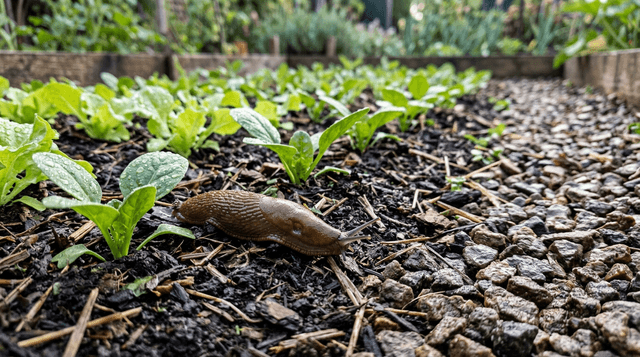
Slug management in damp UK gardens requires layered non-chemical controls and prioritizing vulnerable young seedlings, as no single cultural method completely eliminates gastropods.
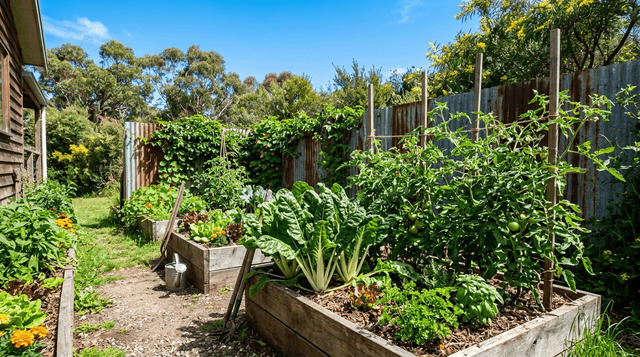
Understanding Australia's reversed growing calendar prevents common planting errors caused by northern-hemisphere advice, aligning seasonal tasks with September-to-November spring cycles.

The UK transition to peat-free compost requires adjusting watering and feeding routines, as bark, wood fibre, and coir blends dry out faster on top while retaining core moisture.
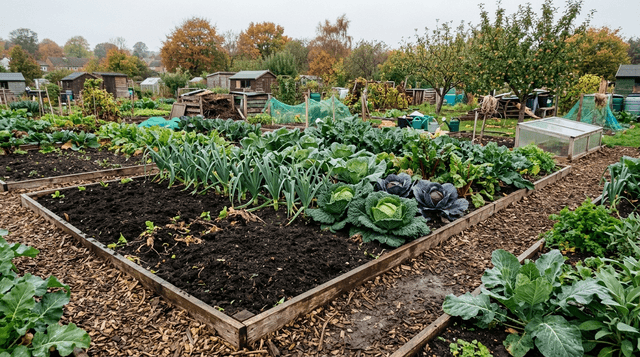
No-dig gardening protects UK soils by layering organic compost over undisturbed ground, improving heavy clay drainage and reducing seasonal weed emergence.