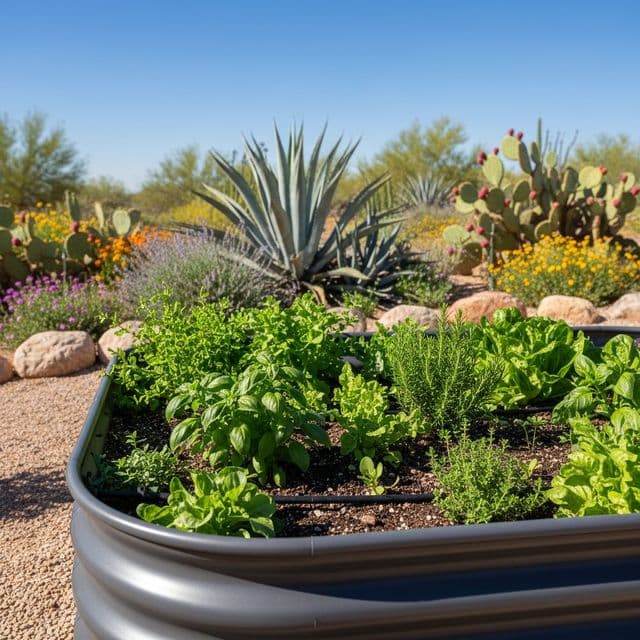
Wicking beds: water management for Arizona heat & Florida humidity
Manage wicking bed moisture in arid heat and subtropical humidity, reducing water use by 50% or more through adapted reservoir, soil, and drainage designs.
Topic
Permaculture covers the design principles that turn any patch of land into a self-maintaining growing system. Articles span food forests, no-dig beds, plant guilds, zone planning, and the practices that feed soil biology rather than bypass it — building fertility that compounds over time.
110 articles in this topic on agripure. — page 4 of 5
Manage wicking bed moisture in arid heat and subtropical humidity, reducing water use by 50% or more through adapted reservoir, soil, and drainage designs.
Learn to build DIY ollas for passive irrigation. Save up to 70% water in your garden, especially in arid regions like Arizona. Easy, affordable, and promotes healthier plants.
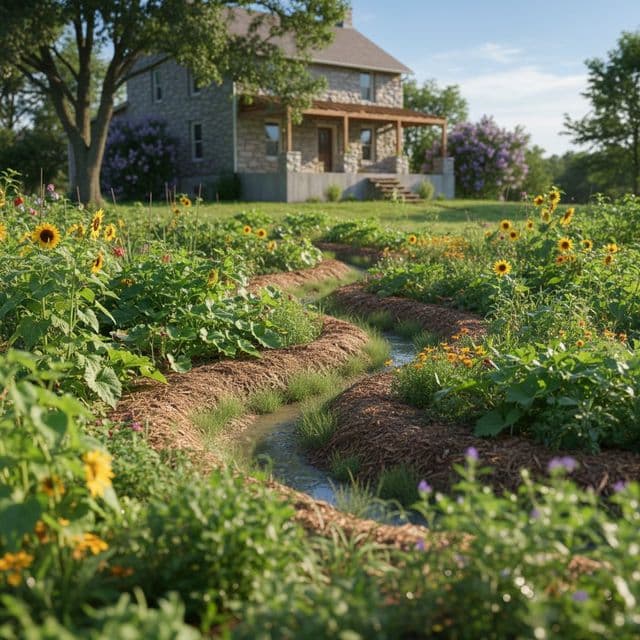
Learn proper swale design for your homestead. Protect foundations, manage stormwater, and reduce water bills. Understand permits & safe construction for effective water harvesting.
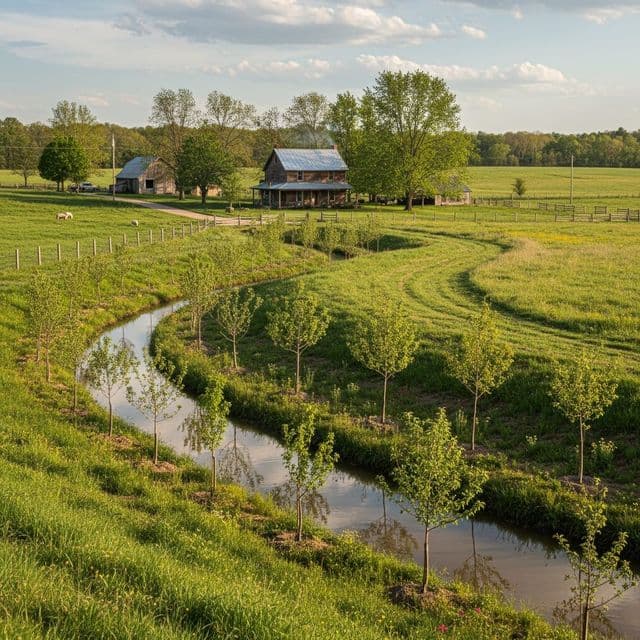
Master homestead water management with swales, berms, and French drains. Learn how these passive earthworks enhance soil moisture, reduce runoff, and improve drainage for your USDA Zone 7 property.
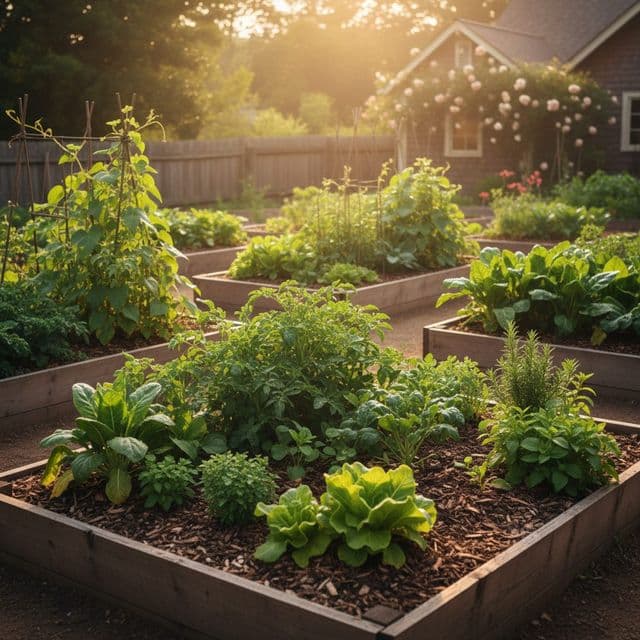
Planting on swale berms boosts water retention, enriches soil with nitrogen-fixers, and supports fruit trees in arid zones.
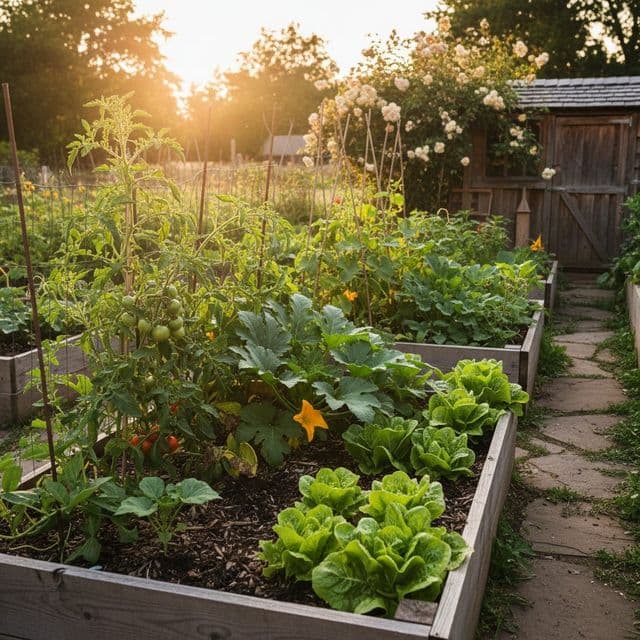
Learn how to size swales for different rainfall amounts, from arid Arizona to humid Florida. Optimize your swale design for water harvesting and soil health in any climate.
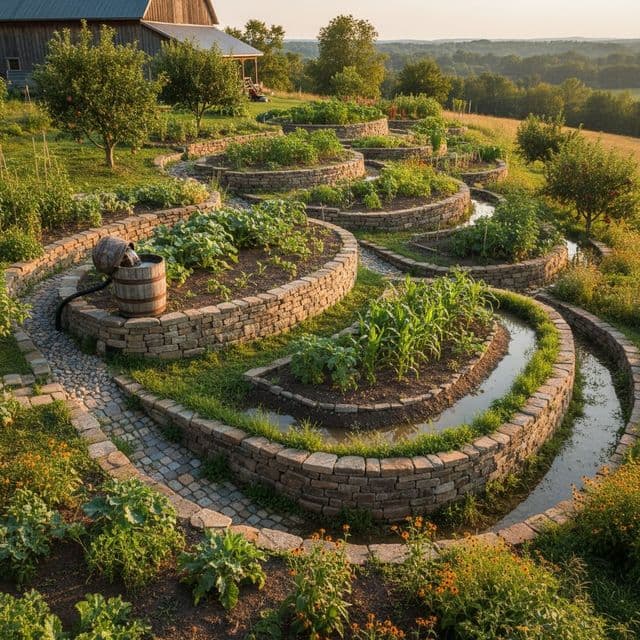
Learn to find contour with an A-frame or laser level. Build water harvesting earthworks like swales & wicking beds to reduce irrigation, prevent erosion, and save water. Essential for homesteaders.
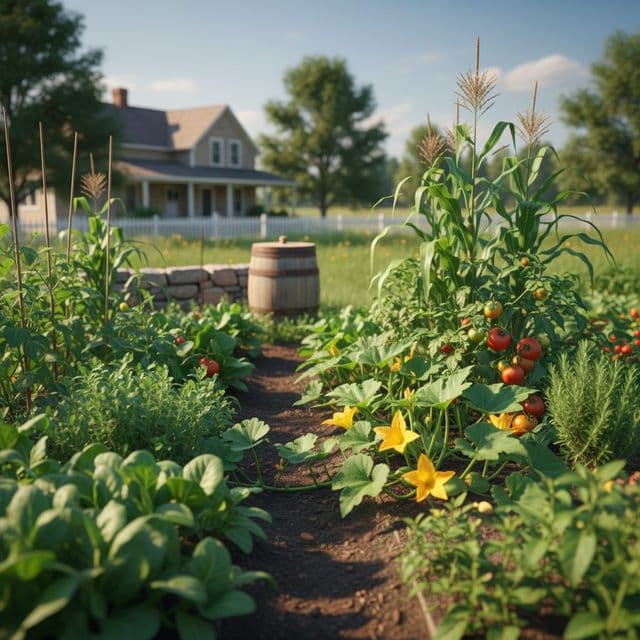
Fermented nettle and weed feeds can increase garden nitrogen by up to 20%, reduce fertilizer costs by 15%, and improve soil health. DIY liquid fertilizer.
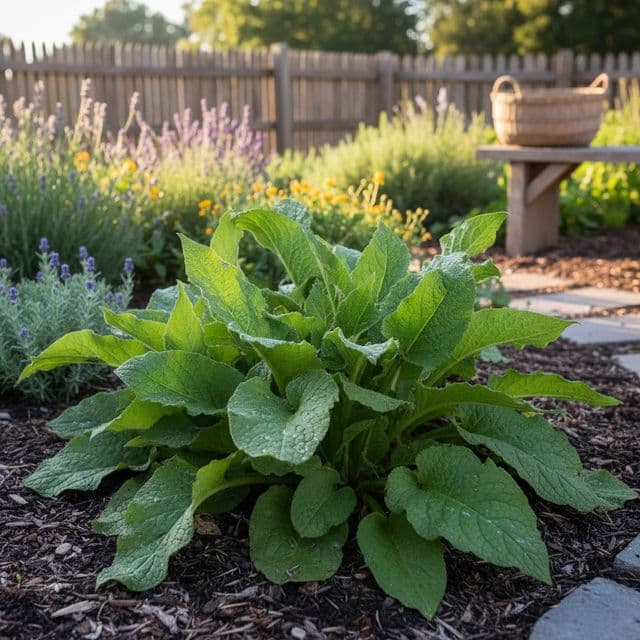
Learn to grow comfrey (Symphytum officinale) for medicinal use in USDA zones 3-9. Discover cultivation, harvesting, and safe external applications for your home apothecary.
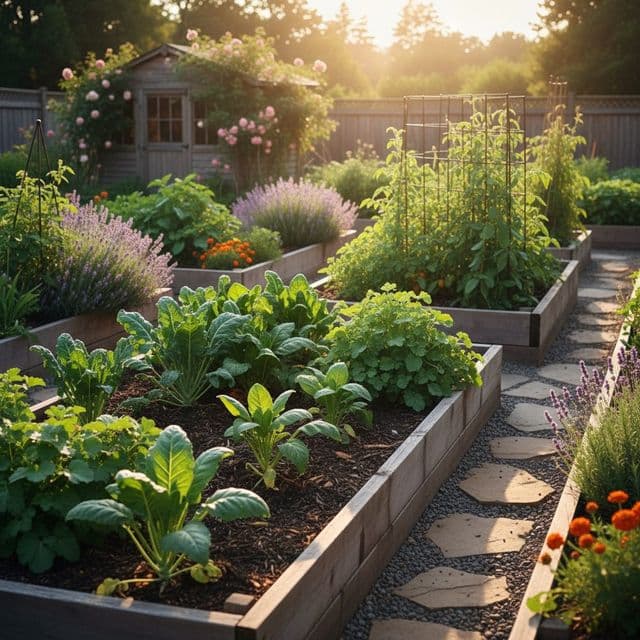
Boost your USDA Zone 6 home garden yield with 3- and 4-bed crop rotation plans. Learn how to improve soil, reduce pests, and extend harvests for a productive garden.
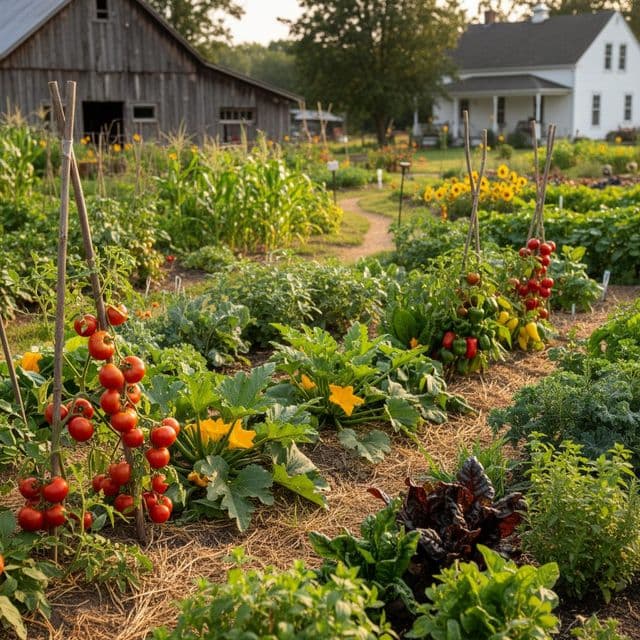
Explore microbial and biological biocontrols for sustainable pest management in US agriculture. Learn about Bt, nematodes, and IPM strategies for healthier crops and soil.
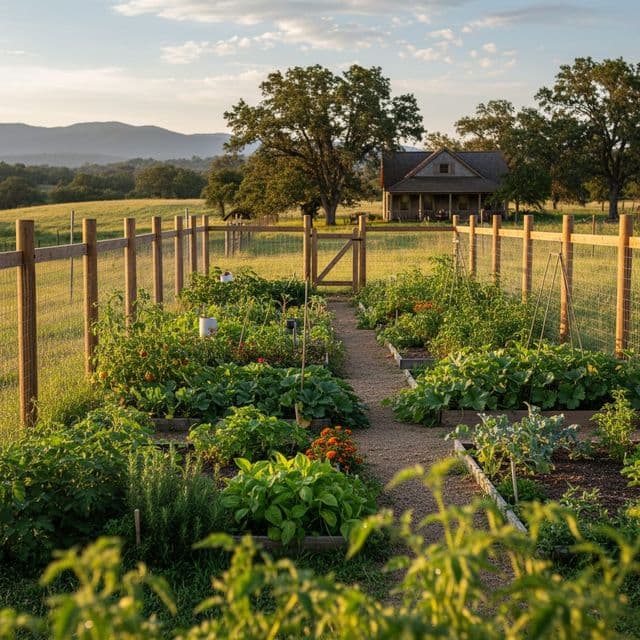
Protect your USDA Zone 6 garden from deer, rabbits, and voles with organic pest control methods. Learn about IPM, physical barriers, repellents, and habitat modification for effective, humane manag…
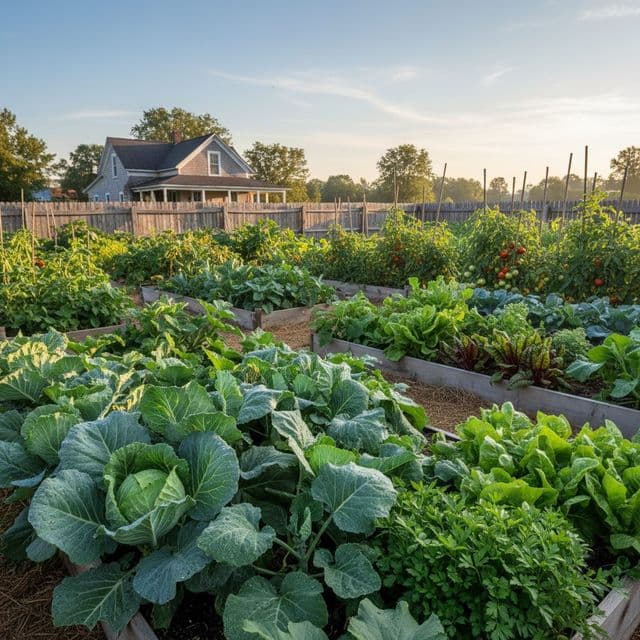
Learn effective, chemical-free strategies for organic pest control of slugs, snails, and ants in USDA Zone 6. Protect your garden with IPM methods.
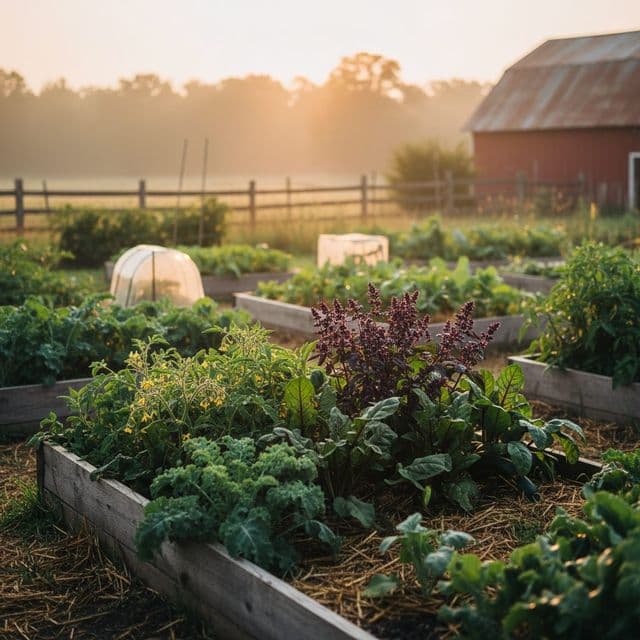
Master organic pest control for soft-bodied pests like aphids, whiteflies, and spider mites. Learn IPM strategies, natural remedies, and how to foster beneficial insects for a thriving garden.
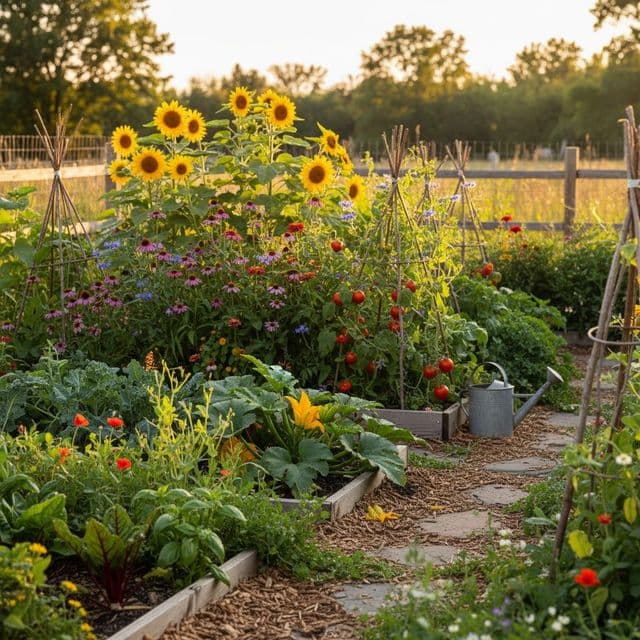
How beneficial insects provide natural pest control, reducing garden pests by up to 75%. Learn to attract and identify predatory and parasitoid species for an organic garden.
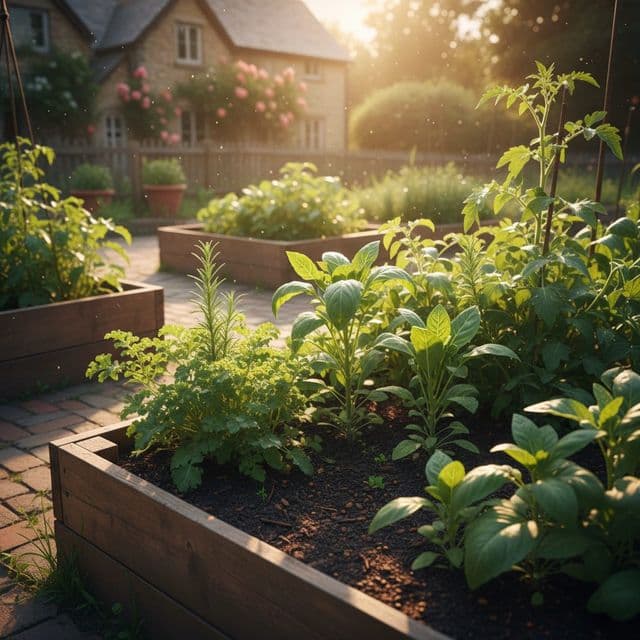
USDA Zone 7 gardeners: Avoid summer mistakes that waste water. Learn climate-resilient gardening tips to improve soil, irrigate efficiently, and choose drought-tolerant plants.
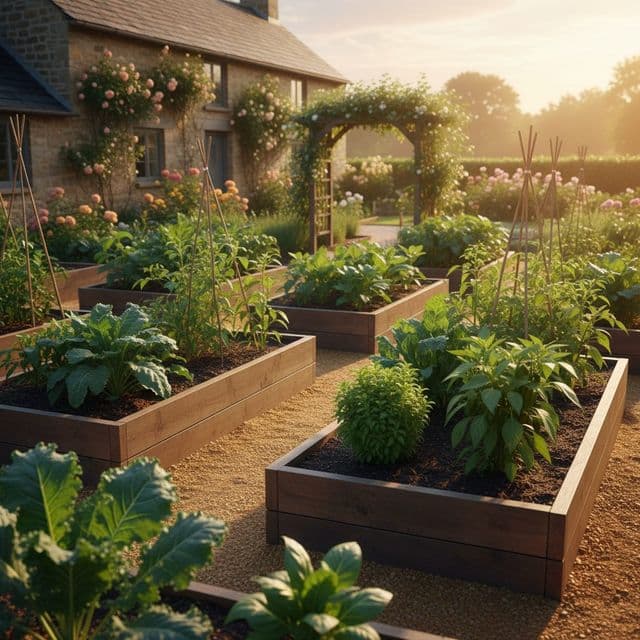
Learn to xeriscape your food garden for resilience in USDA Zone 7. Reduce water use by 50-75% with smart planning, soil improvement, and drought-tolerant edibles.
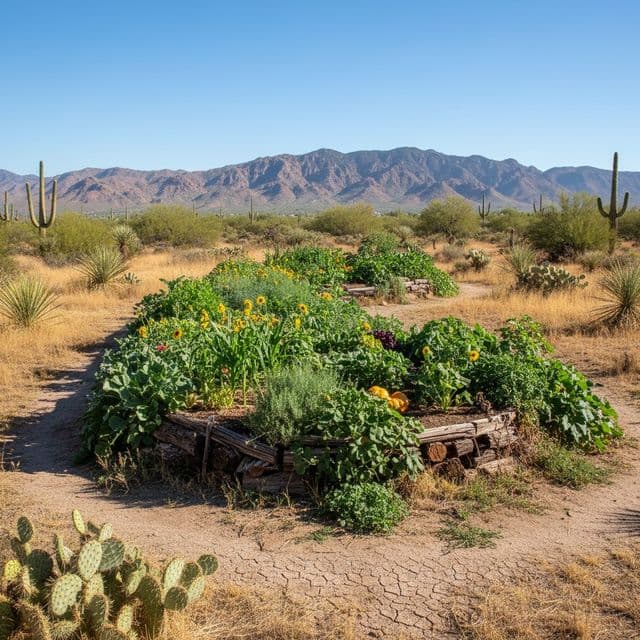
How buried wood beds retain moisture, improve soil, and reduce irrigation in hot, dry US climates like the Southwest.
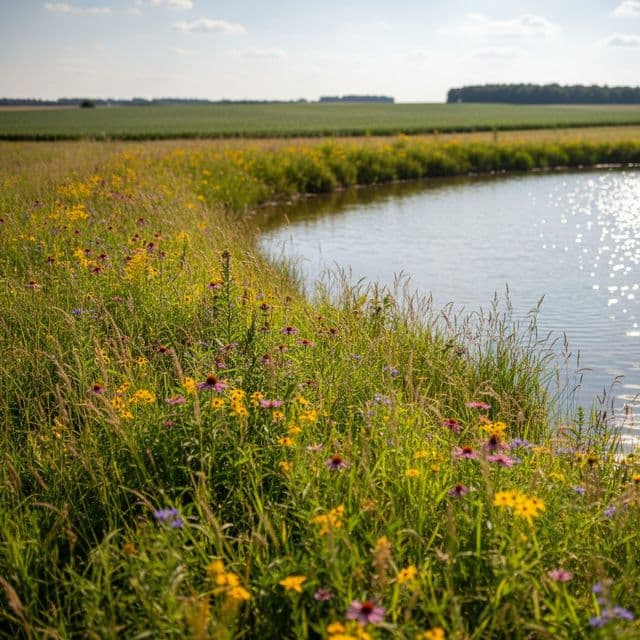
Restore your green, murky pond naturally. Discover effective methods like buffer zones, barley straw, and aeration for natural pond algae control and clear water.
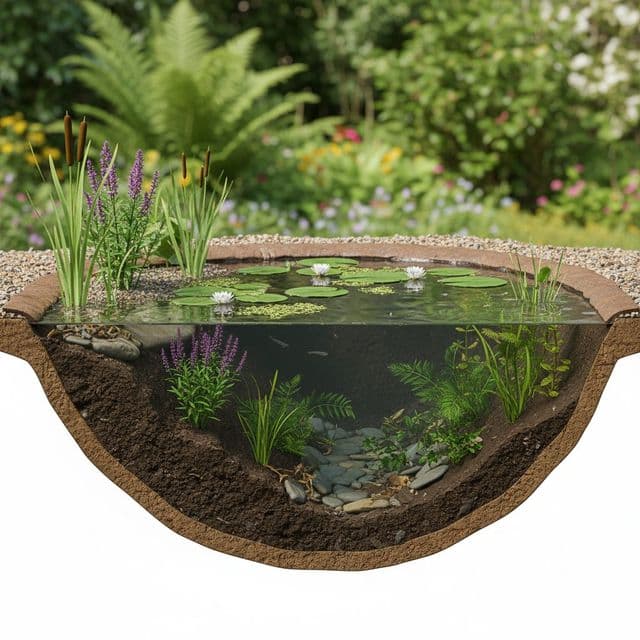
Learn to build a backyard wildlife pond to enhance biodiversity, manage water, and create a resilient homestead ecosystem. Get tips on siting, sizing, and liners.
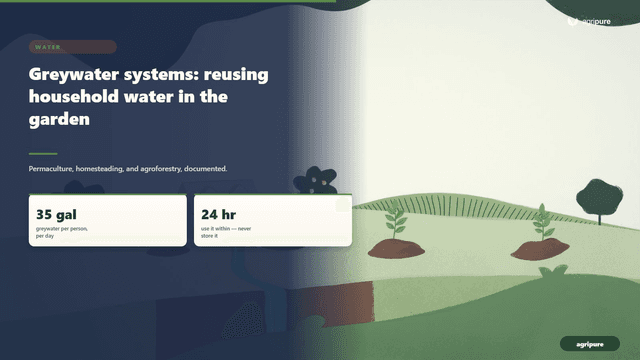
How to reuse greywater from showers, sinks, and laundry in the garden: what counts vs blackwater, laundry-to-landscape systems, the golden rules, plant-safe soaps, and permits.
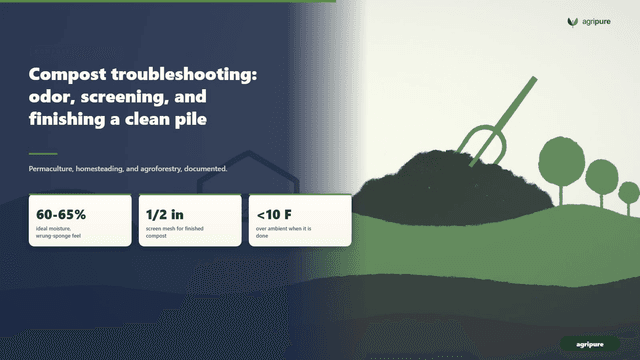
Why compost bins smell and how to fix it fast, plus screening finished compost and using a compost filter sock for clean, usable results.

How black soldier fly larvae compost food and farm waste fast, a self-harvesting bin design, harvesting larvae as chicken feed, and the climate limits.
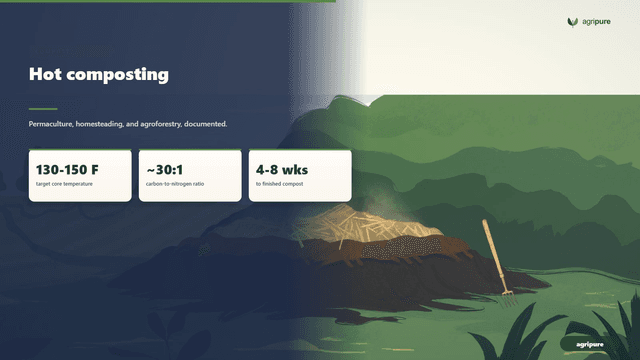
Hit the 130-150 F range and finish compost in weeks — the carbon-to-nitrogen recipe, browns like cotton burr, the turning schedule, and a temperature curve.