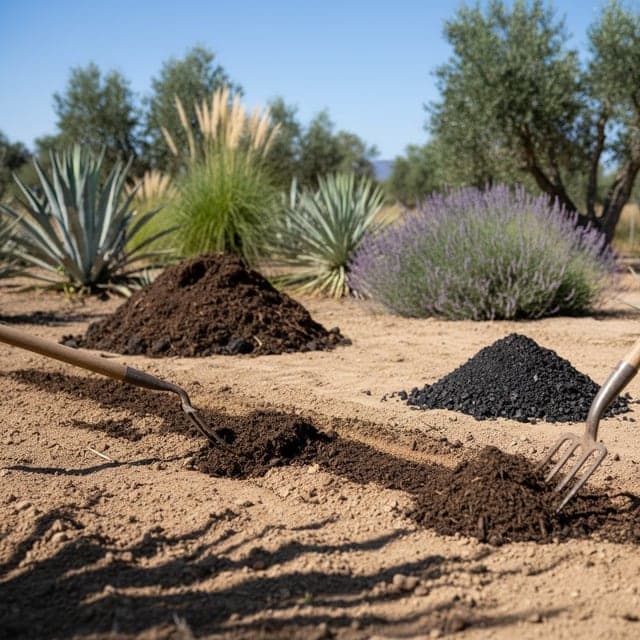
Improve sandy soil: water & nutrient retention with compost, biochar
Sandy soils drain quickly. Learn how compost, biochar, and cover crops improve water and nutrient retention in drought-prone US regions.
Tag
627 articles in this tag on agripure. — page 20 of 27
Sandy soils drain quickly. Learn how compost, biochar, and cover crops improve water and nutrient retention in drought-prone US regions.
Discover resilient crops like root vegetables, melons, asparagus, and herbs that thrive in sandy US soil. Learn to improve drainage and boost yields in challenging conditions.
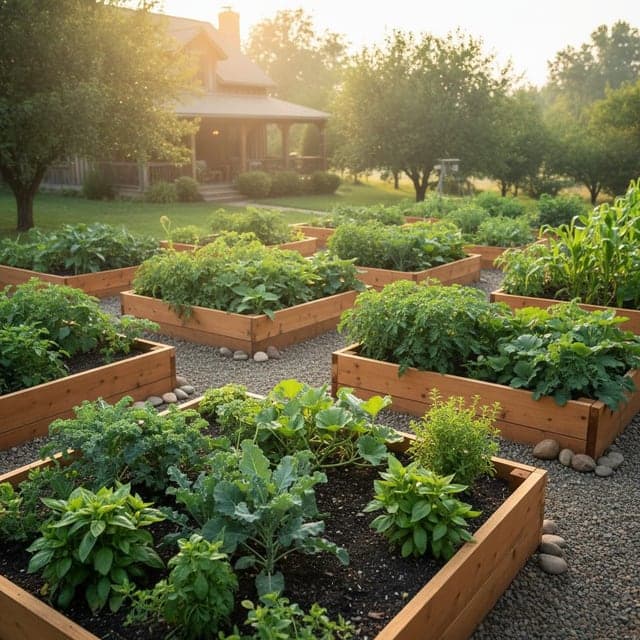
Garden safely over cemented desert caliche (Mohs 3–4) in USDA Zones 8–10: Call 811 and NIOSH N95 Valley Fever dust rules, off-center auger drainage chimneys vs. 18–24 in cloth-free raised beds, rap…
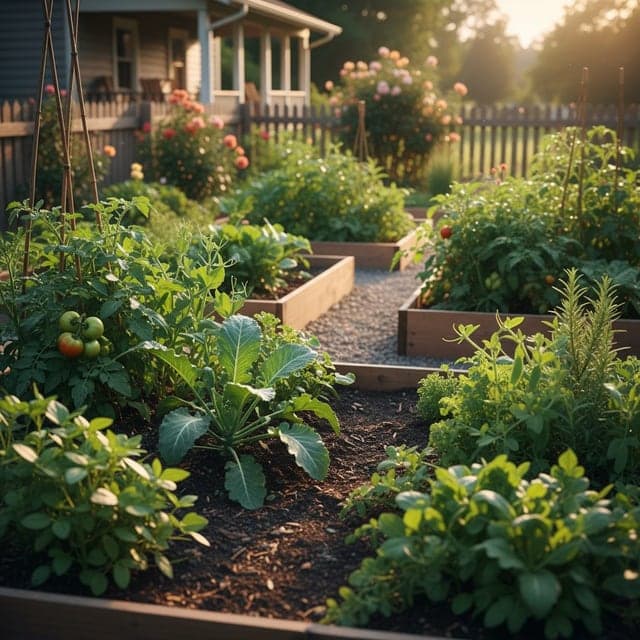
Discover nopal, tepary beans, chiltepin, and mesquite – resilient desert plants thriving in arid US climates. Reduce water use by 50-70% and build sustainable food systems.
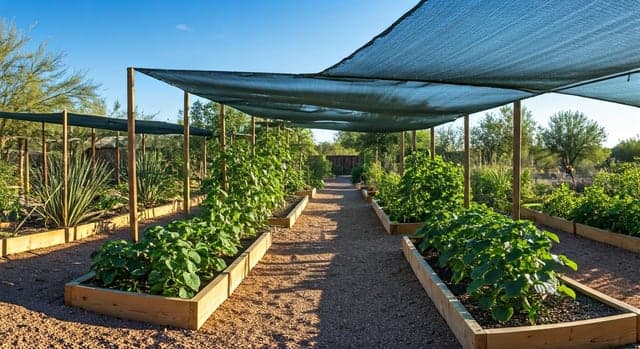
Master desert gardening in Arizona & Southwest US. Learn how 50% shade cloth, east-facing beds, and soil health reduce heat stress and conserve water for thriving plants.
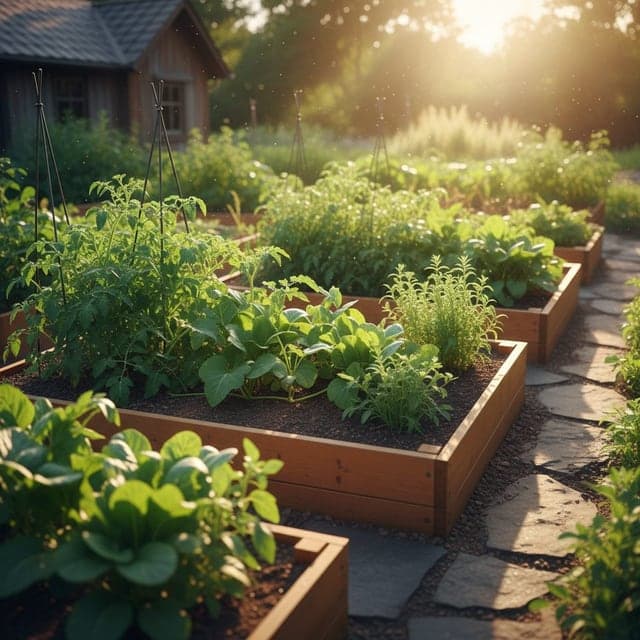
How to grow vegetables in USDA Zone 9 low deserts, including heat-tolerant summer crops, cool-season fall and winter plantings, drip irrigation, and shade.
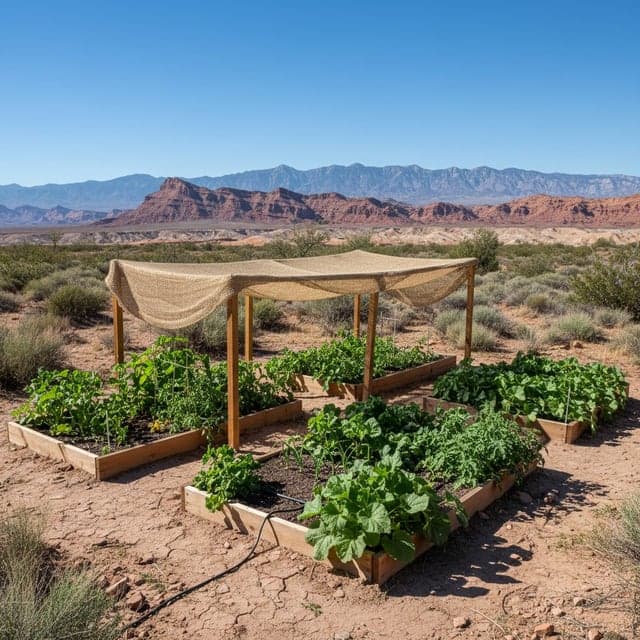
Master desert gardening in Arizona, Nevada, & New Mexico’s zones 9-10. Learn to build resilient soil, conserve water, and choose heat-tolerant plants for thriving gardens.
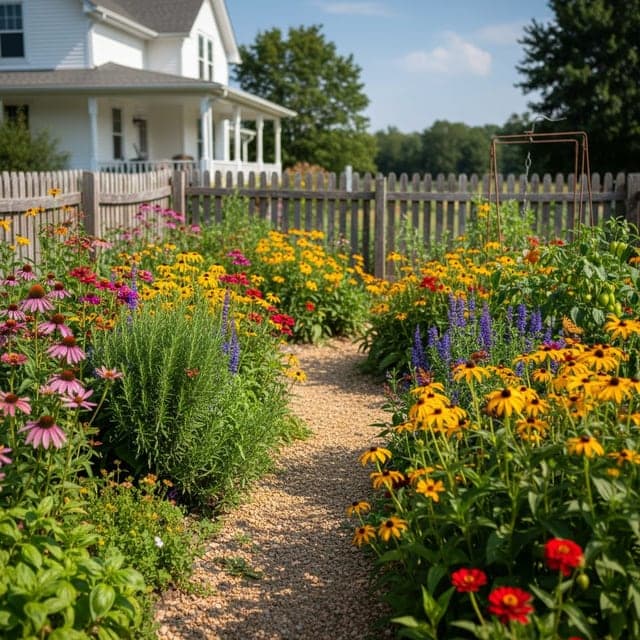
Heat-tolerant plants and soil management strategies for US gardens facing temperatures above 90°F in July, supporting pollinators through drought conditions.
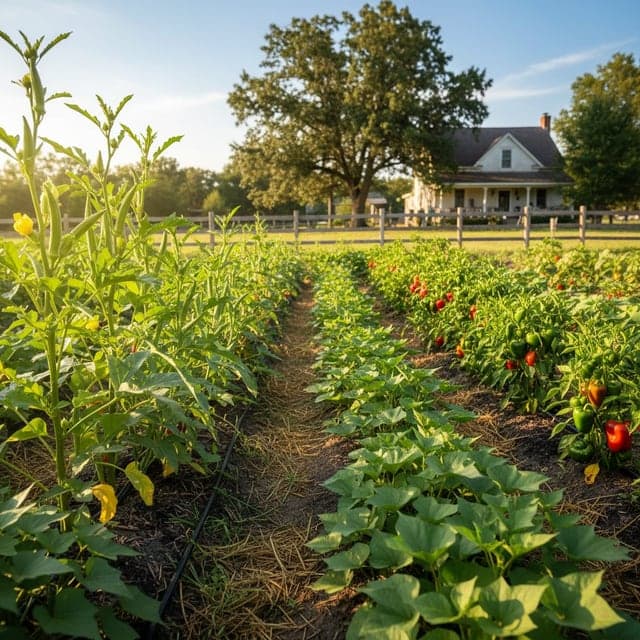
Heat-resilient crops and focused soil care keep summer gardens productive across USDA zones 6-9. Efficient irrigation, organic mulch, and adapted varieties support steady harvests through hot weather.
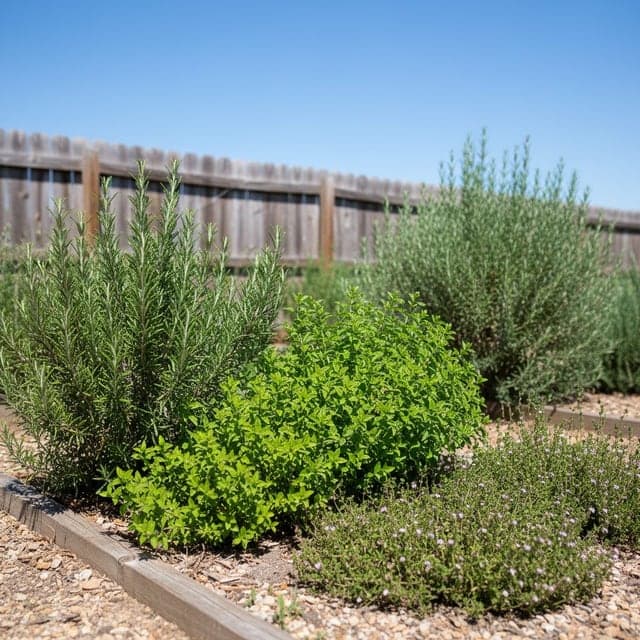
Grow heat- and drought-tolerant herbs like rosemary, oregano, thyme, lemongrass, and basil in full sun. Manage soil drainage, watering schedules, and variety selection across US gardens.

Discover four heat-tolerant greens—New Zealand spinach, molokhia, Swiss chard, and purslane—that thrive in 90°F summer heat. Extend your harvest in US gardens.

Stop summer blossom drop in US Zones 7–10: stigma exsertion and anther failure above 85–90°F day and >=72–75°F night, Humid South vs. Arid Southwest cultivars, dual spring-fall windows, 30–40% Alum…
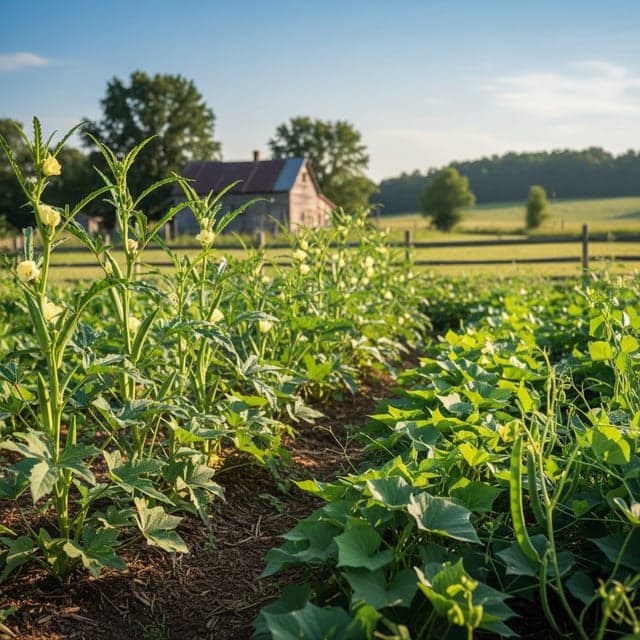
Discover heat-tolerant vegetables like okra, southern peas, and sweet potatoes that thrive in US gardens facing hotter summers. Adapt to climate shifts & ensure food security.

Evidence-based US extension guide to anti-transpirant sprays: di-1-p-menthene pinolene and latex polymers vs. porous kaolin clay (Surround WP) and s-ABA, why films overheat leaves above 85°F and st…
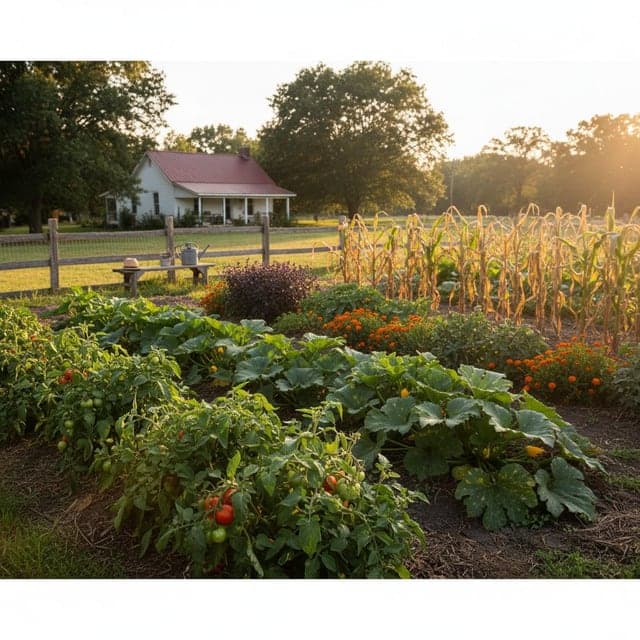
Identify & treat transplant shock & heat stress in US gardens. Learn symptoms, prevention, and data-backed solutions to build plant resilience against high temperatures and environmental changes.
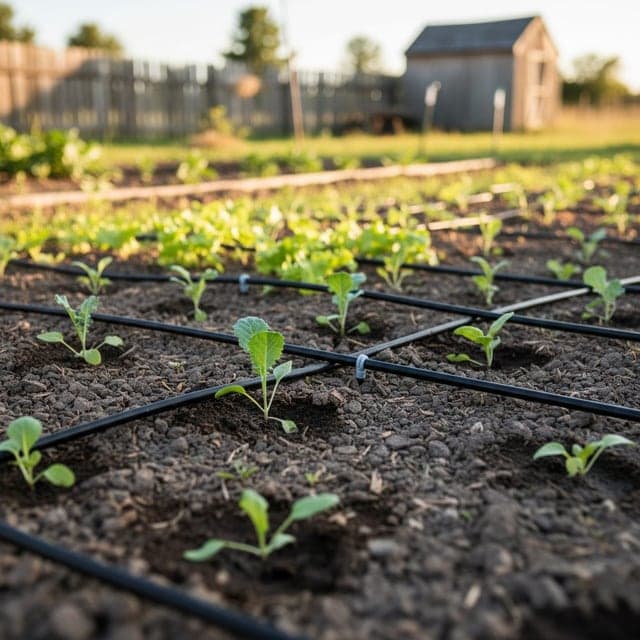
Drip and soaker hose setups for seedling establishment in USDA Zone 7, including how targeted irrigation reduces water waste during heat and drought.
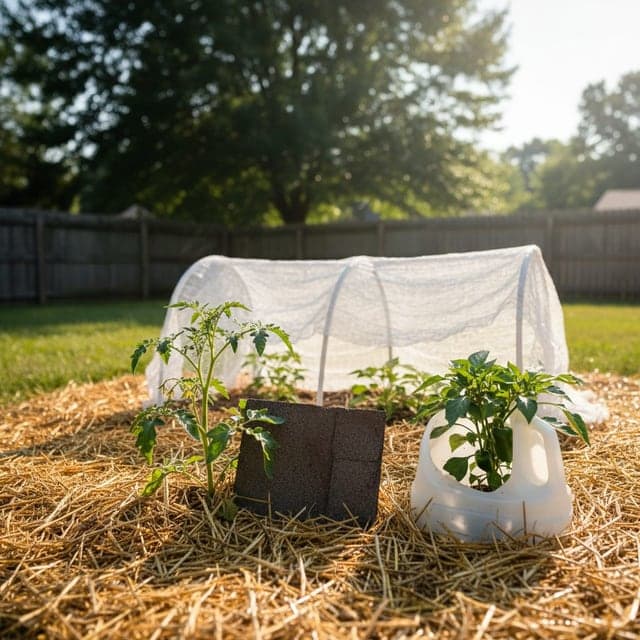
Learn how to protect young transplants from extreme heat in USDA Zone 7 gardens. Discover DIY and purpose-built temporary shade solutions to boost survival rates.
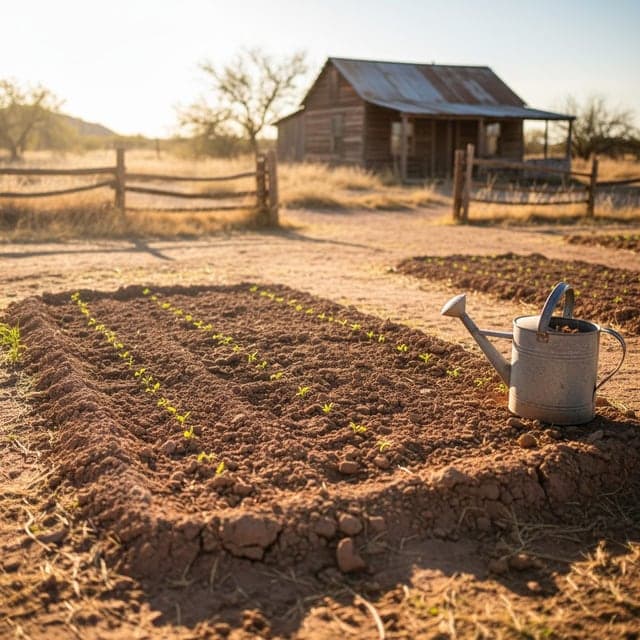
Ensure your new garden transplants thrive in summer heat. Learn data-backed strategies for watering new transplants, managing soil moisture, and reducing stress in challenging climates like Texas.
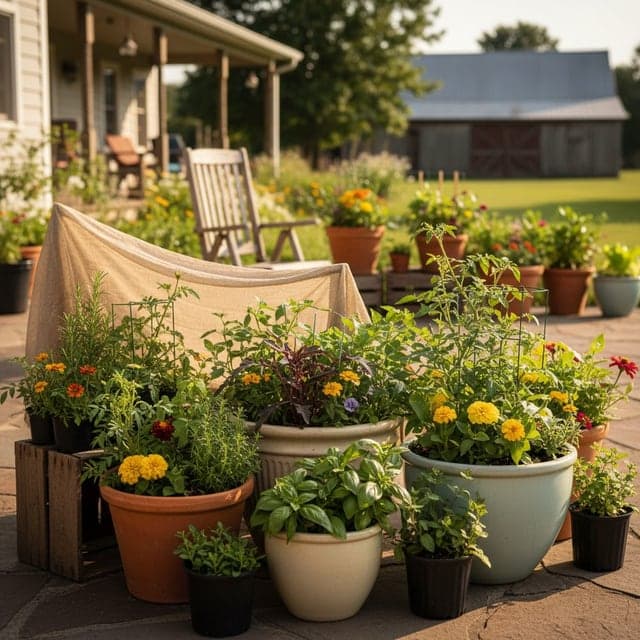
Rescue heat-stressed container plants during 95–105°F+ US heatwaves: 7–8 AM turgor checks before watering, hot-hose and fertilizer bans, 20–30 min hydrophobic bottom-dunking, 40–50% raised shade cl…
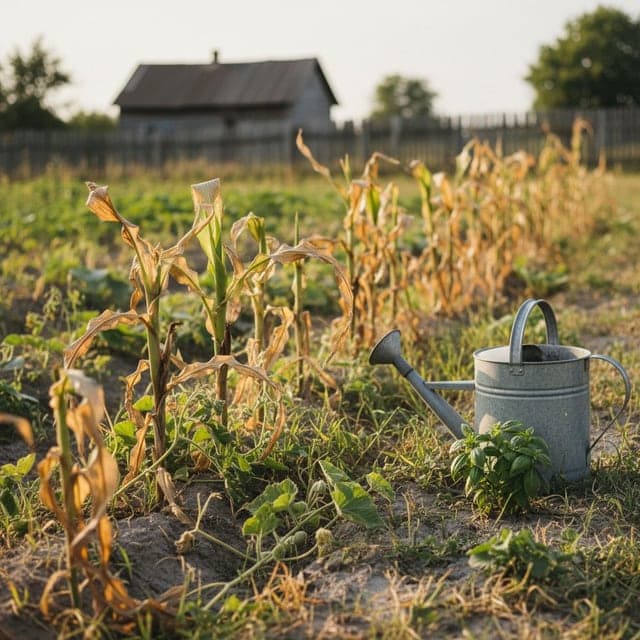
How to restore heat-damaged plants in US gardens using deep watering, conservative pruning, and organic feeding to support recovery.
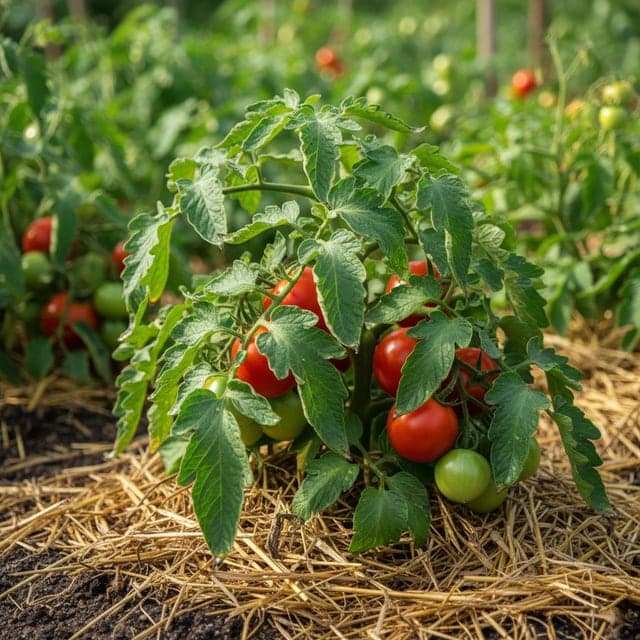
Leaf curl, bronzing, and scorch indicate garden heat stress. Data-backed strategies help build resilient plants in US gardens facing extreme temperatures.
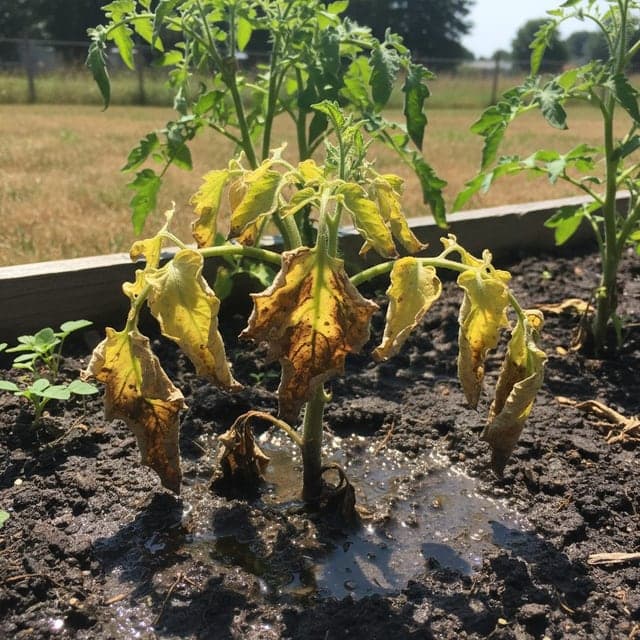
Discover why overwatering plants during a heatwave, especially in USDA Zone 7, can kill them faster. Learn to prevent root rot and oxygen starvation.
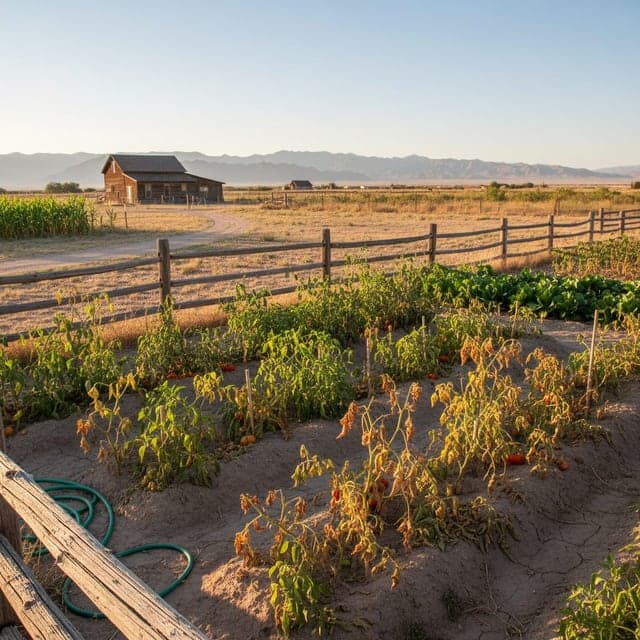
Learn to revive heat-scorched plants like tomatoes, peppers, and squash in USDA Zone 7. Identify symptoms, apply immediate relief, improve soil, and protect against future heatwaves.
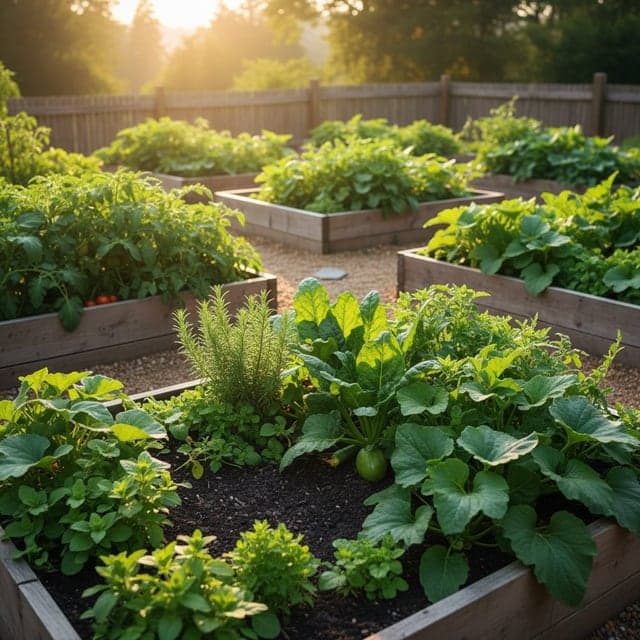
Learn to identify and prevent wilting in garden plants, including tomatoes, in USDA Zone 7. Understand causes like heat stress, underwatering, and disease for a thriving harvest.