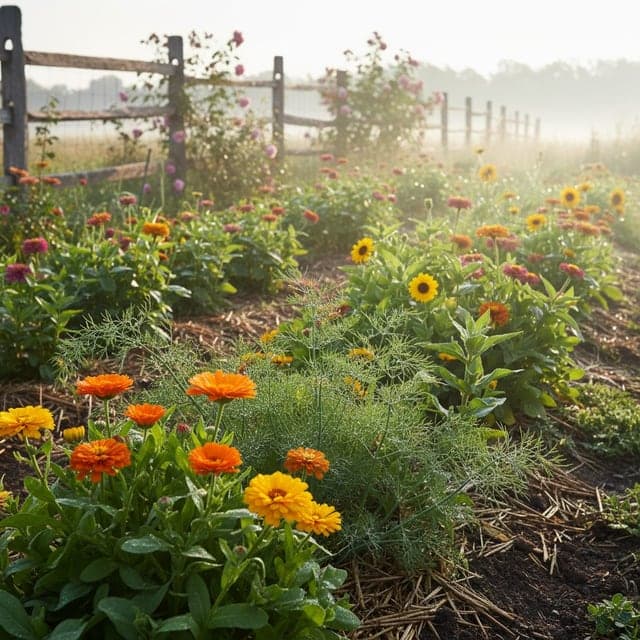
Manage Volunteer Plants & Self-Seeders in USDA Zone 6
Learn effective strategies to manage volunteer plants and self-seeders in USDA Zone 6. Discover how deadheading, mulching, and selective weeding can reduce garden maintenance.
Tag
627 articles in this tag on agripure. — page 5 of 27
Learn effective strategies to manage volunteer plants and self-seeders in USDA Zone 6. Discover how deadheading, mulching, and selective weeding can reduce garden maintenance.
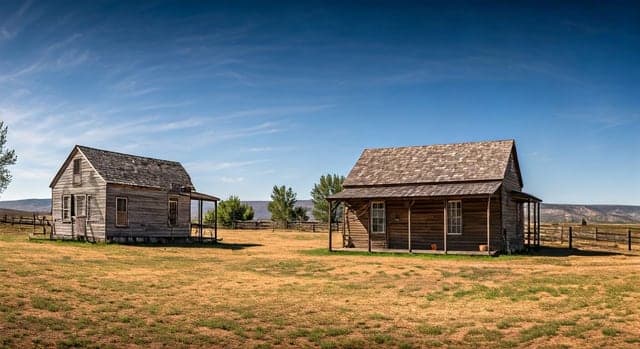
How to establish self-seeding native wildflower pollinator meadows across US growing zones, reducing maintenance and watering needs over time.
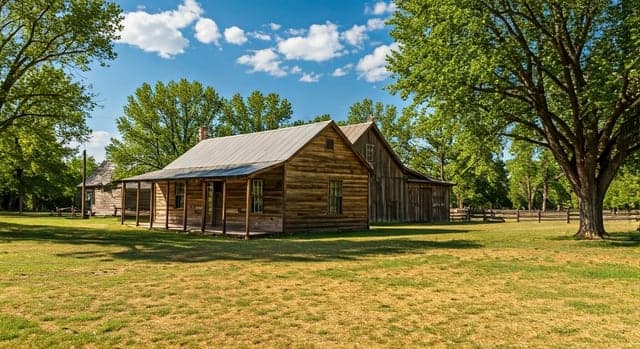
Native vines provide quick coverage across USDA zones 5-9 without the ecological damage caused by invasive species like kudzu, English ivy, and non-native wisteria.
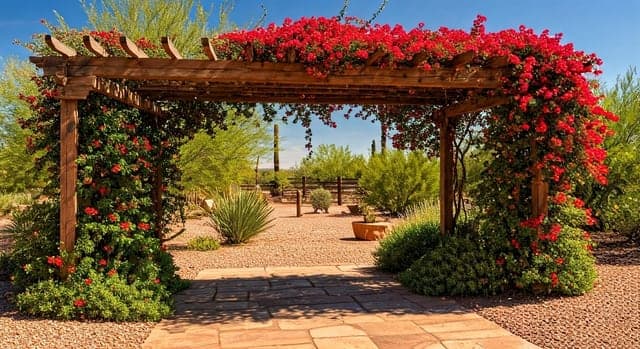
Discover 5 vigorous Southwest climbing plants thriving in 100°F summers. Get shade & privacy with heat-tolerant vines for fences & pergolas in USDA Zones 7-10.

How to choose native vines for fences by US region to support pollinators, birds, and local biodiversity with less maintenance.
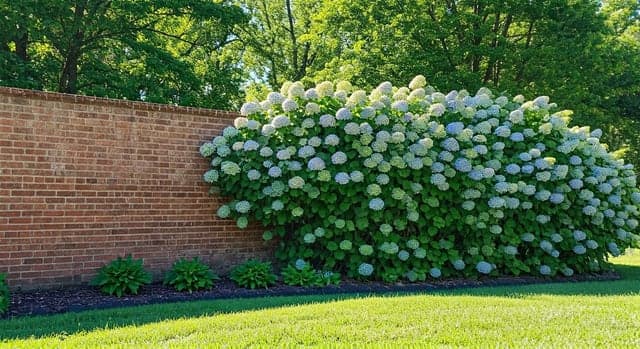
Fast-growing climbing plants for shade and north-facing walls in USDA zones 4-9, covering species selection, soil preparation, and support structures.

Quickly cover unsightly areas in USDA Zone 6. Learn to choose between fast-growing annual vines and long-lasting perennial climbers for your homestead. Get tips on planting & care.
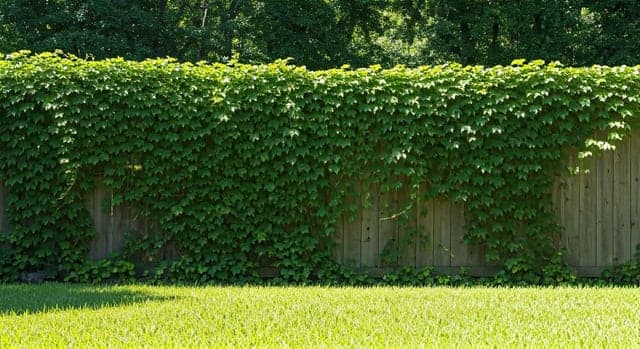
Discover the best fast-growing evergreen vines to create a dense 30-foot privacy screen in USDA Zone 8 within three years. Learn species, planting, and care tips.
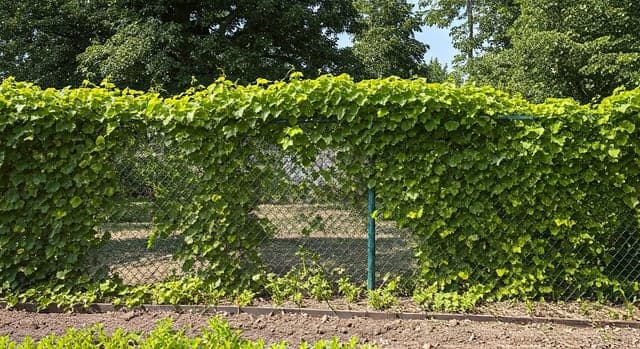
Cover a US chain-link fence with fast-growing non-invasive vines while avoiding wind-sail post buckling, invasive escapes, and boundary-line disputes.

How fast-spreading groundcovers can reduce runoff by 30% and prevent erosion on slopes across US regions, including plant selection and establishment methods.
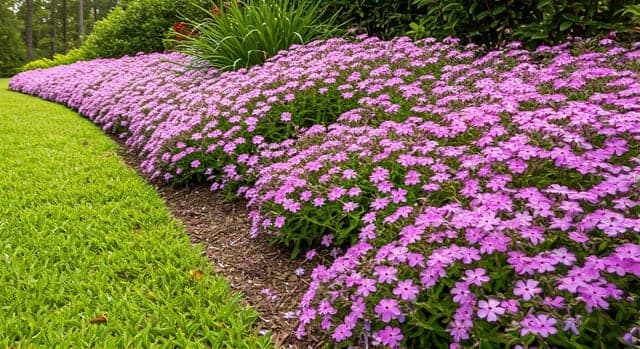
Discover the best weed-smothering groundcovers for challenging clay soil in the Southeast US. Reduce weeding with plants like Creeping Phlox, Sedum, and Liriope, improving soil health.
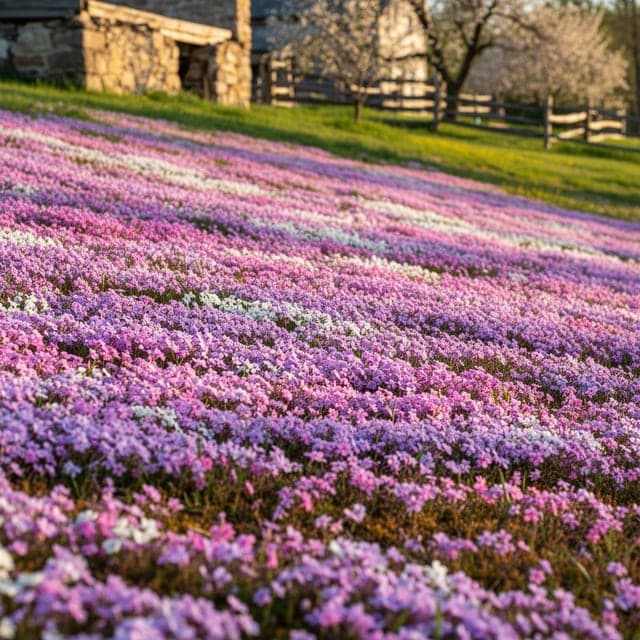
Discover how native groundcovers reduce weeds significantly in Northeast, Southeast, Midwest, and Pacific Northwest US regions. Save labor & boost yields with these low-maintenance plants.

How to encourage air plant blooms and pups in your US home, covering light, watering, and nutrition for healthy Tillandsia flowers and new plant growth.

Build lasting Tillandsia air plant displays in US homes: match xeric vs. mesic species, avoid copper, zinc, and treated-wood toxicity, cure E6000 for 48–72 hours, and enforce the under-4-hour inver…

Learn air plant care for US homes, covering soaking, light, and air circulation to keep Tillandsia healthy and prevent rot.
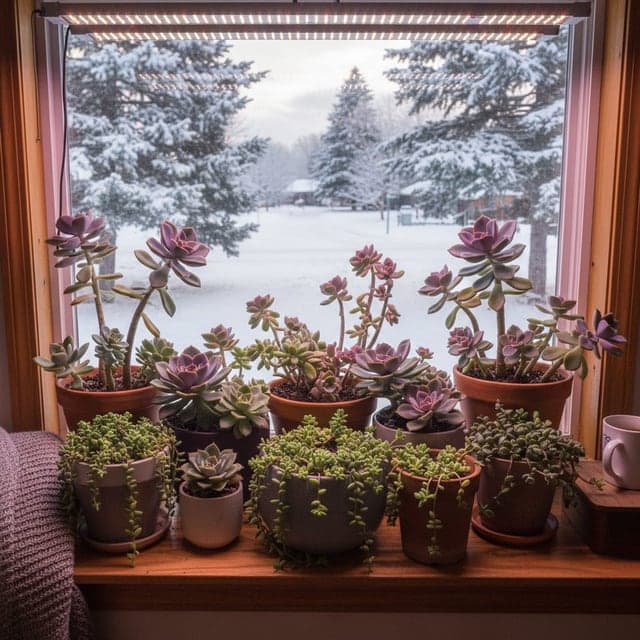
Protect tender succulents indoors across US climates: <40°F chill thresholds, summer- vs. winter-active dormancy watering, LED PPFD/DLI etiolation math, 50–70% gritty mixes, pest quarantine, and Ad…

Master indoor succulent watering using CAM photosynthesis hydraulics, full soak-and-dry drenching, 50–60% inorganic grit soil, wooden-skewer bone-dry checks, rot vs. thirst triage, seasonal dormanc…
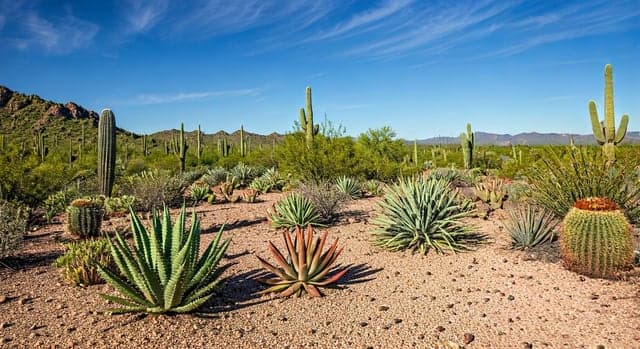
Eliminate perched water tables and root rot in potted succulents and cacti using uniform 3–6 mm screened mineral grit, head-to-head substrate specs, three proven recipe ratios, and bottom-soak wate…
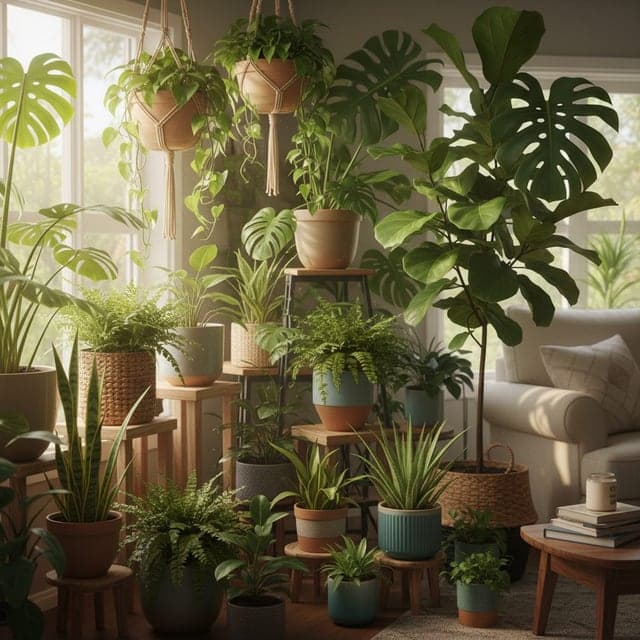
Discover how grouping houseplants can naturally raise indoor humidity by 5-10%, creating a healthier microclimate for tropical plants in US homes. Learn tips for optimal plant care.

Choose and run the right plant room humidifier without lung particulates or wall mold: Vapor Pressure Deficit (0.4–1.0 kPa), evaporative wick vs. ultrasonic PM2.5 vs. warm-mist vaporizers, room pin…
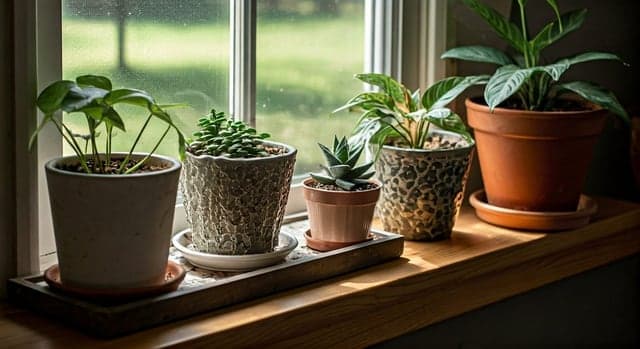
Discover if humidity trays & misting truly boost houseplant humidity. Learn what methods are effective for tropical plants in US homes, especially during dry seasons.

Forced-air heat drastically drops winter indoor humidity, stressing tropical plants in USDA Zone 6 homes. Learn strategies to raise humidity to 50-60% and help your houseplants thrive.
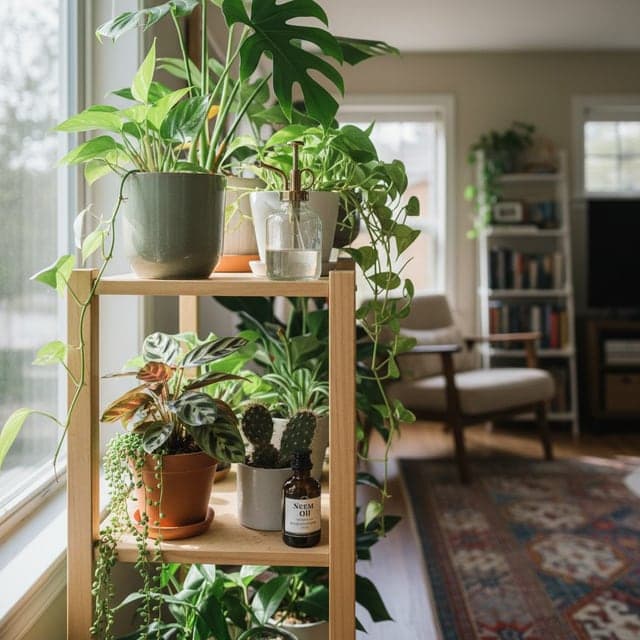
Use neem oil and insecticidal soap safely on indoor houseplants across the US: distinguish 100% cold-pressed azadirachtin oil from clarified hydrophobic extract, mix potassium salts of fatty acids…

Learn why indoor plants shed leaves after moving or repotting. Discover essential indoor plant care tips to prevent stress, ensure quick recovery, and keep your houseplants thriving in US homes.