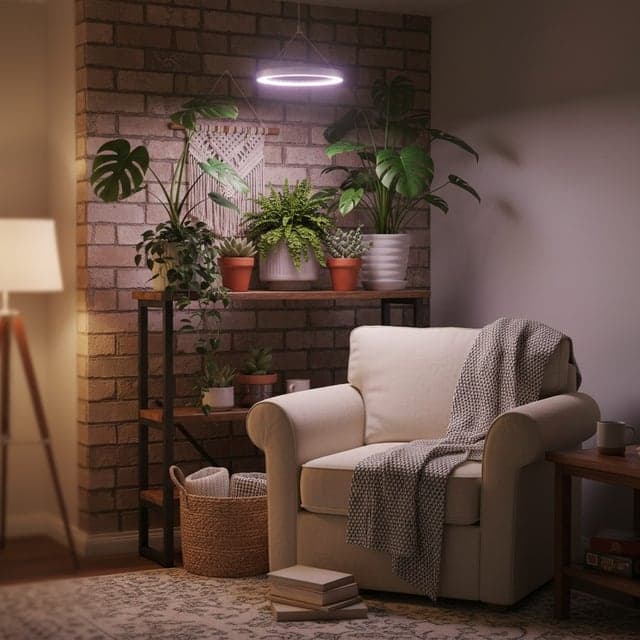
Low-Light Houseplants for Basements & Windowless Bathrooms
Transform dark basements & windowless bathrooms into green oases. Discover resilient low-light houseplants & learn to use artificial grow lights for thriving indoor plants.
Tag
627 articles in this tag on agripure. — page 6 of 27
Transform dark basements & windowless bathrooms into green oases. Discover resilient low-light houseplants & learn to use artificial grow lights for thriving indoor plants.
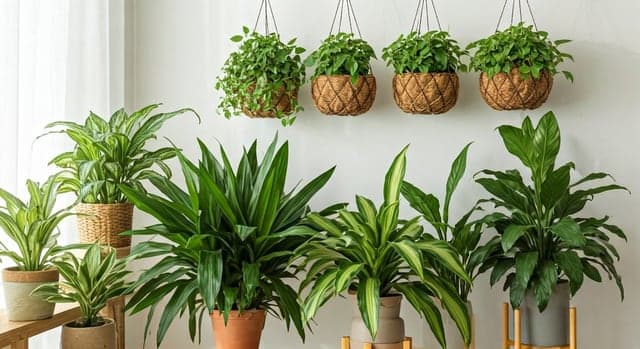
Discover over three dozen pet-safe houseplants for your US home. Protect your cats and dogs from toxic plants with our guide to non-toxic options, placement tips, and essential safety advice.
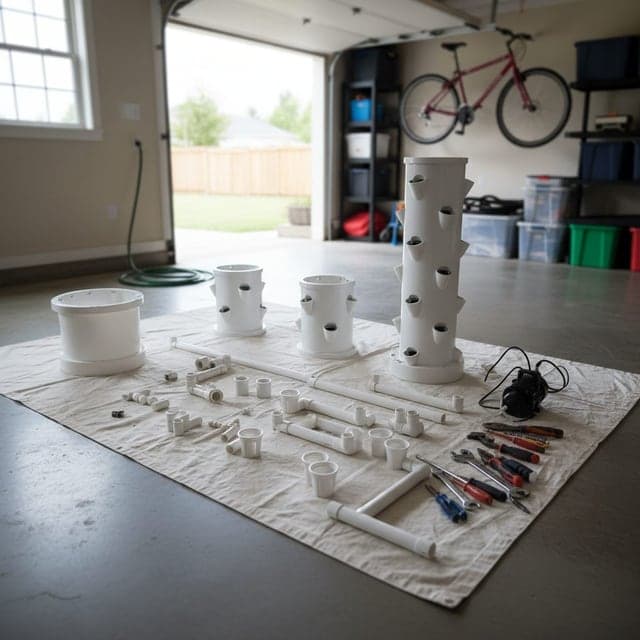
Learn vertical tower system maintenance to support a 10-year lifespan. Steps cover cleaning, draining, and overwintering to protect hydroponic equipment in USDA zones 5-8.
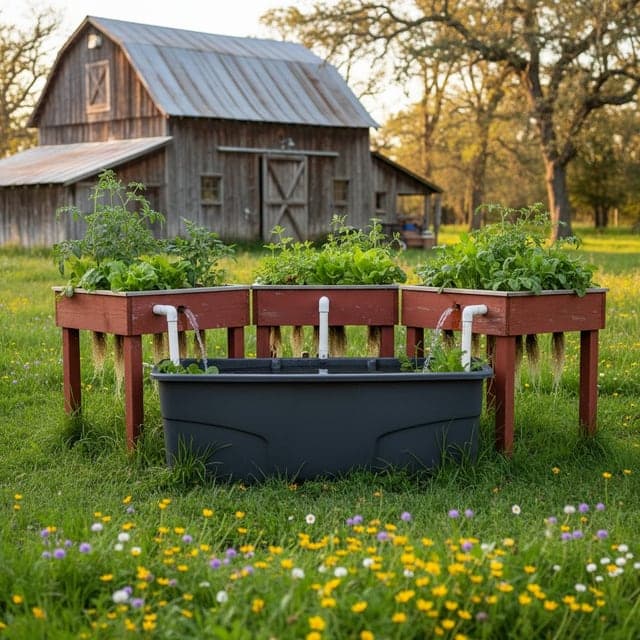
Build a safe, non-toxic aquaponics fish tank from a virgin #2 HDPE IBC tote or lined stock tank. Enforce UN chemical provenance bans, 45-mil EPDM or RPE zinc barriers, 40 psf slab load limits, Unis…
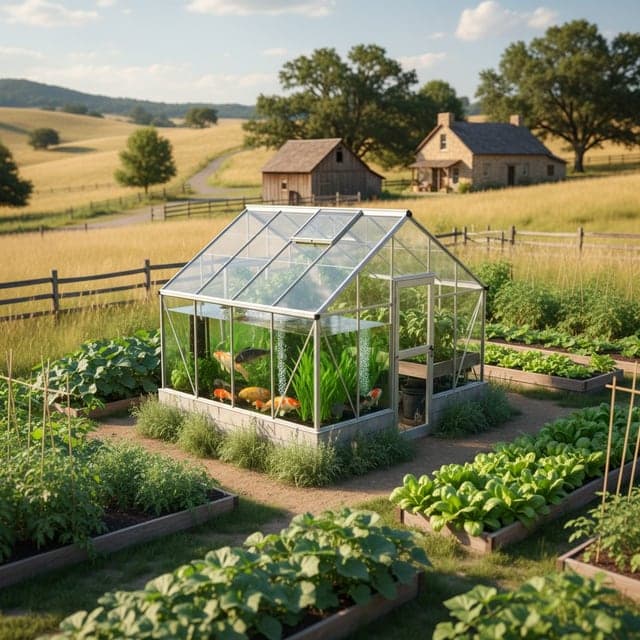
Verify US tilapia permits before stocking aquaponics tanks: species-level laws (Nile, Blue, Mozambique, Redbelly) across TX, FL, CA, HI, WA, OR, AZ, NV, ID, UT, and CO, plus EPA CAAP thresholds, US…

Compare tilapia, catfish, bluegill, and goldfish for your 300-gallon aquaponics system. Learn how temperature, FCR, and growth rate affect aquaponics fish selection.
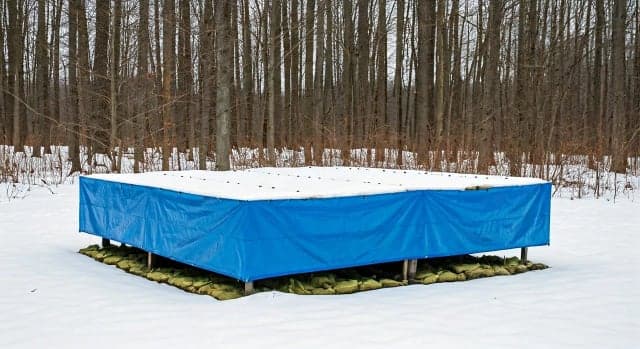
Engineer a cold-zone winter aquaponics system across USDA Zones 3–6: biofilter nitrification kinetics below 50°F, rainbow trout vs. tilapia, 2-inch XPS R-10 insulation, kWh heating costs ($), GFCI…
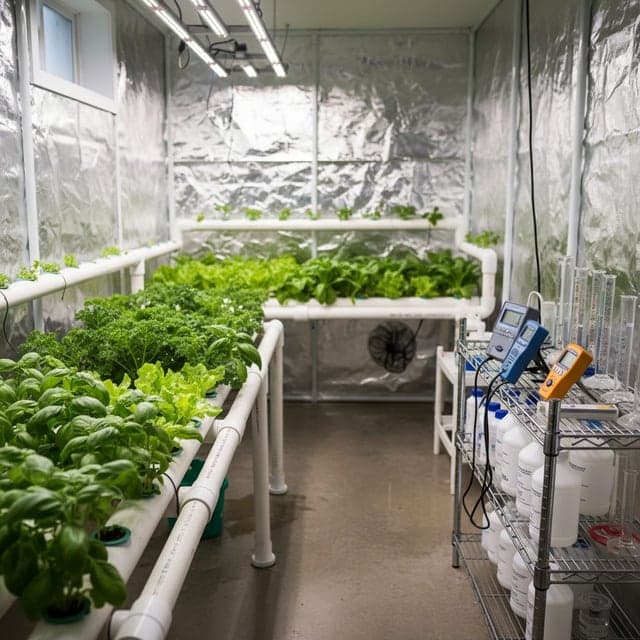
Learn to diagnose and fix hydroponic nutrient lockout, a common issue preventing plants from absorbing nutrients. Identify symptoms, test your system, and prevent yield loss.
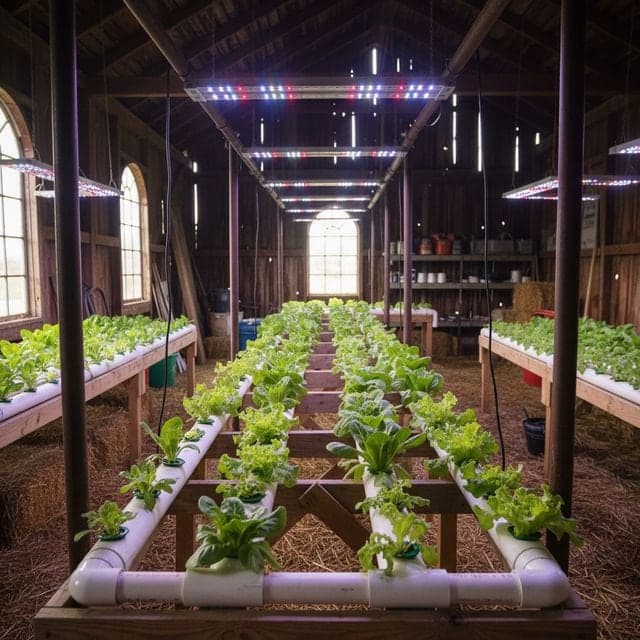
Master hydroponic pH for optimal plant growth. Learn to maintain the ideal 5.5-6.5 range, prevent nutrient lockout, and ensure safety with pH adjusters for thriving crops.
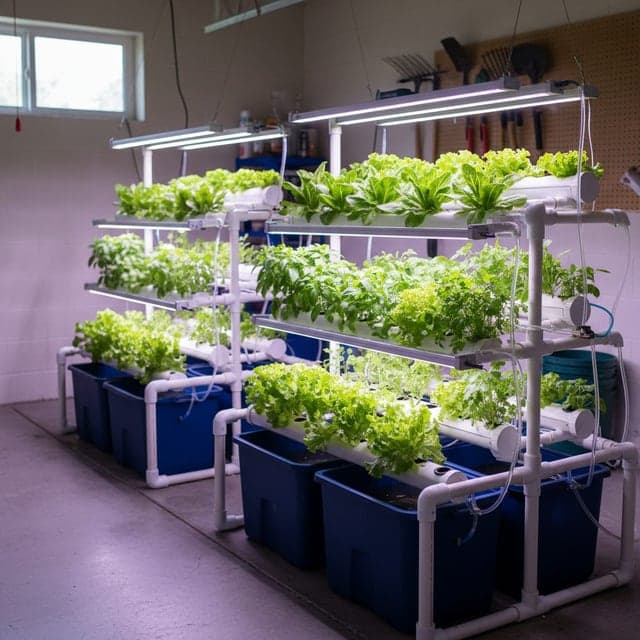
Learn how precise hydroponic nutrients, pH, and EC management can boost plant growth by 20-30%, save water, and optimize growing operations.
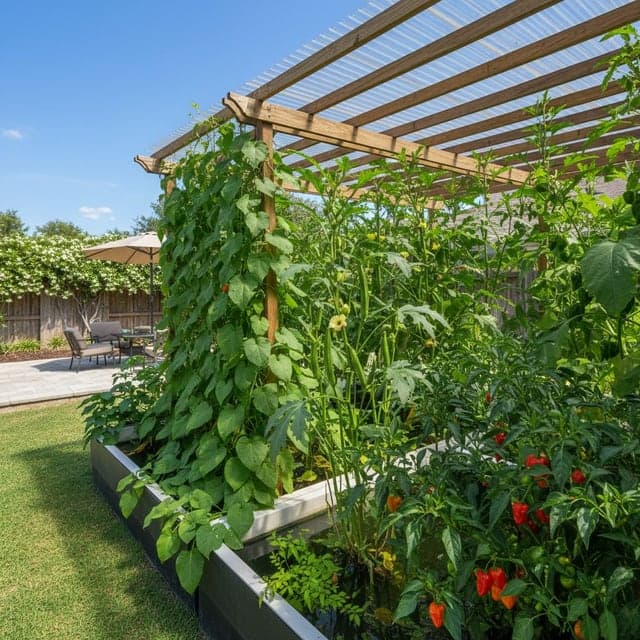
Discover how to grow heat-tolerant hydroponic crops like Malabar spinach, okra, and peppers in the US Sunbelt. Learn critical tips for managing nutrient solution temperatures and maximizing yields…
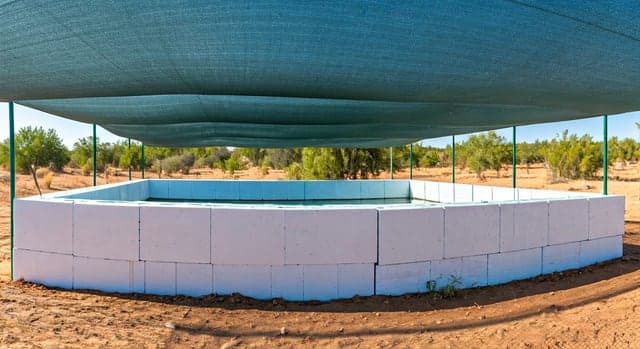
Engineer hot-climate hydroponic and aquaponic reservoirs: Henry's law dissolved oxygen physics, Pythium root-rot control, UV-cladded XPS foam, Reflectix air gaps, #2 HDPE tanks, and chiller sizing.
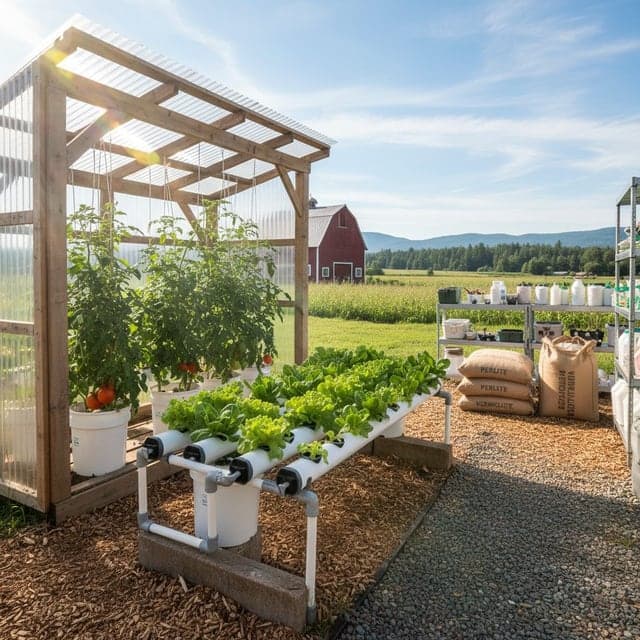
Engineer reliable perlite and vermiculite hydroponic substrates across US systems: air-filled porosity, CEC meq/100g chemistry, Bato bucket and net-pot ratios, NIOSH N95 pre-wetting safety, EPA Lib…
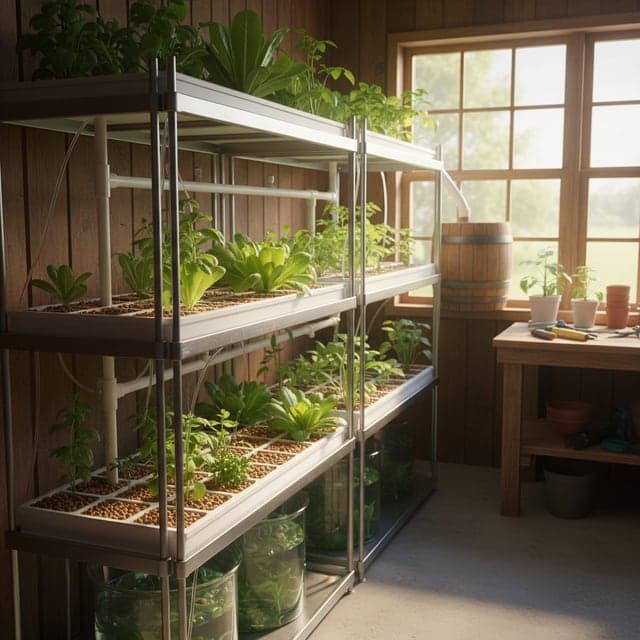
Prepare and manage LECA expanded clay pebbles for US hydroponics and semi-hydroponics: outdoor clay-dust rinsing, 24–48 hour pH soak, 1/3 reservoir fill geometry, EC and ppm targets, white salt flu…
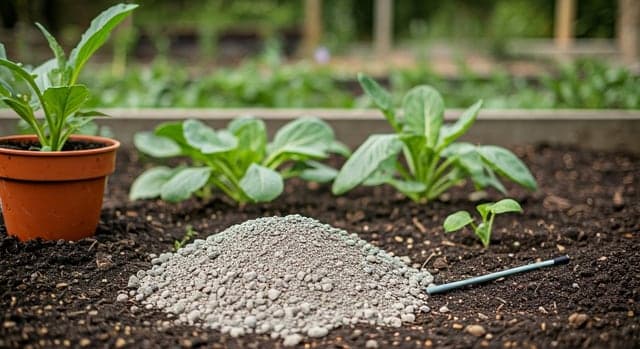
Restore depleted US Midwest garden soil with rock dusts & azomite. Learn how these amendments, combined with soil testing, can improve plant health & yields over time.

Explore research on store-bought mycorrhizal inoculants for Midwest gardens. Learn when these fungi boost plant growth, improve soil, and reduce fertilizer needs.
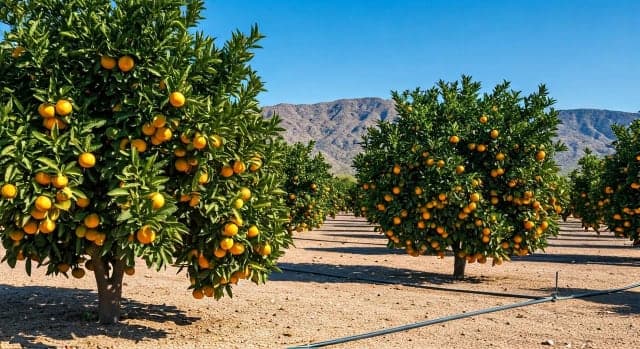
Fix iron chlorosis and alkaline water lockup on Southwest citrus in pH 7.8–8.5 caliche soils: why broadcast sulfur fails, localized auger acid-bands, Fe-EDDHA + spring Zn/Mn foliar sprays, meq/L wa…
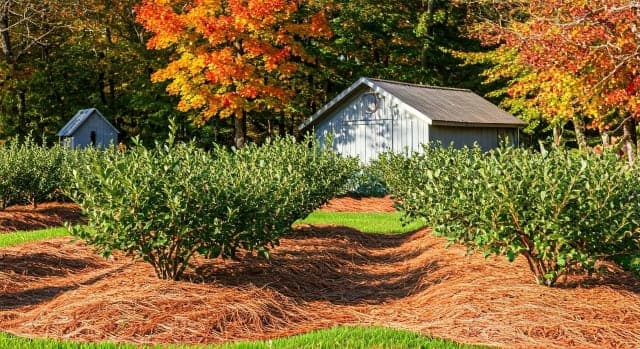
Acidifying soil for blueberries to pH 4.5-5.5 requires soil testing, elemental sulfur, peat moss, and regular pH monitoring in USDA zones 5-9.
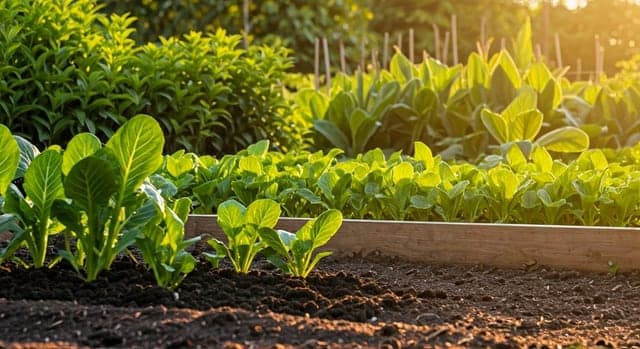
Learn to diagnose and correct potassium and magnesium deficiencies in your US home garden, especially in USDA Zone 6. Use soil testing for optimal yields and plant health.
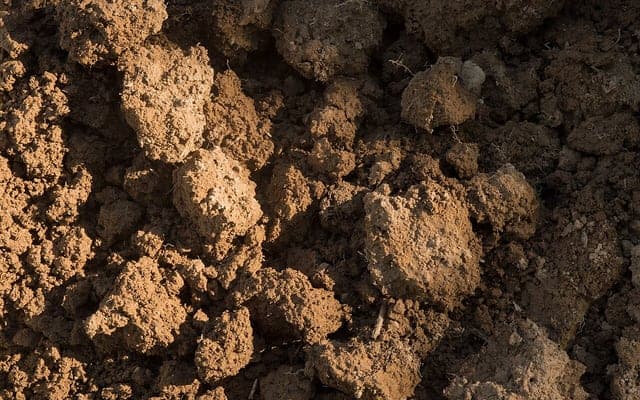
Distinguish fixed soil texture from buildable crumb structure, separate fast POM from durable MAOM carbon, verify stability with the NRCS jar slake test, calculate honest +1% SOM math, and prevent…
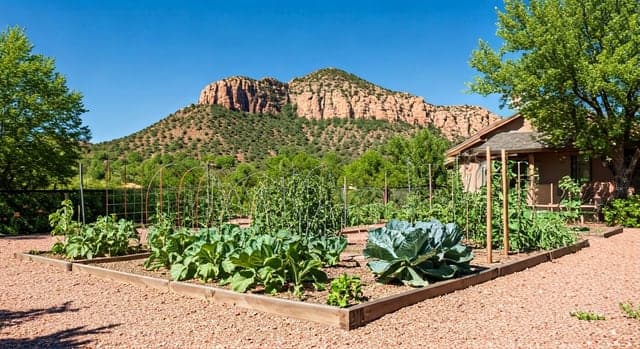
Garden productively in pH 7.5–8.5 Western calcareous soils: run the 5% vinegar fizz test for >1–2% CaCO3, avoid sulfur bicarbonate rebound, pick Fe-EDDHA over Fe-EDTA, ban wood ash and salty steer…
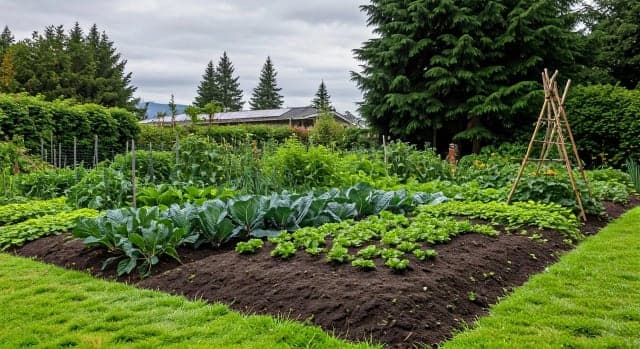
Manage persistently acidic Northeast and Pacific Northwest soils: 40–80 in/yr leaching physics, Al3+/Mn2+ toxicity below pH 5.2, Water vs. Buffer pH lime dosing, calcitic vs. dolomitic limestone, w…

How to design a wildlife-friendly living fence in USDA Zone 6 using native berry shrubs, including permaculture principles, water management, and plant choices for a low-maintenance hedge.
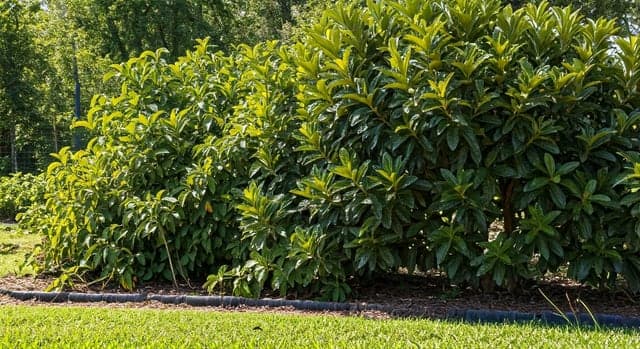
Discover how edible fruiting hedges like loquat, pineapple guava, and blackberry thrive in the Southeast. Learn permaculture design for diverse yields & ecological benefits.