What to plant in October in Canada: by zone, from the Prairies to the coast
What to plant in October in Canada, covering garlic, cold-hardy perennials, winter salad greens, and key autumn soil preparation tasks across all hardiness zones.
Tag
65 articles in this tag on agripure. — page 2 of 3
What to plant in October in Canada, covering garlic, cold-hardy perennials, winter salad greens, and key autumn soil preparation tasks across all hardiness zones.
What to plant in November in the US by USDA zone, covering garlic, cold-hardy greens, root crops, spring bulbs, bare-root fruit trees, and late-season garden winterization.
What to plant in November in Canada, covering regional hardiness zones, winter sowing, late garlic planting, and key soil protection jobs.
What to plant in May in Canada across plant hardiness zones 2 to 8. Learn when to start seeds indoors, direct-sow cold-hardy crops, and safely transplant summer vegetables.
What to plant in March across the United States, organized by USDA hardiness zones from northern cold frames to southern warm-season transplanting.
In March, Canadian planting activities depend entirely on your local hardiness zone, ranging from indoor seed sowing in cold northern zones to direct outdoor planting in coastal British Columbia.
What to plant in June across the United States, organized by USDA zone bands to account for regional frost dates, summer heat, and succession schedules.
What to plant in June in Canada, organized by plant hardiness zones from cold northern regions to mild coastal British Columbia, including sowing and transplanting calendars.
What to plant in July in Canada depends heavily on your plant hardiness zone. While northern regions must focus on quick-maturing greens, southern and coastal growers can direct-sow root crops, bra…
What to plant in January in the US, organized by USDA hardiness zones. Learn what to sow indoors, direct-sow outdoors under cover, and essential winter garden maintenance.
What to plant in January in Canada, organized by regional plant hardiness zones from the frozen Prairies to the mild British Columbia coast.
Planting in February in the US depends on your USDA zone, spanning indoor seed starting in zones 3 to 6 to active outdoor transplanting in zones 7 to 10.
What to plant in February in Canada, organized by regional hardiness zones from indoor seed starting in the interior to early outdoor sowing on the coast.
What to plant in December across the United States, detailed by USDA hardiness zones from northern indoor sowing to southern cool-season direct seeding.
A complete zone-by-zone guide to December planting and winter gardening jobs across Canada, from frozen northern Prairies to coastal British Columbia.
August planting in Canada varies by plant hardiness zone, ranging from quick-maturing salad greens in the north to winter-hardy root crops and brassicas in southern and coastal regions.
April planting in the United States requires matching your crops to your specific USDA zone. Learn what to sow indoors, transplant, and direct-sow from Zone 3 to Zone 10.
What to plant in April in Canada, organized by Canadian Plant Hardiness Zones from coastal BC to the cold Prairies, featuring indoor sowing schedules and outdoor direct-sowing guidelines.
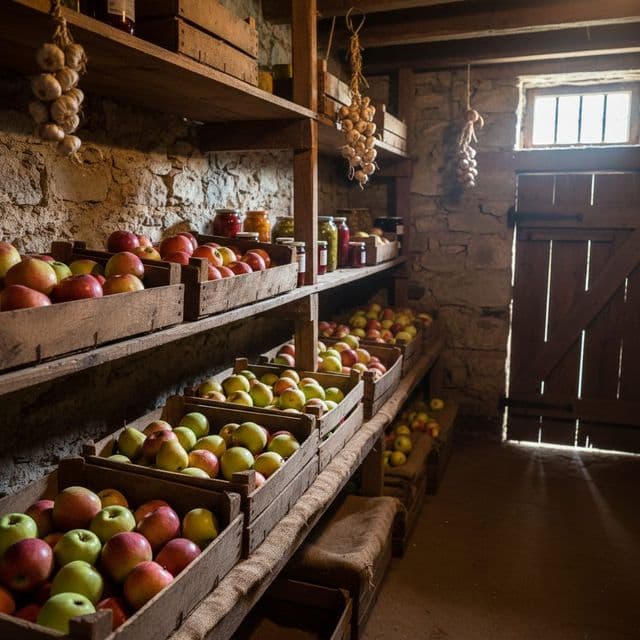
Master long-term fruit storage for apples & pears in USDA zones 5-7. Learn optimal temperatures, humidity, and variety selection to keep your harvest fresh for months, reducing waste.
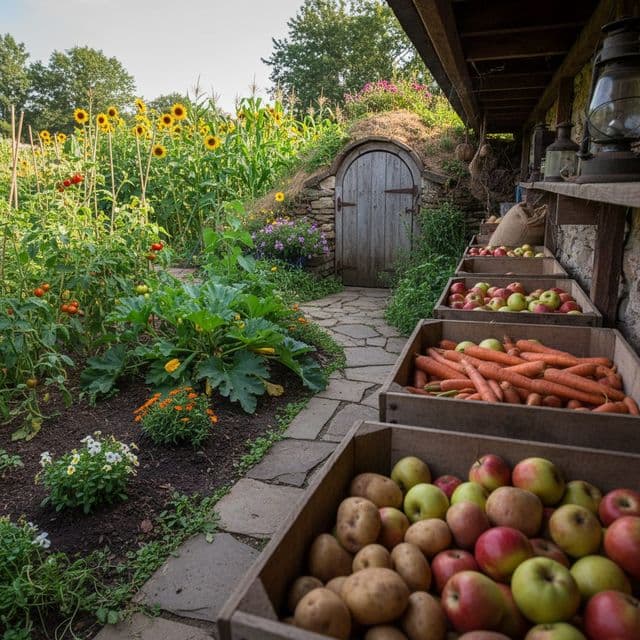
Master garden produce storage by understanding optimal temperature and humidity. Learn how to store root vegetables, onions, apples, and more for extended shelf life, preventing spoilage and mainta…
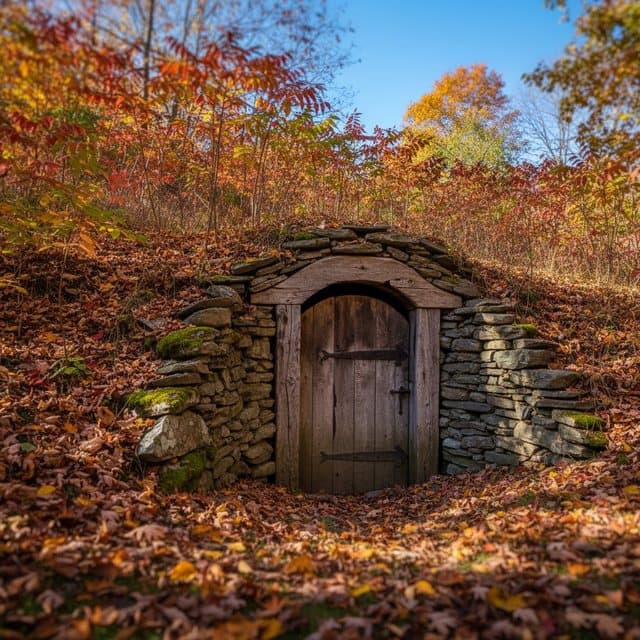
Learn how to build a root cellar in USDA Zone 6 to extend your harvest. Discover options from simple buried trash cans to dedicated structures, ensuring fresh produce for months.
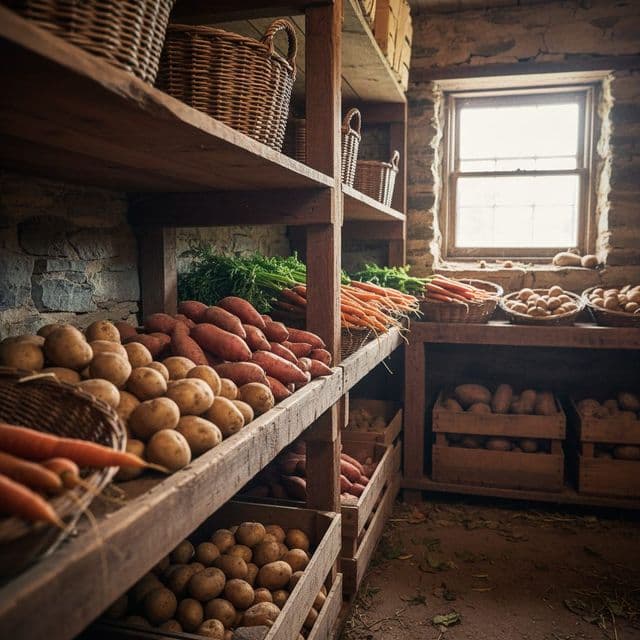
Master root crop storage techniques to extend your harvest up to 8 months. Learn ideal conditions for potatoes, sweet potatoes, and carrots, plus root cellar and sand storage methods.
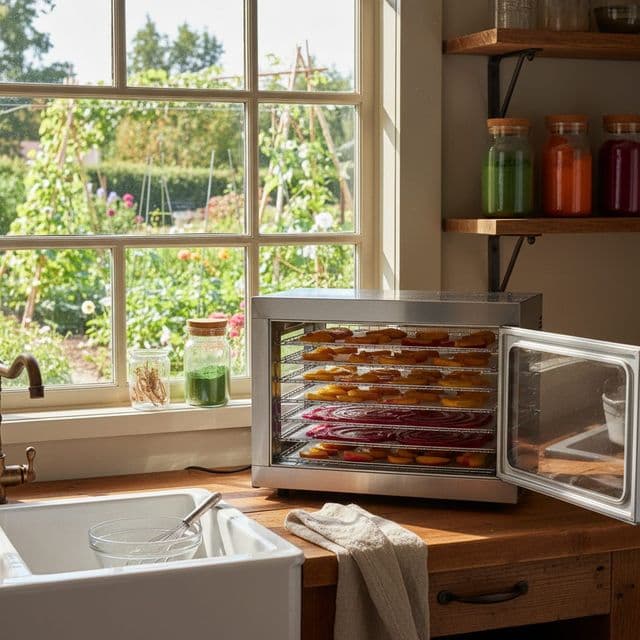
Transform excess summer produce into shelf-stable fruit leather and nutrient-dense vegetable powders. Learn drying techniques, temperatures, and storage tips to preserve your harvest and reduce foo…
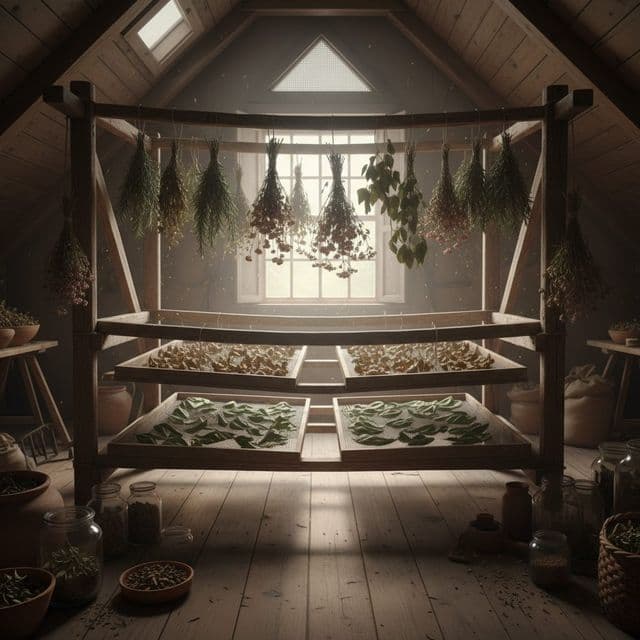
Preserve the aroma and color of fresh herbs with air drying, dehydrator methods, and proper storage for USDA Zone 6.