
Grow Chives & Garlic Chives Year-Round: USDA Zones 3-9 Harvest
Learn to grow chives and garlic chives year-round in USDA zones 3-9. Get tips for planting, care, and continuous harvest of these resilient, flavorful herbs for your homestead.
Tag
117 articles in this tag on agripure. — page 3 of 5
Learn to grow chives and garlic chives year-round in USDA zones 3-9. Get tips for planting, care, and continuous harvest of these resilient, flavorful herbs for your homestead.
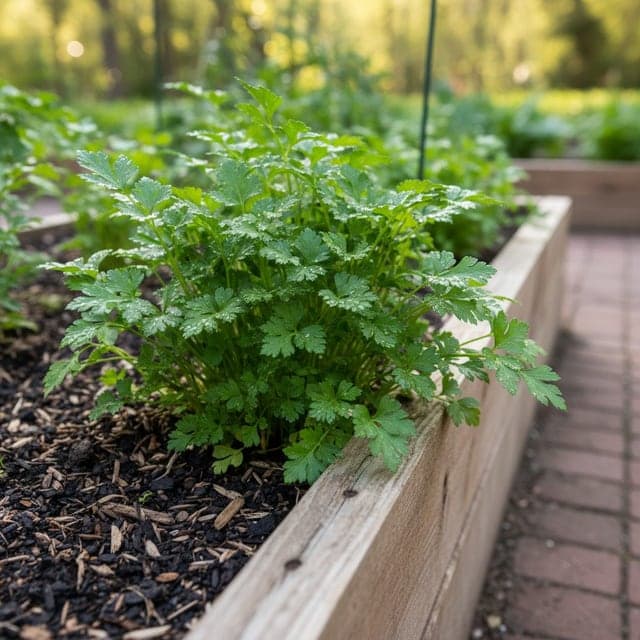
Learn how to speed up parsley seed germination for a two-year harvest. Discover pre-treatment methods, optimal planting conditions, and overwintering tips for USDA Zone 6.
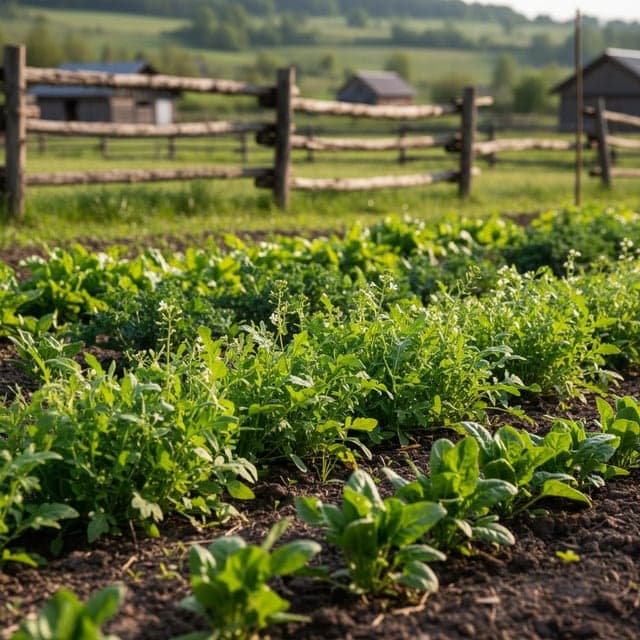
Harvest tender arugula, leaf lettuce, mustard greens, and spinach without summer gaps. Follow our 14-day 3-section bed rotation, soil temperature thresholds, shade cloth rules, and sealed row cover…
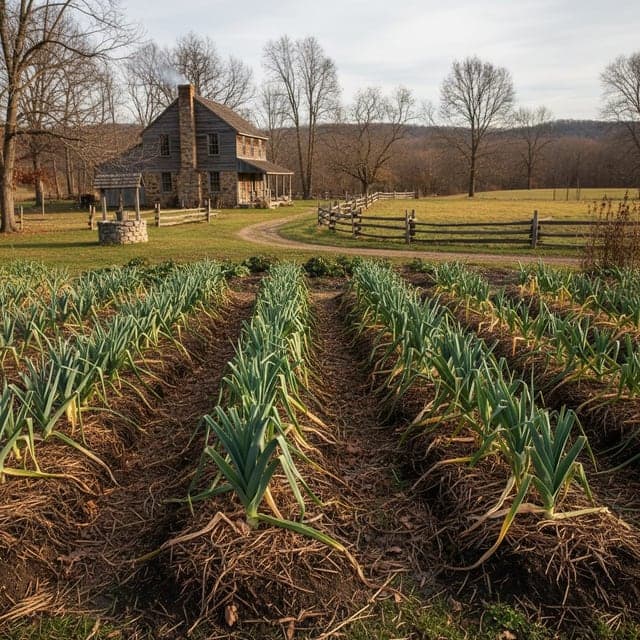
Hold cold-hardy leeks outdoors through winter across USDA Zones 4–9 using 6-inch dibble planting, staged blanching, zone-specific mulch or low tunnels, and pre-bolt spring harvest timing.
Match short-, intermediate-, and long-day onions to exact US latitudes (11–16 hr bulbing triggers across 36°N) and prevent vernalization bolting across four Allium crops.
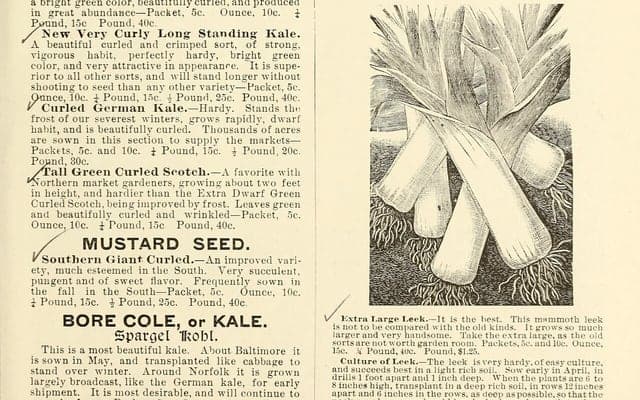
How to blanch cauliflower for mild flavor and sun protection in USDA Zone 6 and beyond, with tips on soil, watering, and harvest timing.
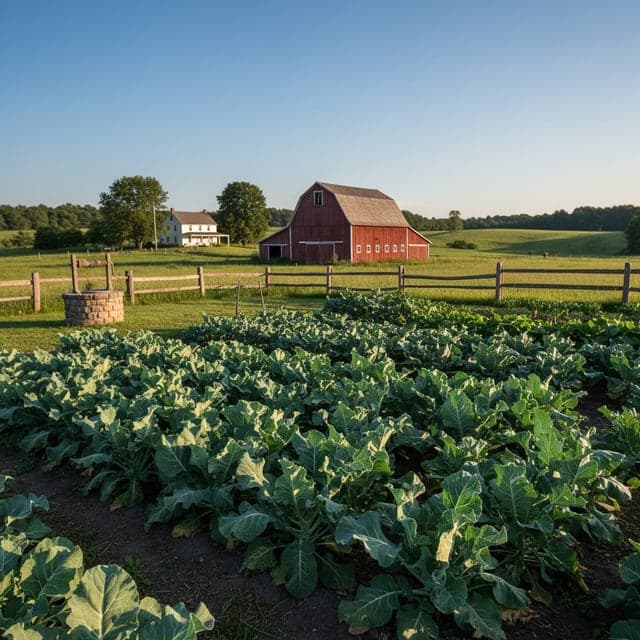
Distinguish juvenile cold buttoning from late heat bolting (>80–86°F), curd riciness, heat lock, and boron vs. rapid-growth hollow stem to harvest dense broccoli and cauliflower heads across US zones.
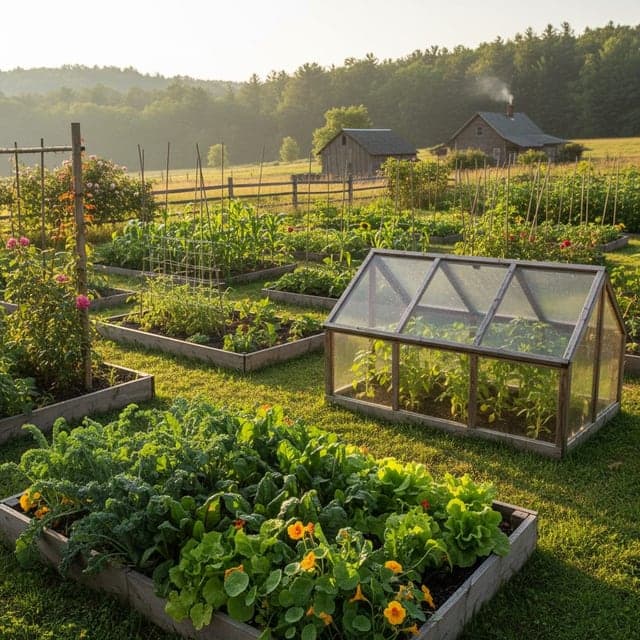
How to start brassica seeds indoors for an earlier harvest in USDA Zones 3-7, covering setup, lighting, temperature, and hardening off.
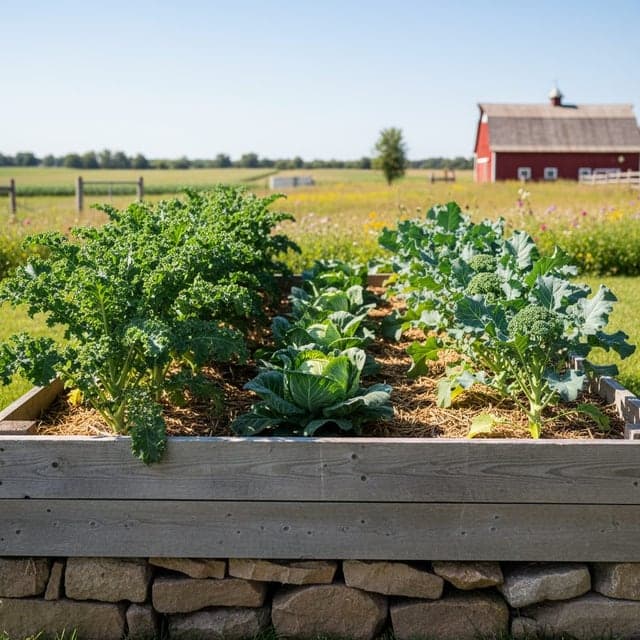
Schedule spring and fall brassicas across US USDA Zones 3–10 using NOAA freeze probabilities, Fall Factor and Persephone daylight math, 4-inch soil temperature cutoffs, and clubroot rotation rules.

Keep windowsill basil lush year-round in US homes: meet 12–16 mol/m²/d winter DLI targets, prevent <50°F cold-glass blackening, prune above nodes, pick Rutgers DMR cultivars, and avoid neem leaf burn.
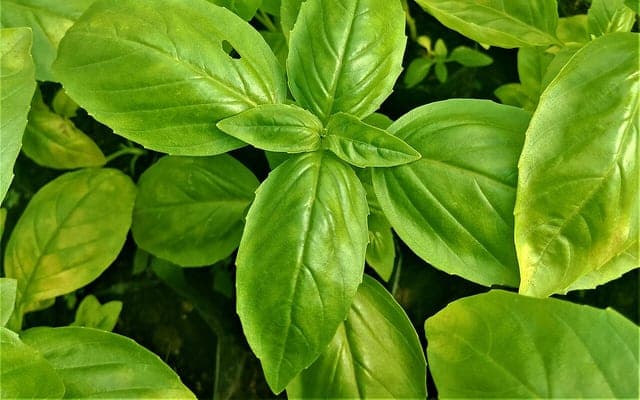
Delay basil bolting in hot humid Southern summers: manage 14-hour June-July photoperiods, split slow-bolting vs. downy-mildew varieties, pinch node pairs, and add 30% white shade.
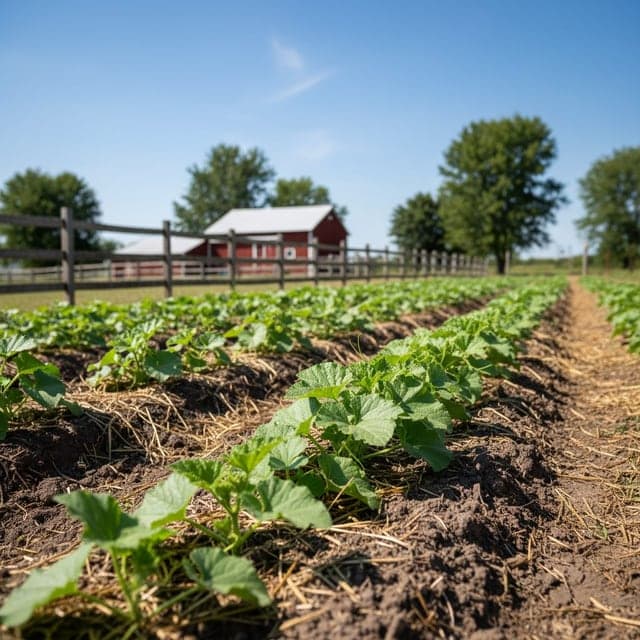
Choose between starting melons indoors or direct sowing by USDA zone: cucurbit taproot suberization math, 2–3 true-leaf cutoff (18–25d max), 70°F soil floors, IRT mulch, row-cover bee timing, tripl…
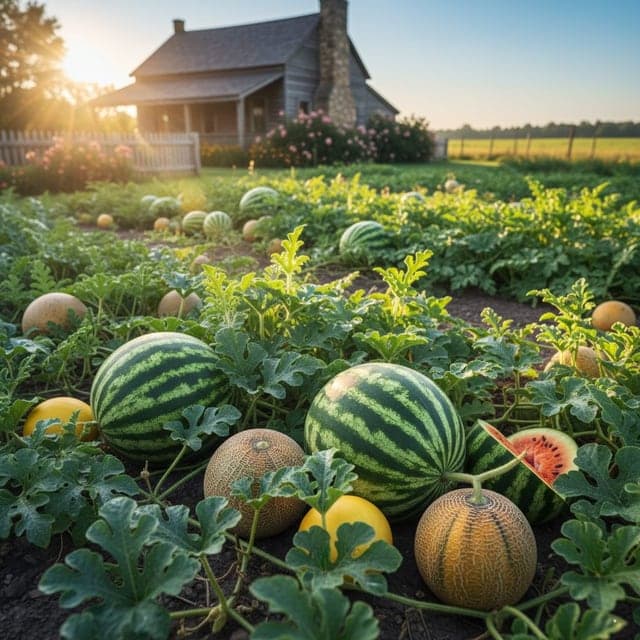
Harvest sweet melons across short Northeast and Midwest summers using 65–80 DTM muskmelons and icebox watermelons, 75–85°F heat-mat starts, black or IRT warming mulch, timely row-cover removal, and…
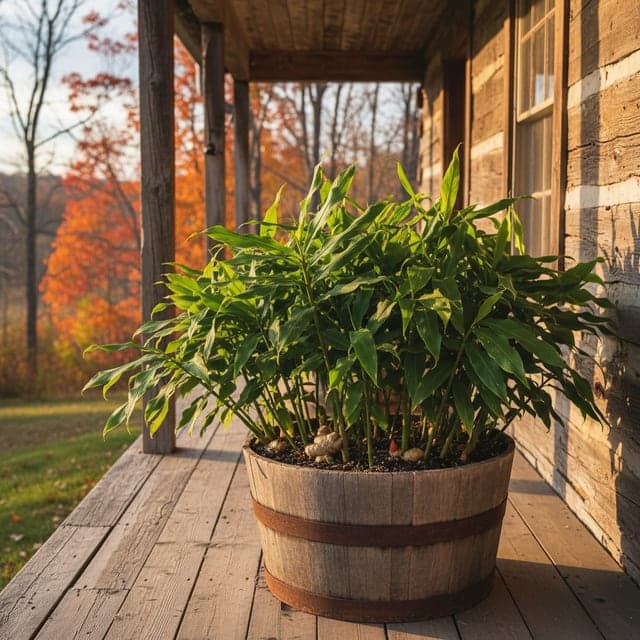
Solve the 240–300 day tropical maturation deficit in northern USDA Zones 3–6 (110–150 frost-free days): Feb–Mar 75–85°F heat-mat chitting, 20–30W LED ramp, 10–15 gal wheeled pots against brick ther…
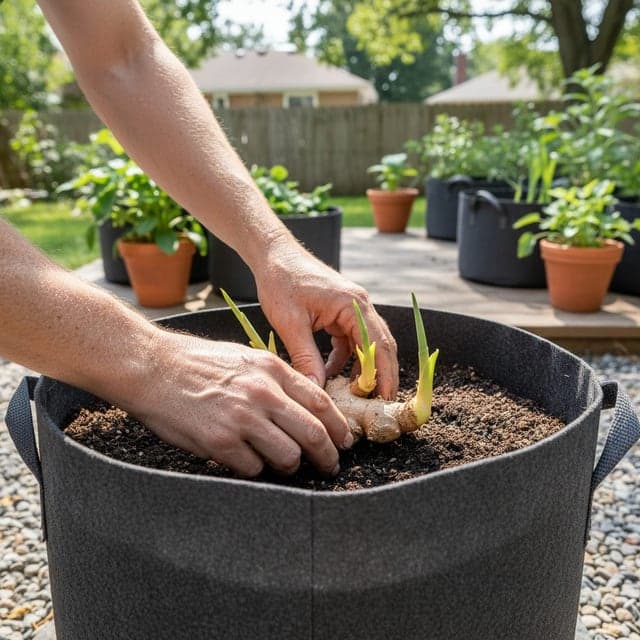
Start grocery-store ginger safely in isolated 10–15 gallon fabric pots: spot sprout inhibitors and irradiation, soak and pre-sprout in damp coco coir at 75–85°F, quarantine Ralstonia wilt and nemat…
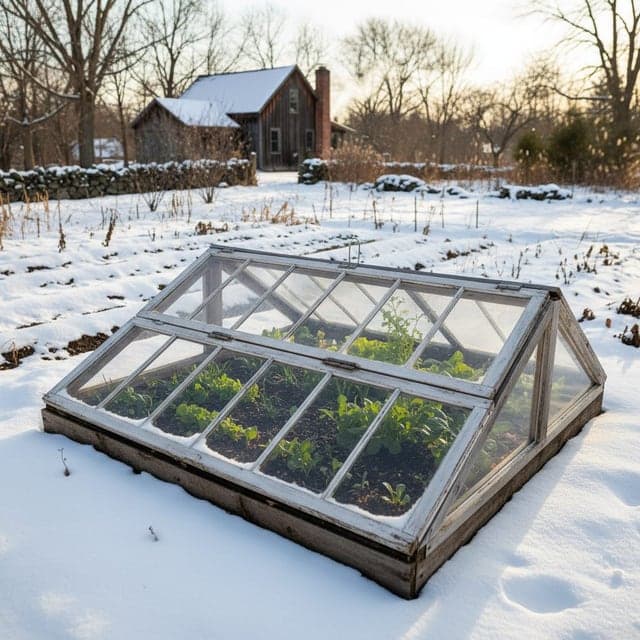
Engineer a cold-climate DIY cold frame that survives US winter sun and snow: ~latitude + 10–15° solar lid pitch, R-1.6 twinwall polycarbonate vs. salvaged glass safety, 60–75°F wax-piston venting,…
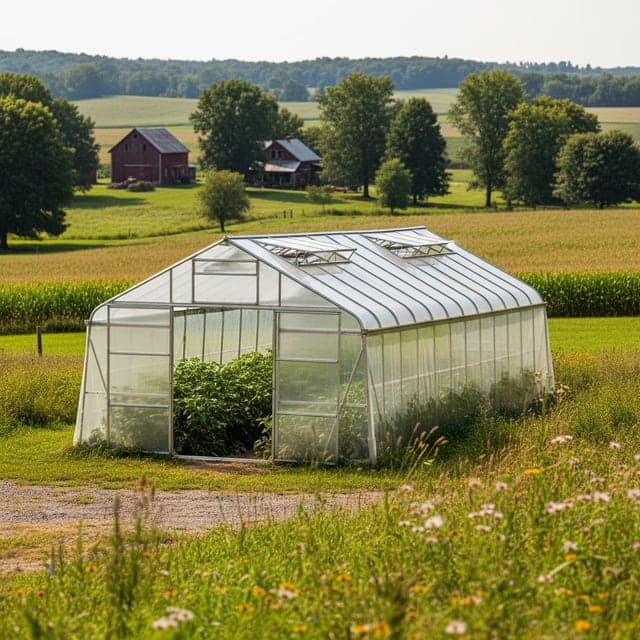
Engineer an electricity-free summer greenhouse: 20–30% passive vent-to-floor ratios, external 30–60% shade cloth, humidity-gated evaporative cooling, night-purged thermal mass, and heat-tolerant US…
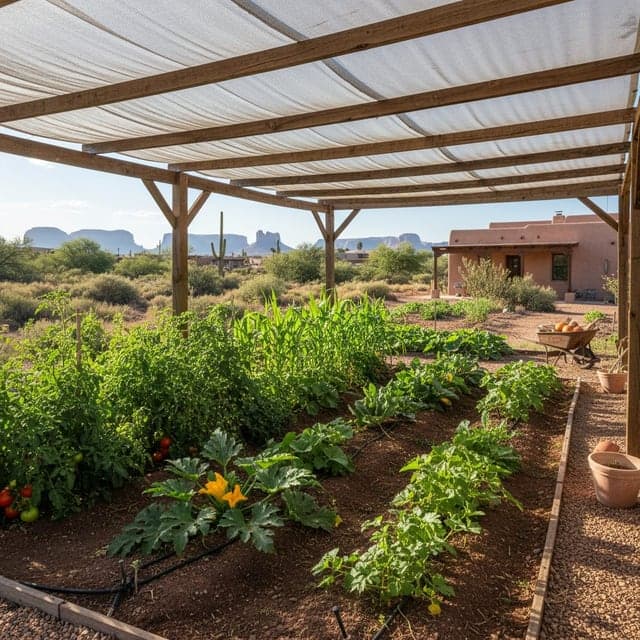
How to protect vegetables from intense summer heat in Arizona gardens with DIY shade structures that reduce temperatures, prevent bolting, and boost garden yields by 15% or more.
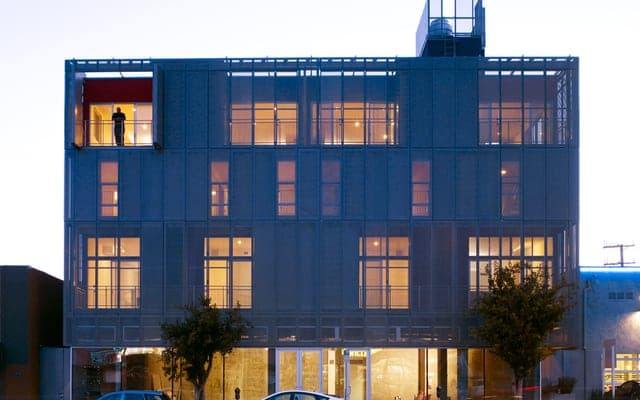
Build a budget passive solar greenhouse that protects crops in winter and prevents >105–110°F summer spikes: Latitude + 15° south glazing, R-15–R-20 walls, XPS frost skirts, 458 BTU/°F drum math, v…

Combat dry US winter air to keep tropical houseplants thriving. Learn to monitor humidity, boost levels with pebble trays & humidifiers, and protect plants from pests.
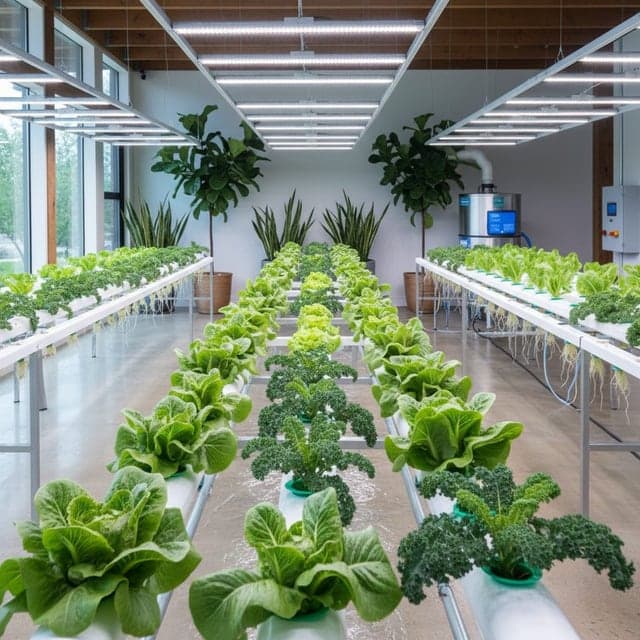
Grow crisp hydroponic lettuce and leafy greens indoors year-round using Cornell CEA, Ohio State, Purdue, and UF/IFAS benchmarks: 12–17 mol/m²/d DLI, 0.3–0.5 m/s downward airflow to stop tipburn, EC…
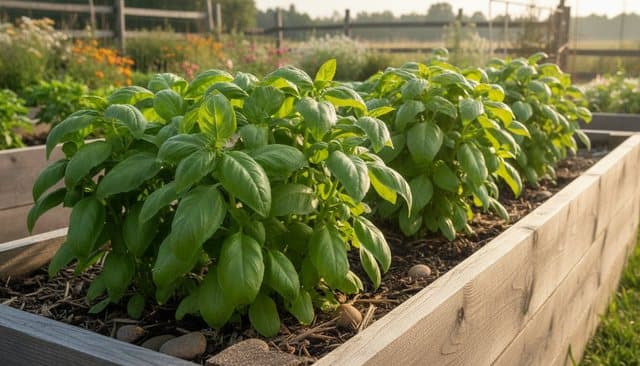
Master growing basil in USDA Zone 7. Learn expert tips to prevent bolting, choose slow-bolting varieties, and prune effectively for a continuous, flavorful harvest all season.
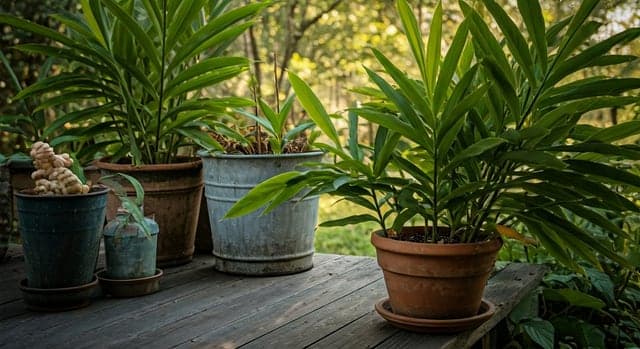
Learn how to successfully grow ginger in US gardens and containers, even in cooler climates. Get tips on planting, soil, and harvesting for high yields of fresh ginger root.
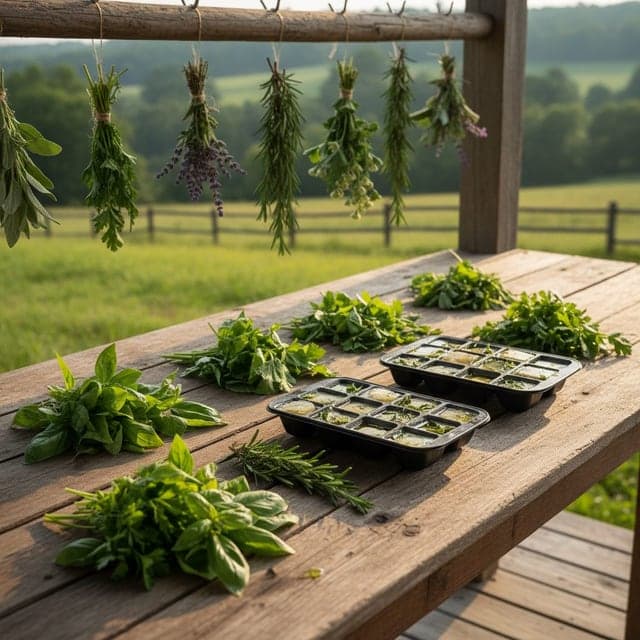
How to preserve basil from a USDA Zone 7 garden, covering freezing in oil or water, making pesto cubes, and drying techniques.