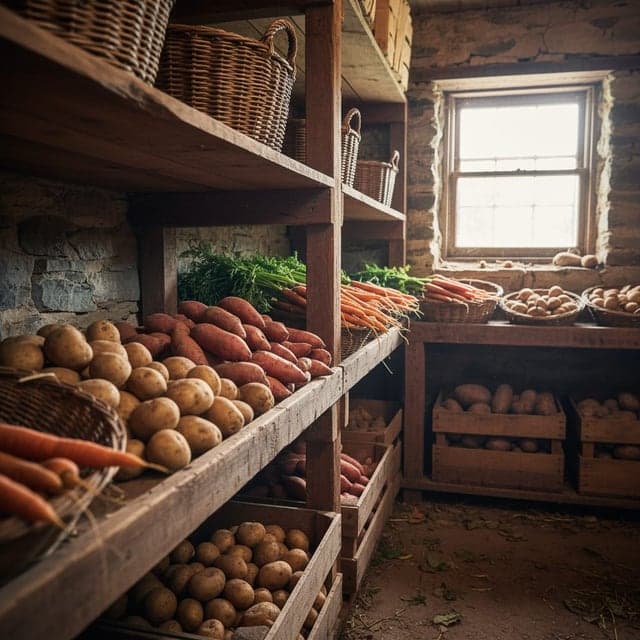
Extend root crop life: storage tips
Master root crop storage techniques to extend your harvest up to 8 months. Learn ideal conditions for potatoes, sweet potatoes, and carrots, plus root cellar and sand storage methods.
Tag
117 articles in this tag on agripure. — page 5 of 5
Master root crop storage techniques to extend your harvest up to 8 months. Learn ideal conditions for potatoes, sweet potatoes, and carrots, plus root cellar and sand storage methods.
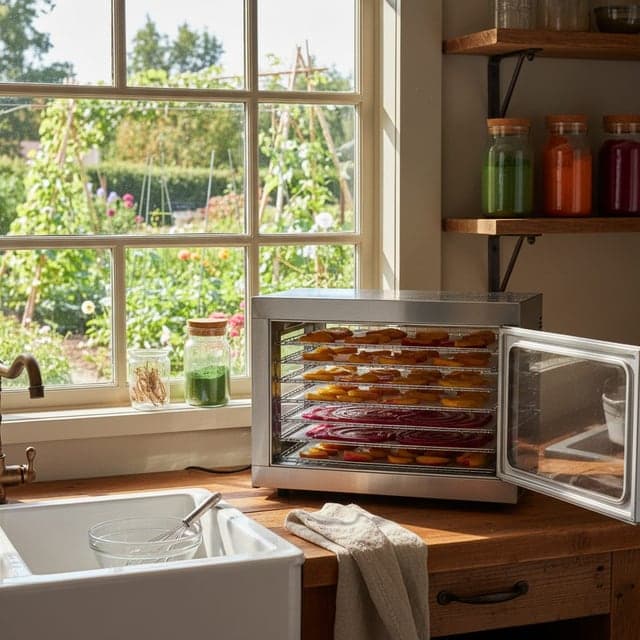
Transform excess summer produce into shelf-stable fruit leather and nutrient-dense vegetable powders. Learn drying techniques, temperatures, and storage tips to preserve your harvest and reduce foo…
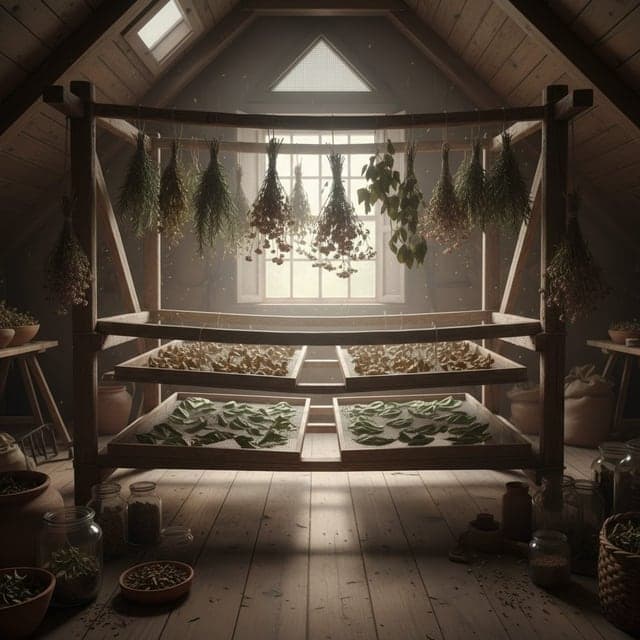
Preserve the vibrant green color and volatile essential oils of garden herbs using 95–115°F dehydrator targets, dark air drying, 7-day jar conditioning, and botulism-safe oil-cube freezing.
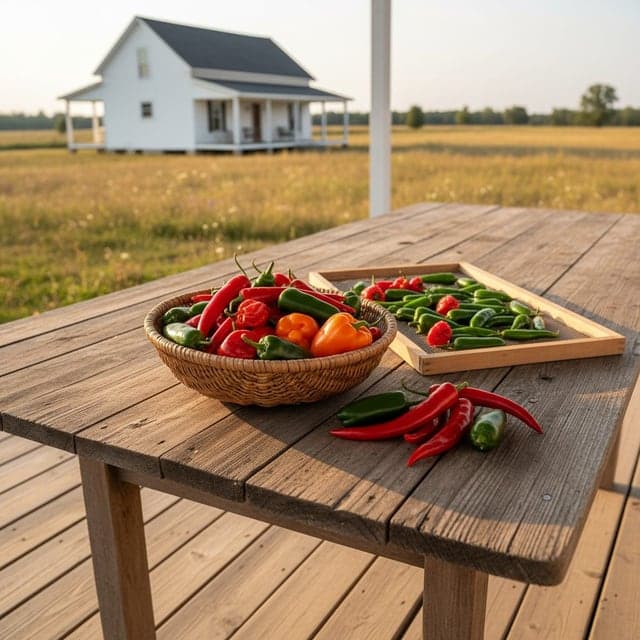
Dehydrate and mill homegrown chili peppers safely using NCHFP and NMSU 125–140°F temperatures, arid-only ristra humidity limits, ≤0.60 a_w crisp checks, 4–7 day jar conditioning, 5-minute grinder P…
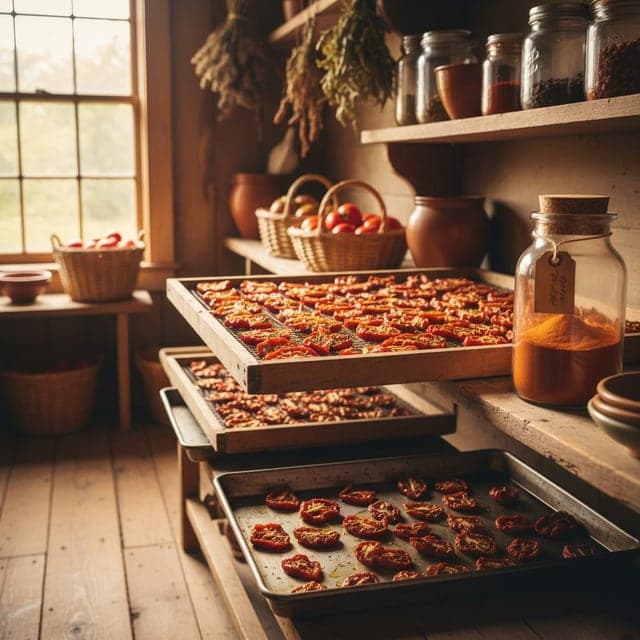
Dehydrate tomatoes safely at 135-140°F in a dehydrator, 140-170°F in an oven, or in arid sun with NCHFP pasteurization, then condition and store slices or anti-clump tomato powder for 1 to 3 years.
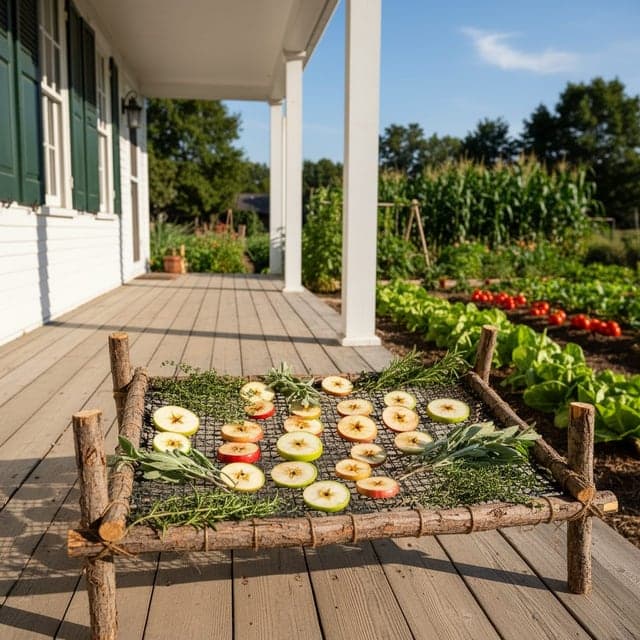
Explore effective food drying methods: sun, electric dehydrator, and oven. Learn how to preserve your harvest, extend shelf life, and reduce food waste for year-round self-sufficiency.
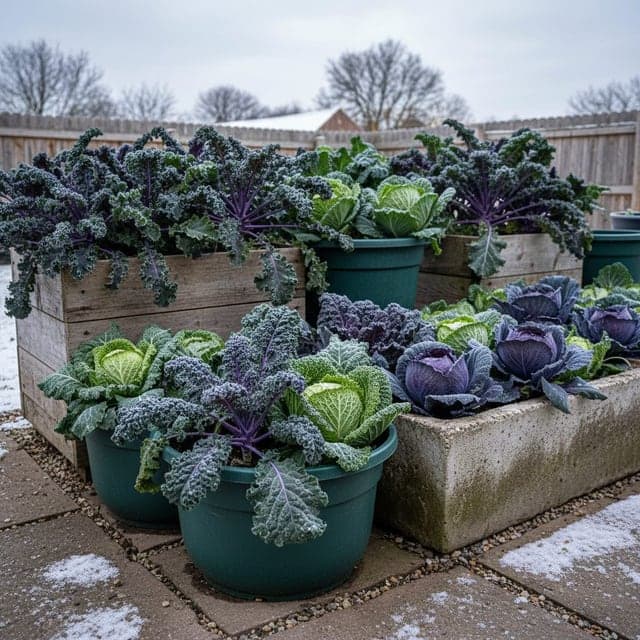
Select genuinely frost-proof outdoor planters for USDA Zones 3–8 using 9% water-to-ice expansion physics, an 8-material durability and US pricing matrix, rim geometry rules, 2-zone root hardiness m…
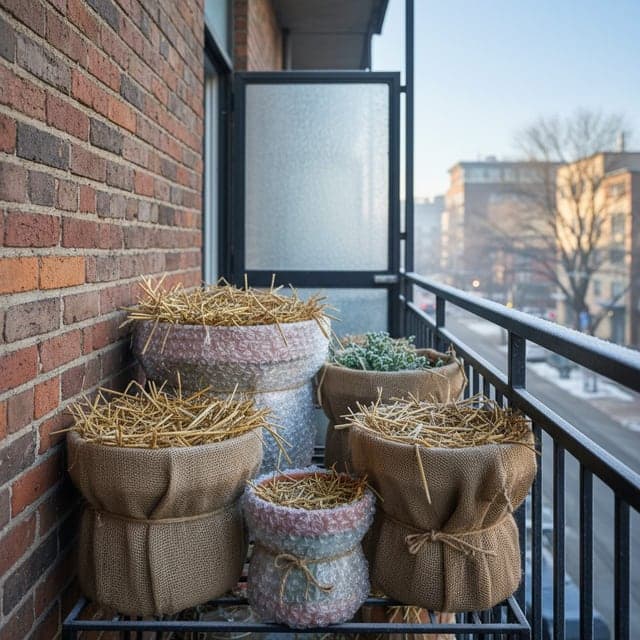
Overwinter potted perennials, herbs, shrubs, and tender plants across USDA Zones 3–9: apply the 2-zone hardiness rule, choose between in-ground plunging, 25–40°F garage storage, and pot-wall wrappi…
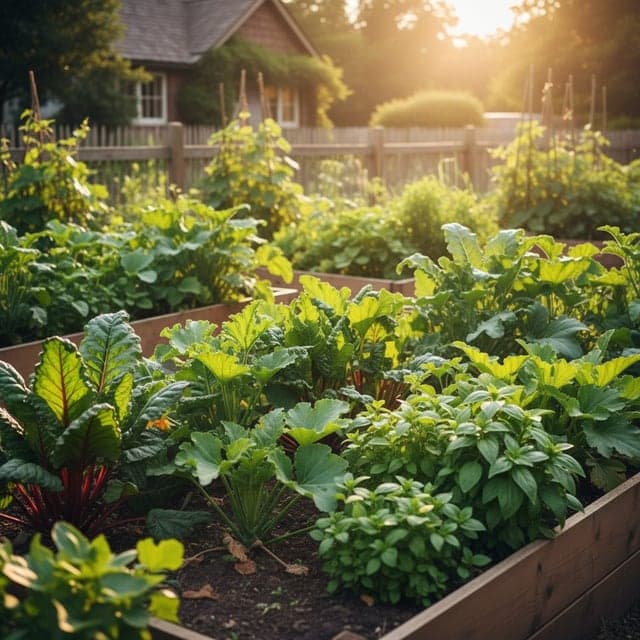
Keep potted perennial herbs alive through winter across USDA Zones 3–9 using the subtract-2-zones root-freeze rule, frost-proof containers, plunge-potting, thaw-day watering, and clean indoor grow-…
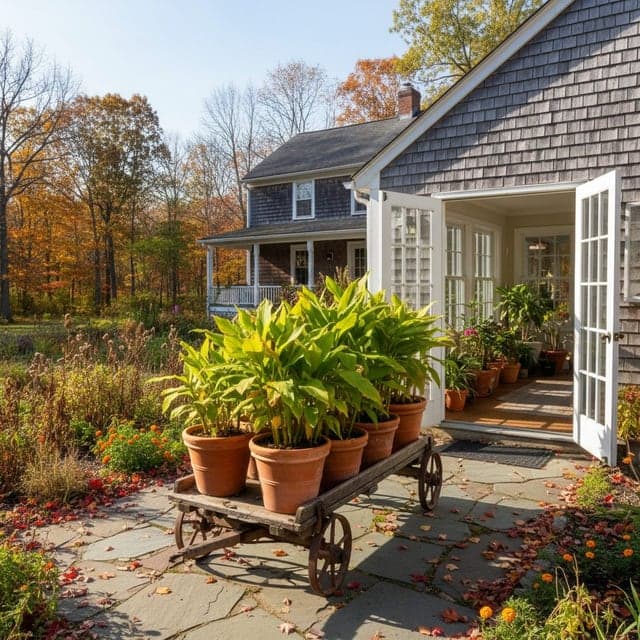
Move potted ginger, turmeric, galangal, banana, canna, Colocasia, Alocasia, and Caladium indoors before 45–50°F chilling injury—plus dry-pot, crate, LED tracks, Bti quarantine, and ASPCA pet alerts.
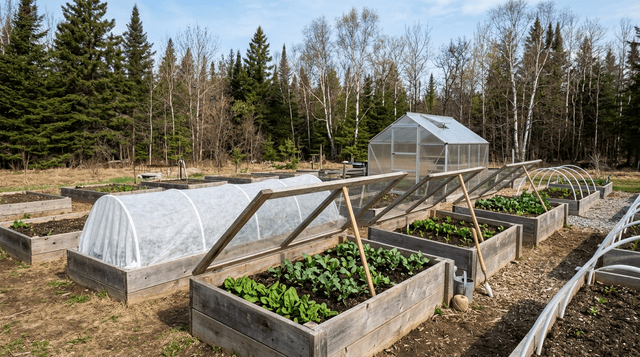
Season extension techniques in Canada lengthen the brief northern growing window by several weeks through unheated cold frames, floating row covers, and polyethylene high tunnels.
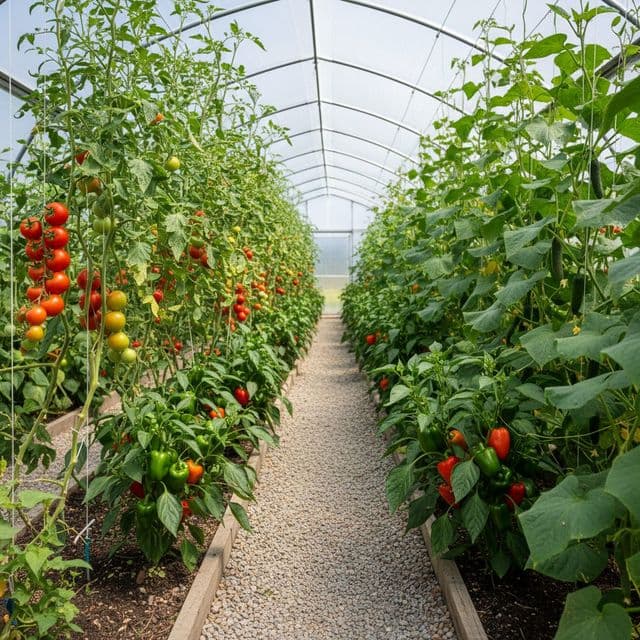
Plan a continuous 12-month UK polytunnel harvest across peat-free border beds and spring staging: winter Persephone salads, early chitted potatoes, summer tomatoes and melons, plus Botrytis venting…
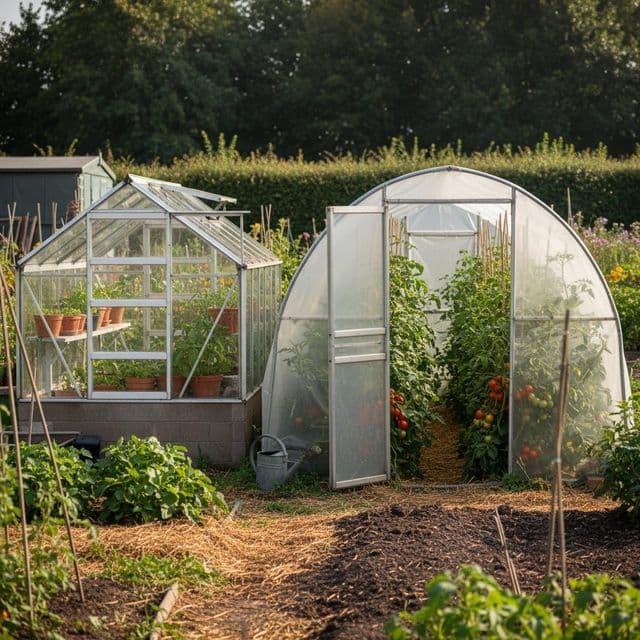
Compare polytunnels and greenhouses for UK gardens and allotments. Evaluate costs, durability, growing space, storm resistance, and council rules.
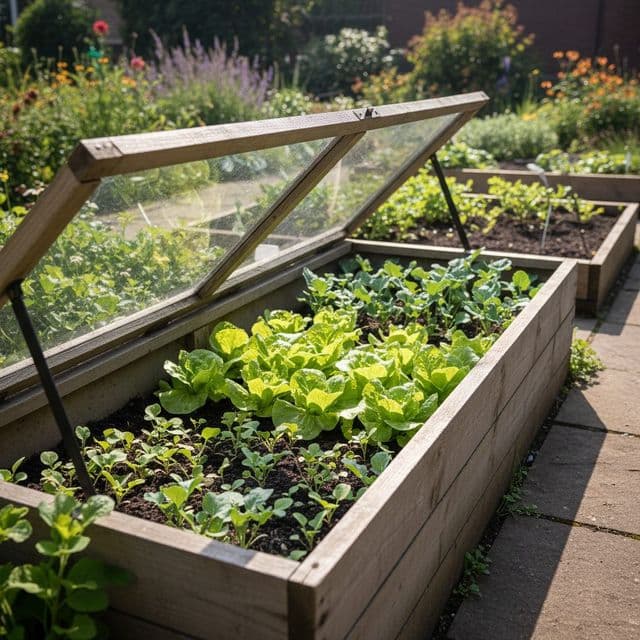
Master how to use a cold frame in the UK to harden off spring seedlings, protect winter salad crops, and propagate cuttings through changing seasons.
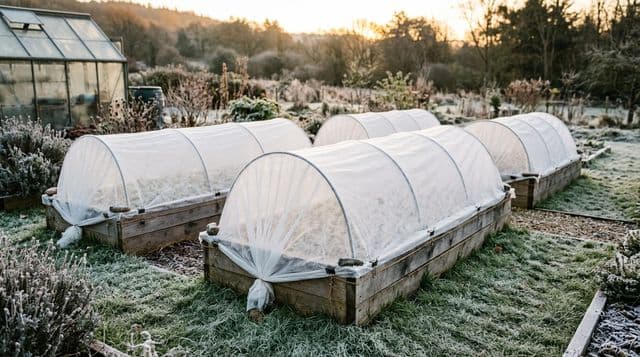
Learn how to protect plants from frost and emergency freezes. Discover when to cover vegetables, frost cloth techniques, thermal water jugs, and recovery tips.
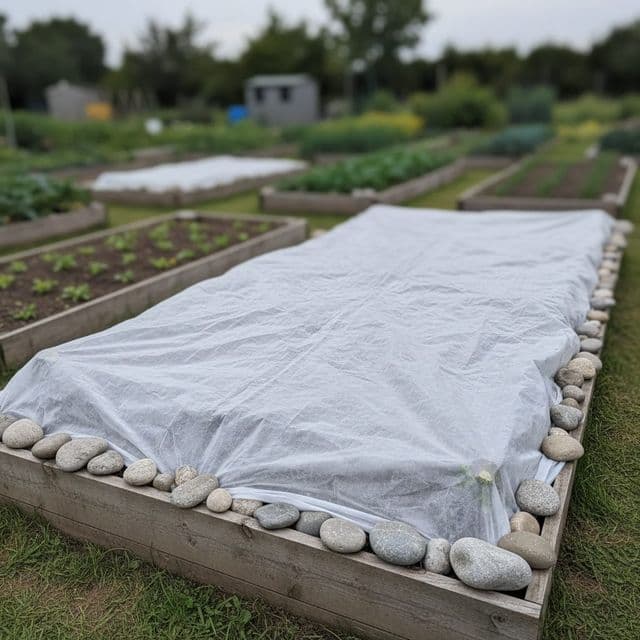
Learn how and when to use horticultural fleece in UK gardens to protect tender crops from frost, pests, and harsh winter winds throughout the growing year.
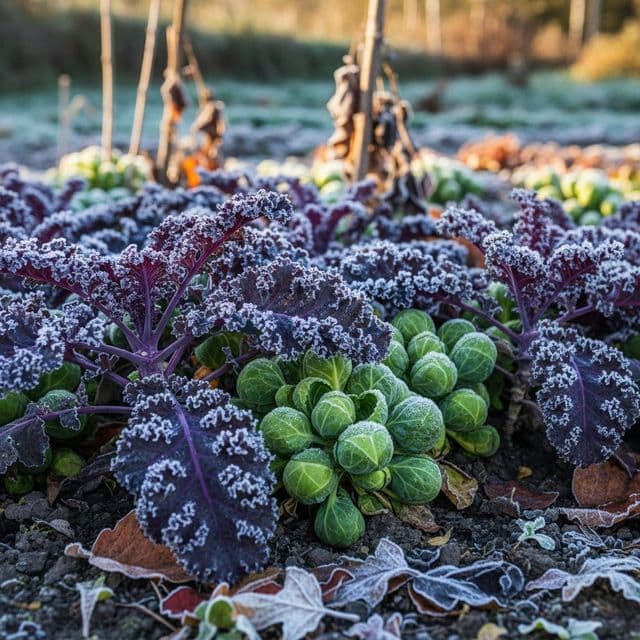
Discover the best frost-tolerant vegetables for fall and winter, with cold-hardy greens and sweet root crops that survive freezing temperatures.
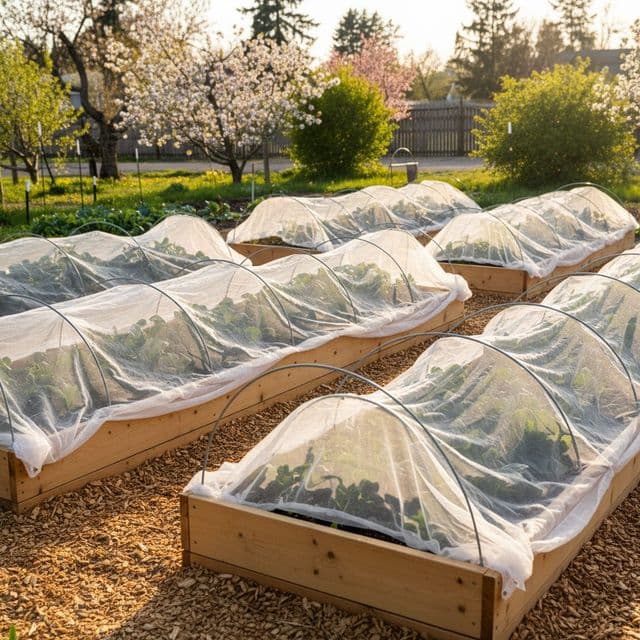
Compare 17, 30, and 50–70 g/m² spunbond polypropylene row covers against 0.35–0.8 mm woven insect netting, plus wet-freeze conduction burn, summer >30°C bolting, pollination timing, and wind-proof…
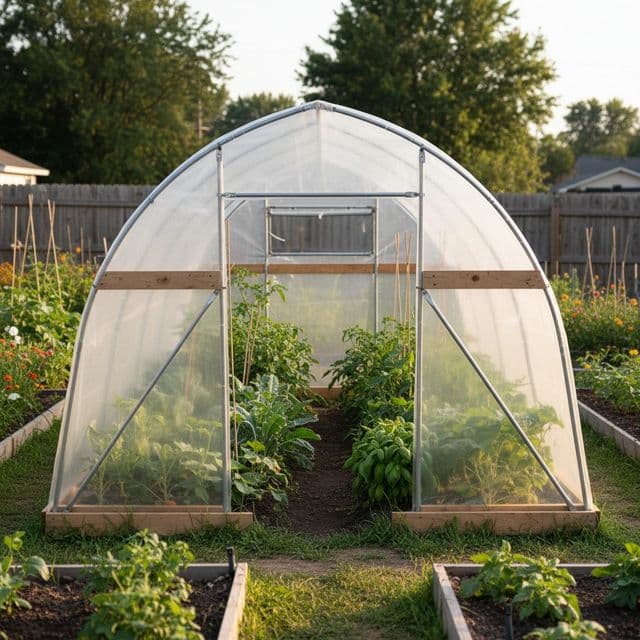
Engineer a storm- and snow-resilient DIY hoop house or low tunnel worldwide: 20–25 mm (3/4–1 in) bent EMT conduit vs. 10-gauge #9 wire vs. Schedule 40 PVC failure reality, 60–90 cm ground anchors,…
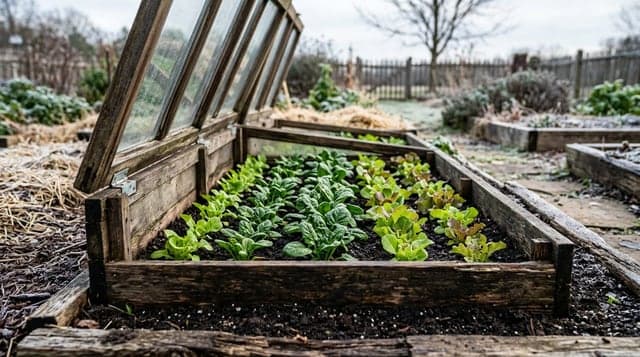
Learn cold frame gardening with practical DIY building plans, glazing options, ventilation strategies, and year-round vegetable crop schedules.
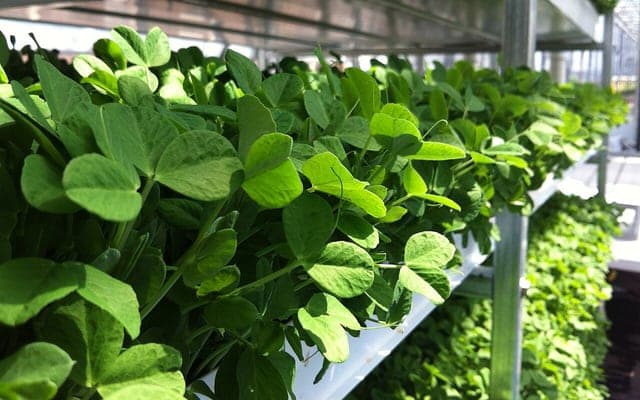
Grow microgreens on a windowsill in 7-14 days — trays, soil vs hydroponic, watering, and the best beginner varieties (radish, beet, kale, mustard, pea).