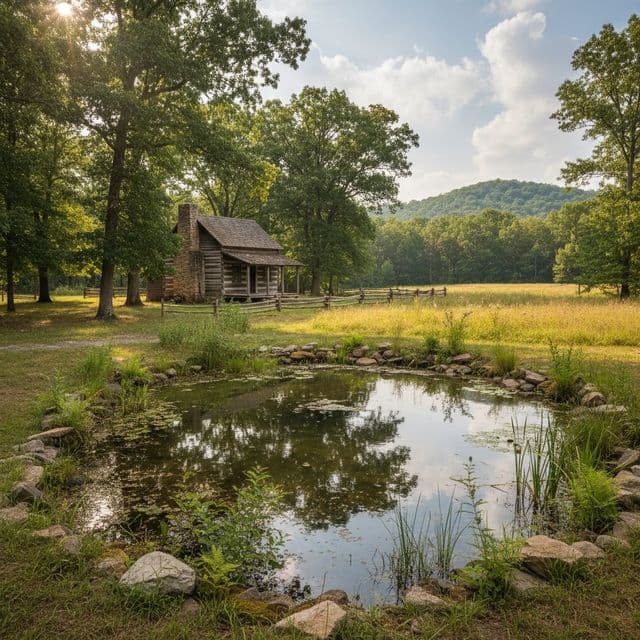
Off-grid pond: native plants and passive aeration
Build and maintain a self-sustaining, off-grid pond in USDA Zone 6 using passive aeration, native plants, and rainwater harvesting for an electricity-free ecosystem.
Tag
344 articles in this tag on agripure. — page 12 of 15
Build and maintain a self-sustaining, off-grid pond in USDA Zone 6 using passive aeration, native plants, and rainwater harvesting for an electricity-free ecosystem.
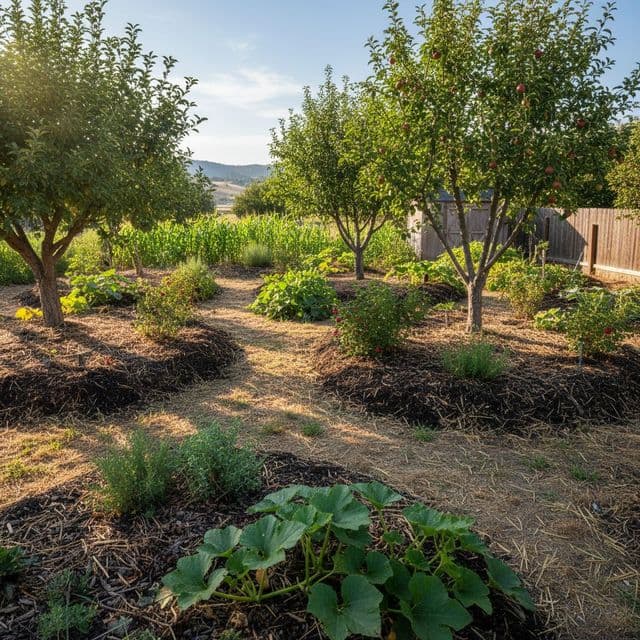
Learn how mulch basins efficiently distribute greywater in USDA Zone 8 gardens, reducing water use by up to 50%. Discover design tips, benefits for soil health, and maintenance for sustainable home…
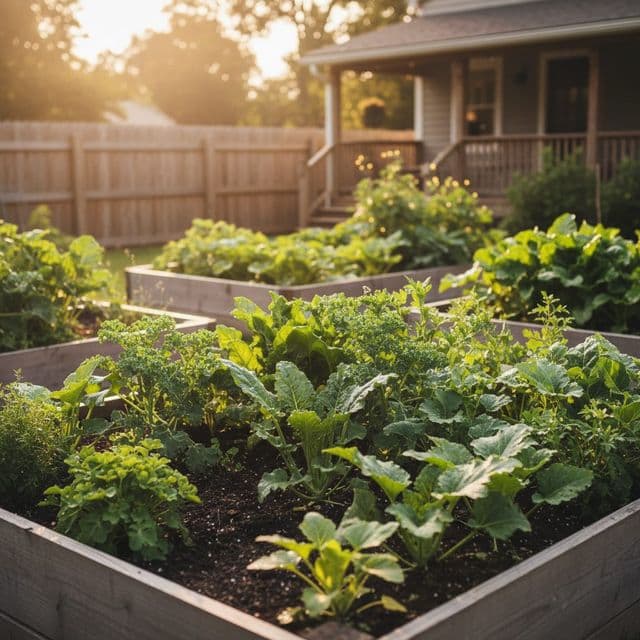
Learn which plants thrive on greywater irrigation and how to safely use it in your homestead garden. Discover best practices for greywater systems, plant-friendly soaps, and water conservation.
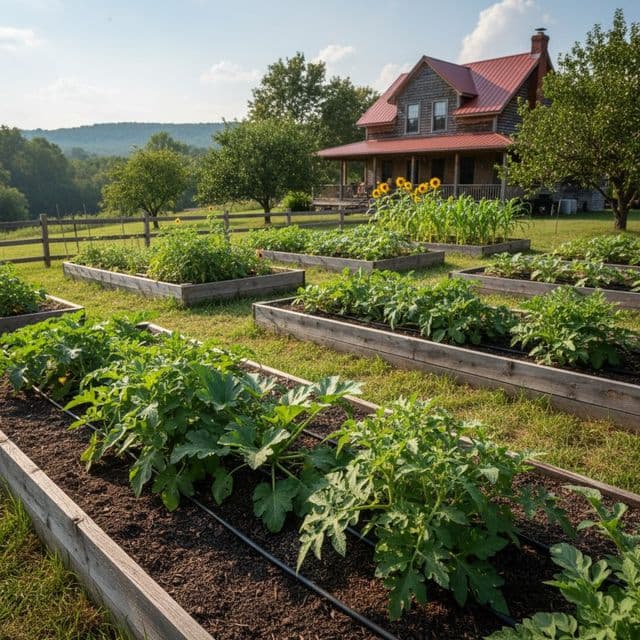
Learn to choose greywater-safe soaps for your California garden. Protect soil health, prevent sodium & boron toxicity, and conserve water effectively. Essential for sustainable homesteading.
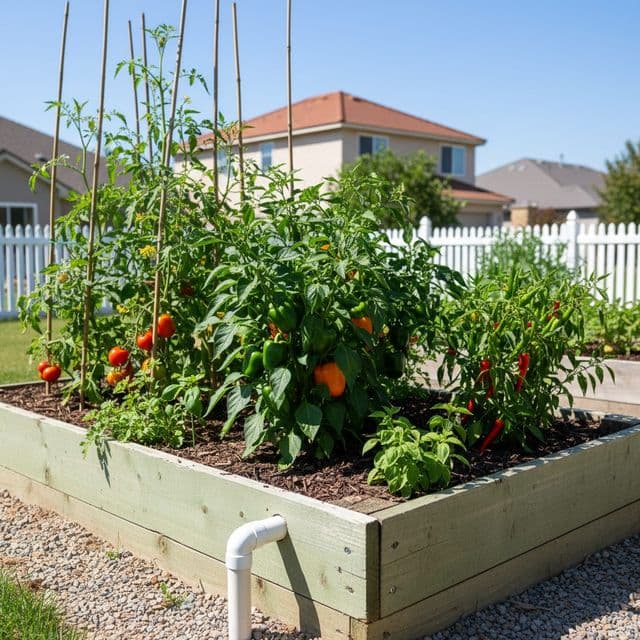
Master wicking bed troubleshooting for healthy growth in USDA Zone 7. Learn to identify and fix anaerobic soil, salt buildup, and waterlogging to ensure productive self-watering gardens.
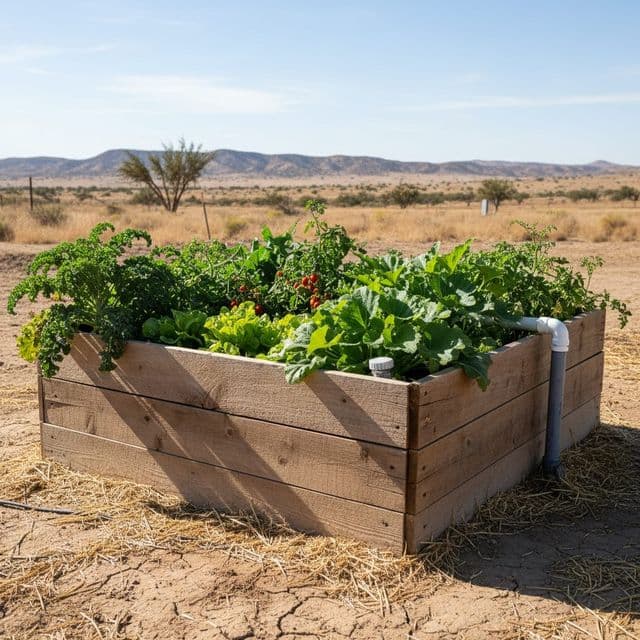
Learn the ideal wicking bed soil mix for optimal water retention and aeration. Discover how deep capillary action pulls moisture in a 12-inch bed, reducing irrigation by 50% in arid zones.
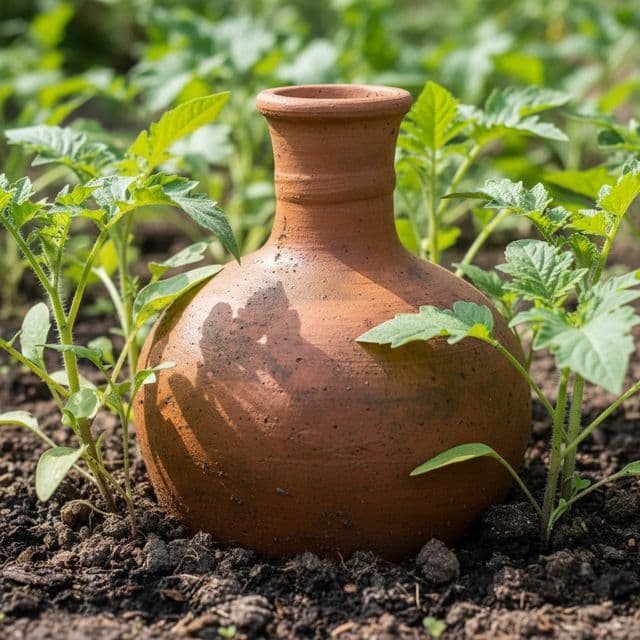
Master olla irrigation to save water in USDA Zone 7. Learn how to choose the right olla, optimize soil contact, and troubleshoot common seepage and drainage issues for efficient plant watering.
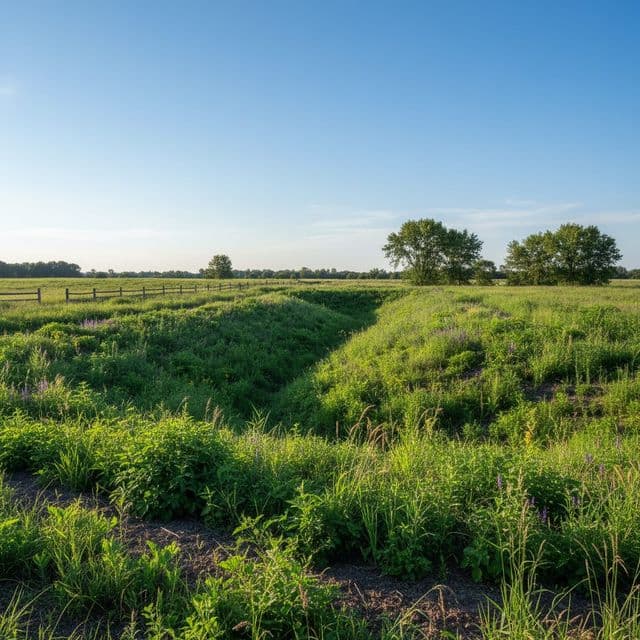
Design and maintain swales to prevent mosquito breeding with proper slopes, spillways, soil amendments, and plant selections.
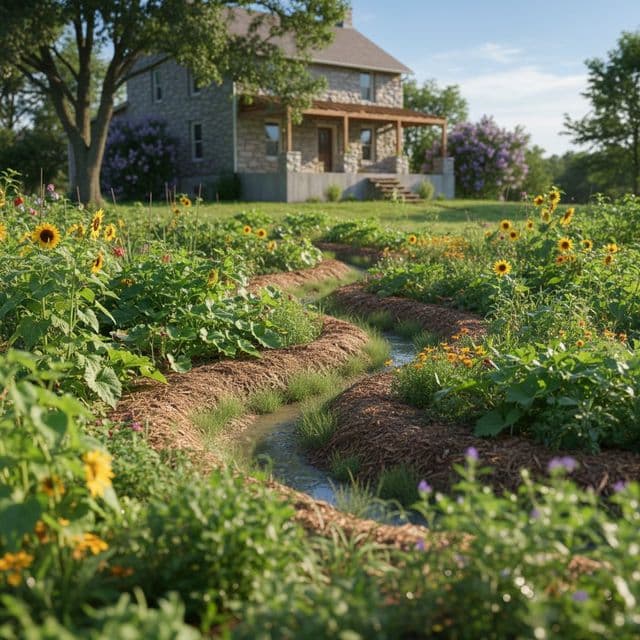
Learn proper swale design for your homestead. Protect foundations, manage stormwater, and reduce water bills. Understand permits & safe construction for effective water harvesting.
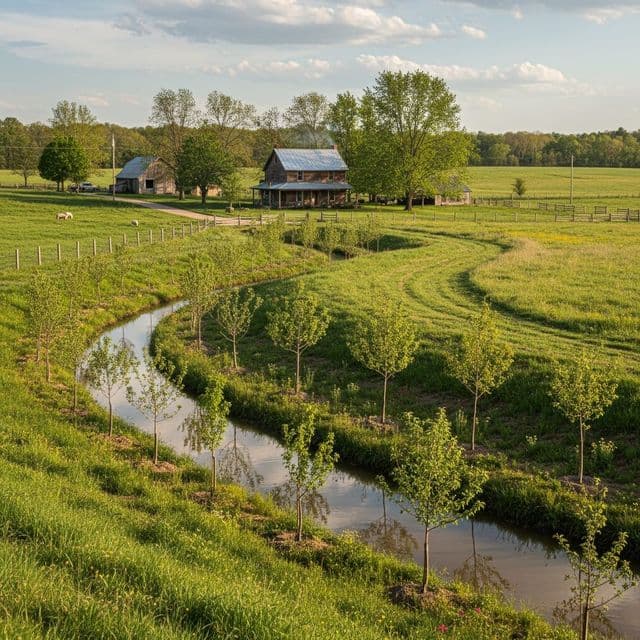
Master homestead water management with swales, berms, and French drains. Learn how these passive earthworks improve soil moisture, reduce runoff, and improve drainage for your USDA Zone 7 property.
Planting on swale berms boosts water retention, enriches soil with nitrogen-fixers, and supports fruit trees in arid zones.
Learn how to size swales for different rainfall amounts, from arid Arizona to humid Florida. Optimize your swale design for water harvesting and soil health in any climate.
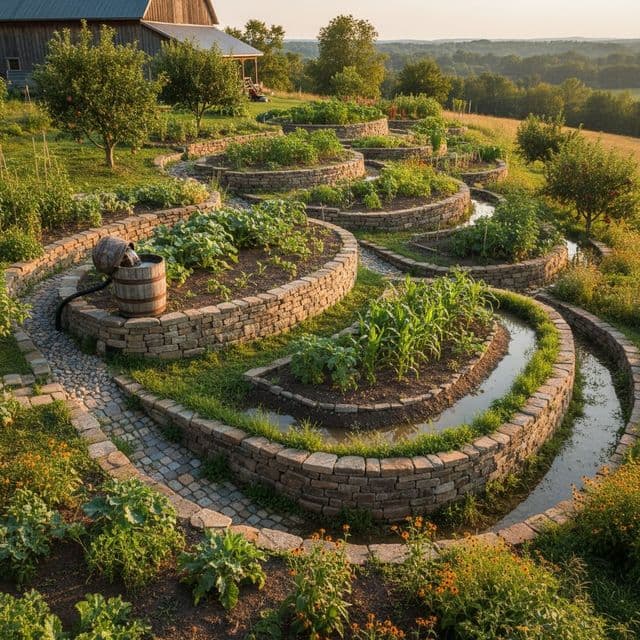
Learn to find contour with an A-frame or laser level. Build water harvesting earthworks like swales & wicking beds to reduce irrigation, prevent erosion, and save water. Essential for homesteaders.
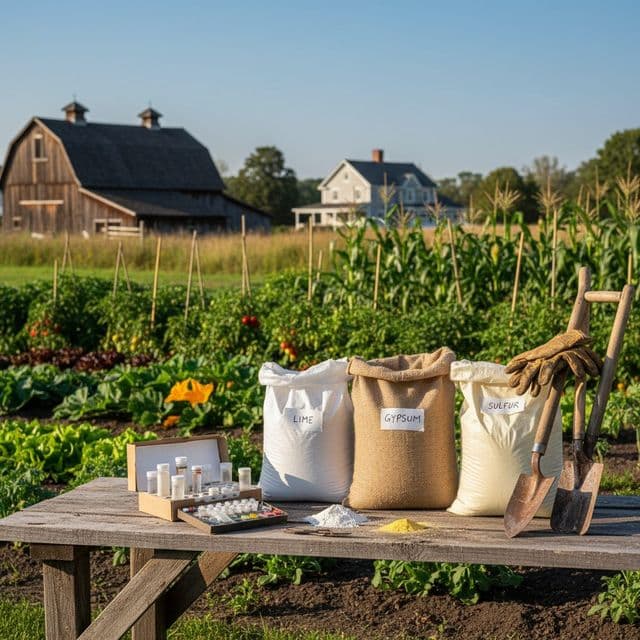
How gypsum, lime, and sulfur improve soil structure and pH based on soil test results in USDA Zone 6.
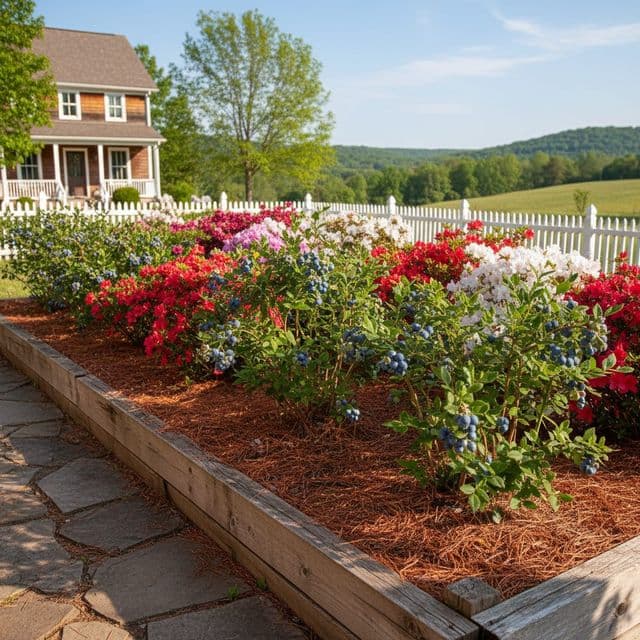
Learn organic methods to achieve ideal acidic soil for blueberries and azaleas in USDA Zone 7. Use compost, vermicompost, and biochar to lower pH naturally.
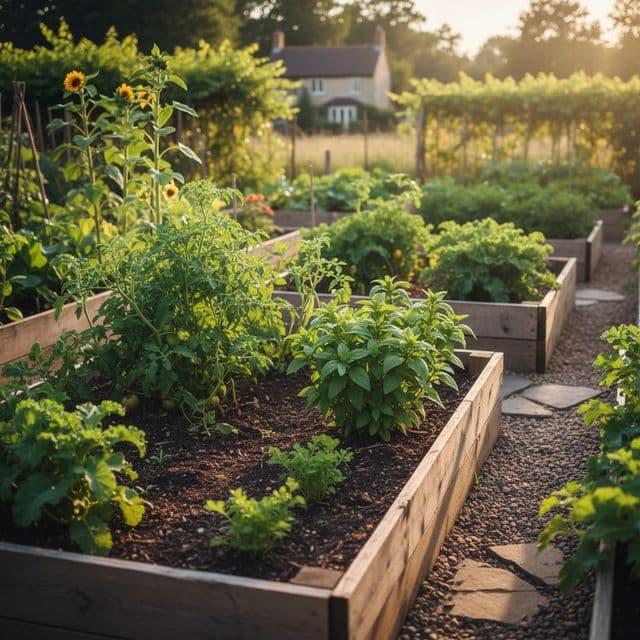
Transform sandy soil in coastal Florida. Learn DIY strategies using compost, vermicompost, and biochar to boost water retention, nutrient levels, and plant health. Essential for homesteaders.
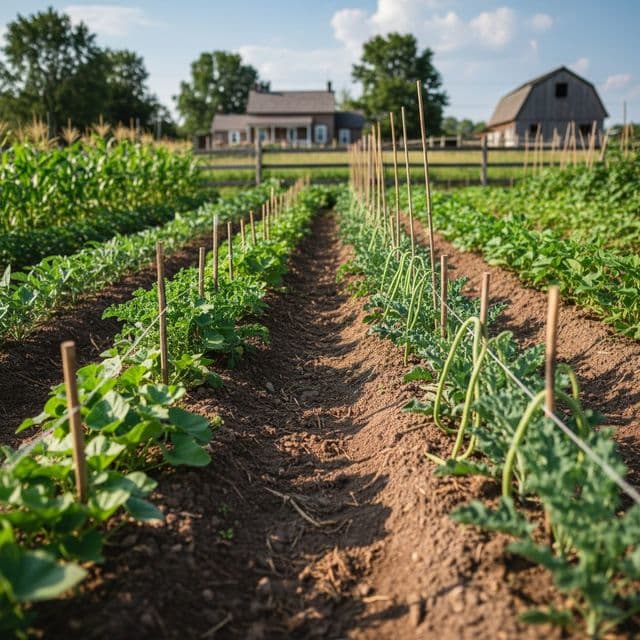
How to amend heavy clay soil using compost, vermicompost, and biochar to improve drainage, soil structure, and crop yields by 10-15%.
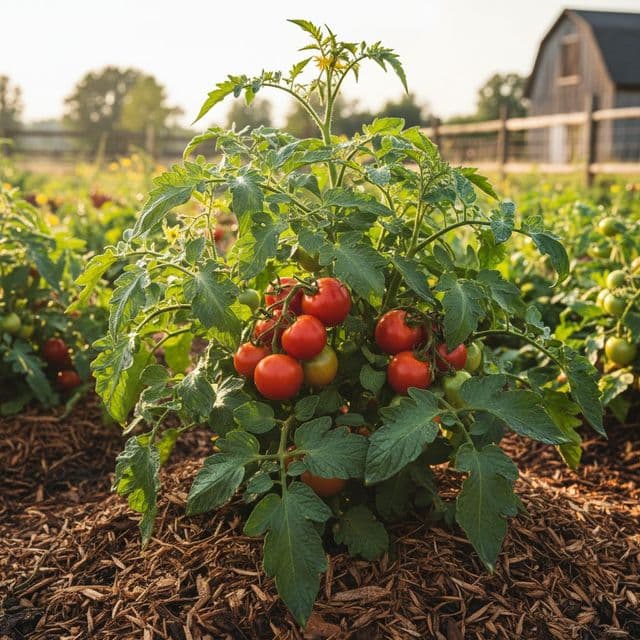
Uncover the truth about Epsom salt for tomatoes & peppers. Learn when magnesium sulfate is truly beneficial, why soil testing is critical, and avoid nutrient imbalances.
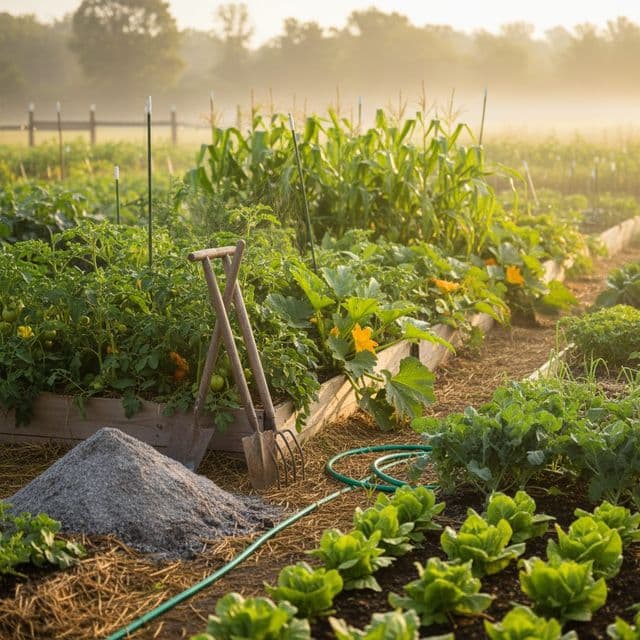
Learn how to use wood ash in your garden effectively. Discover its benefits for acidic soils, nutrient content, and risks for alkaline soils or acid-loving plants. Essential tips for applying wood…
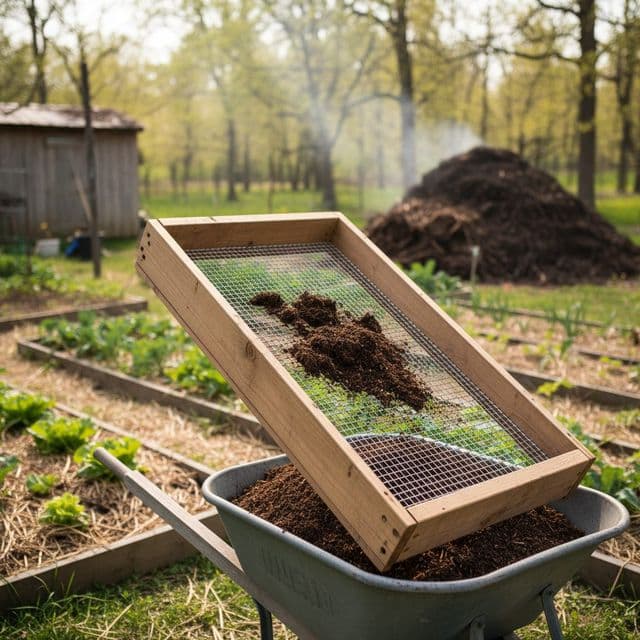
Learn how to build a DIY compost sifter to refine finished compost for better soil texture, water retention, and nutrient availability in your garden. Essential for seed starting & top-dressing.
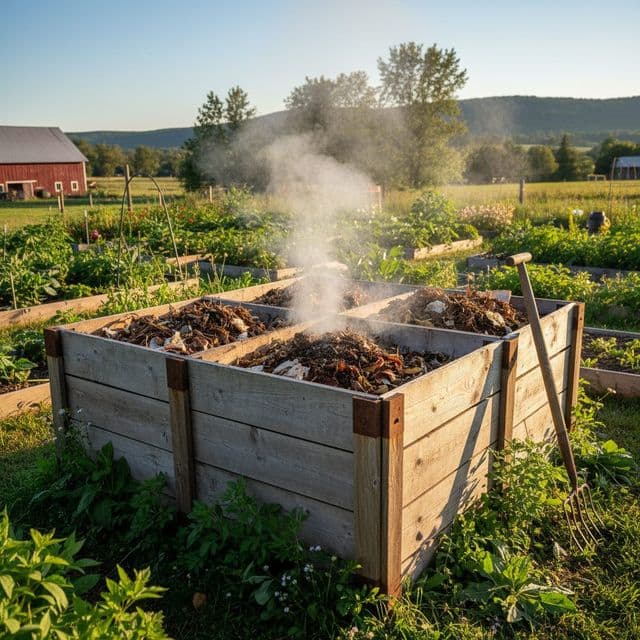
Learn to fix common compost problems like wet, dry, or slimy piles. Master the ideal 30:1 carbon-to-nitrogen ratio and moisture for efficient decomposition & soil fertility.
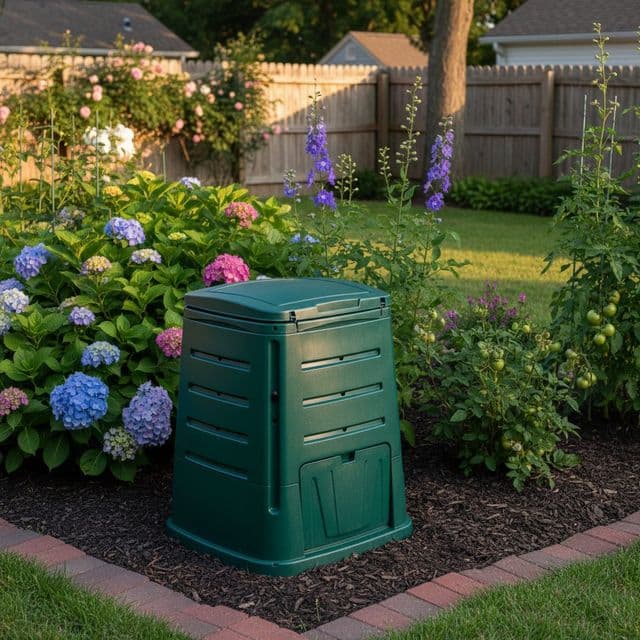
Learn how to prevent rats, raccoons, and flies from invading your compost pile. Discover effective strategies for compost pest control, including bin construction, material management, and site sel…
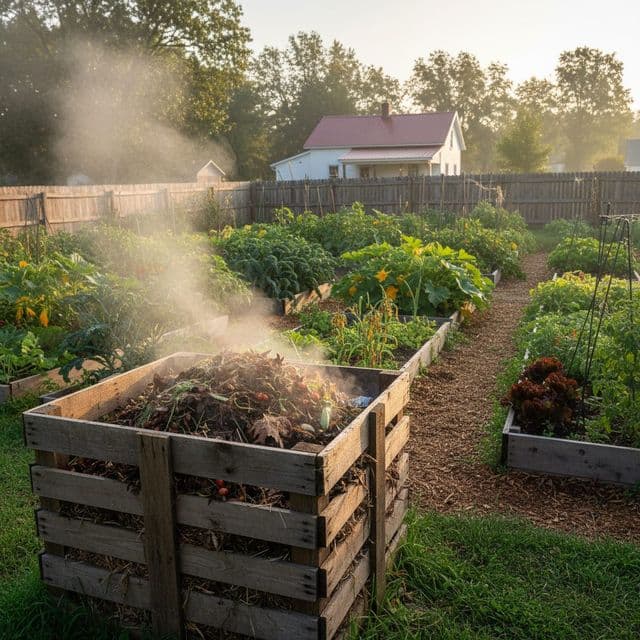
Accelerate composting by 30-50% using natural compost accelerators. Learn about ideal C:N ratios, microbial activators (EM-4), biochar, and nutrient-rich materials for faster, healthier compost.
Troubleshoot why your compost pile isn’t heating up or breaking down in USDA Zone 6. Learn to balance C:N, moisture, and aeration to restart decomposition and create rich soil.