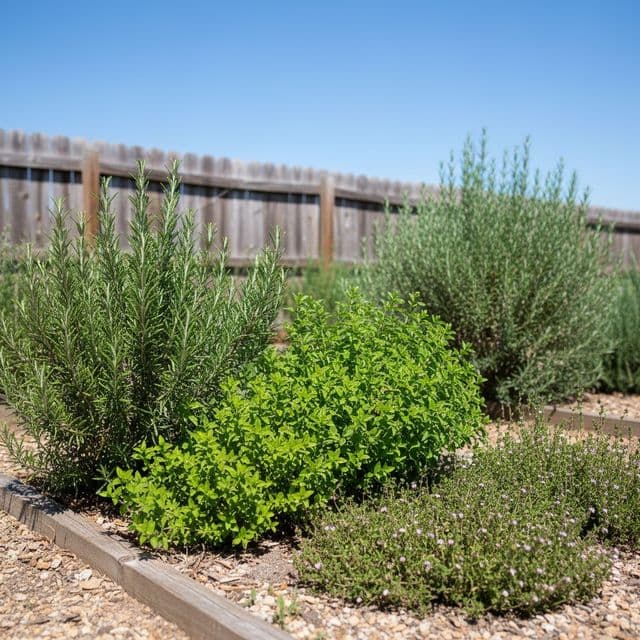
Grow rosemary, oregano, thyme, lemongrass, basil in US sun
Grow heat- and drought-tolerant herbs like rosemary, oregano, thyme, lemongrass, and basil in full sun. Manage soil drainage, watering schedules, and variety selection across US gardens.
Tag
344 articles in this tag on agripure. — page 11 of 15
Grow heat- and drought-tolerant herbs like rosemary, oregano, thyme, lemongrass, and basil in full sun. Manage soil drainage, watering schedules, and variety selection across US gardens.
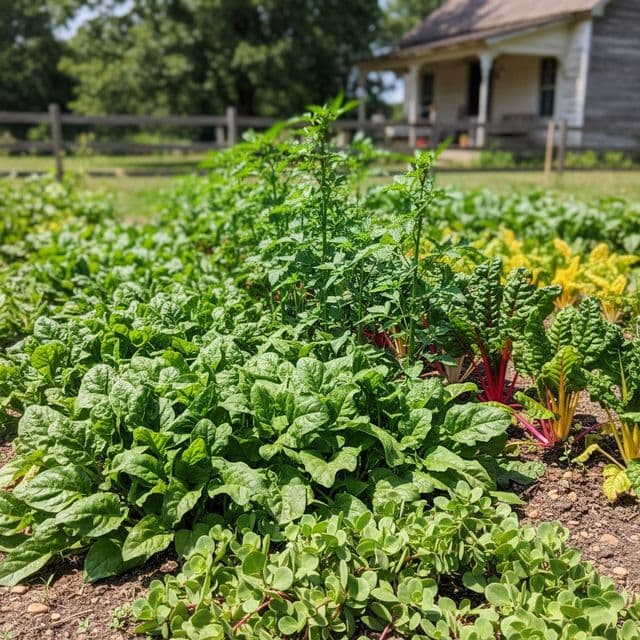
Discover four heat-tolerant greens—New Zealand spinach, molokhia, Swiss chard, and purslane—that thrive in 90°F summer heat. Extend your harvest in US gardens.
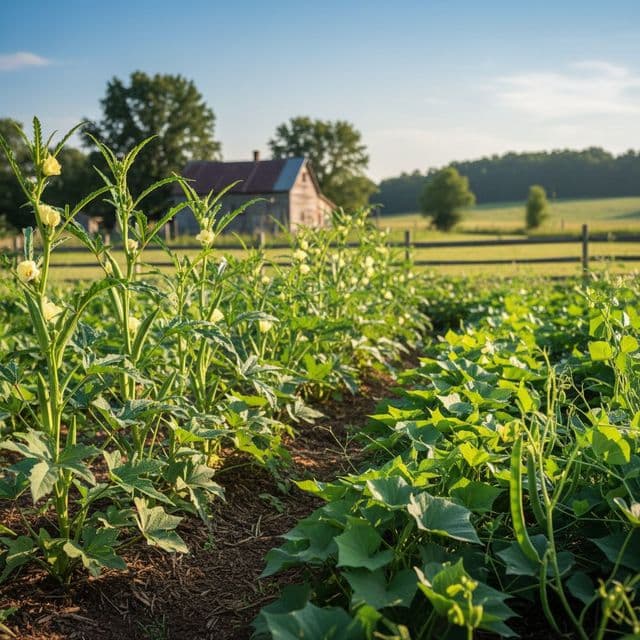
Discover heat-tolerant vegetables like okra, southern peas, and sweet potatoes that thrive in US gardens facing hotter summers. Adapt to climate shifts & ensure food security.
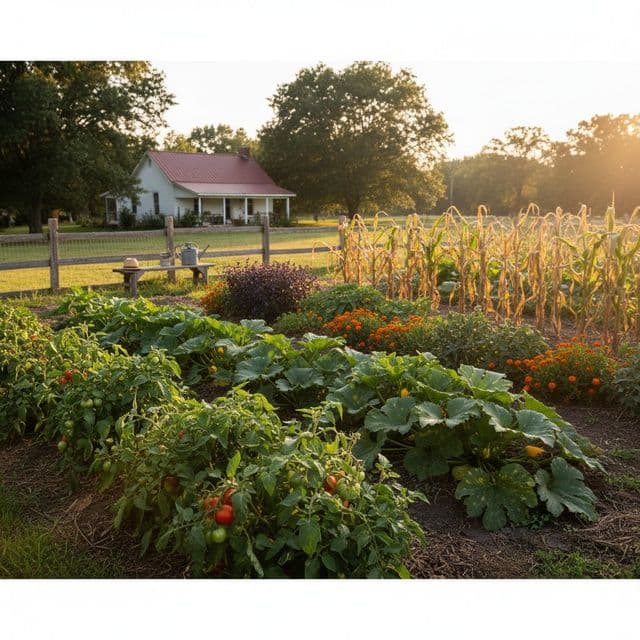
Identify & treat transplant shock & heat stress in US gardens. Learn symptoms, prevention, and data-backed solutions to build plant resilience against high temperatures and environmental changes.
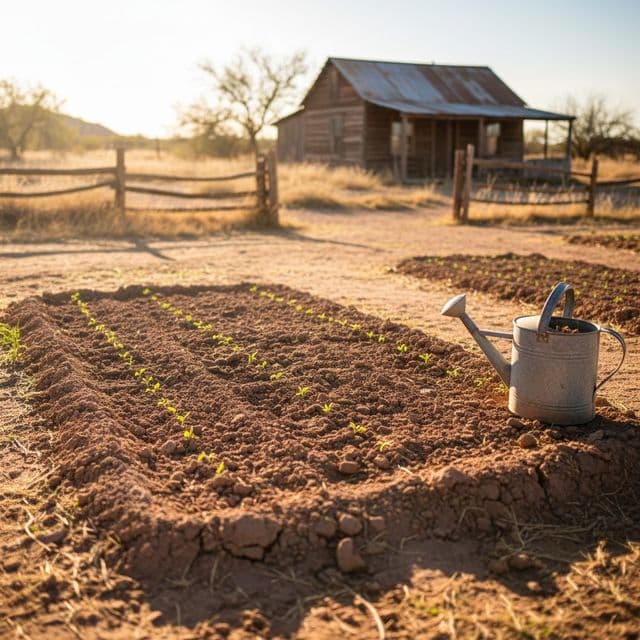
Ensure your new garden transplants thrive in summer heat. Learn data-backed strategies for watering new transplants, managing soil moisture, and reducing stress in challenging climates like Texas.
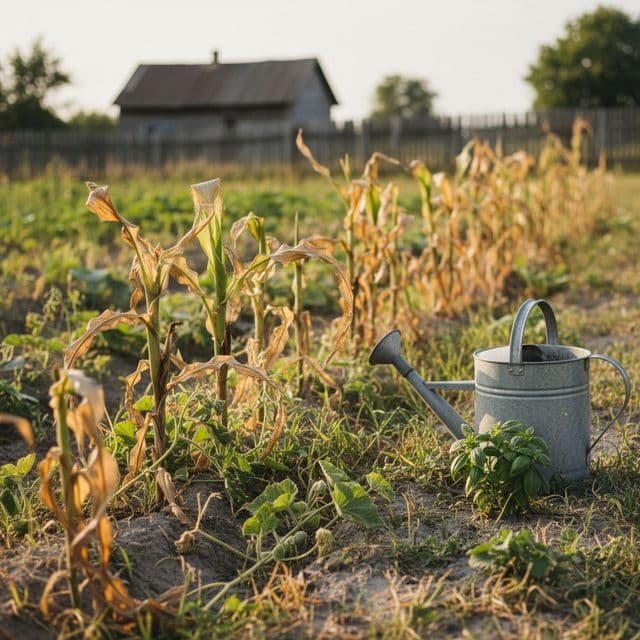
How to restore heat-damaged plants in US gardens using deep watering, conservative pruning, and organic feeding to support recovery.
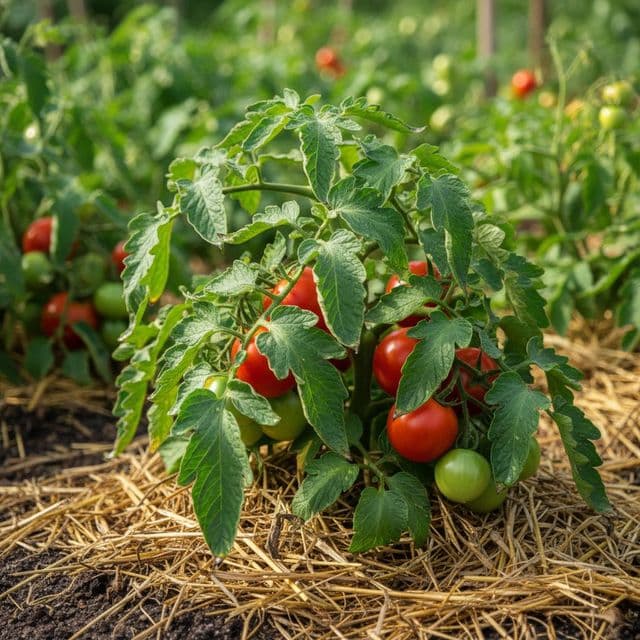
Leaf curl, bronzing, and scorch indicate garden heat stress. Data-backed strategies help build resilient plants in US gardens facing extreme temperatures.
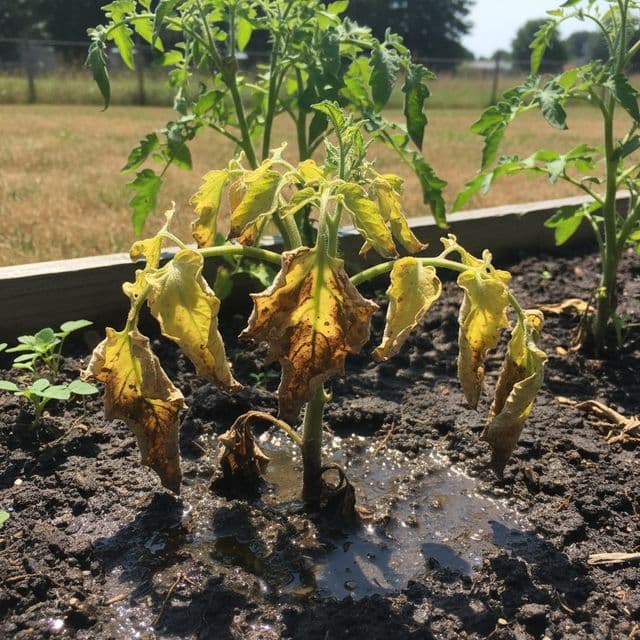
Discover why overwatering plants during a heatwave, especially in USDA Zone 7, can kill them faster. Learn to prevent root rot and oxygen starvation.
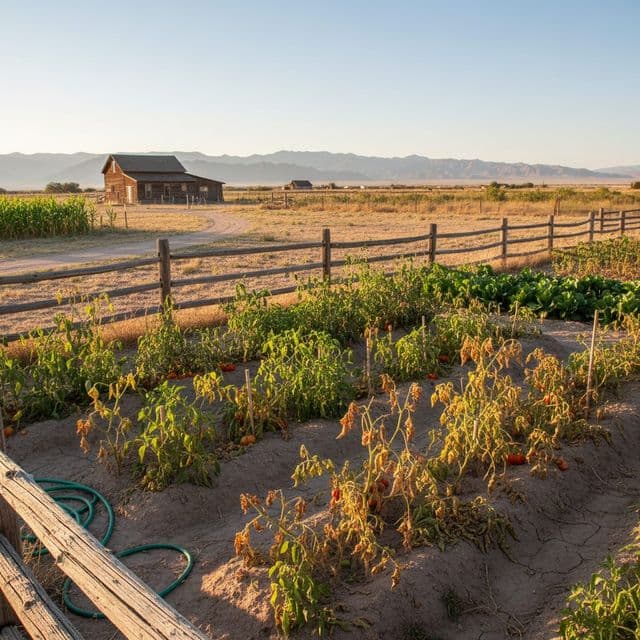
Learn to revive heat-scorched plants like tomatoes, peppers, and squash in USDA Zone 7. Identify symptoms, apply immediate relief, improve soil, and protect against future heatwaves.
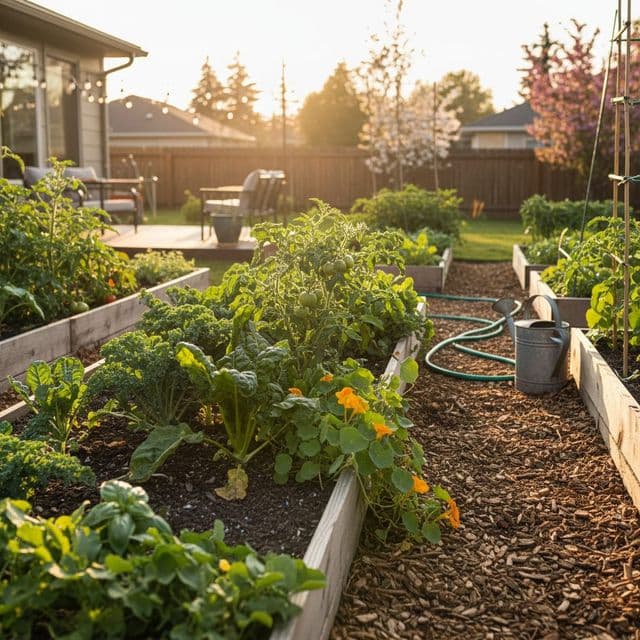
Navigate US garden heatwaves by strategically deciding which crops to harvest early and which to sacrifice. Learn practical tips for water conservation, soil health, and drought-resilient planting.
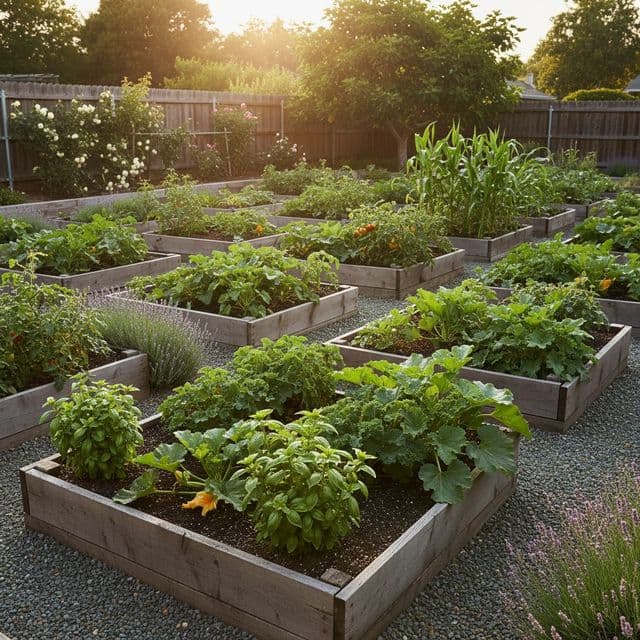
Learn how to use mulch for soil cooling in extreme heat. Discover optimal depths & materials like straw, wood chips, and leaves to protect your garden from 100°F+ temperatures.
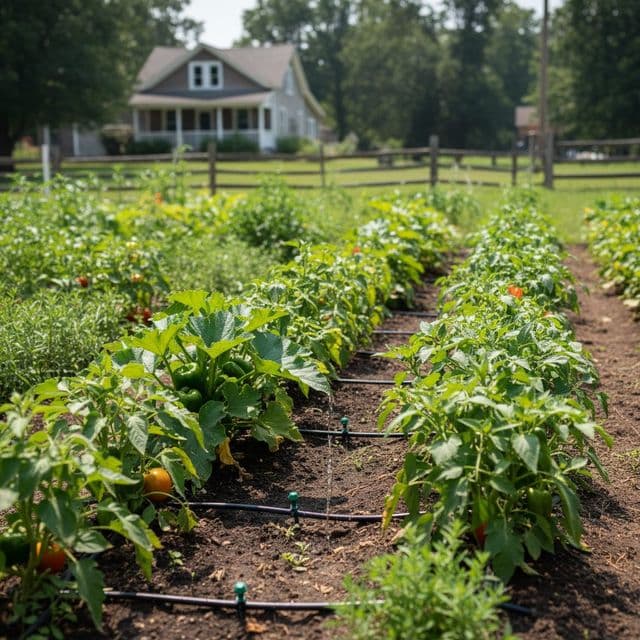
Master heatwave watering for resilient gardens. Learn deep watering to 6-12 inches, optimal morning times, soil health tips, and drip irrigation for USDA Zone 7.
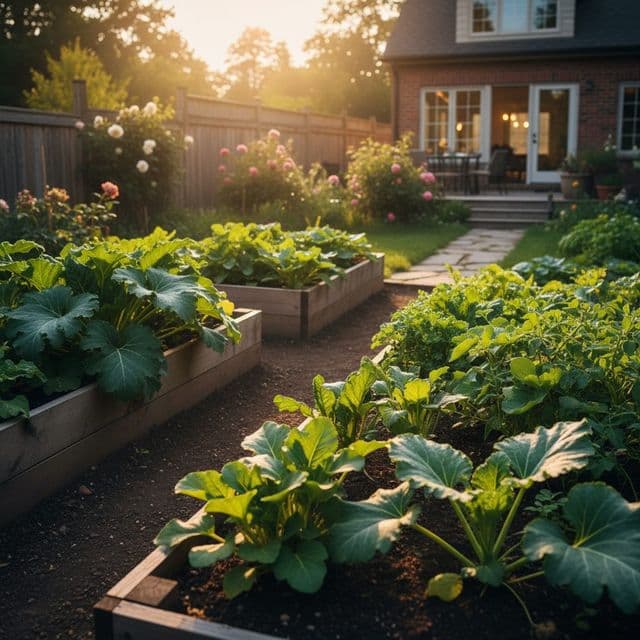
Learn how to implement effective rain garden design, ollas, and passive irrigation earthworks to reduce stormwater runoff, conserve water, and create beautiful, water-wise landscapes in your USDA z…
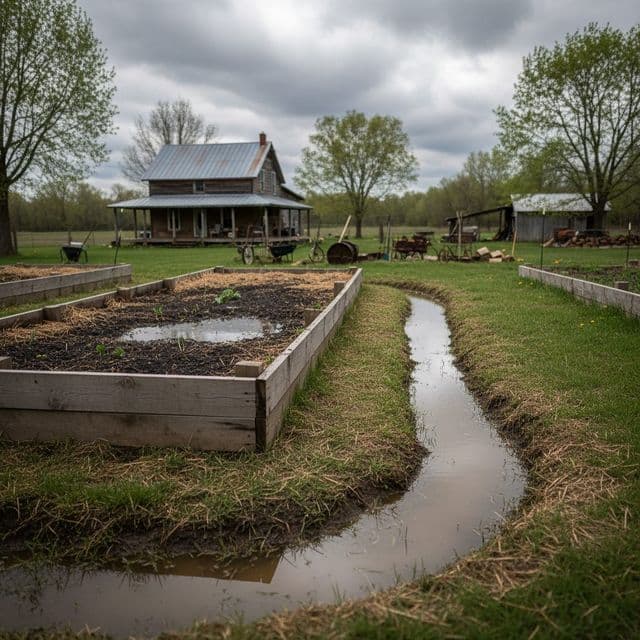
Improve drainage and soil health in waterlogged raised beds and heavy clay in USDA Zone 6. Add organic matter, set up passive earthworks, and use ollas or wicking beds to prevent root rot without a…
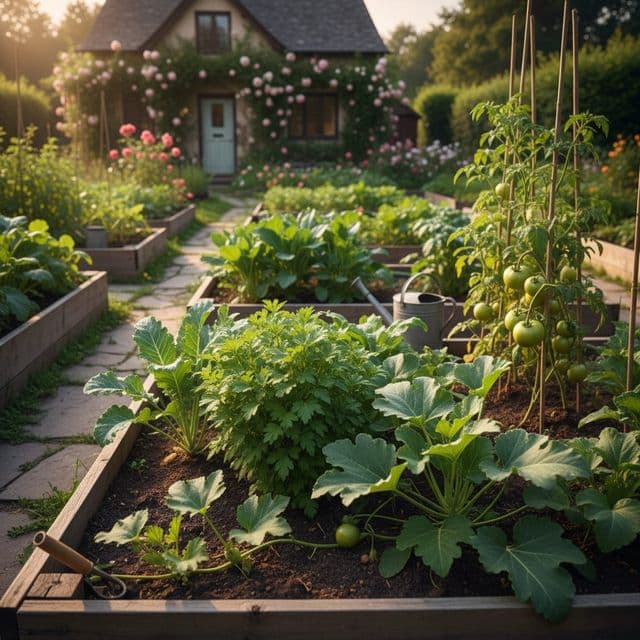
Discover native trees & shrubs for chronically wet spots across US regions. Improve drainage, reduce runoff, and support wildlife with water-tolerant species.
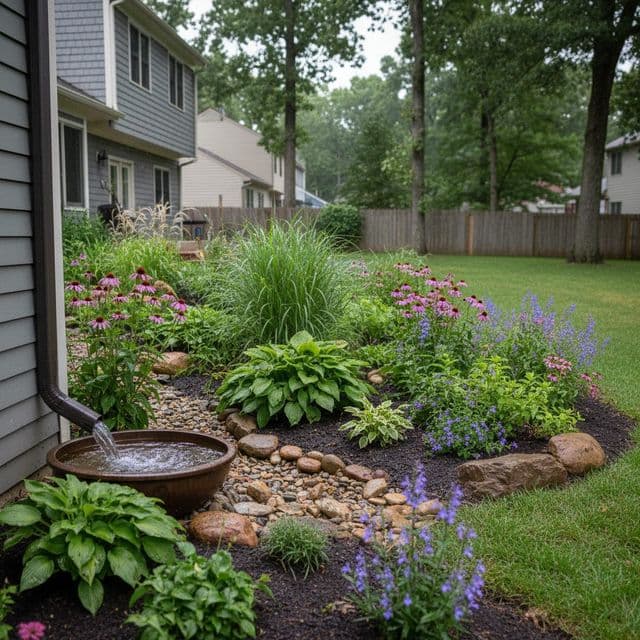
Design farm runoff solutions for properties in USDA Zone 6. Rain gardens, dry creek beds, and bioswales capture, slow, and infiltrate stormwater to protect soil and water quality.
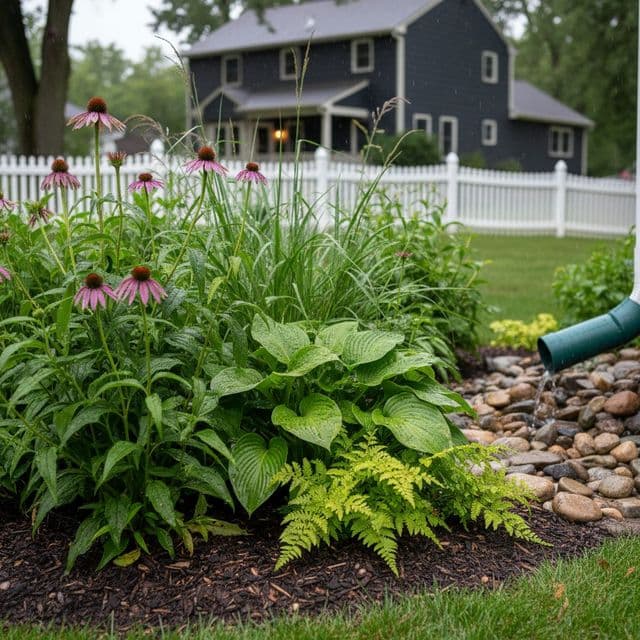
Discover how native rain gardens reduce stormwater runoff by 30-50% and conserve water using native plants & passive irrigation like ollas & wicking beds. Learn design tips for US cities.
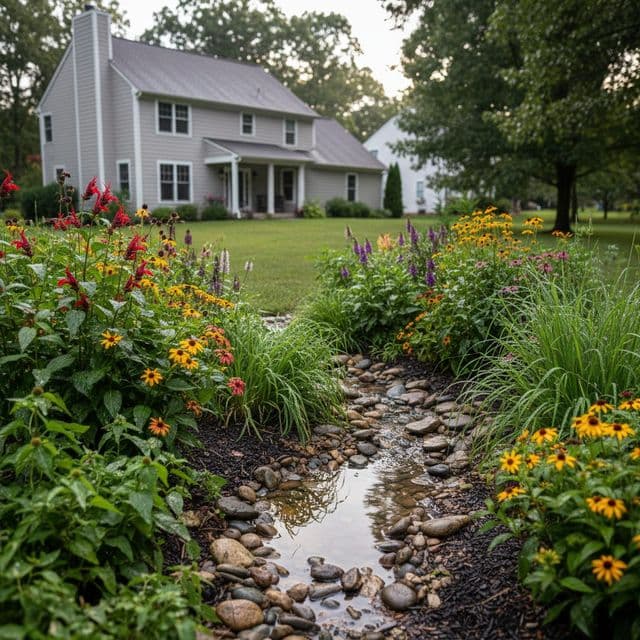
Learn effective rain garden design principles to reduce stormwater runoff by up to 30%. Learn basin depth, soil composition, and sizing guidelines for your property.
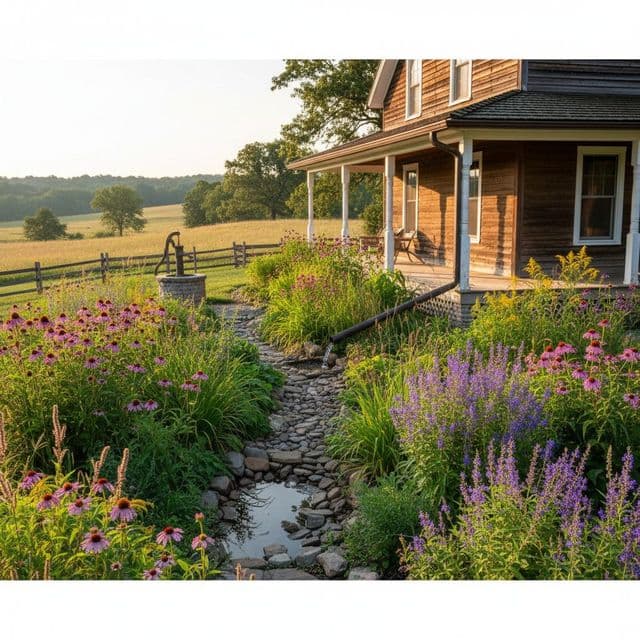
Learn to site and size a rain garden for your home. Reduce stormwater runoff by 30% or more, protect waterways, and recharge groundwater with effective rain garden sizing.
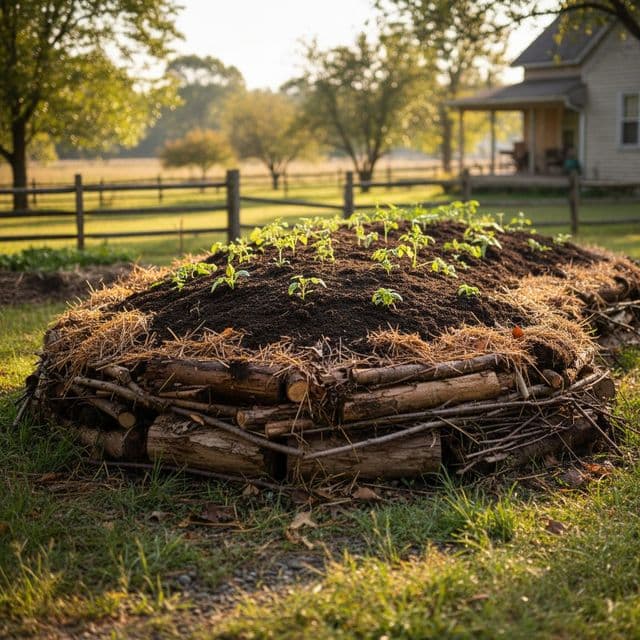
Combat first-year hugel bed nitrogen tie-up for thriving crops. Learn strategies like wood pre-treatment, high-nitrogen amendments, and cover crops to ensure robust plant growth.
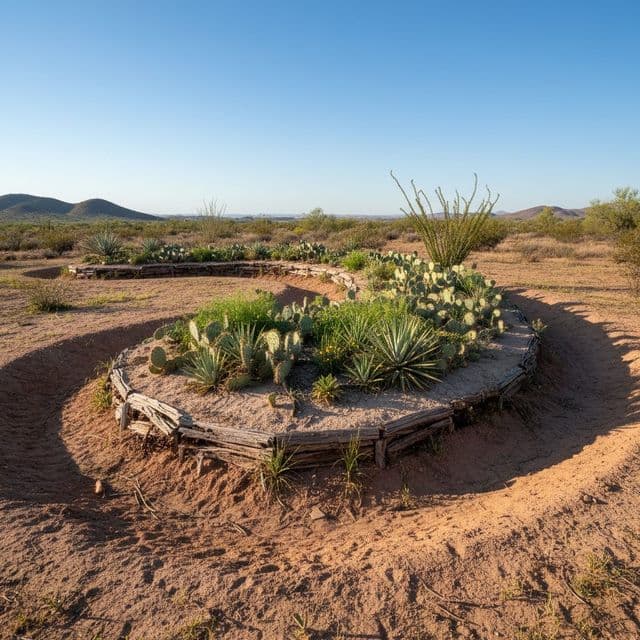
Master hugelkultur in the arid Southwest. Learn wood selection, termite prevention, and passive irrigation to conserve water and build soil for thriving gardens in dry climates.
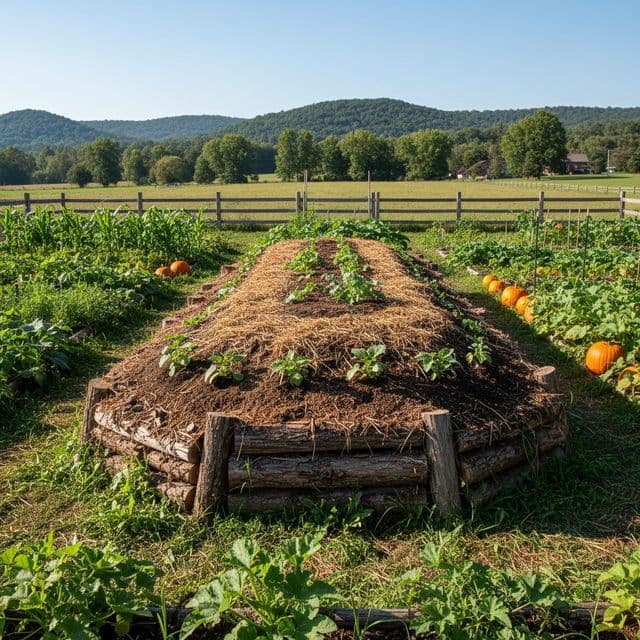
Optimize your hugelkultur beds for maximum water retention in USDA zones 5-8. Learn which woods to use and avoid for long-term success and reduced irrigation needs.
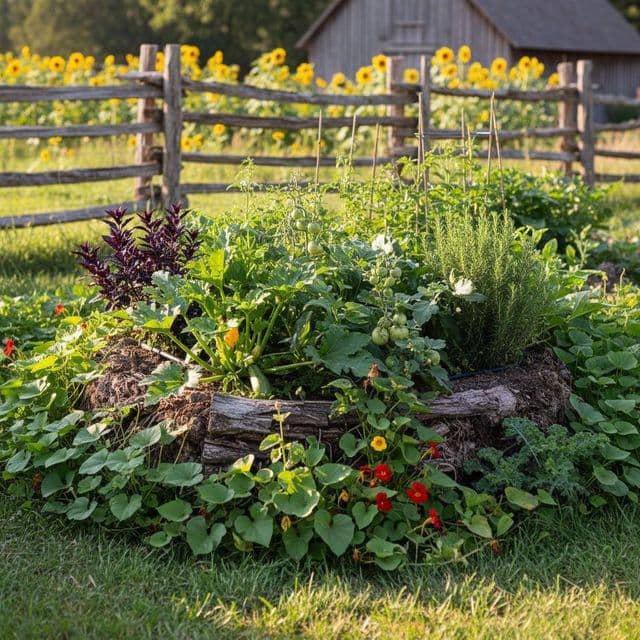
Discover how hugelkultur mounds reduce garden irrigation by up to 50%, build soil fertility for decades, and extend growing seasons. Learn to build water-efficient, self-sustaining garden beds.
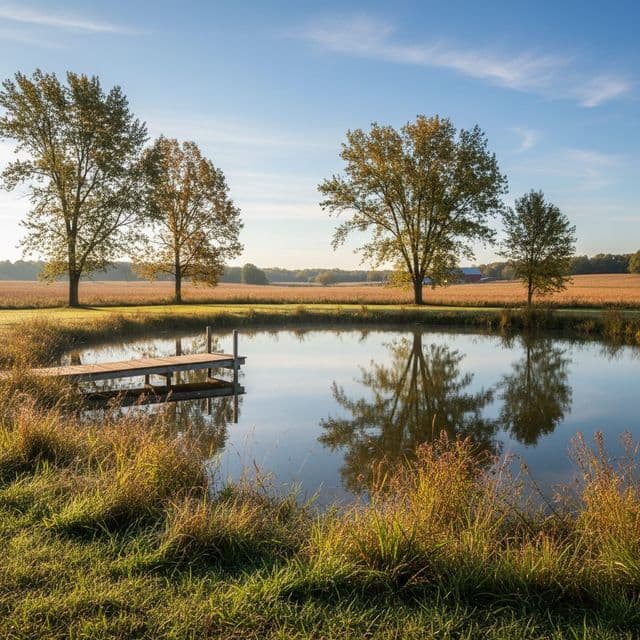
Understanding pond water chemistry helps maintain suitable irrigation water. Learn ideal pH, ammonia, and nitrite levels to prevent plant stress, optimize nutrient uptake, and improve crop yields.