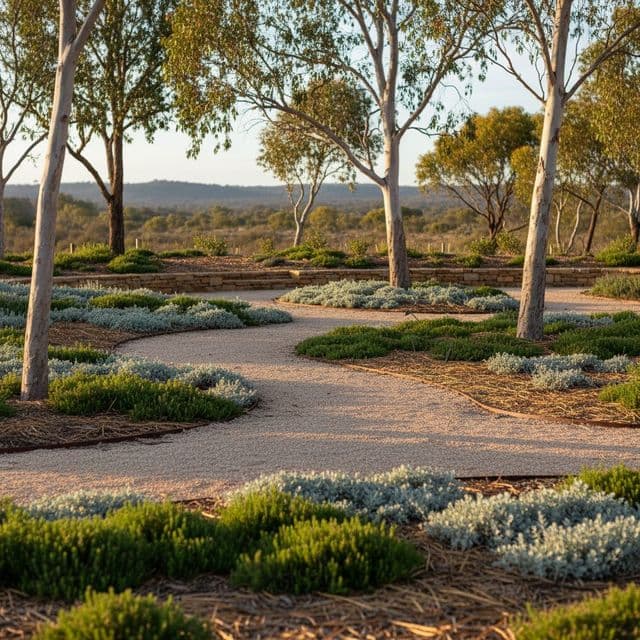
Fire Retardant Plants in Australia: Bushfire-Wise Design
Design a bushfire-wise garden in Australia using slower-to-ignite plants, defendable space principles, and state fire authority landscape guidance.
Topic
Regional homesteading explores how climate, soil type, annual rainfall, and local land-use rules shape the practical decisions on any property. Articles help readers translate general homesteading advice into strategies that fit their specific conditions — so the same goal of greater self-reliance takes a different, well-reasoned form depending on where you are.
147 articles in this topic on agripure. — page 5 of 7
Design a bushfire-wise garden in Australia using slower-to-ignite plants, defendable space principles, and state fire authority landscape guidance.
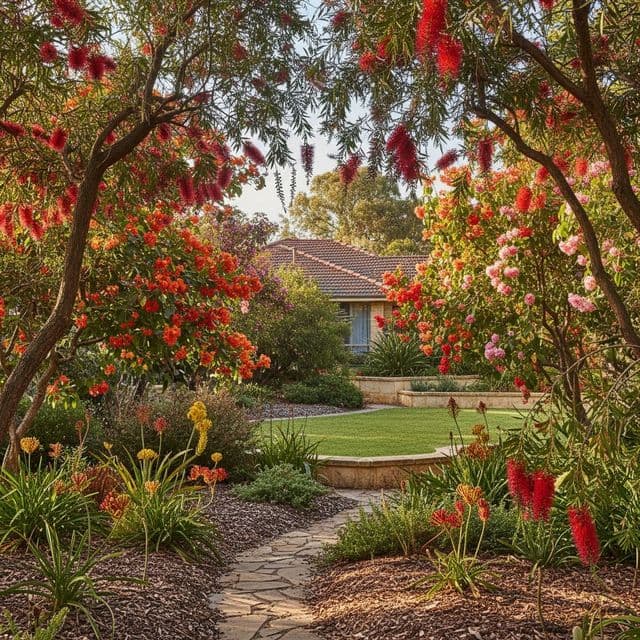
Choose fast-growing Australian native and shade trees by climate zone with growth rates, 3–10 m sewer pipe setbacks, CFA bushfire spacing, and low-phosphorus feeding rules.
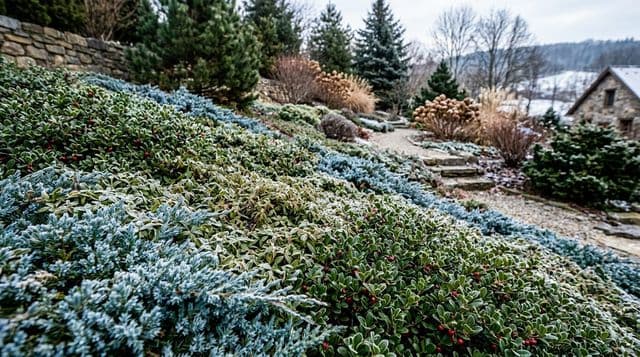
Discover the best evergreen ground cover plants for year-round color. Explore cold-hardy, drought-tolerant, sun and shade species for low-maintenance beauty.
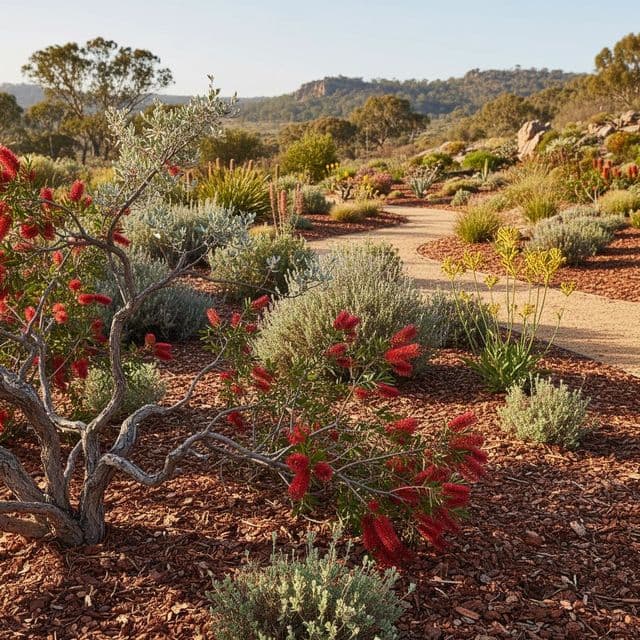
Master drought tolerant garden design in Australia. Discover waterwise native shrubs, strappy architectural plants, soil wettability tips, and mulching rules.
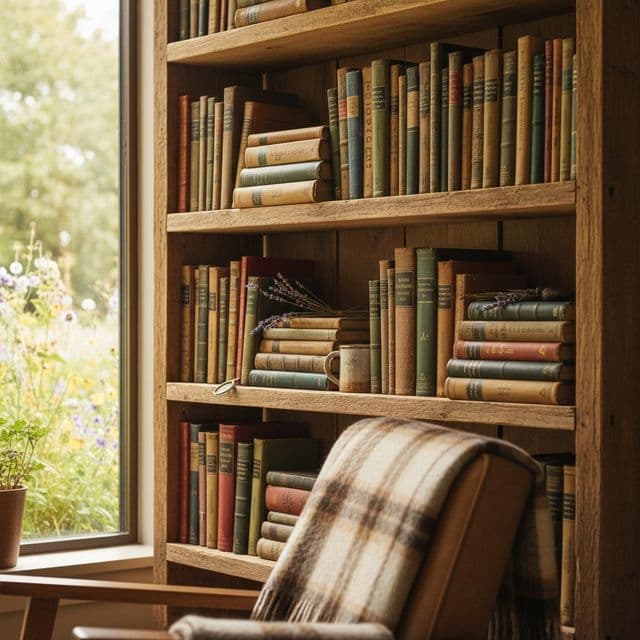
Discover the best homesteading books for beginners and seasoned growers, reviewing essential manuals on self-sufficiency, food storage, and livestock care.
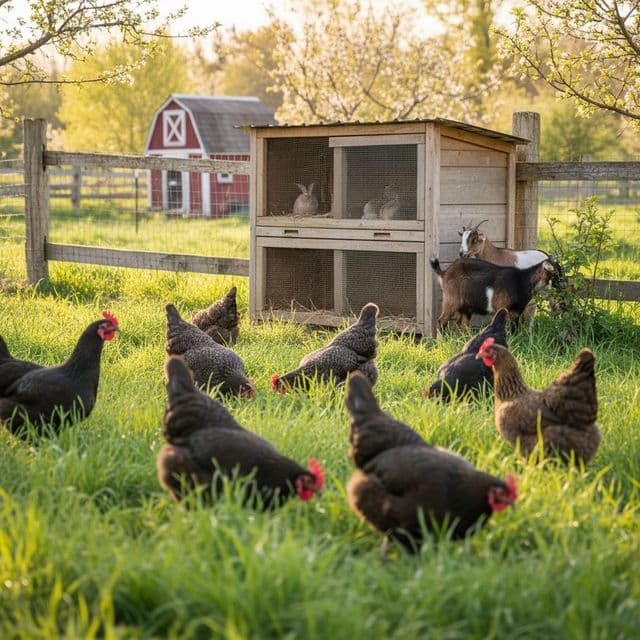
Rank US homestead animals by acreage tier and HOA law: under 0.25 ac (bees, Coturnix quail, rabbits), 0.5–2 ac (hens, Muscovy ducks), and 2–5+ ac (Nigerian Dwarf goats, Katahdin sheep, Kunekune pig…
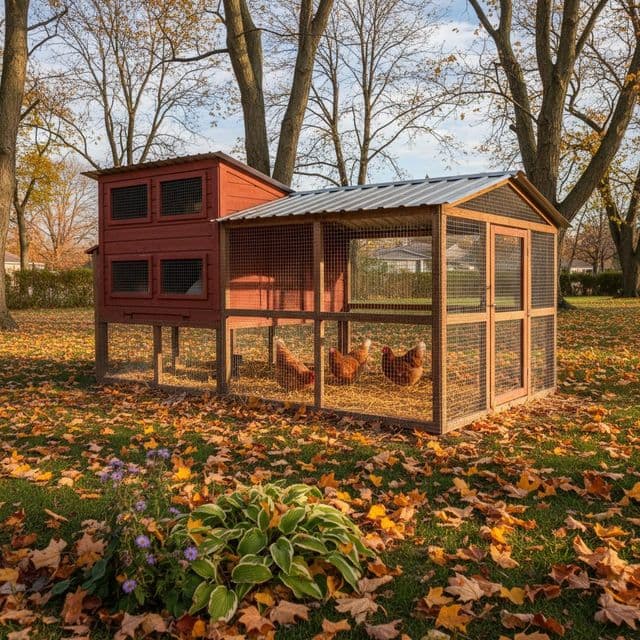
A practical guide to keeping backyard chickens in Ontario: municipal bylaws, predator-proof coop designs, and winter care routines for sub-zero weather.
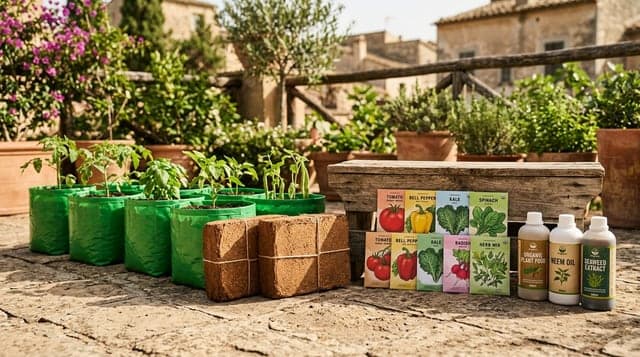
Apply for the Tamil Nadu Horticulture Department DIY and Vetri Illatharasi terrace garden kit via tnhorticulture.tn.gov.in: verified 50% subsidy pricing benchmarks, coir pith salt rinsing, Azospiri…
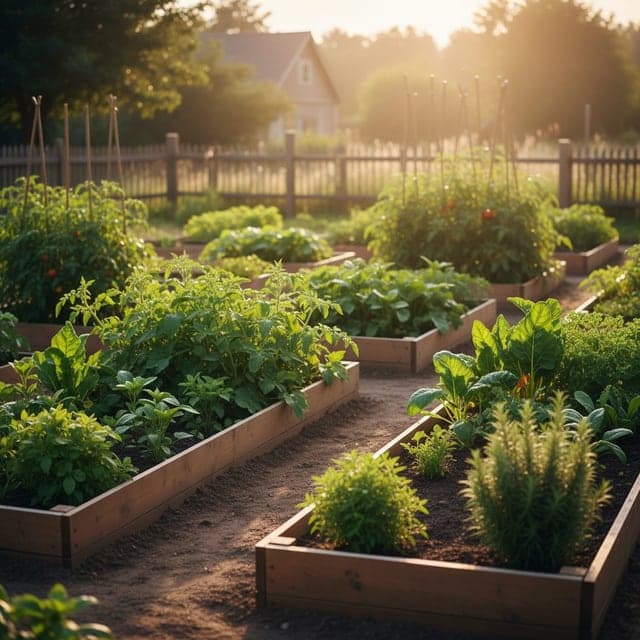
Master growing tomatoes in USDA Zone 6 from seedling to harvest. Learn stage-specific care, watering, pruning, and nutrient tips for a bountiful yield and healthy plants.
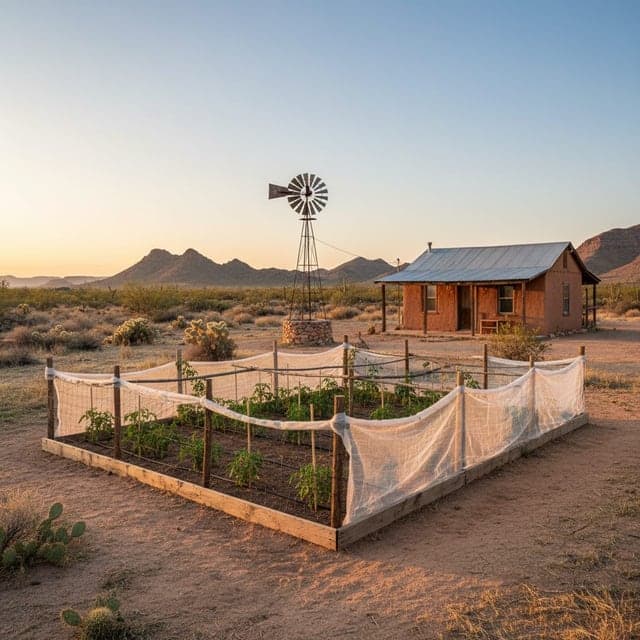
Master gardening in Southwest & Texas heat. Learn to use shade cloth, strategic planting times, and heat-set varieties to ensure fruit set and bountiful harvests above 90°F.
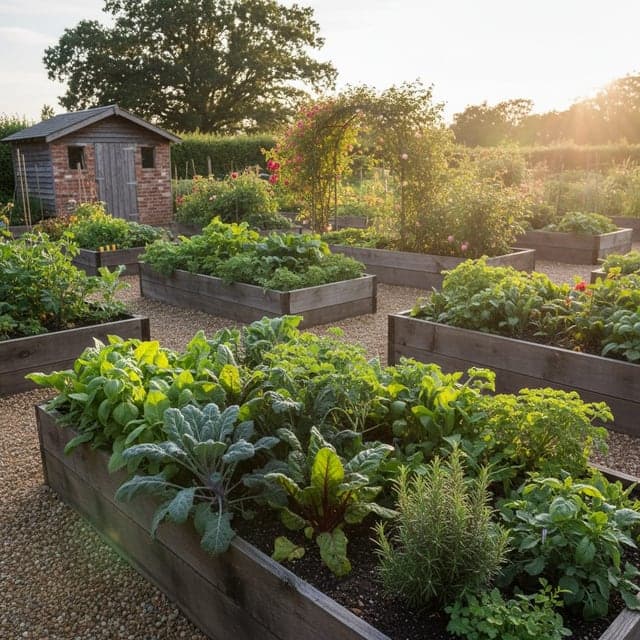
Learn how light, frequent soil feeding and foliar sprays boost nutrient uptake for heat-stressed plants. Improve resilience and yield in hot climates like USDA Zone 7 and beyond.
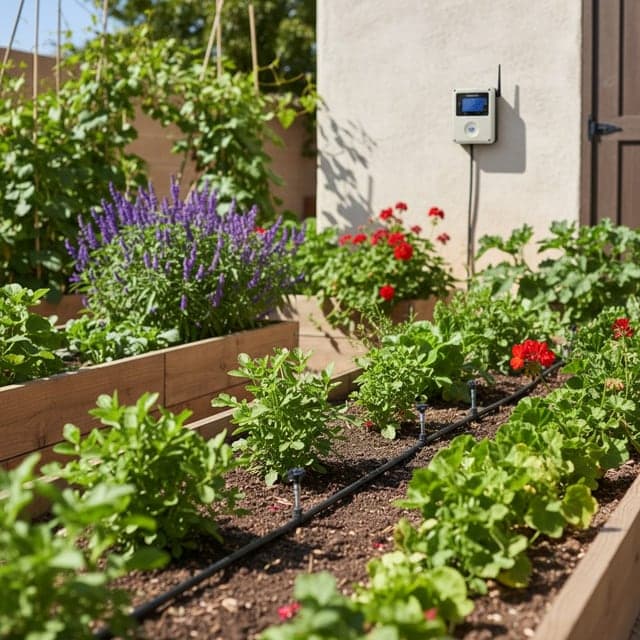
Discover how smart irrigation controllers, rain sensors, and graywater systems help US homesteads save 30% or more on outdoor water useto improve drought resilience.
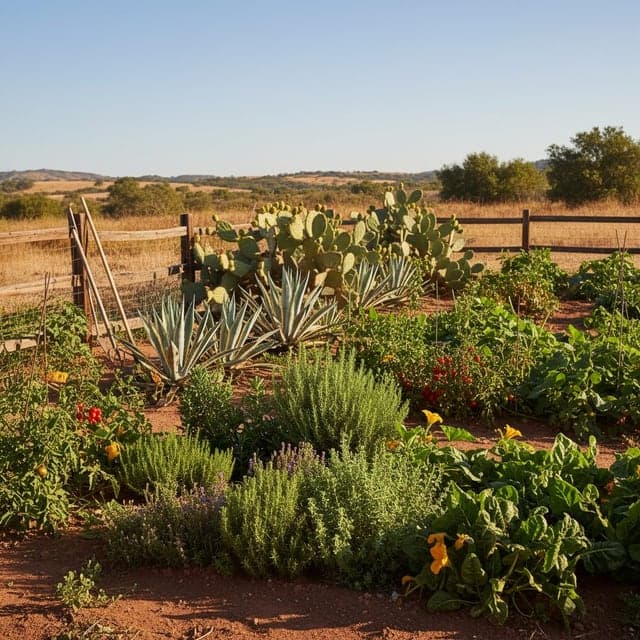
How to convert lawns to drought-tolerant edible plants, save water, and qualify for municipal turf-replacement rebates.
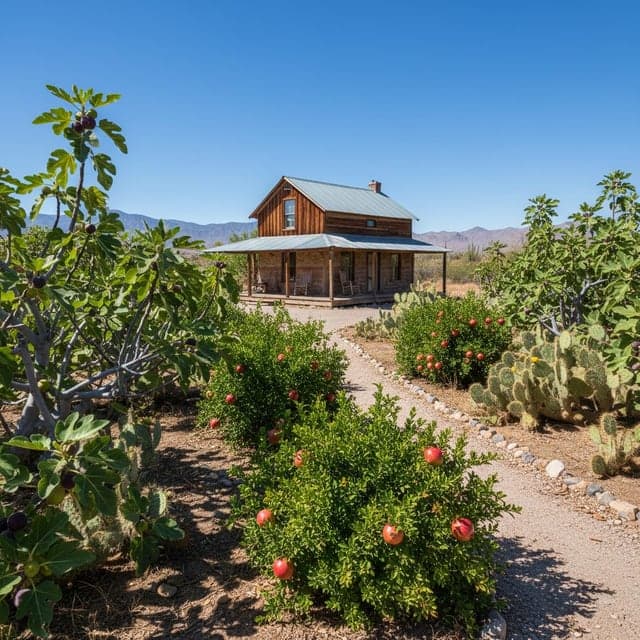
Drought-tolerant perennials like figs, pomegranates, and prickly pear reduce water use in USDA zones 7-10 for resilient gardens.
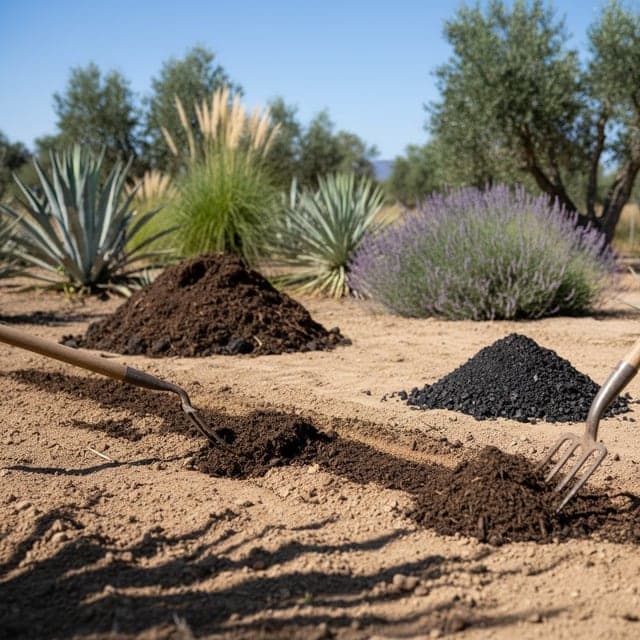
Sandy soils drain quickly. Learn how compost, biochar, and cover crops improve water and nutrient retention in drought-prone US regions.
Discover resilient crops like root vegetables, melons, asparagus, and herbs that thrive in sandy US soil. Learn to improve drainage and boost yields in challenging conditions.
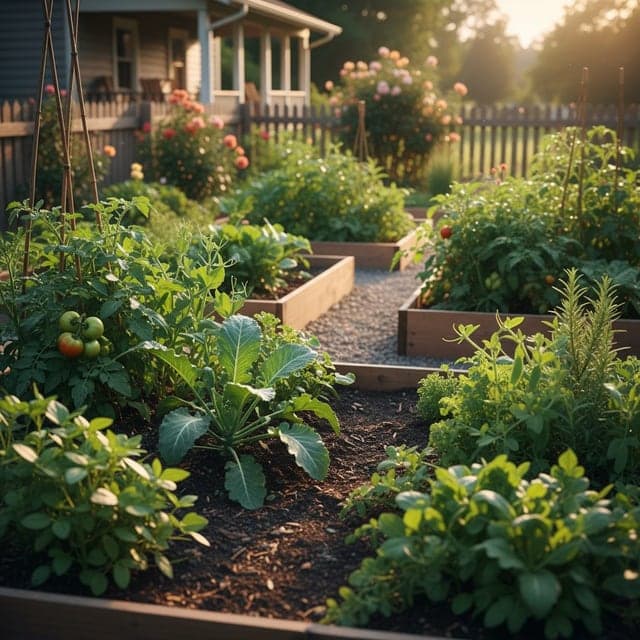
Discover nopal, tepary beans, chiltepin, and mesquite – resilient desert plants thriving in arid US climates. Reduce water use by 50-70% and build sustainable food systems.
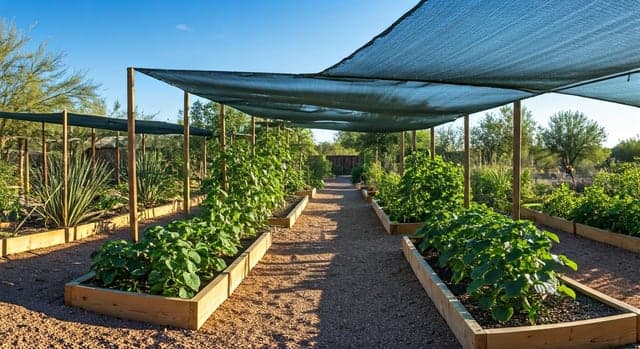
Master desert gardening in Arizona & Southwest US. Learn how 50% shade cloth, east-facing beds, and soil health reduce heat stress and conserve water for thriving plants.
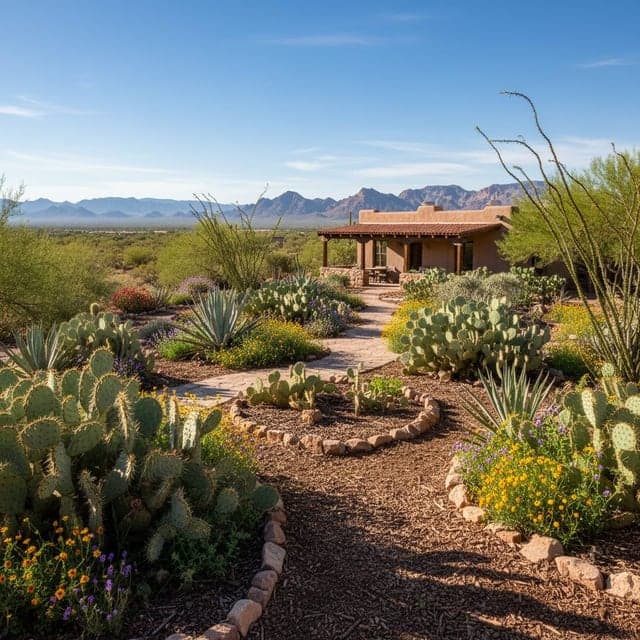
Master desert garden water retention with monsoon-ready, sunken, and waffle beds. Learn to capture rainfall, reduce irrigation by 30-50%, and build soil health in arid US climates.
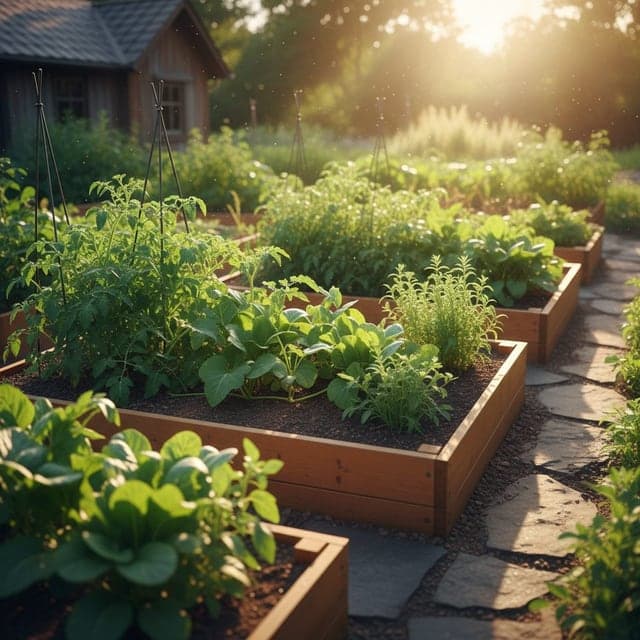
How to grow vegetables in USDA Zone 9 low deserts, including heat-tolerant summer crops, cool-season fall and winter plantings, drip irrigation, and shade.
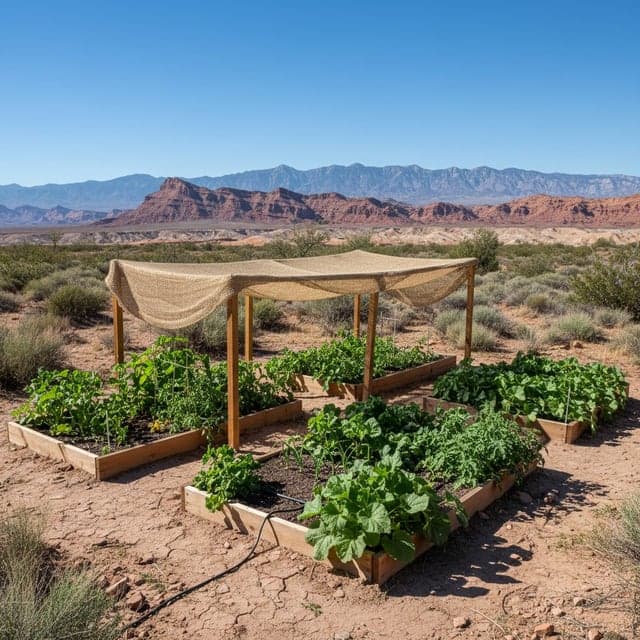
Master desert gardening in Arizona, Nevada, & New Mexico’s zones 9-10. Learn to build resilient soil, conserve water, and choose heat-tolerant plants for thriving gardens.
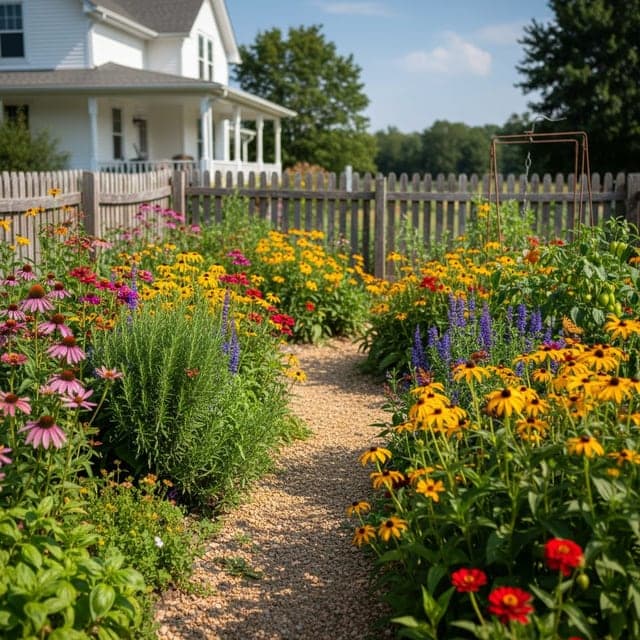
Heat-tolerant plants and soil management strategies for US gardens facing temperatures above 90°F in July, supporting pollinators through drought conditions.
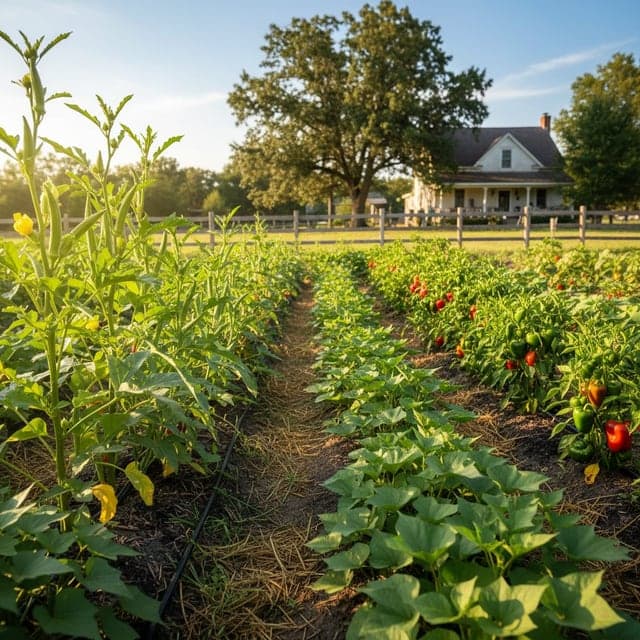
Heat-resilient crops and focused soil care keep summer gardens productive across USDA zones 6-9. Efficient irrigation, organic mulch, and adapted varieties support steady harvests through hot weather.
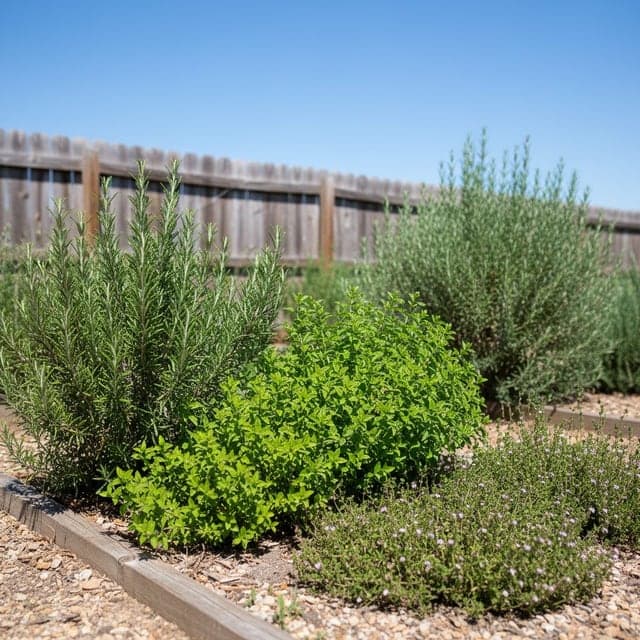
Grow heat- and drought-tolerant herbs like rosemary, oregano, thyme, lemongrass, and basil in full sun. Manage soil drainage, watering schedules, and variety selection across US gardens.