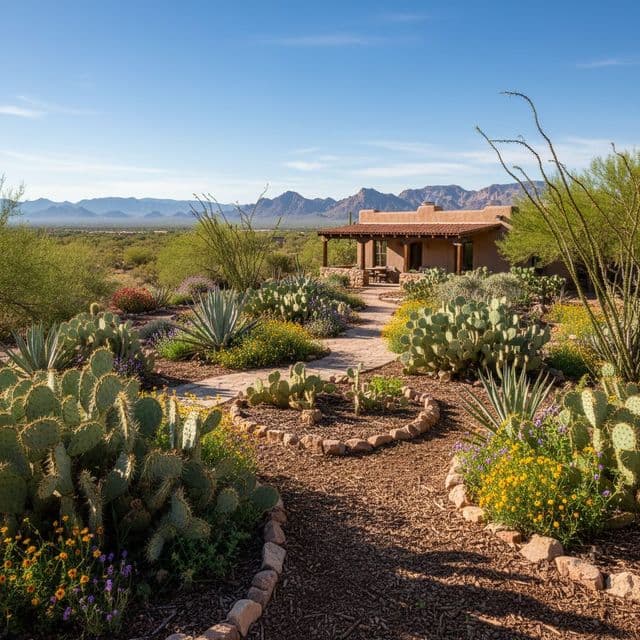
Desert Gardens: Monsoon, Sunken & Waffle Beds for Water
Master desert garden water retention with monsoon-ready, sunken, and waffle beds. Learn to capture rainfall, reduce irrigation by 30-50%, and build soil health in arid US climates.
Topic
Regional homesteading explores how climate, soil type, annual rainfall, and local land-use rules shape the practical decisions on any property. Articles help readers translate general homesteading advice into strategies that fit their specific conditions — so the same goal of greater self-reliance takes a different, well-reasoned form depending on where you are.
105 articles in this topic on agripure. — page 4 of 5
Master desert garden water retention with monsoon-ready, sunken, and waffle beds. Learn to capture rainfall, reduce irrigation by 30-50%, and build soil health in arid US climates.
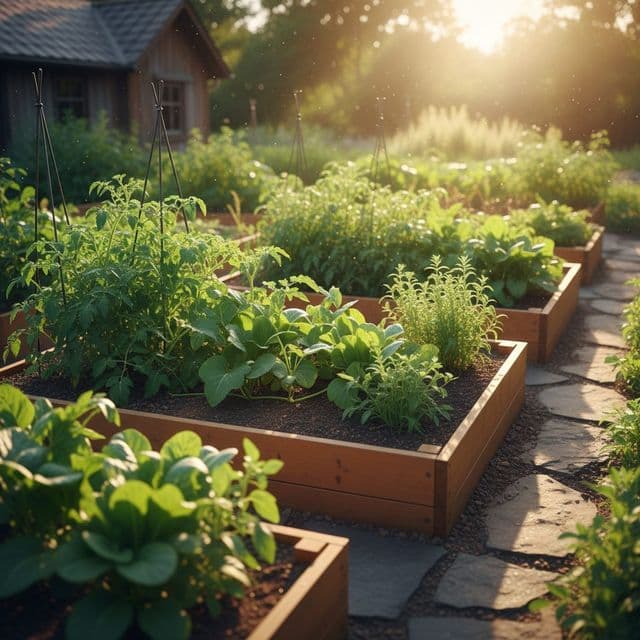
How to grow vegetables in USDA Zone 9 low deserts, including heat-tolerant summer crops, cool-season fall and winter plantings, drip irrigation, and shade.
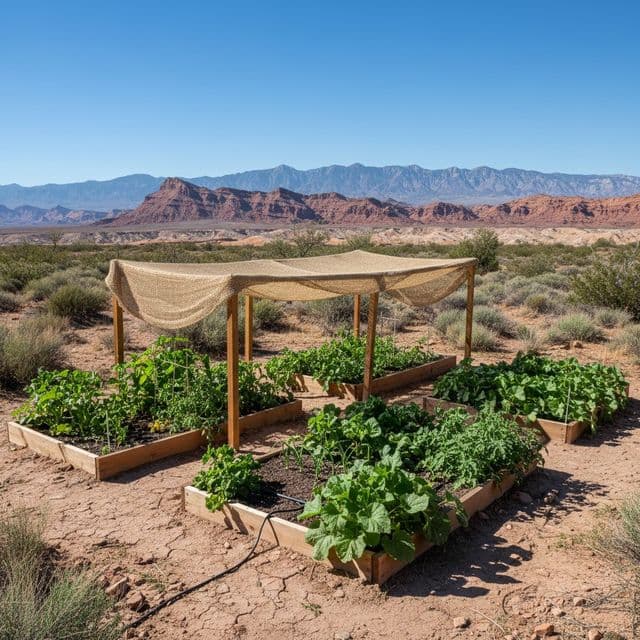
Master desert gardening in Arizona, Nevada, & New Mexico’s zones 9-10. Learn to build resilient soil, conserve water, and choose heat-tolerant plants for thriving gardens.
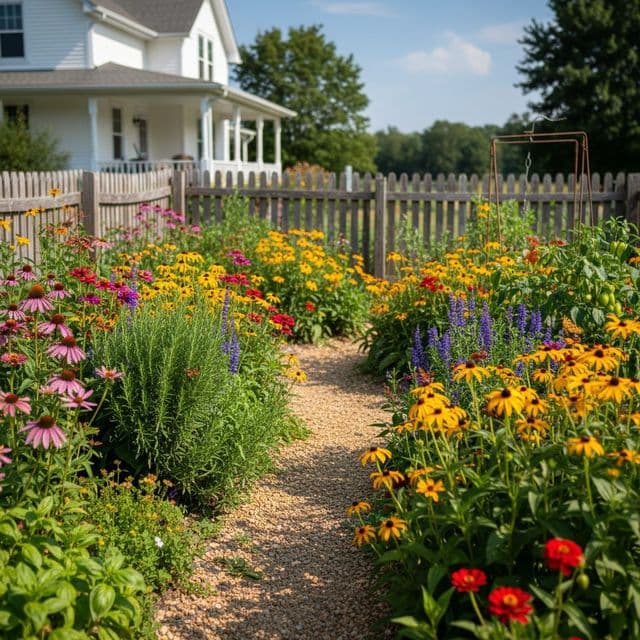
Heat-tolerant plants and soil management strategies for US gardens facing temperatures above 90°F in July, supporting pollinators through drought conditions.
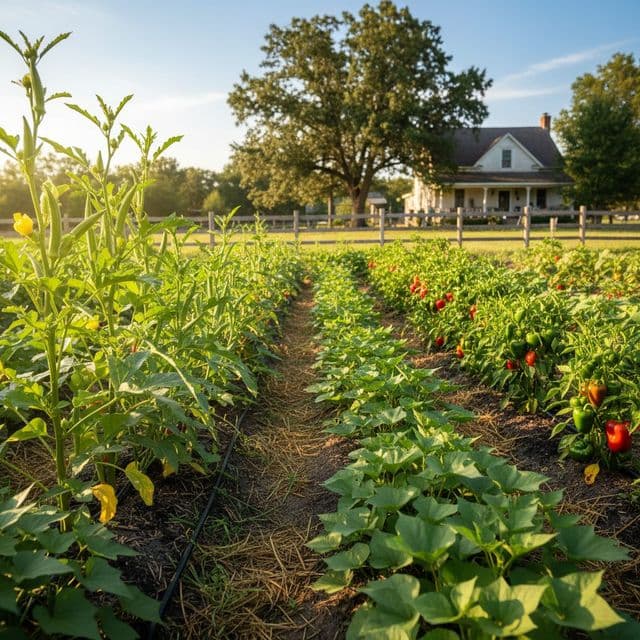
Heat-resilient crops and focused soil care keep summer gardens productive across USDA zones 6-9. Efficient irrigation, organic mulch, and adapted varieties support steady harvests through hot weather.
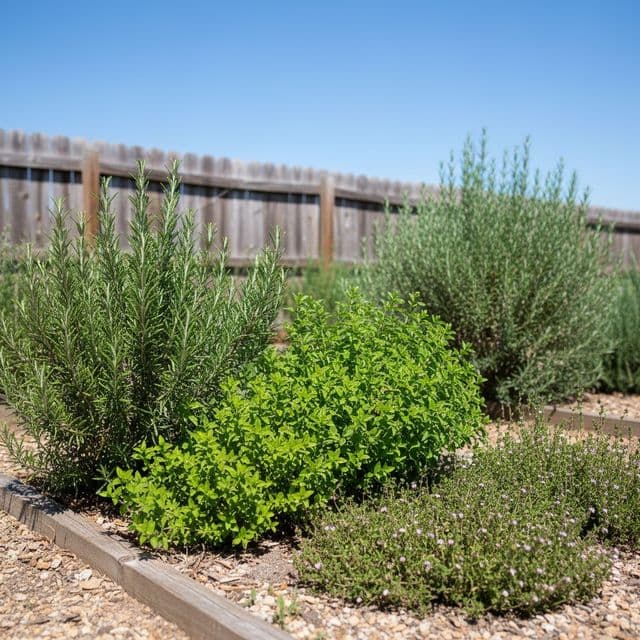
Grow heat- and drought-tolerant herbs like rosemary, oregano, thyme, lemongrass, and basil in full sun. Manage soil drainage, watering schedules, and variety selection across US gardens.
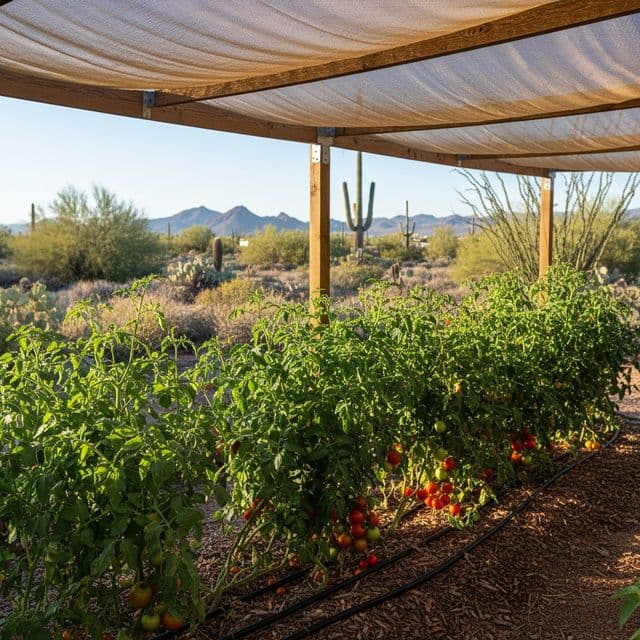
Discover top heat-tolerant tomatoes like Heatmaster & Solar Fire for USDA zones 7-10. Learn essential tips for growing tomatoes in hot US climates, ensuring a bountiful harvest.
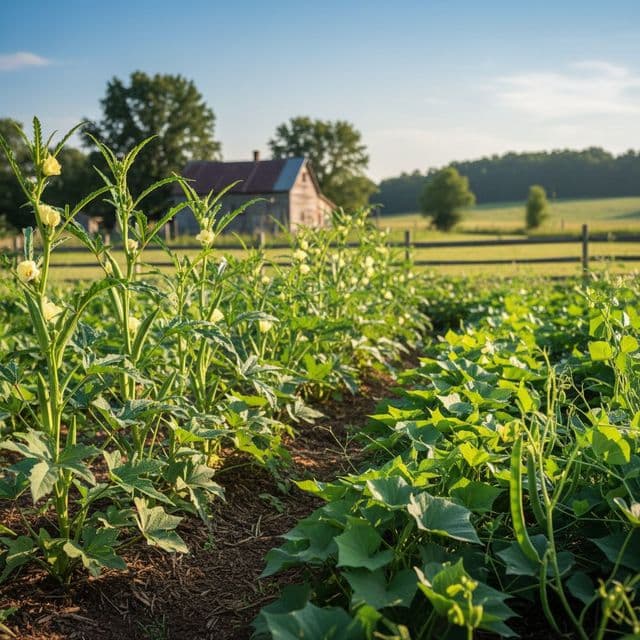
Discover heat-tolerant vegetables like okra, southern peas, and sweet potatoes that thrive in US gardens facing hotter summers. Adapt to climate shifts & ensure food security.
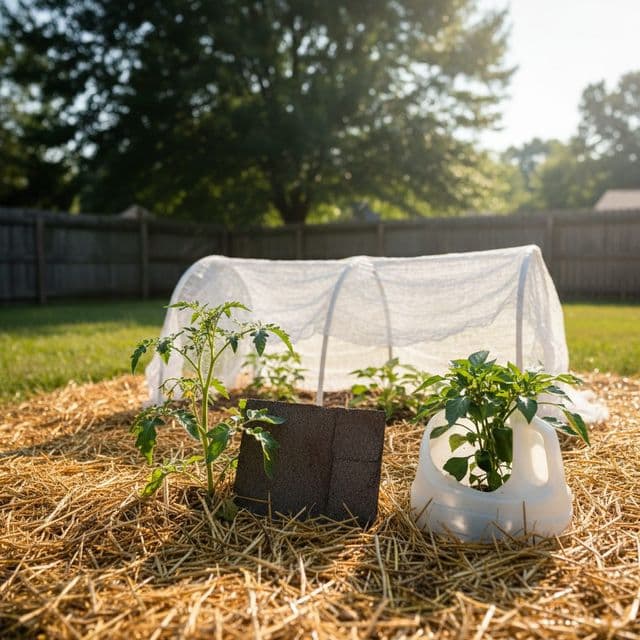
Learn how to protect young transplants from extreme heat in USDA Zone 7 gardens. Discover DIY and purpose-built temporary shade solutions to boost survival rates.
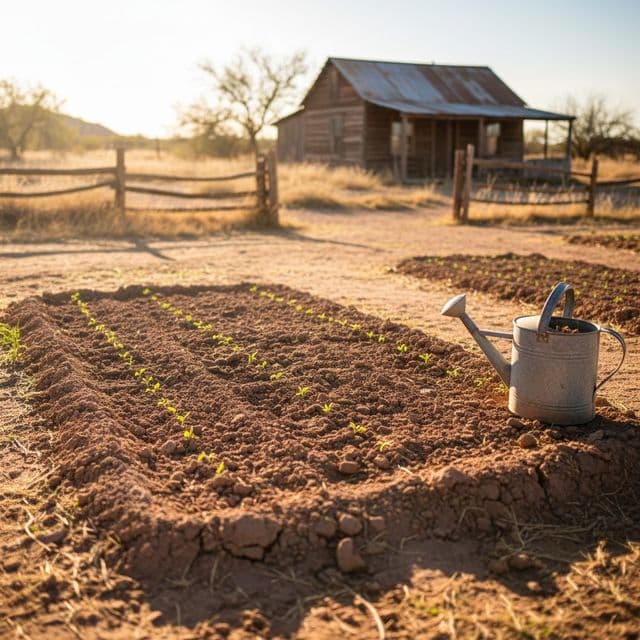
Ensure your new garden transplants thrive in summer heat. Learn data-backed strategies for watering new transplants, managing soil moisture, and reducing stress in challenging climates like Texas.
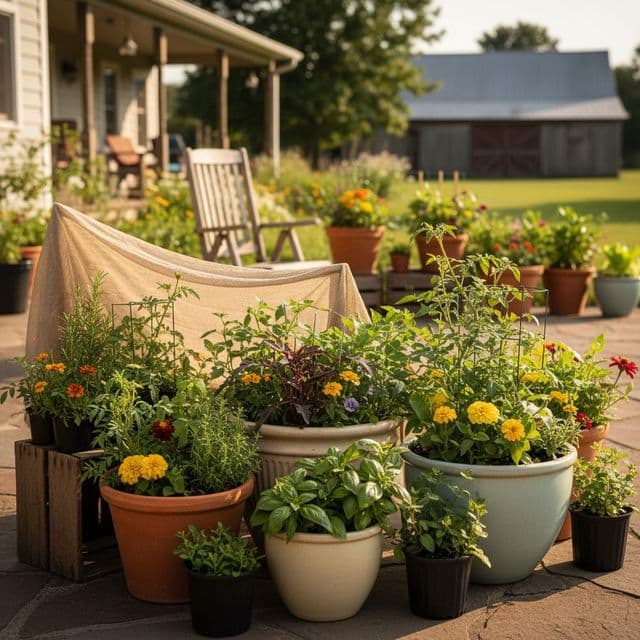
Combat container heat stress in USDA Zone 9b. Learn strategic shading, double-potting, and pot choices to keep plants cool and thriving in extreme summer temperatures.
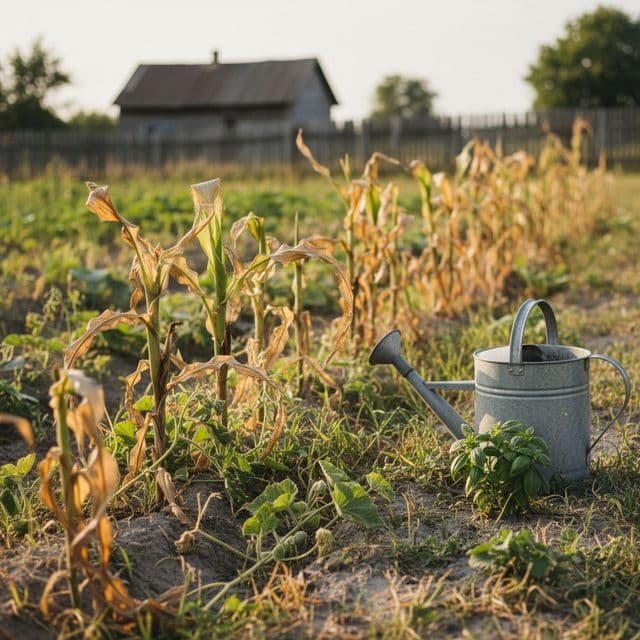
How to restore heat-damaged plants in US gardens using deep watering, conservative pruning, and organic feeding to support recovery.
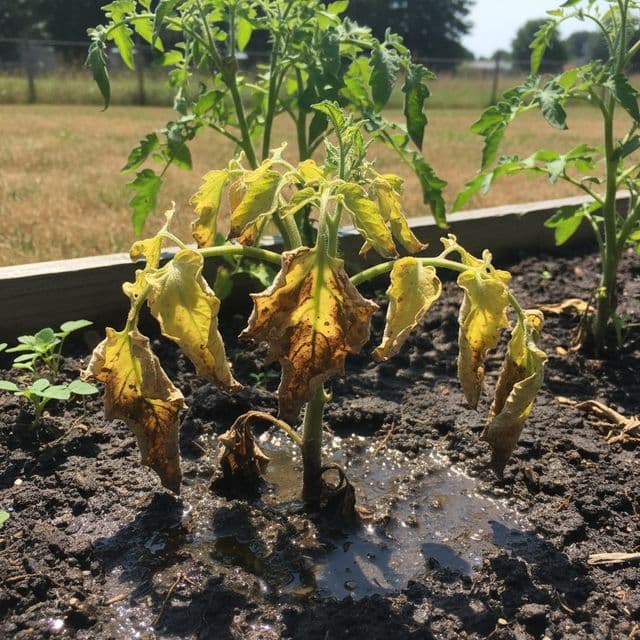
Discover why overwatering plants during a heatwave, especially in USDA Zone 7, can kill them faster. Learn to prevent root rot and oxygen starvation.
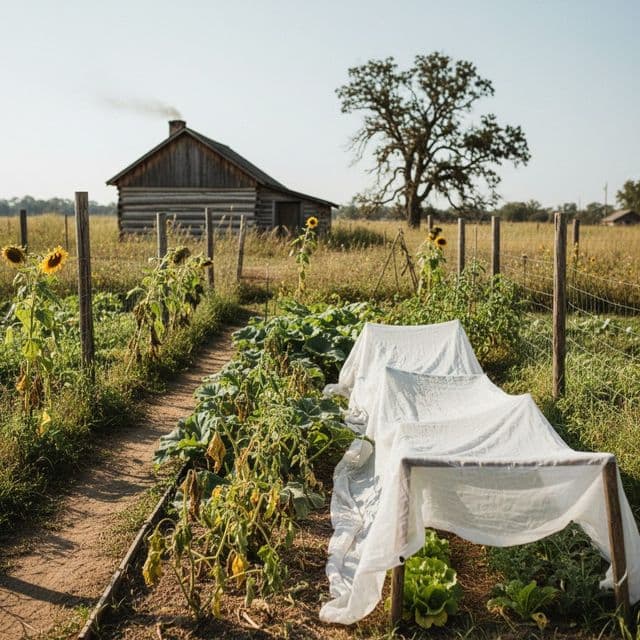
Prepare gardens in USDA zones 8-11 for heatwaves with a 48-hour plan. Protect plants from extreme heat with deep watering, temporary shade, and mulch.
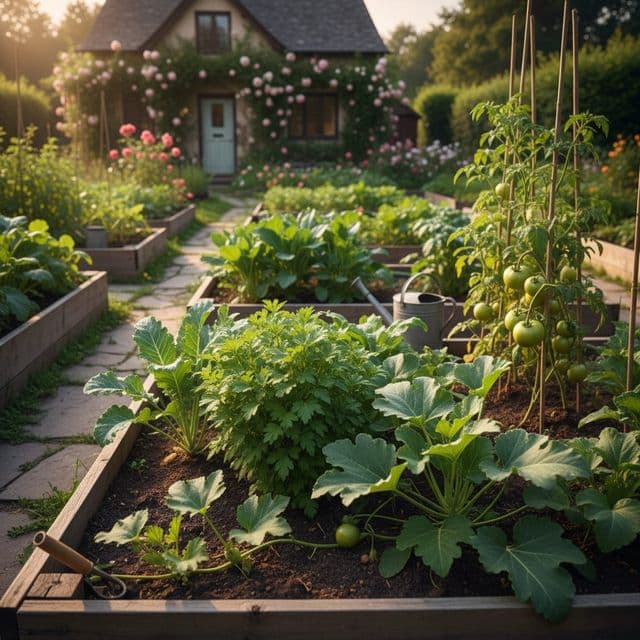
Discover native trees & shrubs for chronically wet spots across US regions. Improve drainage, reduce runoff, and support wildlife with water-tolerant species.
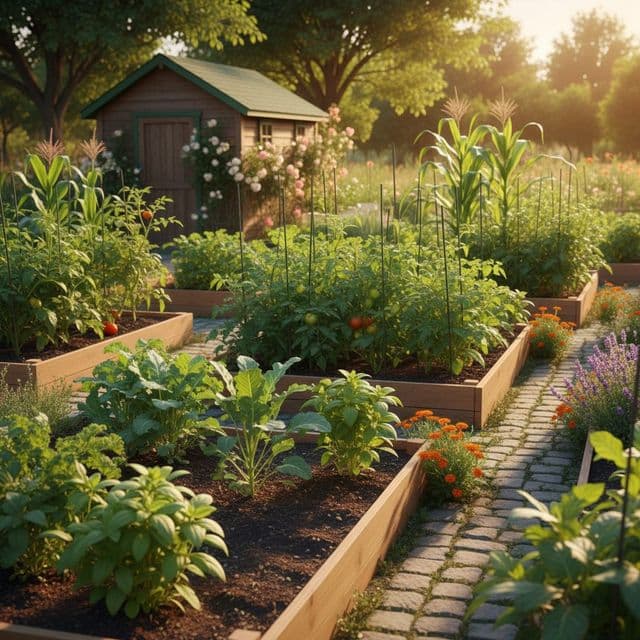
How to keep an Arizona garden watered for 30 days using a gravity drip system, battery timer, and rainwater harvesting in arid climates.
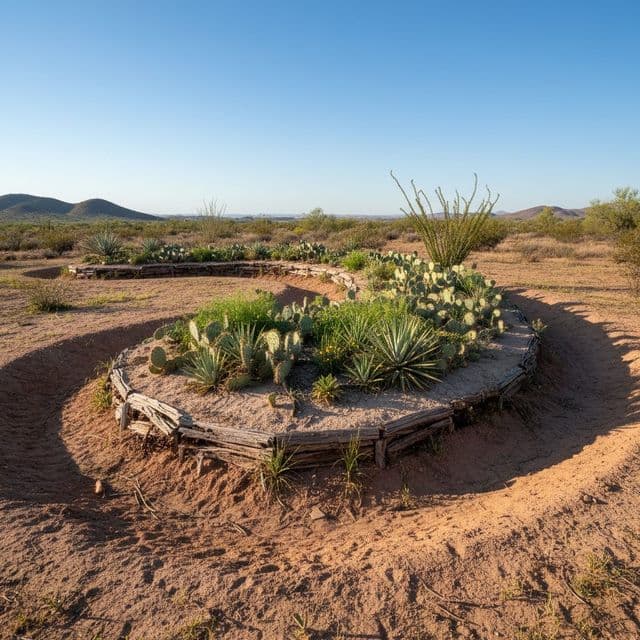
Master hugelkultur in the arid Southwest. Learn wood selection, termite prevention, and passive irrigation to conserve water and build soil for thriving gardens in dry climates.
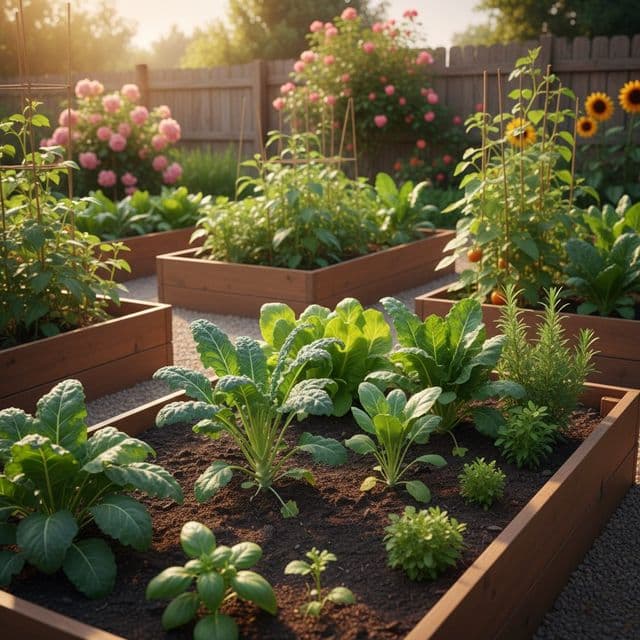
Learn backyard pond sizing for arid regions. Calculate volume, select liners & pumps, and integrate passive irrigation. Maximize water resilience and support wildlife in the American West.
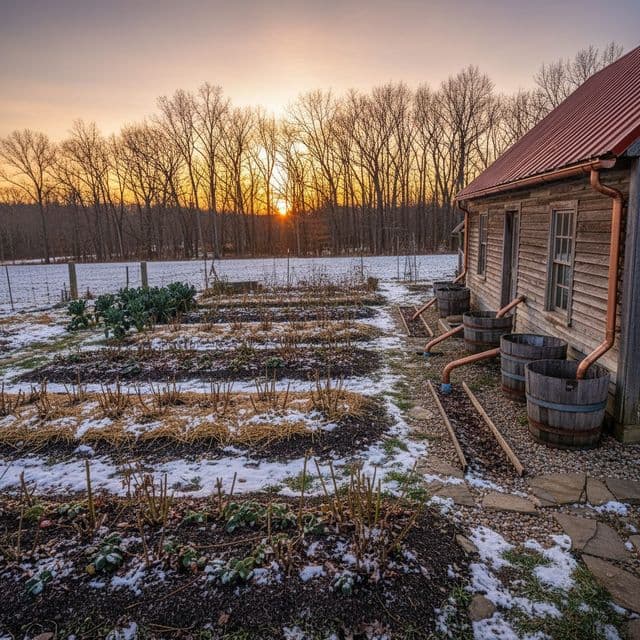
Learn essential steps for cold-climate rainwater storage. Prevent freeze damage to barrels & systems in USDA Zone 5 by draining and protecting components before winter.
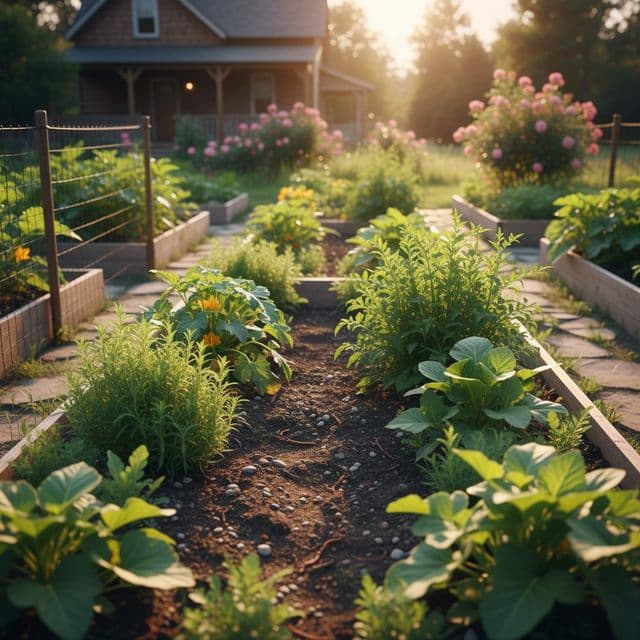
Understand US rainwater harvesting laws, including specific rules for Colorado, Utah, and Nevada. Learn about volume limits, permits, and efficient passive irrigation techniques like ollas to conse…
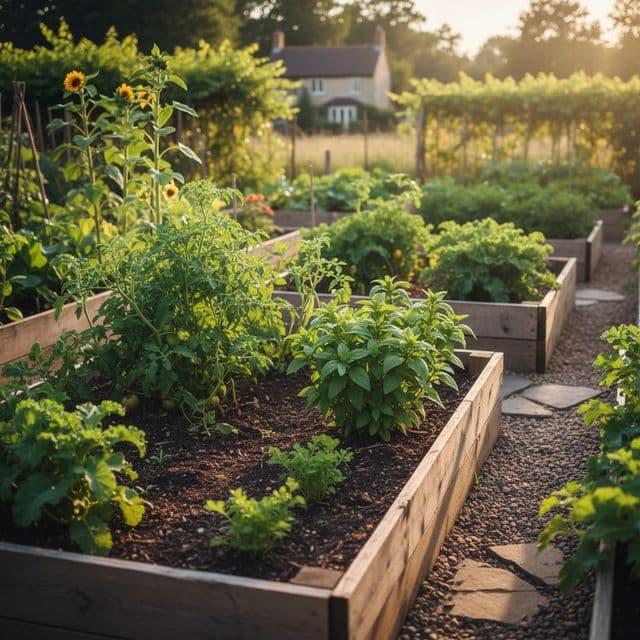
Transform sandy soil in coastal Florida. Learn DIY strategies using compost, vermicompost, and biochar to boost water retention, nutrient levels, and plant health. Essential for homesteaders.
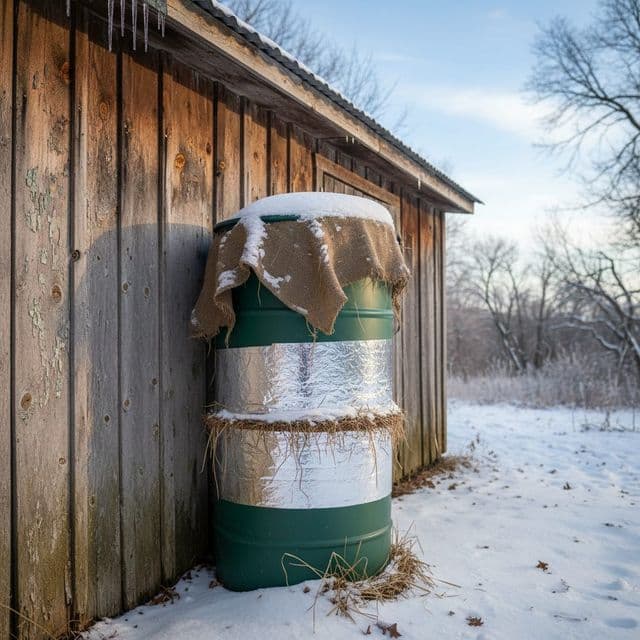
Learn how to keep your outdoor worm bin thriving through a USDA Zone 3 winter. Discover insulation techniques, feeding adjustments, and location tips for successful cold-weather vermicomposting.
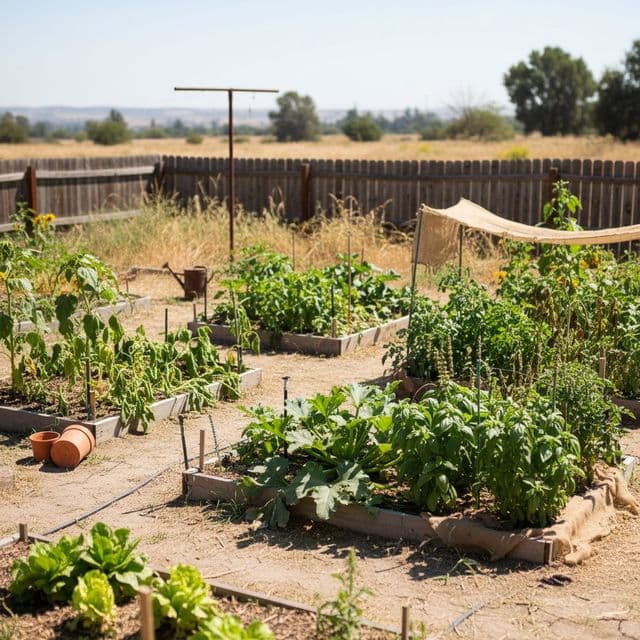
Learn how to adapt your summer fertilizer strategy for extreme heat and drought. Maintain healthy tomato yields in USDA zones 6-9 by optimizing soil health, nutrient uptake, and watering.
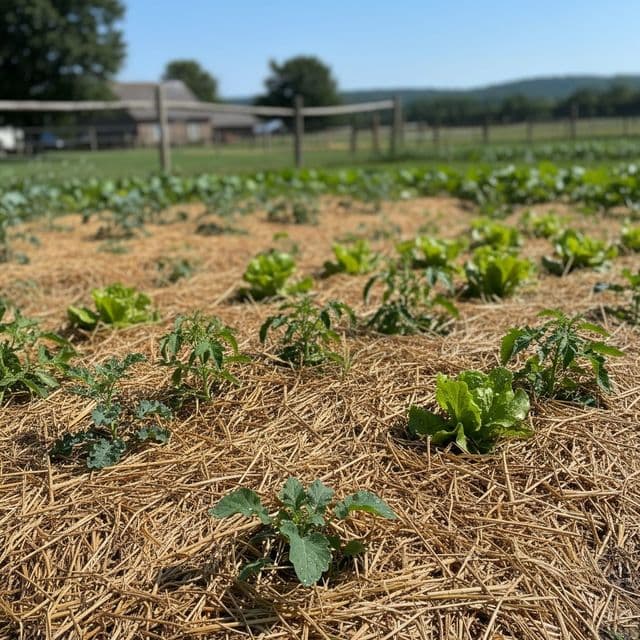
Discover effective mulching strategies to conserve soil moisture in the arid US Southwest. Learn how organic and inorganic mulches reduce evaporation, suppress weeds, and regulate soil temperature…