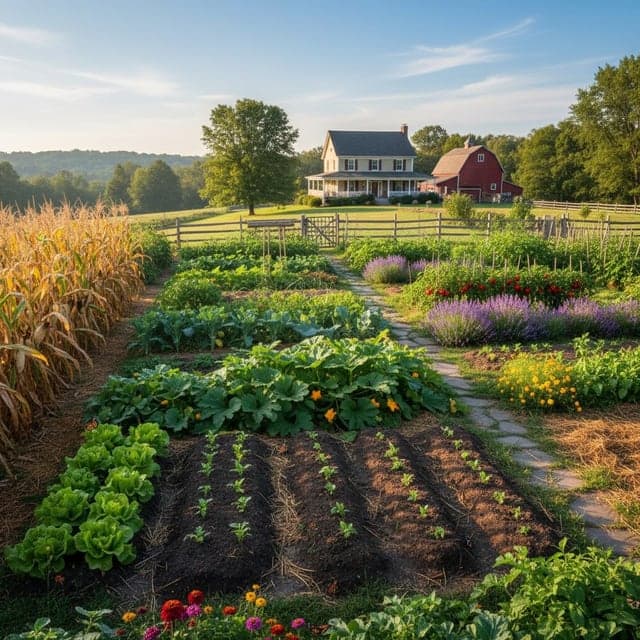
Maximize Garden Output: 4 Succession Planting Methods by Zone
Learn four succession planting methods—same-crop, interplanting, relay, and follow-on—to maximize garden output. Get continuous harvests & boost yields in your USDA zone.
Topic
Everything you need to grow vegetables at home, whatever your space. These guides cover individual crops—tomatoes, lettuce, garlic, carrots, and potatoes—plus square-foot layouts, companion planting, and beginner FAQs. Learn soil prep, spacing, watering, and harvest timing so every bed produces more food with less guesswork.
491 articles in this topic on agripure. — page 8 of 21
Learn four succession planting methods—same-crop, interplanting, relay, and follow-on—to maximize garden output. Get continuous harvests & boost yields in your USDA zone.
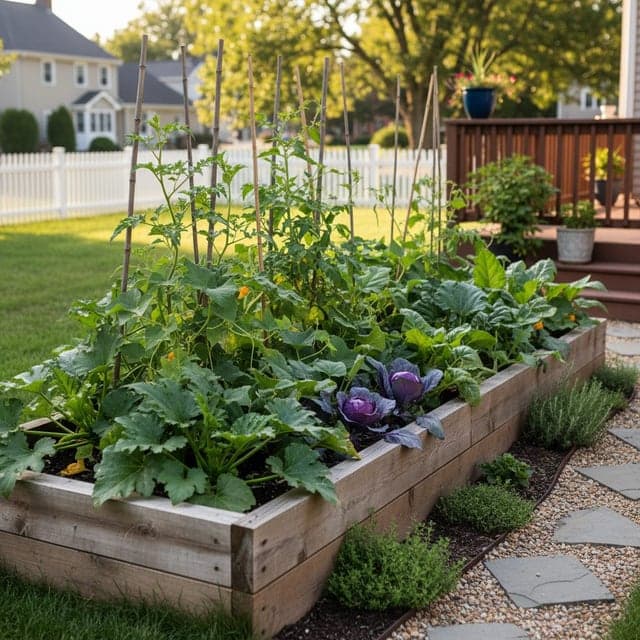
Master crop rotation and succession planting in your 4×8 ft raised beds. Learn strategies to boost yields, prevent disease, and maintain soil health in small spaces across USDA zones.
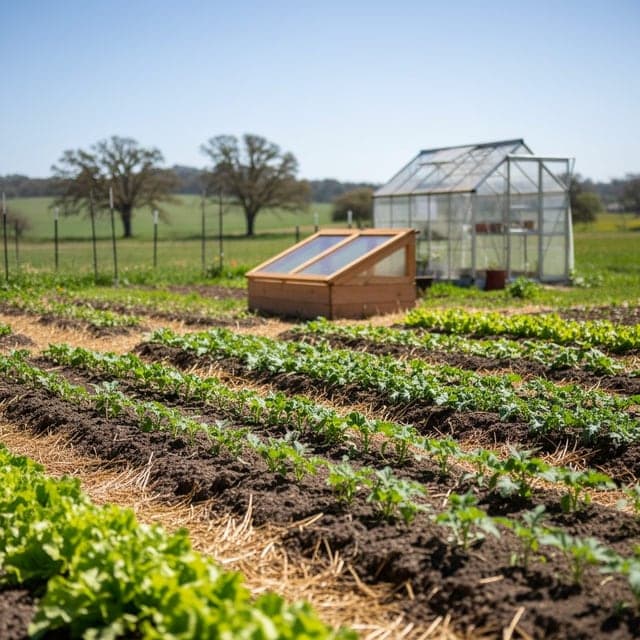
Master continuous harvest with a USDA zone planting calendar. Learn succession planting, crop rotation, and season extension for year-round garden productivity in any US region.
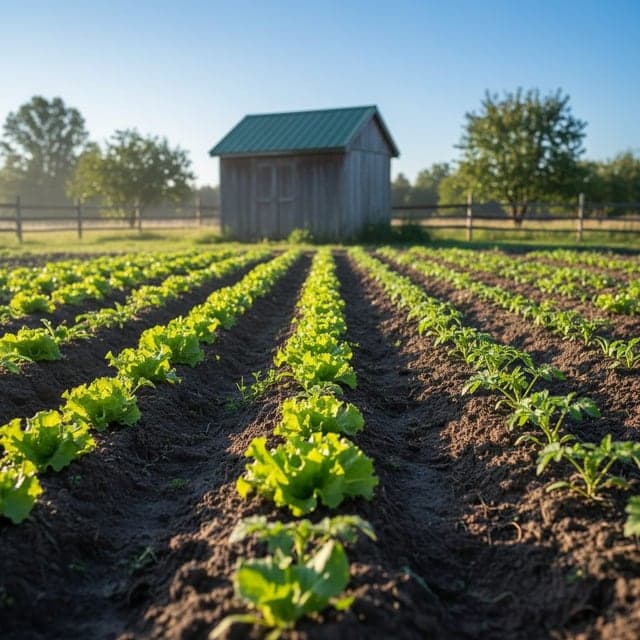
Master your USDA zone planting calendar by understanding frost dates & days to maturity. Learn to calculate optimal planting times for succession planting & crop rotation.
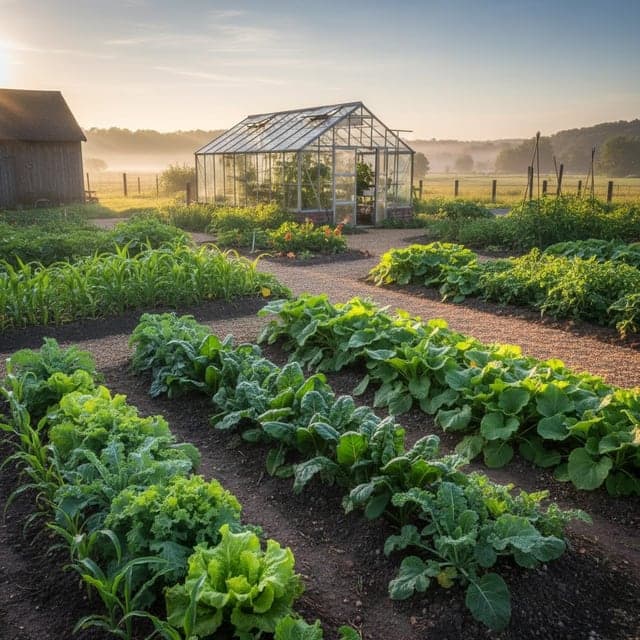
Time US cool-season and warm-season vegetables using local 50% frost dates and 4-inch morning soil temperature instead of USDA Hardiness Zones alone, with germination charts, regional windows, and…
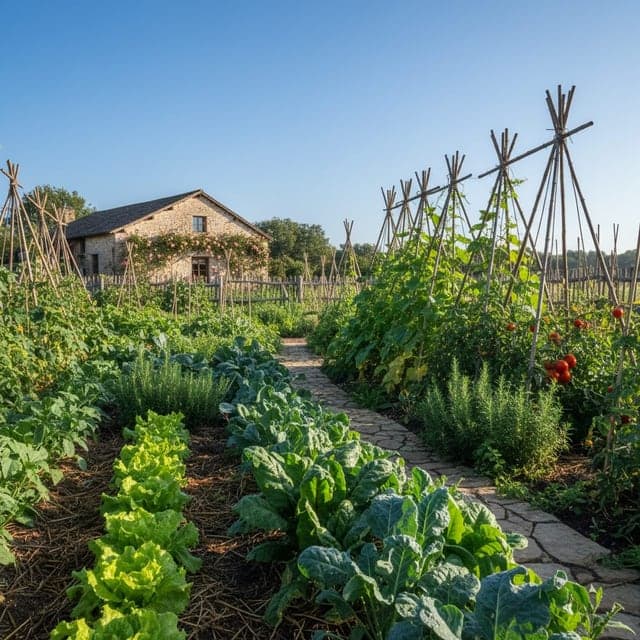
Invert the northern garden calendar for USDA Zones 9–10: run October–April as your main vegetable season, split Humid Florida from Arid California and Arizona windows, and use June–August solarizat…
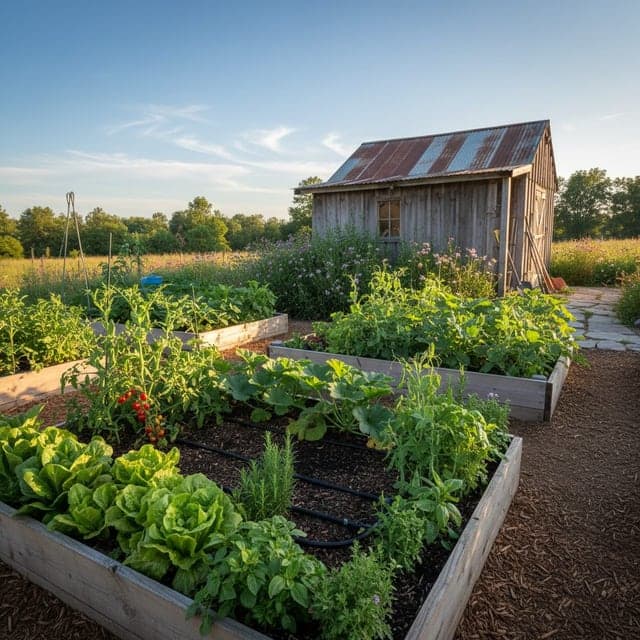
Maximize your garden’s potential with this Zone 7-8 planting calendar. Learn succession planting & crop rotation for Mid-South, PNW, & Mid-Atlantic regions.
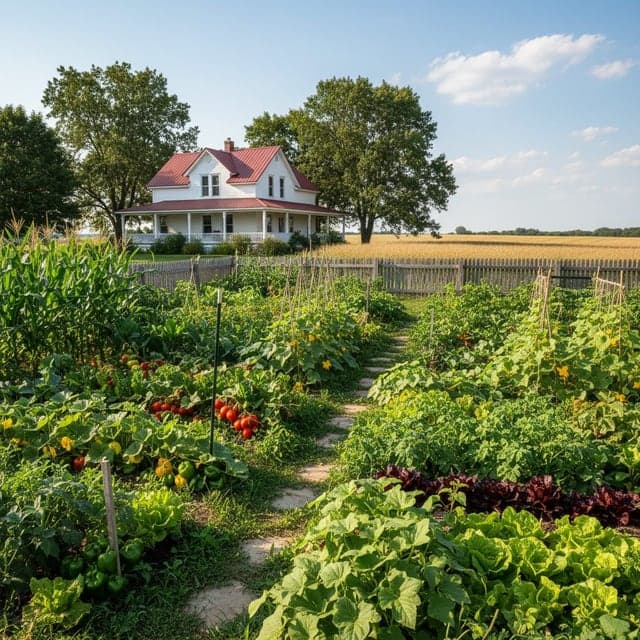
Master year-round planting in USDA Zones 5-6. This guide covers sowing, crop rotation, and succession planting for Midwest, Mid-Atlantic, and Mountain West gardens. Maximize yields.
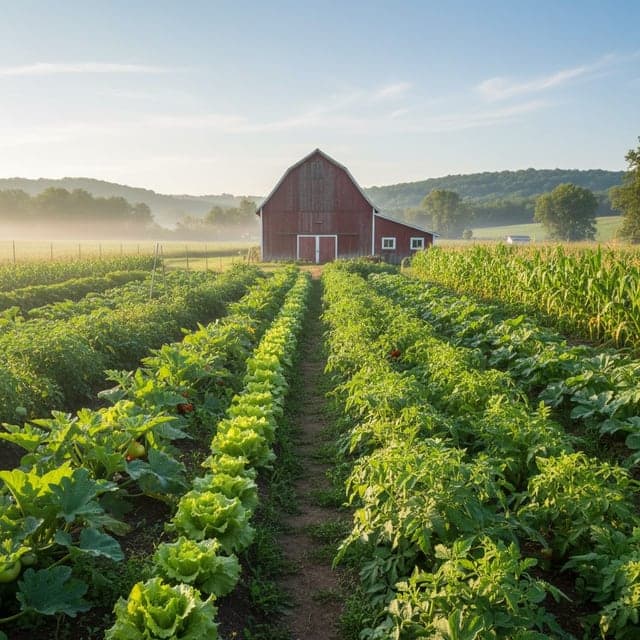
Master optimizing planting times for spring and fall across USDA zones. Learn how precise timing, soil prep, and microclimates boost yields for homesteaders.
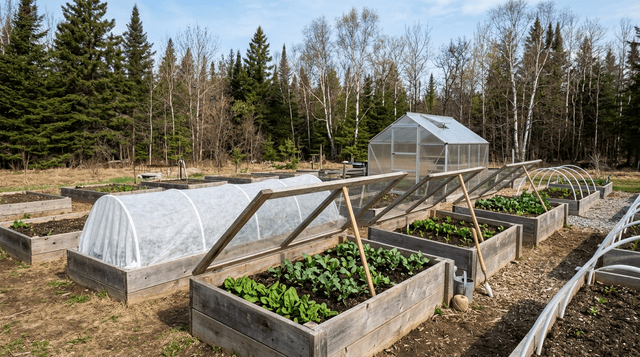
Season extension techniques in Canada lengthen the brief northern growing window by several weeks through unheated cold frames, floating row covers, and polyethylene high tunnels.
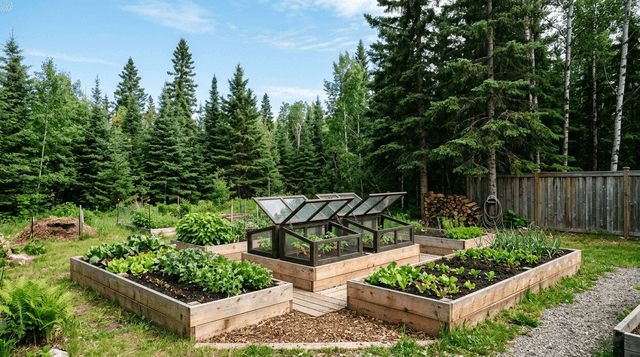
Gardening successfully in Canadian USDA zones 2 to 4 requires selecting cold-hardy varieties, optimizing microclimates, and protecting crops during narrow frost-free growing windows.
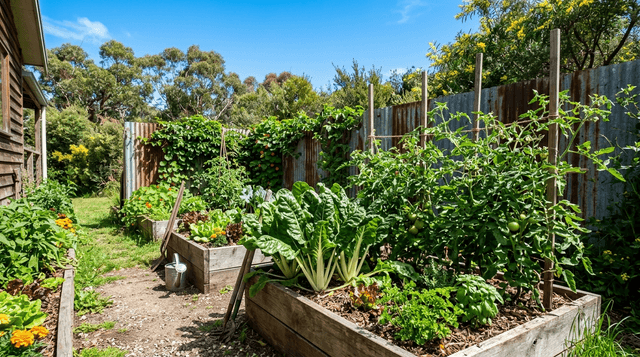
Adapt to Australia's reversed growing calendar with a 6-month Northern-to-Southern transposition chart, five-zone planting windows, soil temperature triggers, and biosecurity rules.
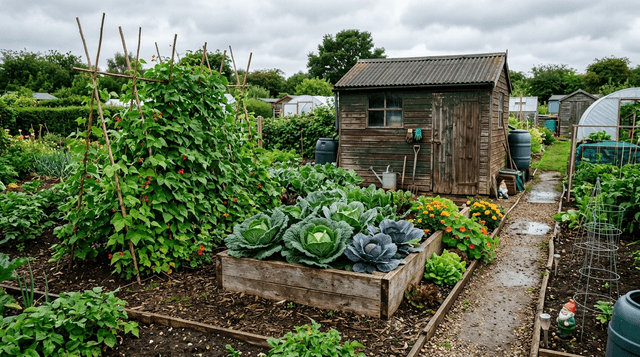
Securing a UK allotment involves joining council waiting lists and tackling an often-overgrown plot; phased clearing and covering fallow ground keep the first year manageable.
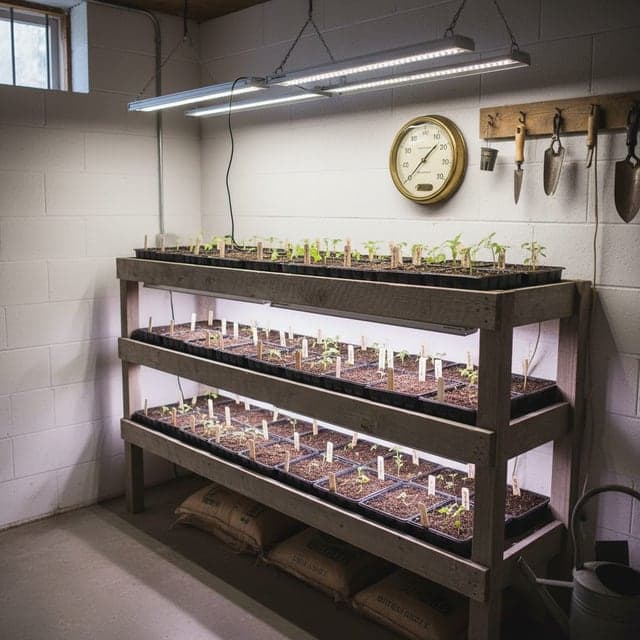
Master seed starting timing across US regions. Learn how cold basements in Maine differ from warm patios in Florida for successful germination and plant growth.
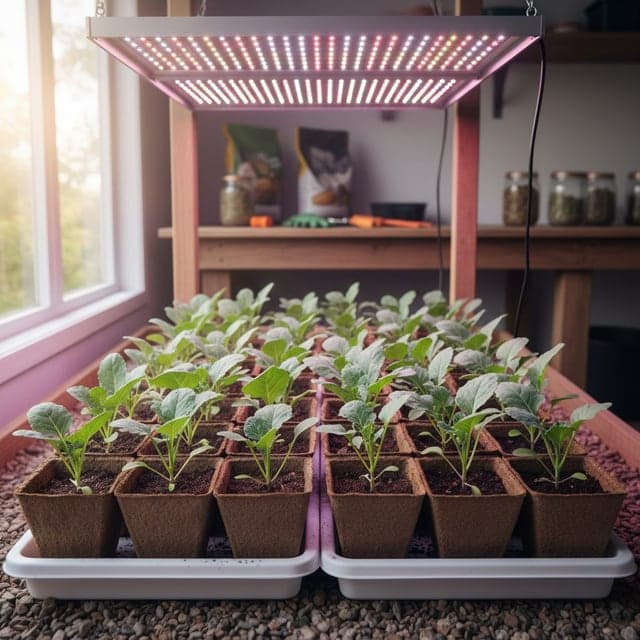
Master the art of potting up tomato seedlings in USDA Zone 6. Learn key techniques for healthy root development, preventing shock, and ensuring sturdy summer growth.

How to build a budget grow-light shelf to prevent leggy seedlings and produce sturdy plant starts, with lighting and shelving options for USDA Zone 6.
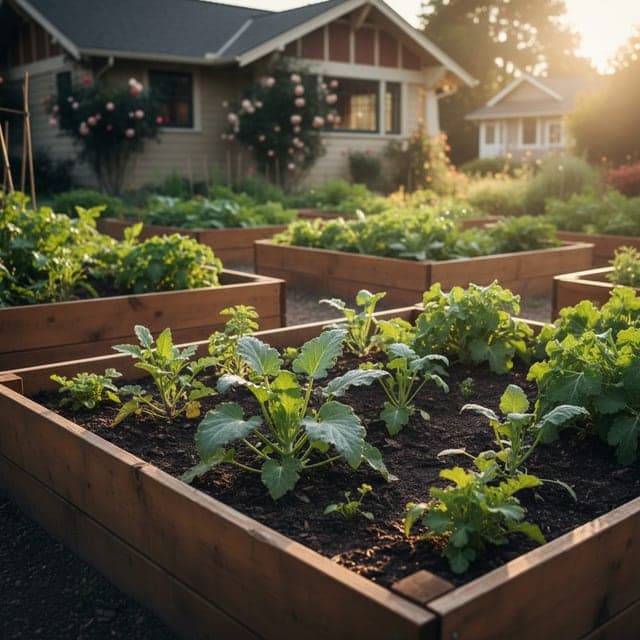
Master seed starting for your US garden. Learn the ‘count-back’ method using your last frost date to time warm & cool-season crops. Includes a seed starting chart for optimal growth.
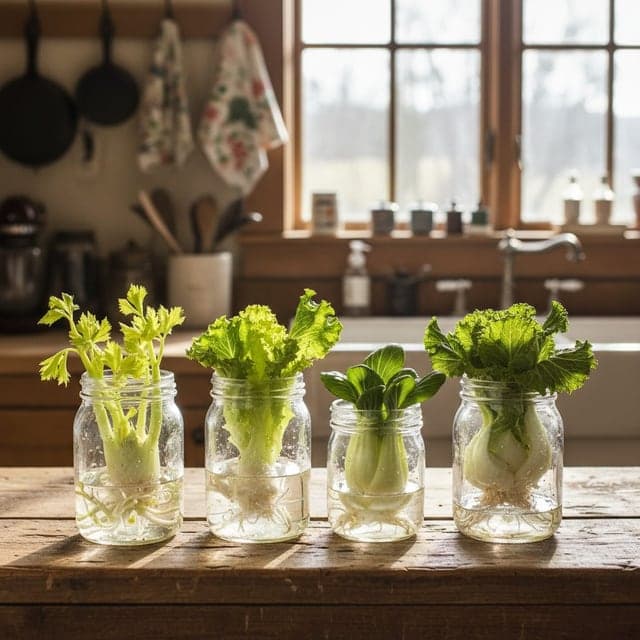
How to regrow kitchen scraps like celery, romaine, and bok choy to extend garden harvests, with methods for propagation, transplanting, and ongoing care.
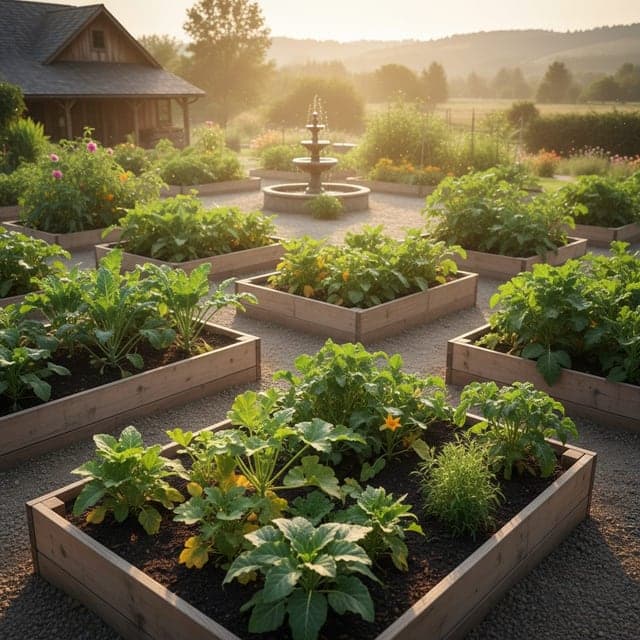
How to regrow ginger and turmeric rhizomes from store-bought roots, with indoor container methods for cold climates and outdoor planting guides for USDA zones 4-10.
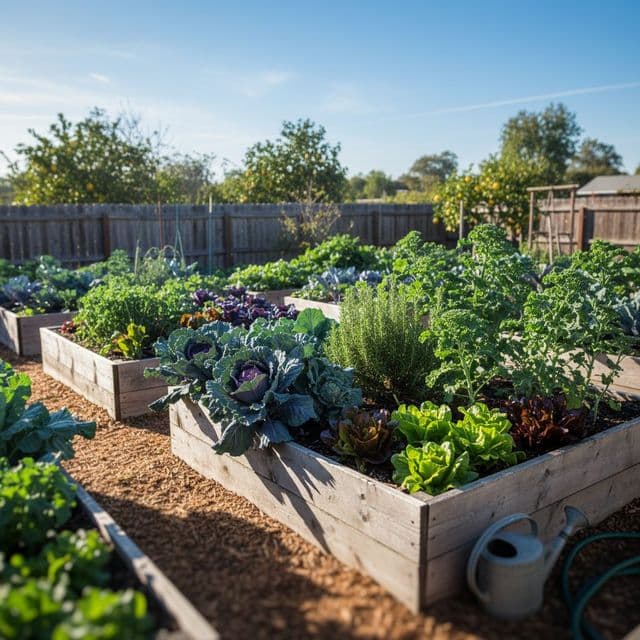
A complete USDA Zone 9 vegetable planting schedule covering the two main growing seasons, winter crops, summer heat breaks, and succession sowing.
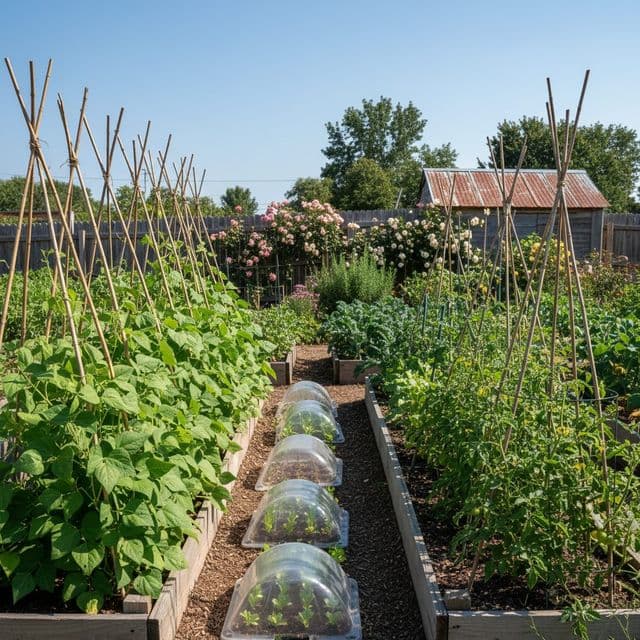
A USDA Zone 5 planting schedule: indoor seed starting dates, last/first frost timelines (May to October), and cool vs warm season vegetables.
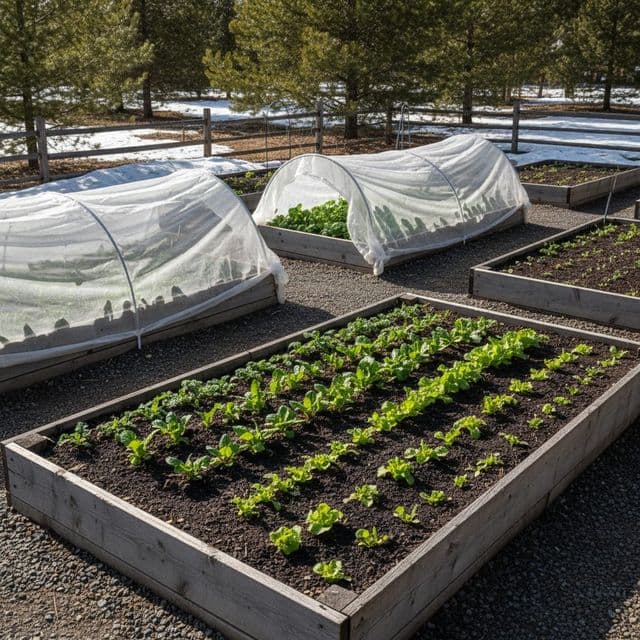
A complete USDA Zone 4 planting schedule: indoor seed starting dates, direct sowing windows, frost dates, and cold-climate vegetable growing strategies.
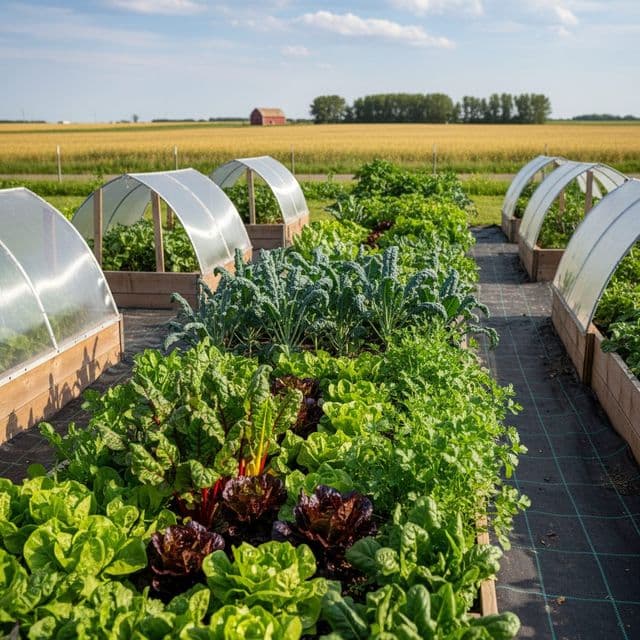
A guide to cold-climate gardening in Canadian Zone 3 with short-season crop selection, soil warming techniques, frost protection, and hardy berry varieties.
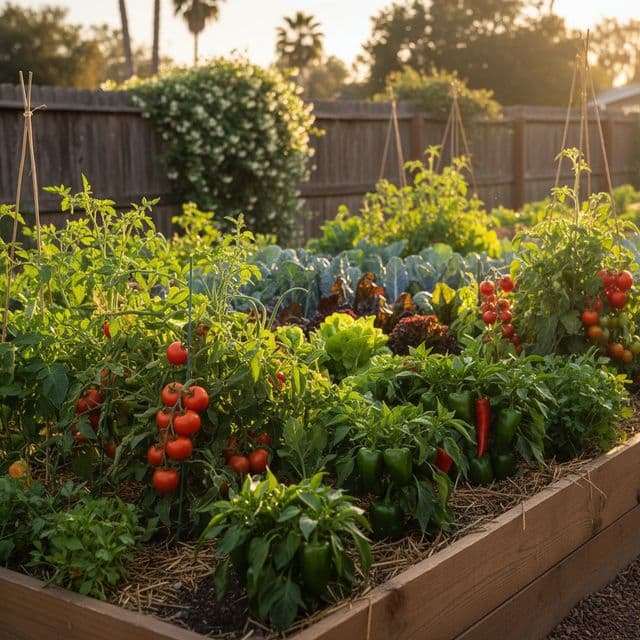
Master the inverted USDA Zone 10 planting schedule: cool-season winter vegetable gardening, heat-tolerant summer crops, and year-round growing tactics.