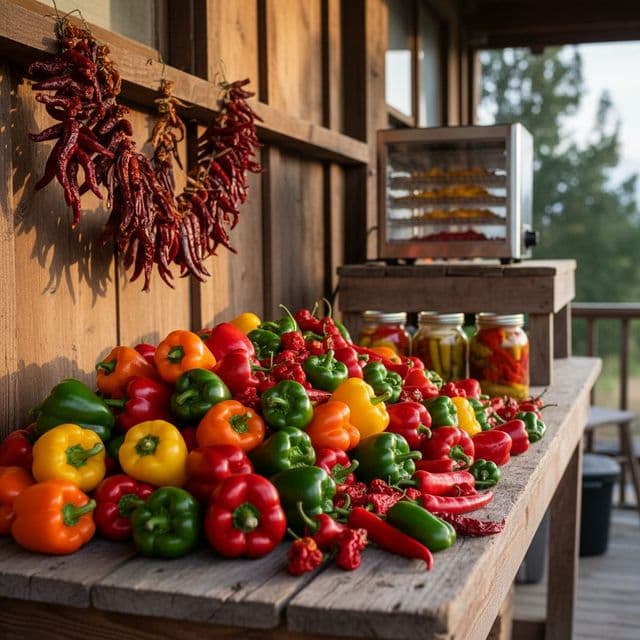
Pepper preservation: drying, freezing, fermenting in Zone 7
How to preserve your USDA Zone 7 pepper harvest with drying, freezing, fermenting, and pickling techniques to use peppers year-round.
Topic
Keep your harvest eating-ready all year. This hub covers the core home food-preservation methods—water-bath and pressure canning, fermenting, dehydrating, root cellaring, and home dairy—with safety-first, beginner-friendly guides. Learn which technique suits each fruit or vegetable, how to avoid spoilage, and how to build a self-reliant pantry from scratch.
92 articles in this topic on agripure. — page 2 of 4
How to preserve your USDA Zone 7 pepper harvest with drying, freezing, fermenting, and pickling techniques to use peppers year-round.
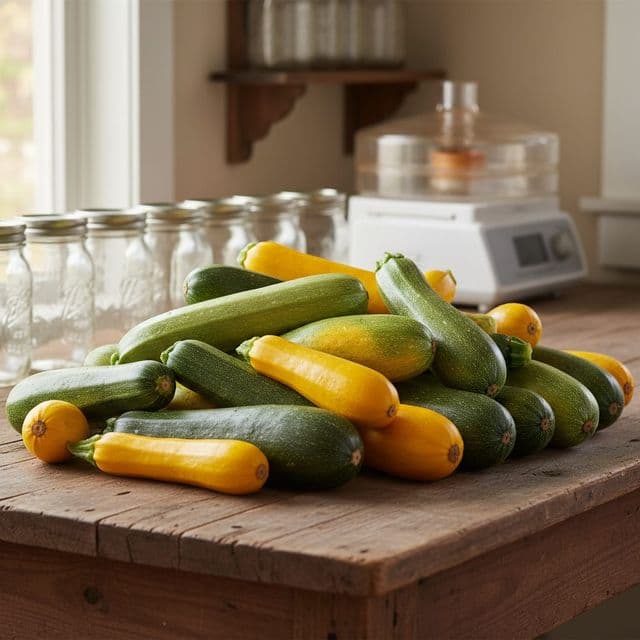
How to preserve a summer squash harvest by dehydrating, fermenting, or freezing for months or up to a year.
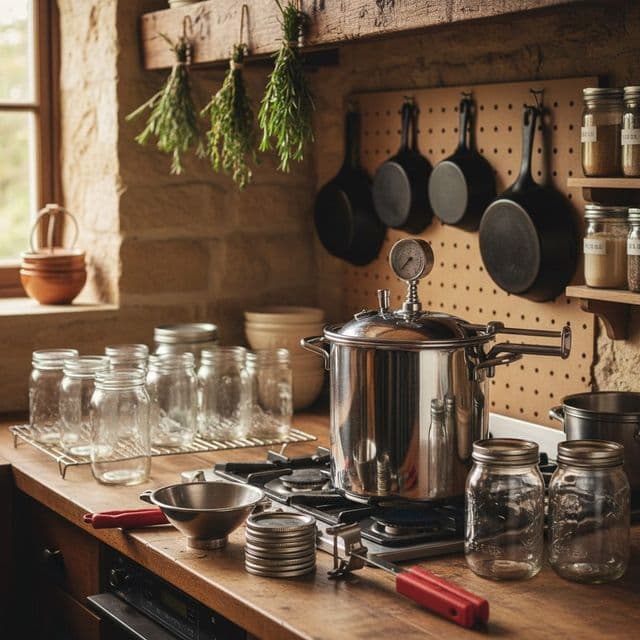
How to preserve low-acid vegetables, beans, and soups using pressure canning, covering equipment, preparation, and USDA guidelines for shelf-stable food.
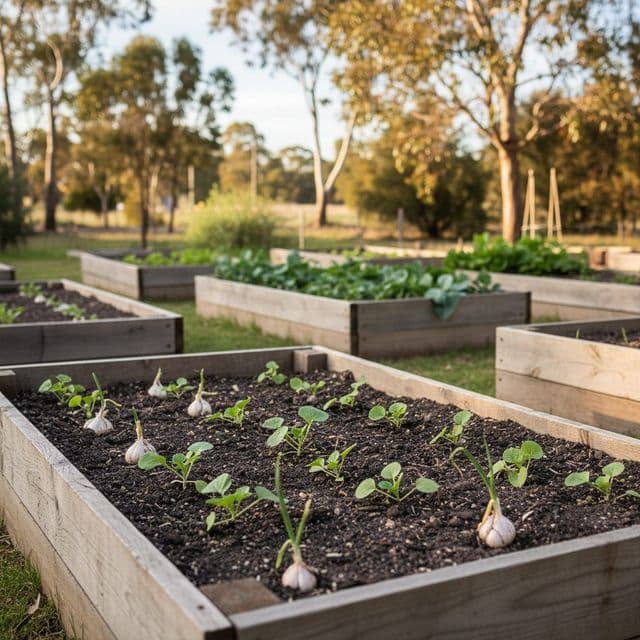
Learn to safely can berry jams and jellies for a year-round supply. This guide covers selecting fruit, essential ingredients, and USDA guidelines for preserves in USDA Zone 5.
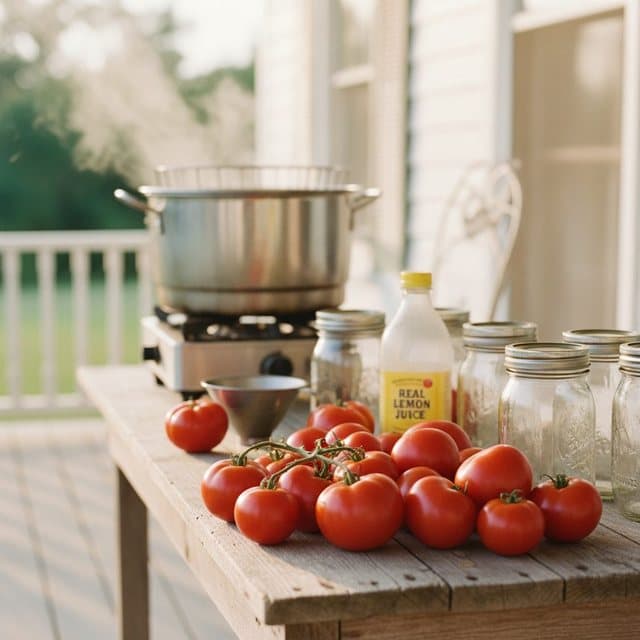
Learn to safely can tomatoes, salsa, and sauce at home. Discover USDA standards for adding acid (lemon juice, citric acid) to prevent botulism and preserve your harvest.
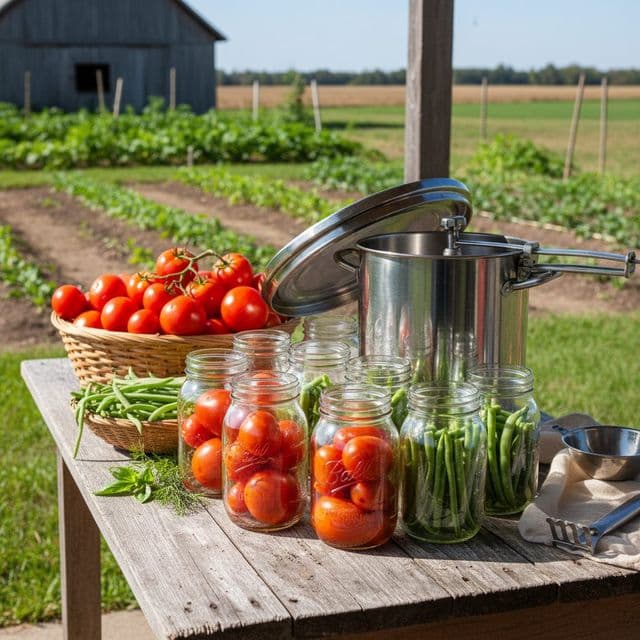
Understand botulism risks in home canning. Learn how altitude, acidity (pH), and proper processing prevent deadly toxins. Essential home canning safety tips for all US homesteaders.
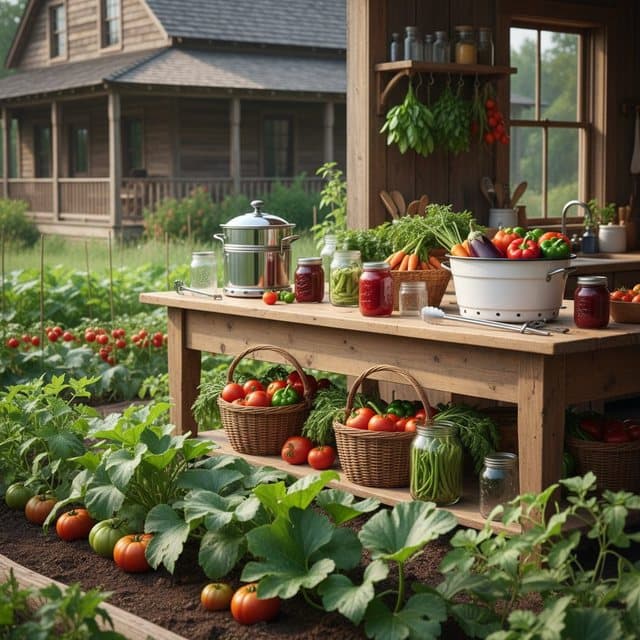
Master canning safety with this guide. Learn why high-acid foods need water baths & low-acid foods require 240°F pressure canning to prevent botulism. Preserve food safely.
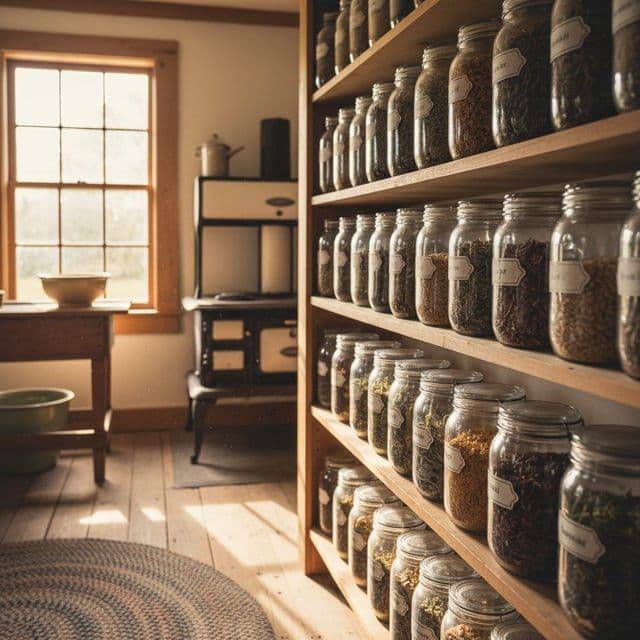
Master pantry food storage for spices & dried goods. Learn dehydration, organization, and optimal conditions to reduce waste and ensure year-round access on your homestead.
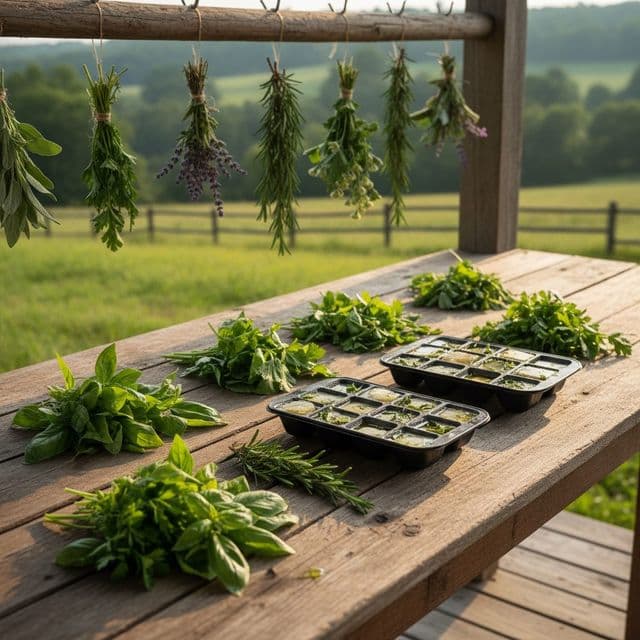
How to preserve basil from a USDA Zone 7 garden, covering freezing in oil or water, making pesto cubes, and drying techniques.
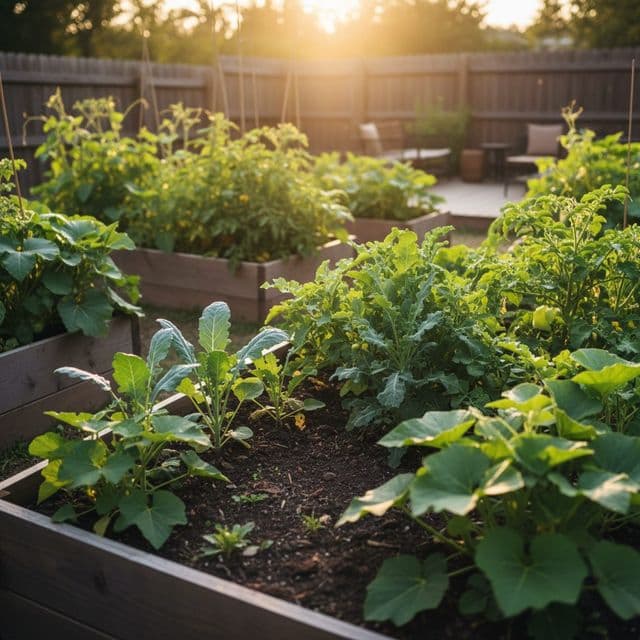
Learn to make potent fire cider and oxymels from your garden. Utilize homegrown ginger, turmeric, and other herbs for natural, cost-effective remedies. Perfect for homesteaders.
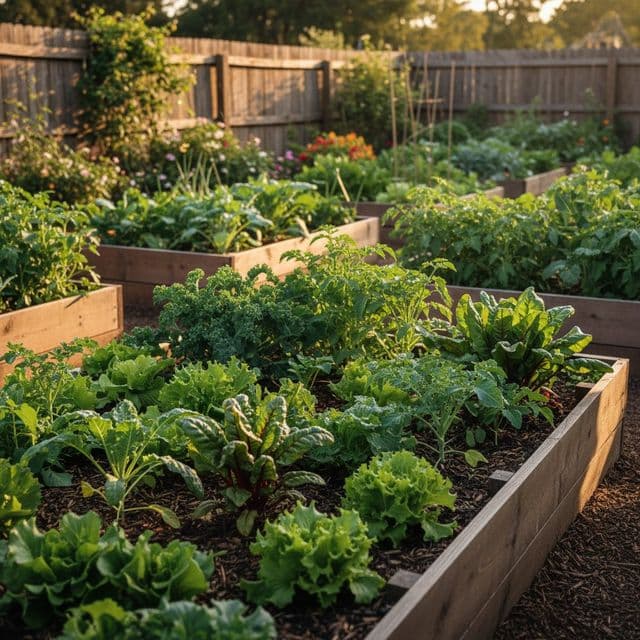
Learn how to make safe herbal infusions at home. Understand botulism risks in oils, vinegars, and honeys, and discover essential preservation techniques for your pantry.
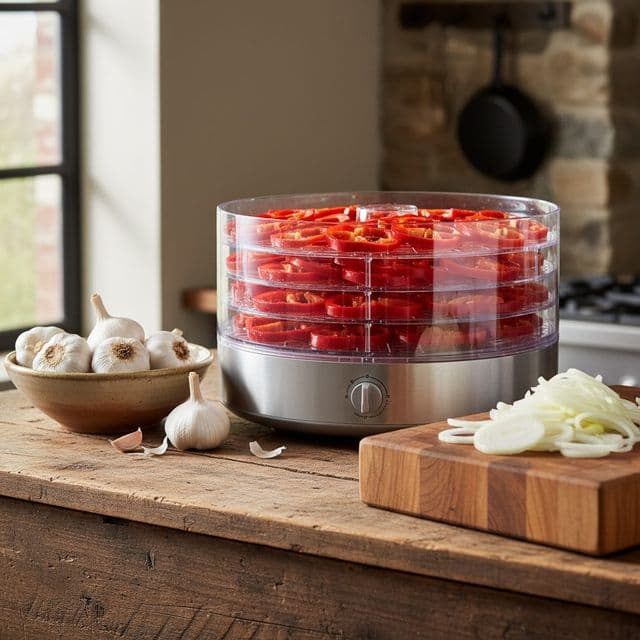
Learn to dry, store, and grind homemade spices like paprika, garlic, and onion powder from your garden. This guide helps US growers achieve high-quality, shelf-stable ingredients.
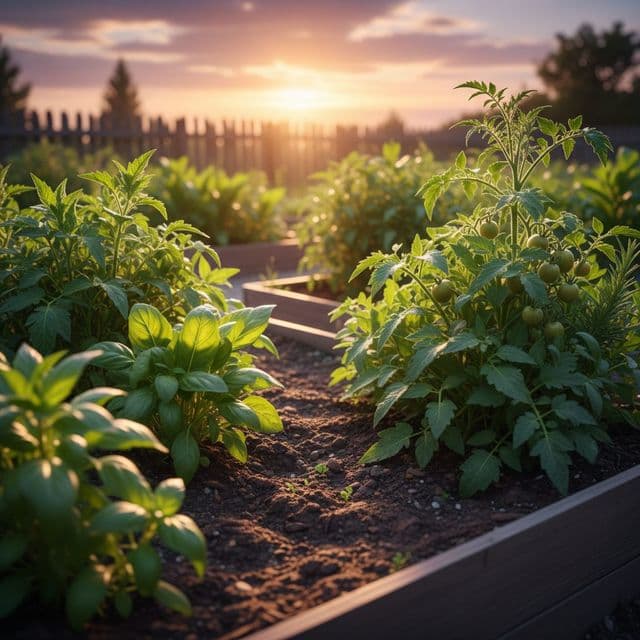
How to preserve food without electricity using passive cooling methods like zeer pots, root cellars, and cool spaces to extend harvest life and reduce waste.
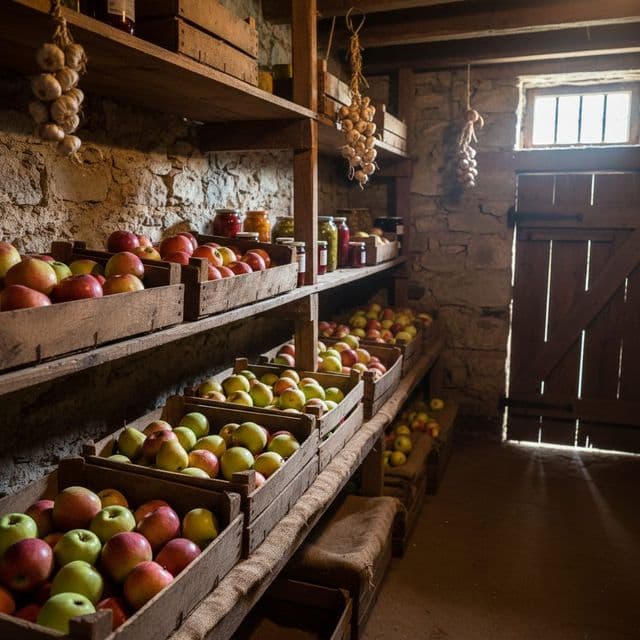
Master long-term fruit storage for apples & pears in USDA zones 5-7. Learn optimal temperatures, humidity, and variety selection to keep your harvest fresh for months, reducing waste.
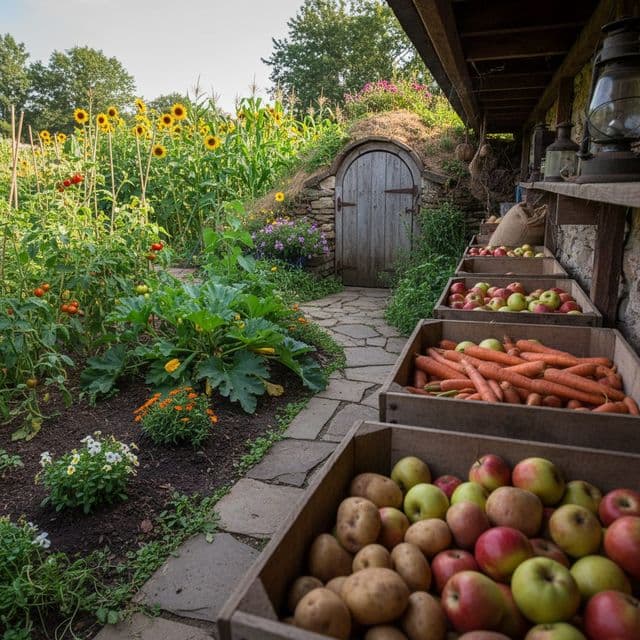
Master garden produce storage by understanding optimal temperature and humidity. Learn how to store root vegetables, onions, apples, and more for extended shelf life, preventing spoilage and mainta…
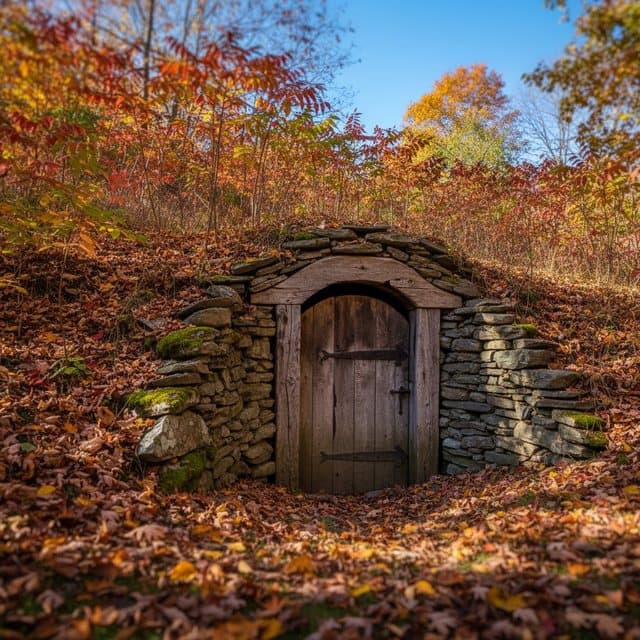
Learn how to build a root cellar in USDA Zone 6 to extend your harvest. Discover options from simple buried trash cans to dedicated structures, ensuring fresh produce for months.
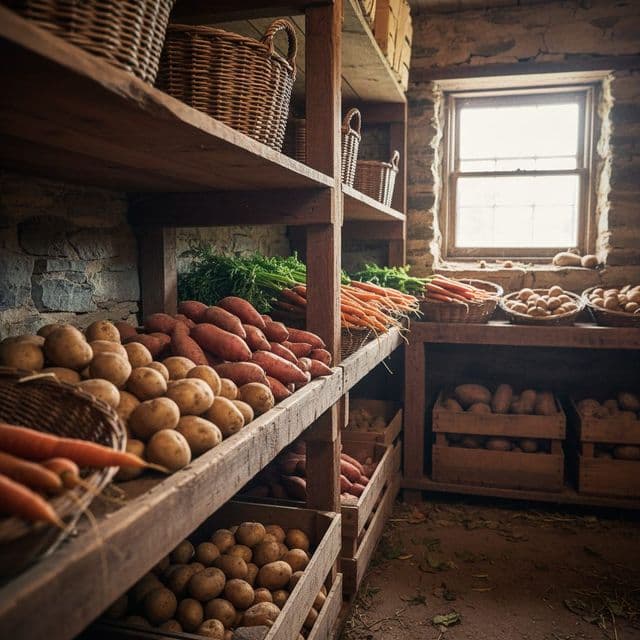
Master root crop storage techniques to extend your harvest up to 8 months. Learn ideal conditions for potatoes, sweet potatoes, and carrots, plus root cellar and sand storage methods.
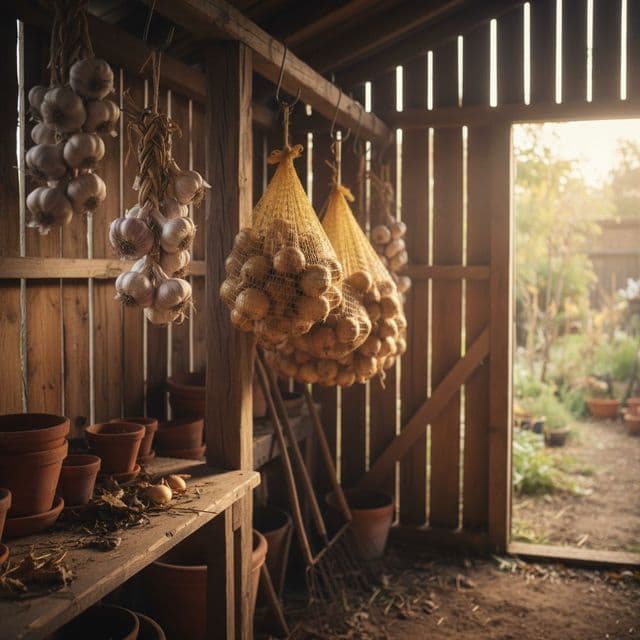
Learn how proper curing alliums, like onions and garlic, can drastically reduce spoilage and extend their shelf life for months. Master ideal conditions for long-term storage.
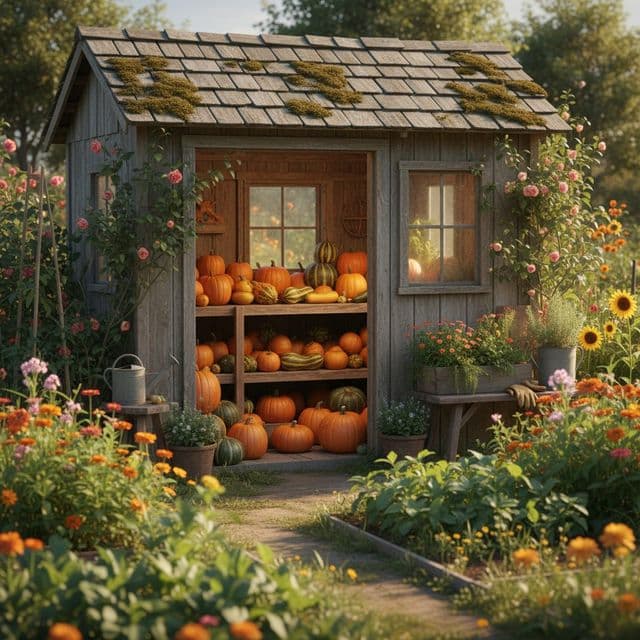
Learn how to cure winter squash for extended storage. Discover optimal temperatures (80-85°F) and humidity (80-85%) to harden skins, improve flavor, and prevent spoilage for months.
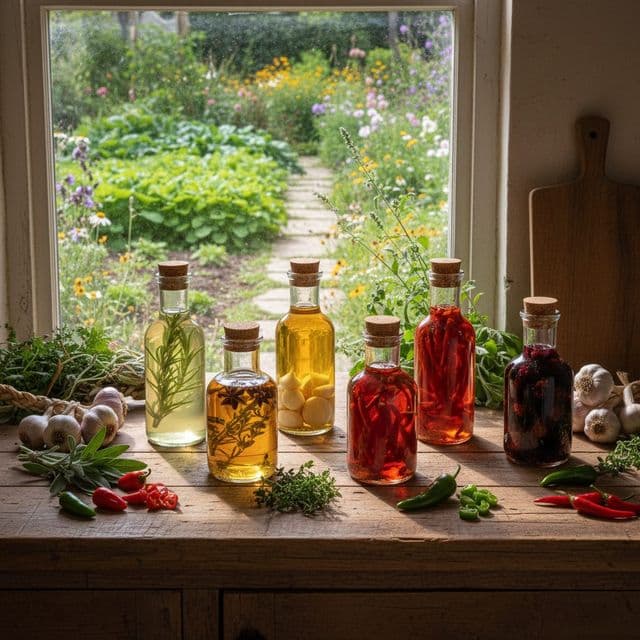
Learn how to make infused vinegars to preserve garden herbs, garlic, and chilies for up to 18 months. Extend your harvest and add flavor to dishes with this simple homesteading technique.
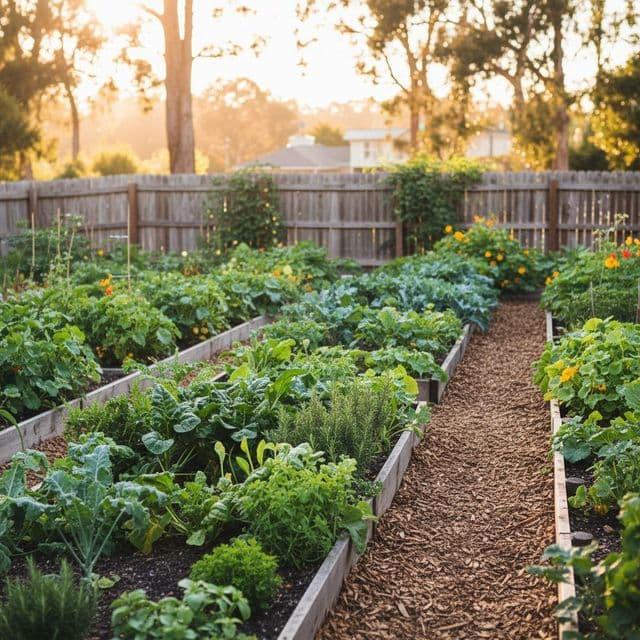
Learn to brew kombucha at home for a fraction of the store-bought price. This guide covers SCOBY care, first and second fermentation, and how to keep the brew safe.
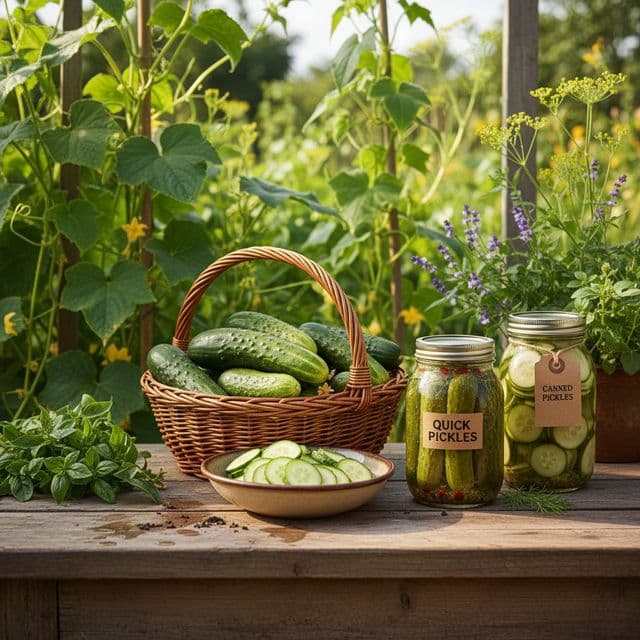
Learn safe pickling methods for your cucumber harvest. Compare quick refrigerator pickles vs. shelf-stable canning for 50 lbs in USDA Zone 5, for food safety and long-term storage.
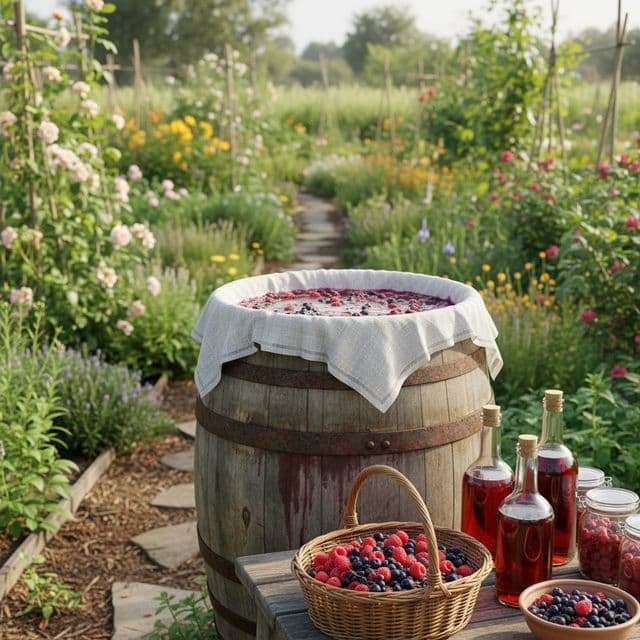
Transform excess berries into delicious homemade fruit vinegar. Learn a simple, two-stage fermentation process to preserve fruit gluts, reduce waste, and create a versatile pantry staple in USDA Zo…
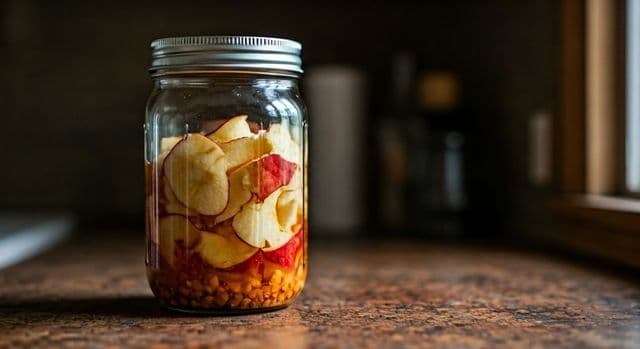
Learn to make homemade apple cider vinegar from apple scraps in the Pacific Northwest. Reduce waste, save money, and create a versatile staple for cooking, cleaning, and dressings.