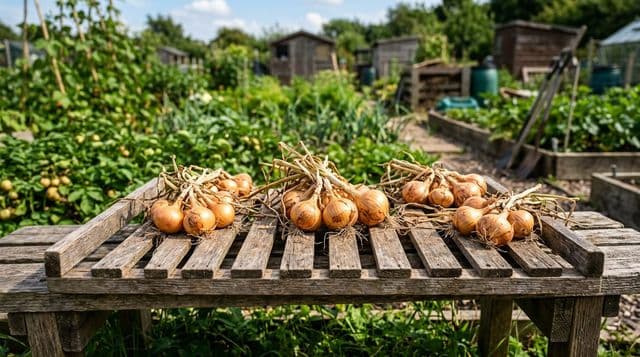
How to grow shallots in the UK: planting sets to harvest
Learn how to grow shallots in the UK from sets or seed, including autumn and spring planting, soil prep, pest prevention, curing, and long-term storage.
Topic
Keep your harvest eating-ready all year. This hub covers the core home food-preservation methods—water-bath and pressure canning, fermenting, dehydrating, root cellaring, and home dairy—with safety-first, beginner-friendly guides. Learn which technique suits each fruit or vegetable, how to avoid spoilage, and how to build a self-reliant pantry from scratch.
92 articles in this topic on agripure. — page 4 of 4
Learn how to grow shallots in the UK from sets or seed, including autumn and spring planting, soil prep, pest prevention, curing, and long-term storage.
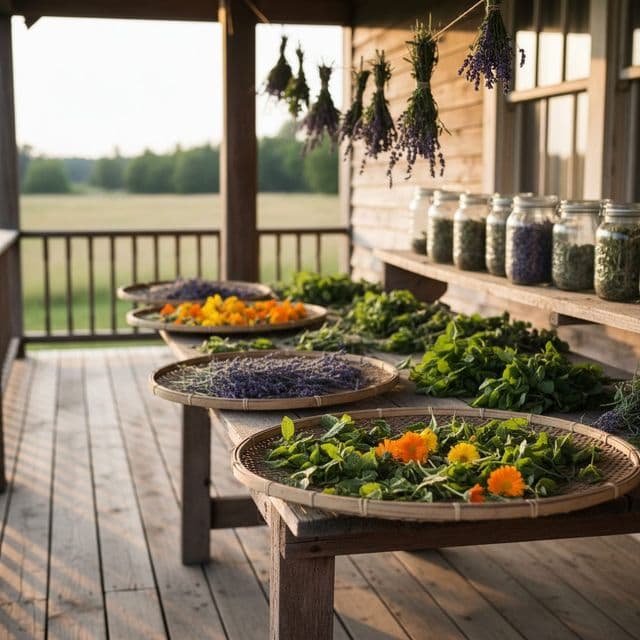
Learn essential techniques for harvesting, drying, and storing medicinal herbs to maximize potency. Our guide covers optimal timing, methods, and storage tips for effective medicinal herb preservat…
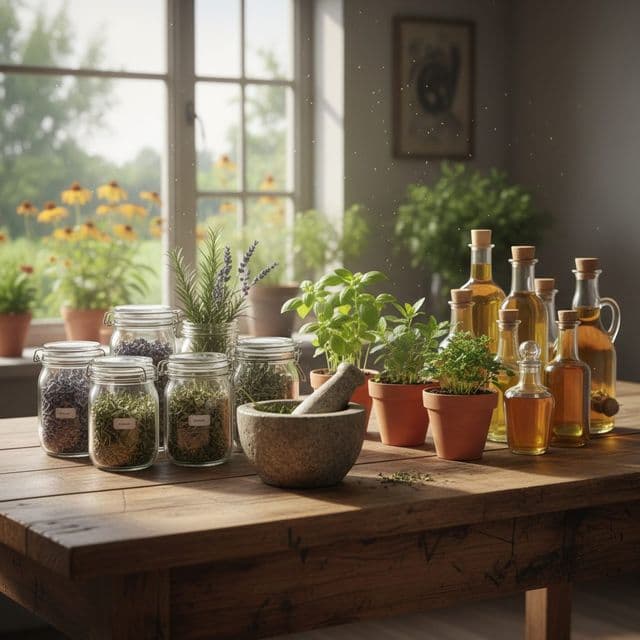
Discover how to cultivate a medicinal herb garden in USDA Zone 6 for effective home remedies. Learn to make infused honeys, oils, and syrups for wellness.
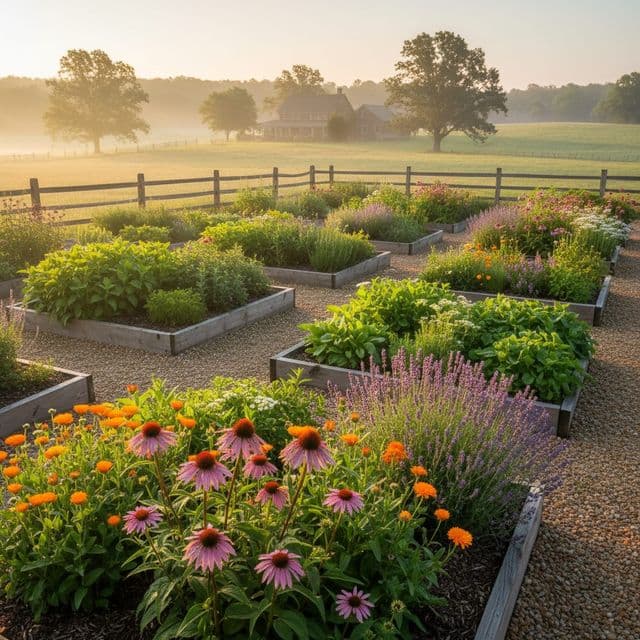
Master crafting potent herbal tinctures for your home apothecary. Learn precise extraction ratios, choose the right menstruum, and ensure long shelf life with proper storage.
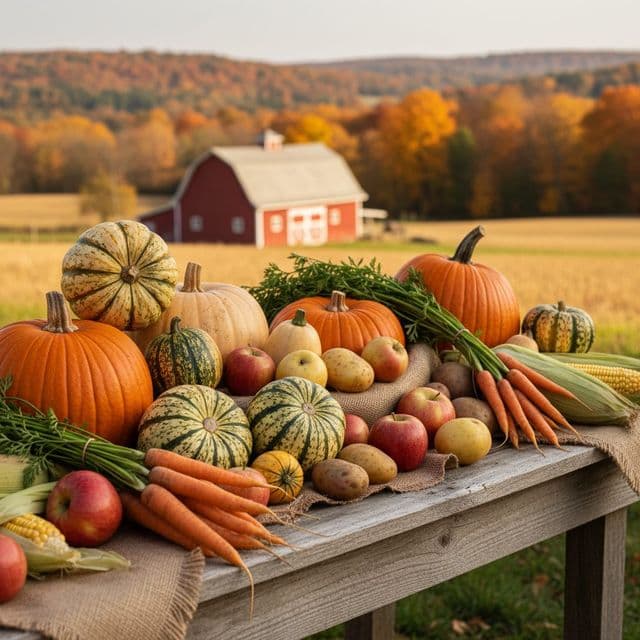
Techniques for handling garden gluts in USDA Zone 6, including fermenting, dehydrating, curing, and root cellar storage to extend the harvest and prevent waste.
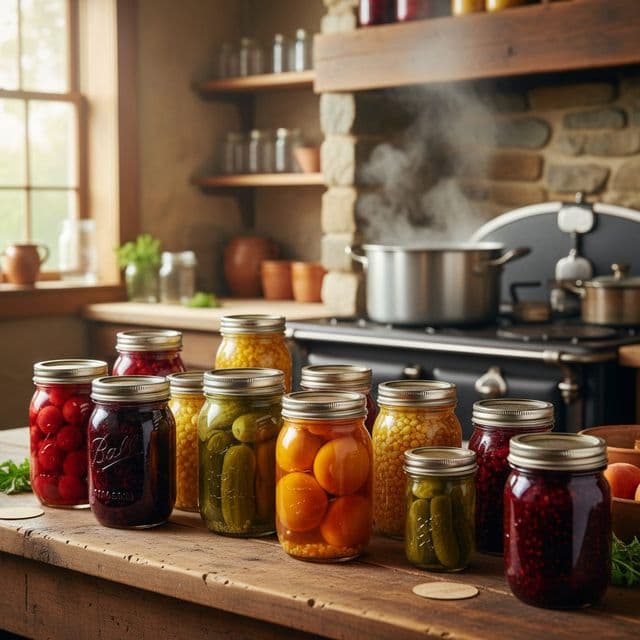
Master safe canning practices for water-bath and pressure canning. Learn essential tips to preserve fruits, vegetables, and meats, avoiding botulism and common mistakes.
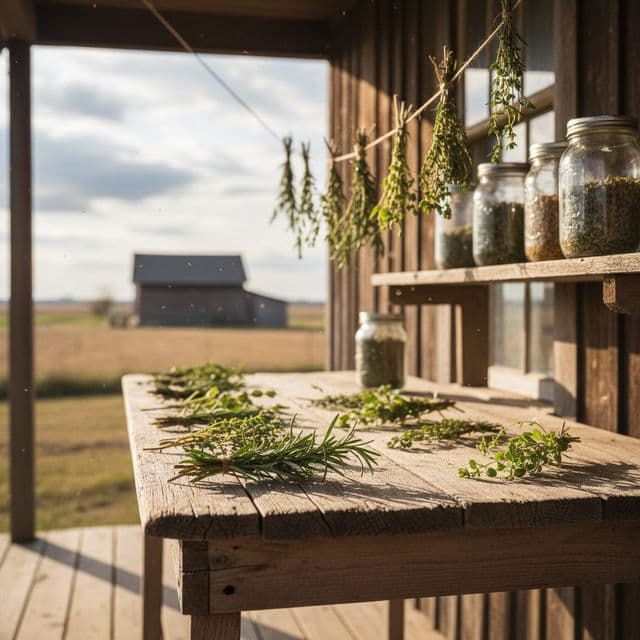
Learn how to dry garden herbs and aromatics for peak flavor & potency. Discover optimal harvesting, air drying, and dehydrator techniques to preserve your harvest and save money.
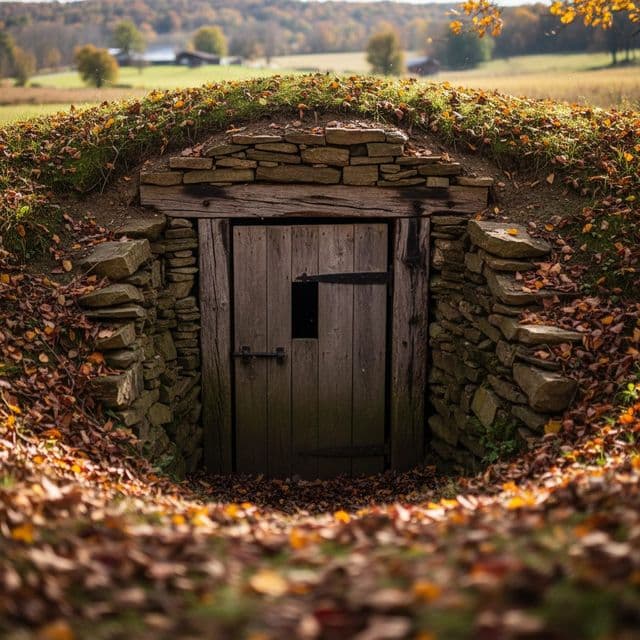
Store harvested crops for up to 10 months in USDA Zone 6 using no-power root cellaring techniques that regulate temperature, humidity, and ventilation.
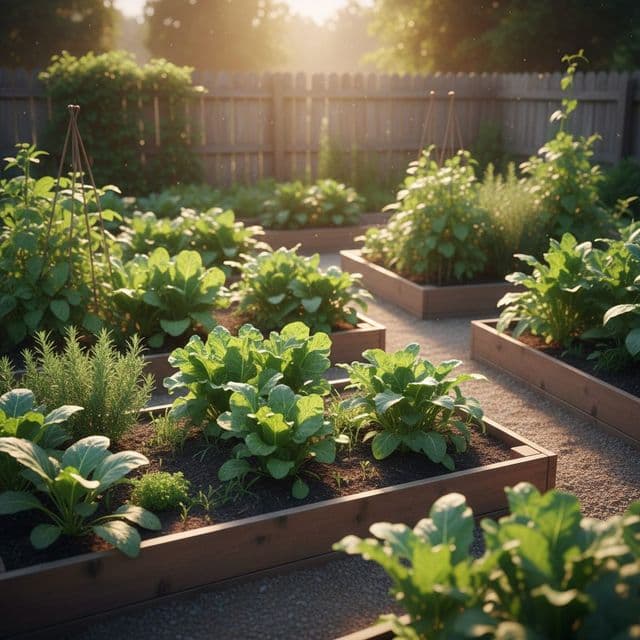
Make homemade vinegar, kombucha, and pickles to preserve food at home and save money on groceries. Methods and recipes for reliable fermentation.
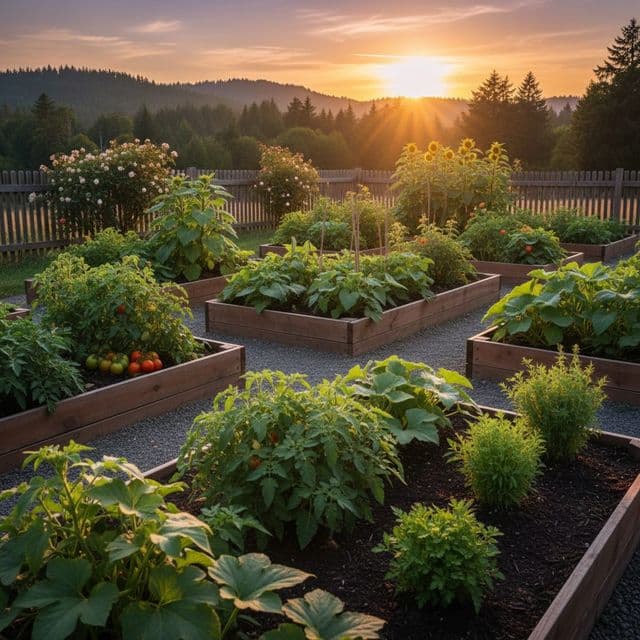
Learn to dehydrate your garden harvest for long-term storage and concentrated flavor. This guide covers temps, prep, and drying tomatoes, peppers, and herbs in USDA Zone 6.
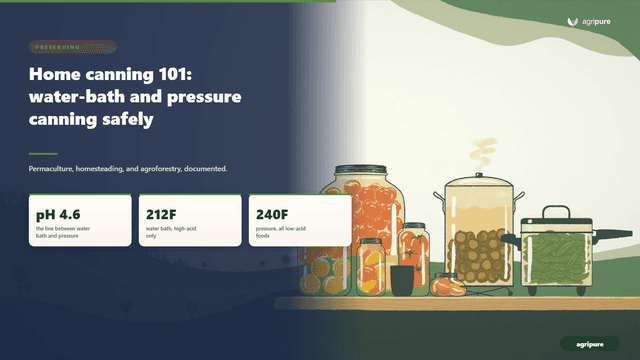
Home canning safely: when to water-bath vs pressure can, the pH 4.6 line, why low-acid foods need pressure, tested recipes, headspace, altitude, and spoilage signs.
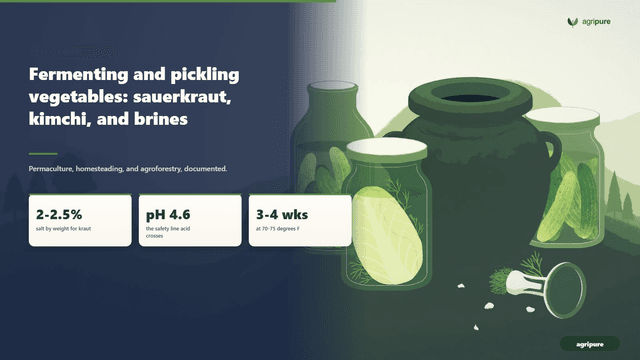
Lacto-fermenting vs vinegar pickling vegetables: why ferments are safe below pH 4.6, sauerkraut salt by weight, kimchi and brined pickles, gear, and troubleshooting.
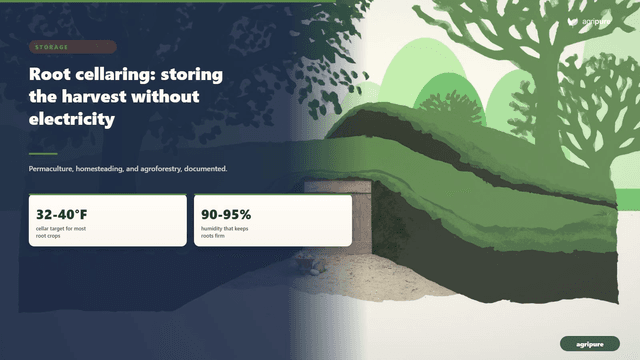
How to build and use a root cellar: the four conditions to manage (32-40F, humidity, dark, airflow), which crops store at what temperature, curing, and the ethylene rule.
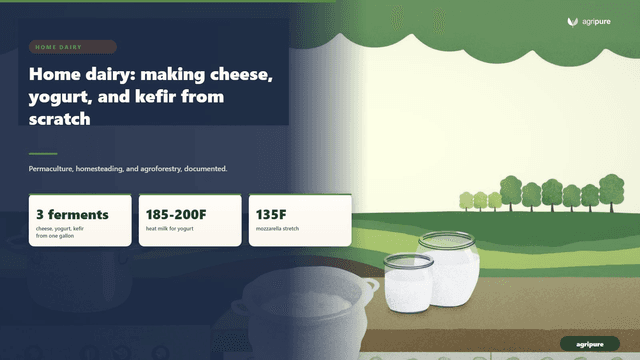
Make cheese, yogurt, and kefir at home: the one idea behind every cheese, beginner fresh cheeses, yogurt and kefir step by step, the kit you need, and food safety.
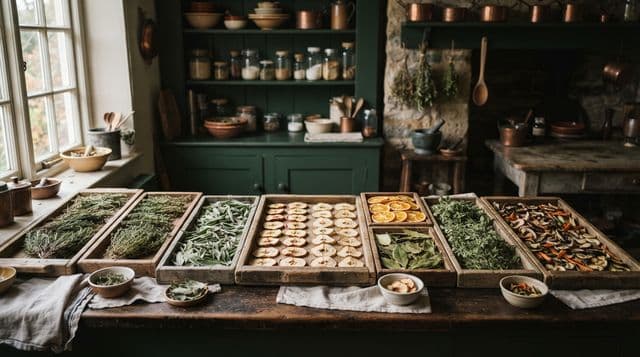
How to dehydrate food at home: how drying works, dehydrator temperatures by food (herbs 95-115F, produce 135-145F), pretreatment, the USDA 160F/165F jerky rule, and storage.
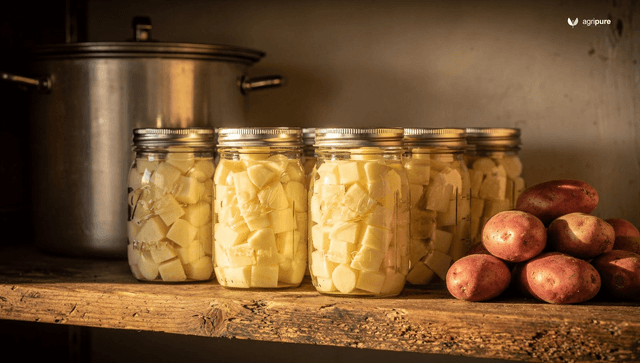
Pressure canning potatoes safely: NCHFP-tested times, variety selection, step-by-step hot pack, altitude table, troubleshooting, and uses from the jar.
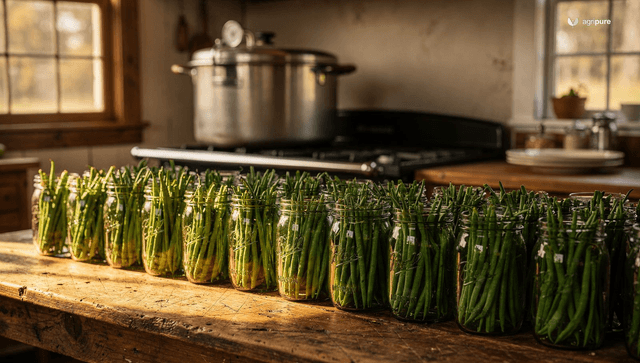
Green beans are low-acid and must be pressure canned — never water-bath. USDA-tested times, altitude pressure table, raw vs hot pack, and troubleshooting.
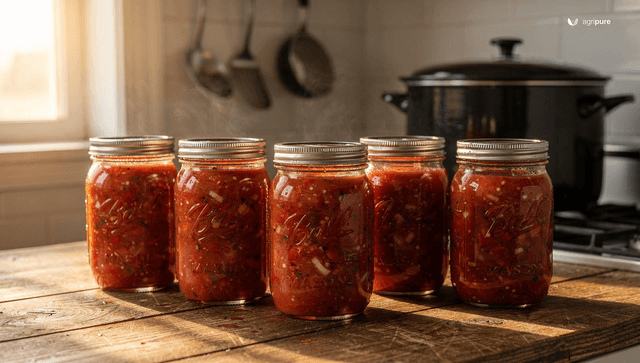
Use the NCHFP-tested Choice Salsa recipe for safe water bath canning: correct acid ratios, step-by-step process, altitude table, and what you cannot change.
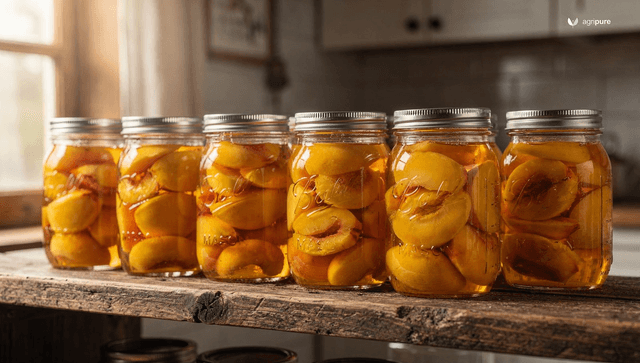
How to can yellow peaches safely: hot vs raw pack, syrup options, NCHFP processing times by altitude, preventing browning, and troubleshooting tips.
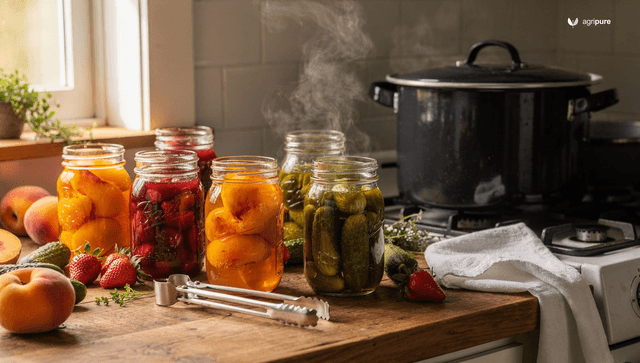
Learn water bath canning step by step: what high-acid foods are safe, jar prep, headspace, processing times, altitude adjustments, and USDA-backed safety rules.