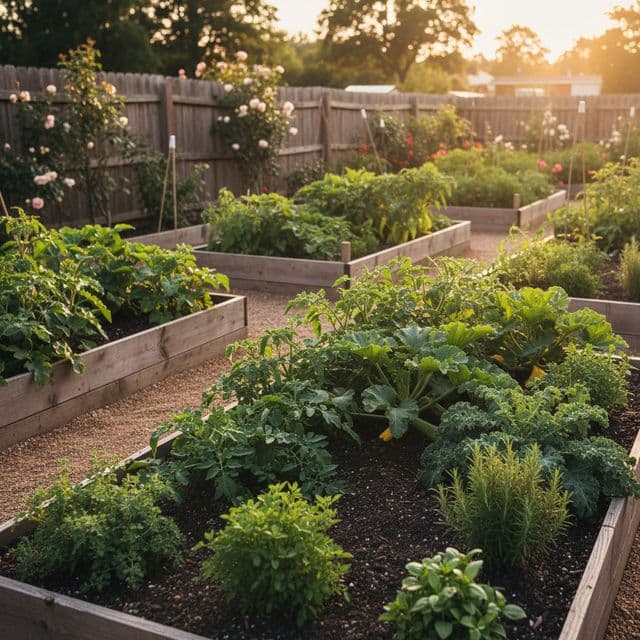
Ferment safety: pH, scum, spoilage in Zone 6 homestead
How to tell a safe ferment from a spoiled one. Read pH levels, distinguish harmless kahm yeast from dangerous mold, and identify spoilage signs on your Zone 6 homestead.
Topic
Keep your harvest eating-ready all year. This hub covers the core home food-preservation methods—water-bath and pressure canning, fermenting, dehydrating, root cellaring, and home dairy—with safety-first, beginner-friendly guides. Learn which technique suits each fruit or vegetable, how to avoid spoilage, and how to build a self-reliant pantry from scratch.
92 articles in this topic on agripure. — page 3 of 4
How to tell a safe ferment from a spoiled one. Read pH levels, distinguish harmless kahm yeast from dangerous mold, and identify spoilage signs on your Zone 6 homestead.
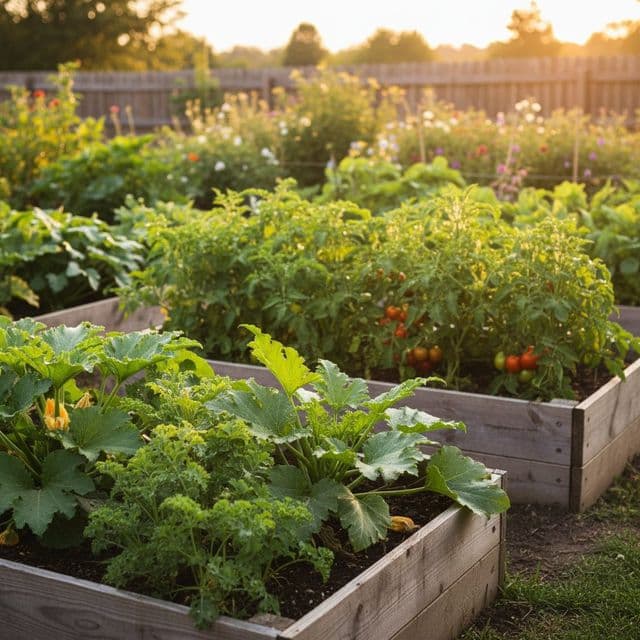
How to ferment carrots, beets, green beans, and radishes with a crisp texture, including salt ratios, temperatures, and storage for USDA Zone 6.
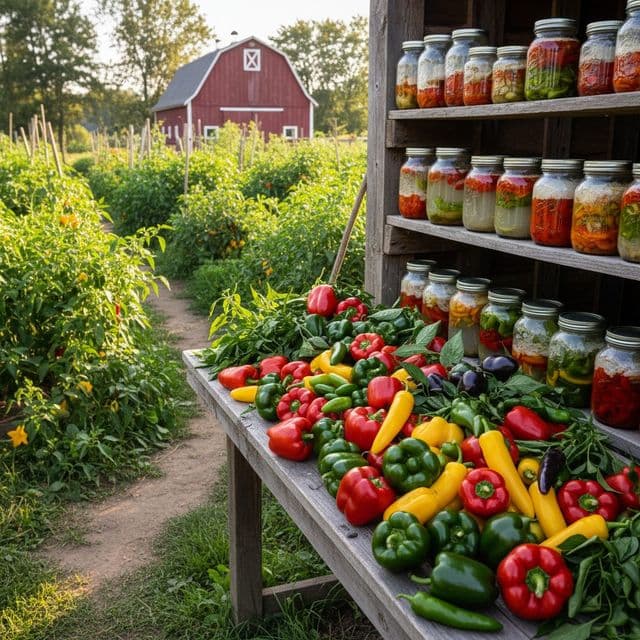
How to make shelf-stable fermented hot sauce from excess garden peppers in USDA Zone 7, covering salt ratios, pH thresholds, and bottling methods.
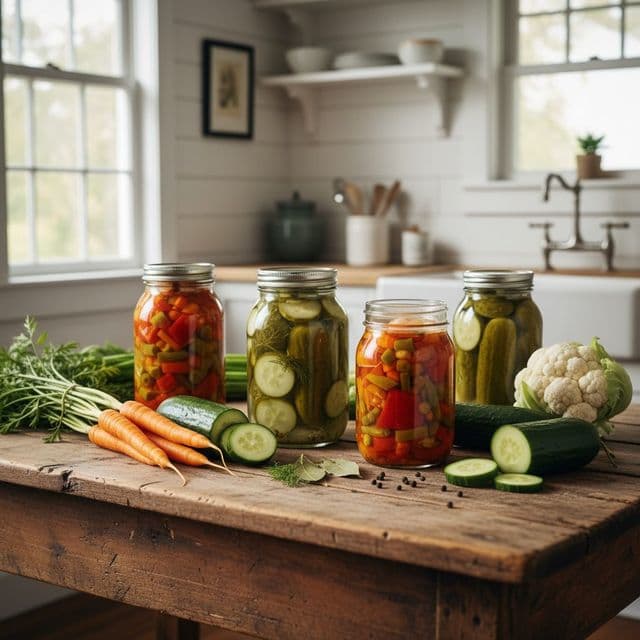
Learn to make delicious fermented dill pickles and giardiniera. This guide covers salt brine, temperature, and storage to preserve your harvest for 6-12 months.
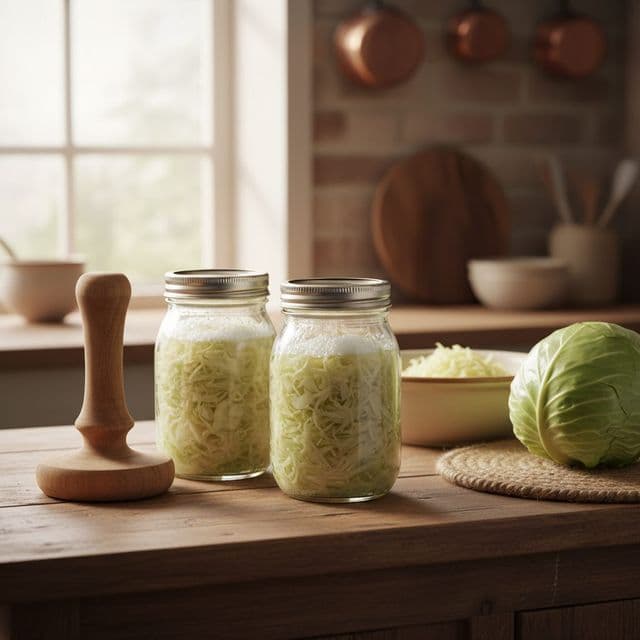
Learn to ferment cabbage in Mason jars for up to 12 months. This guide covers safe methods, health benefits, and step-by-step instructions for preserving your harvest without electricity.
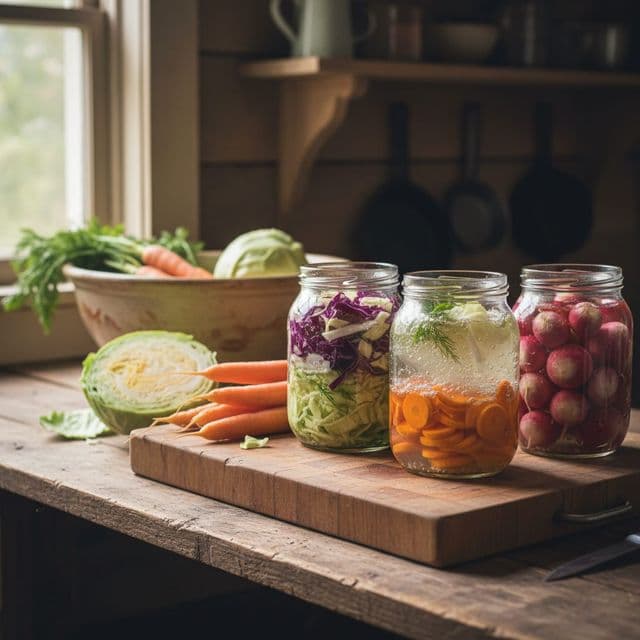
Master lacto-fermentation with a 2-3% brine for safe, delicious preserves. Learn precise salt ratios, ideal temperatures, and essential tips for successful food preservation.
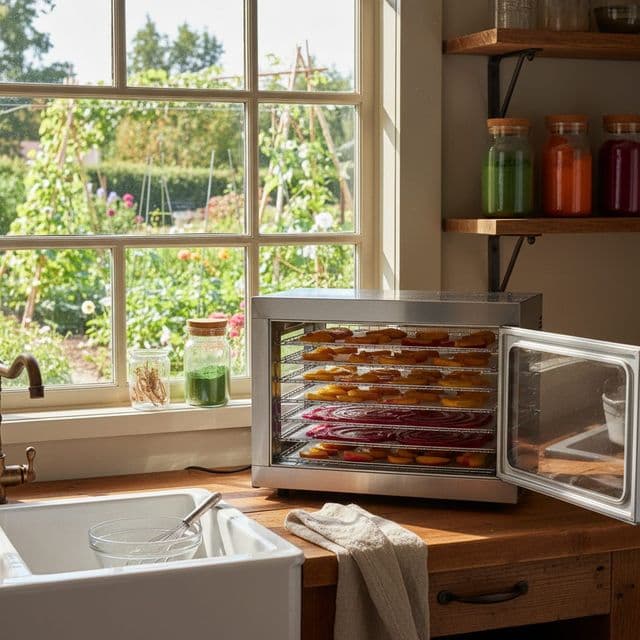
Transform excess summer produce into shelf-stable fruit leather and nutrient-dense vegetable powders. Learn drying techniques, temperatures, and storage tips to preserve your harvest and reduce foo…
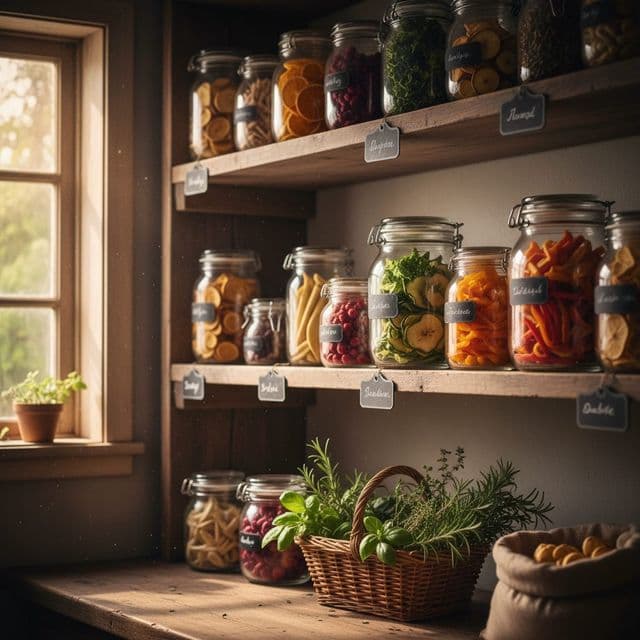
Condition dried food to prevent moisture reabsorption and mold. Learn techniques for USDA zone 6 homes to extend shelf life and preserve your harvest for years.
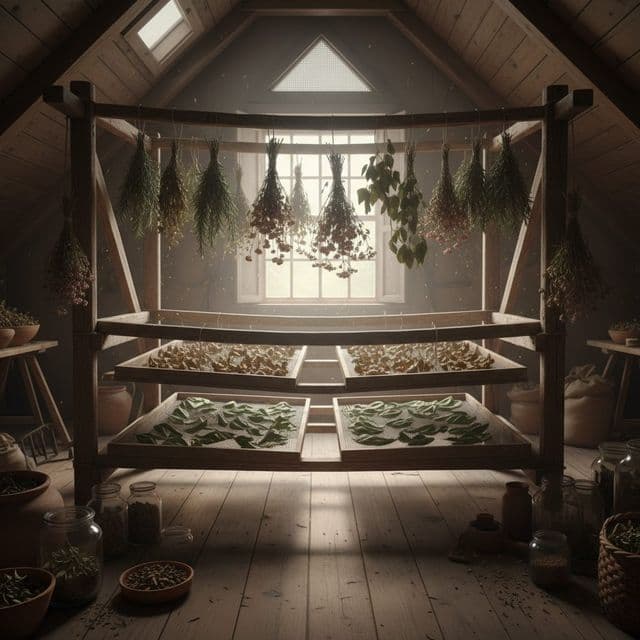
Preserve the aroma and color of fresh herbs with air drying, dehydrator methods, and proper storage for USDA Zone 6.
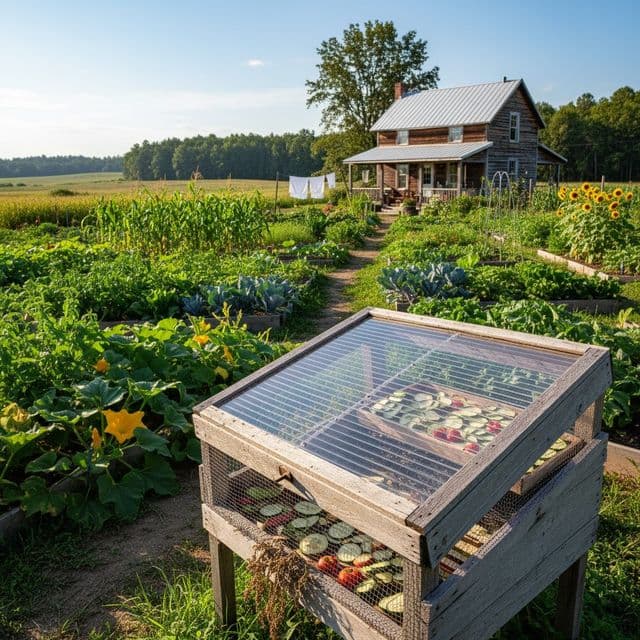
Learn to build a cost-effective solar food dehydrator from scrap lumber. Preserve your harvest, reduce food waste, and save energy with this DIY project for USDA Zone 6.
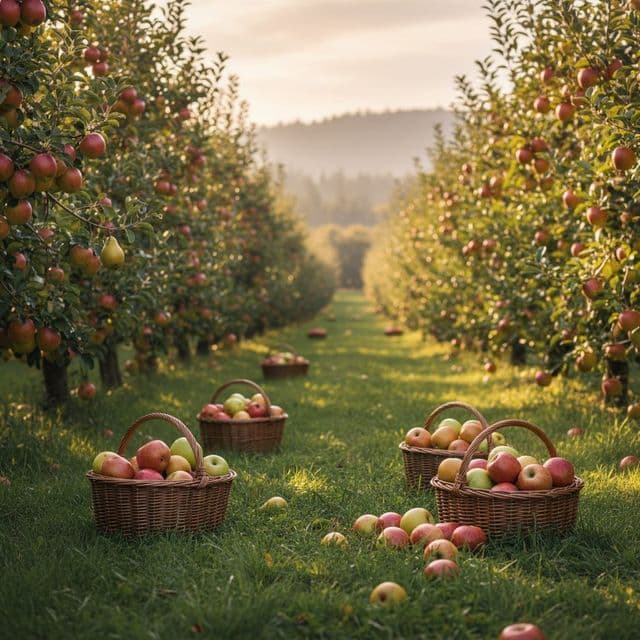
Learn how to dehydrate apples, pears, and stone fruit for year-round storage in USDA Zone 6. Preserve your harvest, reduce waste, and enjoy nutrient-dense snacks. Get tips on fruit selection, prepa…
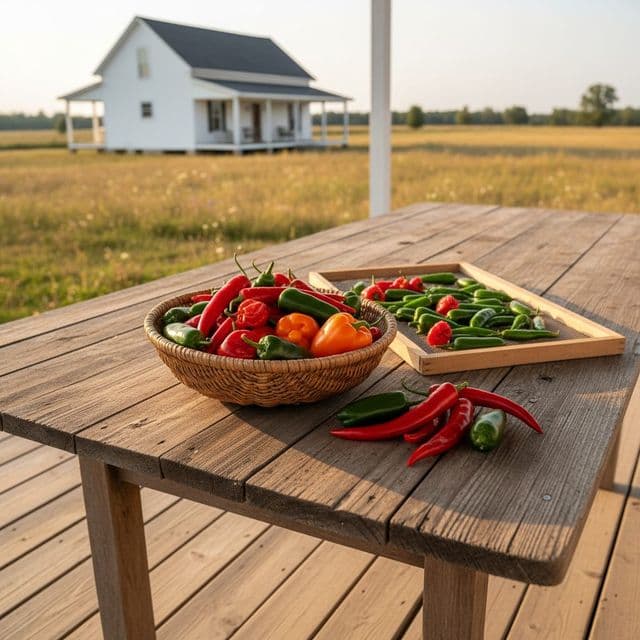
Learn how to extend your chili pepper harvest for up to two years with reliable drying and powdering techniques. Preserve flavor, heat, and reduce waste with our guide.
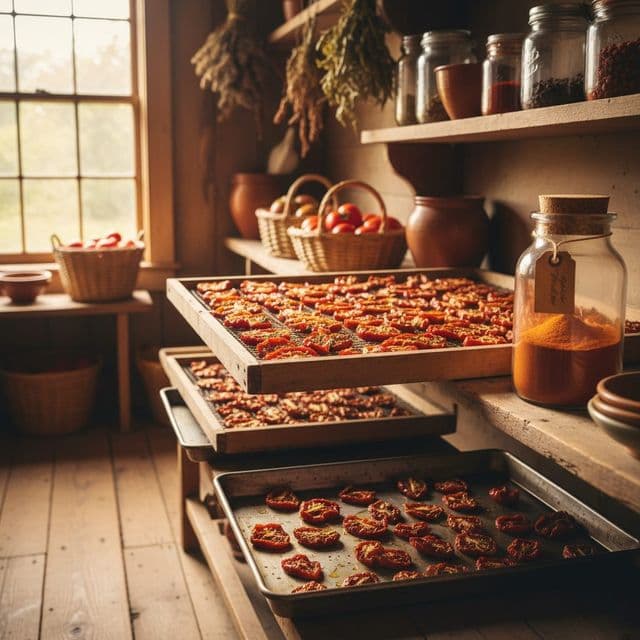
How to dehydrate tomatoes to extend shelf life up to 12 months, concentrate flavor, and reduce storage volume, with practical techniques for oven and sun drying.
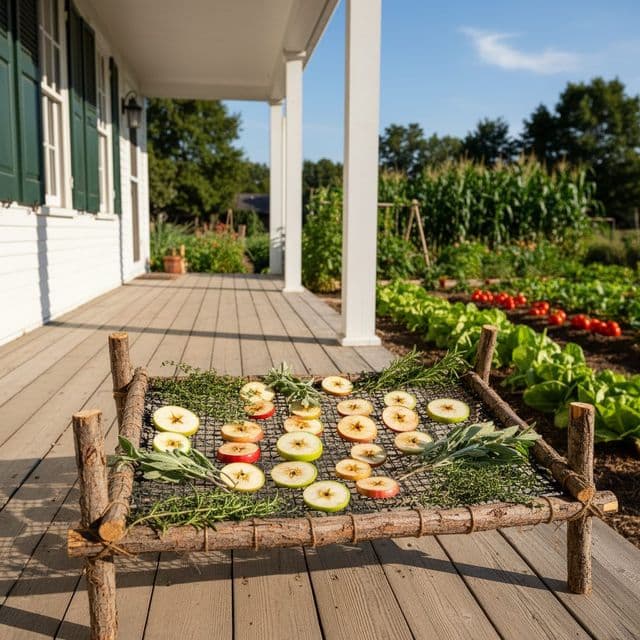
Explore effective food drying methods: sun, electric dehydrator, and oven. Learn how to preserve your harvest, extend shelf life, and reduce food waste for year-round self-sufficiency.
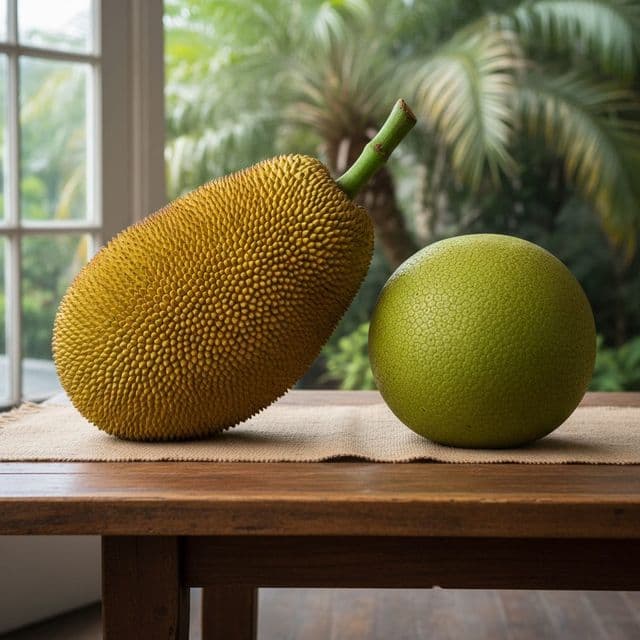
Compare jackfruit and breadfruit across botany, fruit size, culinary uses, taste, and tropical tree growing requirements.
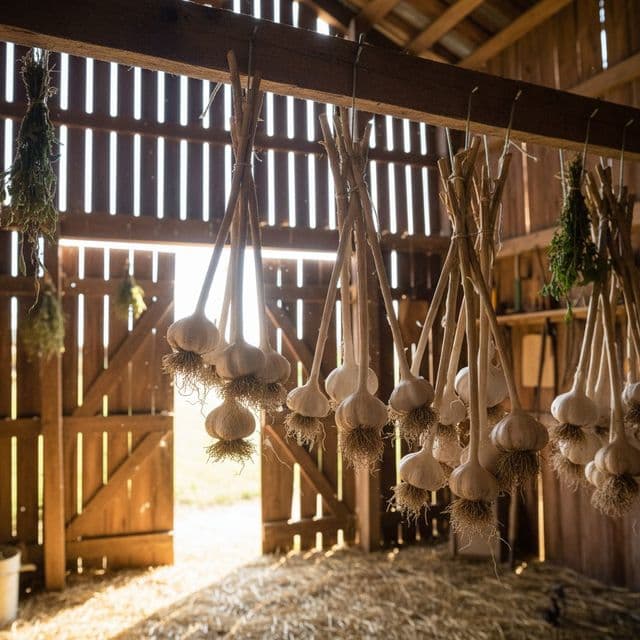
Learn how to store garlic long term through proper post-harvest curing, softneck vs hardneck braiding, climate control, and saving seed cloves for planting.
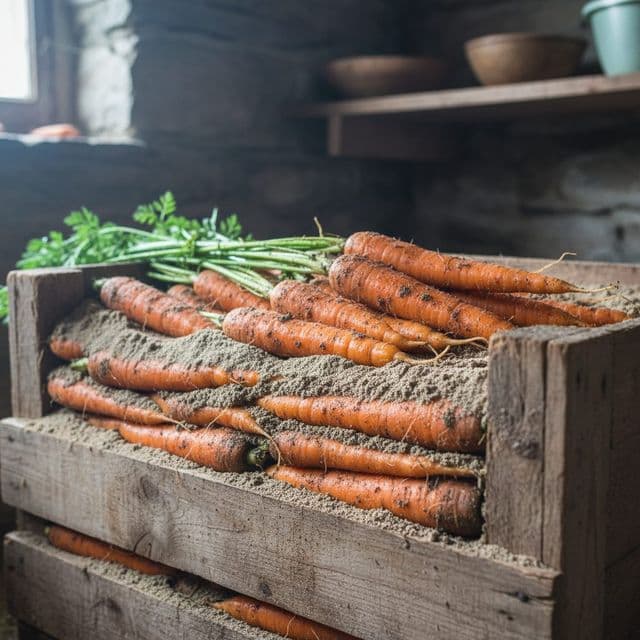
Learn how to store carrots for winter through root cellaring, damp sand packing, in-ground overwintering, and cold storage to keep roots crisp for months.
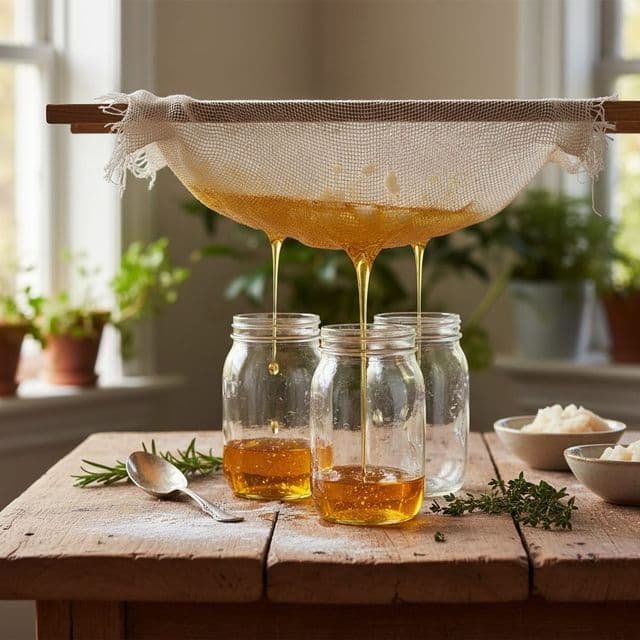
Learn how to render pure, snow-white beef tallow at home using wet and dry rendering methods for high-heat cooking, natural skin care, and soap making.
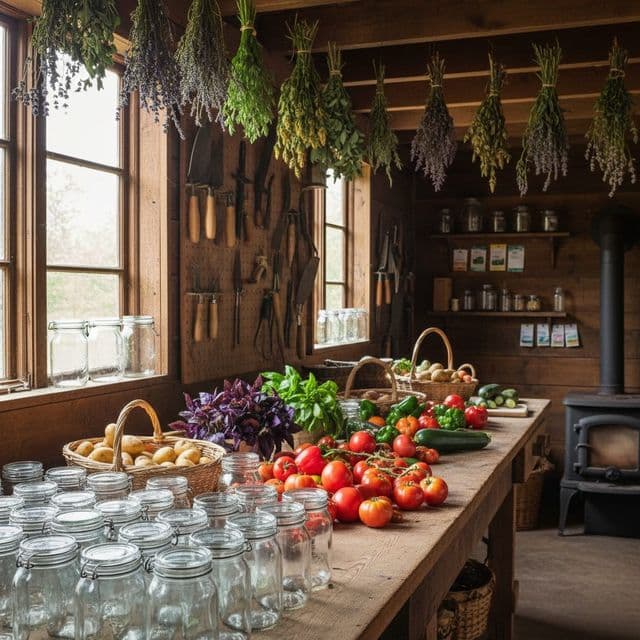
Essential homesteading skills for self-sufficiency: food preservation, soil building, poultry care, carpentry, water systems, and animal husbandry.
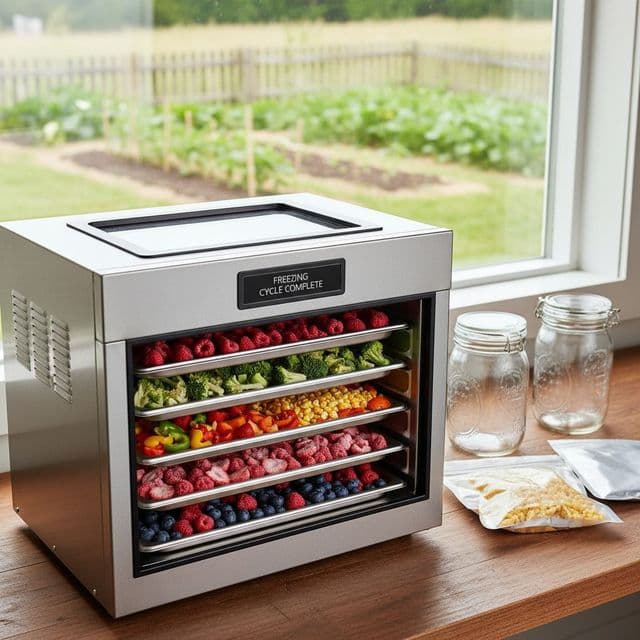
Learn how home freeze dryers work, prepare garden harvests and cooked meals, optimize cycle times, and pack food with oxygen absorbers for 25-year storage.
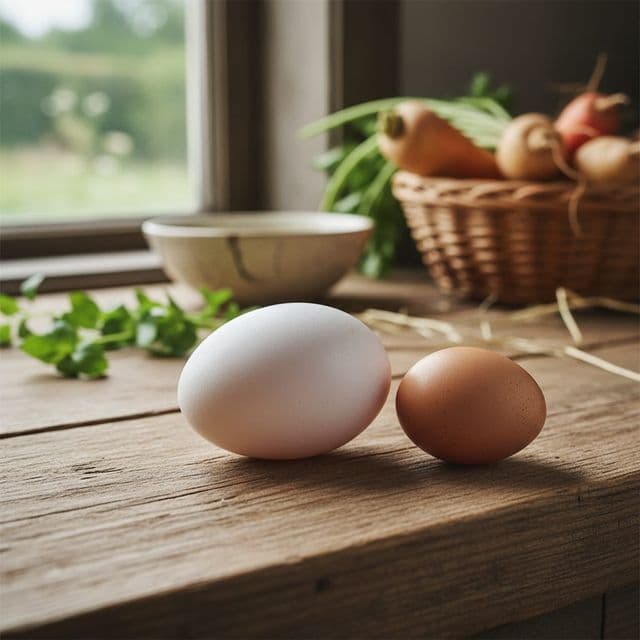
Compare duck eggs vs chicken eggs across nutritional density, rich yolk flavor, baking chemistry, shelf life, and distinct egg allergy profiles.
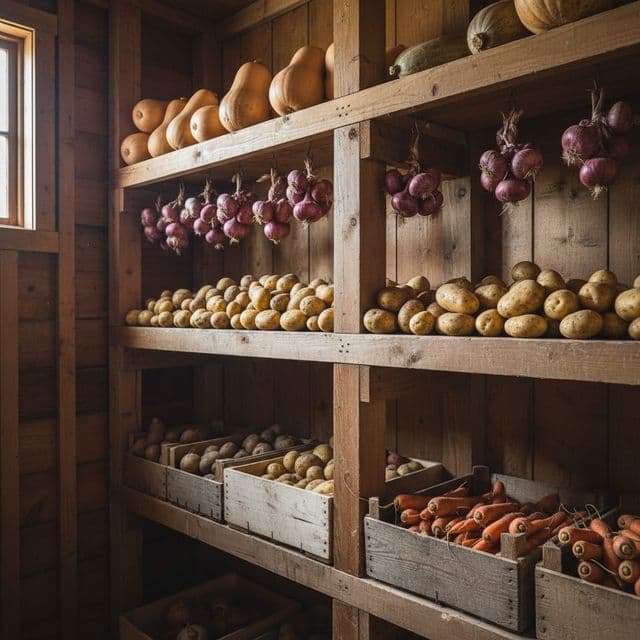
Discover the best vegetables for winter storage in Canada, featuring long-keeping cultivars, ideal curing methods, and optimal root cellar conditions.
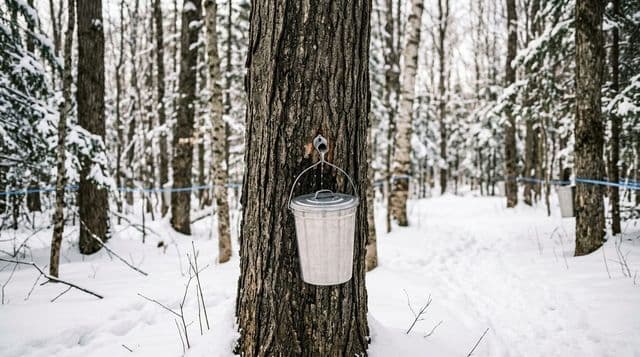
Learn how to tap a maple tree and make homemade syrup with tree sizing rules, freeze-thaw weather timing, tapping steps, and outdoor evaporation ratios.
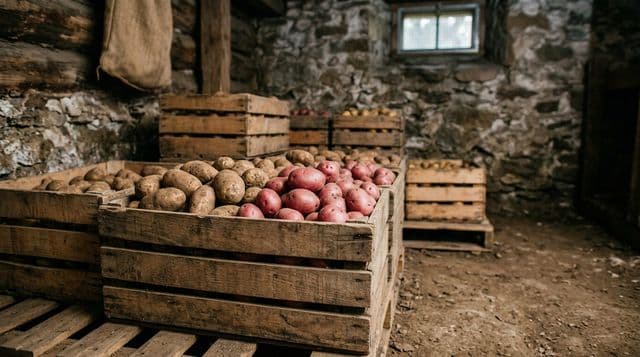
Learn how to store potatoes for winter with essential curing steps, optimal temperature and humidity rules, and tips to prevent sprouting and greening.