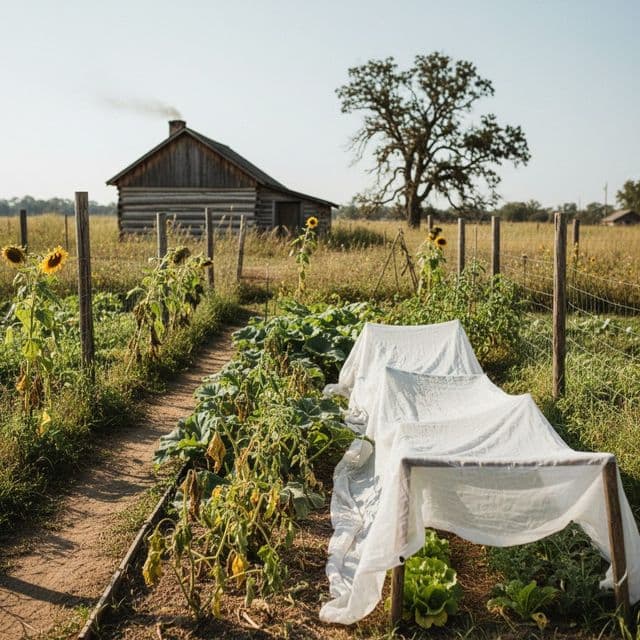
Garden prep for heatwaves: USDA Zones 8-11 survival guide
Prepare gardens in USDA zones 8-11 for heatwaves with a 48-hour plan. Protect plants from extreme heat with deep watering, temporary shade, and mulch.
Topic
Grow more of your own food with practical, beginner-friendly gardening guides. From starting seeds and planning beds to companion planting, square-foot layouts, herbs, mushrooms, greenhouses, and soilless systems, these articles walk you through every step—what to plant, when to plant it, and how to keep crops healthy from sowing to harvest.
763 articles in this topic on agripure. — page 25 of 32
Prepare gardens in USDA zones 8-11 for heatwaves with a 48-hour plan. Protect plants from extreme heat with deep watering, temporary shade, and mulch.
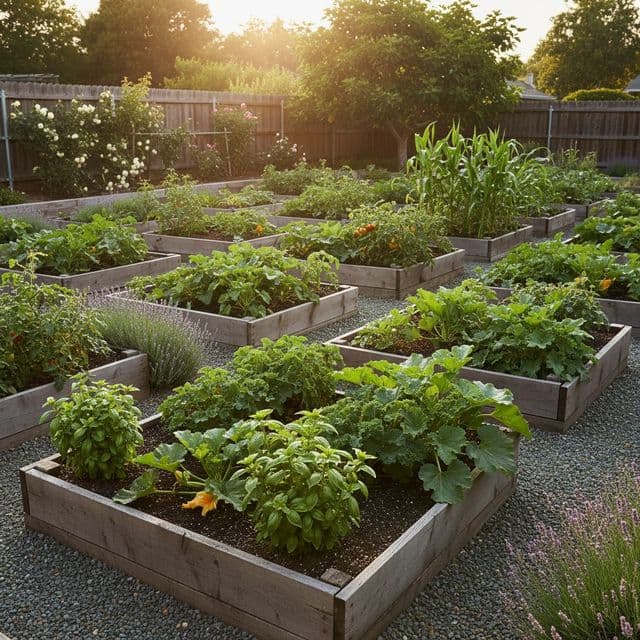
Learn how to use mulch for soil cooling in extreme heat. Discover optimal depths & materials like straw, wood chips, and leaves to protect your garden from 100°F+ temperatures.
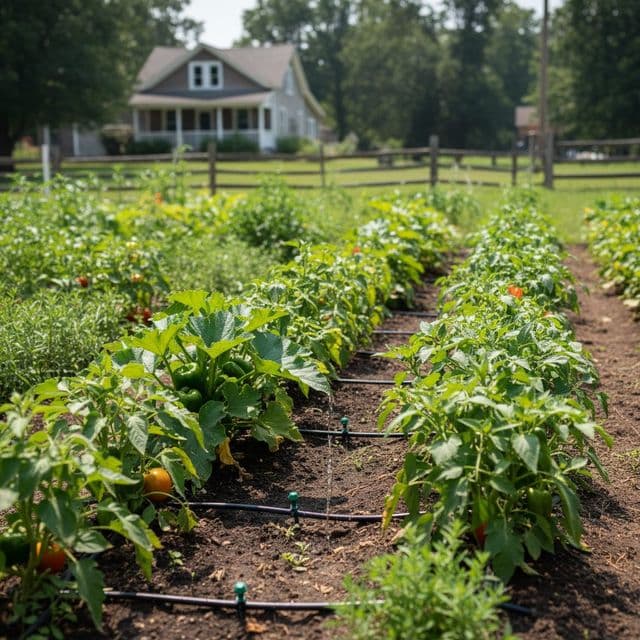
Master heatwave watering for resilient gardens. Learn deep watering to 6-12 inches, optimal morning times, soil health tips, and drip irrigation for USDA Zone 7.
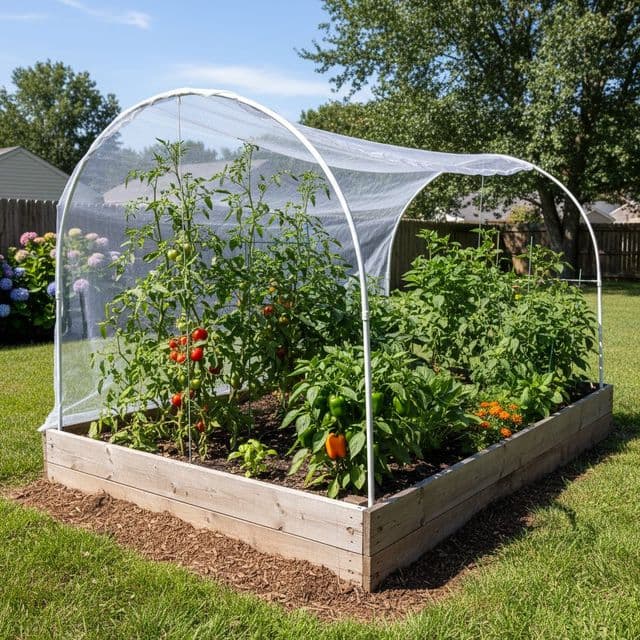
How to build DIY shade structures for raised beds in USDA Zone 7, reducing soil temperatures by 10-15°F, saving water, and preventing crop heat stress.
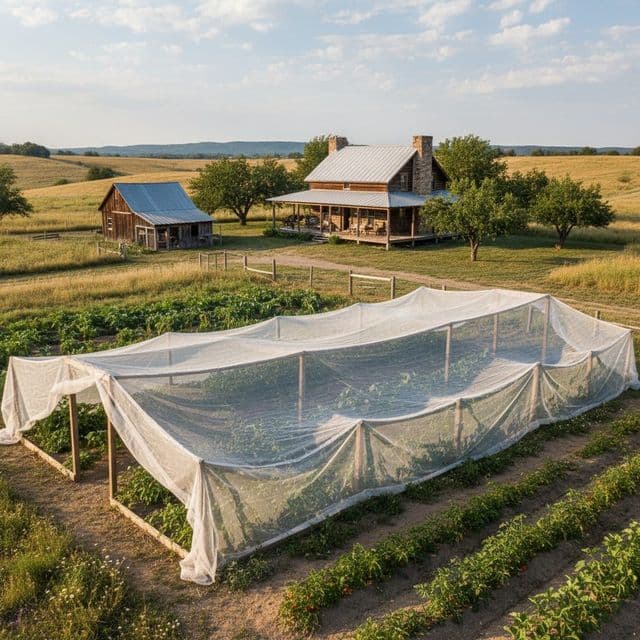
Learn how to protect heat-sensitive crops in USDA Zone 7 with 30-50% shade cloth. Reduce heat stress, conserve water, and boost yields for climate-resilient gardening.
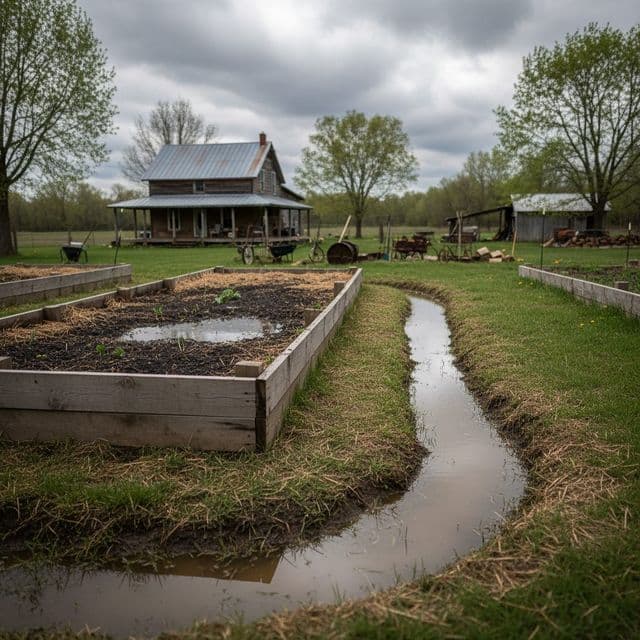
Improve drainage and soil health in waterlogged raised beds and heavy clay in USDA Zone 6. Add organic matter, set up passive earthworks, and use ollas or wicking beds to prevent root rot without a…
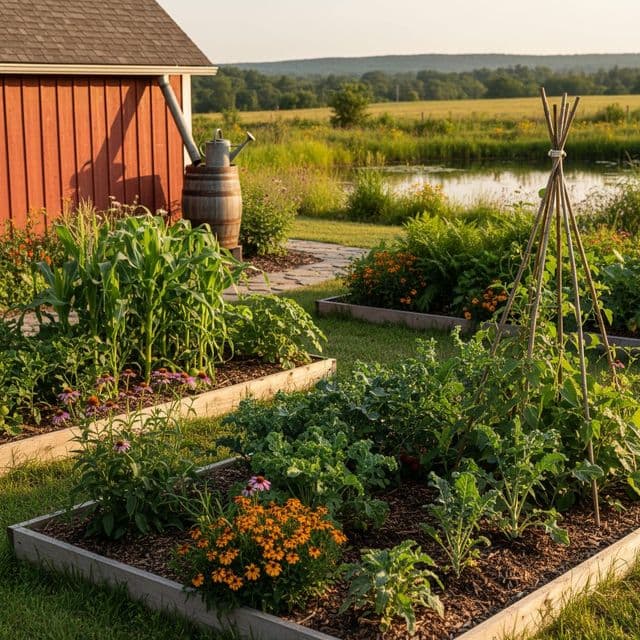
Learn how a simple soil percolation test helps measure drainage, prevent root rot, and optimize water use for garden vegetables.
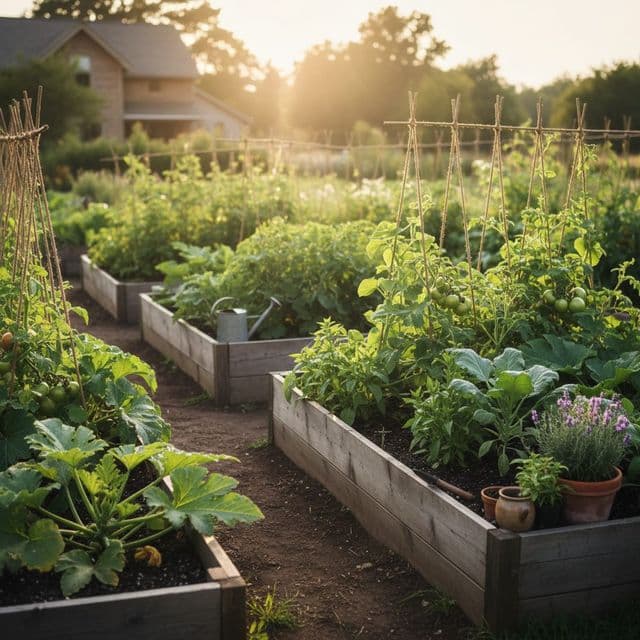
Discover how to grow wet-tolerant crops like elderberry, blueberry, and mint in USDA Zone 6. Learn passive irrigation techniques such as ollas, wicking beds, and swales to thrive in moist conditions.
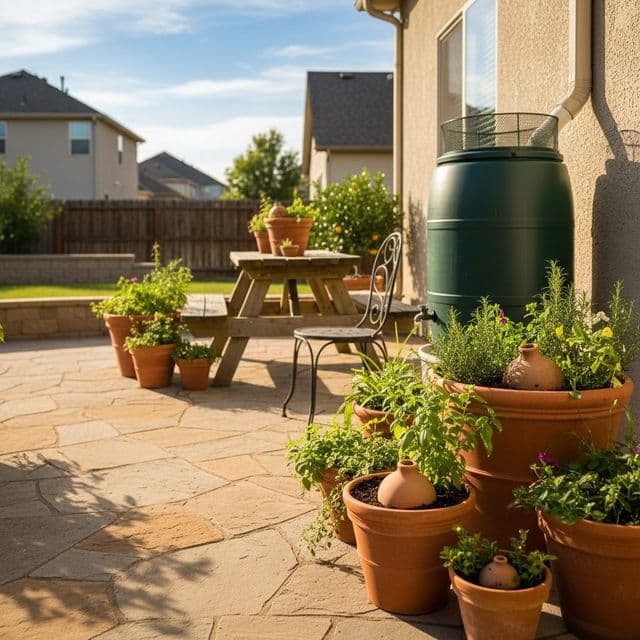
Discover how much water container tomatoes need in Arizona’s 100°F heat. Learn about ollas, wicking beds, and rainwater harvesting to cut water use by 30-70% with smart irrigation methods.
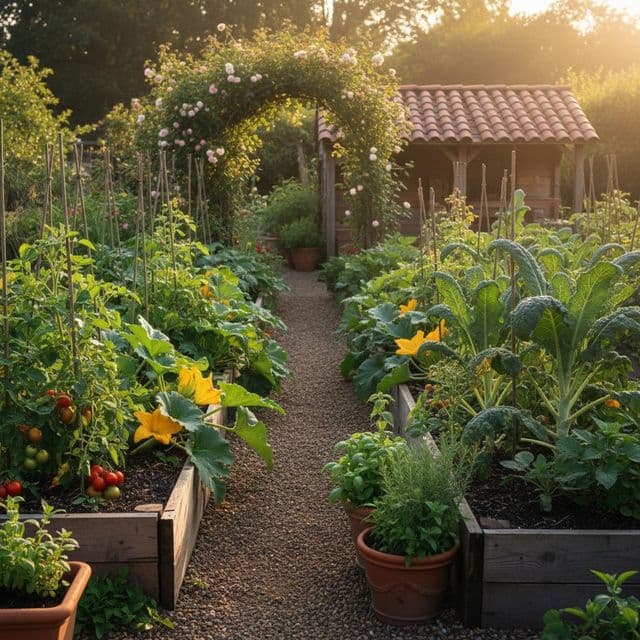
Learn effective strategies to slow water loss in your USDA zone 7 garden. Discover how grouping pots, mulching, and strategic shade can keep plants healthy, even when you’re away.
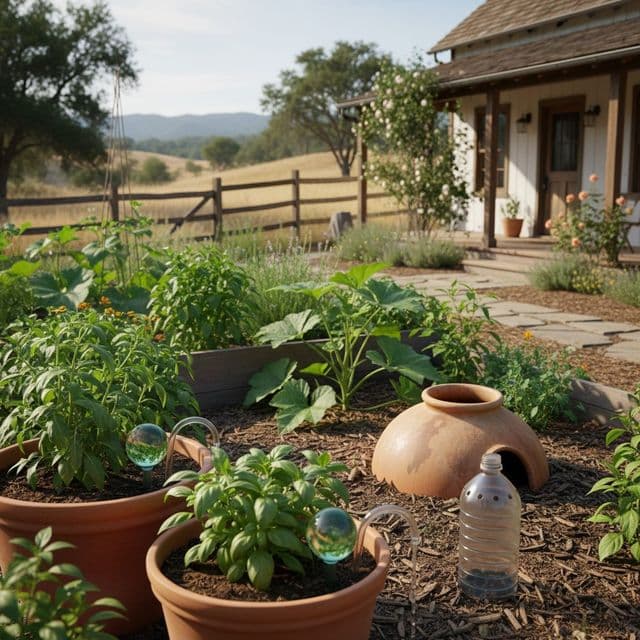
Explore passive irrigation methods like ollas, wicking beds, and DIY drip systems to save water in your garden. Reduce water use by up to 50% and build water resilience for US growers.
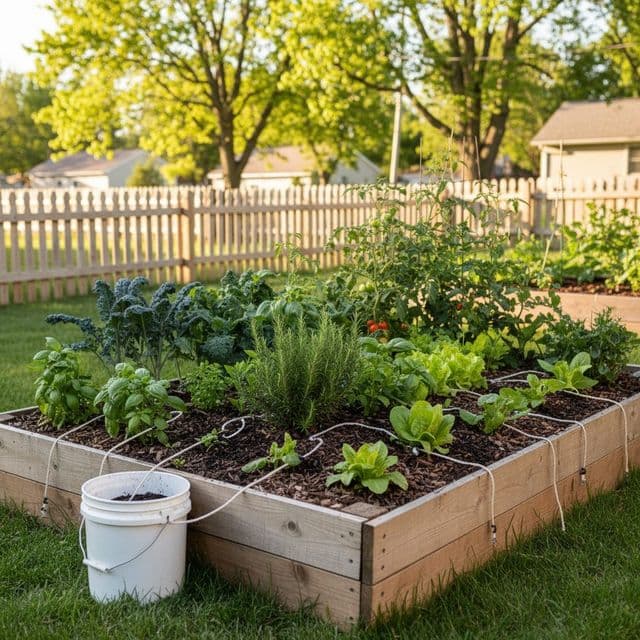
Learn how passive irrigation systems like wicking beds, ollas, and wicking ropes keep your garden hydrated for up to 7 days. Conserve water and reduce evaporation by 50-70%.
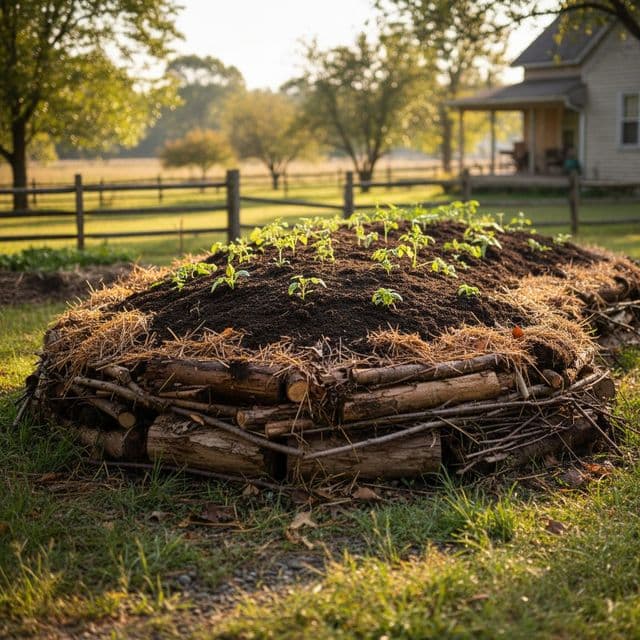
Combat first-year hugel bed nitrogen tie-up for thriving crops. Learn strategies like wood pre-treatment, high-nitrogen amendments, and cover crops to ensure robust plant growth.
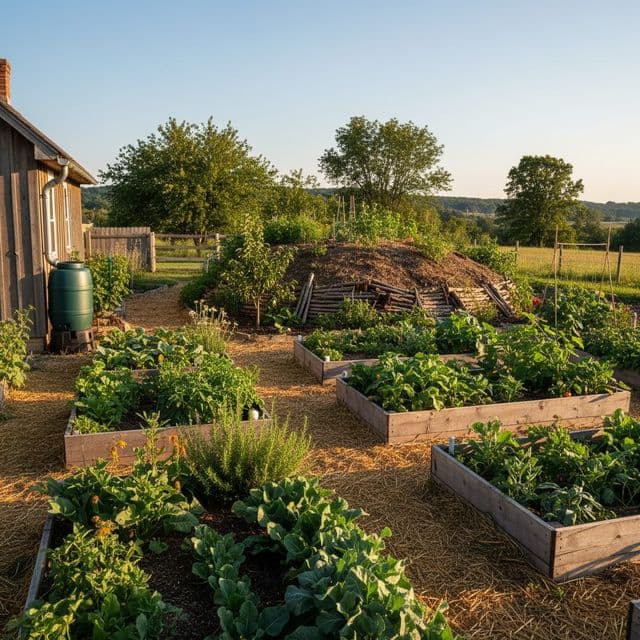
Compare Hugelkultur, raised beds, and in-ground gardens for yields, longevity, and water use in USDA Zone 6. Optimize gardening water use with passive irrigation.
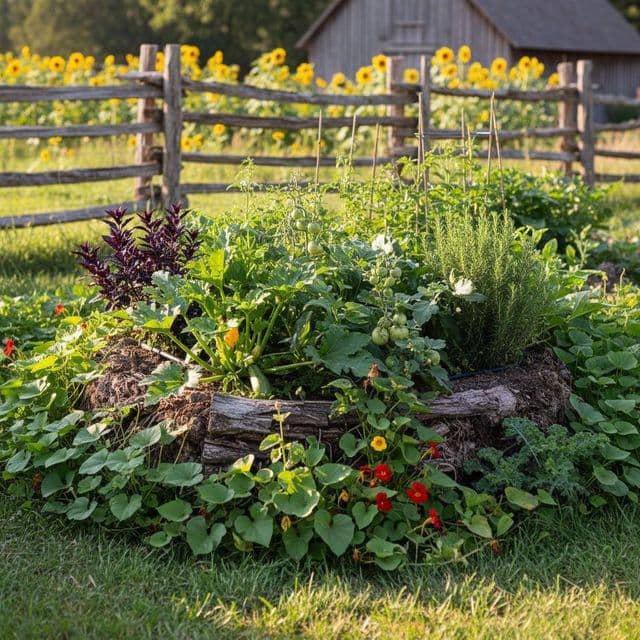
Discover how hugelkultur mounds reduce garden irrigation by up to 50%, build soil fertility for decades, and extend growing seasons. Learn to build water-efficient, self-sustaining garden beds.
Understanding pond water chemistry helps maintain suitable irrigation water. Learn ideal pH, ammonia, and nitrite levels to prevent plant stress, optimize nutrient uptake, and improve crop yields.
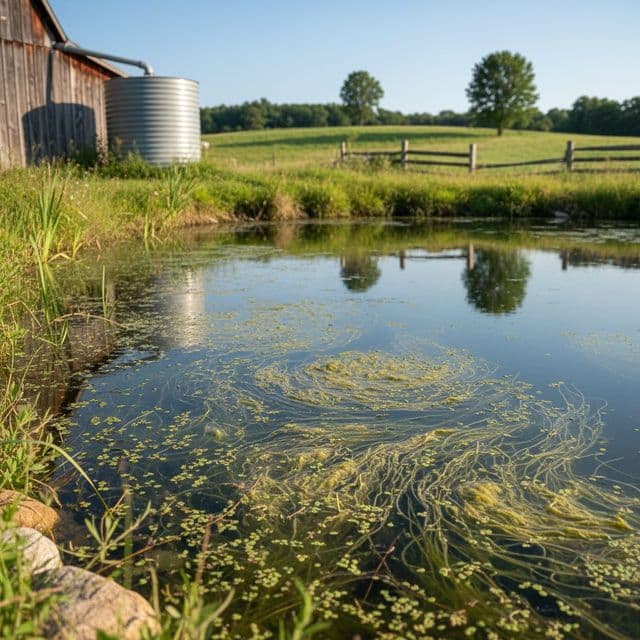
Learn to identify and manage string algae, single-celled algae, and duckweed in your homestead water systems. Reduce water loss and maintain clean, productive water for your plants.
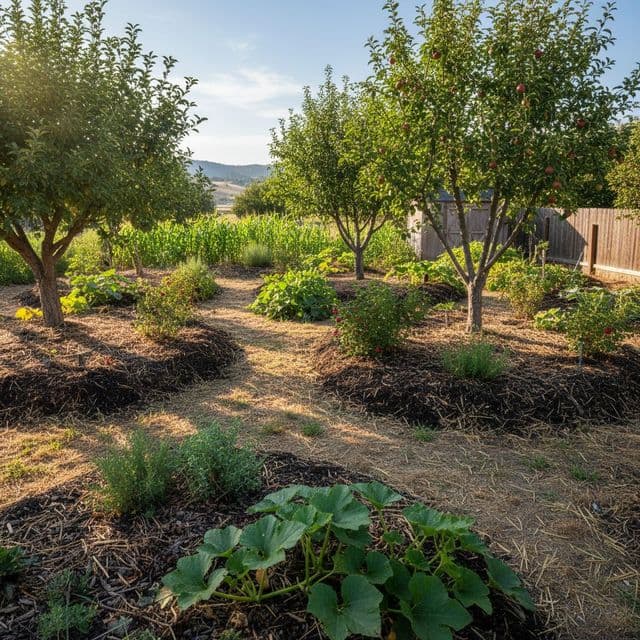
Learn how mulch basins efficiently distribute greywater in USDA Zone 8 gardens, reducing water use by up to 50%. Discover design tips, benefits for soil health, and maintenance for sustainable home…
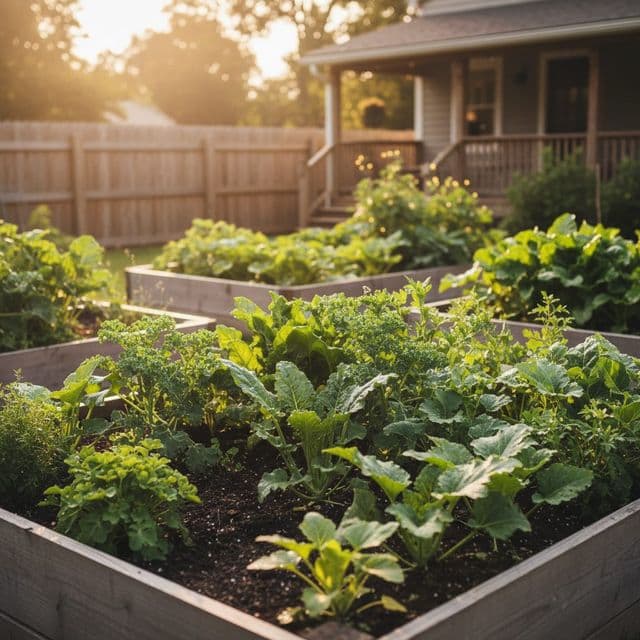
Learn which plants thrive on greywater irrigation and how to safely use it in your homestead garden. Discover best practices for greywater systems, plant-friendly soaps, and water conservation.
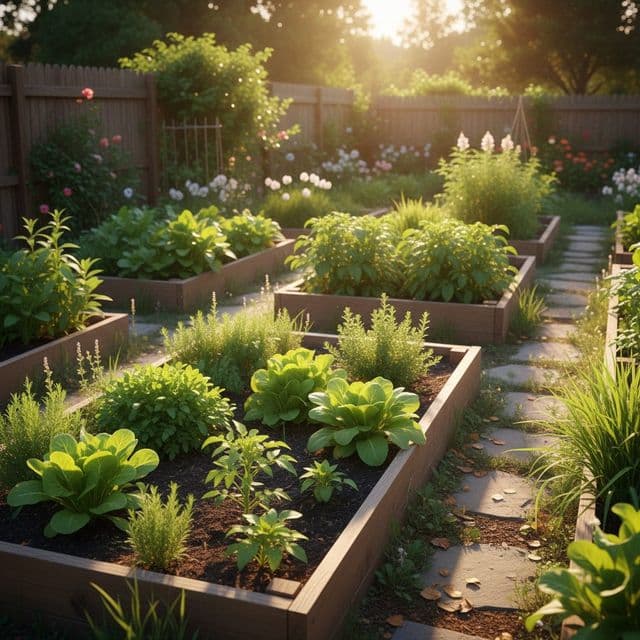
Learn how simple, legal laundry-to-landscape greywater systems can save US gardens up to 15,000 gallons annually, reduce water bills, and nourish plants.
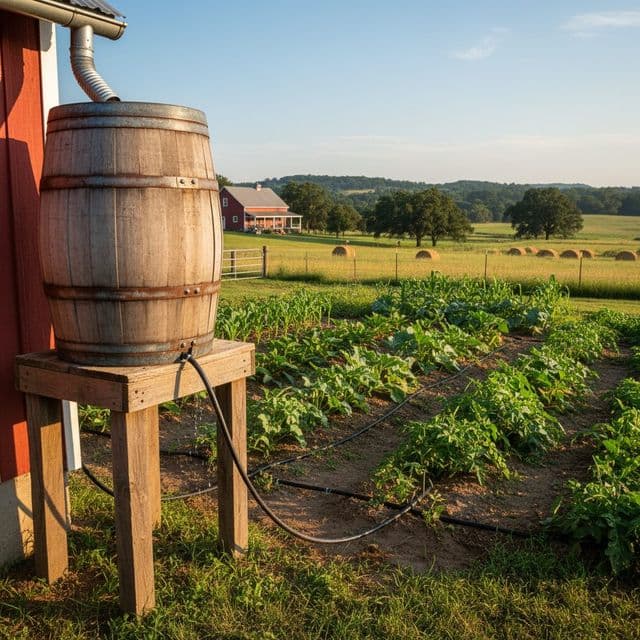
Gravity-fed drip irrigation from a 275-gallon rain barrel can water a 750 sq ft garden, reducing water use by 30-70%.
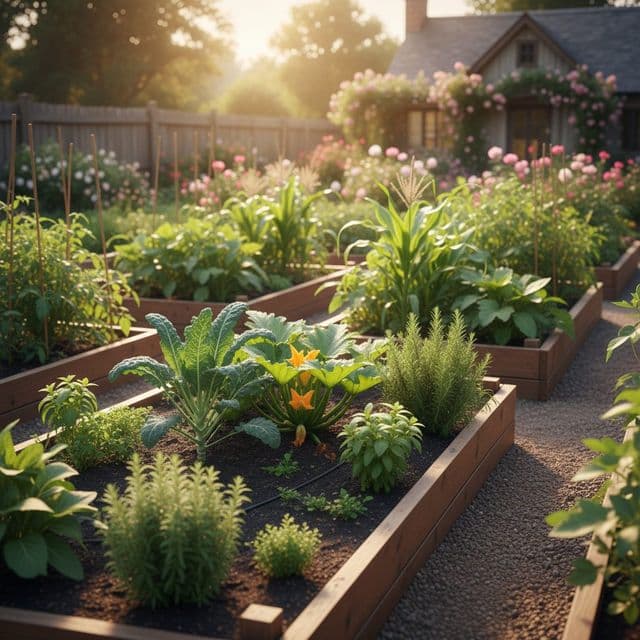
Achieve consistent water pressure for your 1,500 sq ft garden using linked rainwater tanks. Discover elevation, pipe sizing, and placement tips for effective gravity-fed irrigation.
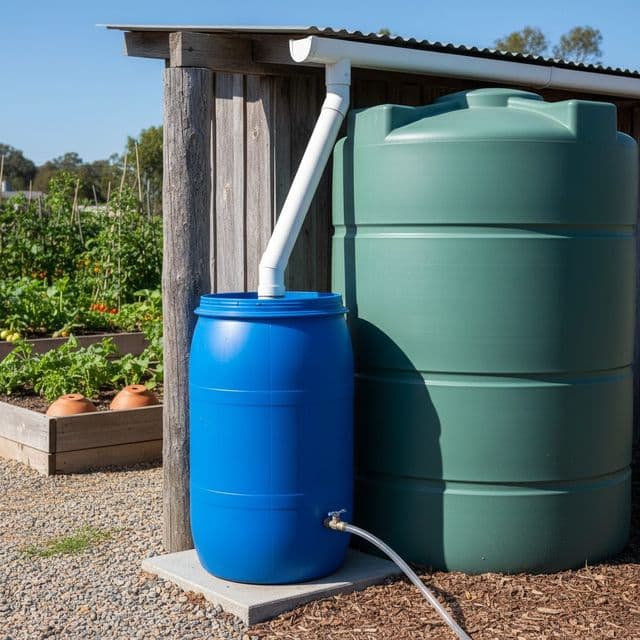
Learn to build a first-flush diverter to keep your harvested rainwater clean. Prevent debris, pollutants, and algae from entering storage tanks, ensuring healthier plants and efficient irrigation.
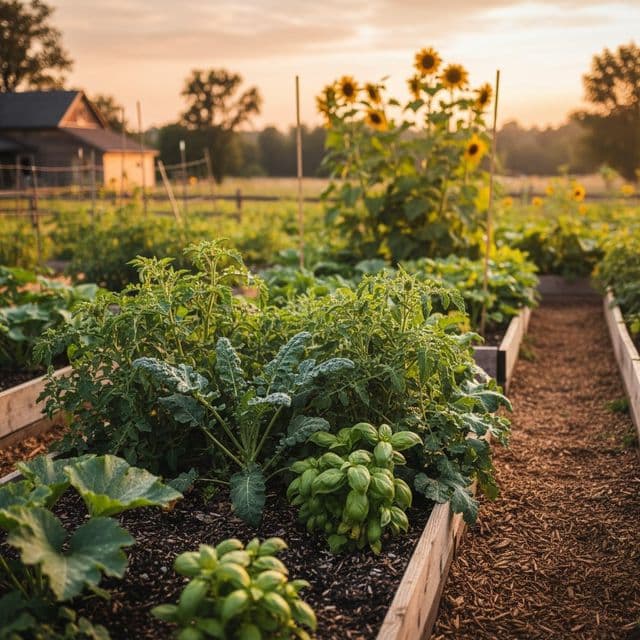
Learn how to size rain barrels for your garden. Calculate potential water harvest from your roof, account for efficiency, and integrate passive irrigation methods like ollas and wicking beds.