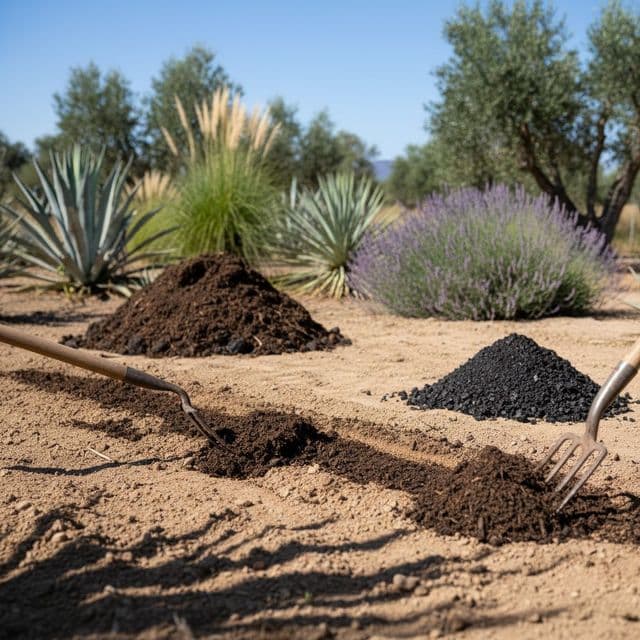
Improve sandy soil: water & nutrient retention with compost, biochar
Sandy soils drain quickly. Learn how compost, biochar, and cover crops improve water and nutrient retention in drought-prone US regions.
Topic
Grow more of your own food with practical, beginner-friendly gardening guides. From starting seeds and planning beds to companion planting, square-foot layouts, herbs, mushrooms, greenhouses, and soilless systems, these articles walk you through every step—what to plant, when to plant it, and how to keep crops healthy from sowing to harvest.
763 articles in this topic on agripure. — page 24 of 32
Sandy soils drain quickly. Learn how compost, biochar, and cover crops improve water and nutrient retention in drought-prone US regions.
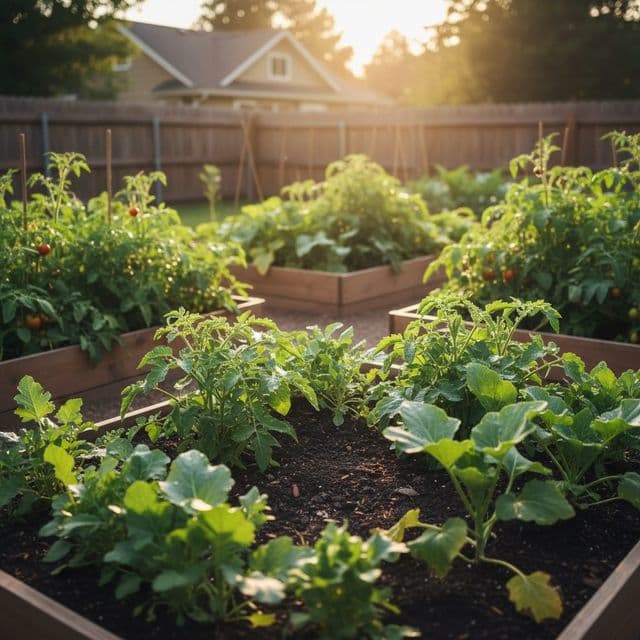
Discover resilient crops like root vegetables, melons, asparagus, and herbs that thrive in sandy US soil. Learn to improve drainage and boost yields in challenging conditions.
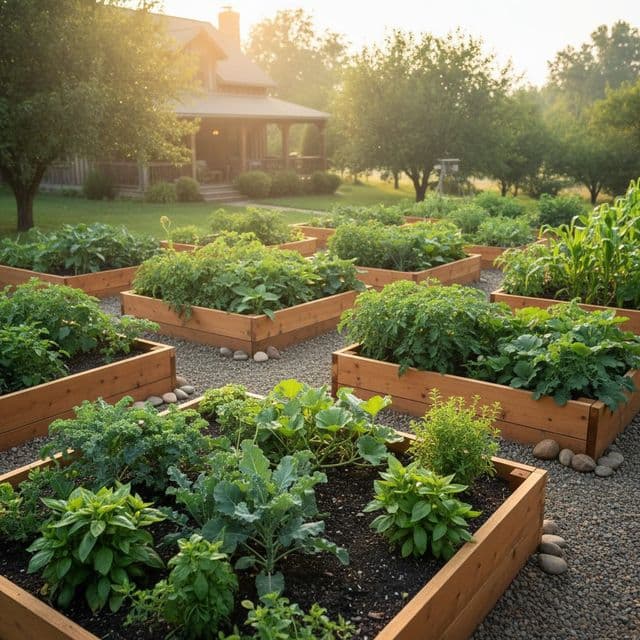
Transform challenging desert garden soil in USDA zones 8-10. Learn how to break caliche, build organic matter, and improve water retention for resilient US gardens.
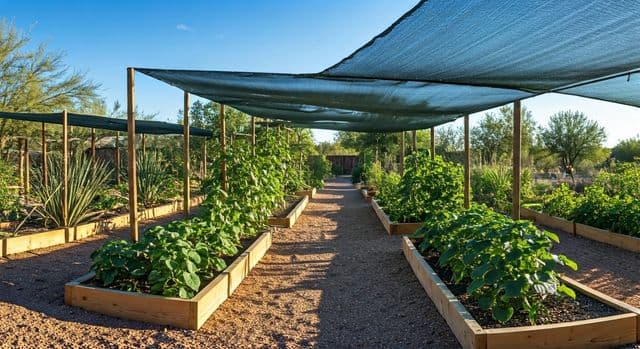
Master desert gardening in Arizona & Southwest US. Learn how 50% shade cloth, east-facing beds, and soil health reduce heat stress and conserve water for thriving plants.
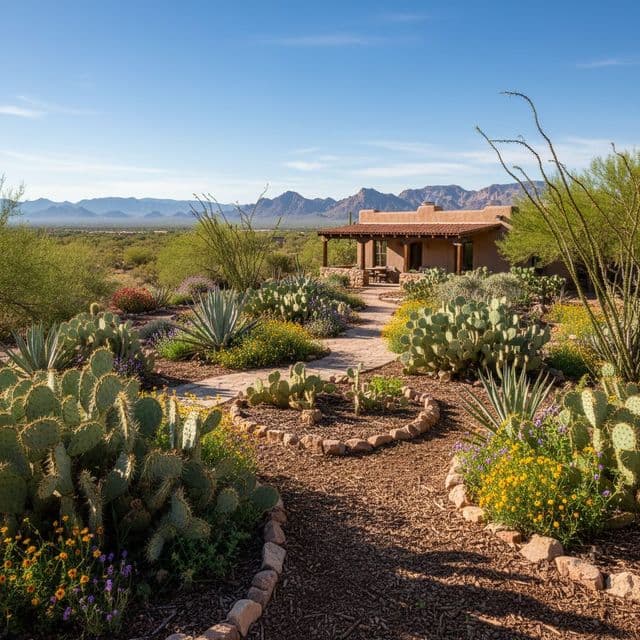
Master desert garden water retention with monsoon-ready, sunken, and waffle beds. Learn to capture rainfall, reduce irrigation by 30-50%, and build soil health in arid US climates.
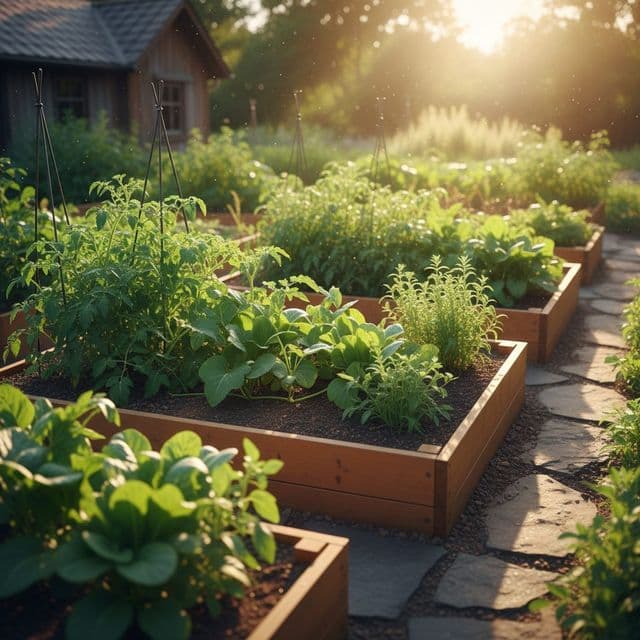
How to grow vegetables in USDA Zone 9 low deserts, including heat-tolerant summer crops, cool-season fall and winter plantings, drip irrigation, and shade.
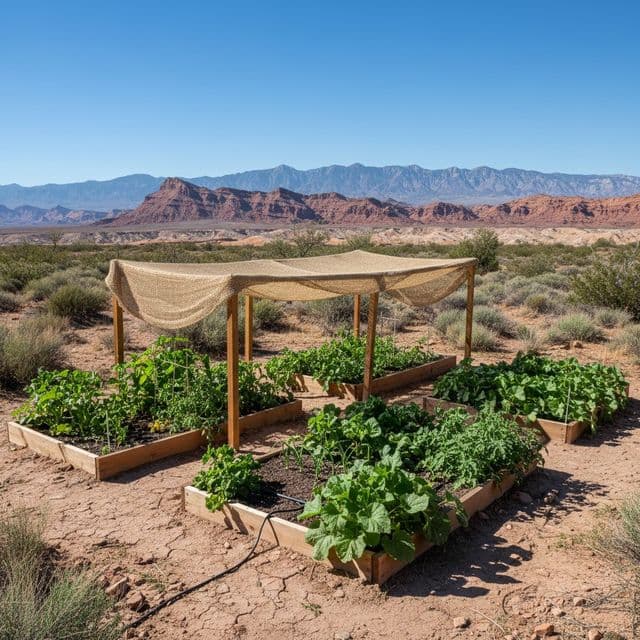
Master desert gardening in Arizona, Nevada, & New Mexico’s zones 9-10. Learn to build resilient soil, conserve water, and choose heat-tolerant plants for thriving gardens.
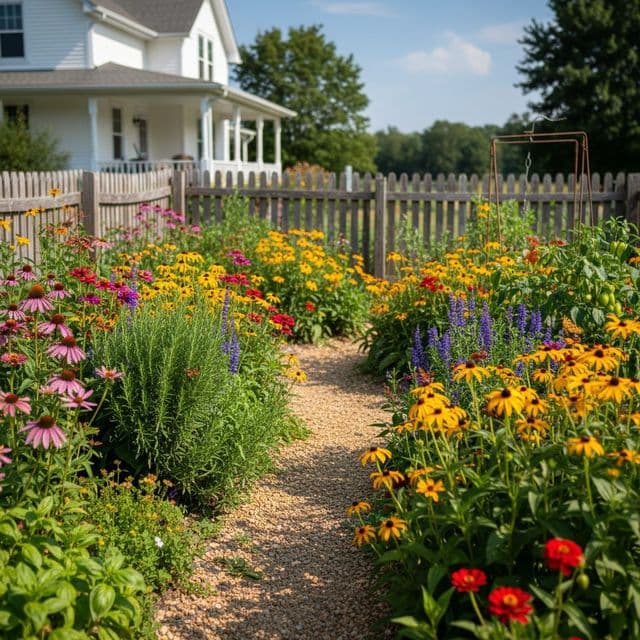
Heat-tolerant plants and soil management strategies for US gardens facing temperatures above 90°F in July, supporting pollinators through drought conditions.
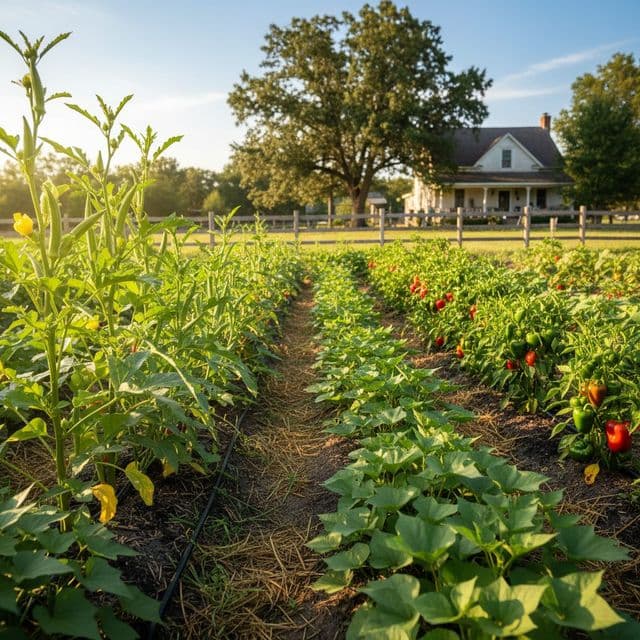
Heat-resilient crops and focused soil care keep summer gardens productive across USDA zones 6-9. Efficient irrigation, organic mulch, and adapted varieties support steady harvests through hot weather.
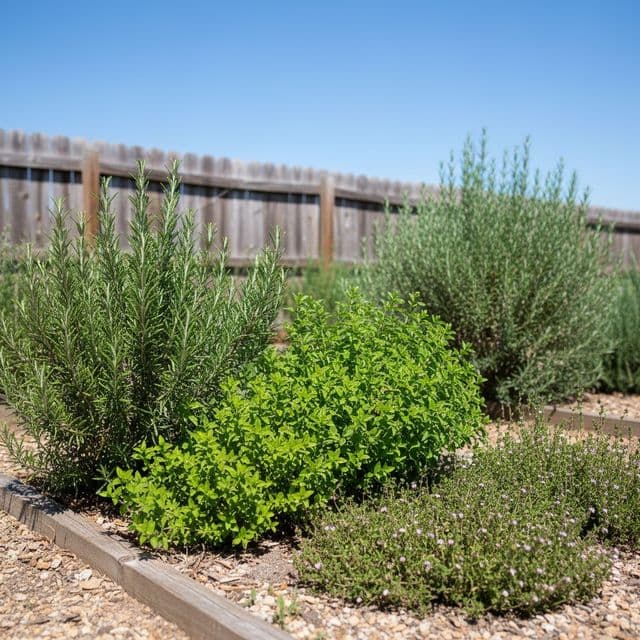
Grow heat- and drought-tolerant herbs like rosemary, oregano, thyme, lemongrass, and basil in full sun. Manage soil drainage, watering schedules, and variety selection across US gardens.
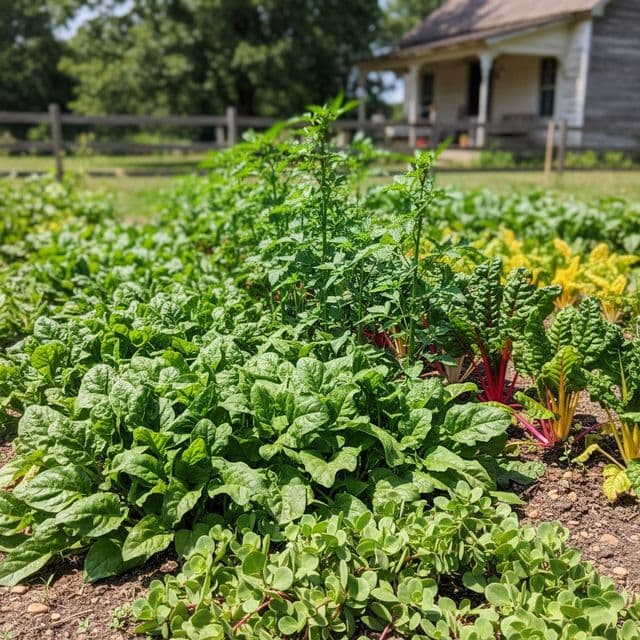
Discover four heat-tolerant greens—New Zealand spinach, molokhia, Swiss chard, and purslane—that thrive in 90°F summer heat. Extend your harvest in US gardens.
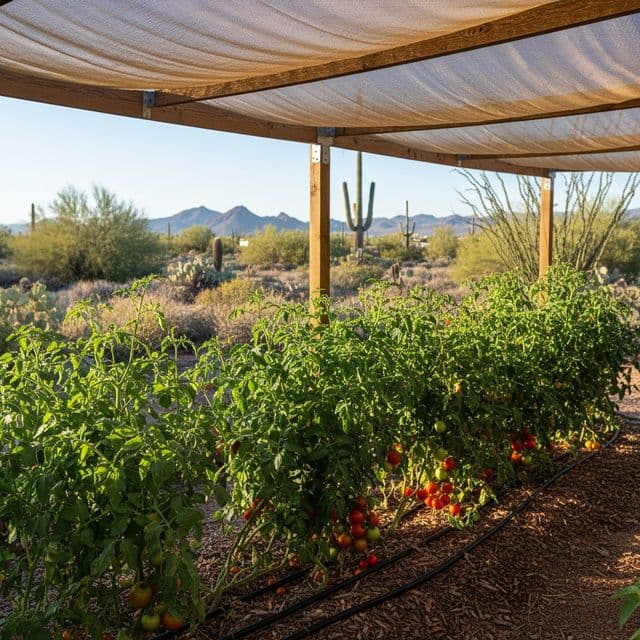
Discover top heat-tolerant tomatoes like Heatmaster & Solar Fire for USDA zones 7-10. Learn essential tips for growing tomatoes in hot US climates, ensuring a bountiful harvest.
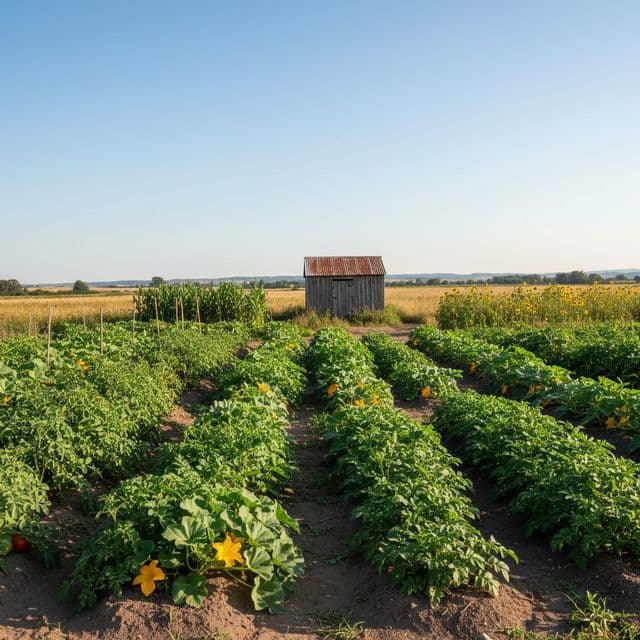
Explore if anti-transpirant sprays protect tomatoes & other plants from 100°F summers & drought. Learn how they work, their benefits for transplant shock & fruit, and potential drawbacks.
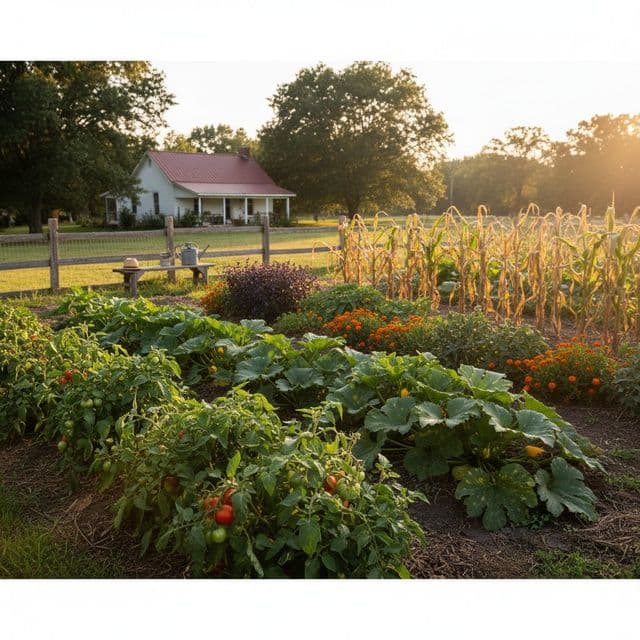
Identify & treat transplant shock & heat stress in US gardens. Learn symptoms, prevention, and data-backed solutions to build plant resilience against high temperatures and environmental changes.
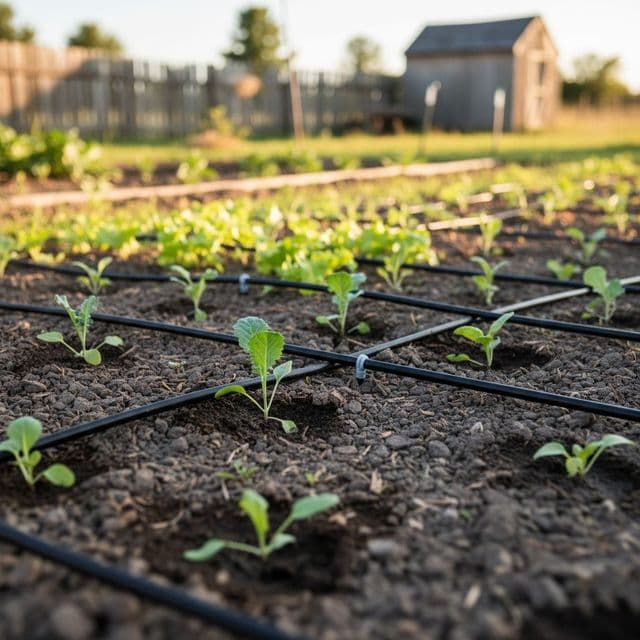
Drip and soaker hose setups for seedling establishment in USDA Zone 7, including how targeted irrigation reduces water waste during heat and drought.
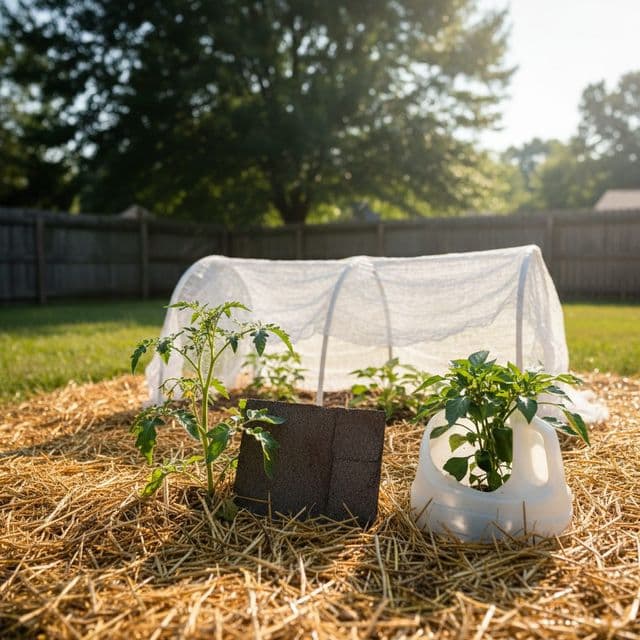
Learn how to protect young transplants from extreme heat in USDA Zone 7 gardens. Discover DIY and purpose-built temporary shade solutions to boost survival rates.
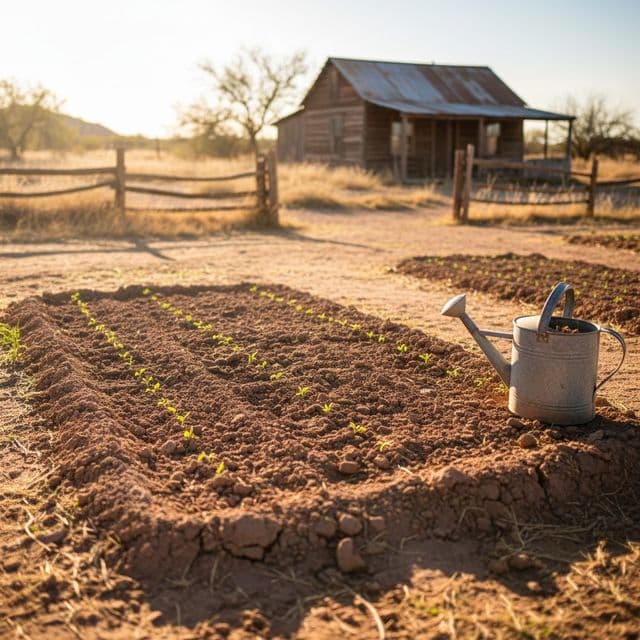
Ensure your new garden transplants thrive in summer heat. Learn data-backed strategies for watering new transplants, managing soil moisture, and reducing stress in challenging climates like Texas.
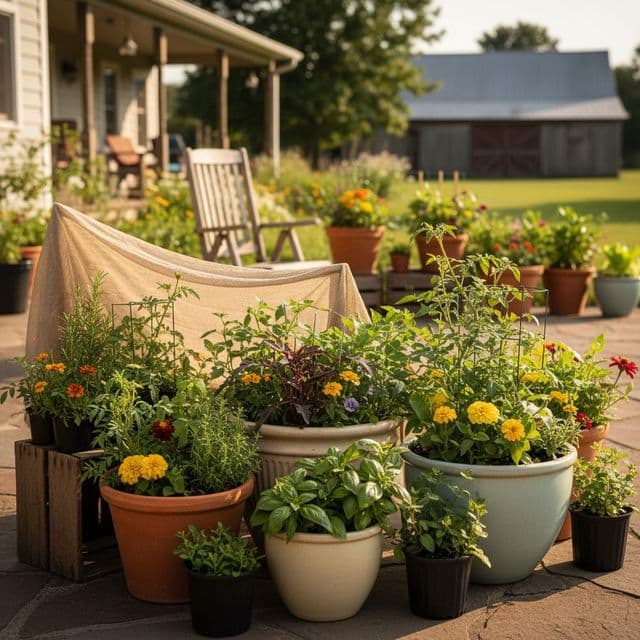
Combat container heat stress in USDA Zone 9b. Learn strategic shading, double-potting, and pot choices to keep plants cool and thriving in extreme summer temperatures.
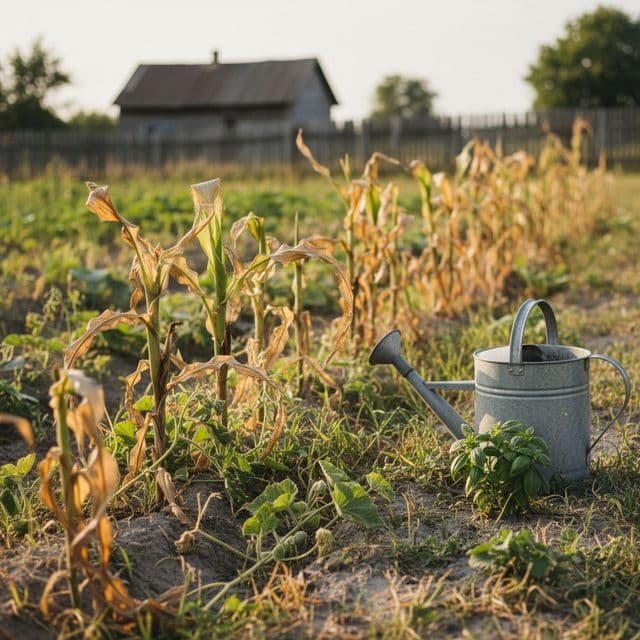
How to restore heat-damaged plants in US gardens using deep watering, conservative pruning, and organic feeding to support recovery.
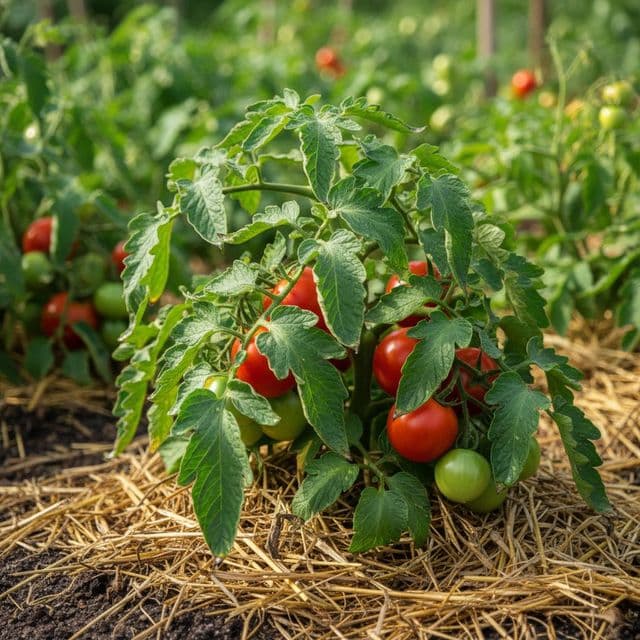
Leaf curl, bronzing, and scorch indicate garden heat stress. Data-backed strategies help build resilient plants in US gardens facing extreme temperatures.
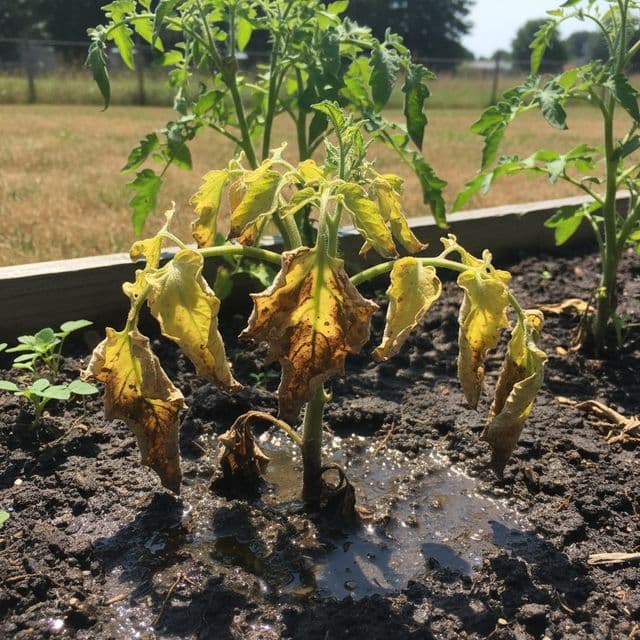
Discover why overwatering plants during a heatwave, especially in USDA Zone 7, can kill them faster. Learn to prevent root rot and oxygen starvation.
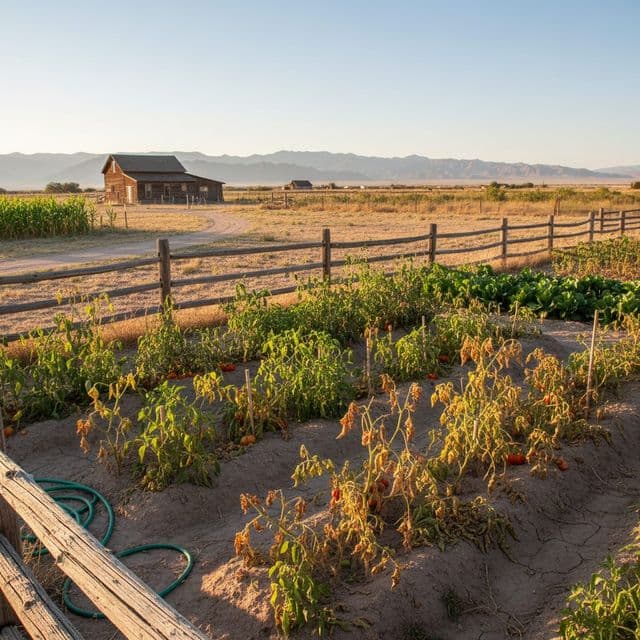
Learn to revive heat-scorched plants like tomatoes, peppers, and squash in USDA Zone 7. Identify symptoms, apply immediate relief, improve soil, and protect against future heatwaves.
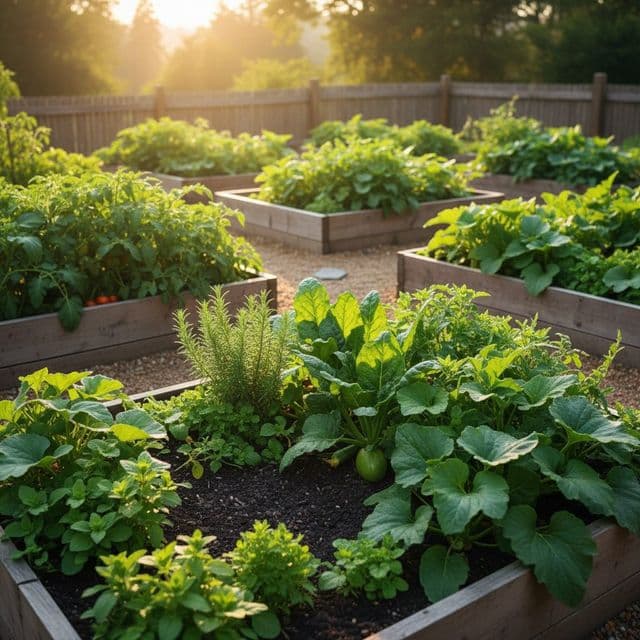
Learn to identify and prevent wilting in garden plants, including tomatoes, in USDA Zone 7. Understand causes like heat stress, underwatering, and disease for a thriving harvest.
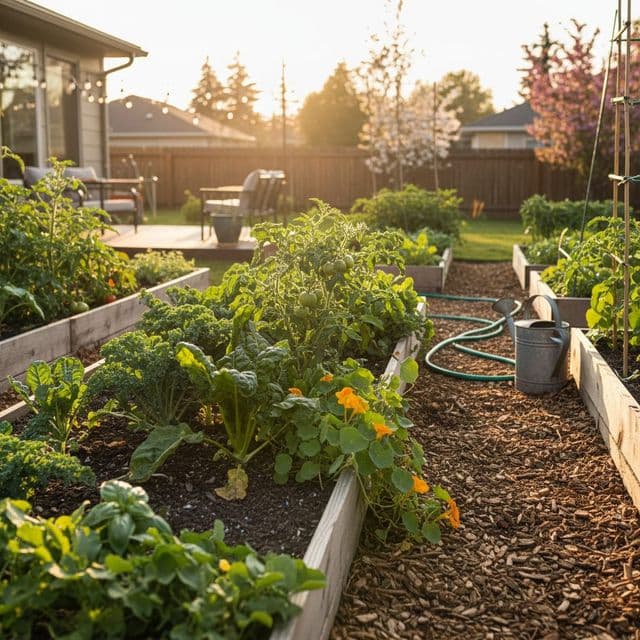
Navigate US garden heatwaves by strategically deciding which crops to harvest early and which to sacrifice. Learn practical tips for water conservation, soil health, and drought-resilient planting.