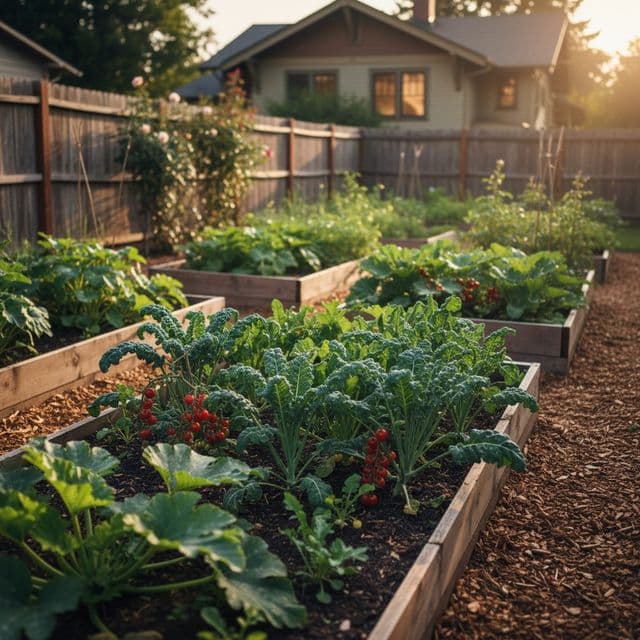
Avoid Persistent Herbicides: Aminopyralid & Clopyralid in Compost
Learn to recognize and avoid persistent herbicides like aminopyralid and clopyralid in compost and manure. Protect your garden from contamination that can last for years.
US guides
1121 guides written specifically for United States growers. Clear filter
Learn to recognize and avoid persistent herbicides like aminopyralid and clopyralid in compost and manure. Protect your garden from contamination that can last for years.
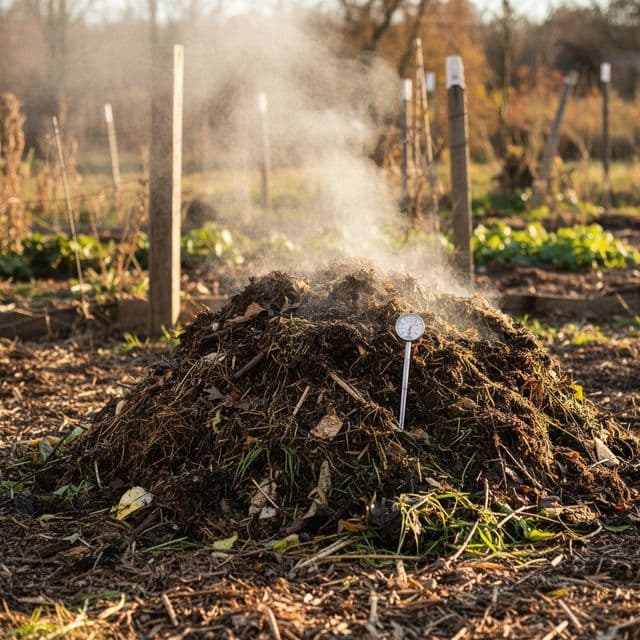
Learn hot composting techniques for cow and horse manure. Maintain 140°F to kill pathogens, improve soil, and boost garden health in USDA Zone 6. Avoid fresh manure risks.
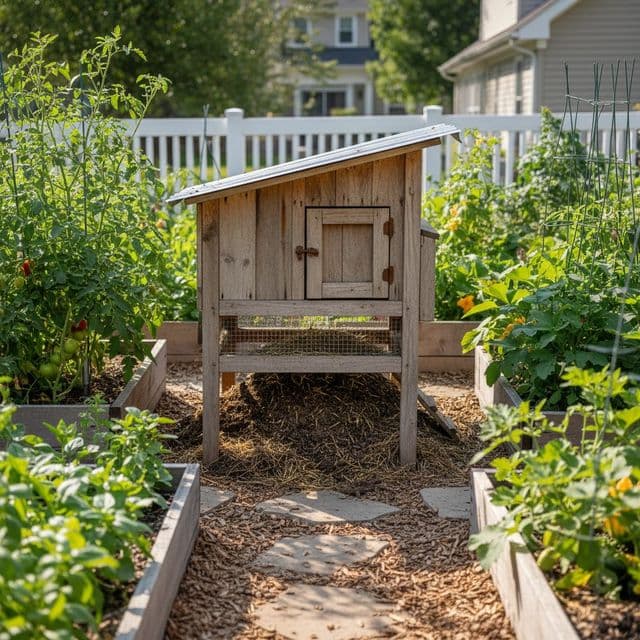
Rabbit manure works as a cold fertilizer for gardens in USDA zones 3-9. Apply directly for balanced nutrients, improved soil, and less labor.
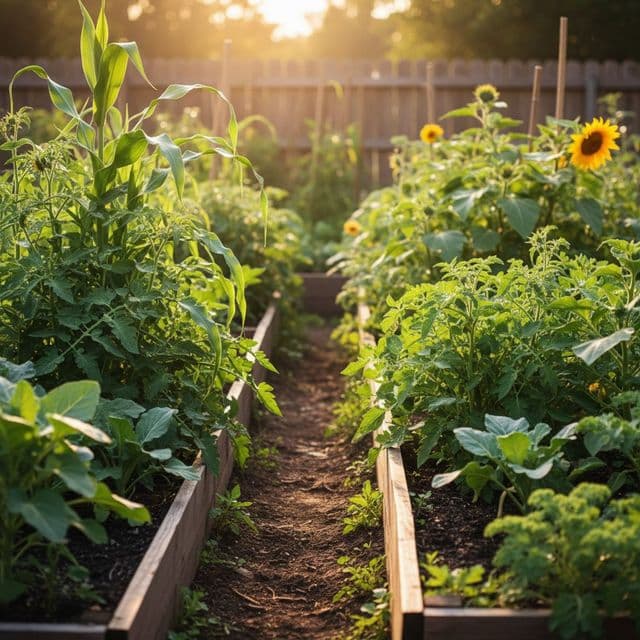
Learn safe composting of chicken manure for fertile soil. Achieve the ideal 30:1 C:N ratio, monitor temperatures, and apply compost in your Midwest garden.
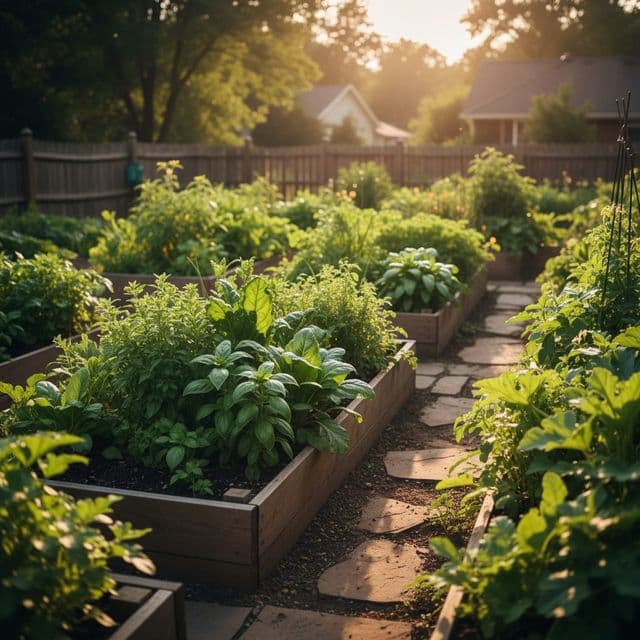
Learn how to sheet mulch a garden bed with leaves & cardboard. This no-dig method builds rich soil, suppresses weeds, and conserves water, perfect for homesteaders.
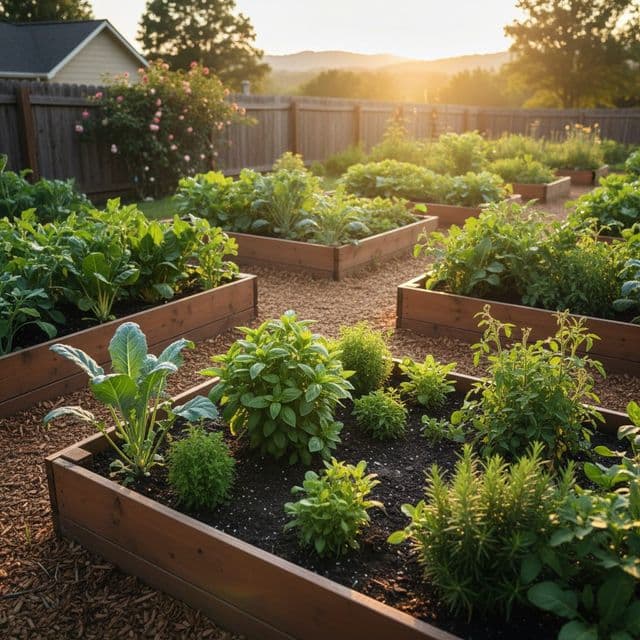
How shredding autumn leaves with a mower or shredder turns yard waste into nutrient-rich soil, reducing volume, improving soil structure, and boosting fertility in USDA Zone 6 gardens.
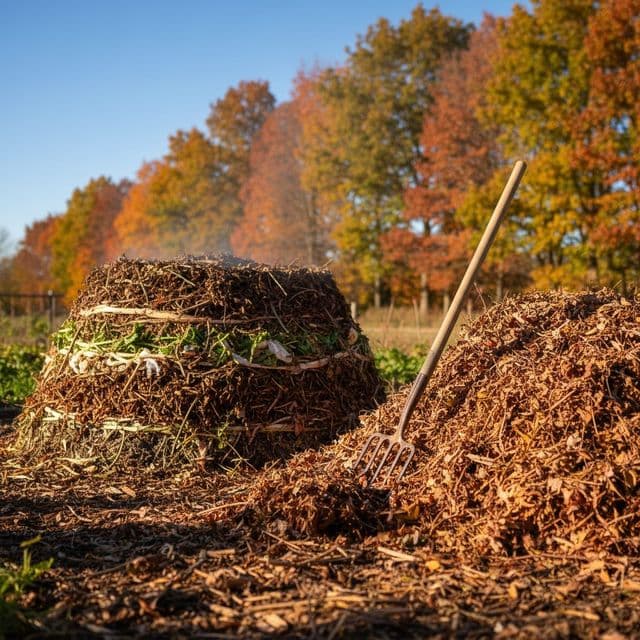
Learn how to speed up leaf mold production for your garden. Discover techniques like shredding, maintaining moisture, and the bag method to create rich soil amendment in USDA Zone 6.
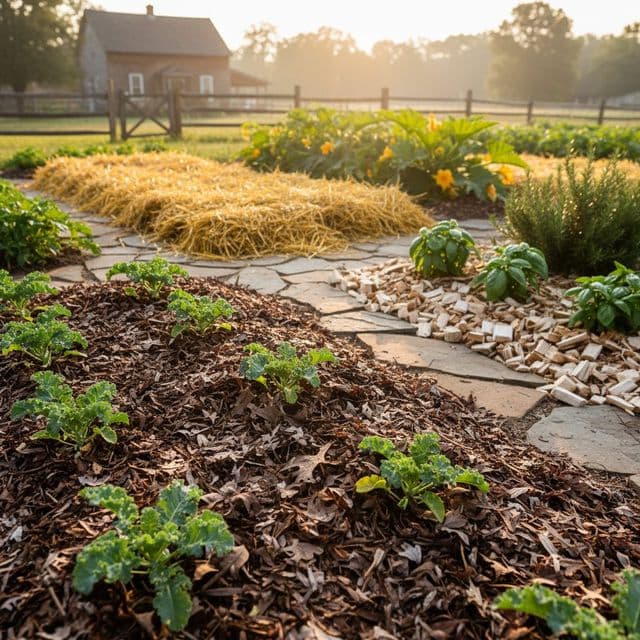
How shredded leaves, wood chips, and straw improve soil moisture, suppress weeds, and boost fertility in a homestead garden.
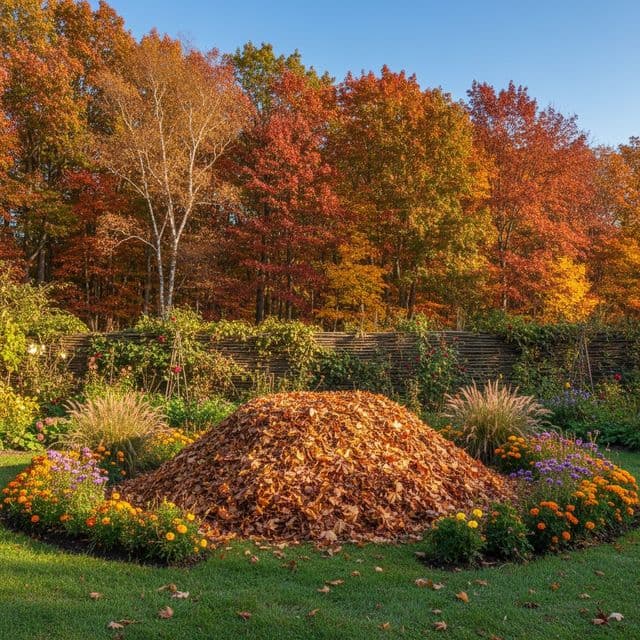
Make rich leaf mold for your garden. Learn best US tree leaves (oak, maple) and avoid black walnut/eucalyptus to boost soil health, water retention & microbes.
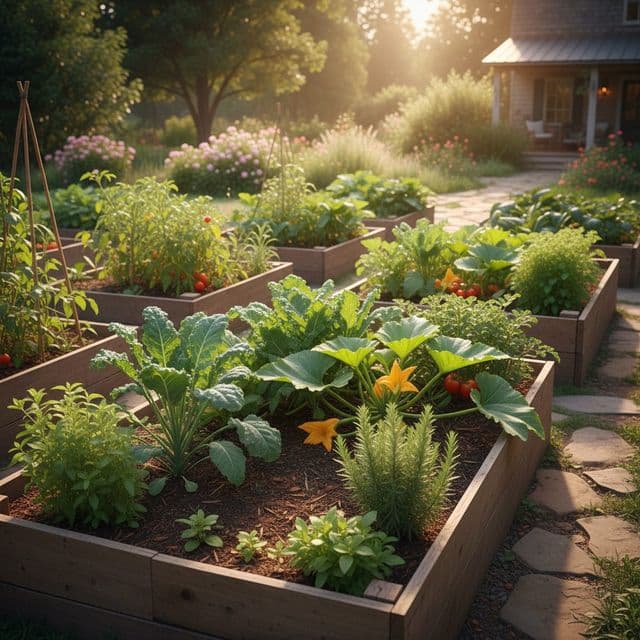
Learn to make leaf mold from fallen leaves. This free, fungal-dominated soil conditioner improves soil structure & water retention, reducing irrigation needs for your garden.
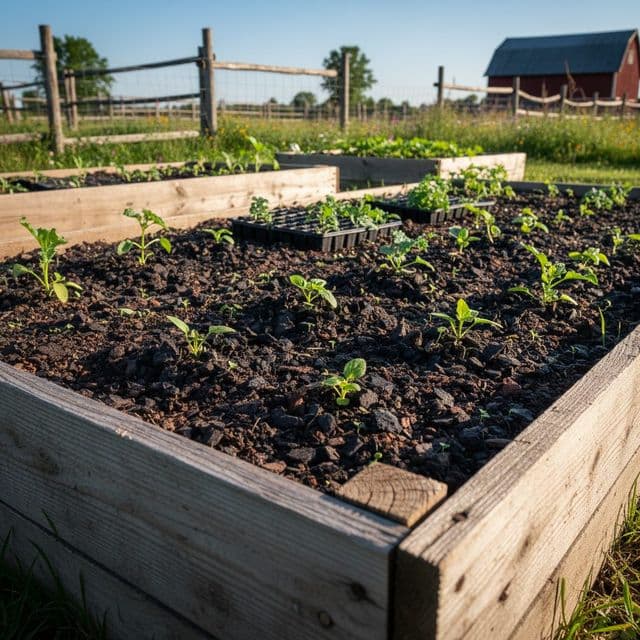
How to use biochar in raised beds, containers, and compost to improve water retention, nutrient cycling, and plant health in your garden.
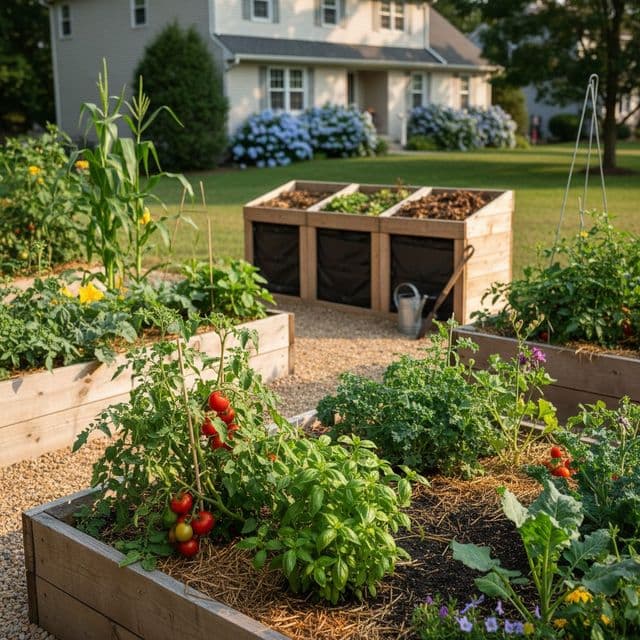
How to make biochar at home using top-lit updraft (TLUD) and cone-kiln methods, including quenching, charging with nutrients, and soil application in USDA Zone 6 gardens.
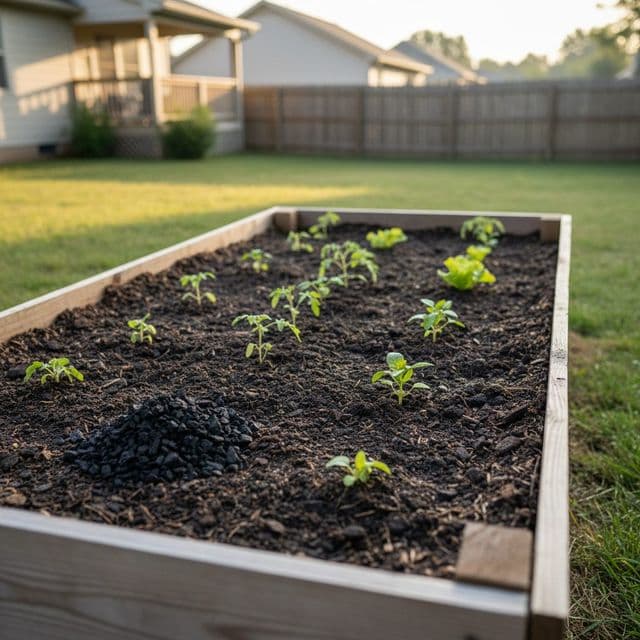
Unlock healthier soil with biochar! Learn how to apply biochar to garden beds to increase water retention by up to 18%, improve soil structure, and boost plant growth for long-term benefits.
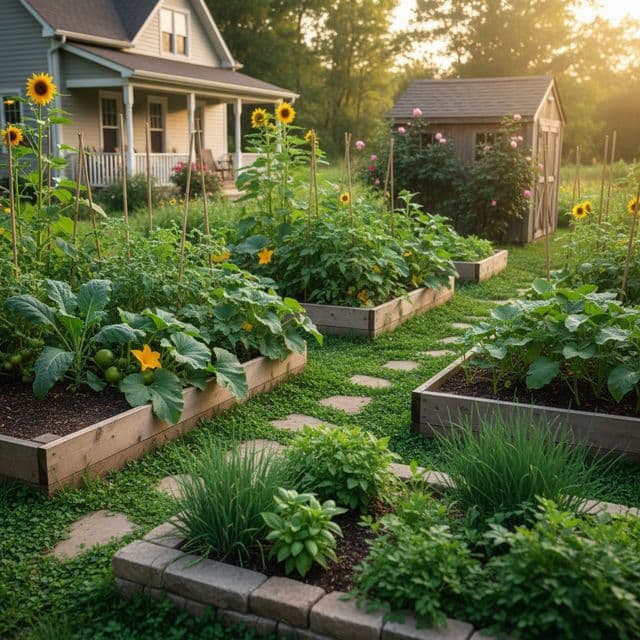
The differences between biochar and grilling charcoal for garden soil, including how biochar improves soil water retention and plant health in USDA Zone 6 while avoiding additives.
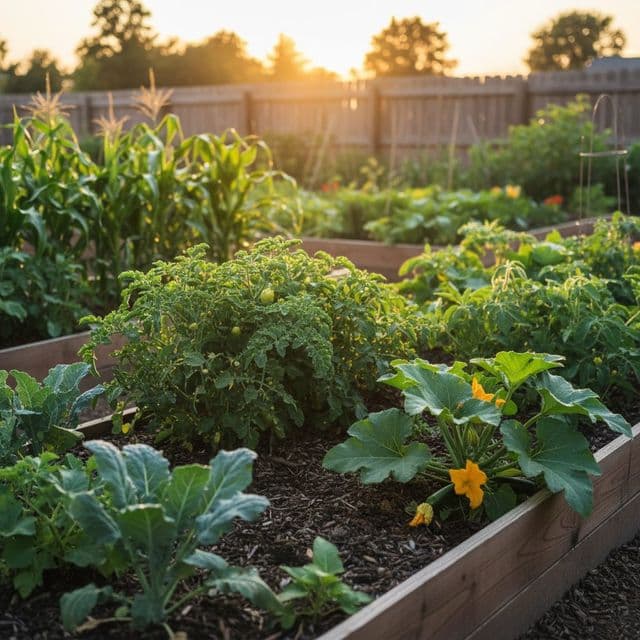
Learn how to charge biochar with compost tea or vermicompost leachate to boost soil health, water retention, and potentially increase crop yields by 10-20% in your garden.