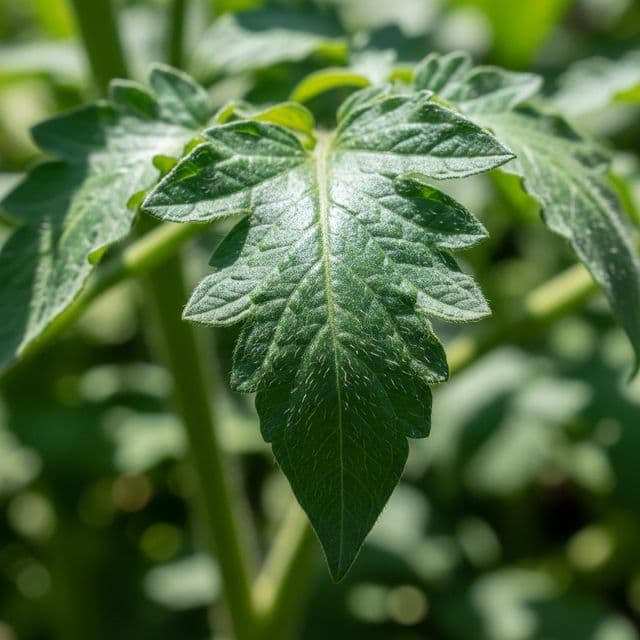
Diagnosing NPK deficiencies on tomato leaves in USDA Zone 6
How to diagnose nitrogen, phosphorus, and potassium deficiencies on tomato leaves by identifying symptoms on older versus new growth to prevent crop loss and protect yields.
Topic
Grow more of your own food with practical, beginner-friendly gardening guides. From starting seeds and planning beds to companion planting, square-foot layouts, herbs, mushrooms, greenhouses, and soilless systems, these articles walk you through every step—what to plant, when to plant it, and how to keep crops healthy from sowing to harvest.
763 articles in this topic on agripure. — page 20 of 32
How to diagnose nitrogen, phosphorus, and potassium deficiencies on tomato leaves by identifying symptoms on older versus new growth to prevent crop loss and protect yields.
Root rot kills tomatoes in humid zones. Learn to identify early symptoms, diagnose overwatering, and implement rescue strategies to save your plants from this common fungal disease.
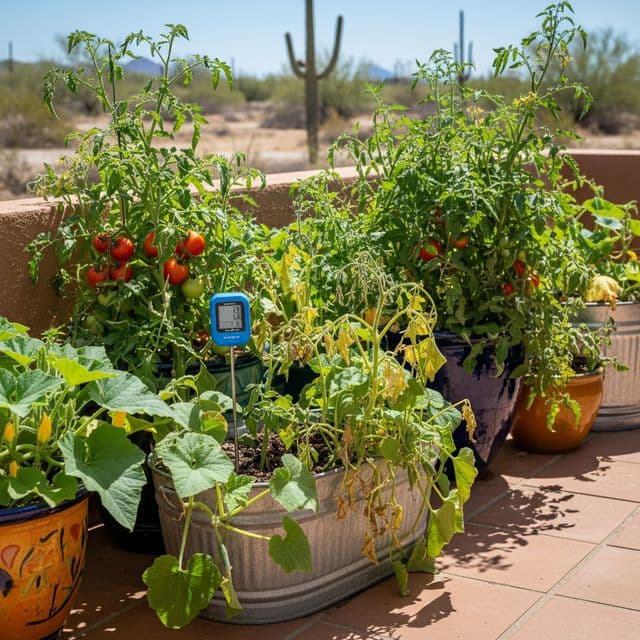
Discover why container tomatoes in Arizona, and other arid regions, need significantly more water than in-ground plants. Learn strategies for efficient container tomato watering to ensure a bountif…
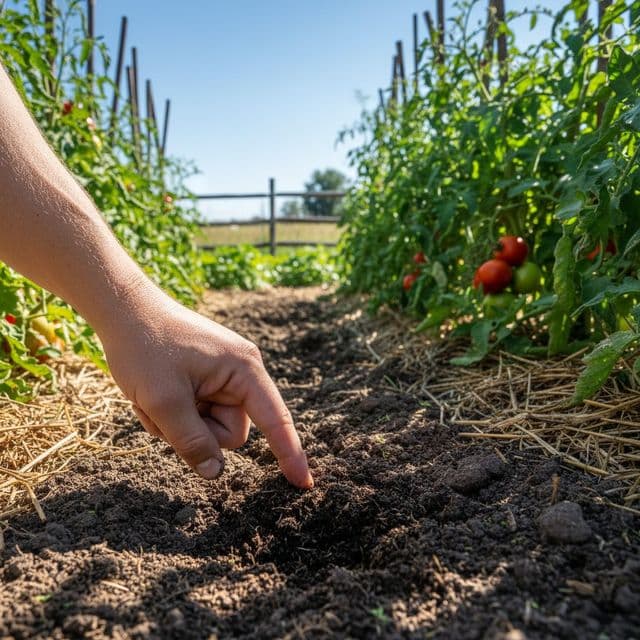
Master soil moisture for tomatoes in USDA Zone 7 using the finger test & affordable meters. Prevent blossom end rot & boost yields with consistent hydration. Learn how.
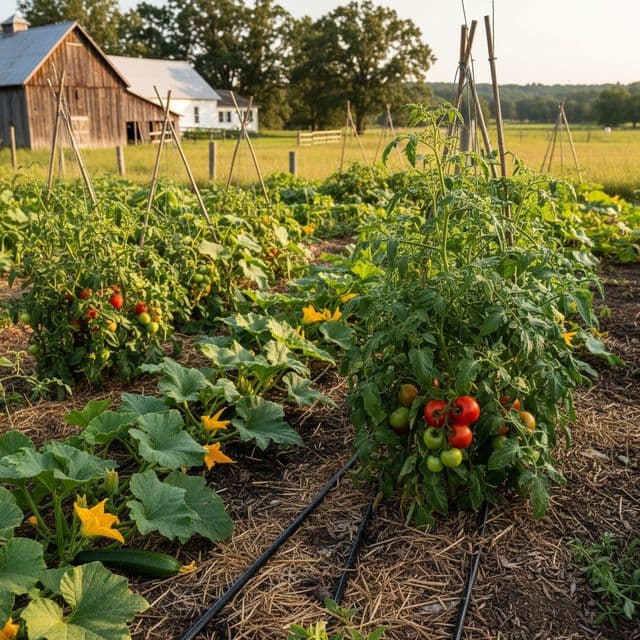
Master tomato watering for healthy fruit-set! Learn to adjust schedules based on soil type (clay, sandy, loam) and USDA zone. Prevent issues like blossom end rot and optimize growth.
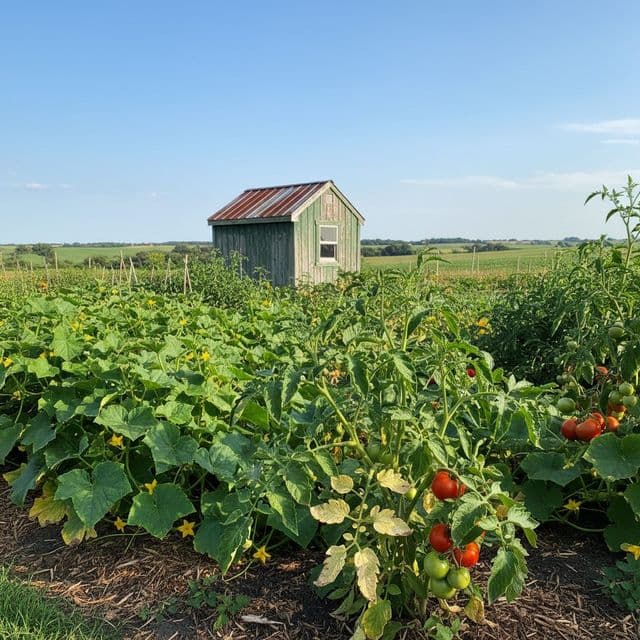
Diagnose yellowing tomato leaves in USDA Zone 7. Learn to differentiate overwatering, underwatering, and nutrient deficiencies for tomatoes & cucurbits, ensuring healthy plants and better harvests.
Identify and fix wilting in tomatoes and cucurbits during fruit set. Learn to distinguish underwatering from overwatering to prevent crop loss and ensure a bountiful harvest.
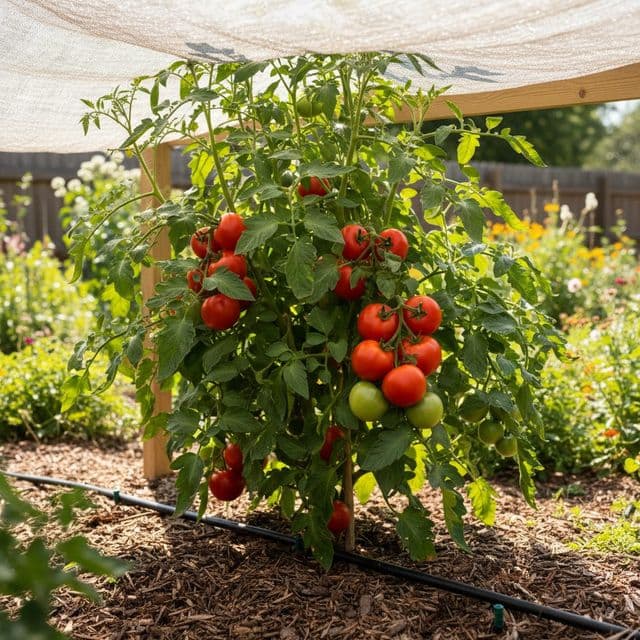
How to protect tomato and cucurbit blossoms from heatwave stress in USDA zone 7, covering morning watering, shade cloth, and nutrient management.
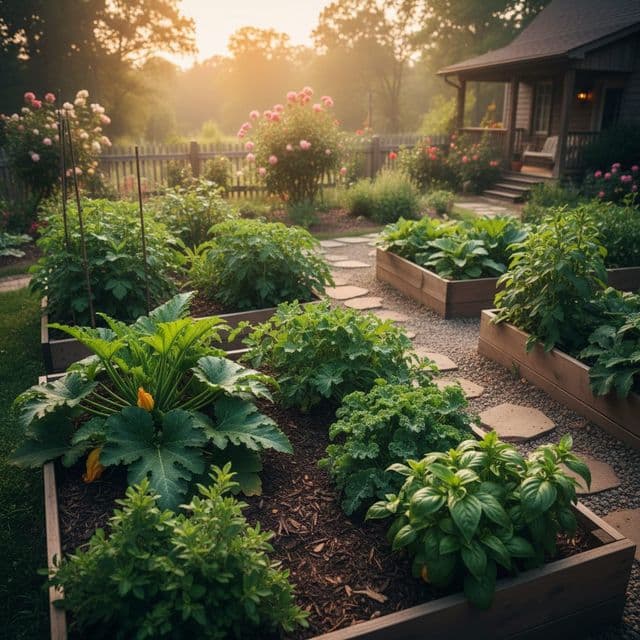
High humidity in the US Southeast causes pollen to clump, reducing yields in tomatoes and cucurbits. Learn why pollen fails to release and how to improve fruit set.
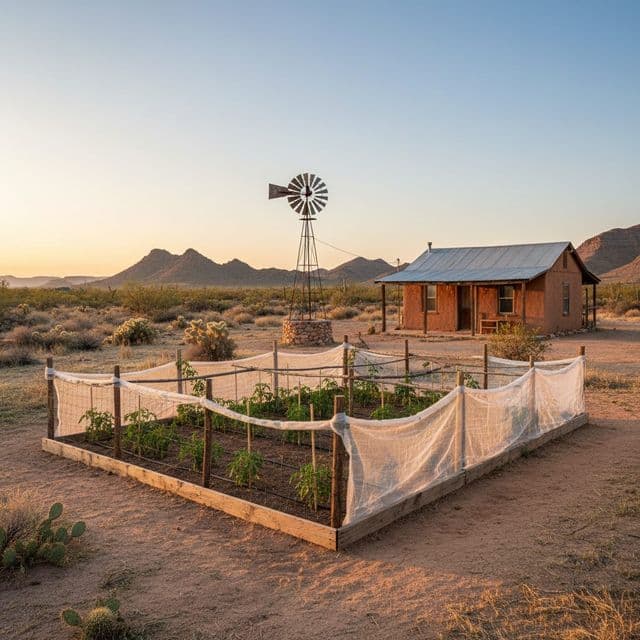
Master gardening in Southwest & Texas heat. Learn to use shade cloth, strategic planting times, and heat-set varieties to ensure fruit set and bountiful harvests above 90°F.
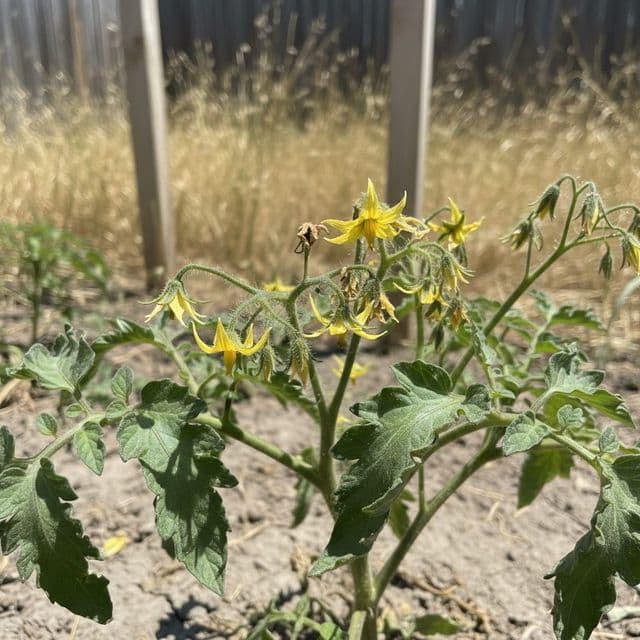
Discover how heat-induced pollen sterility impacts tomato, pepper, and bean yields. Learn critical temperature thresholds and proactive strategies to protect your garden from high-temperature stress.
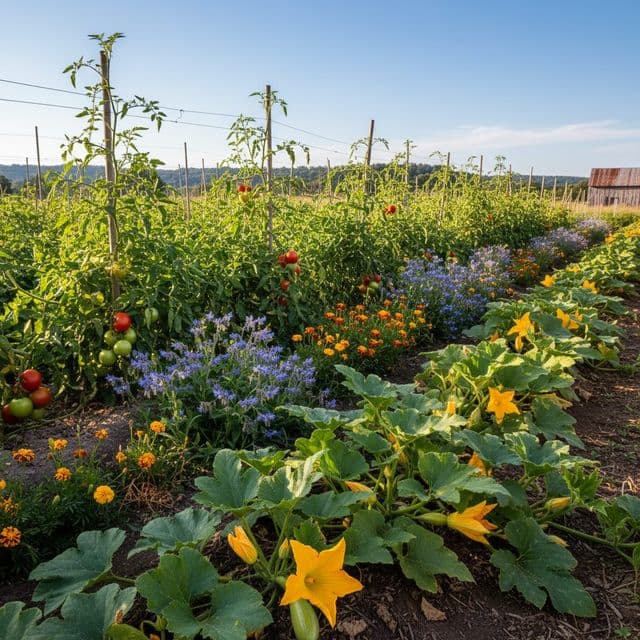
Learn how strategic companion planting boosts tomato fruit set and overall yields in US growing regions. Attract beneficial pollinators with specific flowers for a healthier, more abundant harvest.
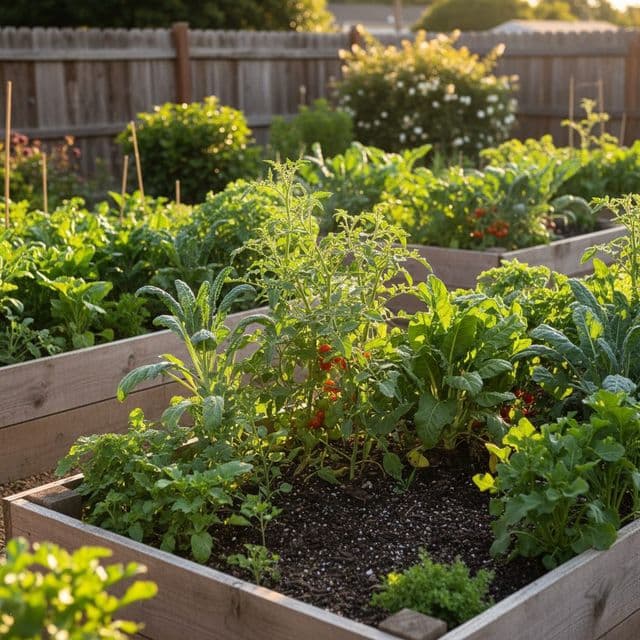
Why cucurbit plants produce male flowers first in USDA Zone 7, how environmental factors affect female bloom development, and how to encourage steady fruit set.
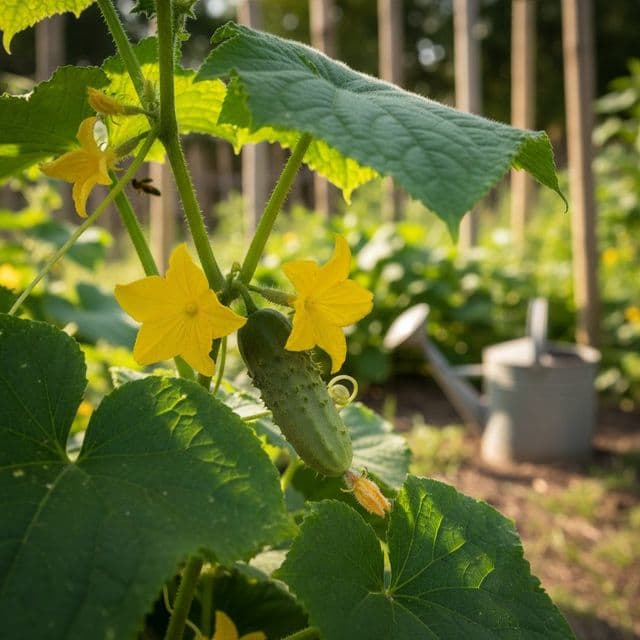
Learn how to hand-pollinate cucumbers and melons for fuller fruit in USDA zones 4-11. Boost yields by understanding flower anatomy and practicing hand-pollination techniques.
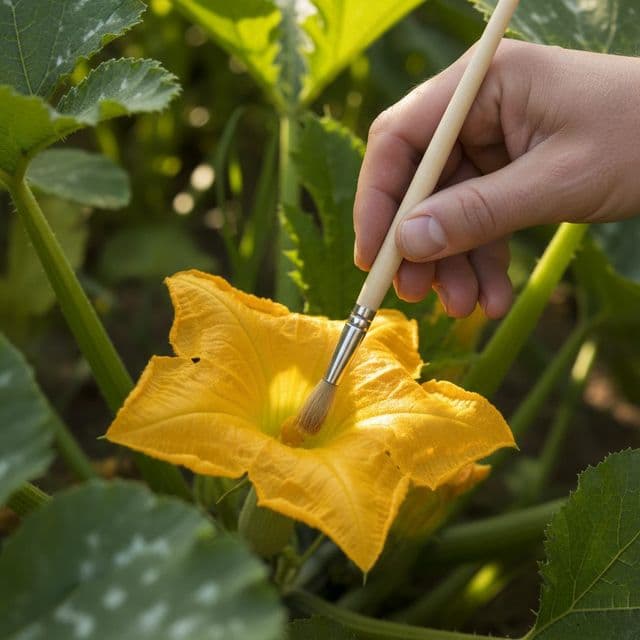
Boost squash, zucchini, and pumpkin yields in USDA zones 5-9. Learn to hand-pollinate cucurbit flowers for better fruit set when pollinators are scarce. Simple steps for a bountiful harvest.
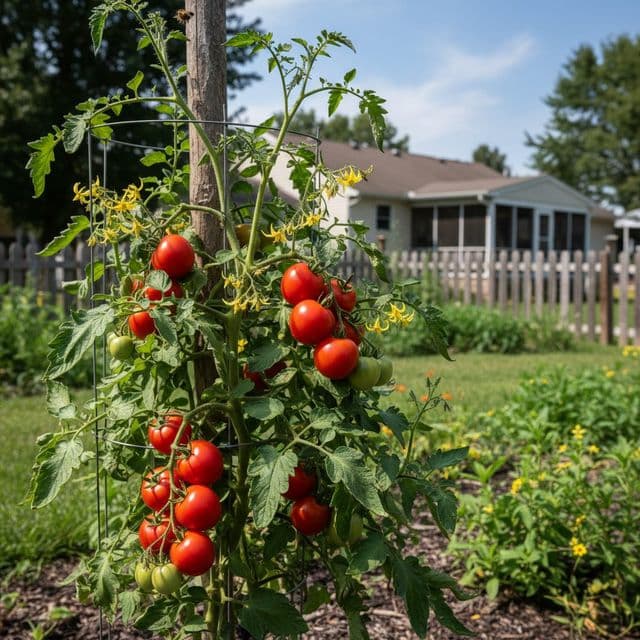
Boost tomato and pepper yields by 15-30% with hand-pollination. Master the electric toothbrush method & optimize conditions for a successful harvest in USDA Zone 6.
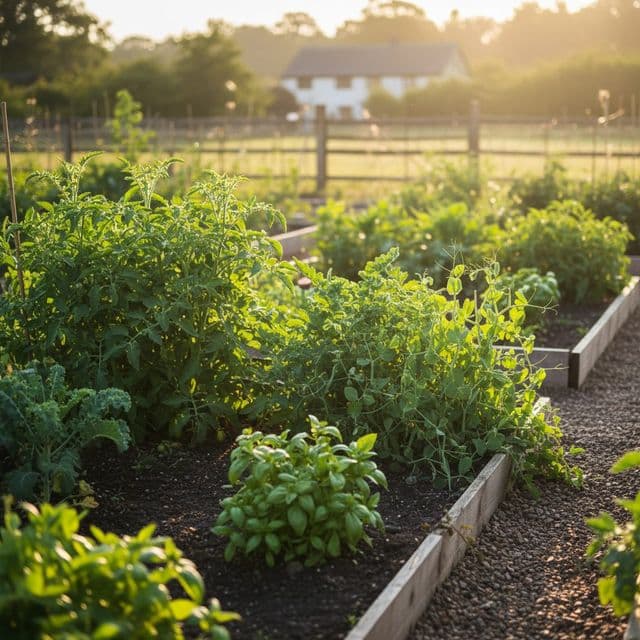
Boost your tomato harvest in USDA Zone 7. Learn to decode VFN codes and select disease-resistant tomatoes to prevent common wilts, nematodes, and viruses for a healthier, more productive garden.

Protect your USDA Zone 6 garden from Tomato Mosaic & Spotted Wilt Viruses. Learn prevention and management strategies for healthy tomato and cucurbit crops. Essential tomato virus management.
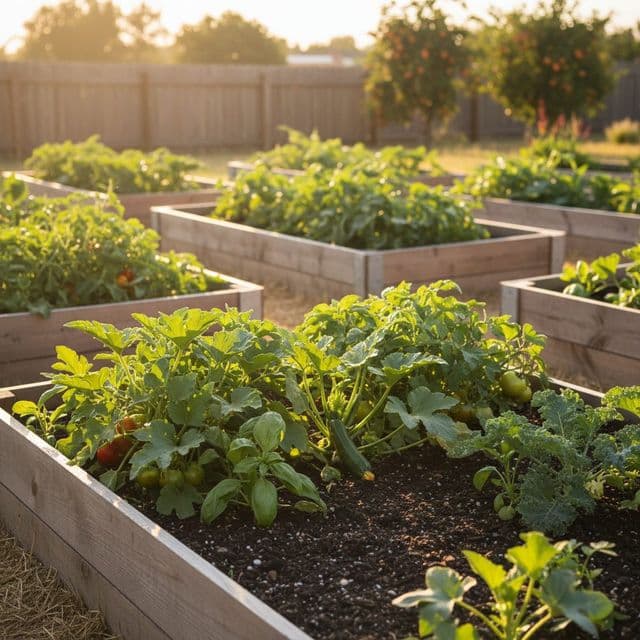
Protect your tomato harvest in the Southeast US. Learn to identify and manage bacterial wilt, spot, and speck with practical, research-backed strategies for healthy plants and good yields.
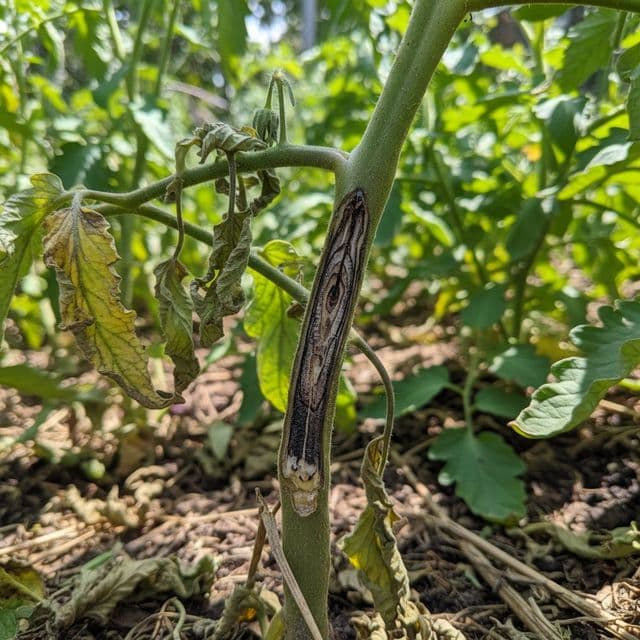
How to identify symptoms, implement cultural practices, and choose resistant varieties to manage Fusarium & Verticillium wilt in USDA Zone 6 tomatoes.
Identify, prevent, and manage Septoria leaf spot, the most common US tomato disease. Learn key symptoms, spread, and effective strategies to protect your plants and maximize yields.
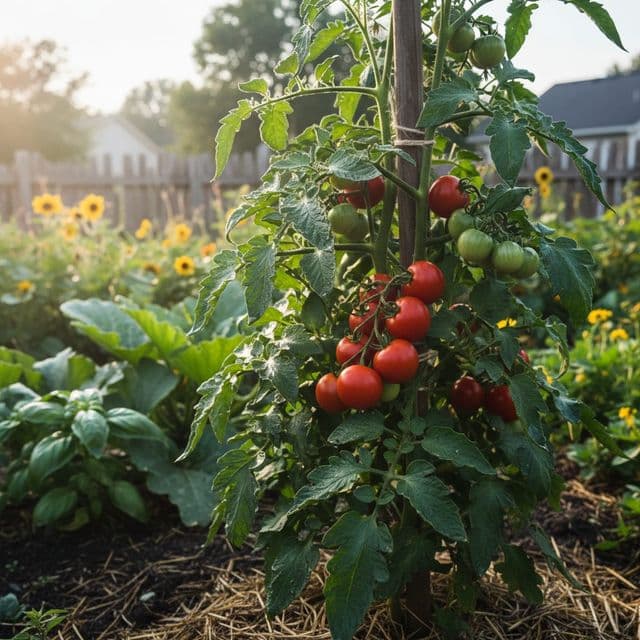
Protect your tomato and potato crops from devastating early and late blight. Learn to identify symptoms, understand lifecycles, and apply effective organic and synthetic treatments to save your har…
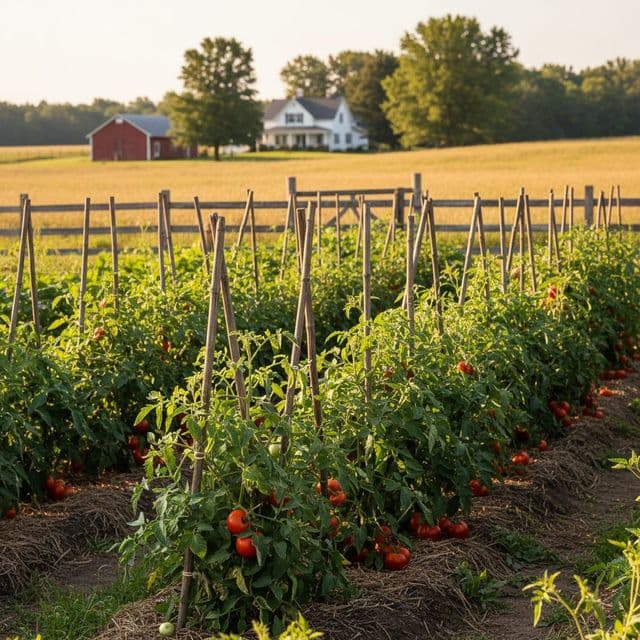
Combat leggy tomato growth in USDA Zone 6 for bigger harvests. Learn to identify causes, prune effectively, and stake plants properly to boost yields by 20% or more.
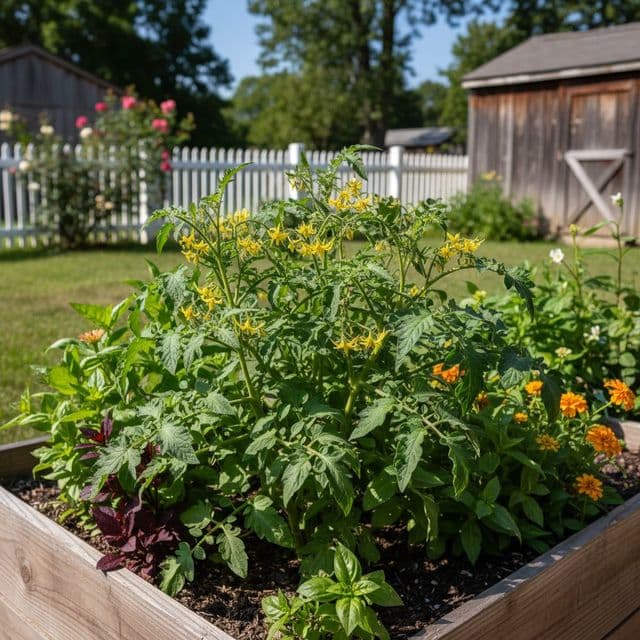
Is your tomato plant flowering but not fruiting? Learn common causes like poor pollination, nutrient imbalance, and environmental stress. Boost your tomato yield.