
Cover crops for the home garden: best species, timing, and termination
Build soil for free with cover crops — which species to sow when (ryegrass, cowpea, sorghum-sudangrass), how much seed, and how to terminate without tilling.
Articles
Practical, zone-aware guides to gardening, homesteading, permaculture, and food forests — the slow craft of farming like a forest does.
Build soil for free with cover crops — which species to sow when (ryegrass, cowpea, sorghum-sudangrass), how much seed, and how to terminate without tilling.
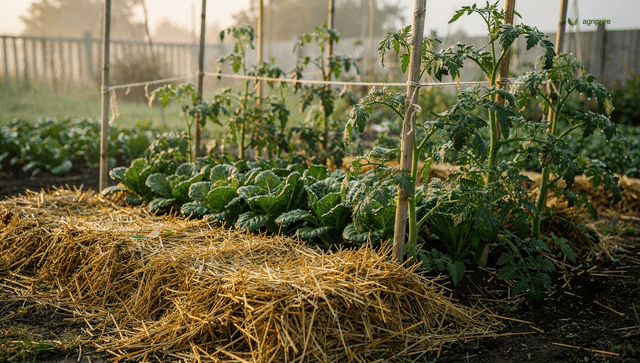
Most homemade weed killers only burn the tops — and salt mixes wreck soil for years. What vinegar, corn gluten, and 3-4 inches of mulch actually do.

How to identify true elderberry (and avoid look-alikes), the difference between blue and American black, and how to grow named cultivars like Adams and Bob Gordon.
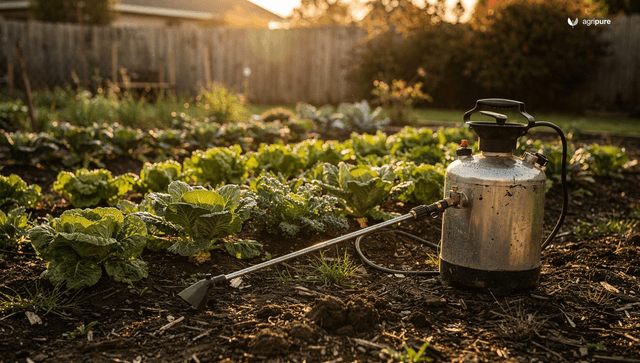
Neem oil’s azadirachtin disrupts aphids, mites, and whiteflies over days, not minutes. The right 1-2% mix, the emulsifier it needs, and why to spray at dusk.
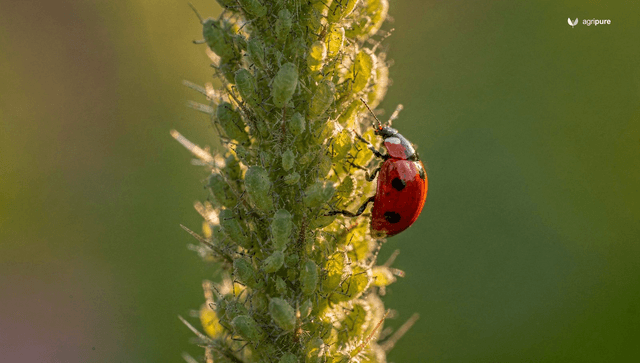
Start with a strong water spray, then insecticidal soap, then neem, then ladybugs. The aphid control ladder, why ants protect them, and what to skip.
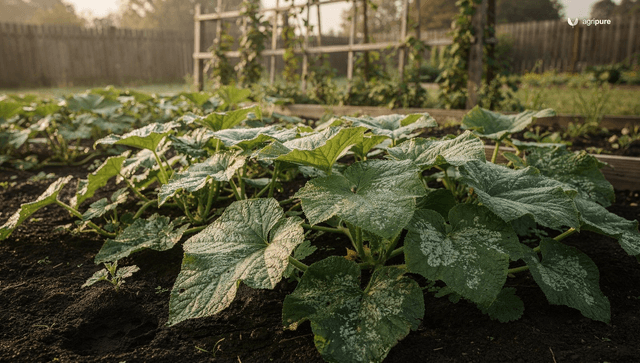
Powdery mildew treatment that works: potassium bicarbonate and oil sprays, milk and neem, plus the sun, spacing, and resistant varieties that stop it recurring.

Spider mites thrive in hot, dry, dusty air. Learn to spot the webbing and stippling, then use water, soap, neem, and humidity to clear them for good.
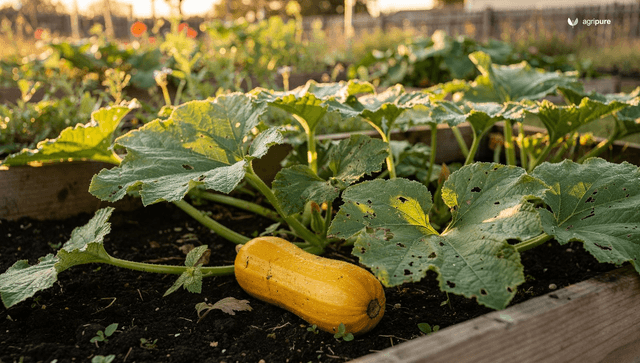
Squash bug eggs hatch in 7-10 days. Identify the stage, crush the egg rafts, trap adults under a board at night, and cover seedlings until flowering.
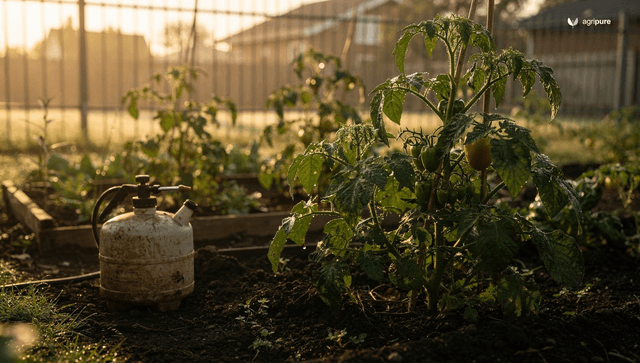
A 1 to 2% insecticidal soap is the homemade bug spray that actually works. Real dilutions, which pests each recipe targets, the leaf-burn risk, and when to buy.
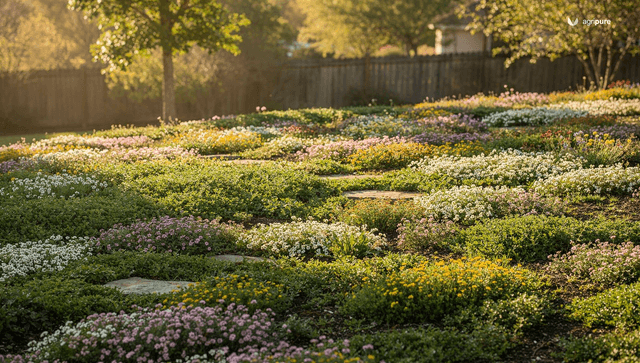
Best ground cover plants by use — sunny slopes, dry shade, between pavers, and lawn alternatives — with USDA zones, spacing, and which spreaders to avoid.
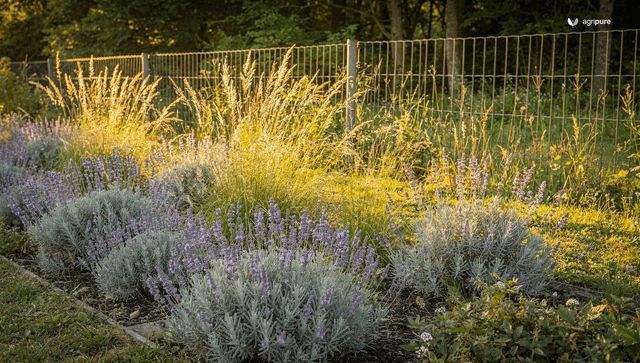
A deer resistant plants guide by perennials, shrubs, herbs, and bulbs — the aromatic, fuzzy, and toxic traits deer avoid, plus the fence they can’t beat.
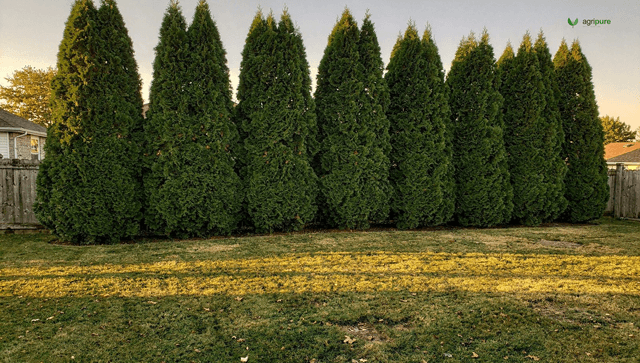
Fast growing privacy trees buy a screen in 3 years, but the quickest growers are often weak-wooded and short-lived. Growth rates, spacing math, and what to avoid.
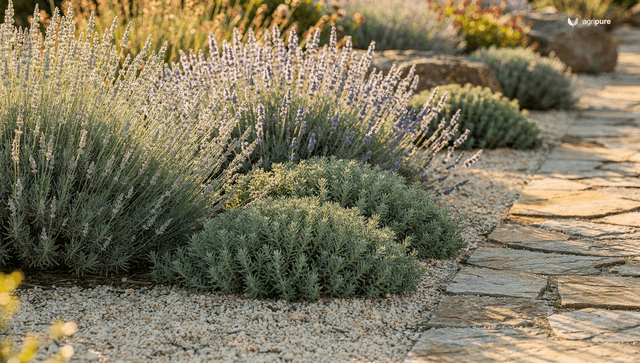
Drought tolerant plants still need water their first year. How to pick by USDA zone, water deeply, mulch 3 inches, and group plants by water need.
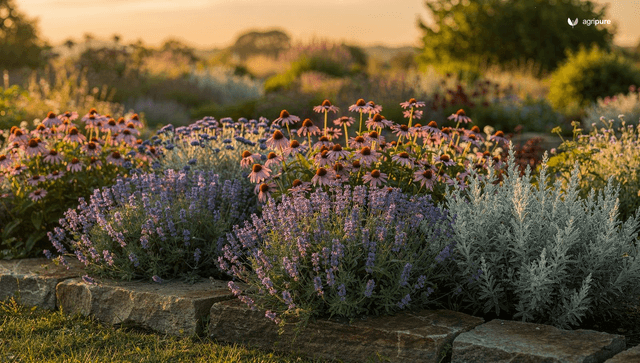
The truly carefree perennials grouped by sun and USDA zone — what low maintenance really means, plus coneflower, sedum, Russian sage, and a succession-of-bloom plan.
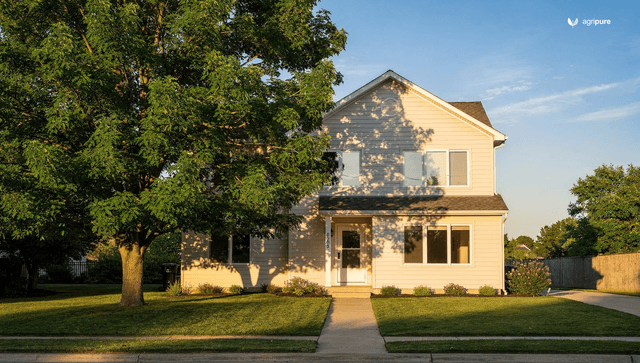
The fastest shade trees grow 5 to 8 feet a year but split and clog pipes. How to pick speed that lasts, place canopy for cooling, and skip weak, invasive picks.