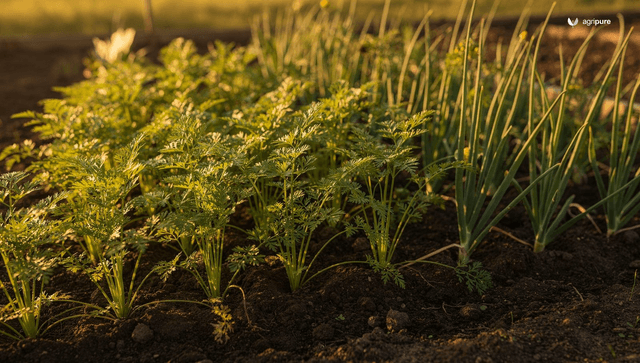
Carrot companion plants that pull their weight (and the ones that backfire)
Onions and chives mask the scent carrot rust flies hunt by, while tomatoes provide light shade. Dill, parsnips, and scattered marigolds backfire around carrot beds.
Articles
Practical, zone-aware guides to gardening, homesteading, permaculture, and food forests — the slow craft of farming like a forest does.
Onions and chives mask the scent carrot rust flies hunt by, while tomatoes provide light shade. Dill, parsnips, and scattered marigolds backfire around carrot beds.
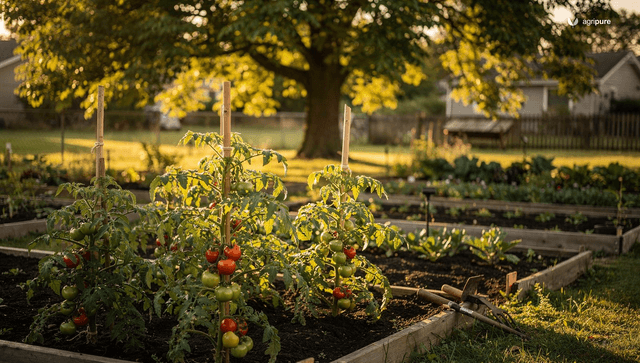
Tomatoes have 5 real antagonists: black walnut, other nightshades, fennel, corn, and brassicas. The evidence behind each and the spacing and rotation fixes.
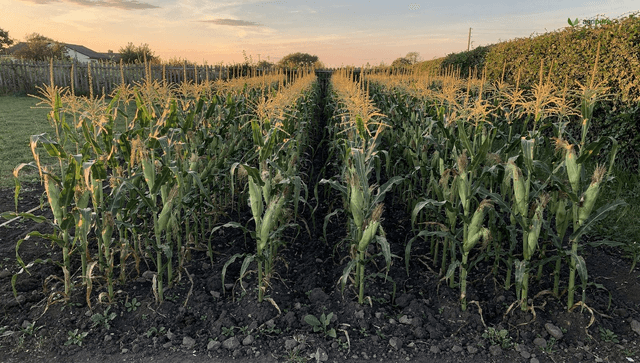
Sweet corn is wind pollinated, so plant a block of 4+ rows, not one. Soil at 60°F, seed 1 inch deep, feed nitrogen twice, and pick at the milk stage.
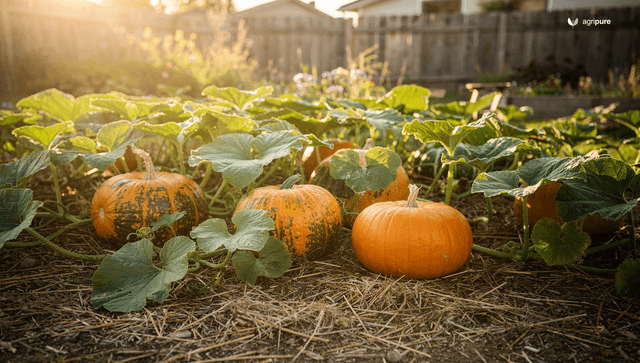
Count back from frost for a Halloween crop, give vines 50-100 sq ft per hill, hand-pollinate the female flowers, and cure at 80-85 F to store pumpkins for months.
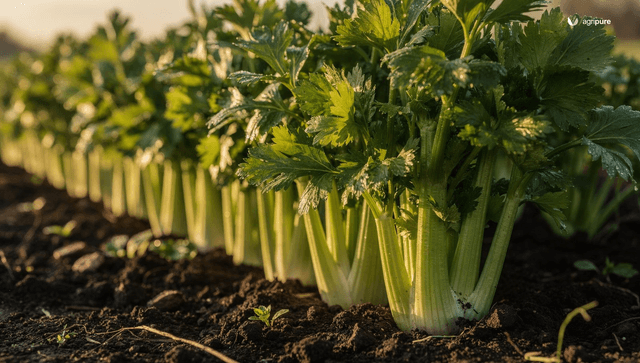
Celery needs 80 to 120 days, a 10 to 12 week indoor head start, and steady moisture. Here is how to dodge bolting and stringy stalks and harvest tender ribs.
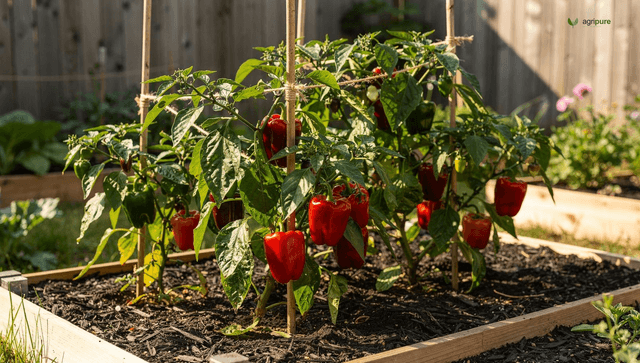
Peppers need an 8-week head start indoors and 70F soil before they go out. The timing, blossom-drop temps, and calcium fixes that decide your harvest.
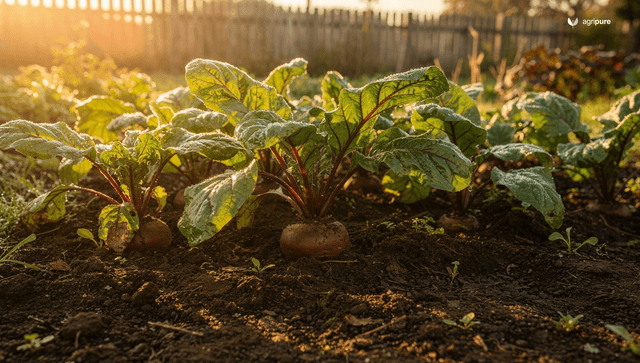
Each beet seed is a cluster of several embryos, so thinning is not optional. How to thin, time the cool season, water evenly, and harvest roots and greens.
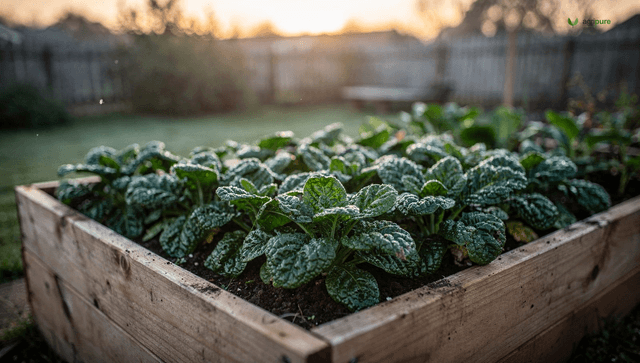
Spinach germinates at 45-68F and bolts once days pass 14 hours. Here are the spring and fall windows, succession timing, and overwintering that keep it sweet.
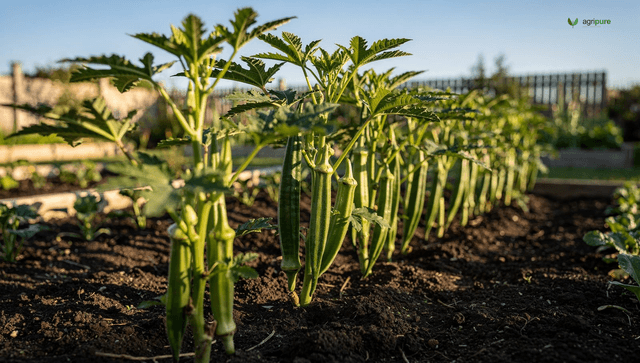
Okra is a heat lover: soak the hard seed, wait for 65°F soil, space tall plants 9-12 inches, and pick pods every 1-2 days to keep them producing for weeks.
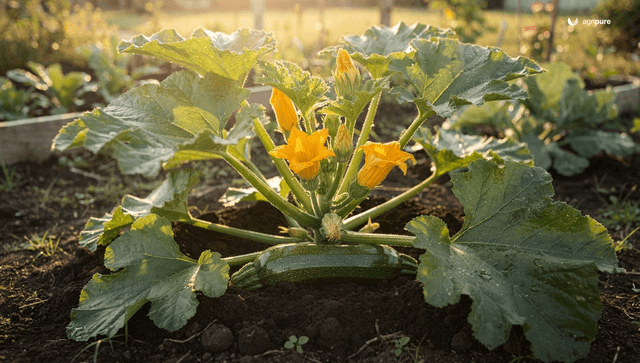
Zucchini matures in about 55 days but only sets fruit once bees move pollen. Warm-soil hills, hand-pollination, squash bug watch, and picking small and often.
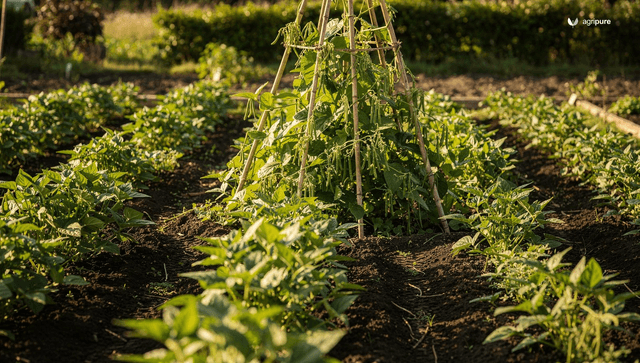
Direct-sow green beans into 60°F soil, skip the nitrogen feed (they fix their own), trellis pole types, and pick every few days to keep pods coming.
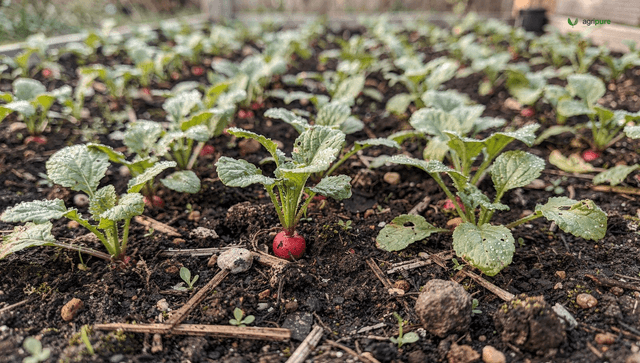
Radishes go seed to harvest in 25-35 days. How to direct sow, thin to 2 inches, dodge woody and pithy roots, succession sow, and grow winter daikon types.
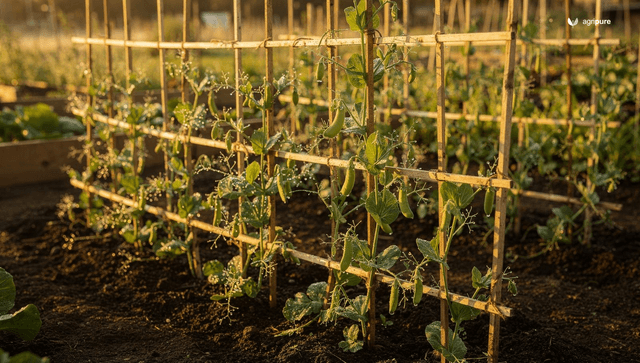
Peas are the earliest crop you can sow — at 45°F soil. How to pick shelling vs snap vs snow, inoculate, trellis even bush types, and squeeze in a fall crop.
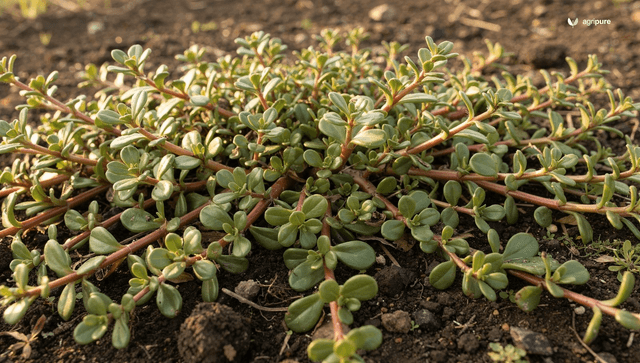
Identify the purslane plant by its fat clear-sap stems and yellow flowers, tell it from toxic spurge, and use the richest leafy source of omega-3.
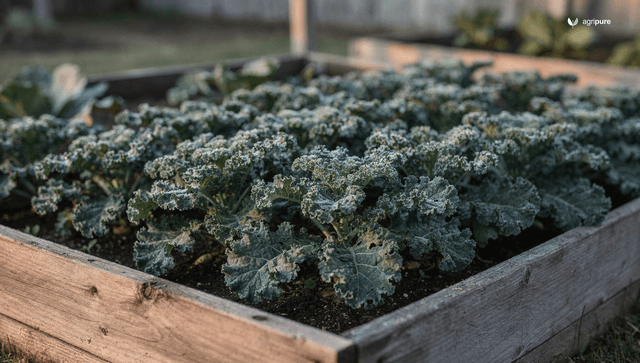
Kale matures in 45-65 days and survives to 20F. Here are the spring and fall sowing windows, bottom-up harvest, cabbage worm and aphid control, and frost flavor.