Key takeaways
- Plant ginger rhizomes in late winter to early spring (August to October) as soil temperatures rise above 18°C.
- Provide dappled shade or 30 to 50 percent shade cloth protection during scorching summer afternoons to prevent leaf tip burn.
- Build loose, rich, free-draining soil with abundant organic compost and aged manure, maintaining a slightly acidic pH (5.5 to 6.5).
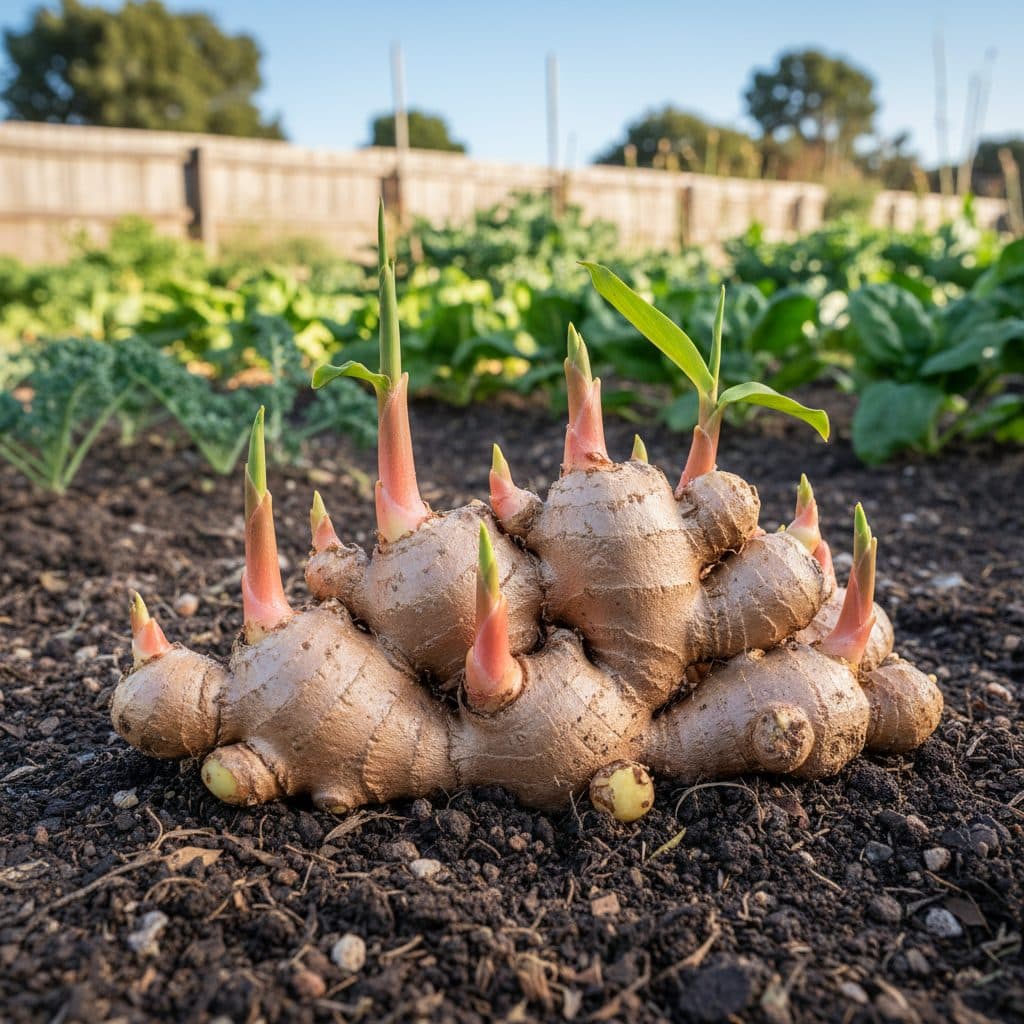
- Hill compost around expanding stems two to three times during summer to encourage plump, tender rhizome "hands" with pink shoots.
- Harvest young tender "stem ginger" at five months, or wait eight to ten months until foliage dies down from late autumn into winter for mature pungent rhizomes.
Quick answer: Growing ginger (Zingiber officinale) in Australia requires replicating the warm, humid, sheltered understorey conditions it evolved for: warm soil (18°C to 28°C), partial shade, consistent moisture, and loose, nutrient-rich soil high in organic matter. Gardeners in tropical and subtropical regions (Queensland, Northern NSW) plant directly into garden beds from August to October, while growers in temperate southern states (Sydney, Adelaide, Melbourne) succeed by planting in warm microclimates, wicking beds, or portable containers that can be sheltered from winter frost.
Fresh homegrown ginger possesses a crisp texture, citrus-spicy aroma, and thin edible skin far superior to supermarket rhizomes that may have been cold-stored for months.
As a tropical understorey perennial, ginger thrives on warmth, humidity, and shelter from desiccating winds. In Australia's northern and eastern coastal belts, ginger grows vigorously throughout the warm, wet summer months. In southern temperate zones, successful harvests require managing seasonal cold and dry summer air.
Getting rhizome selection, soil preparation, seasonal watering, and harvest timing right produces a good crop of fresh ginger and turmeric across Australian gardens.
Australian climate zones and planting windows
Because Australia spans diverse climatic regions, planting dates and microclimate strategies vary by latitude:
+------------------------+-------------------+-------------------+-------------------------------+
| Climate Zone           | Example Regions   | Planting Window   | Growing Strategy              |
+------------------------+-------------------+-------------------+-------------------------------+
| Tropical               | Cairns, Darwin    | July to September | In-ground, full sun or shade  |
| Subtropical            | Brisbane, Nth NSW | August to October | In-ground or raised beds      |
| Warm Temperate         | Sydney, Coastal NSW| Sept to November  | Wicking beds, warm sunny spot |
| Cool Temperate         | Melbourne, Hobart | October to Dec    | Large pots, polyhouse shelter |
| Mediterranean / Arid   | Perth, Adelaide, Dubbo | Sept to Nov   | Protected shade, wicking pots |
+------------------------+-------------------+-------------------+-------------------------------+
+-------------------------------------------------------------------+
| GINGER ANNUAL CROP CYCLE (SOUTHERN HEMISPHERE) |
+-------------------------------------------------------------------+
| [Aug-Oct] Plant sprouted rhizomes 5 cm deep into warm soil |
| [Nov-Jan] Lush vegetative shoots emerge; apply mulch and shade |
| [Dec-Feb] Hill rich compost over expanding crowns; feed seaweed |
| [Apr-May] Leaves turn golden; reduce watering as dormant |
| [Jun-Jul] Harvest mature rhizomes once top foliage dries back |
+-------------------------------------------------------------------+In cool southern regions, starting rhizomes indoors in small pots placed on heat mats during August gives plants a two-month head start before transplanting outdoors once November soil warms.
Selecting and preparing seed rhizomes
Source fresh, plump organic ginger rhizomes from local farmers markets, organic grocers, or specialist garden suppliers. Supermarket ginger will often sprout perfectly well, but stock can be cold-stored for months, so pick the plumpest pieces with visible eyes — or buy seed rhizomes from a nursery if nothing you find shows bud swell.
+-------------------------------------------------------------------+
|               RHIZOME PREPARATION PROCEDURE                       |
+-------------------------------------------------------------------+
| 1. Select Plump Pieces: Choose pieces with prominent "eyes" (buds)|
| 2. Divide into Chunks:  Cut into 5 cm pieces with 2 to 3 buds each|
| 3. Callus the Cuts:     Leave in dry, shady spot for 24 to 48 hrs |
| 4. Pre-Sprout (Opt):    Place in damp coir in warm room (22°C+)   |
| 5. Plant Out:           Plant eye-side up once green buds swell   |
+-------------------------------------------------------------------+
Allowing cut surfaces to callus over creates a protective dry seal that prevents fungal rot when the rhizome is placed into moist planting soil.
Soil preparation and feeding requirements
Ginger is a heavy feeder that requires loose, highly organic soil. Heavy clay soils cause rhizomes to rot during wet summer spells, while dry sandy soils dry out too quickly.
The ideal ginger soil blend
- 40% Quality Potting Mix / Coir: Provides stable, well-aerated base structure.
- 30% Rich Organic Compost: Delivers continuous microbial fertility and moisture retention.
- 20% Coarse Washed Sand / Perlite: Ensures rapid, free drainage around rhizomes.
- 10% Well-Aged Manure / Worm Castings: Supplies mild, slow-release nutrients (ensure manure is thoroughly aged).
- pH Range: 5.5 to 6.5 (slightly acidic).
Enhancing soil biology with vermicompost vs regular compost worms win adds microbial life and slow-release nutrients that suit a heavy feeder like ginger.
Hilling up for plumper rhizomes
As ginger stems grow rapidly from December through February, the developing rhizomes naturally push upward toward the soil surface. Exposure to direct sunlight turns rhizome skin green and fibrous. Hill 5 cm of fresh compost and organic mulch around the base of the stems every four to six weeks during summer (two to three times across the season). Hilling encourages the rhizomes to form stacked, multi-tiered hands of tender pink ginger.
Shade and water management under the Australian sun
In humid coastal Queensland ginger crops in full sun provided moisture is constant; shade cloth matters most in hot dry inland gardens and on exposed western aspects.
+------------------------+-----------------------------------+-----------------------------------+
| Cultural Factor        | Australian Management Action      | Benefit                           |
+------------------------+-----------------------------------+-----------------------------------+
| Sunlight Exposure      | Morning sun + afternoon shade     | Prevents leaf scorch and stress   |
| Shade Netting          | 30% to 50% green/white shade cloth| Buffers extreme summer heatwaves  |
| Mulch Layer            | 7 cm sugar cane or lucerne mulch  | Retains root moisture and coolness|
| Irrigation Method      | Drip line or wicking reservoir    | Consistent moisture without rot   |
+------------------------+-----------------------------------+-----------------------------------+
In dry summer regions, growing ginger in self-watering containers or wicking beds eliminates moisture stress, as detailed in our guide on wicking beds hot dry humid climates. Use shade cloth systems explained in shade cloth vegetables percentage install to protect beds during January heatwaves.
Harvesting, curing and storage
Ginger provides two distinct culinary harvests depending on timing:
+------------------------+-------------------+-------------------+-------------------------------+
| Harvest Type           | Timing (Southern) | Appearance        | Culinary Character & Use      |
+------------------------+-------------------+-------------------+-------------------------------+
| Green / Stem Ginger    | February to March | Tender, pale pink | Mild, juicy, very low fibre, pickle|
| Mature Maincrop Ginger | June to August    | Tough golden skin | Pungent, spicy, storage, drying|
+------------------------+-------------------+-------------------+-------------------------------+
Harvesting green ginger
In late summer (February/March), carefully band-harvest young outer rhizomes by brushing away surface mulch with your fingers. Snap off a few tender pink hands and replace the mulch to allow the main plant to continue growing until winter.
Harvesting mature ginger
In late autumn to early winter (May to June), ginger foliage naturally turns yellow and dies back as cool weather arrives. Once leaves dry completely, stop watering. Gently lift the entire root clump using a garden fork. Shake off loose soil, trim stems to 2 cm, and wash rhizomes clean.
Allow mature rhizomes to air-dry in a warm, shaded, well-ventilated room for two days to cure the skin. Store cured ginger in breathable paper bags in a cool pantry, or slice and freeze in airtight containers for year-round cooking.
Coordinate your seasonal planting calendar with what to plant in may australia to maintain a productive, year-round Australian veggie patch.