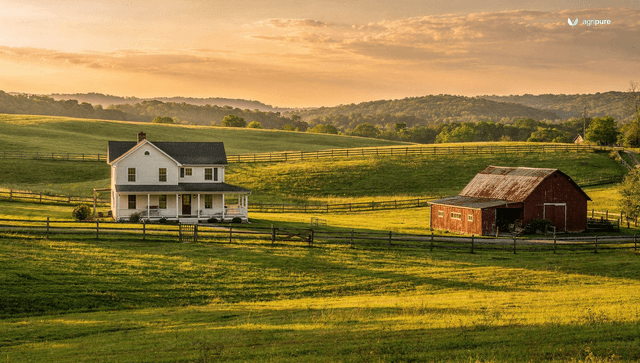
The best states for homesteading, and how to judge them
Tennessee, Missouri, Idaho and more top the homesteading lists, but the right state is the one matching your goals. Here is how to weigh land, water, and law.
Articles
Practical, zone-aware guides to gardening, homesteading, permaculture, and food forests — the slow craft of farming like a forest does.
Tennessee, Missouri, Idaho and more top the homesteading lists, but the right state is the one matching your goals. Here is how to weigh land, water, and law.
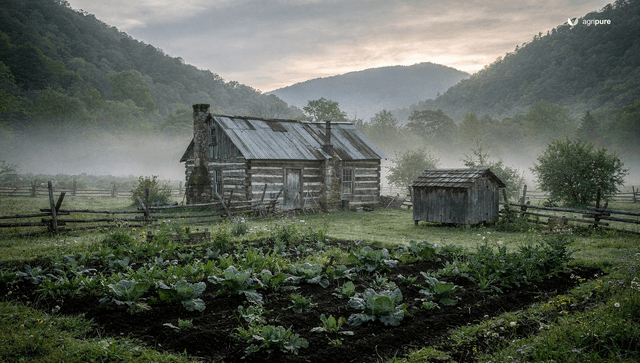
Appalachian homesteading is America’s oldest self-reliance tradition: heirloom crops, the canning calendar, foraging, and hard-won mountain skills. Here is the heart of it.
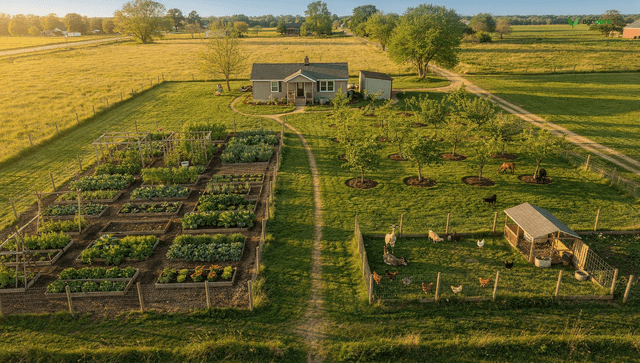
One acre can grow most of a household’s vegetables and keep a small flock, but not feed a family of four. Here is how to split it, stock it, and lay it out.
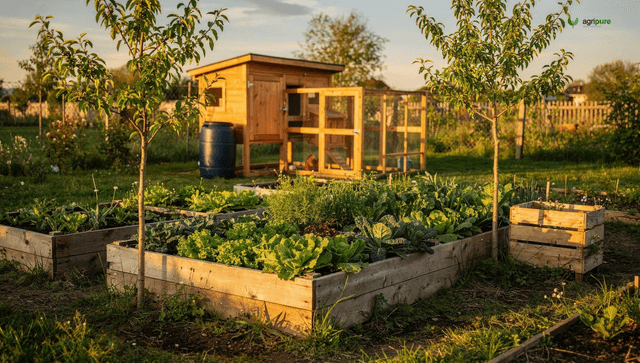
Homesteading means producing more of what you use, food, skills, and self-reliance. Here is what it actually means, where it came from, and how to start small this season.
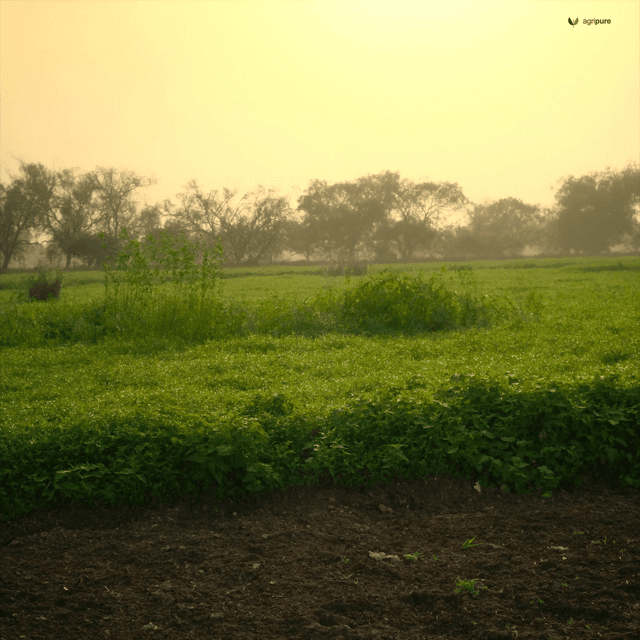
How growing dhaincha (Sesbania bispinosa) as green manure improves soil organic carbon, fixes nitrogen, and loosens compacted subsoil ahead of orchard planting in Punjab.
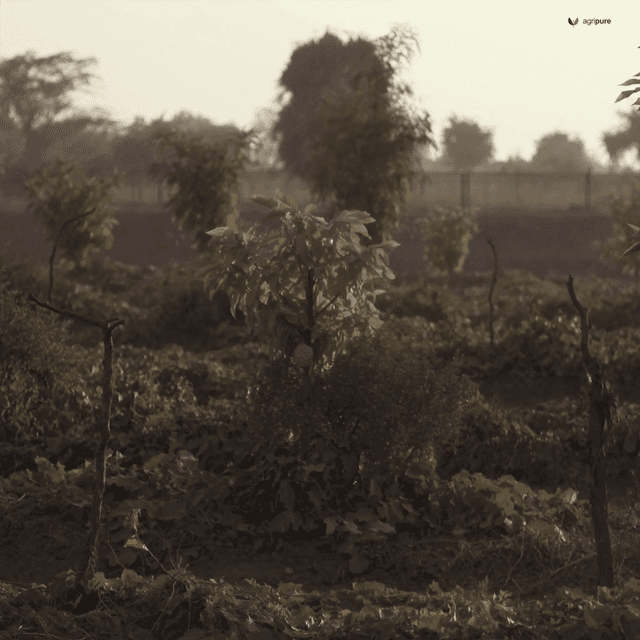
Most growers meet the custard apple as a fruit, not as a tool. In a syntropic planting, Annona squamosa (sharifa in the bazaar) earns its place for the second reason. It is a chaperone: a small, pa…
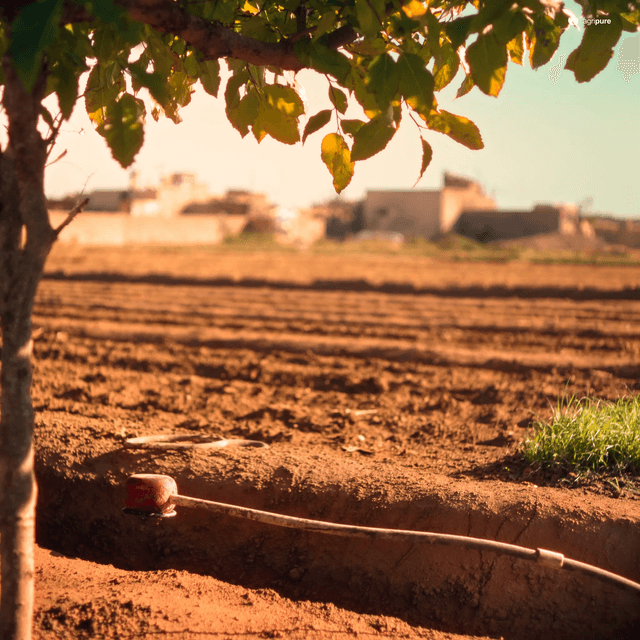
The single most common reason a smallholder drip system fails in Pakistan is not the heat, the salt, or the dust. It is the assumption that drip needs a pump, and that a pump needs reliable grid po…
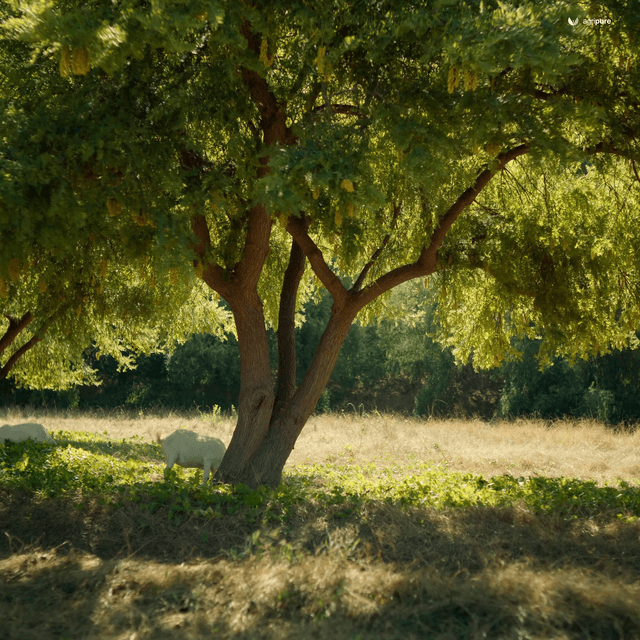
Animals belong in a mature agroforest — but on terms the trees can survive. Done well, livestock in the climax canopy close the nutrient loop: they graze the understorey you cannot sell, drop ferti…
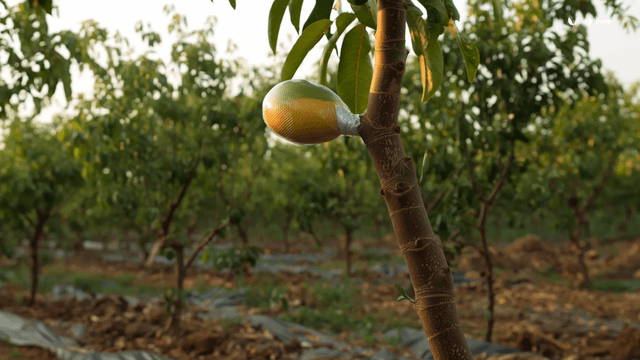
Grafting a mango is where many growers’ confidence quietly fails. The tree is too valuable to experiment on, the literature is full of conflicting methods, and a botched graft costs a year. But the…
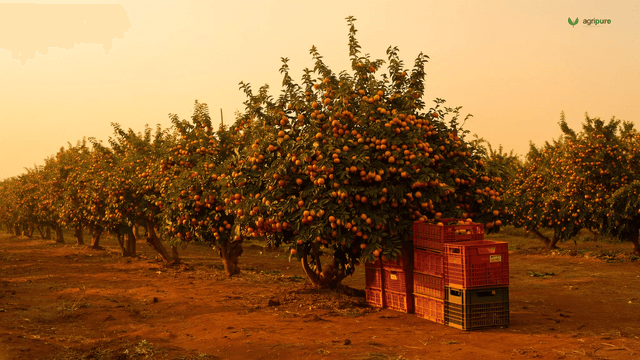
Most orchards are designed for planting and discover their harvest problem later. The trees go in by what grows well together and what the nursery had in stock, and then one November the whole plac…
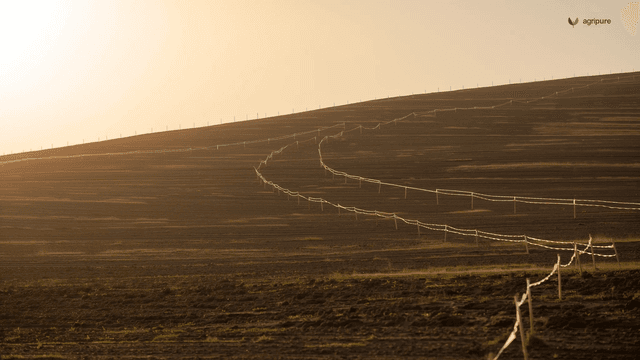
Keyline design has a reputation for being something you do with a bulldozer across a thousand acres. It is not. The idea P. A. Yeomans set out in the 1950s is fundamentally about reading how water…
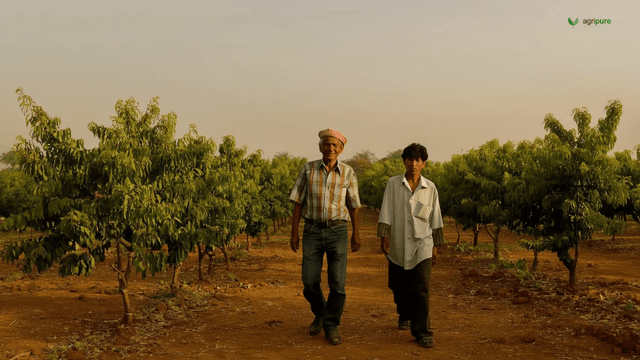
A syntropic planting is a thirty-year argument with time. The grower who designs it in year one will, if the system works as intended, not be the one harvesting its climax canopy at full maturity.…
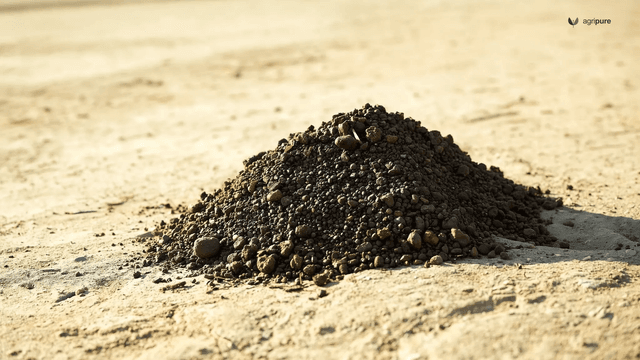
A soil-organic-carbon number arrives looking like a verdict. It is not. It is a starting line. Most Pakistani farmland tests low — commonly 0.2 to 0.6 percent organic carbon on the alluvial plains,…
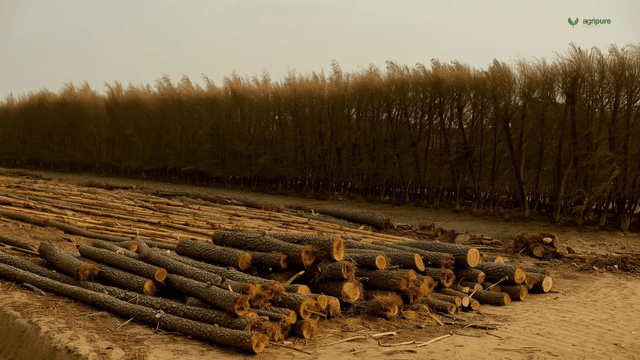
Leucaena is not a crop you harvest. It is a pump you operate. Leucaena leucocephala — ipil-ipil , river tamarind — exists in a syntropic system to convert sunlight and atmospheric nitrogen into bio…
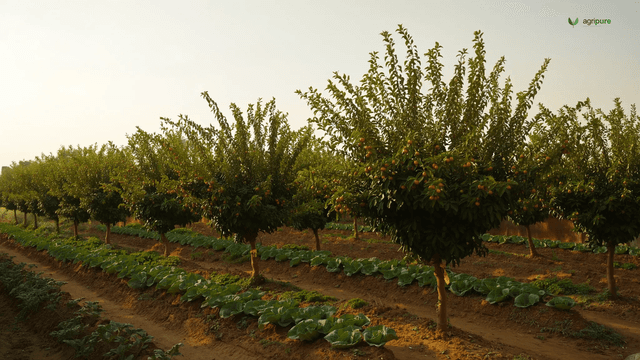
The secondary stage is where most syntropic plantings either compound or stall, and the understorey is the reason. By years two to five the pioneers have done their work, the climax trees are in bu…