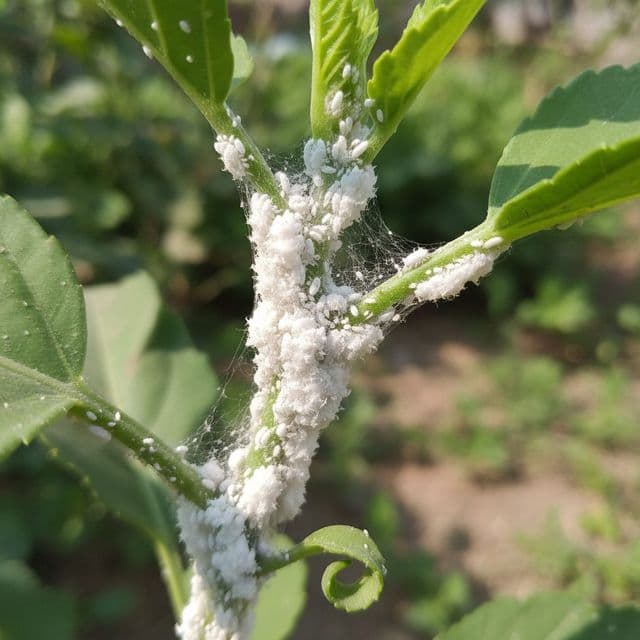
How to Get Rid of Mealybugs on Plants: Indian Guide
Control mealybugs on indoor and terrace plants organically. Master rubbing alcohol removal, neem oil foliar sprays, ant management, and soil drenches.
Articles
Practical, zone-aware guides to gardening, homesteading, permaculture, and food forests — the slow craft of farming like a forest does.
Control mealybugs on indoor and terrace plants organically. Master rubbing alcohol removal, neem oil foliar sprays, ant management, and soil drenches.
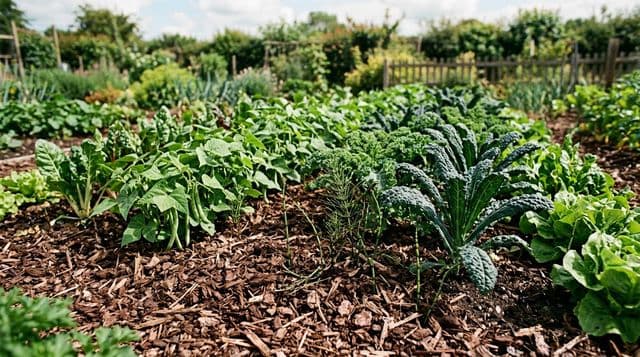
Learn how to control mare's tail (field horsetail) on UK allotments and gardens using proven organic methods, soil improvements, and persistent suppression.
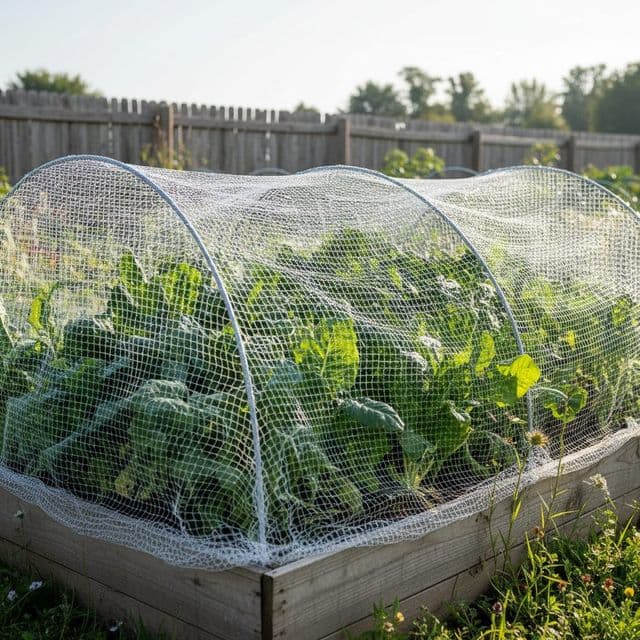
Protect your garden from destructive grasshoppers using organic methods: Nosema locustae biological bait, barrier netting, poultry grazing, and habitat traps.
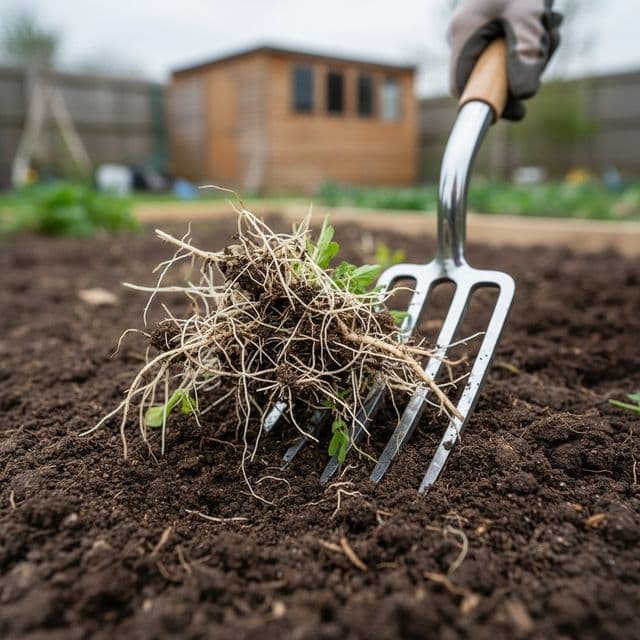
Learn how to get rid of couch grass organically on UK plots and borders. Discover root excavation, light-deprivation mulching, and long-term control.
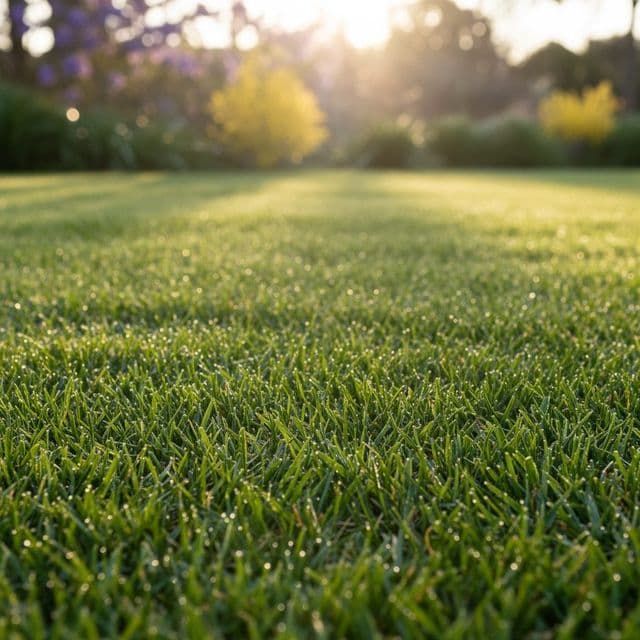
Learn how to get rid of bindii in Australian lawns, with winter treatment timing, organic weed removal, and dense turf management to prevent prickles.
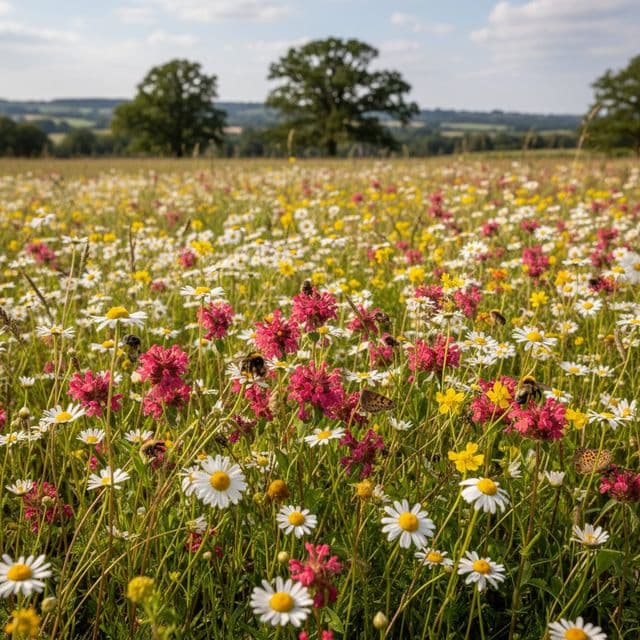
Learn how to create a UK wildflower meadow from seed: soil fertility reduction, yellow rattle parasite sowing, autumn timing, and annual cut-and-collect mowing.
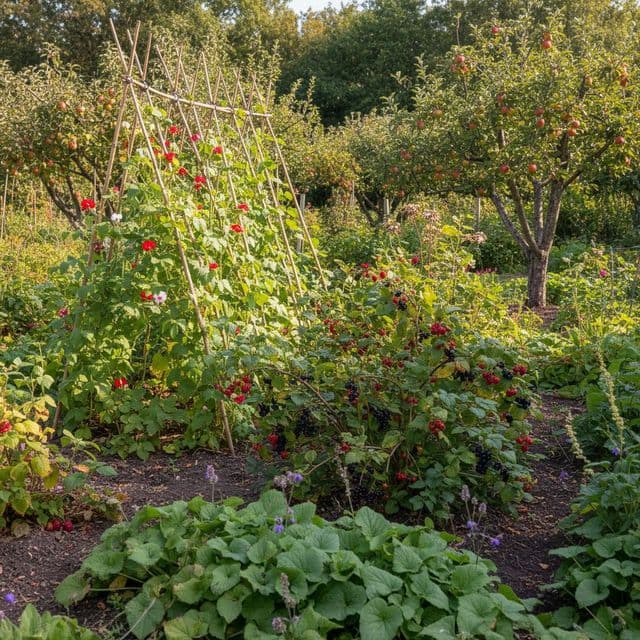
Learn how to create a productive temperate forest garden in the UK: site assessment, soil preparation, seven-layer planting, and perennial maintenance.
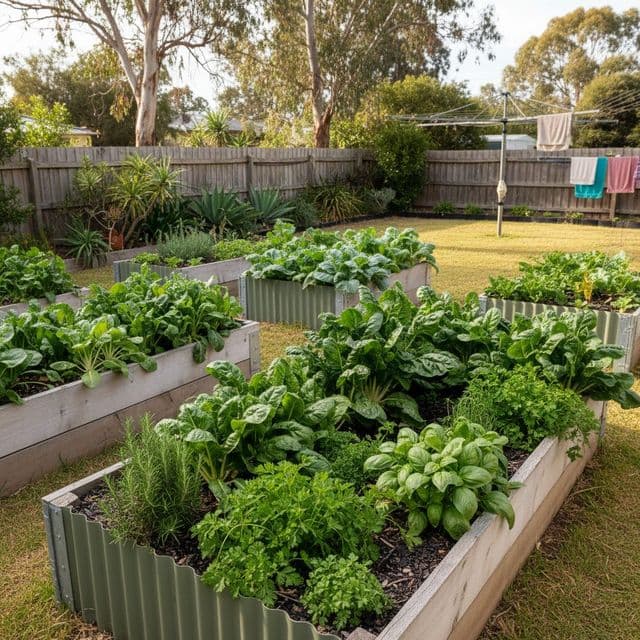
Learn how to build a veggie patch in Australia from scratch, choosing non-toxic timber or corrugated beds, layering rich no-dig soil, and planting by climate.
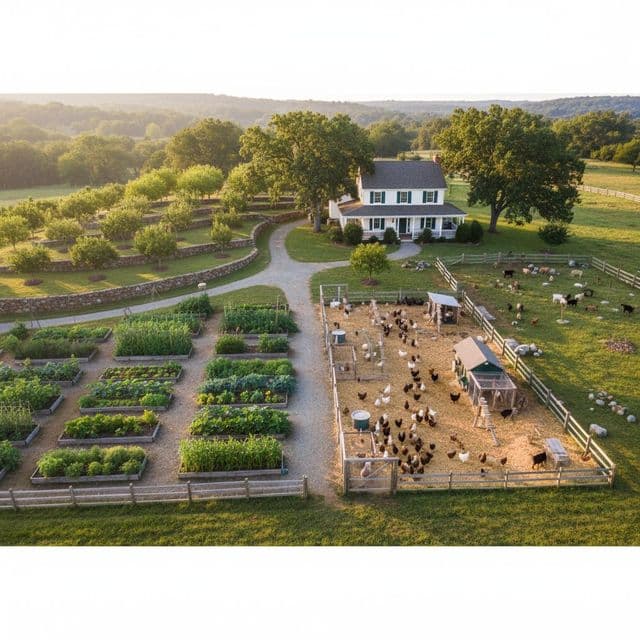
Determine how much land you need to homestead: 1/4-acre suburban plots vs 1, 2, 5, and 10+ acre properties for gardens, poultry, dairy, and woodlots.
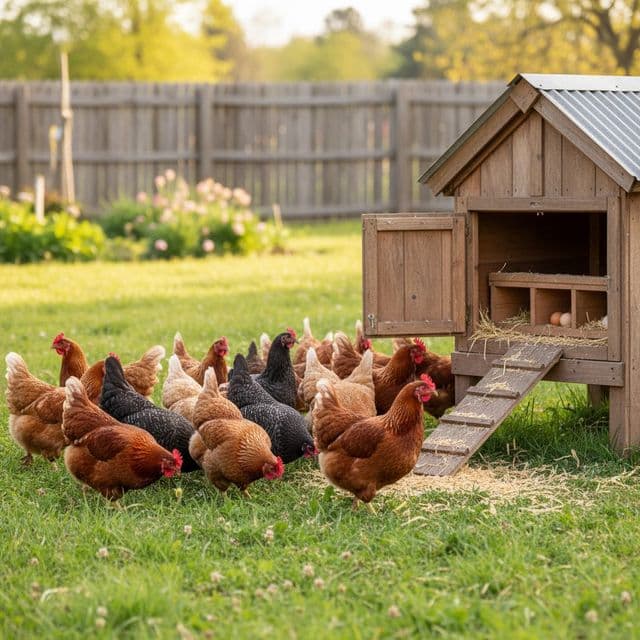
A realistic breakdown of how much raising backyard chickens costs, covering initial coop setup, brooding equipment, monthly feed, and cost per dozen eggs.
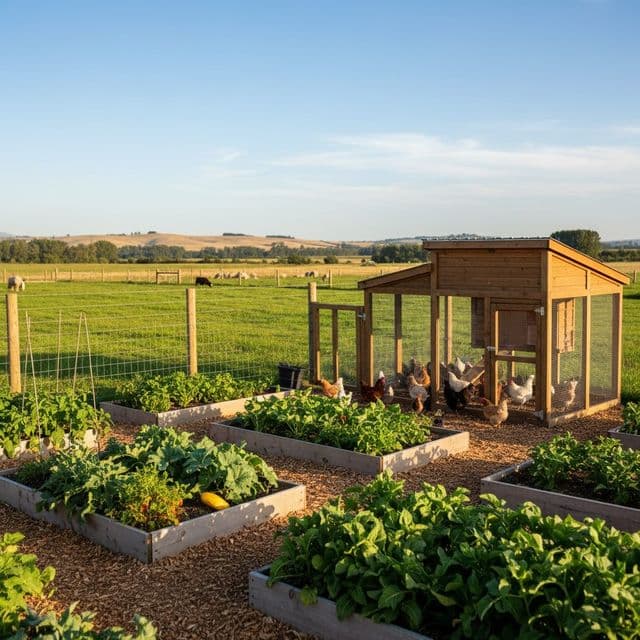
Discover how much does it cost to start a homestead in the US with realistic budget tiers for land, fencing, water systems, shelters, and phased bootstrapping.
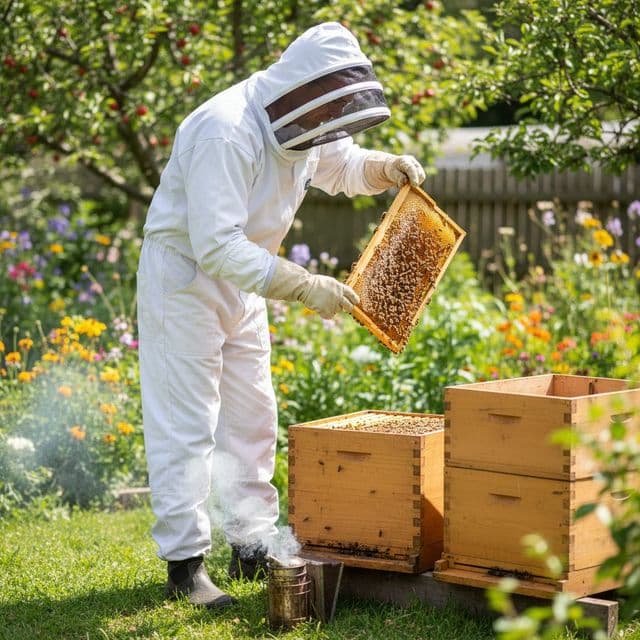
Starting beekeeping typically costs between $550 and $980 for your first hive, or roughly $950 to $1,590 for two hives, including protective gear, hive woodenware, bees, and basic tools.
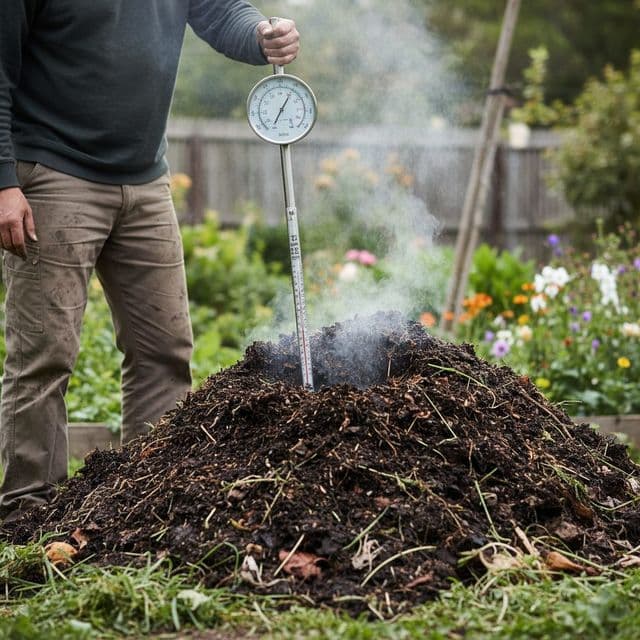
Learn how long compost takes by method, from fast 3-week hot piles to passive bins. Master temperature, C:N ratios, and finished compost readiness tests.
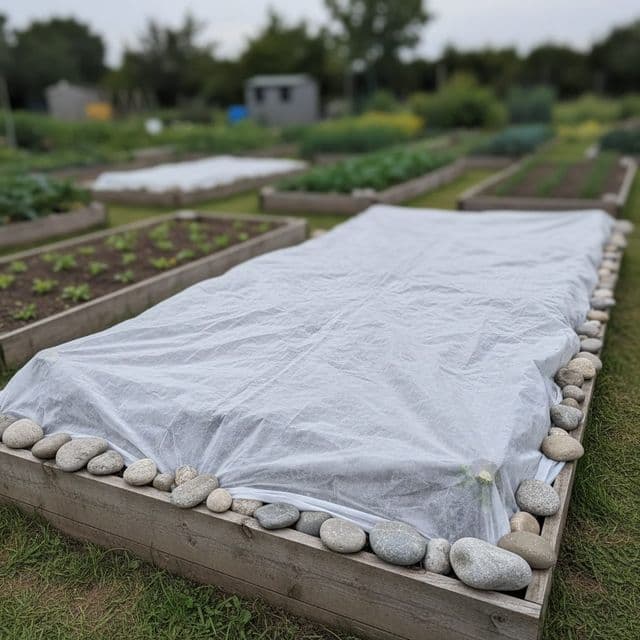
Learn how and when to use horticultural fleece in UK gardens to protect tender crops from frost, pests, and harsh winter winds throughout the growing year.
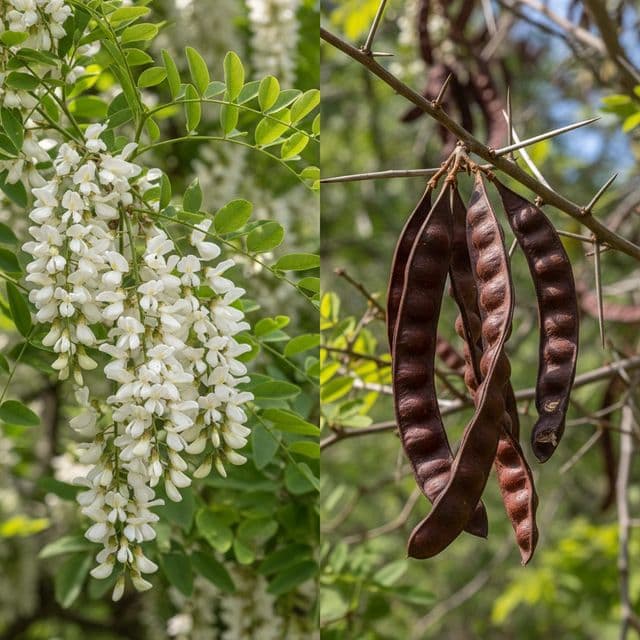
Compare honey locust vs black locust trees. Discover key botanical differences in thorns, leaf structures, nitrogen fixation capabilities, and wood uses.