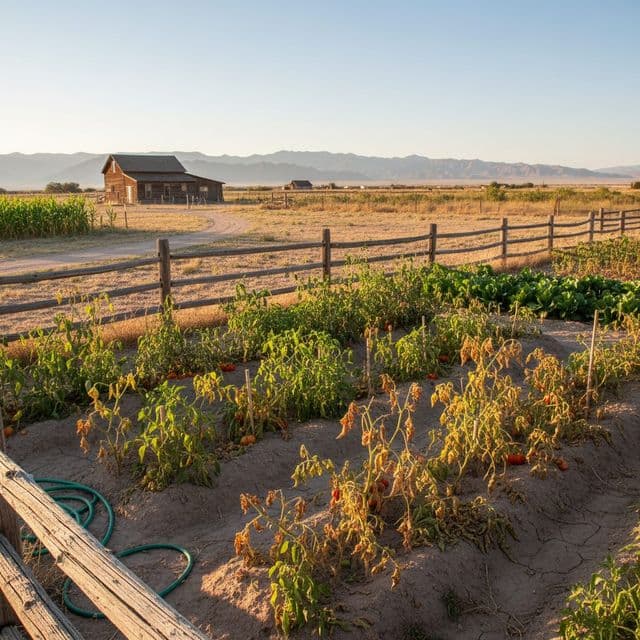
Revive heat-scorched tomato, pepper, squash
Learn to revive heat-scorched plants like tomatoes, peppers, and squash in USDA Zone 7. Identify symptoms, apply immediate relief, improve soil, and protect against future heatwaves.
Articles
Practical, zone-aware guides to gardening, homesteading, permaculture, and food forests — the slow craft of farming like a forest does.
Learn to revive heat-scorched plants like tomatoes, peppers, and squash in USDA Zone 7. Identify symptoms, apply immediate relief, improve soil, and protect against future heatwaves.
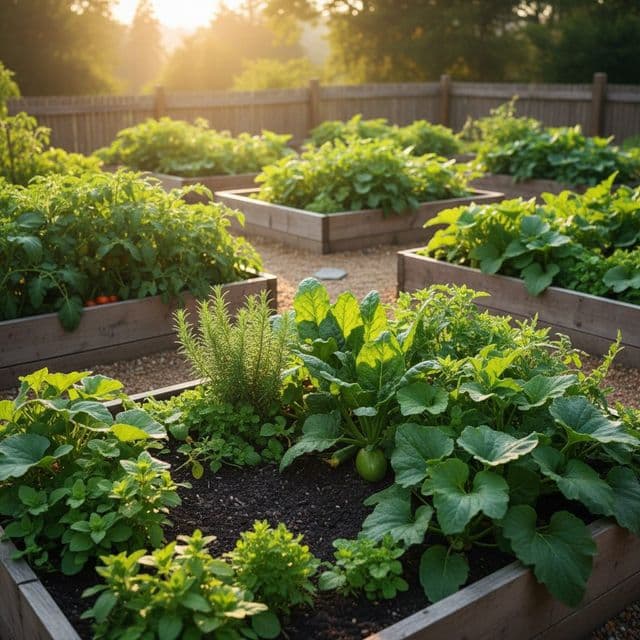
Learn to identify and prevent wilting in garden plants, including tomatoes, in USDA Zone 7. Understand causes like heat stress, underwatering, and disease for a thriving harvest.
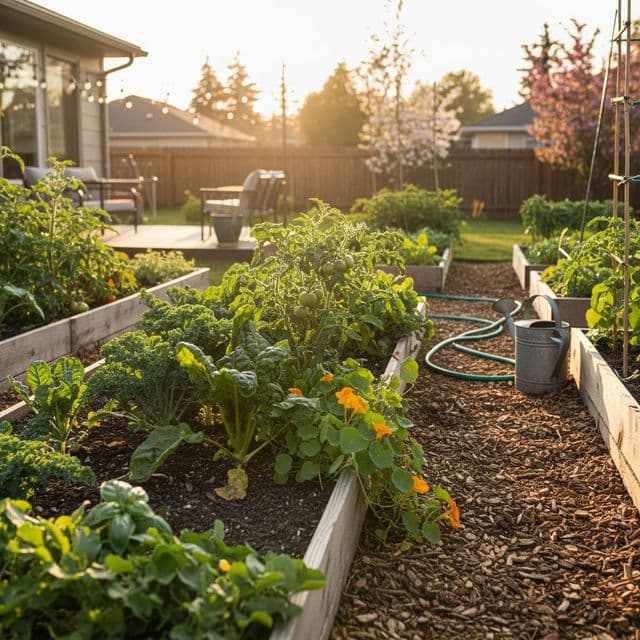
Navigate US garden heatwaves by strategically deciding which crops to harvest early and which to sacrifice. Learn practical tips for water conservation, soil health, and drought-resilient planting.
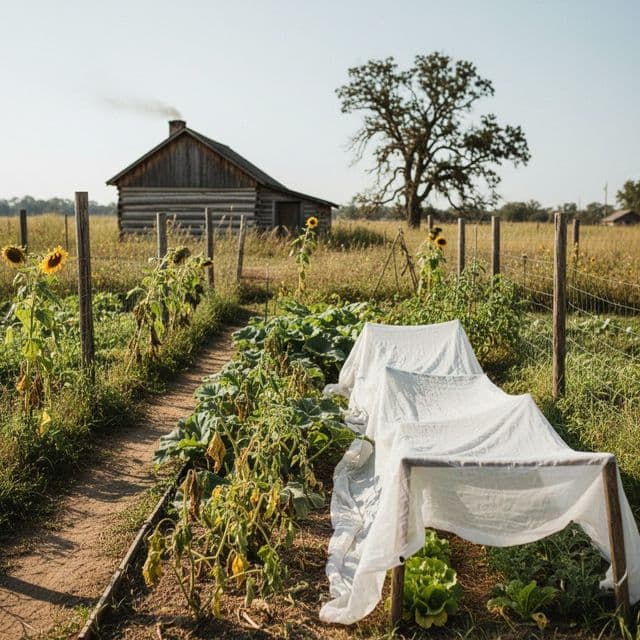
Prepare gardens in USDA zones 8-11 for heatwaves with a 48-hour plan. Protect plants from extreme heat with deep watering, temporary shade, and mulch.
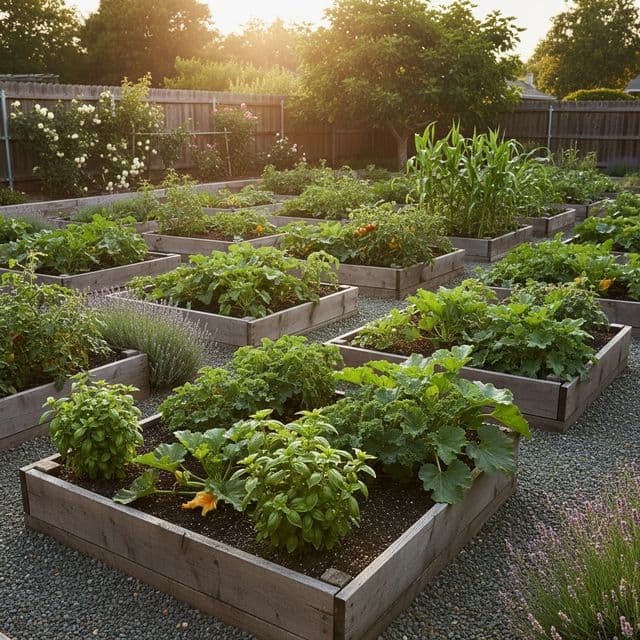
Learn how to use mulch for soil cooling in extreme heat. Discover optimal depths & materials like straw, wood chips, and leaves to protect your garden from 100°F+ temperatures.
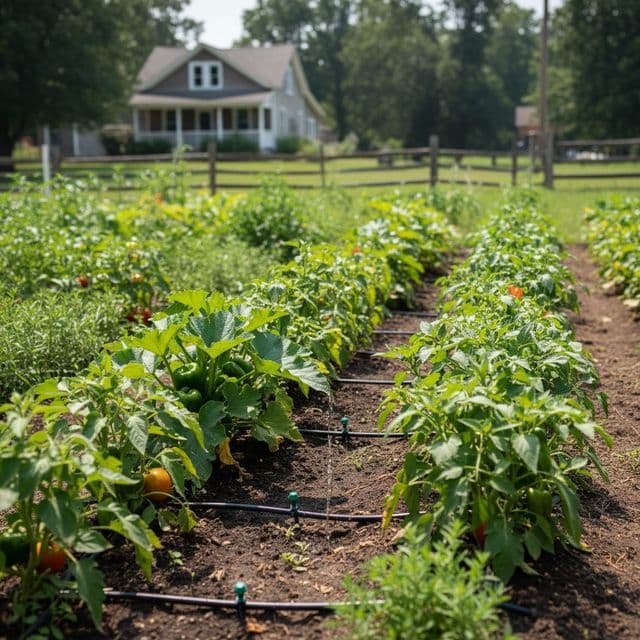
Master heatwave watering for resilient gardens. Learn deep watering to 6-12 inches, optimal morning times, soil health tips, and drip irrigation for USDA Zone 7.
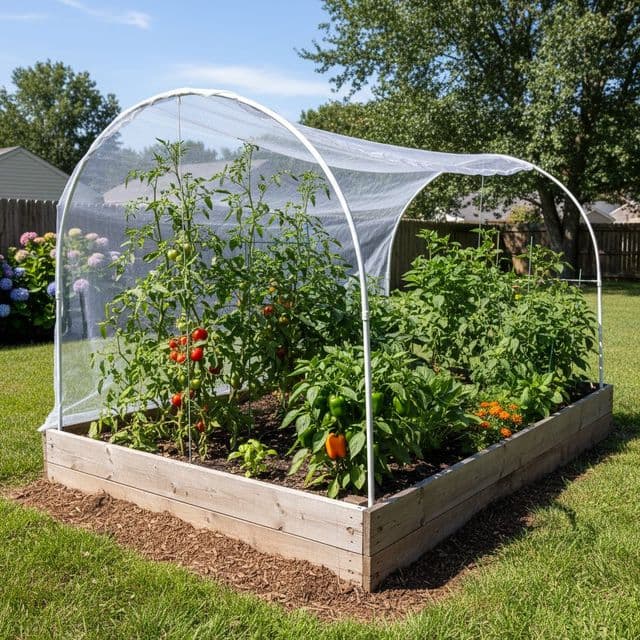
How to build DIY shade structures for raised beds in USDA Zone 7, reducing soil temperatures by 10-15°F, saving water, and preventing crop heat stress.
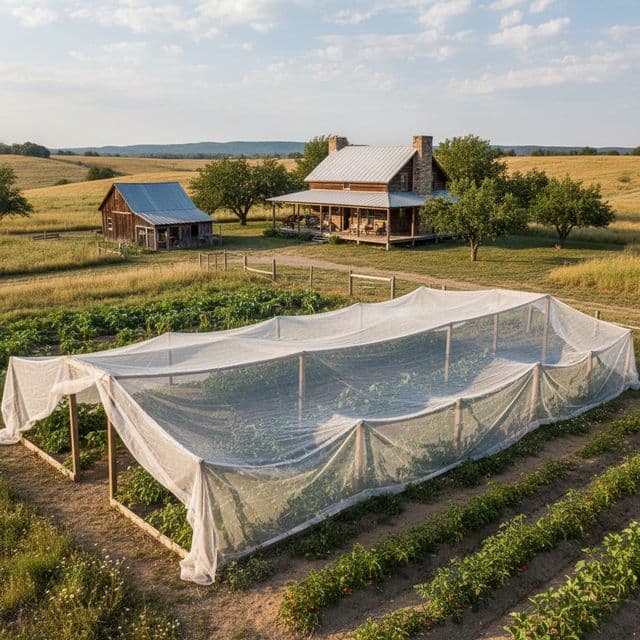
Learn how to protect heat-sensitive crops in USDA Zone 7 with 30-50% shade cloth. Reduce heat stress, conserve water, and boost yields for climate-resilient gardening.
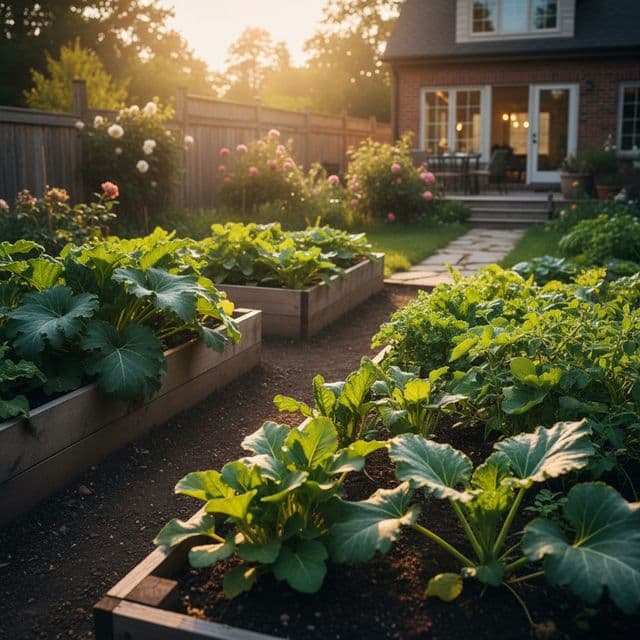
Learn how to implement effective rain garden design, ollas, and passive irrigation earthworks to reduce stormwater runoff, conserve water, and create beautiful, water-wise landscapes in your USDA z…
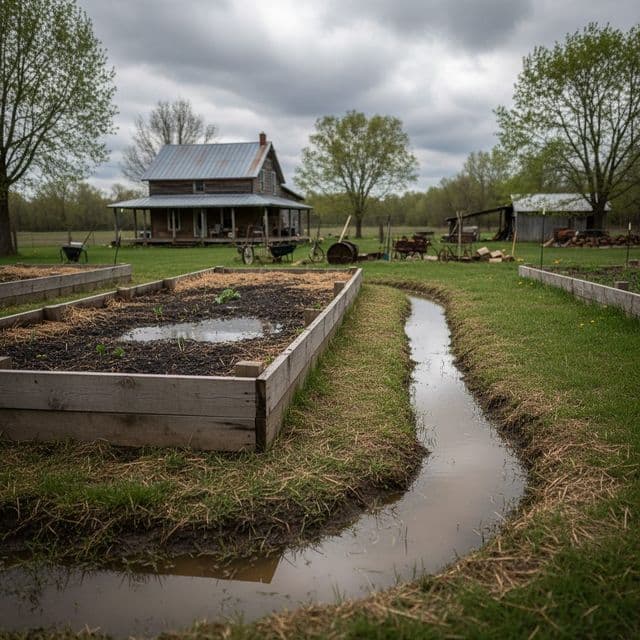
Improve drainage and soil health in waterlogged raised beds and heavy clay in USDA Zone 6. Add organic matter, set up passive earthworks, and use ollas or wicking beds to prevent root rot without a…
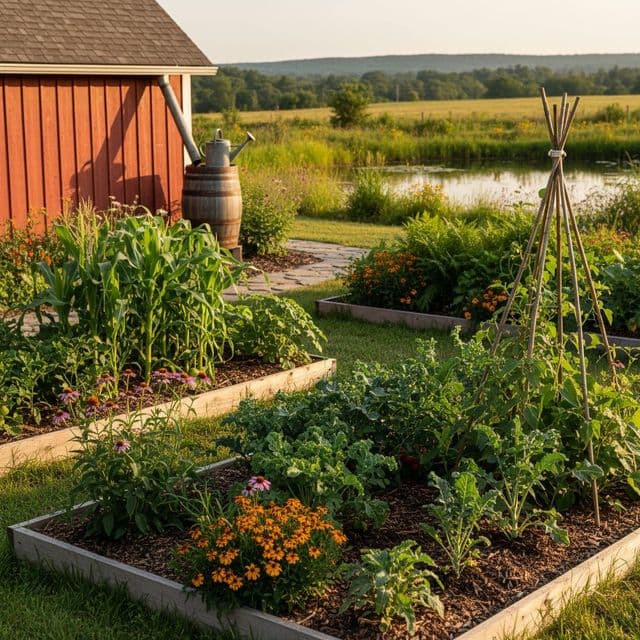
Learn how a simple soil percolation test helps measure drainage, prevent root rot, and optimize water use for garden vegetables.
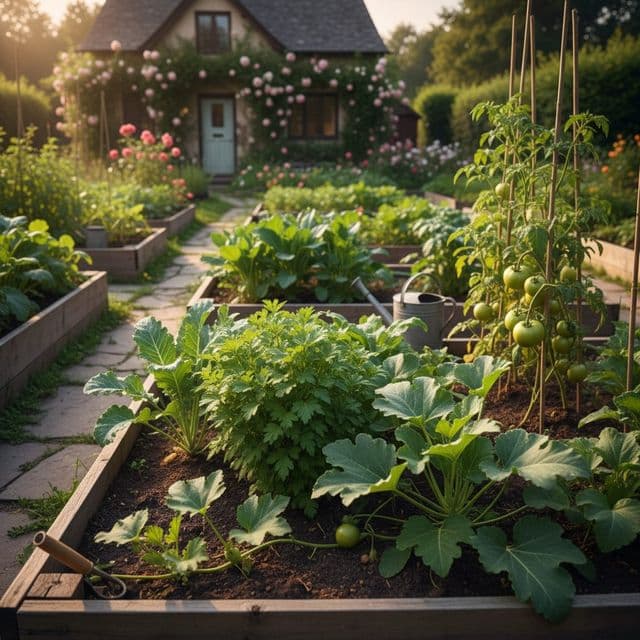
Discover native trees & shrubs for chronically wet spots across US regions. Improve drainage, reduce runoff, and support wildlife with water-tolerant species.
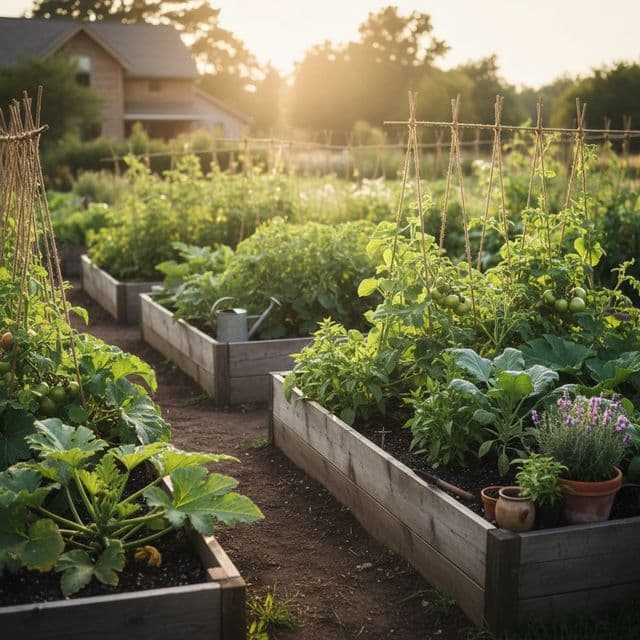
Discover how to grow wet-tolerant crops like elderberry, blueberry, and mint in USDA Zone 6. Learn passive irrigation techniques such as ollas, wicking beds, and swales to thrive in moist conditions.
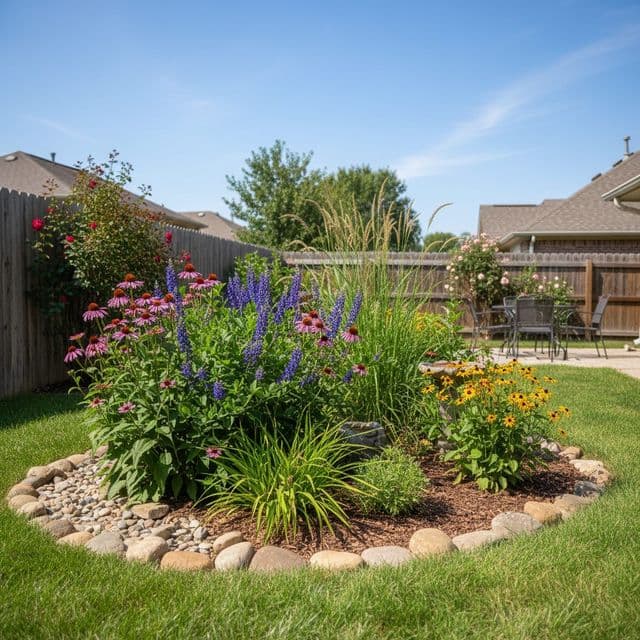
Discover how US cities offer rain garden rebates and stormwater credits. Learn to save 10-50% on utility bills with green infrastructure like rain gardens, ollas, and wicking beds. Maximize savings…
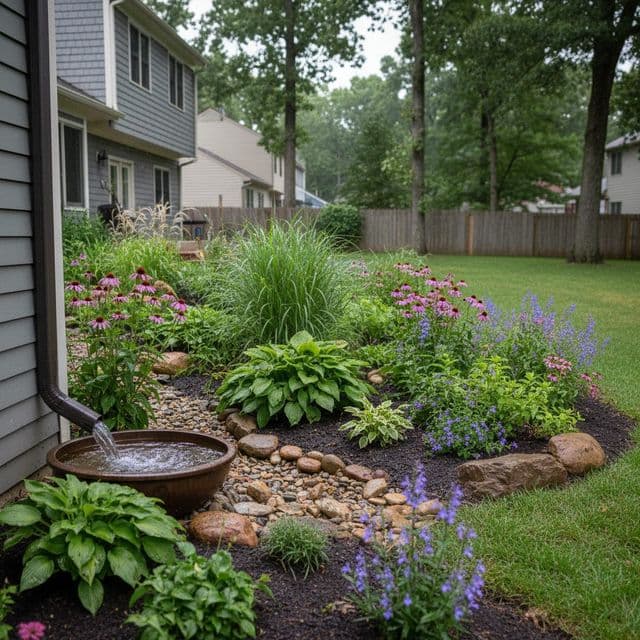
Design farm runoff solutions for properties in USDA Zone 6. Rain gardens, dry creek beds, and bioswales capture, slow, and infiltrate stormwater to protect soil and water quality.